Titan Fine Art has dated this piece to the 17th Century.
On 14th January 1657 she married Meyndert Merens (1622-1681) who was also a Major of that town. The couple had a son, Allard (c.1663-1716) and two daughters, Antonetta (1668-1733) and Petronella (1673-1748). Briggita died there on January 30, 1686.
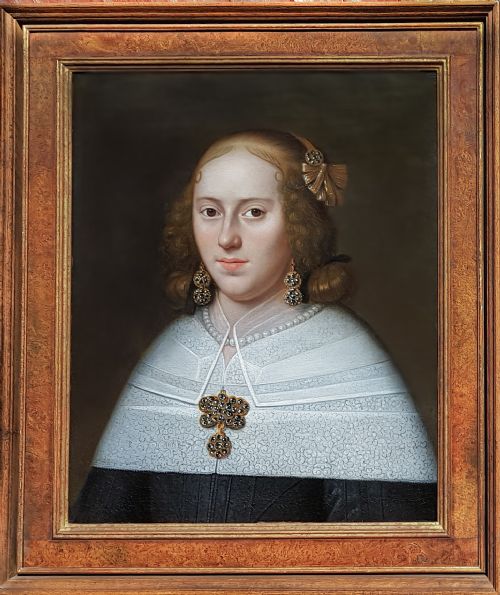
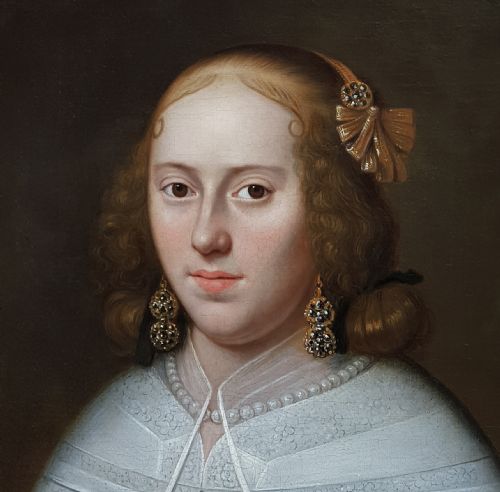
Along with our portrait, the artist painted a full-length version of the sitter, and also her husband in 1659. These are held in the Westfries Museum, Hoorn. Our portrait with its more intimate smaller scale, was likely painted for a family member or close friend. A third portrait was with art dealer Martin Colnaghi London prior to 1948.
The Dutch Golden Age of painting was a period in Dutch history, roughly spanning the 17th century, in which Dutch trade, science, military, and art were among the most acclaimed in the world. Dutch portraiture in this period thrived. By some accounts there were in excess of one million portraits painted during the century. The wealthy mercantile burghers and emerging new gentry were always keen to commission portraits to show their status. Dutch explorers charted new territory and settled abroad. Trade by the Dutch East-India Company thrived, and war heroes from the naval battles were decorated and became national heroes. During this time, The Dutch Old Masters began to prevail in the art world, creating a depth of realistic portraits of people and life in the area that has hardly been surpassed. The Golden Age painters depicted the scenes that their discerning new middle-class patrons wanted to see. This new wealth from merchant activities and exploration combined with a lack of church patronage, shifted art subjects away from biblical genres. Still life’s of items of everyday objects, landscapes, and seascapes reflecting the naval and trade power that the Republic enjoyed were popular.
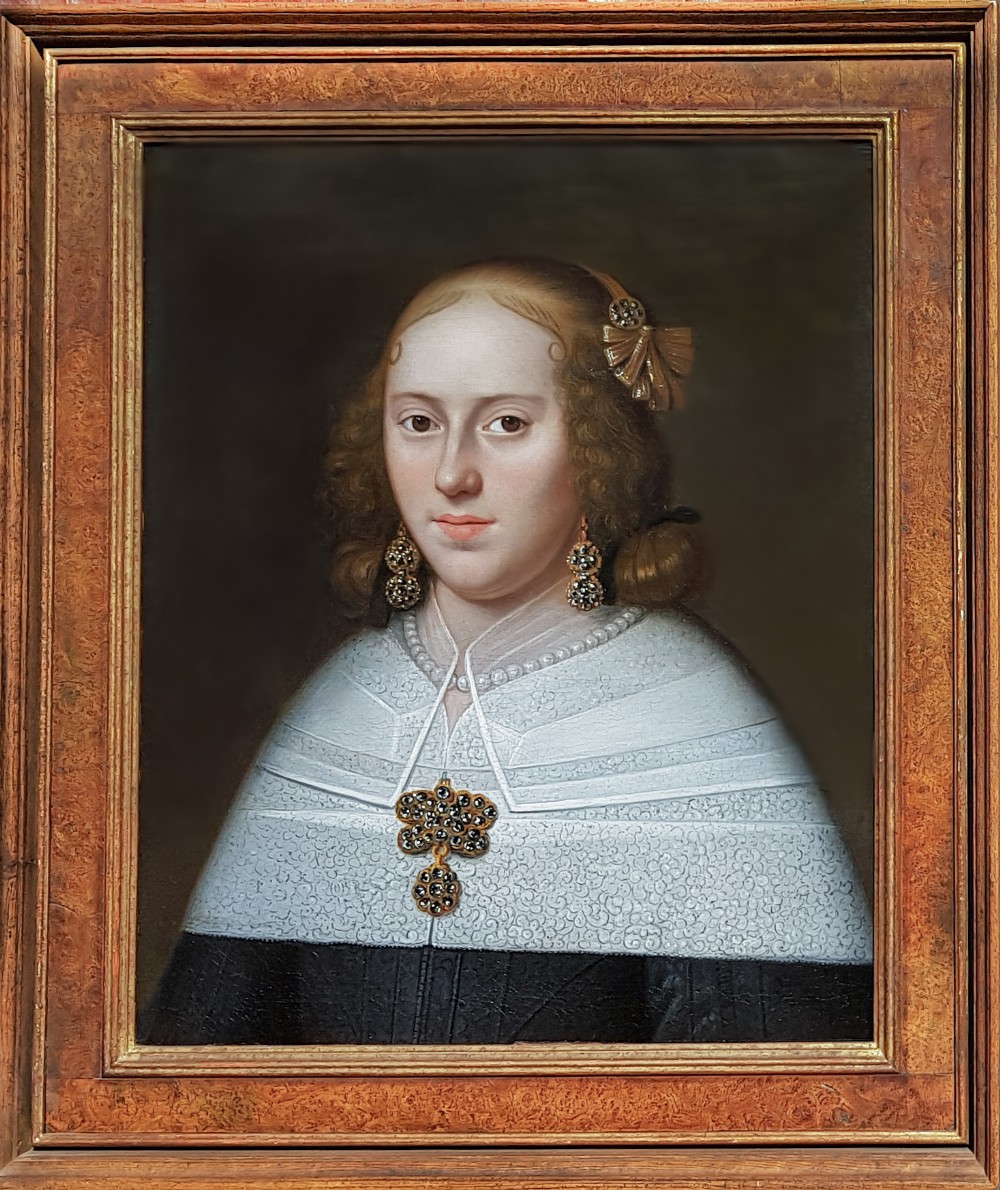
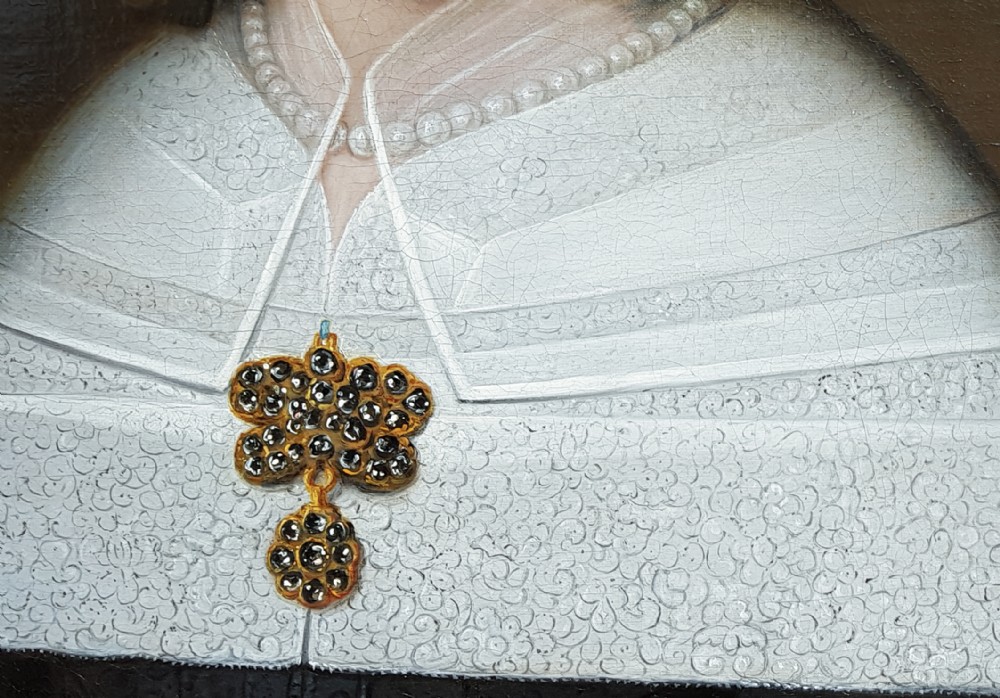
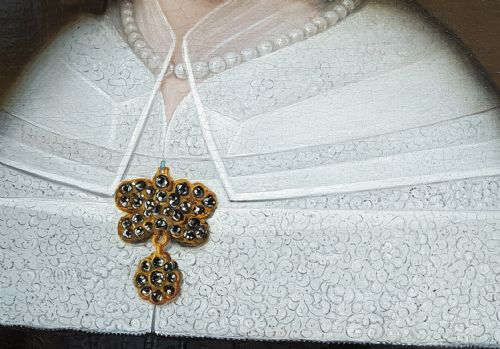
The exquisite black gown and white collar is of the highest quality, and these elements, along with the large diamond brooch, is indicative of her wealth and prosperity in Dutch society. Black was a popular colour in portraits but it was not a colour worn everyday (maroon, brown, navy, dark greens, and tawny neutrals were worn on a daily basis). Black was the most expensive colour to fix and retain - as such, very costly. Black may have been dominant for clothing but it was far from boring and was often intricately detailed, contained various sumptuous fabrics often contrasting with each other and with all manner of designs and patterns.
Abraham Liedts (1604/1605 - 1668) was a Northern Dutch painter who was born in Hoorn. He spent some time in England prior to 1628 or shortly after. Nothing is known about his life in England, but in December 1646 Liedts was back in Hoorn.
Held in a good quality walnut frame.
Liedts worked within the portrait tradition of Hoorn and was one of the top two portraitists in the region in his time, alongside the more prolific Albertsz. Rotius, or Rootius (ca. 1615-1674).
Liedts married the widow Annetje Jans Eggers in 1661. He died in 1668 and was buried in the Grote Kerk there. Works by Liedts are in the collection of the Westfries Museum in Hoorn.
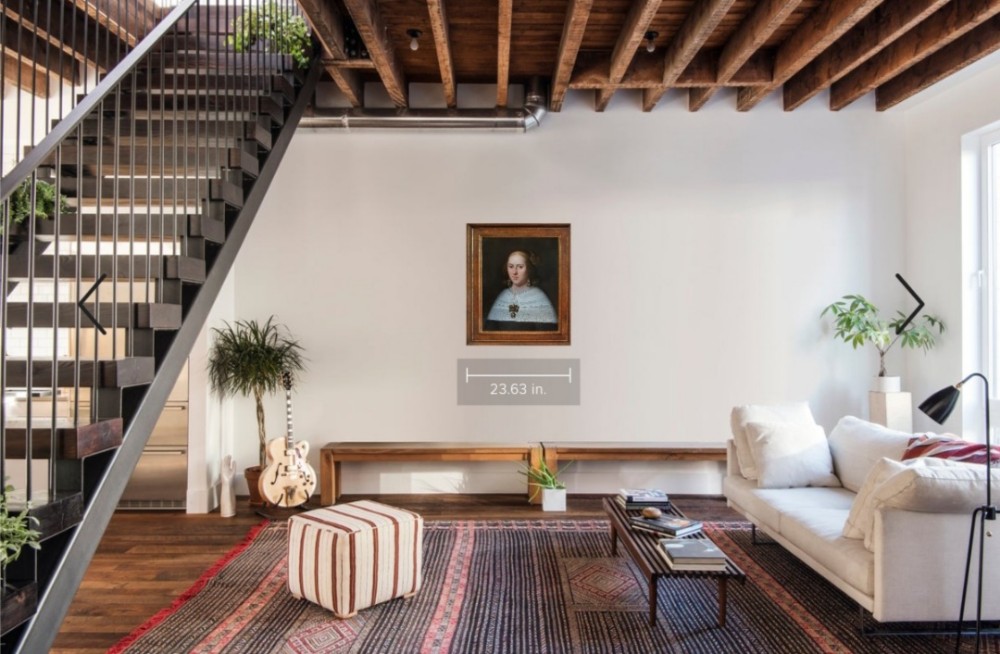
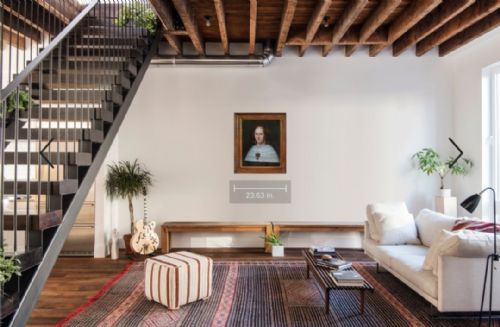
Measurements: Height 70cm, Width 60cm framed (Height 27.5”, Width 23.5” framed)
Titan Fine Art has dated this piece to the 17th Century.
Specialist in 17th & 18thc portraits. Highly curated selection, museum-level research & pro conservation. Exceptional art, expertly vetted.
You can view the stock and full dealer information on the Titan Fine Art Profile Page
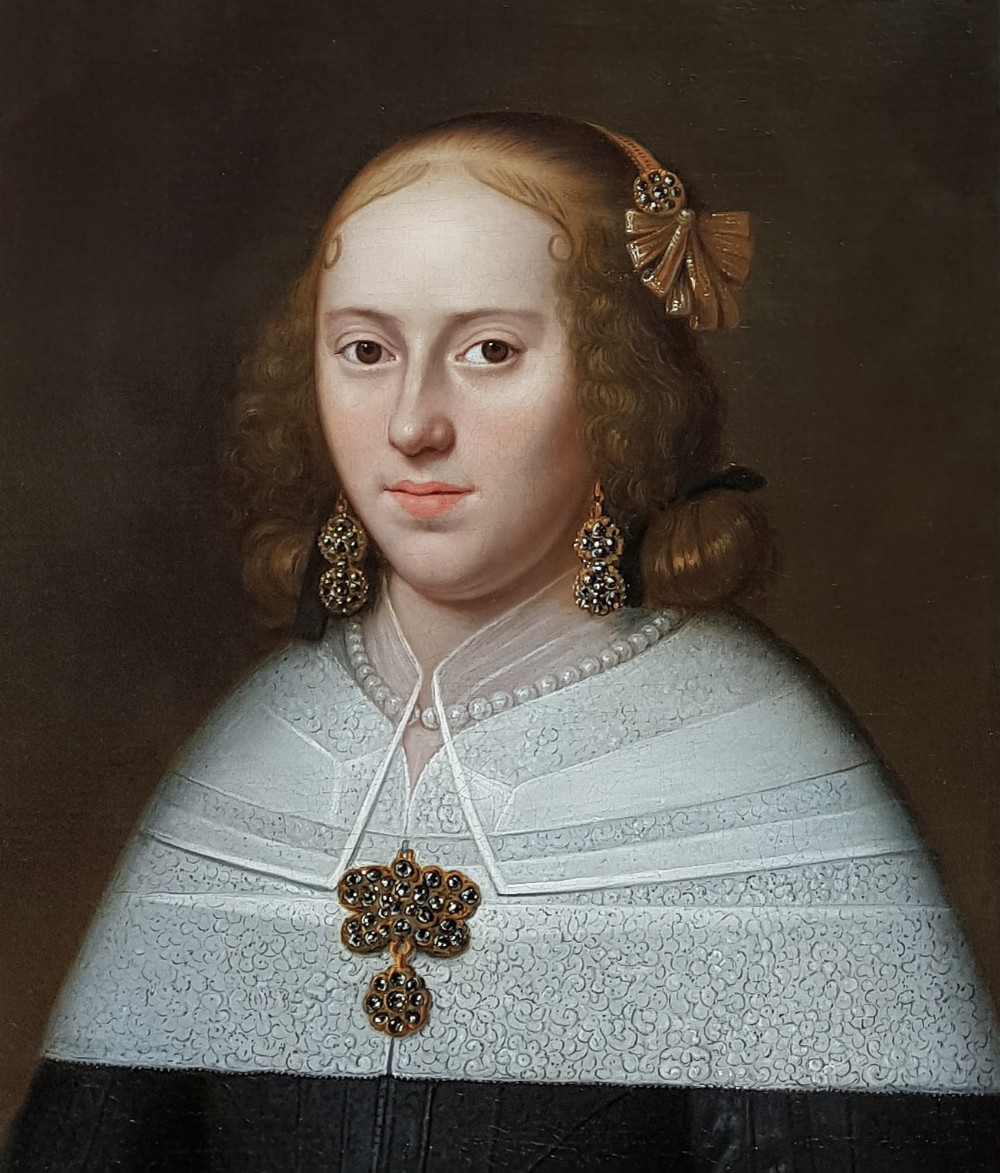
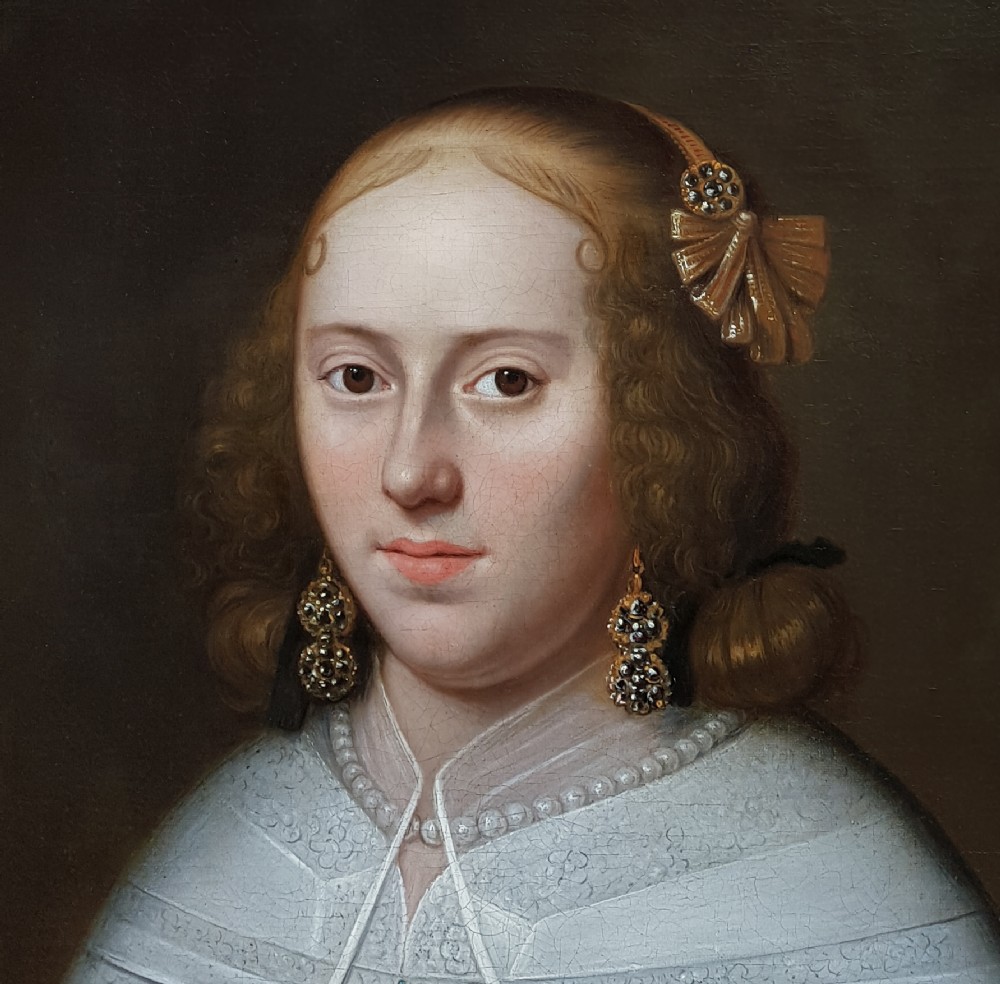
Portrait of Brigitta De Groot (1659-1686) C.1659; Attributed to Abraham Liedts (1646-1668)