It was listed by Jason Clarke Antiques. Sold pieces stay on Sellingantiques as a record of what has passed through, and the next one is rarely far away.
Jason Clarke Antiques has dated this piece to the 1870s.
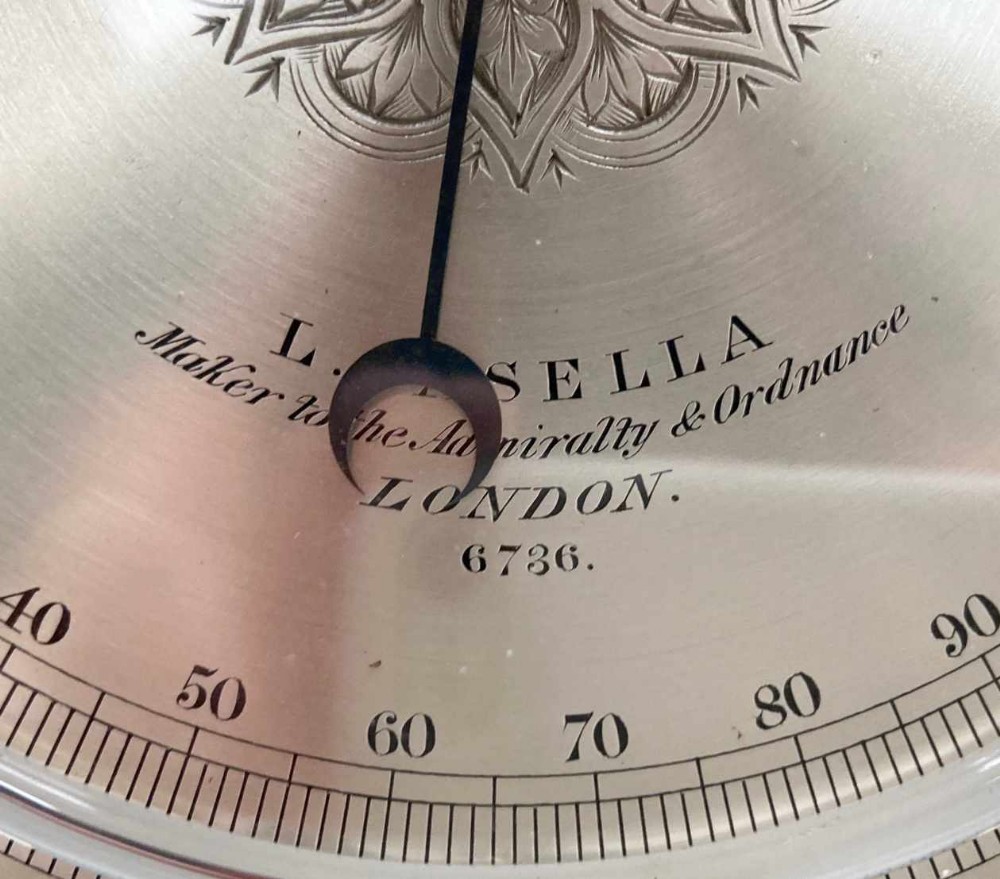
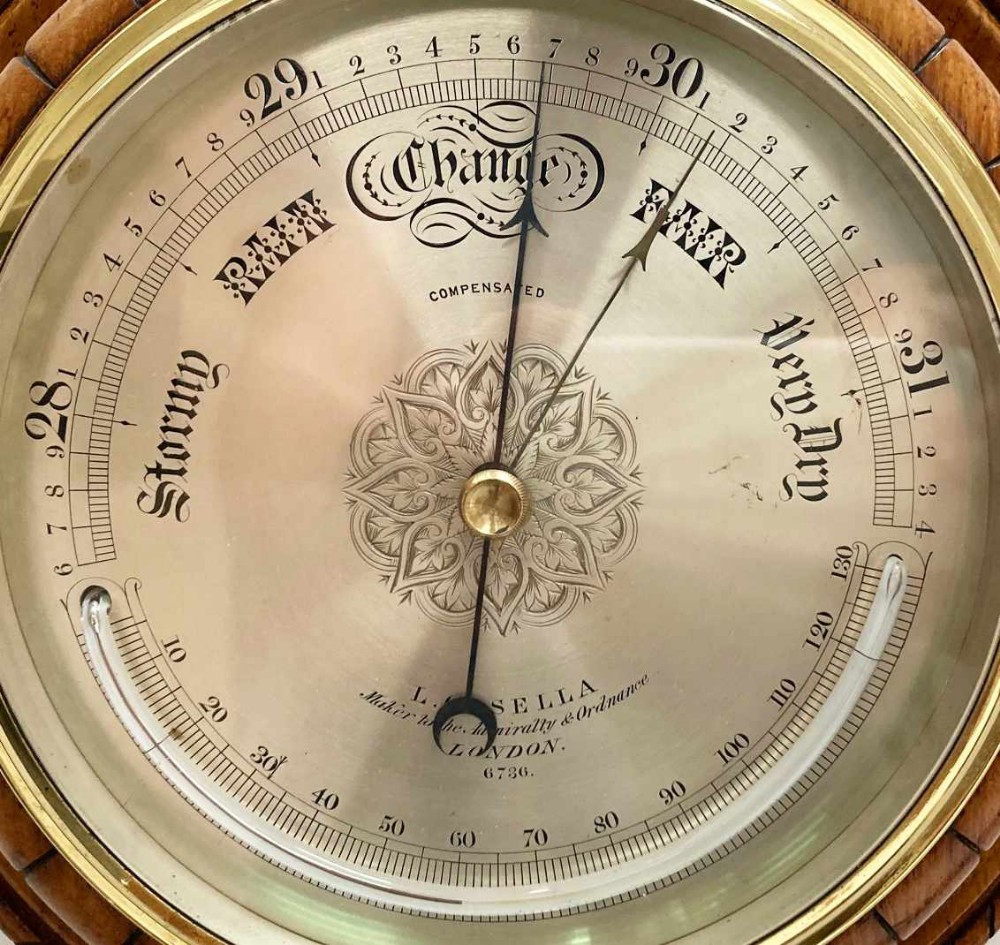
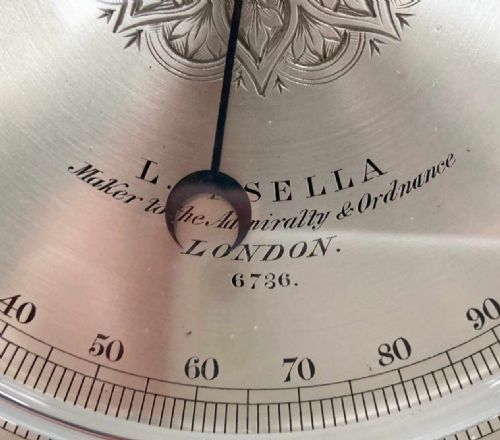
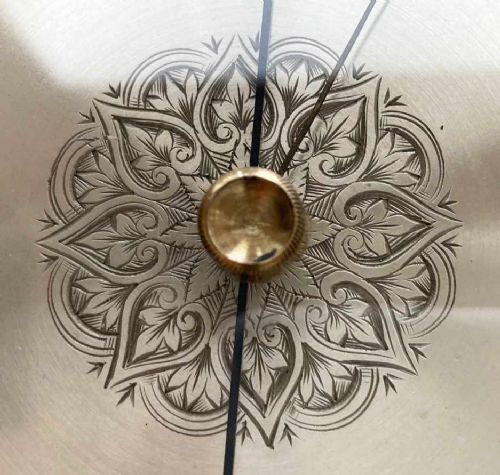
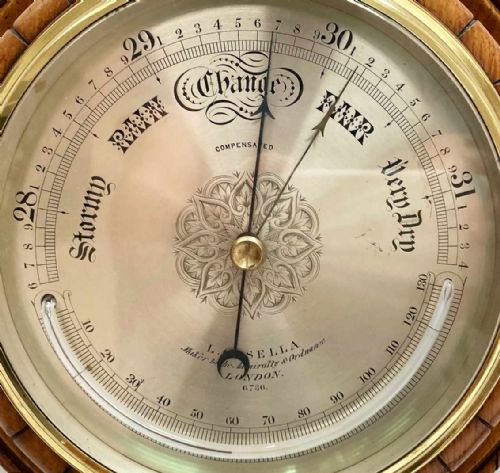
The central section contains finely engraved weather indications below the scale, the word compensated indicating that it has been compensated for temperature fluctuations, and exquisite floral engraved motif to the centre. Below is the maker’s name, “L. Casella, Maker to the Admiralty & Ordnance, London” with the serial number 6736.
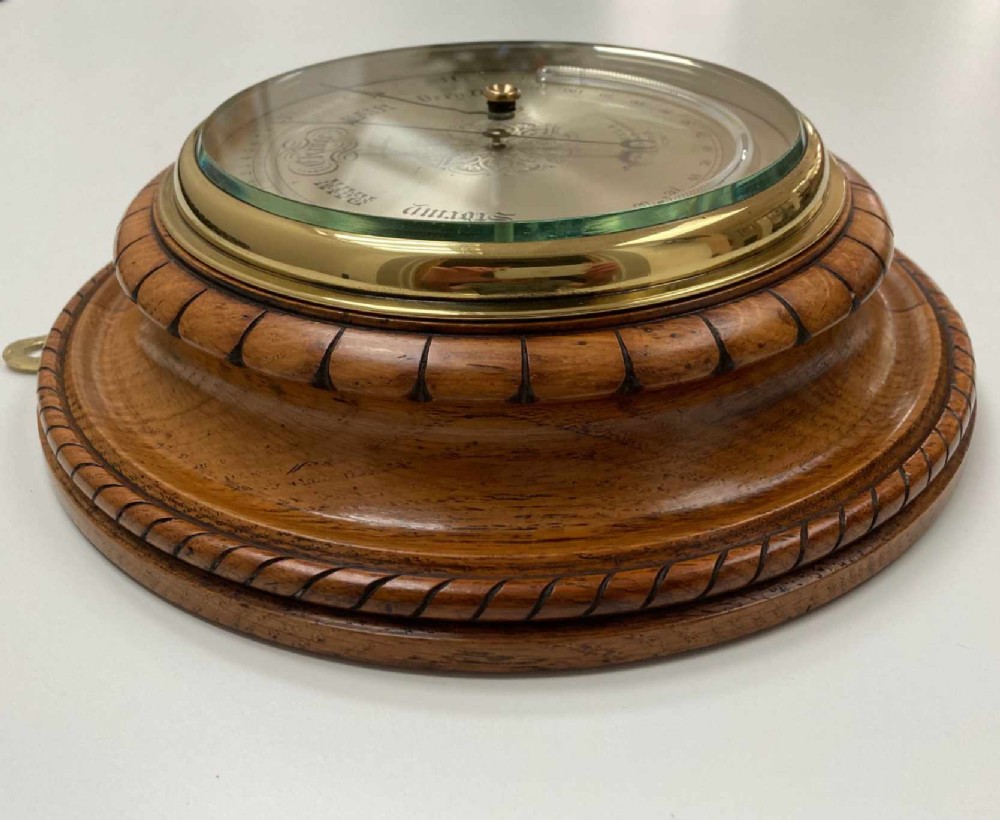
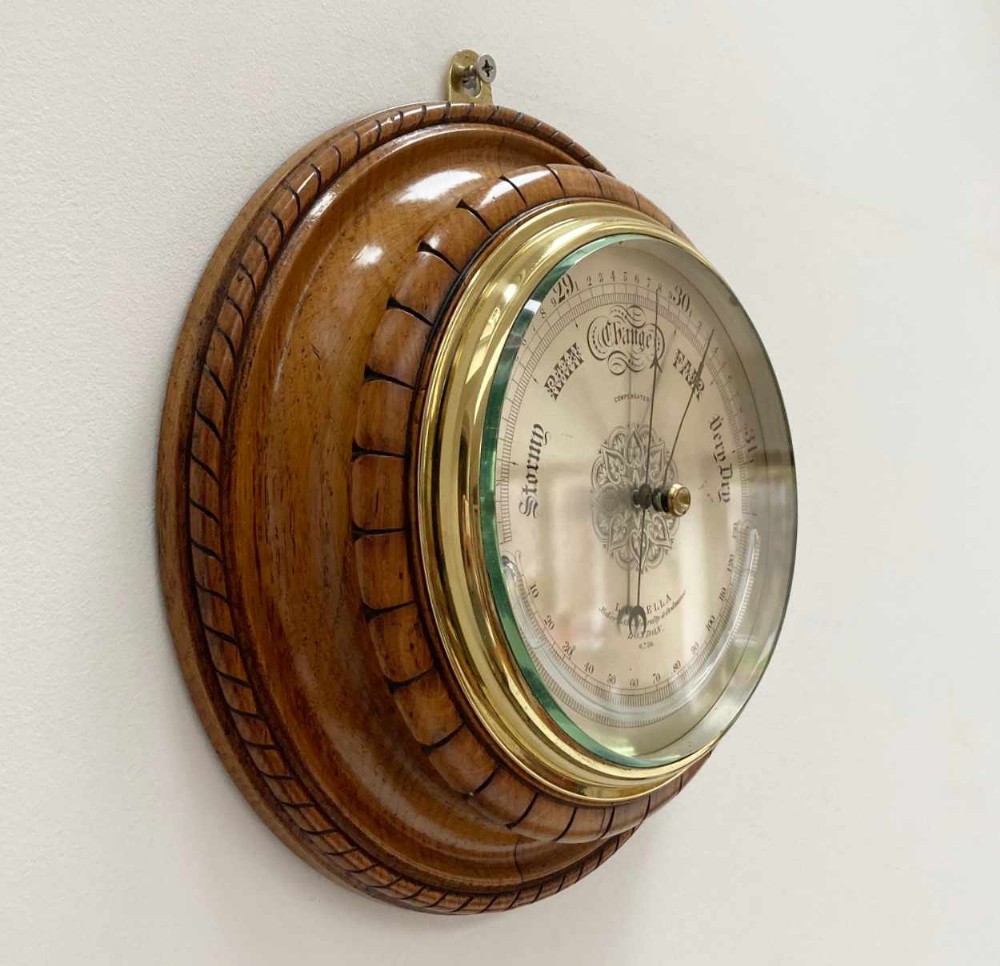
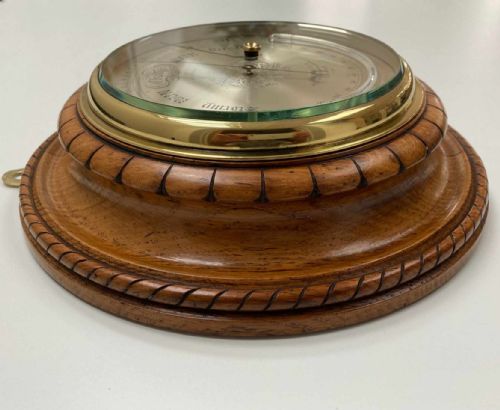
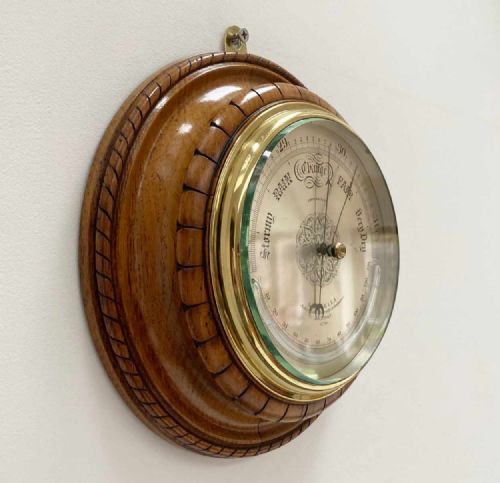
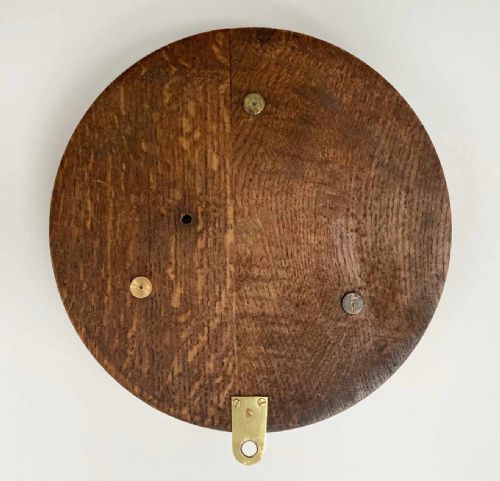
The turned and carved golden oak case work is expertly done with graduated circles reminiscent of the floral motifs to the central dial and is framed by with a graduated polished brass bezel.
Alongside Negretti & Zambra, Louis Casella’s company was at the zenith of meteorological instrument making during the Victorian period. Given their Italian origins, it is perhaps not surprising that like Negretti & Zambra, Casella also hailed from the Como region of Italy and he was very well acquainted with his competition.
Luigi Pasquale Casella was the son of a musician who came to The British Isles in the Early Nineteenth Century and the anglicised “Louis” was born in Edinburgh in 1812. His Father eventually rose to be a music tutor to George III’s daughters but by the 1830’s, his son had apprenticed to Cesar Tagliabue, a noted Italian instrument maker who had been in London since the turn of the century.
Casella eventually married Tagliabue’s daughter in 1837 and shortly after formed the partnership of Tagliabue and Casella with his new father in law in 1838. Tagliabue was already known to have been exporting his products to South America and Europe and must have provided Casella with a perfect grounding in both instrument making and more importantly in the business of selling them.
It is somewhat strange that this partnership should ever had existed given that Cesar is known to have had three sons, John, Anthony & Angelo but presumably his focus was on providing his daughter and her husband an equally good opportunity in life. The numerous Tagliabue’s listed in trade directories of the period would suggest that the family remained close knit in any case and the son John also went on to form an early partnership with Joseph Zambra prior to the latter’s more famous partnership with Henry Negretti in 1850.
Cesar Tagliabue eventually died in 1844 leaving the business to be solely managed by his son in law Louis Casella and the under his long stewardship became one of the most renowned scientific instrument making firms of the nineteenth century, providing products to the likes of Darwin and Livingstone. Cordial relations were almost certainly maintained with Negretti & Zambra over the years as Casella’s catalogue of the 1860’s shares numerous similarities with his competitor. Both were equally capable makers so it suggests that the parties were probably sharing manufacturing practises to create greater industry and both exhibited with great success at The Great Exhibition and the following Exhibition of 1862 where Casella was awarded a prize for his meteorological instruments.
By this point, his catalogues state that he was employed as an instrument maker to The Admiralty (as is noted on this barometer), The Board of Trade, Board of Ordnance, The War Department, The Royal Observatories at Kew and The Cape of Good Hope and numerous Governments and Universities.
Casella’s sons, Louis Marino and Charles Frederick both trained under their Father alongside other members of the Tagliabue family and also the latterly famous JJ Hicks who was perhaps the most promising of all of those that emanated from his workshop. He eventually died in 1897 whereafter Charles took over the sole ownership of the company.
Sadly, the younge
Jason Clarke Antiques has dated this piece to the 1870s.
You can view the stock and full dealer information on the Jason Clarke Antiques Profile Page
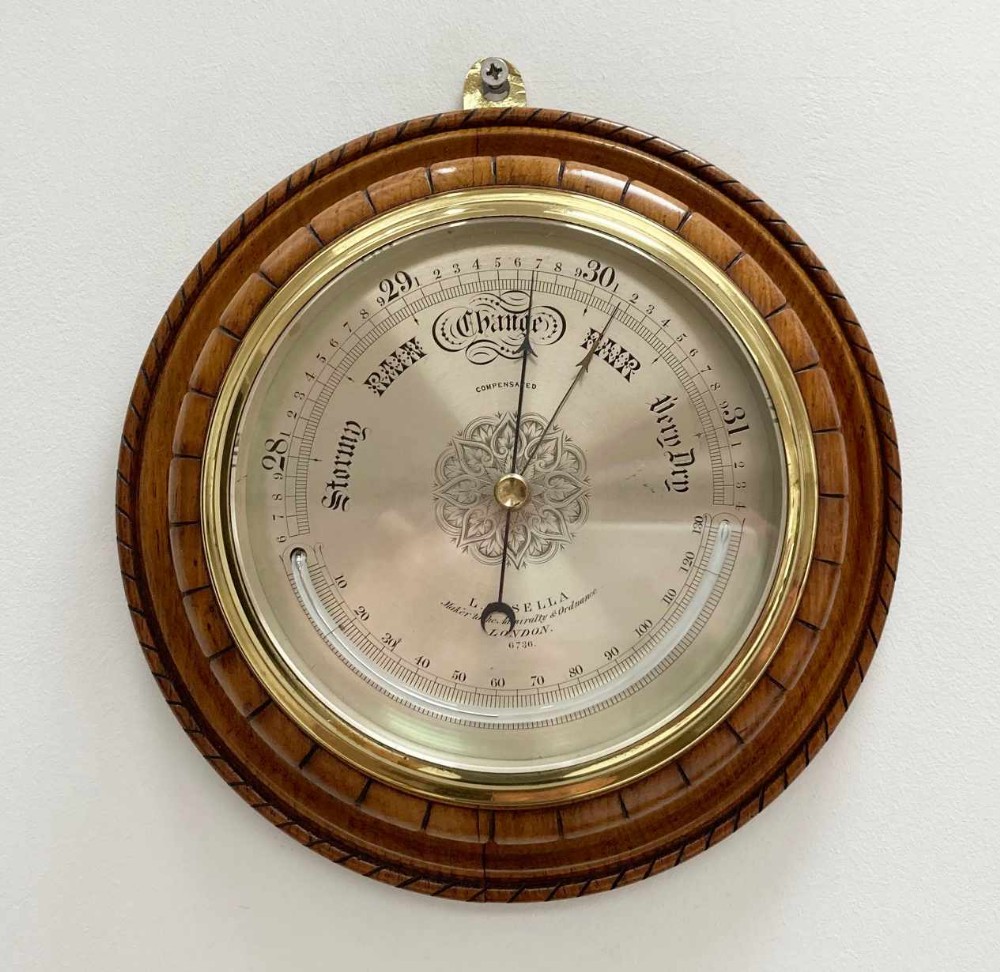
Mid Victorian Oak & Brass Cased Aneroid Barometer by Louis Casella London