23,346  PAGES BROWSED TODAY PAGES TODAY 96 ANTIQUES UPLOADED TODAYNEW ARRIVALS
96 ITEMS ADDED TODAY
Sort Order
Items Per Page
Browse Categories
Sort order
Items per page
ID #SA738853
SOLD
Email
Save
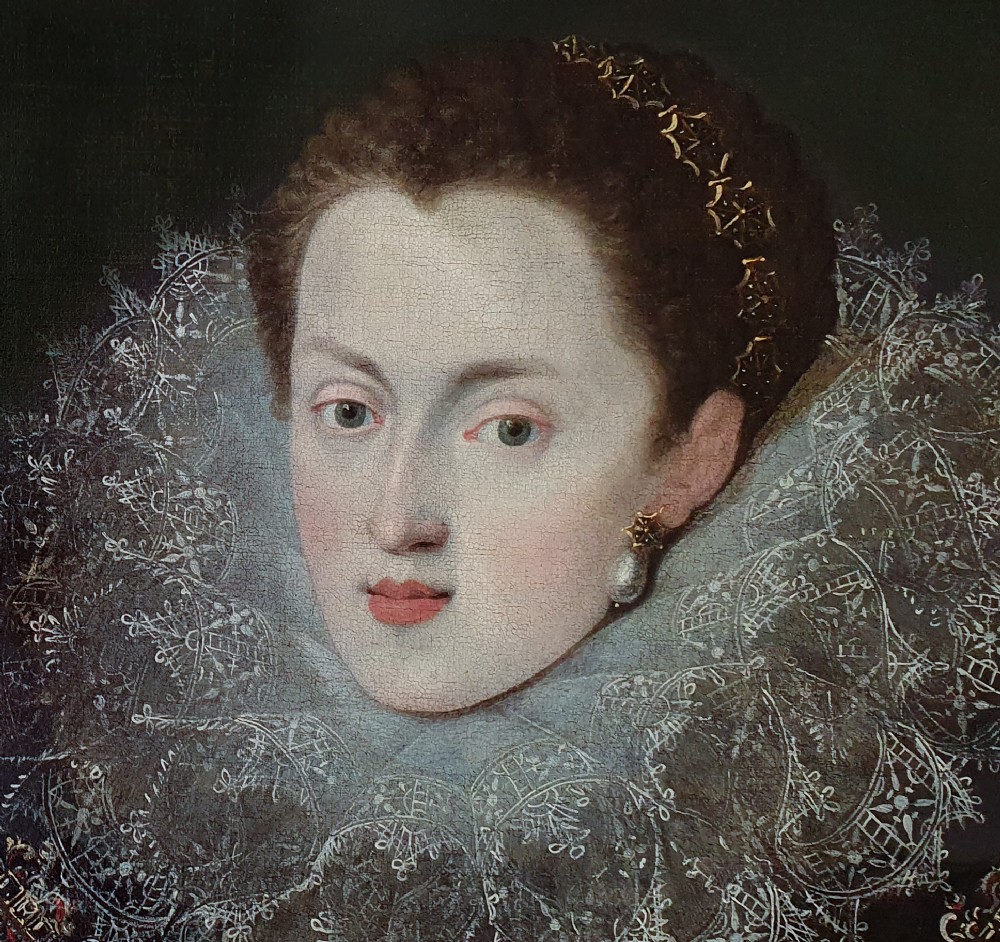
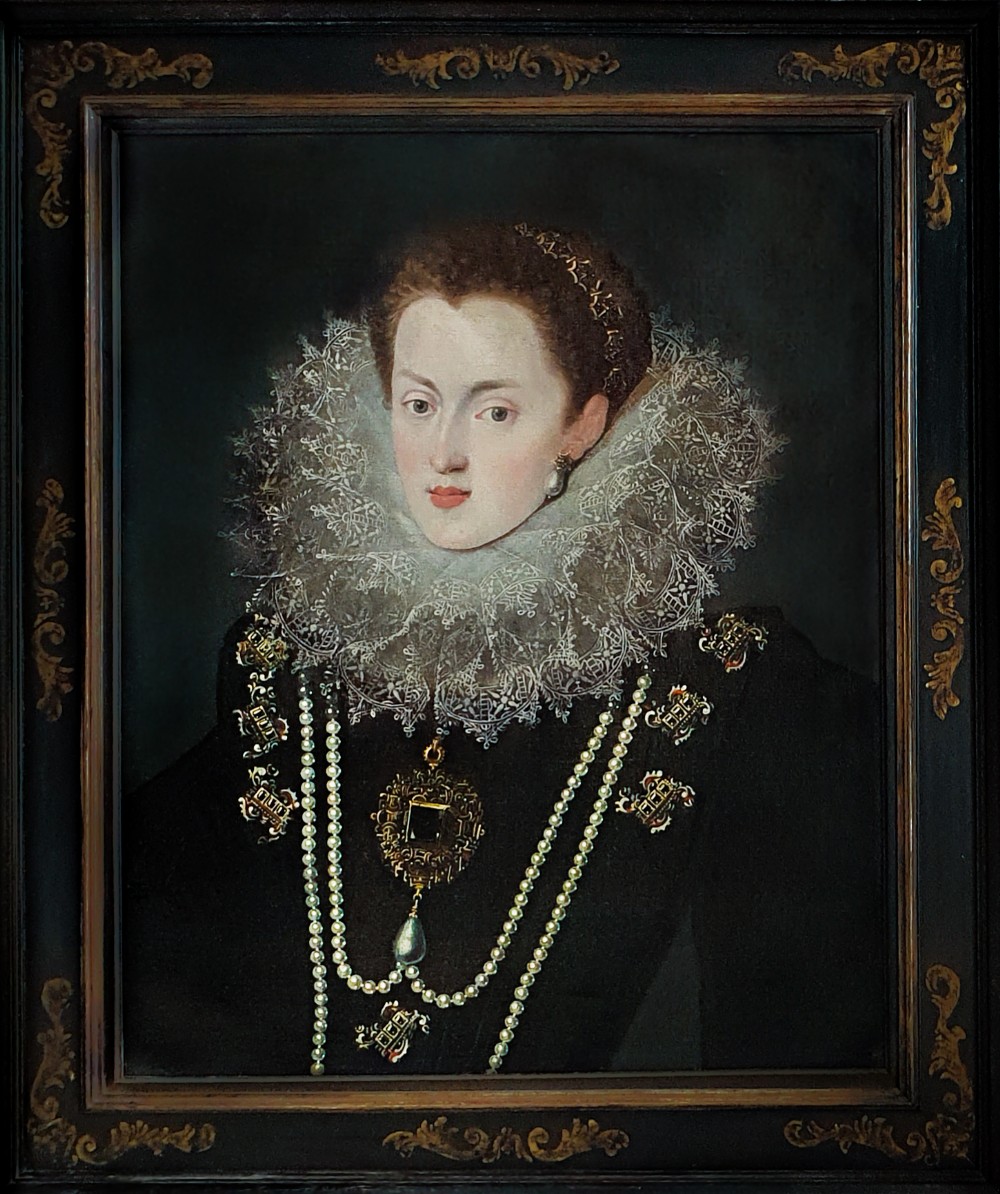
Portrait of Margaret of Austria, Queen of Spain & Portugal C.1607; Workshop of Juan Pantoja De La Cruz (1553-1608)
Titan Fine Art
sold SA738853
Sorry, but this item has been sold.
Titan Fine Art

Titan Fine Art

Sellingantiques Verified Since Jul 2016
View Dealers Stock Page
  • About Us
    Specialist in 17th & 18thc portraits. Highly curated selection, museum-level research & pro conservation. Exceptional art, expertly vetted.
Id #SA738853
PDF SHARE
SAVE

Portrait of Margaret of Austria, Queen of Spain & Portugal C.1607; Workshop of Juan Pantoja De La Cruz (1553-1608)

17th century
Description

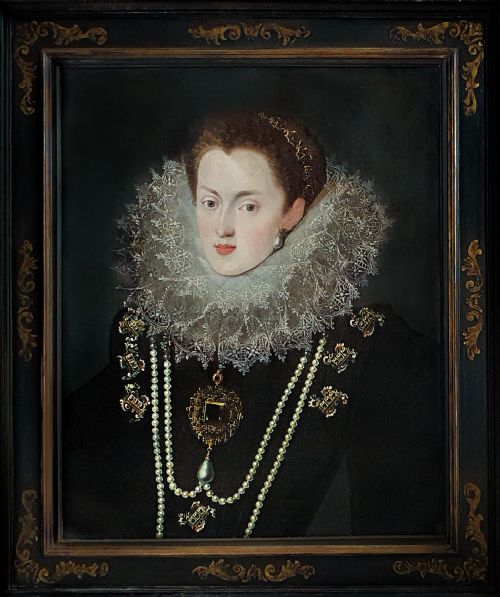
Portrait of Margaret of Austria, Queen of Spain and Portugal (1584-1611)

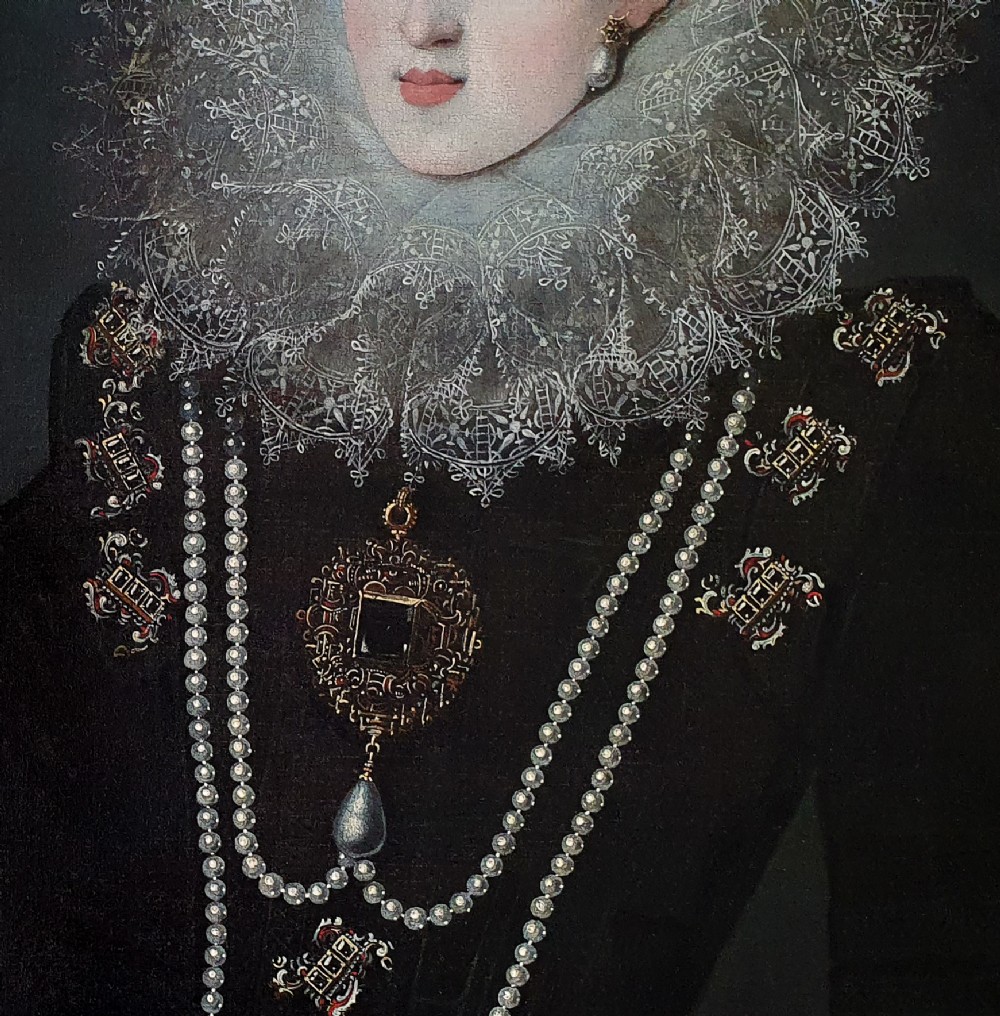
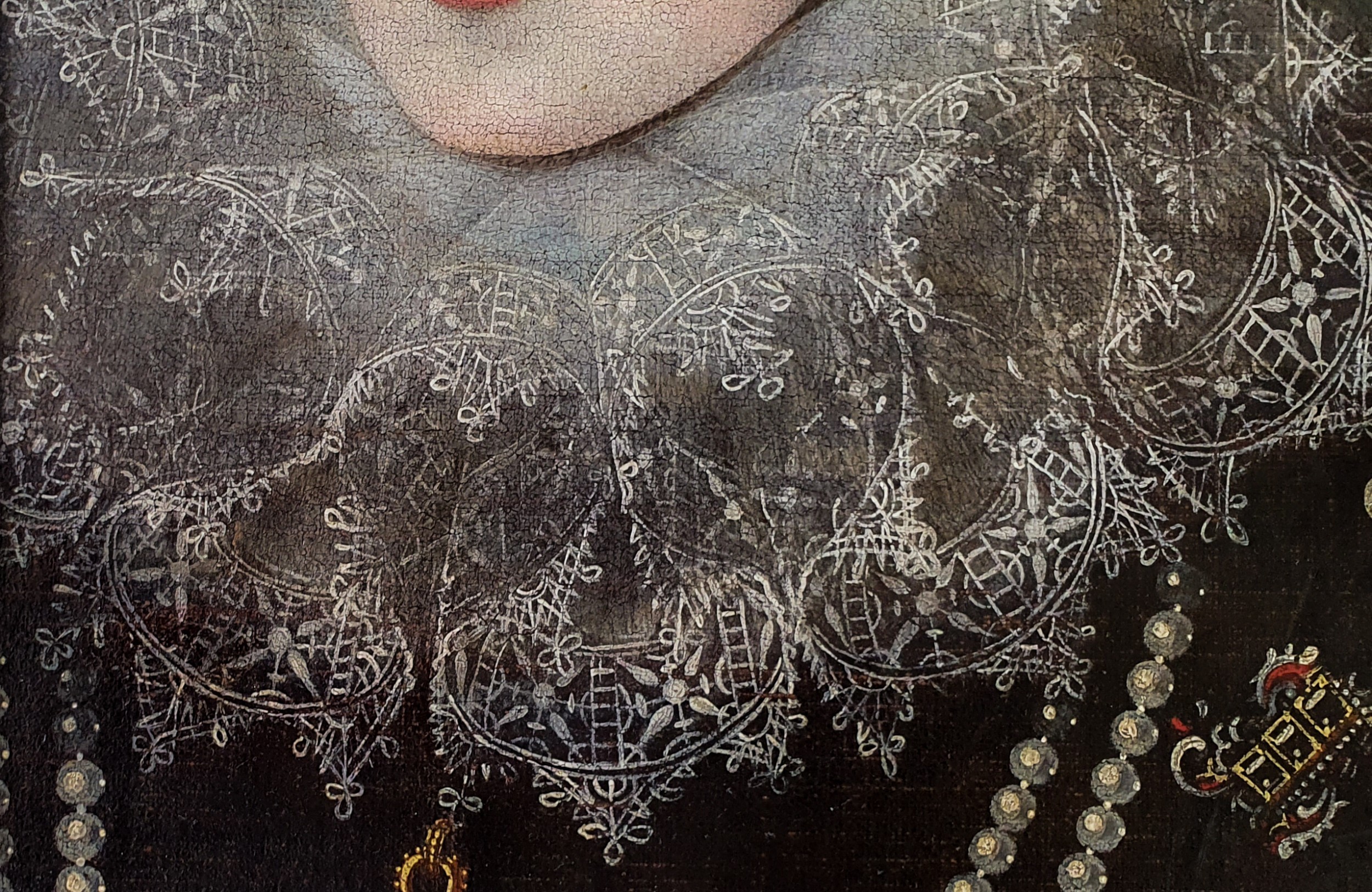
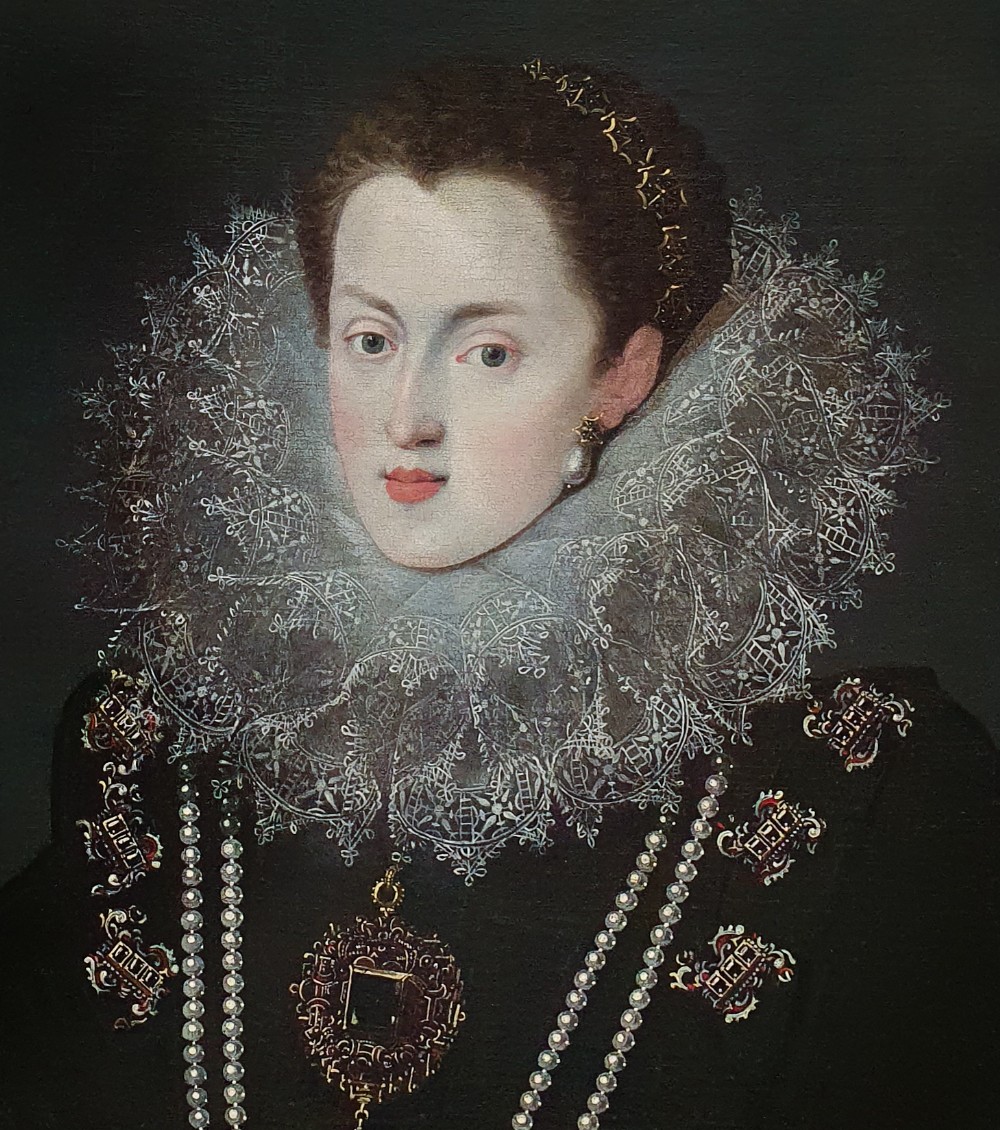
This exquisite painting follows in the tradition of Spanish royal portraits and was designed to convey an image of courtly majesty. The portrait, by the workshop of the leading court portraitist Pantoja de la Cruz (1553-1608), depicts Margaret of Austria (1584-1611), Queen consort of Spain and Portugal by her marriage to King Philip III. The queen is depicted as immutable and inscrutable, somehow hidden behind her extraordinary dress and the enormous ruff collar that isolates and highlights her illuminated visage. She wears the spectacular ‘Joyel Rico’ which is one of the most famous jewels in history. With origins from the 16th century it consists of the El Estanque table-cut diamond and from it hangs the La Peregrina pearl given to Mary I of England (1516-1558) by Phillip II as an engagement gift but returned to the Spanish crown on her death.
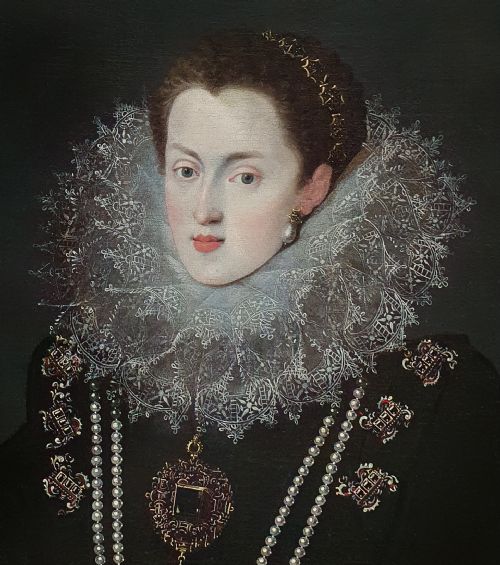
Margaret married Philip III in 1599 after Philip II chose her from among the women of the Austria-Styria family. The marriage was planned to coincide with that of infanta Isabel Clara Eugenia and archduke Albert. Margaret was born in 1584 and when she arrived in Spain in April 1599, she had already been married by power of attorney in Ferrara. She was known for her discretion and virtue - traits almost systematically attributed to the Habsburg women, whose service to the Crown and the family consisted of insuring their biological continuity and the maintenance of religious practices that consisted, in Margaret´s case, of directing the patronage of three religious foundations: the Descalzas Reales in Madrid, the Jesuits in Salamanca, and La Encarnación in Madrid, a convent of Augustinian Recollect nuns very close to the Royal Alcázar. She is also said to have participated in the conspiracy against Philip III´s all-powerful favourite, the Duke of Lerma, who was at one point suspected of killing the queen. But like so many queens of Spain, Margaret died in childbirth at the early age of twenty-seven. She was the mother of Philip IV, of Ana, future queen of France; Maria, who later became empress of Austria; and of Carlos Fernando, cardinal and archbishop of Toledo.
The present work appears to be a bust-length workshop variant of the artist's three-quarter length portrait in the Museo del Prado, Madrid (Inv. no. P01032).

Juan Pantoja de La Cruz was the foremost Spanish portrait painter of the late sixteenth and early seventeenth century and was court painter to both Phillip II and Phillip III of Spain. Juan Pantoja de La Cruz received his training in the Madrid workshop of court painter Alonso Sánchez Coello (1532-1588), who was a follower of Titian, and had pioneered the Spanish manner of portraiture with the additional influence of his Netherlandish master Anthonis Mor van Dashorst. There are relatively few signed works by Pantoja prior to the death of Sánchez Coello in 1588, though he was by then an independent artist. Concerned more with the portrayal of solemn and imposing majesty than with reproducing an individual likeness, Pantoja's style of portraiture perpetuated that of Sánchez Coello, reflecting the influences of both the Venetian and Flemish traditions. His portraits are characterised by a precise handling of elaborate textures and a Netherlandish precision in the rendering of detail, particularly as regards the ornate attire and jewels worn by the court. However, in his treatment of faces he clearly references the Venetian school, in particular Titian.
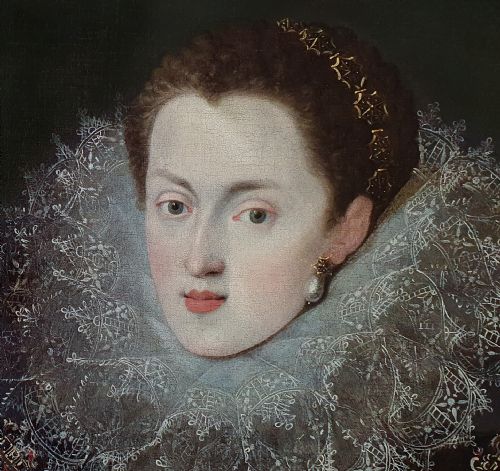
Portraits of Spanish Habsburg Queens were designed to be complementary to those of Kings and have a distinct iconography. Depicted formally without humour or seductive charm, portraits of Habsburg Queens traditionally subordinate the individual to the body politic responsible for sustaining the legitimacy and succession of the dynasty.

Physical Dimensions
Height
79cm (31.10")
Width
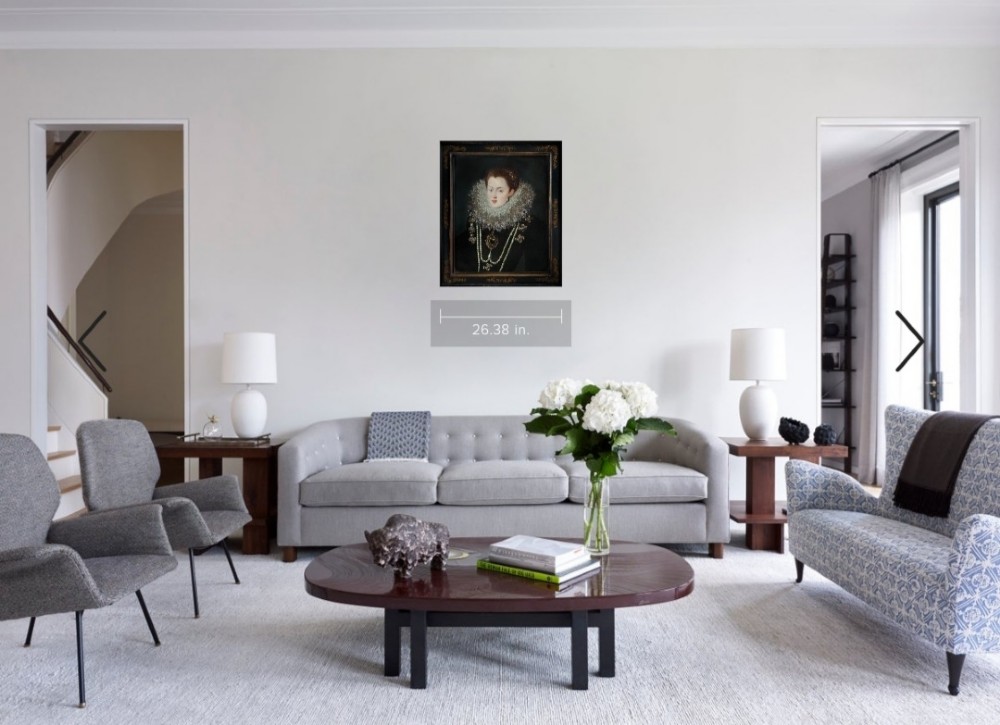
67cm (26.38")
Depth
5cm (1.97")
Declaration

Titan Fine Art has dated this piece to the 17th Century.

Reference Numbers
Sellingantiques Reference
SA738853
Dealers Notes

Much more info about this item at: www.titanfineart.com

In a market saturated with available paintings, Titan Fine Art offers a distinct advantage: we sift through thousands of works to provide a specially curated selection. Each piece is meticulously chosen based on technical merit, provenance, and decorative appeal, ensuring our clients view only the finest examples of British and European art.

With over 20 years of expertise and 1,000+ works placed with collectors and institutions, we are one of the most prolific specialists in 17th and 18th-century portraiture. We combine a scholarly approach with museum-level rigor to replace the uncertainty of the open market with absolute confidence.

Why Buy From Titan Fine Art?

• Expertly Curated Selection

We act as your expert eye, selecting only high-quality works that offer genuine historical and artistic value.

• Museum-Level Research

Each portrait is supported by extensive academic research, often exceeding 40 hours, to establish attribution, sitter identity, and historical context.

• Professional Conservation

All paintings are carefully cleaned and stabilised by professional conservators, and are presented ready to hang.

• Transparent Pricing

No buyer’s premium or hidden fees—unlike auction houses, where additional costs can add 25–35%.

• Export Pricing Advantage

Reduced pricing is available for works exported outside the UK.

• Specialist Global Shipping

We manage the entire process, including custom crating, export documentation, and fully tracked delivery worldwide.

• Buy with Confidence

A 7-day return policy and the option to pay in GBP, USD, or EUR for convenience and transparency.

• Original Period Frames

Many works retain their original carved and gilded frames, which are works of art in their own right and enhance both historical authenticity and decorative impact.

• Personal Advisory Service

We work directly with collectors and interior designers, offering guidance on selection, scale, and placement—including bespoke room mock-ups on request.

Subscribe to our monthly 'new item alert' to be the first to hear about new works

Description
Portrait of Margaret of Austria, Queen of Spain and Portugal (1584-1611)
This exquisite painting follows in the tradition of Spanish royal portraits and was designed to convey an image of courtly majesty.
Titan Fine Art

The portrait, by the workshop of the leading court portraitist Pantoja de la Cruz (1553-1608), depicts Margaret of Austria (1584-1611), Queen consort of Spain and Portugal by her marriage to King Philip III. The queen is depicted as immutable and inscrutable, somehow hidden behind her extraordinary dress and the enormous ruff collar that isolates and highlights her illuminated visage. She wears the spectacular ‘Joyel Rico’ which is one of the most famous jewels in history. With origins from the 16th century it consists of the El Estanque table-cut diamond and from it hangs the La Peregrina pearl given to Mary I of England (1516-1558) by Phillip II as an engagement gift but returned to the Spanish crown on her death.

fig 1. Portrait of Margaret of Austria, Queen of Spain & Portugal c.1607; Workshop of Juan Pantoja de la Cruz (1553-1608)
fig 1. Portrait of Margaret of Austria, Queen of Spain & Portugal C.1607; Workshop of Juan Pantoja De La Cruz (1553-1608)

Margaret married Philip III in 1599 after Philip II chose her from among the women of the Austria-Styria family. The marriage was planned to coincide with that of infanta Isabel Clara Eugenia and archduke Albert. Margaret was born in 1584 and when she arrived in Spain in April 1599, she had already been married by power of attorney in Ferrara. She was known for her discretion and virtue - traits almost systematically attributed to the Habsburg women, whose service to the Crown and the family consisted of insuring their biological continuity and the maintenance of religious practices that consisted, in Margaret´s case, of directing the patronage of three religious foundations: the Descalzas Reales in Madrid, the Jesuits in Salamanca, and La Encarnación in Madrid, a convent of Augustinian Recollect nuns very close to the Royal Alcázar. She is also said to have participated in the conspiracy against Philip III´s all-powerful favourite, the Duke of Lerma, who was at one point suspected of killing the queen. But like so many queens of Spain, Margaret died in childbirth at the early age of twenty-seven. She was the mother of Philip IV, of Ana, future queen of France; Maria, who later became empress of Austria; and of Carlos Fernando, cardinal and archbishop of Toledo.

fig 2. Portrait of Margaret of Austria, Queen of Spain & Portugal c.1607; Workshop of Juan Pantoja de la Cruz (1553-1608)
fig 2. Portrait of Margaret of Austria, Queen of Spain & Portugal C.1607; Workshop of Juan Pantoja De La Cruz (1553-1608)

The present work appears to be a bust-length workshop variant of the artist's three-quarter length portrait in the Museo del Prado, Madrid (Inv. no. P01032).

Juan Pantoja de La Cruz was the foremost Spanish portrait painter of the late sixteenth and early seventeenth century and was court painter to both Phillip II and Phillip III of Spain. Juan Pantoja de La Cruz received his training in the Madrid workshop of court painter Alonso Sánchez Coello (1532-1588), who was a follower of Titian, and had pioneered the Spanish manner of portraiture with the additional influence of his Netherlandish master Anthonis Mor van Dashorst. There are relatively few signed works by Pantoja prior to the death of Sánchez Coello in 1588, though he was by then an independent artist. Concerned more with the portrayal of solemn and imposing majesty than with reproducing an individual likeness, Pantoja's style of portraiture perpetuated that of Sánchez Coello, reflecting the influences of both the Venetian and Flemish traditions. His portraits are characterised by a precise handling of elaborate textures and a Netherlandish precision in the rendering of detail, particularly as regards the ornate attire and jewels worn by the court. However, in his treatment of faces he clearly references the Venetian school, in particular Titian.

fig 3. Portrait of Margaret of Austria, Queen of Spain & Portugal c.1607; Workshop of Juan Pantoja de la Cruz (1553-1608)
fig 3. Portrait of Margaret of Austria, Queen of Spain & Portugal C.1607; Workshop of Juan Pantoja De La Cruz (1553-1608)

Portraits of Spanish Habsburg Queens were designed to be complementary to those of Kings and have a distinct iconography. Depicted formally without humour or seductive charm, portraits of Habsburg Queens traditionally subordinate the individual to the body politic responsible for sustaining the legitimacy and succession of the dynasty.

Height
79cm (31.10")
Width
67cm (26.38")
Depth
5cm (1.97")
Date of Manufacture

Titan Fine Art has dated this piece to the 17th Century.

Reference Numbers
Sellingantiques Ref
SA738853
Titan Fine Art
Titan Fine Art
Sellingantiques verified Since Jul 2016

Specialist in 17th & 18thc portraits. Highly curated selection, museum-level research & pro conservation. Exceptional art, expertly vetted.

Dealer Profile

You can view the stock and full dealer information on the Titan Fine Art Profile Page
PDF SHARE
SAVE
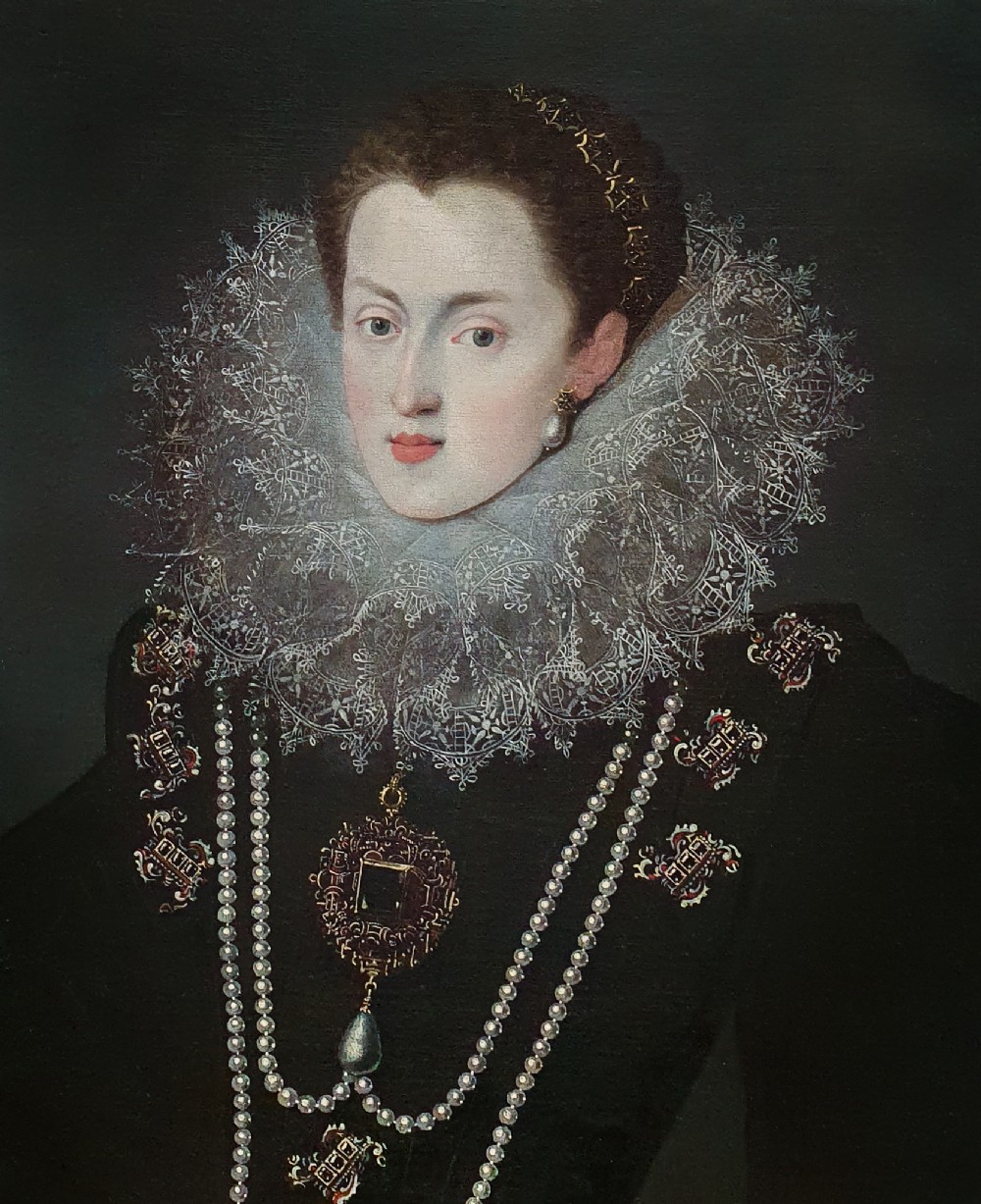
Portrait of Margaret of Austria, Queen of Spain & Portugal c.1607; Workshop of Juan Pantoja de la Cruz (1553-1608)
1 / 7
Archive I Portrait of Margaret of Austria, Queen of Spain & Portugal c.1607; Workshop of Juan Pantoja de la Cruz (1553-1608)

Portrait of Margaret of Austria, Queen of Spain & Portugal C.1607; Workshop of Juan Pantoja De La Cruz (1553-1608)
Archive II Portrait of Margaret of Austria, Queen of Spain & Portugal c.1607; Workshop of Juan Pantoja de la Cruz (1553-1608) View II
Archive III Portrait of Margaret of Austria, Queen of Spain & Portugal c.1607; Workshop of Juan Pantoja de la Cruz (1553-1608) View III
Archive IV Portrait of Margaret of Austria, Queen of Spain & Portugal c.1607; Workshop of Juan Pantoja de la Cruz (1553-1608) View IV
Archive V Portrait of Margaret of Austria, Queen of Spain & Portugal c.1607; Workshop of Juan Pantoja de la Cruz (1553-1608) View V
Archive VI Portrait of Margaret of Austria, Queen of Spain & Portugal c.1607; Workshop of Juan Pantoja de la Cruz (1553-1608) View VI
Archive VII Portrait of Margaret of Austria, Queen of Spain & Portugal c.1607; Workshop of Juan Pantoja de la Cruz (1553-1608) View VII
Enlarged Archival View
Telephone 07875 412 111
Location
London
United Kingdom
Dealer Profile Page sellingantiques.co.uk/titan
Verified Since Jul 2016
Items For Sale 16
Items Sold 401
Titan Fine Art
Titan Fine Art
Verified Since Jul 2016
View Dealer Info
Location: London, United Kingdom
Verified
Jul 2016
For Sale
16
Sold
401
Portrait of Margaret of Austria, Queen of Spain & Portugal c.1607; Workshop of Juan Pantoja de la Cruz (1553-1608)
Ref: SA738853
Portrait of Margaret of Austria, Queen of Spain & Portugal c.1607; Workshop of Juan Pantoja de la Cruz (1553-1608)
Detail View 1
Detail View 2
Detail View 3
Detail View 4
Detail View 5
Detail View 6
Archival Detail
Every single antique dealer on our platform is individually approved by our internal team. We verify their professional trade history, ethical standards, and photographic quality to ensure a secure, high-standard buying environment. Upon joining, every dealer agrees to a strict 9-point code of conduct. While issues can occasionally arise, our dealers typically resolve them swiftly and directly with the buyer. In fact, since our founding in 2002, Sellingantiques has only had to step in to help resolve an issue on roughly five occasions—a true testament to the quality of our dealers and their dedication to your happiness.
Our dealers are highly experienced in packing and shipping fragile, high-value antiques. Because you are in direct contact with the dealer, you will be able to easily go through all available shipping and insurance options together to ensure your item arrives safely.
Antiques are the ultimate green purchase. By choosing historical pieces over newly manufactured goods, you completely eliminate the carbon footprint of modern mass production while preserving exceptional, timeless craftsmanship.
items
Add keywords to the filter
Price
£100
£250000
Era
Movements
Material
Origin
Stock Location
Freshness
Online Payments
Categories