16,512  PAGES BROWSED TODAY PAGES TODAY 96 ANTIQUES UPLOADED TODAYNEW ARRIVALS
96 ITEMS ADDED TODAY
Sort Order
Items Per Page
Browse Categories
Sort order
Items per page
ID #SA729723
SOLD
Email
Save
Early Nineteenth Century Scottish Satinwood Stick Barometer by J&j Gardner of Glasgow
Jason Clarke Antiques
sold SA729723
Sorry, but this item has been sold.
Jason Clarke Antiques

Jason Clarke Antiques

Sellingantiques Verified Since Jul 2015
View Dealers Stock Page
Id #SA729723
PDF SHARE
SAVE

Early Nineteenth Century Scottish Satinwood Stick Barometer by J&j Gardner of Glasgow

19th century
Description

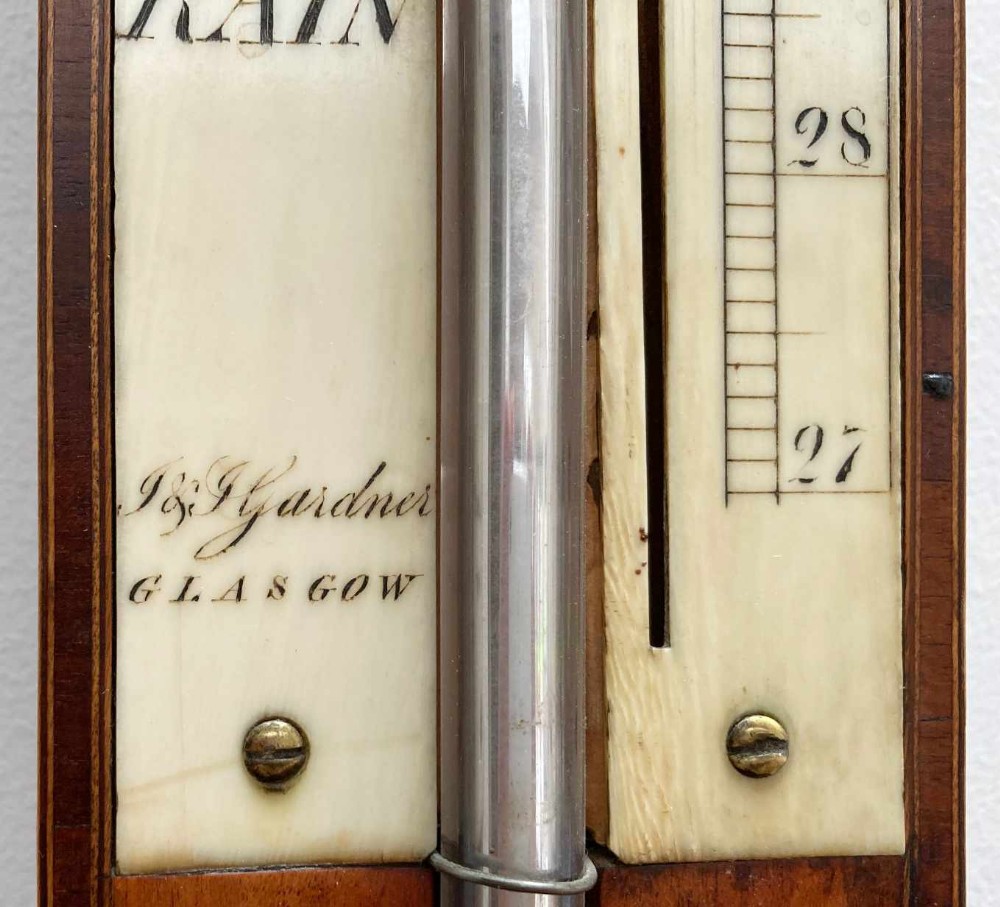
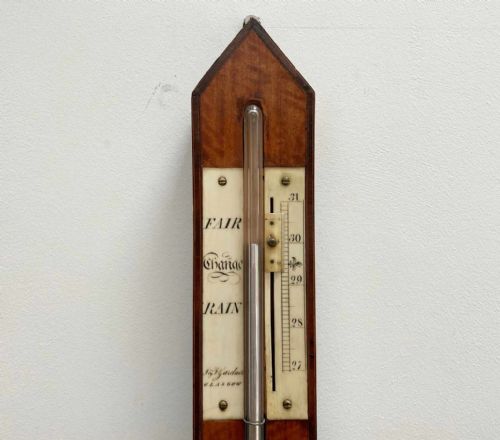
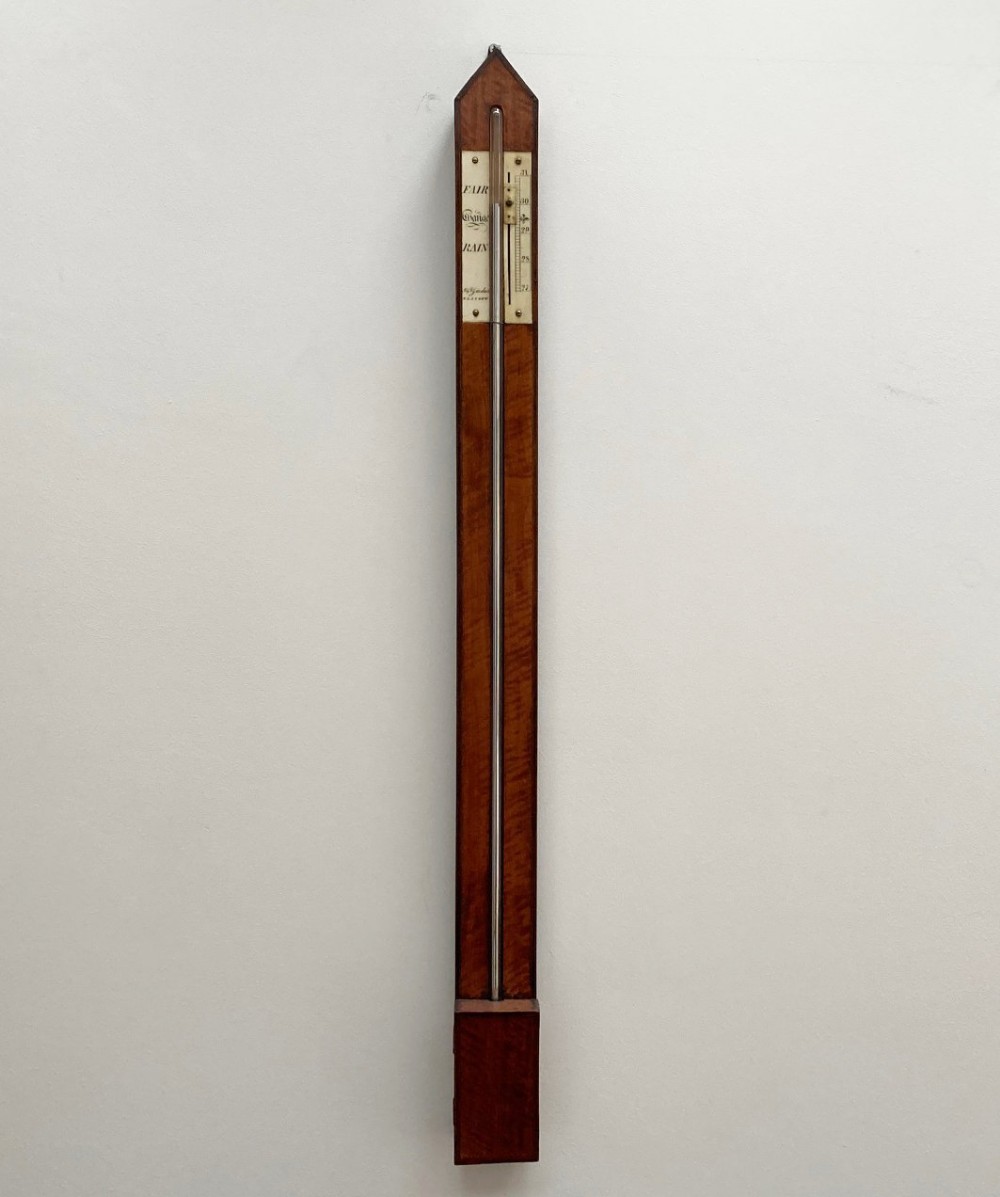
For sale an early nineteenth century Scottish satinwood stick barometer by J&J Gardner of Glasgow.

This seldom encountered design is illustrated in Edwin Banfield’s publication, Stick or Cistern Tube Barometers” (Pages 103 to 107) and is described as follows:

“Scottish barometer makers continued to produce barometers in distinctive cases in the Nineteenth Century, and Fig 137 (the same barometer as is offered here) shows an example of the type of barometer produced in Scotland during the first quarter of the century.

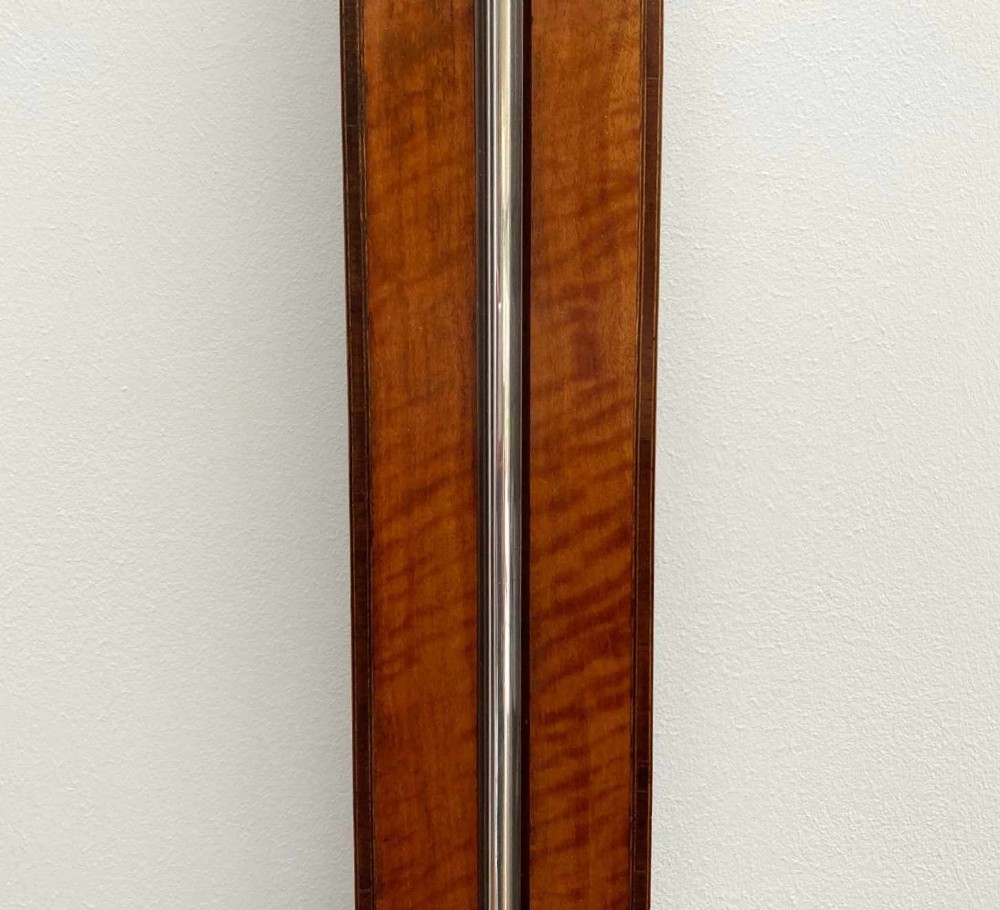
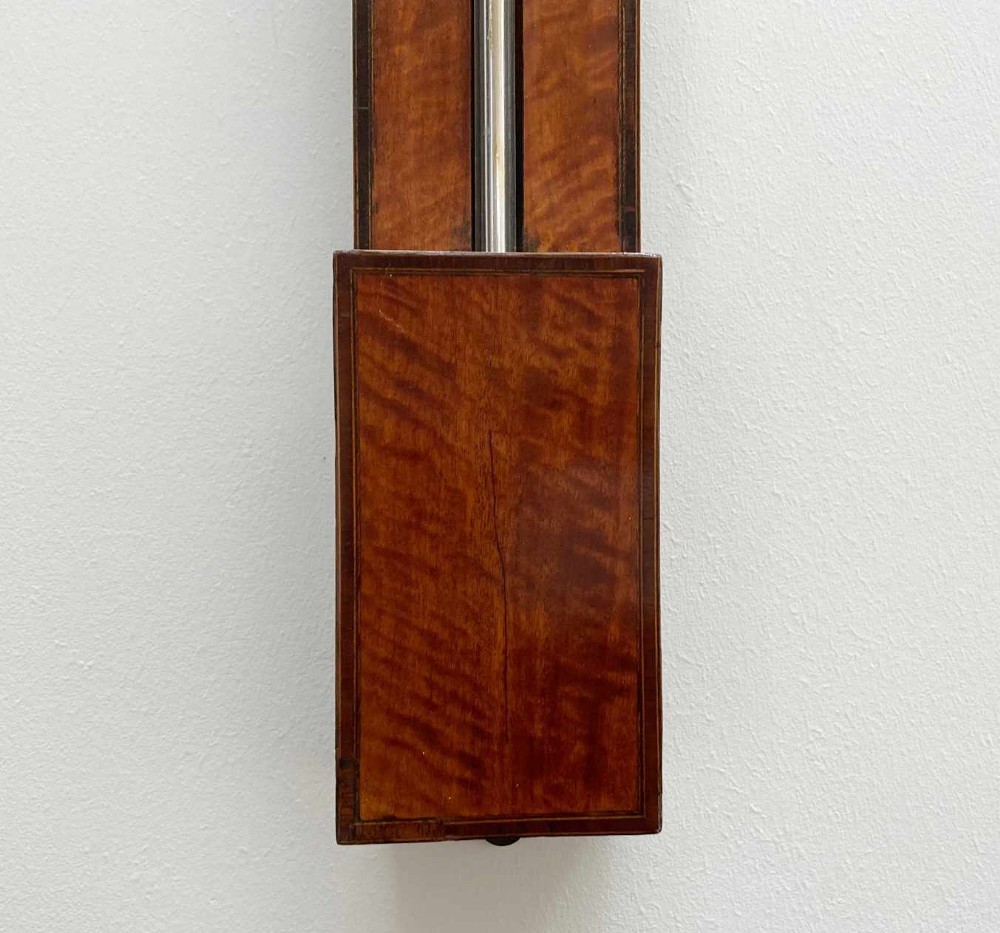
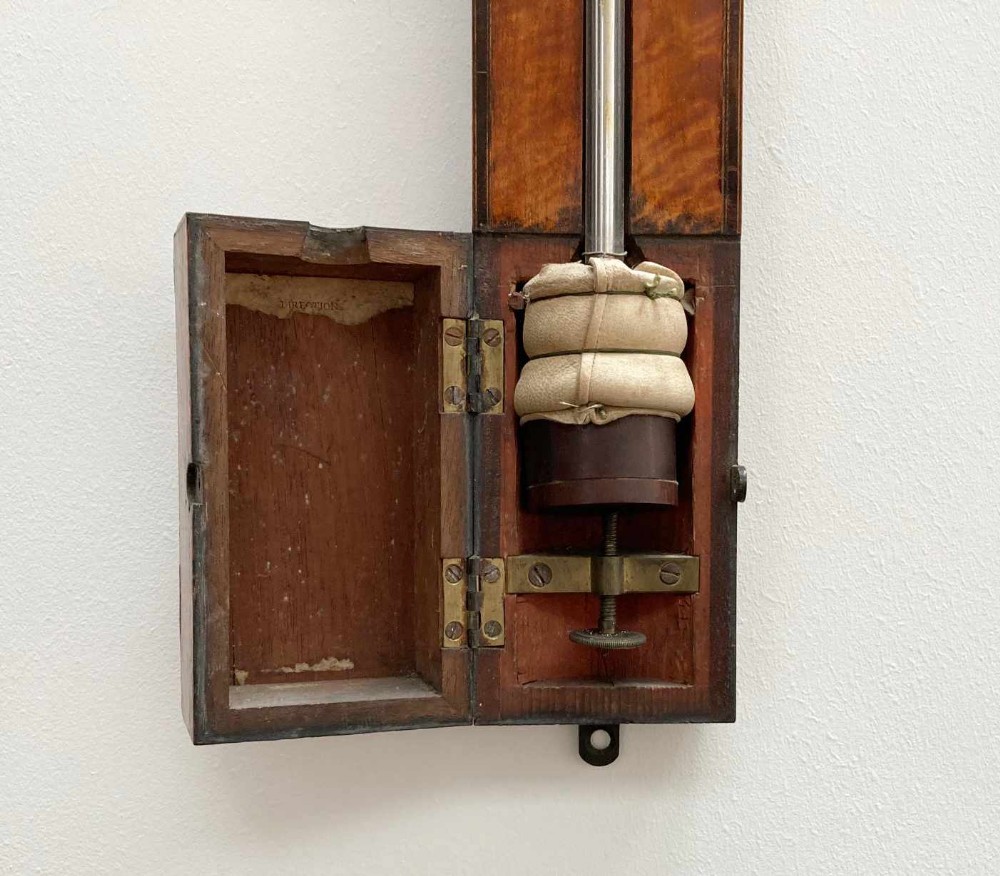
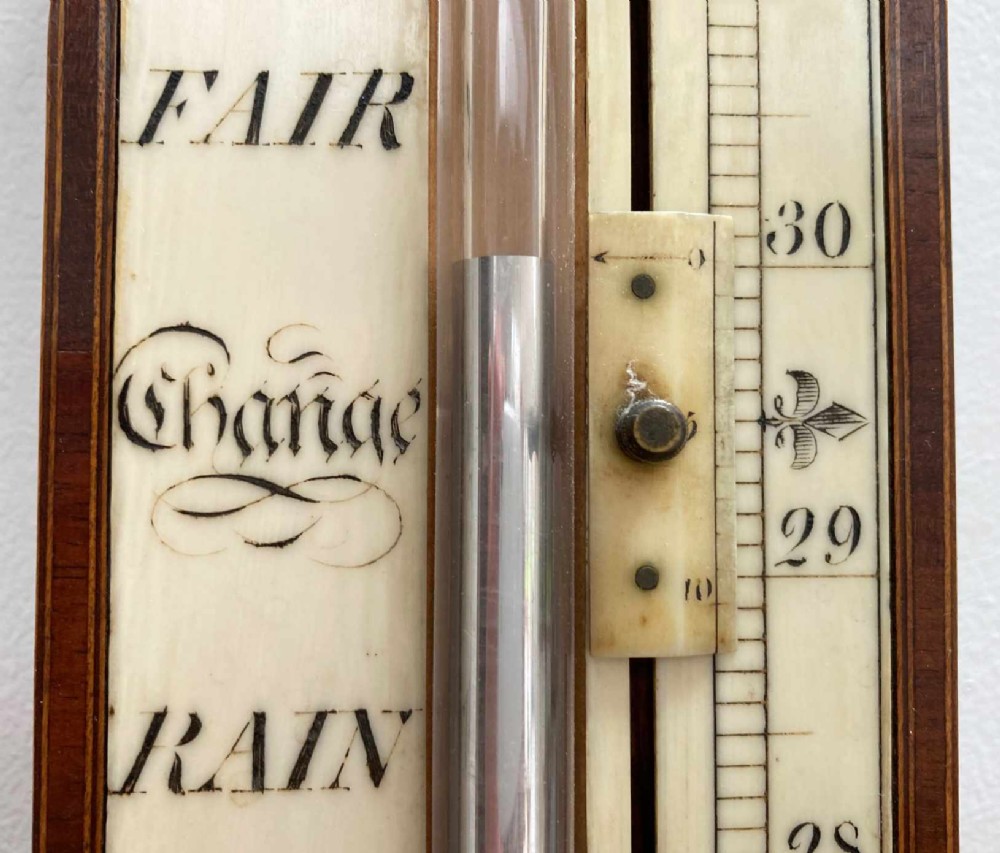
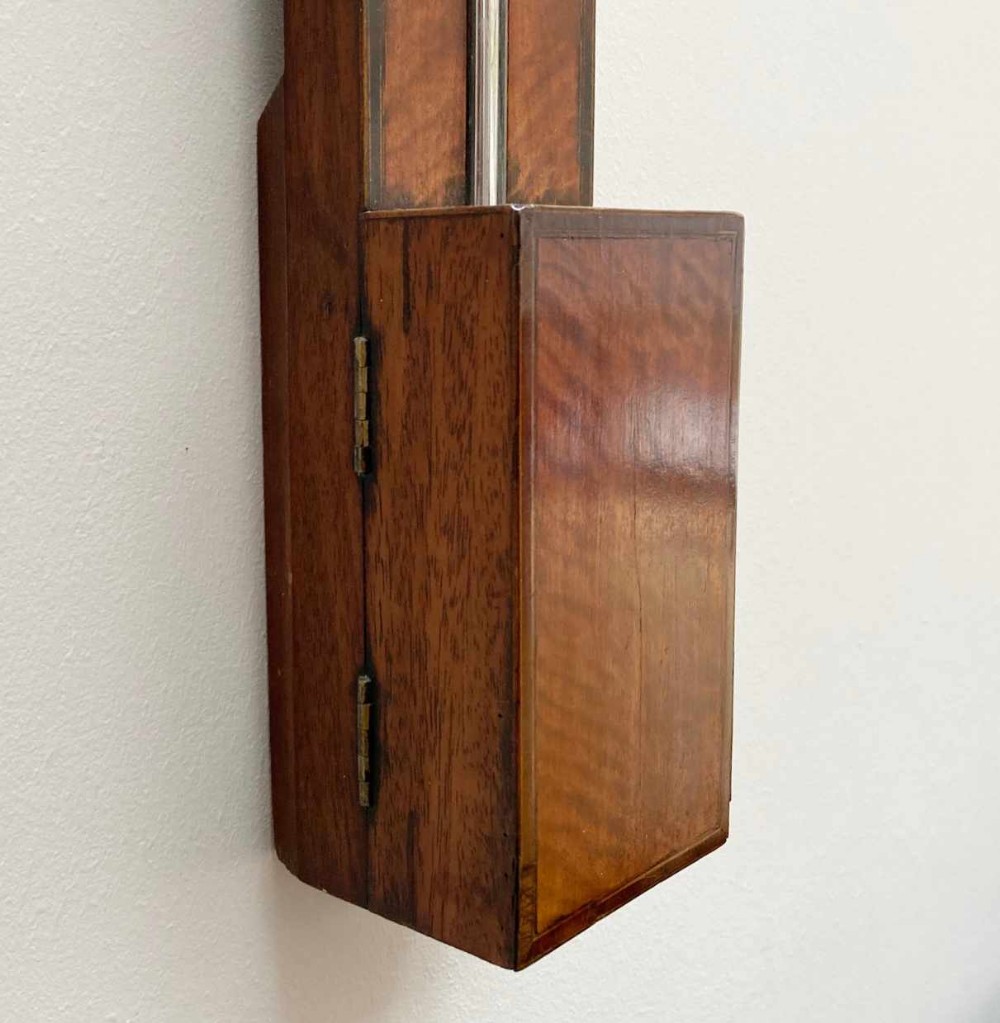
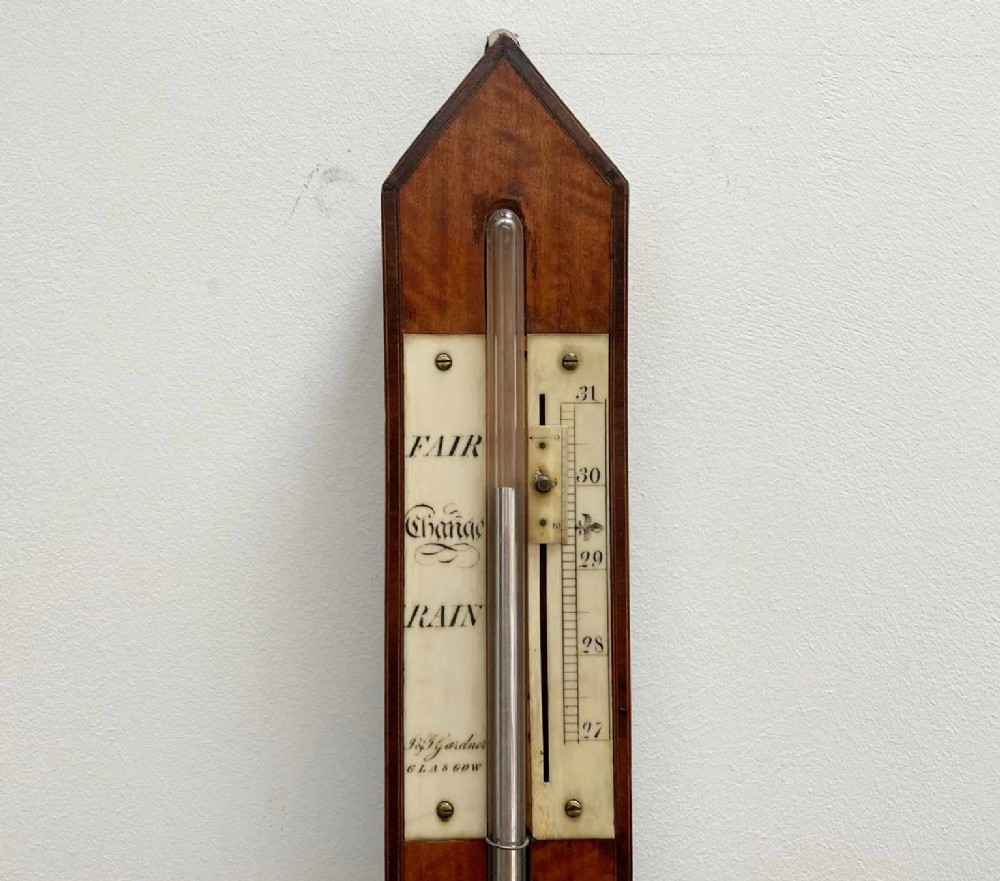
The mahogany case is veneered with satinwood with moulded and ebonised borders. The register plates and Vernier show three weather indications of “Fair, Change & Rain”. The squared hinged cistern cover contains a concertina cistern; these seem peculiar to Scotland and are formed by fixing a leather sleeve between the top and bottom halves of a boxwood cistern. There is no leather base but a portable screw can still be applied to the boxwood base of the cistern”.

With its distinctive style and slimmer proportions this example is ideal for a small wall space or for a collector desiring something slightly different to the norm and with a distinctive history leading back to the workshops of James Watt.

The Gardner Company traces its roots back to Glasgow University and with the famous Scottish figure of James Watt, steam engine engineer and inventor. Watt after undertaking his apprenticeship, set up business in 1757 at Glasgow University and provided instruments to the institution. John Gardner (1734-1822) in turn served his apprenticeship under Watt and became his Senior Journeyman by 1769 and the business was largely operated by Gardner by the early 1770s owing to Watt’s surveying activities. The death of Watt’s wife in 1773 precipitated his move away from Glasgow to Birmingham and by 1773, Gardner is known to have been trading under his own account by this point.

It must also be presumed that Gardner himself must have learnt surveying skills through Watt’s guidance as he was appointed in 1789 as assistant to James Barry, Glasgow land surveyor and succeeded him to this post following Barrie’s death in 1792. It is likely that a partnership with James Laurie coincided with Gardner’s increasing workload and the departure of his previous partner James Sym. Little is known of James Laurie as he seems not to have worked as an independent scientific instrument maker but during the six years of their partnership they advertised a wide range of products.

In 1799, Gardner entered into a new partnership with his son John Gardner and the company was renamed to J&J Gardner. In 1818 the son John Gardner died in the middle of bankruptcy proceedings for the company and amongst the creditors were Thomas Jones of Charing Cross, which perhaps gives a flavour of the circles within which they were trading at the time. It did however manage to continue trading and by the time of John Gardner senior’s death in 1822 there existed a partnership named, Gardner, Jamieson & Co.

The family dynasty did not disappear upon his death, it was initially continued by his wife Margaret and his younger son but finally became Gardner & Co and under that title remained in business until circa 1920.

It is of further interest to note that bankruptcy proceedings dogged the family after John Gardner’s death and in 1832 one of the creditors is listed as Laurie & Hamilton, Glasgow Merchants. Perhaps a common Scottish surname but could it have been the same Laurie from the earlier parternship. Further research may well bring that question to conclusion.

A fine example of its type and can be accurately dated between 1799 and 1818, therefore, circa 1810.

Physical Dimensions
Height
99cm (38.98")
Width
7.5cm (2.95")
Depth
7cm (2.76")
Declaration

Jason Clarke Antiques has dated this piece to the 1800s.
Reference Numbers
Sellingantiques Reference
SA729723
Description
For sale an early nineteenth century Scottish satinwood stick barometer by J&J Gardner of Glasgow.
This seldom encountered design is illustrated in Edwin Banfield’s publication, Stick or Cistern Tube Barometers” (Pages 103 to 107) and is described as follows:.
Jason Clarke Antiques
fig 1. Early Nineteenth Century Scottish Satinwood Stick Barometer by J&J Gardner of Glasgow
fig 1. Early Nineteenth Century Scottish Satinwood Stick Barometer by J&j Gardner of Glasgow

“Scottish barometer makers continued to produce barometers in distinctive cases in the Nineteenth Century, and Fig 137 (the same barometer as is offered here) shows an example of the type of barometer produced in Scotland during the first quarter of the century.
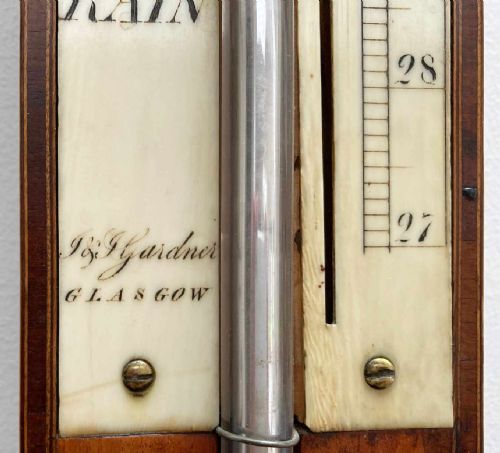
fig 2. Early Nineteenth Century Scottish Satinwood Stick Barometer by J&J Gardner of Glasgow
fig 2. Early Nineteenth Century Scottish Satinwood Stick Barometer by J&j Gardner of Glasgow

The mahogany case is veneered with satinwood with moulded and ebonised borders. The register plates and Vernier show three weather indications of “Fair, Change & Rain”. The squared hinged cistern cover contains a concertina cistern; these seem peculiar to Scotland and are formed by fixing a leather sleeve between the top and bottom halves of a boxwood cistern. There is no leather base but a portable screw can still be applied to the boxwood base of the cistern”.
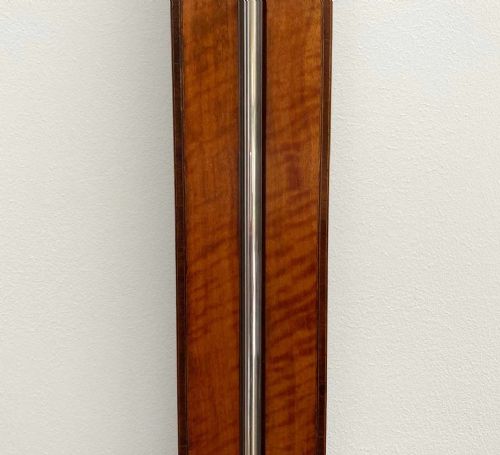
fig 3. Early Nineteenth Century Scottish Satinwood Stick Barometer by J&J Gardner of Glasgow
fig 3. Early Nineteenth Century Scottish Satinwood Stick Barometer by J&j Gardner of Glasgow

With its distinctive style and slimmer proportions this example is ideal for a small wall space or for a collector desiring something slightly different to the norm and with a distinctive history leading back to the workshops of James Watt.
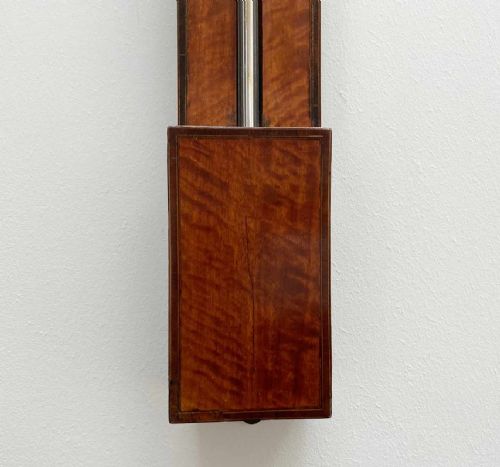
fig 4. Early Nineteenth Century Scottish Satinwood Stick Barometer by J&J Gardner of Glasgow
fig 4. Early Nineteenth Century Scottish Satinwood Stick Barometer by J&j Gardner of Glasgow

The Gardner Company traces its roots back to Glasgow University and with the famous Scottish figure of James Watt, steam engine engineer and inventor. Watt after undertaking his apprenticeship, set up business in 1757 at Glasgow University and provided instruments to the institution. John Gardner (1734-1822) in turn served his apprenticeship under Watt and became his Senior Journeyman by 1769 and the business was largely operated by Gardner by the early 1770s owing to Watt’s surveying activities. The death of Watt’s wife in 1773 precipitated his move away from Glasgow to Birmingham and by 1773, Gardner is known to have been trading under his own account by this point.
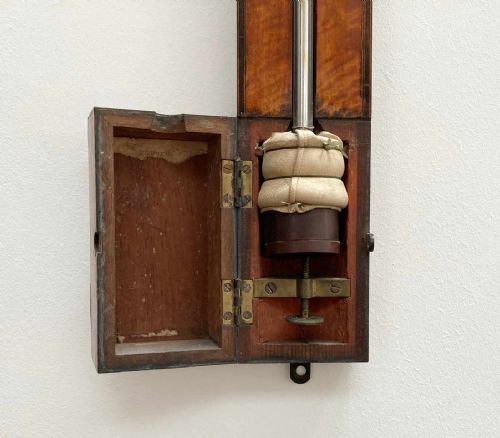
fig 5. Early Nineteenth Century Scottish Satinwood Stick Barometer by J&J Gardner of Glasgow
fig 5. Early Nineteenth Century Scottish Satinwood Stick Barometer by J&j Gardner of Glasgow

It must also be presumed that Gardner himself must have learnt surveying skills through Watt’s guidance as he was appointed in 1789 as assistant to James Barry, Glasgow land surveyor and succeeded him to this post following Barrie’s death in 1792. It is likely that a partnership with James Laurie coincided with Gardner’s increasing workload and the departure of his previous partner James Sym. Little is known of James Laurie as he seems not to have worked as an independent scientific instrument maker but during the six years of their partnership they advertised a wide range of products.
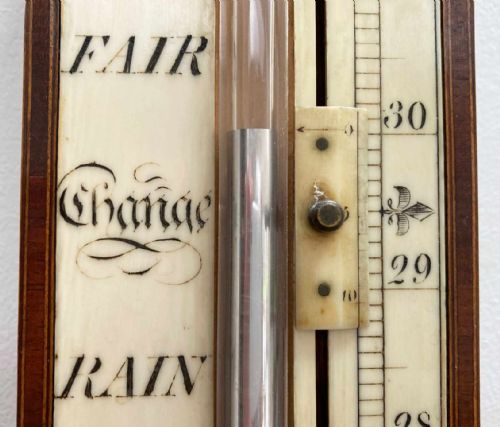
fig 6. Early Nineteenth Century Scottish Satinwood Stick Barometer by J&J Gardner of Glasgow
fig 6. Early Nineteenth Century Scottish Satinwood Stick Barometer by J&j Gardner of Glasgow

In 1799, Gardner entered into a new partnership with his son John Gardner and the company was renamed to J&J Gardner. In 1818 the son John Gardner died in the middle of bankruptcy proceedings for the company and amongst the creditors were Thomas Jones of Charing Cross, which perhaps gives a flavour of the circles within which they were trading at the time. It did however manage to continue trading and by the time of John Gardner senior’s death in 1822 there existed a partnership named, Gardner, Jamieson & Co.
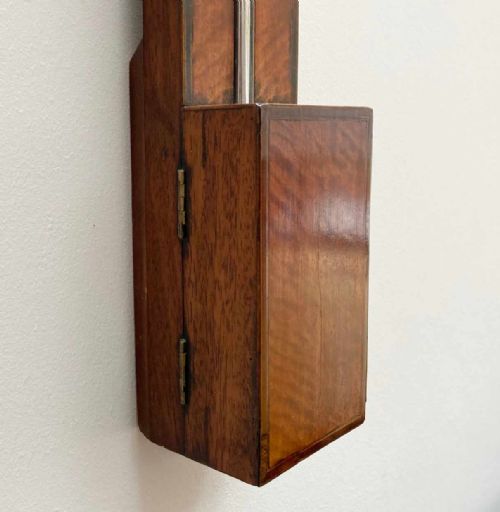
fig 7. Early Nineteenth Century Scottish Satinwood Stick Barometer by J&J Gardner of Glasgow
fig 7. Early Nineteenth Century Scottish Satinwood Stick Barometer by J&j Gardner of Glasgow

The family dynasty did not disappear upon his death, it was initially continued by his wife Margaret and his younger son but finally became Gardner & Co and under that title remained in business until circa 1920.

It is of further interest to note that bankruptcy proceedings dogged the family after John Gardner’s death and in 1832 one of the creditors is listed as Laurie & Hamilton, Glasgow Merchants. Perhaps a common Scottish surname but could it have been the same Laurie from the earlier parternship. Further research may well bring that question to conclusion.

A fine example of its type and can be accurately dated between 1799 and 1818, therefore, circa 1810.

Height
99cm (38.98")
Width
7.5cm (2.95")
Depth
7cm (2.76")
Date of Manufacture

Jason Clarke Antiques has dated this piece to the 1800s.

Reference Numbers
Sellingantiques Ref
SA729723
Jason Clarke Antiques
Sellingantiques verified Since Jul 2015
Dealer Profile

You can view the stock and full dealer information on the Jason Clarke Antiques Profile Page
PDF SHARE
SAVE
Early Nineteenth Century Scottish Satinwood Stick Barometer by J&J Gardner of Glasgow
1 / 8
Archive I Early Nineteenth Century Scottish Satinwood Stick Barometer by J&J Gardner of Glasgow

Early Nineteenth Century Scottish Satinwood Stick Barometer by J&j Gardner of Glasgow
Archive II Early Nineteenth Century Scottish Satinwood Stick Barometer by J&J Gardner of Glasgow View II
Archive III Early Nineteenth Century Scottish Satinwood Stick Barometer by J&J Gardner of Glasgow View III
Archive IV Early Nineteenth Century Scottish Satinwood Stick Barometer by J&J Gardner of Glasgow View IV
Archive V Early Nineteenth Century Scottish Satinwood Stick Barometer by J&J Gardner of Glasgow View V
Archive VI Early Nineteenth Century Scottish Satinwood Stick Barometer by J&J Gardner of Glasgow View VI
Archive VII Early Nineteenth Century Scottish Satinwood Stick Barometer by J&J Gardner of Glasgow View VII
Archive VIII Early Nineteenth Century Scottish Satinwood Stick Barometer by J&J Gardner of Glasgow View VIII
Enlarged Archival View
Telephone 07815 046645
Location
Newbury
Berkshire
United Kingdom
Verified Since Jul 2015
Items For Sale 80
Items Sold 607
Jason Clarke Antiques
Verified Since Jul 2015
View Dealer Info
Location: Newbury, Berkshire, United Kingdom
Verified
Jul 2015
For Sale
80
Sold
607
Early Nineteenth Century Scottish Satinwood Stick Barometer by J&J Gardner of Glasgow
Ref: SA729723
Early Nineteenth Century Scottish Satinwood Stick Barometer by J&J Gardner of Glasgow
Detail View 1
Detail View 2
Detail View 3
Detail View 4
Detail View 5
Detail View 6
Detail View 7
Archival Detail
Every single antique dealer on our platform is individually approved by our internal team. We verify their professional trade history, ethical standards, and photographic quality to ensure a secure, high-standard buying environment. Upon joining, every dealer agrees to a strict 9-point code of conduct. While issues can occasionally arise, our dealers typically resolve them swiftly and directly with the buyer. In fact, since our founding in 2002, Sellingantiques has only had to step in to help resolve an issue on roughly five occasions—a true testament to the quality of our dealers and their dedication to your happiness.
Our dealers are highly experienced in packing and shipping fragile, high-value antiques. Because you are in direct contact with the dealer, you will be able to easily go through all available shipping and insurance options together to ensure your item arrives safely.
Antiques are the ultimate green purchase. By choosing historical pieces over newly manufactured goods, you completely eliminate the carbon footprint of modern mass production while preserving exceptional, timeless craftsmanship.
items
Add keywords to the filter
Price
£100
£250000
Era
Movements
Material
Origin
Stock Location
Freshness
Online Payments
Categories