It was listed by Artware Fineart. Sold pieces stay on Sellingantiques as a record of what has passed through, and the next one is rarely far away.
Artware Fineart has dated this piece to the 1910s.
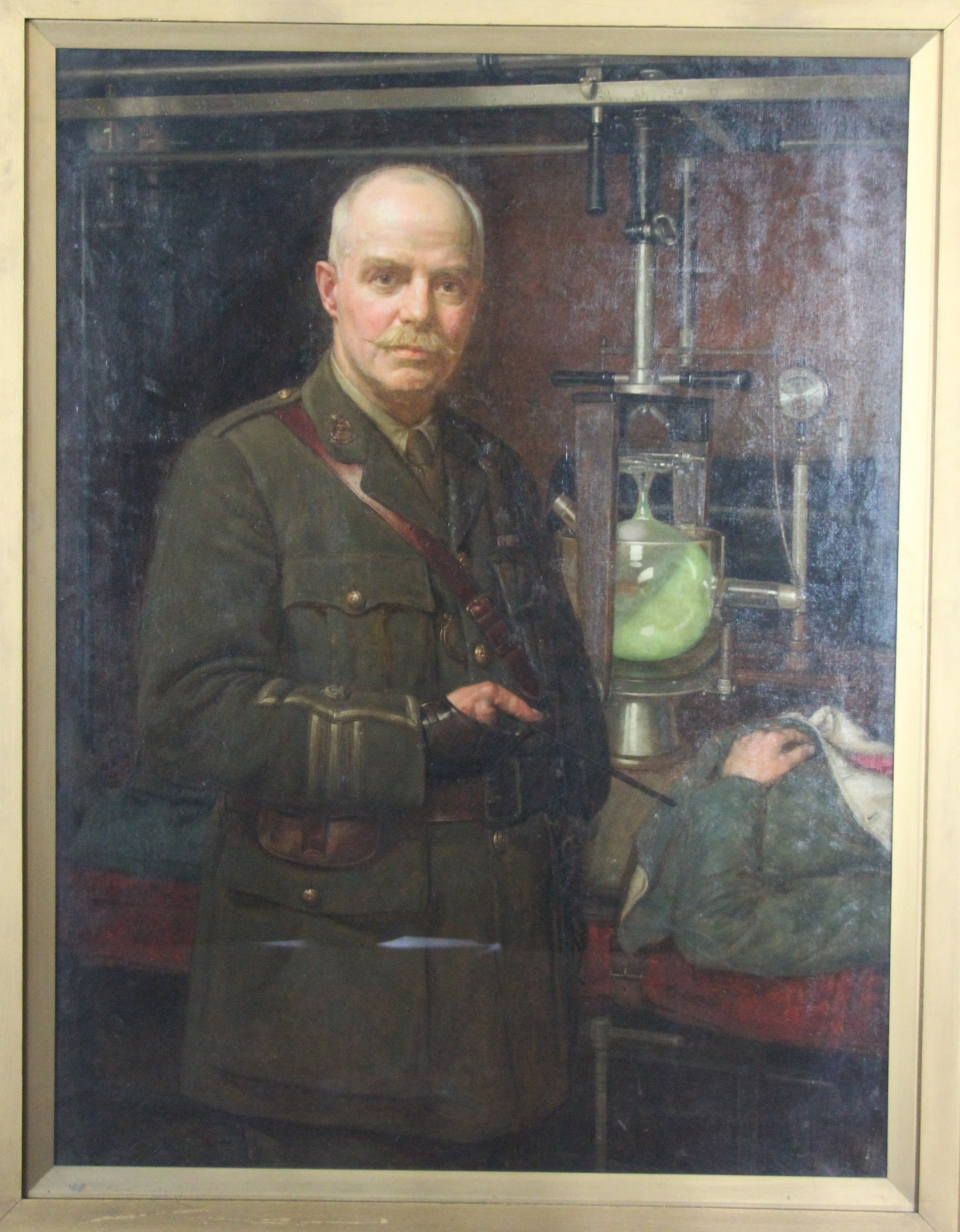
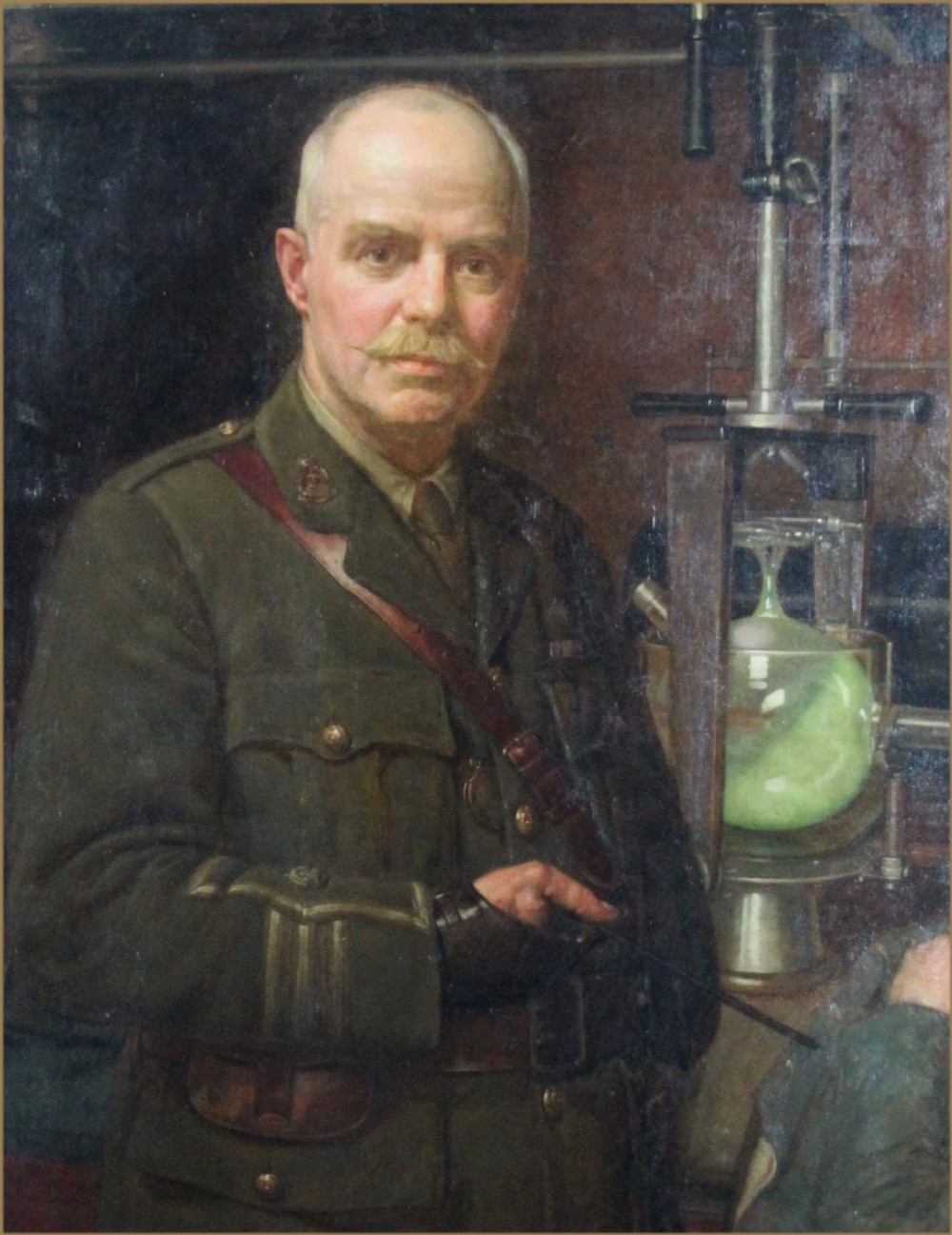
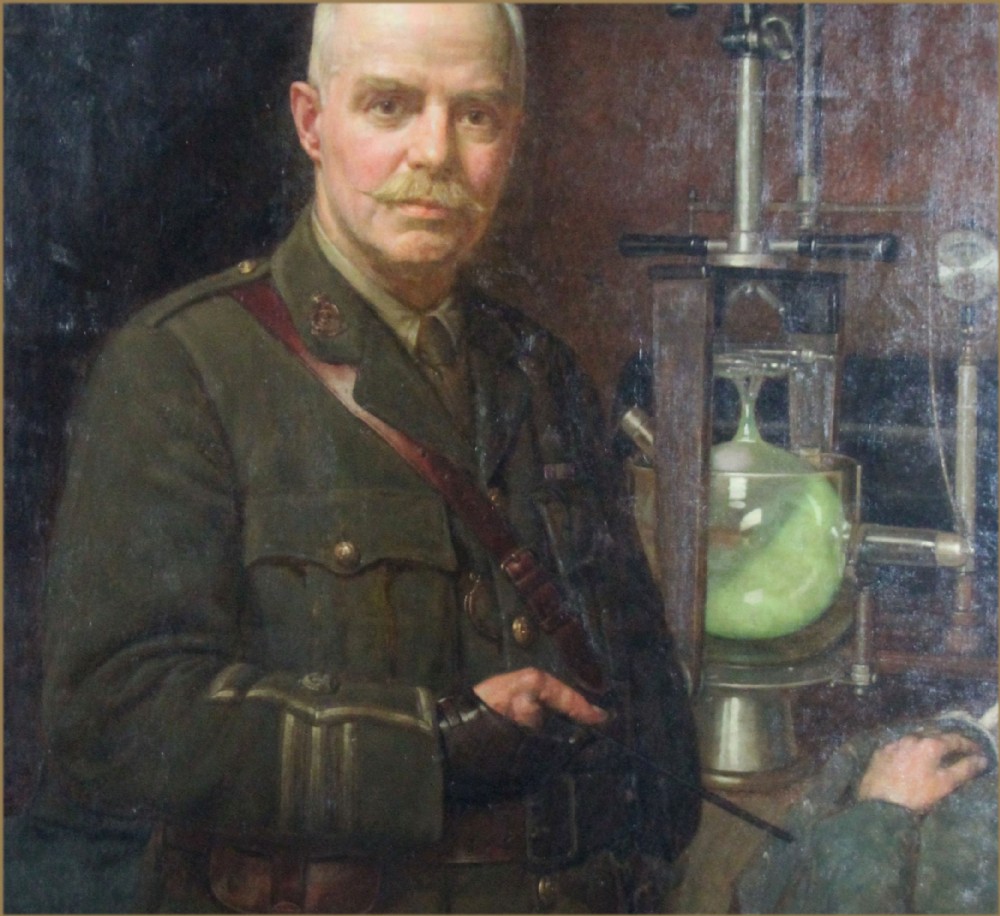
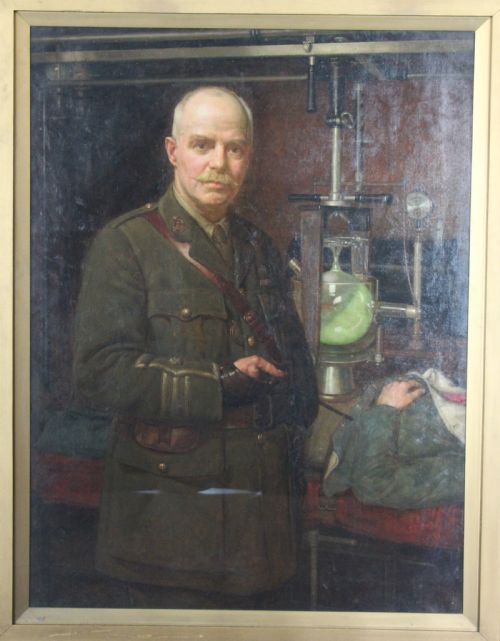
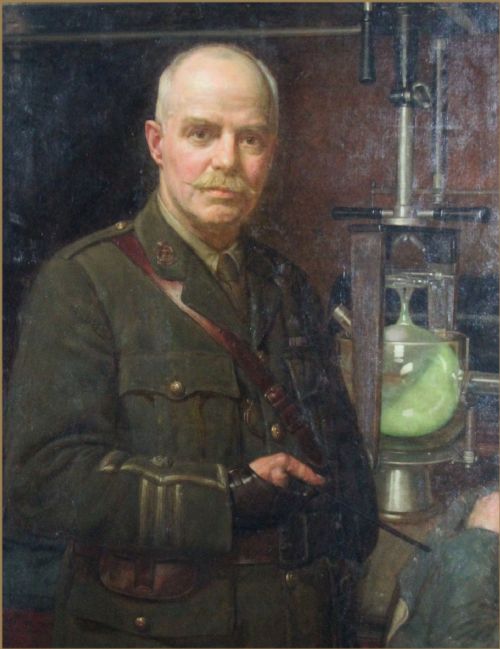
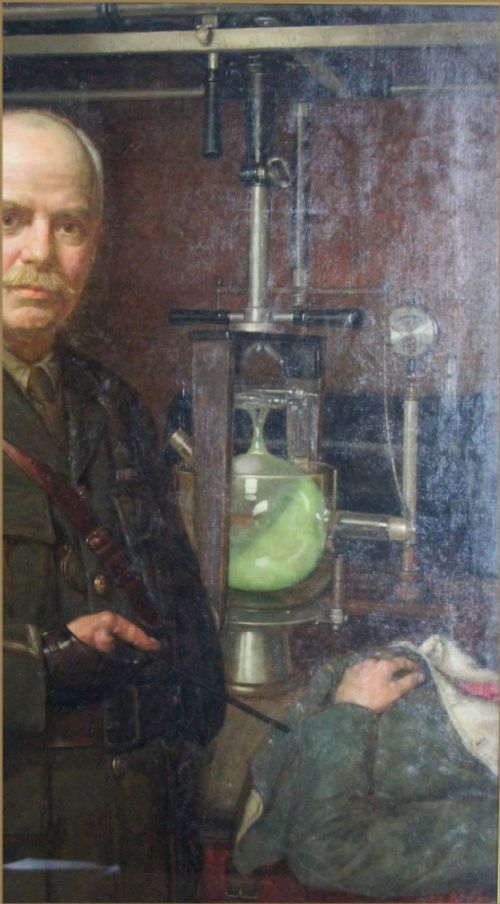
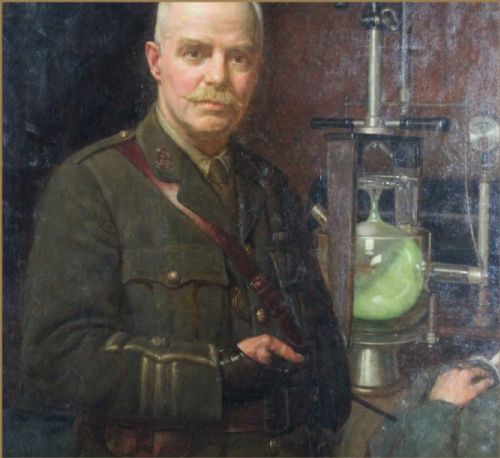
Portrait of Major Dr John Hall-Edwards, FRSE , 1858-1926
Major Dr John Hall-Edwards, FRSE
oil on canvas
48 x 36 in. (122 x 92 cm.)
Provenance
University Hospitals Birmingham Charity, Birmingham
Notes
He was born John Francis Hall Edwards in Moseley Road, King's Norton, Worcestershire, on 19 December 1858, the son of John Edwards, a druggist who went on to qualify in medicine in which he had a practice in Sparkbrook, and his wife, Fanny Dixon, née Hall. He was educated at King Edward VI Grammar School, Birmingham, and attended the Queen's College Medical School, where he was for three years assistant demonstrator in practical histology to the professor of physiology, Richard Hill Norris. His time with Norris, who invented the first dry plate used in photography, sparked a life-long interest in photography. In 1885 he qualified as a licentiate of the Royal College of Surgeons, Edinburgh, and entered medical practice in Woodstock Road, Moseley. On 14 February 1893 he married, at Aston register office, Constance Marie di Pazzi Clutton Blair Salt (1866–1923), daughter of John Clutton Blair Salt, manufacturer and dealer in works of art, of Birmingham. They had one adopted daughter, Violet Primrose Bell.
While in practice in Moseley, Hall-Edwards (who began to hyphenate his name at the turn of the twentieth century) established a standing as a photographer. He was elected president of the Midland Camera Club (1891–3), addressed the London Camera Club (1895) and in 1895 was elected an honorary fellow of the Royal Photographic Society. He studied photography in connection with microscopic work and won his first prize for this in 1892. He went on to win numerous prizes for his photographic work.
Following early experiments on electricity in surgery, Hall-Edwards devoted himself to X-rays, working day and night after their discovery by Wilhelm Roentgen became public early in 1896. On 12 February 1896 he made an X-ray photograph of a fellow practitioner's hand, revealing a sterilized needle inserted under the skin. He went on to take the first British X-ray for the purposes of an operation, as well as the first X-ray of the human spine. In 1899 he became surgeon radiographer to the General Hospital, Birmingham. He sold his practice in Moseley, undertaking X-ray examinations for many specialist hospitals in Birmingham from his radiological private practice in Newhall Street. He recognized the potential of radiography to treat lupus, ringworm, and other skin diseases.
Owing to the initiative of Hall-Edwards, the first X-ray field practice was organized in connection with the 1st volunteer battalion of the Warwickshire regiment. He volunteered for service in the South African War, and in February 1900 was appointed surgeon radiographer to the Imperial Yeomanry Hospitals. He spent fourteen months in South Africa, in Deelfontein and Pretoria, and proved the utility of X-rays to military surgery. His letters to the Birmingham Daily Post during the conflict provide a commentary on the war and aroused public attention to the treatment of horses at the front in particular. On his return, he resumed his radiographic work at the general hospital and during 1904–5 edited the journal The Archives of Roentgen Rays. In 1906 he was appointed president of the British Electro-Therapeutic Society.
As a result of lengthy exposure times, Hall-Edwards developed 'X-ray dermatitis' some months after taking his first X-rays in 1896. By 1904, the cancer had progressed significantly and he read a paper before the British Medical Association detailing his case and calling for the introduction of protective measures. In 1908, in rapid successio
Artware Fineart has dated this piece to the 1910s.
You can view the stock and full dealer information on the Artware Fineart Profile Page
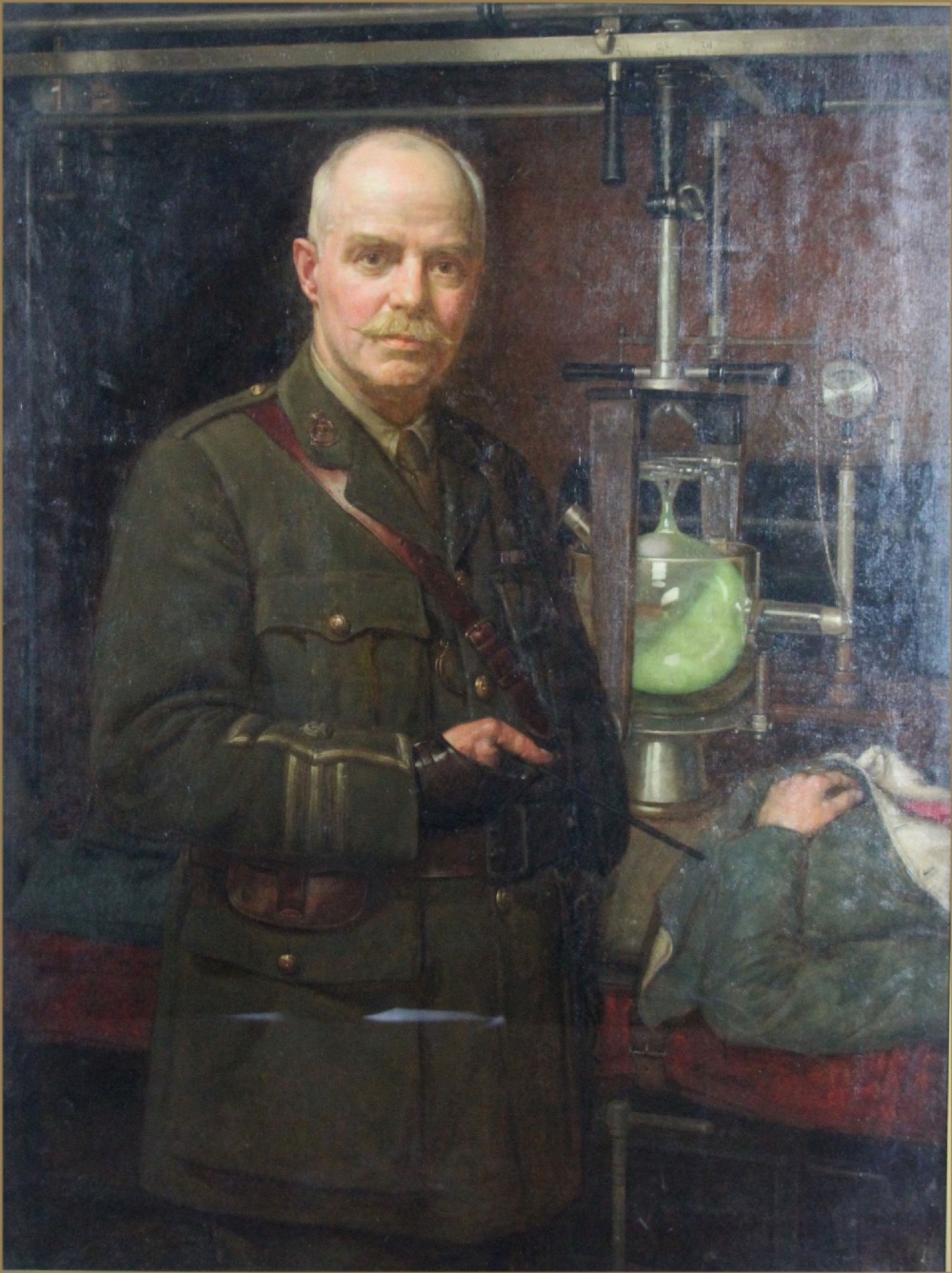

Arthur Trevethin Nowell , Ri. , Rp., 1862-1940 Portrait of Major Dr John Hall-edwards, Frse , 1858-1926