10,613  PAGES BROWSED TODAY PAGES TODAY 51 ANTIQUES UPLOADED TODAYNEW ARRIVALS
51 ITEMS ADDED TODAY
Sort Order
Items Per Page
Browse Categories
Sort order
Items per page
ID #SA698007
SOLD
Email
Save
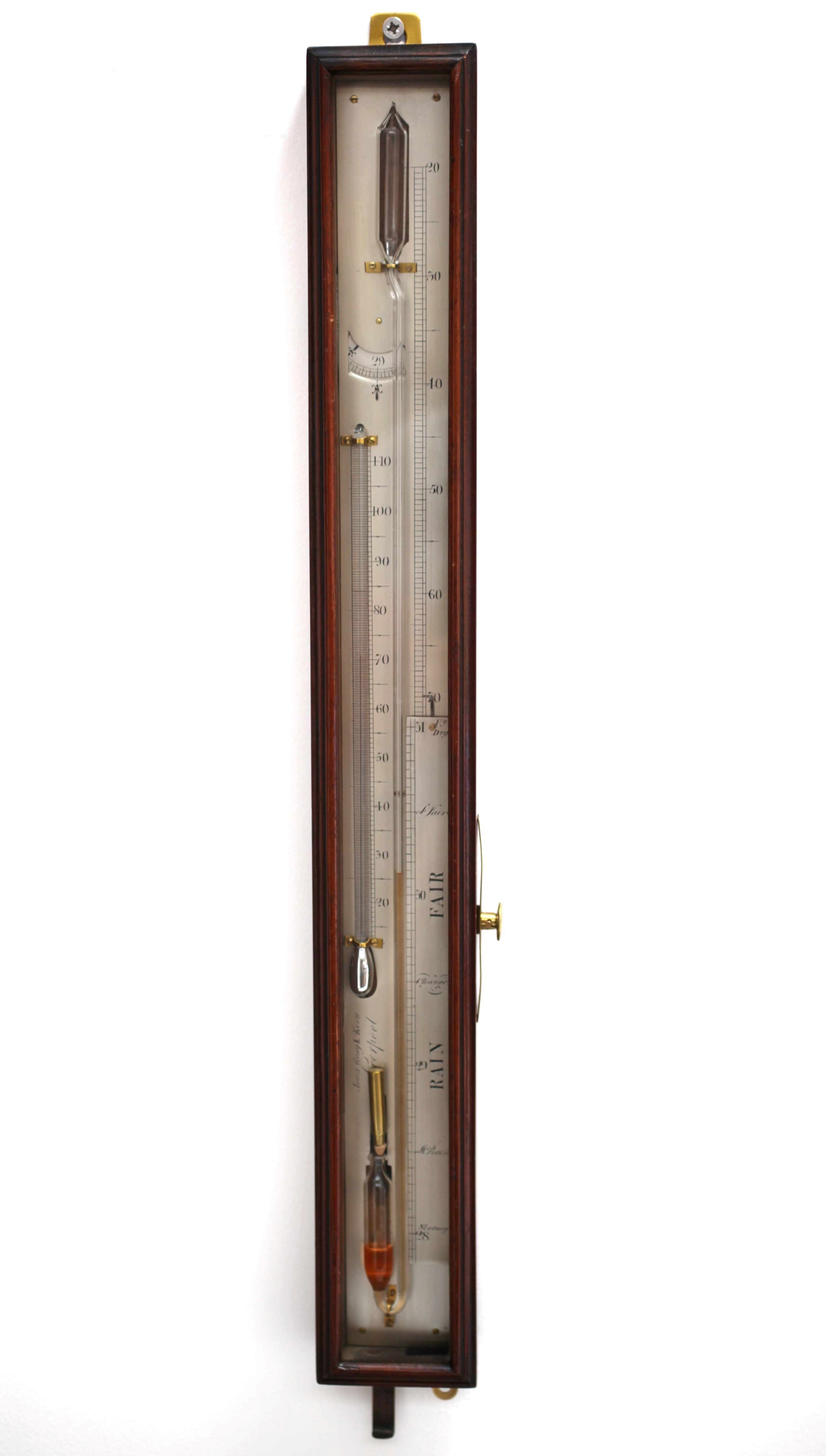
Early Victorian Sypiesometer by Jones, Gray & Keen of Liverpool
Jason Clarke Antiques
sold SA698007
Sorry, but this item has been sold.
Jason Clarke Antiques

Jason Clarke Antiques

Sellingantiques Verified Since Jul 2015
View Dealers Stock Page
Id #SA698007
PDF SHARE
SAVE

Early Victorian Sypiesometer by Jones, Gray & Keen of Liverpool

19th century
Description

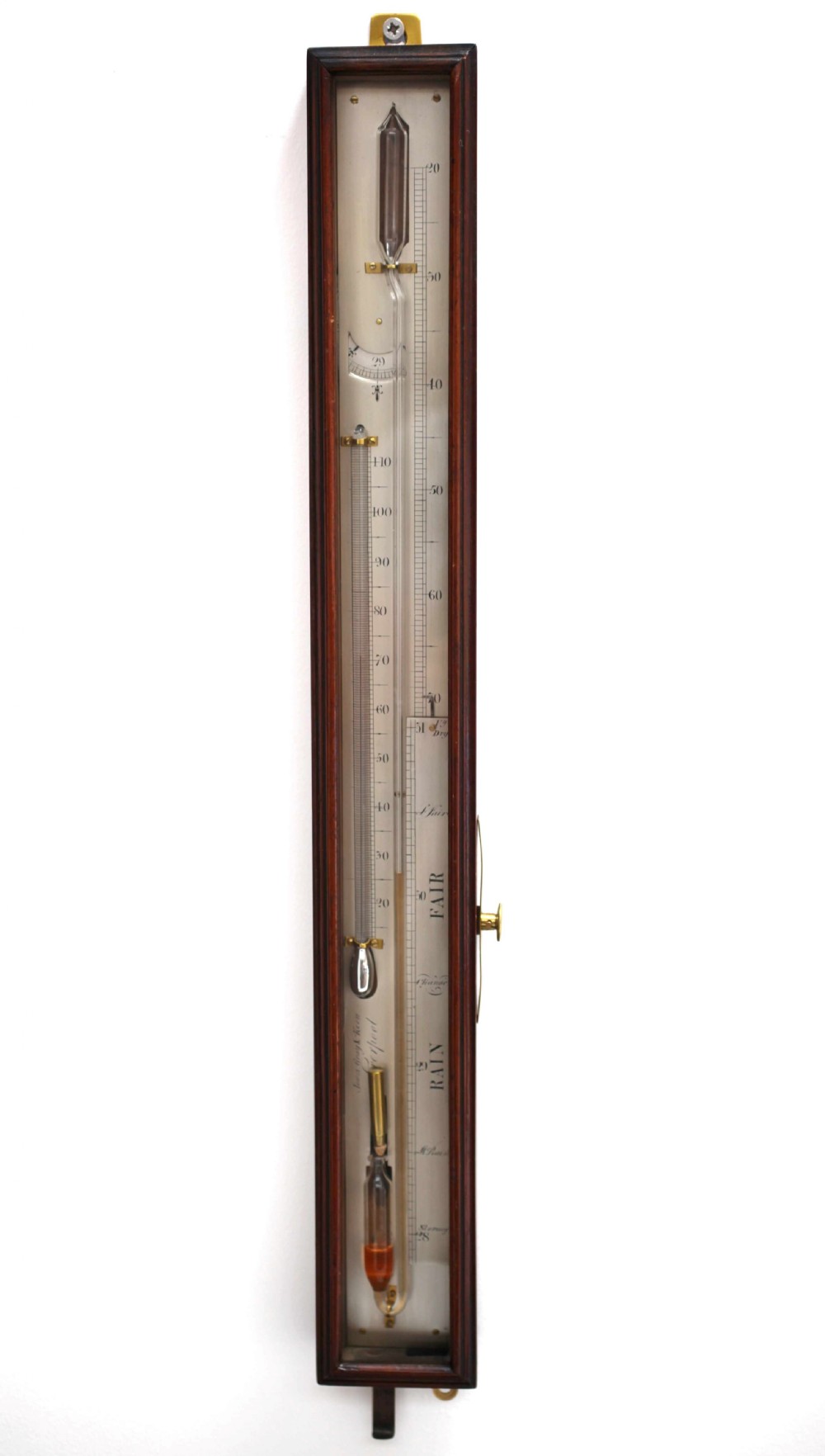
For sale, a very early Victorian Sympiesometer by the makers Jones, Gray & Keen of Liverpool.

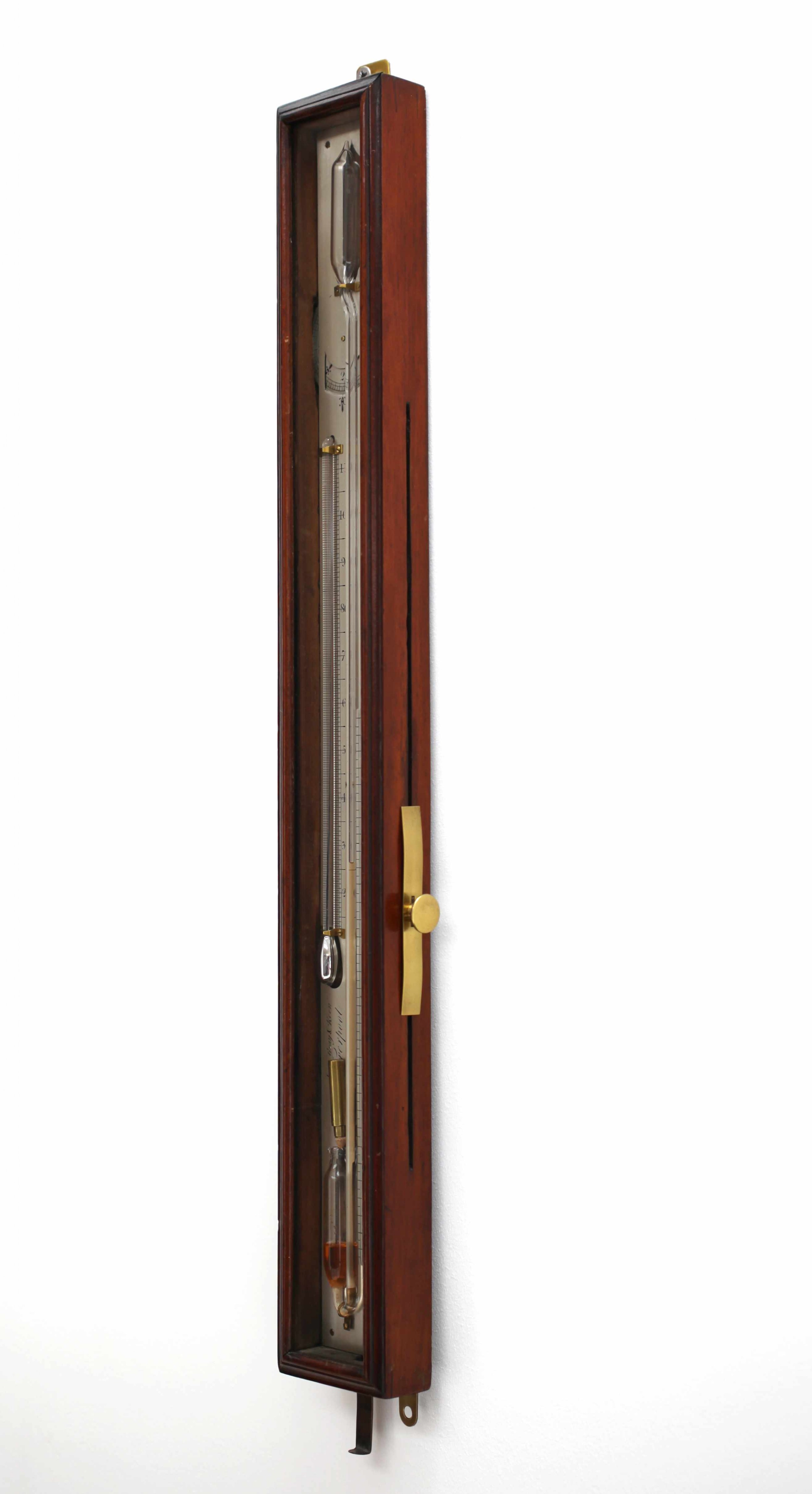
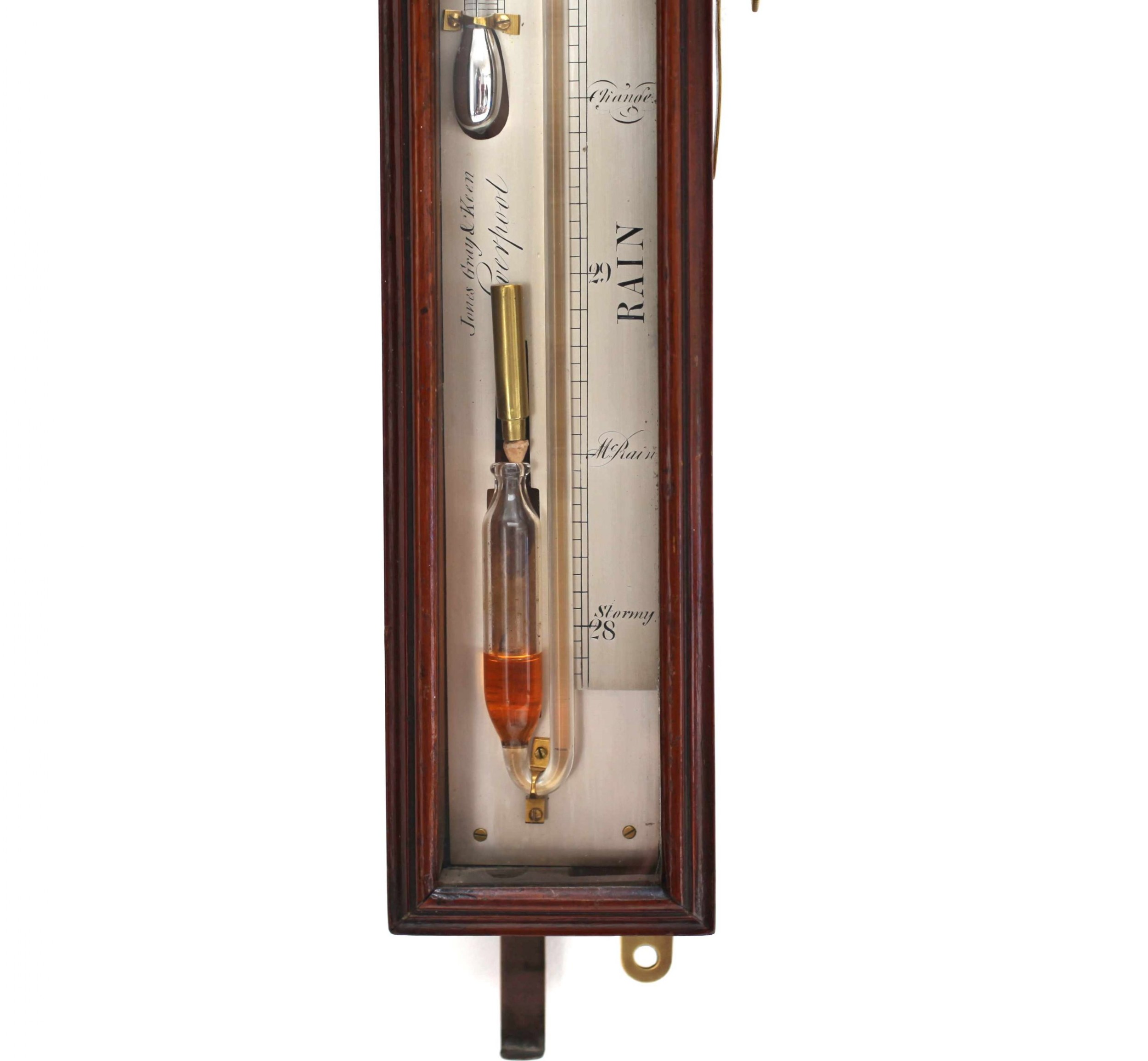
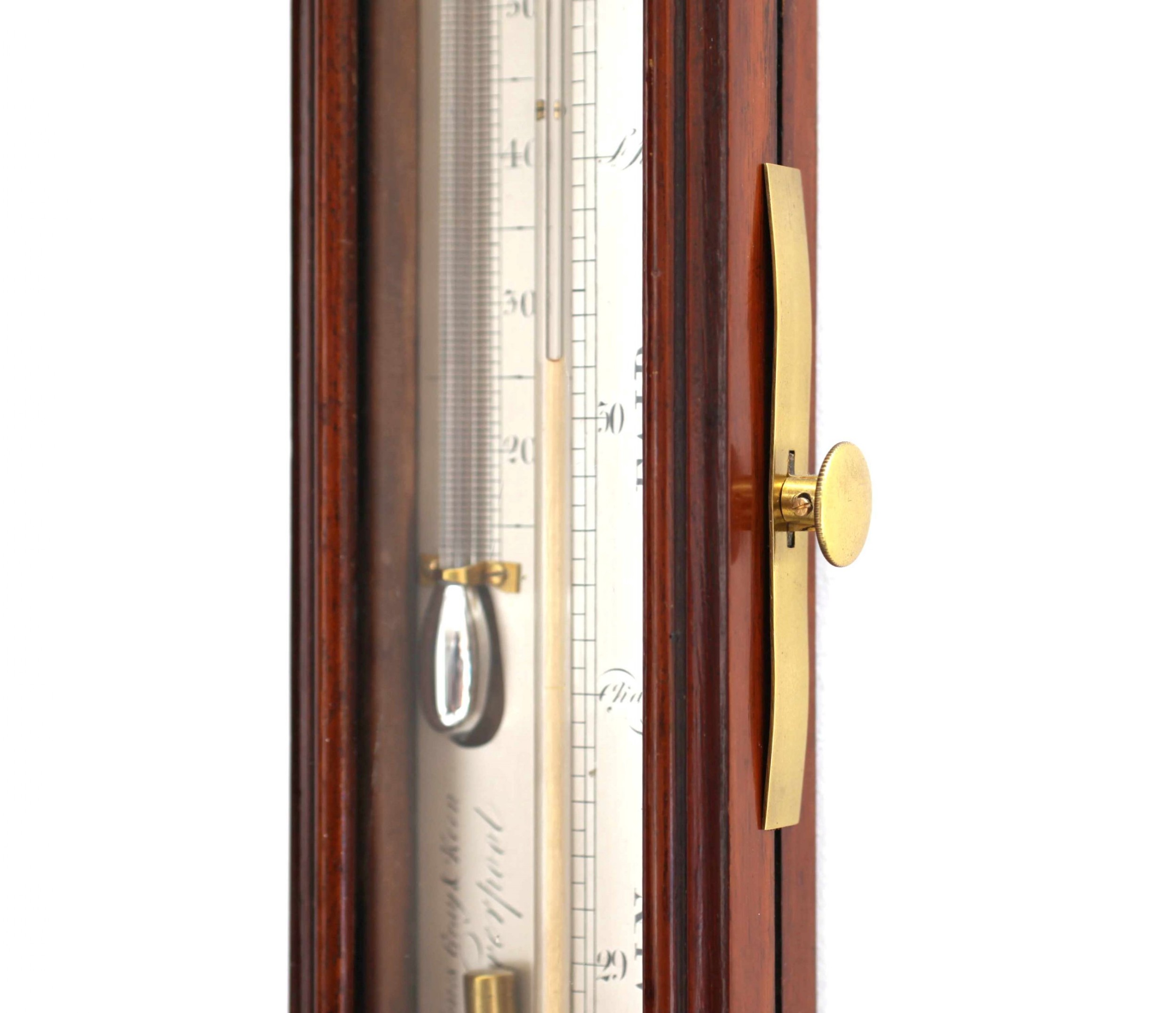
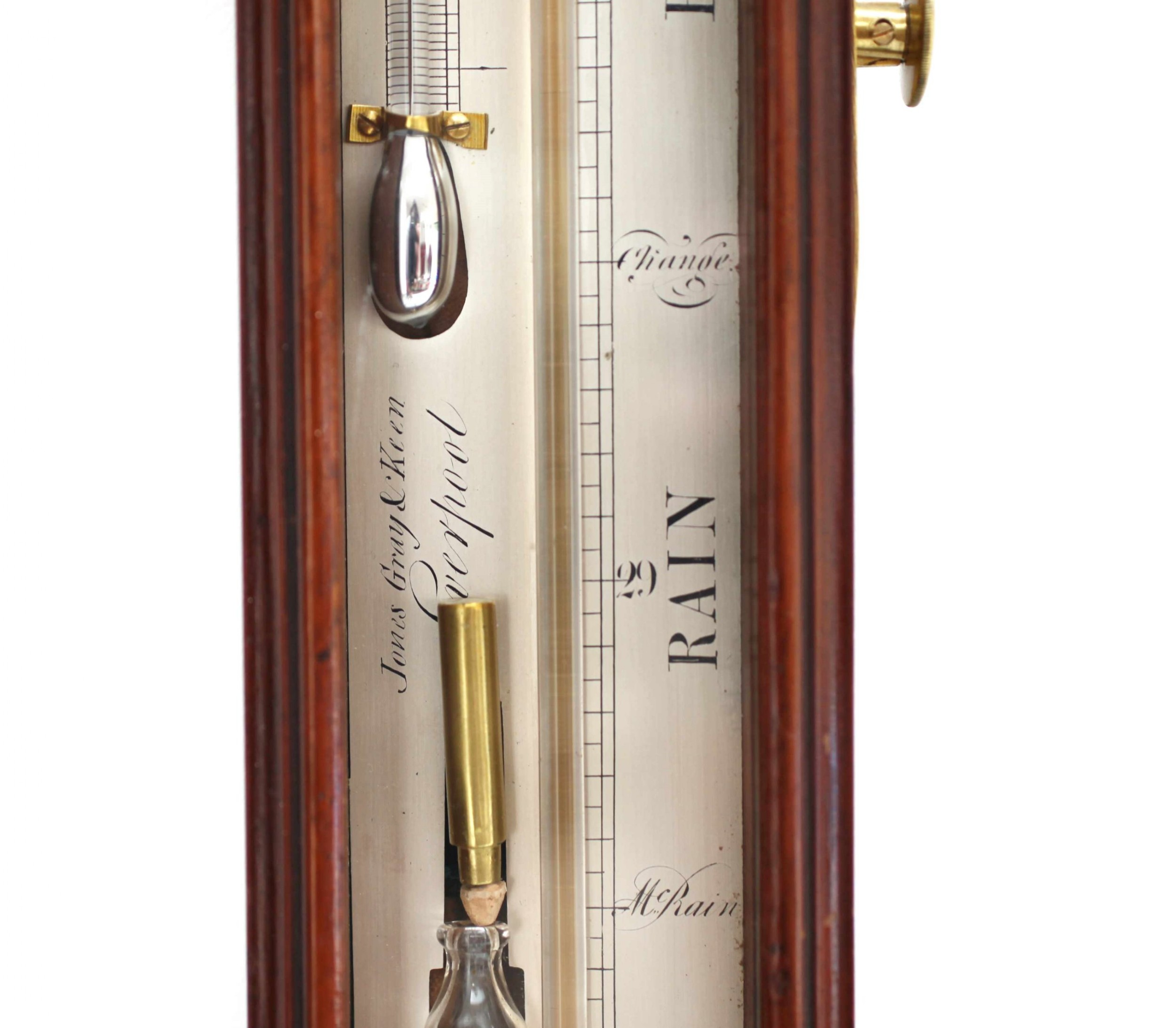
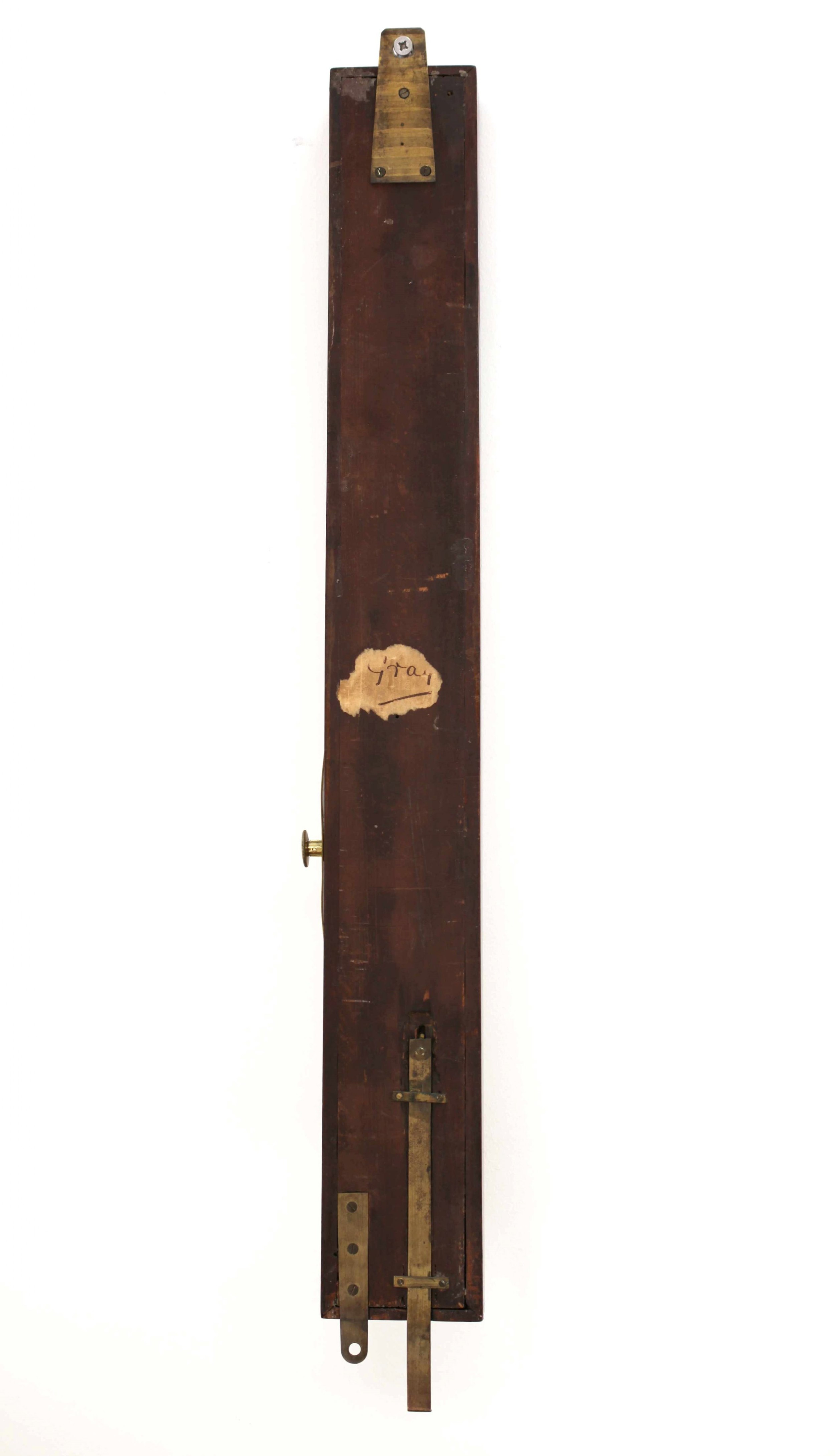
This example is comprised of a 24” mahogany case containing a silvered scale plate with thermometer, glass cistern and setting dial for recording the day’s reading which is hand operated from the left hand side of the case. The right hand side of the sypiesometer case has a sprung brass knob to allow for the accompanying scale to be slid up and down to record the temperature and provide the associated reading from the level in the cistern. The base of the instrument has a slide to allow for the removal of the stopper from the bulb of the cistern when the instrument is in use.

Above the bulb, the sympiesometer is engraved to the shortlived partnership of Jones, Gray & Keen of Liverpool.

The sympiesometer was patented by the famous Scottish instrument maker, Alexander Adie of Edinburgh around 1816 and it was patented on the 23rd Dec 1818 (Patent No 4323 –Description of the Patent Sympiesometer or New Air Barometer). The following extract provides a brief explanation and directions for it use.

“My attention was first directed to the improvement of the Barometer, with the view of rendering it susceptible of indicating any of those minute changes in the weight of the atmosphere, which might be supposed to arise from the action of the Sun and Moon. A very sensible instrument was obviously necessary for such a purpose; and I was therefore led to the idea of measuring the pressure of the atmosphere by its effect in compressing a column of common air. Upon constructing an instrument of this kind, however, I found that the air was absorbed by the fluid with which it was enclosed, and that a good and permanent barometer could not be made upon such a principle, till this radical defect was removed. I therefore directed my attention particularly to this object, and succeeded beyond my most sanguine expectations, in freeing the Air Barometer from this great source of inaccuracy.

The name sympiesometer which I have given to this improved instrument, is derived from the Greek words “to compress” and “a measure”, denoting the property it possesses of measuring the weight of the atmosphere by the compression of a gaseous column.

The principle of the Sympiesometer consists in employing an elastic fluid or gas, different from air, and any liquid, excepting quicksilver, which neither acts upon the gas which it confines, nor is perceptibly acted upon by the air, to the contact of which it is in some measure exposed. Hydrogen gas, azotic gas, or any of the gases not liable to be absorbed by the enclosing fluid, may be used; but I prefer hydrogen gas as superior to any other that I have tried. The liquid which answers best is an unctuous oil, or a mixture of unctuous and volatile oils.

The enclosed gas with which the bulb and part of the tube is filled, changes its bulk, or occupies more or less space, according to the pressure of the atmosphere upon the surface of the oil. The scale for measuring the change in the bulk of the gas, occasioned by the change of pressure, is formed experimentally.

As the bulk of the gas is altered by any change that takes place in the temperature of the atmosphere, it is necessary to apply a correction on this account. For this purpose, the principal or barometric scale, is made to slide upon another scale, placed either below it or on one side of it, which is divided into degrees and tenth parts, so as to represent the change of bulk in the gas produced by a change of temperature under the same pressure, and corresponding to the degrees of a common thermometer attached to the instrument, the scale of which is also divided into degrees and tenth parts of a degree.

When the sypiesometer is hung up for observation, the cistern must be opened, by taking out the cork, or pushing up the small slider at its m

Physical Dimensions
Height
61cm (24.02")
Width
8cm (3.15")
Depth
3cm (1.18")
Declaration

Jason Clarke Antiques has dated this piece to the 1850s.

Reference Numbers
Sellingantiques Reference
SA698007
Description
For sale, a very early Victorian Sympiesometer by the makers Jones, Gray & Keen of Liverpool.

This example is comprised of a 24” mahogany case containing a silvered scale plate with thermometer, glass cistern and setting dial for recording the day’s reading which is hand operated from the left hand side of the case. The right hand side of the sypiesometer case has a sprung brass knob to allow for the accompanying scale to be slid up and down to record the temperature and provide the associated reading from the level in the cistern.
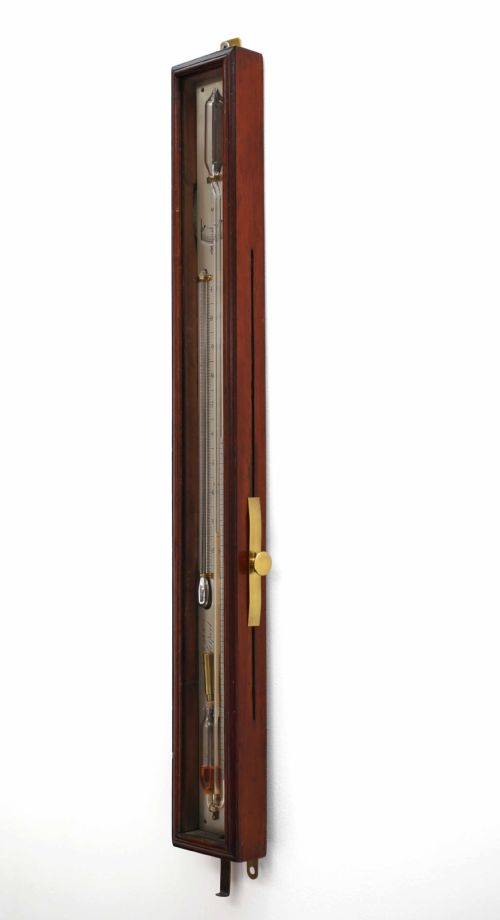
The base of the instrument has a slide to allow for the removal of the stopper from the bulb of the cistern when the instrument is in use.
Jason Clarke Antiques
fig 1. Early Victorian Sypiesometer by Jones, Gray & Keen of Liverpool

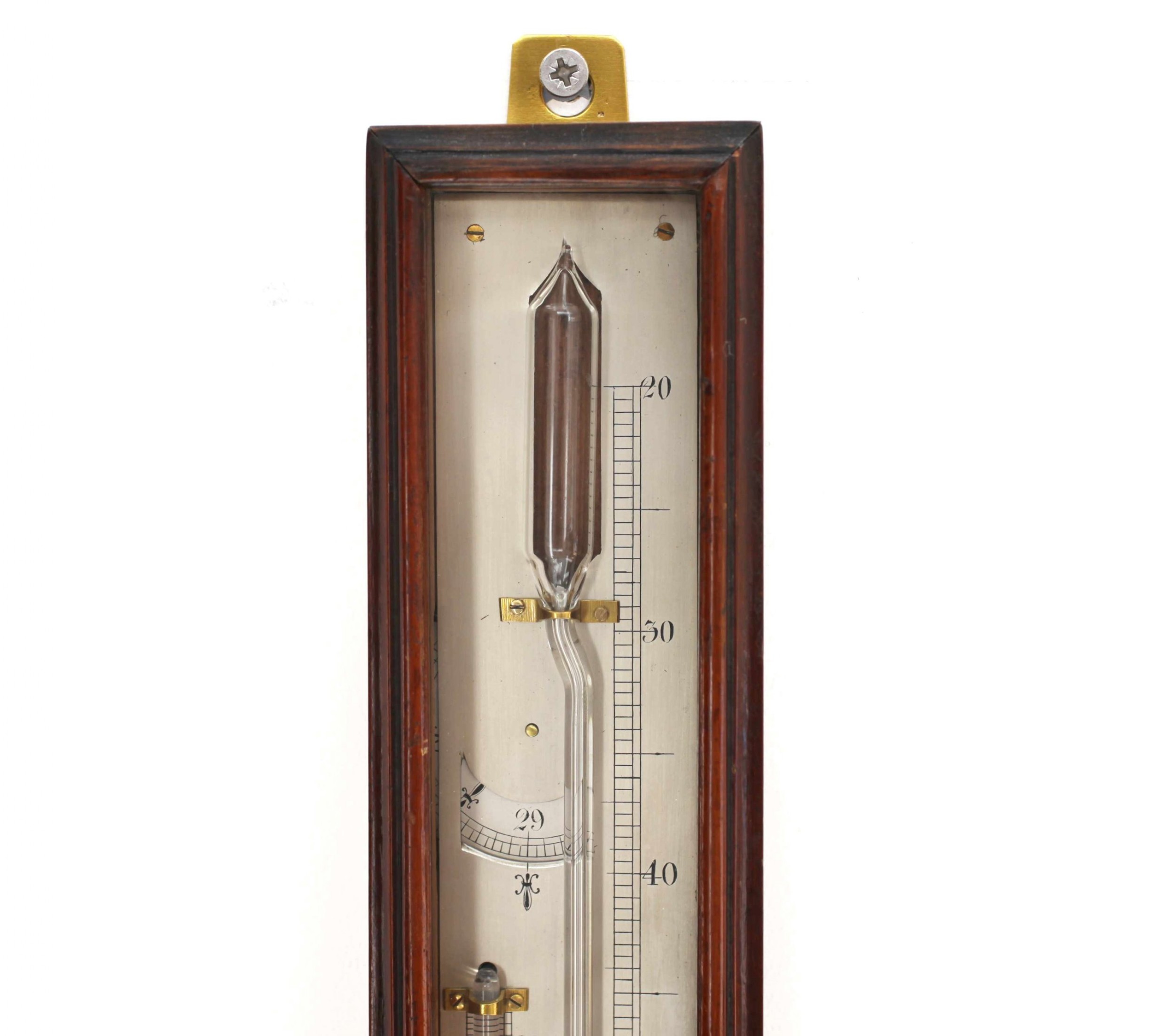
Above the bulb, the sympiesometer is engraved to the shortlived partnership of Jones, Gray & Keen of Liverpool.

The sympiesometer was patented by the famous Scottish instrument maker, Alexander Adie of Edinburgh around 1816 and it was patented on the 23rd Dec 1818 (Patent No 4323 –Description of the Patent Sympiesometer or New Air Barometer). The following extract provides a brief explanation and directions for it use.
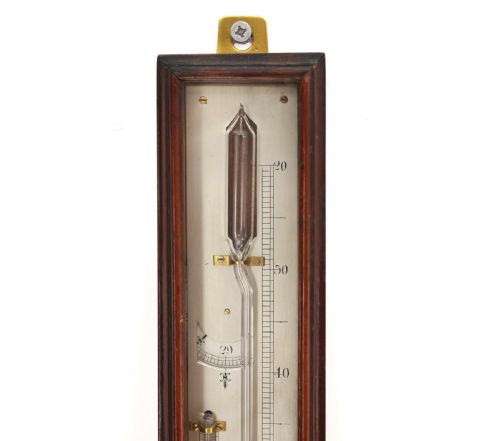
fig 2. Early Victorian Sypiesometer by Jones, Gray & Keen of Liverpool

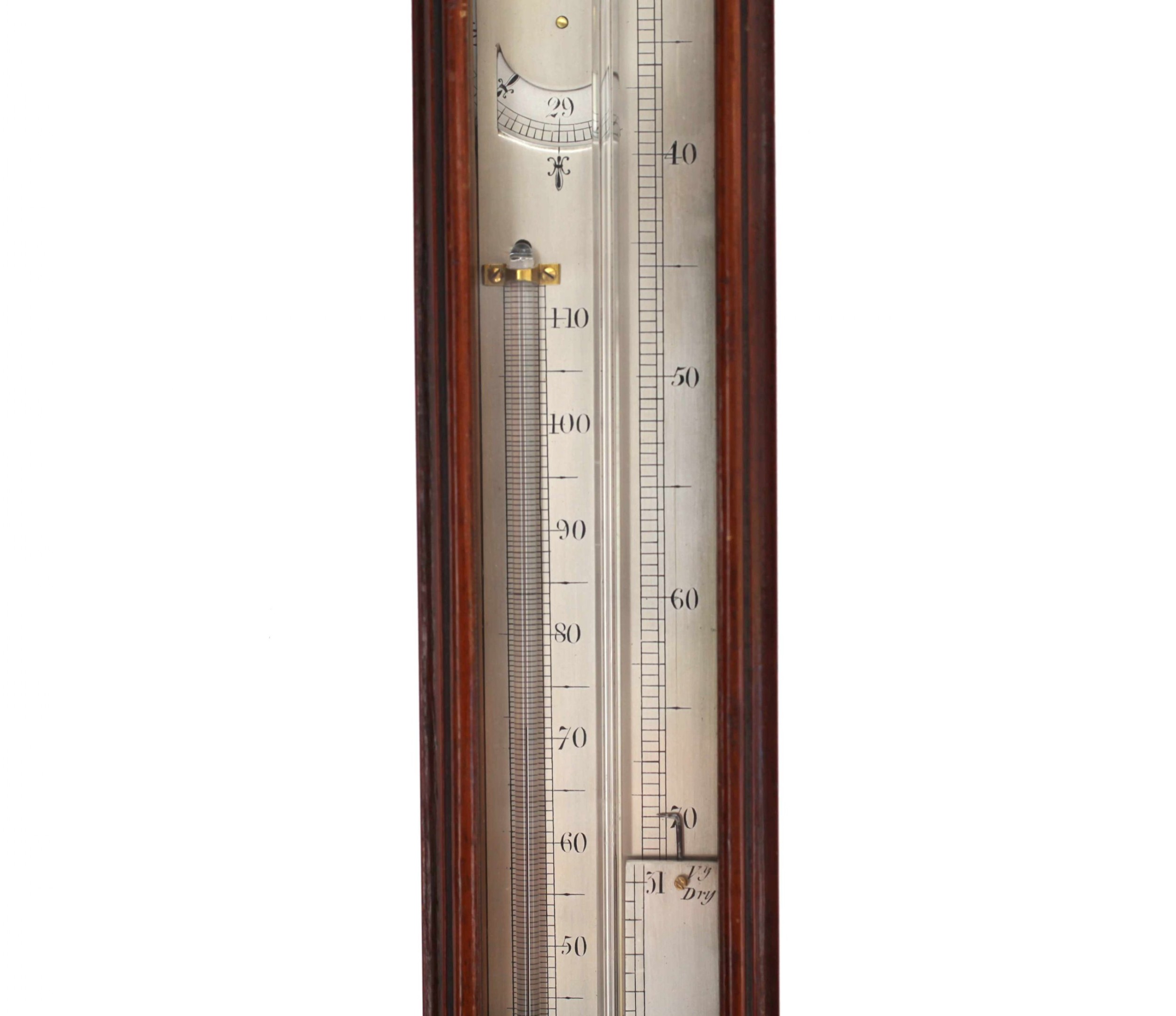
“My attention was first directed to the improvement of the Barometer, with the view of rendering it susceptible of indicating any of those minute changes in the weight of the atmosphere, which might be supposed to arise from the action of the Sun and Moon. A very sensible instrument was obviously necessary for such a purpose; and I was therefore led to the idea of measuring the pressure of the atmosphere by its effect in compressing a column of common air. Upon constructing an instrument of this kind, however, I found that the air was absorbed by the fluid with which it was enclosed, and that a good and permanent barometer could not be made upon such a principle, till this radical defect was removed. I therefore directed my attention particularly to this object, and succeeded beyond my most sanguine expectations, in freeing the Air Barometer from this great source of inaccuracy.
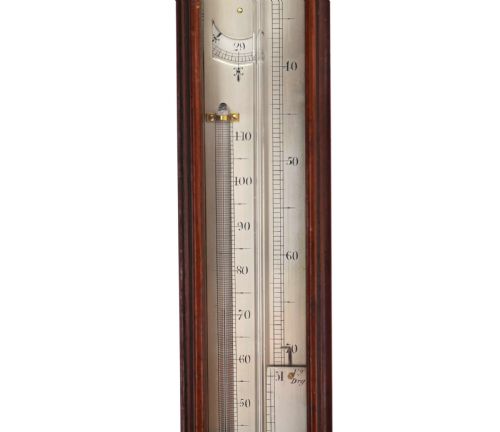
fig 3. Early Victorian Sypiesometer by Jones, Gray & Keen of Liverpool

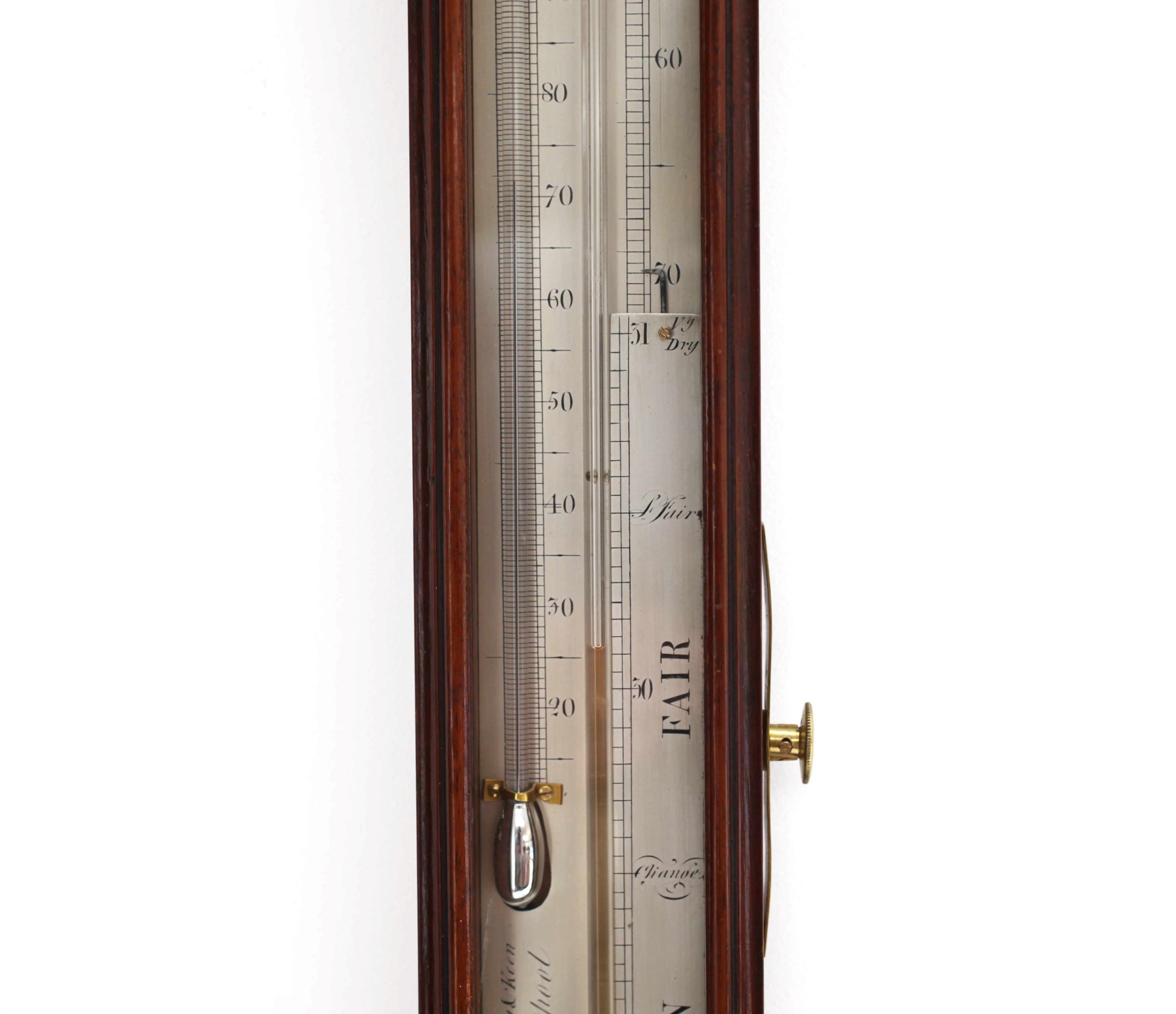
The name sympiesometer which I have given to this improved instrument, is derived from the Greek words “to compress” and “a measure”, denoting the property it possesses of measuring the weight of the atmosphere by the compression of a gaseous column.
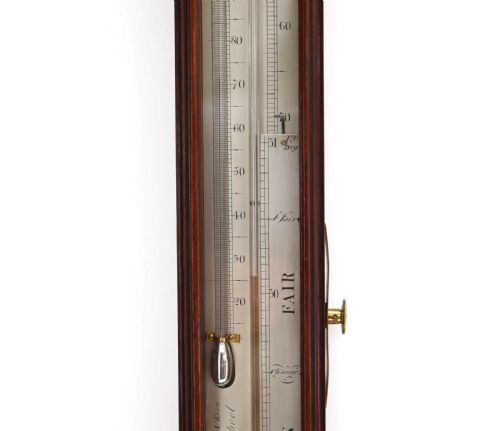
fig 4. Early Victorian Sypiesometer by Jones, Gray & Keen of Liverpool

The principle of the Sympiesometer consists in employing an elastic fluid or gas, different from air, and any liquid, excepting quicksilver, which neither acts upon the gas which it confines, nor is perceptibly acted upon by the air, to the contact of which it is in some measure exposed. Hydrogen gas, azotic gas, or any of the gases not liable to be absorbed by the enclosing fluid, may be used; but I prefer hydrogen gas as superior to any other that I have tried. The liquid which answers best is an unctuous oil, or a mixture of unctuous and volatile oils.
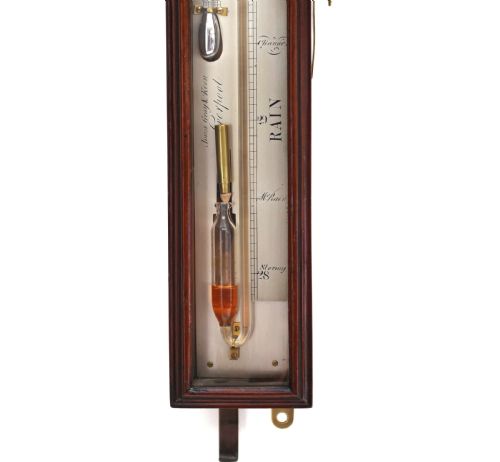
fig 5. Early Victorian Sypiesometer by Jones, Gray & Keen of Liverpool

The enclosed gas with which the bulb and part of the tube is filled, changes its bulk, or occupies more or less space, according to the pressure of the atmosphere upon the surface of the oil. The scale for measuring the change in the bulk of the gas, occasioned by the change of pressure, is formed experimentally.
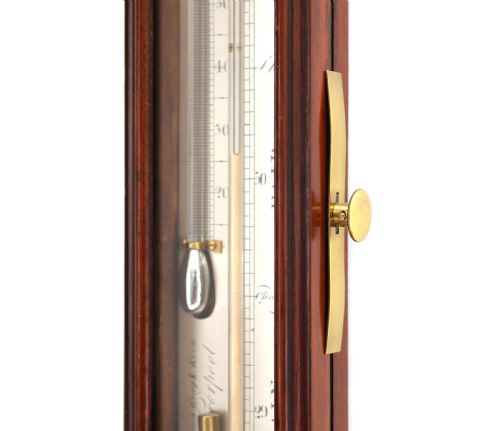
fig 6. Early Victorian Sypiesometer by Jones, Gray & Keen of Liverpool

As the bulk of the gas is altered by any change that takes place in the temperature of the atmosphere, it is necessary to apply a correction on this account. For this purpose, the principal or barometric scale, is made to slide upon another scale, placed either below it or on one side of it, which is divided into degrees and tenth parts, so as to represent the change of bulk in the gas produced by a change of temperature under the same pressure, and corresponding to the degrees of a common thermometer attached to the instrument, the scale of which is also divided into degrees and tenth parts of a degree.

When the sypiesometer is hung up for observation, the cistern must be opened, by taking out the cork, or pushing up the small slider at its m

Height
61cm (24.02")
Width
8cm (3.15")
Depth
3cm (1.18")
Date of Manufacture

Jason Clarke Antiques has dated this piece to the 1850s.

Reference Numbers
Sellingantiques Ref
SA698007
Jason Clarke Antiques
Sellingantiques verified Since Jul 2015
Dealer Profile

You can view the stock and full dealer information on the Jason Clarke Antiques Profile Page
PDF SHARE
SAVE
Early Victorian Sypiesometer by Jones, Gray & Keen of Liverpool
1 / 11
Archive I Early Victorian Sypiesometer by Jones, Gray & Keen of Liverpool
Early Victorian Sypiesometer by Jones, Gray & Keen of Liverpool
Archive II Early Victorian Sypiesometer by Jones, Gray & Keen of Liverpool View II
Archive III Early Victorian Sypiesometer by Jones, Gray & Keen of Liverpool View III
Archive IV Early Victorian Sypiesometer by Jones, Gray & Keen of Liverpool View IV
Archive V Early Victorian Sypiesometer by Jones, Gray & Keen of Liverpool View V
Archive VI Early Victorian Sypiesometer by Jones, Gray & Keen of Liverpool View VI
Archive VII Early Victorian Sypiesometer by Jones, Gray & Keen of Liverpool View VII
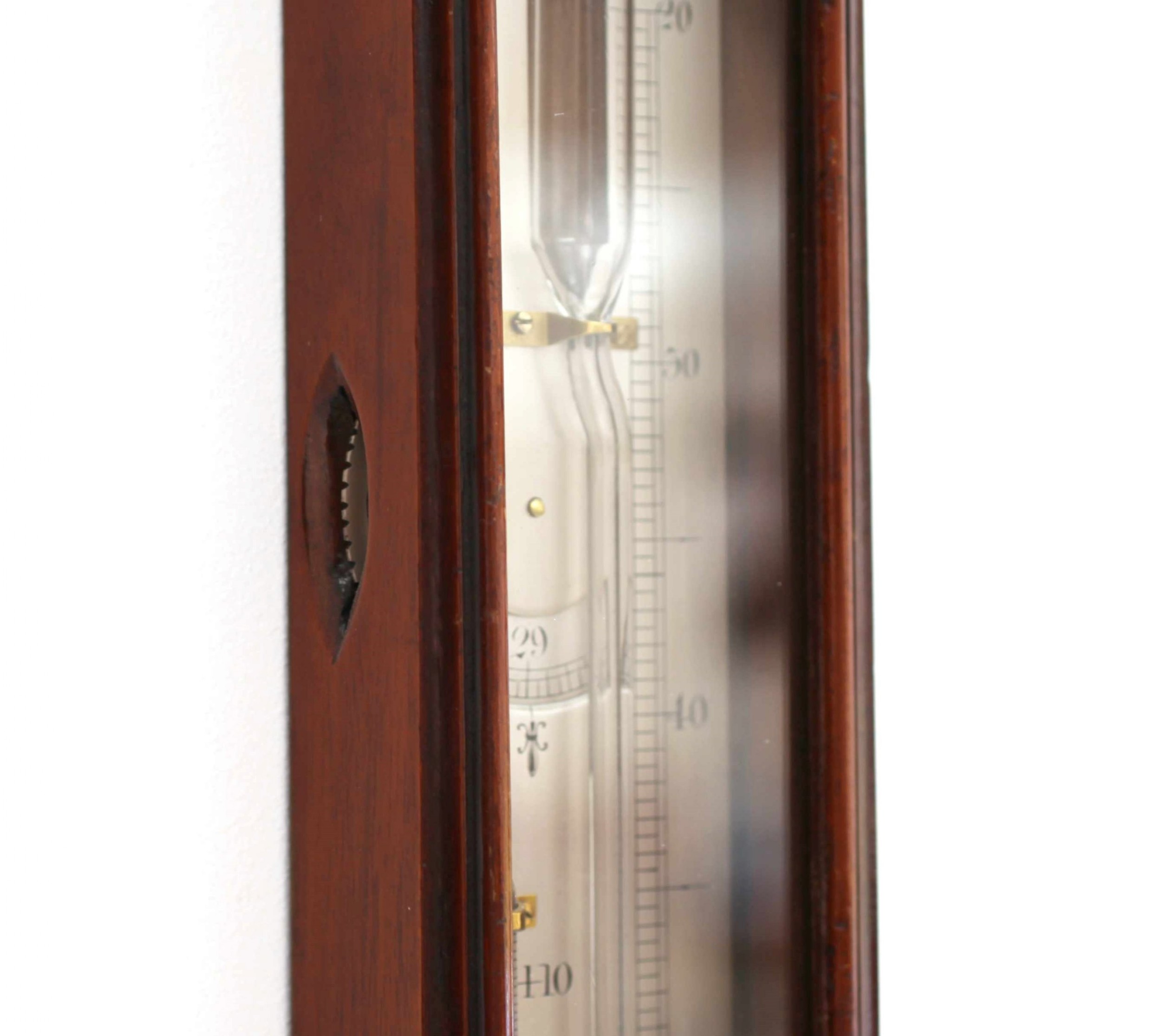
Archive VIII Early Victorian Sypiesometer by Jones, Gray & Keen of Liverpool View VIII
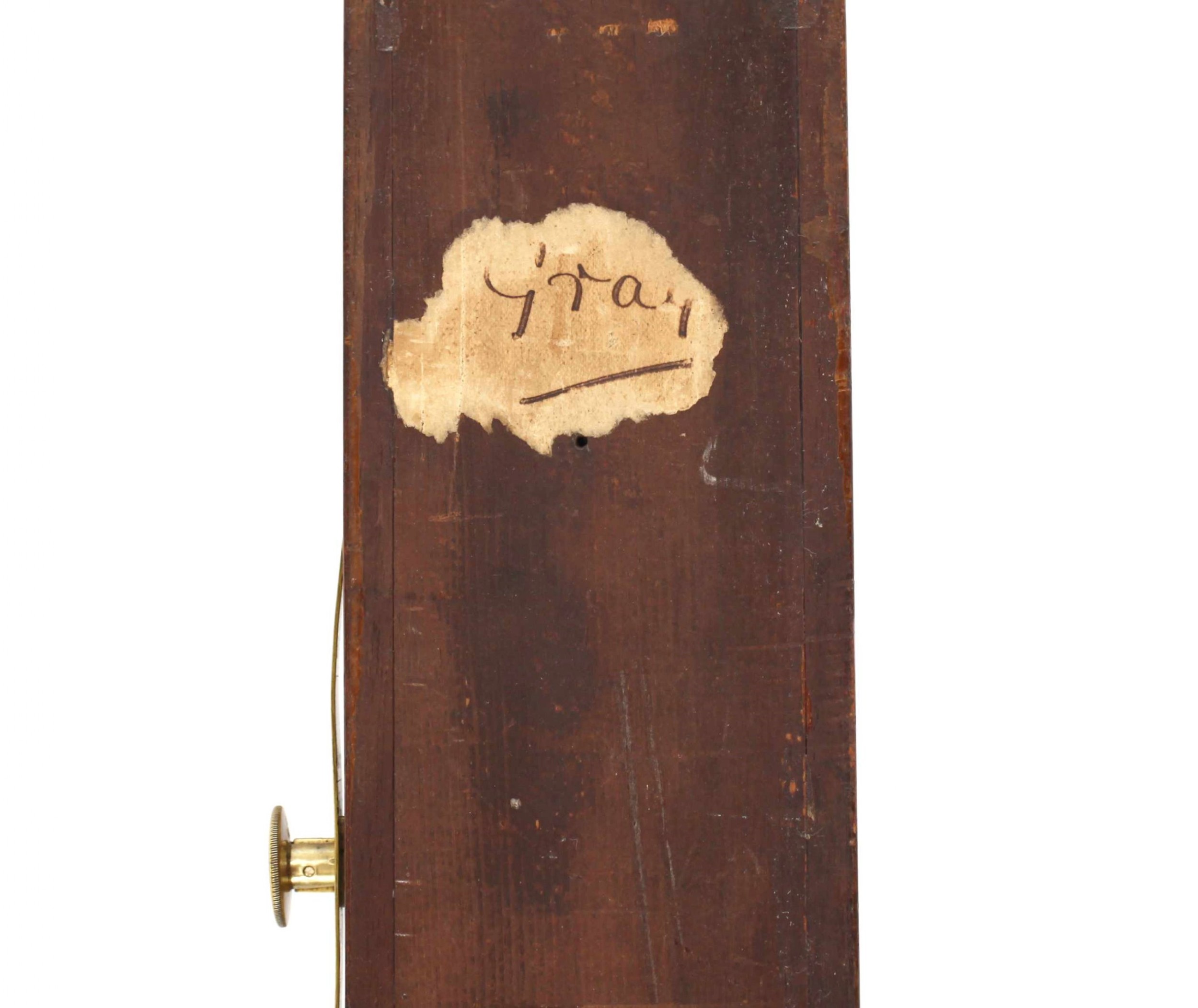
Archive IX Early Victorian Sypiesometer by Jones, Gray & Keen of Liverpool View IX
Archive X Early Victorian Sypiesometer by Jones, Gray & Keen of Liverpool View X
Archive XI Early Victorian Sypiesometer by Jones, Gray & Keen of Liverpool View XI
Enlarged Archival View
Telephone 07815 046645
Location
Newbury
Berkshire
United Kingdom
Verified Since Jul 2015
Items For Sale 80
Items Sold 607
Jason Clarke Antiques
Verified Since Jul 2015
View Dealer Info
Location: Newbury, Berkshire, United Kingdom
Verified
Jul 2015
For Sale
80
Sold
607
Early Victorian Sypiesometer by Jones, Gray & Keen of Liverpool
Ref: SA698007
Early Victorian Sypiesometer by Jones, Gray & Keen of Liverpool
Detail View 1
Detail View 2
Detail View 3
Detail View 4
Detail View 5
Detail View 6
Detail View 7
Detail View 8
Detail View 9
Detail View 10
Archival Detail
Every single antique dealer on our platform is individually approved by our internal team. We verify their professional trade history, ethical standards, and photographic quality to ensure a secure, high-standard buying environment. Upon joining, every dealer agrees to a strict 9-point code of conduct. While issues can occasionally arise, our dealers typically resolve them swiftly and directly with the buyer. In fact, since our founding in 2002, Sellingantiques has only had to step in to help resolve an issue on roughly five occasions—a true testament to the quality of our dealers and their dedication to your happiness.
Our dealers are highly experienced in packing and shipping fragile, high-value antiques. Because you are in direct contact with the dealer, you will be able to easily go through all available shipping and insurance options together to ensure your item arrives safely.
Antiques are the ultimate green purchase. By choosing historical pieces over newly manufactured goods, you completely eliminate the carbon footprint of modern mass production while preserving exceptional, timeless craftsmanship.
items
Add keywords to the filter
Price
£100
£250000
Era
Movements
Material
Origin
Stock Location
Freshness
Online Payments
Categories