2,829  PAGES BROWSED TODAY PAGES TODAY 0 ANTIQUES UPLOADED TODAYNEW ARRIVALS
LATEST STOCK
Sort Order
Items Per Page
Browse Categories
Sort order
Items per page
ID #SA688885
SOLD
Email Phone
Save
Painting Attributed to Thomas Hickey
Sold by Devonshire Antiques
sold SA688885
Sorry, but this item has been sold.

Devonshire Antiques

Sellingantiques Verified Since Jan 2017
Browse dealers 126 items
Id #SA688885
PDF SHARE
SAVE

Painting Attributed to Thomas Hickey

18th century
Description

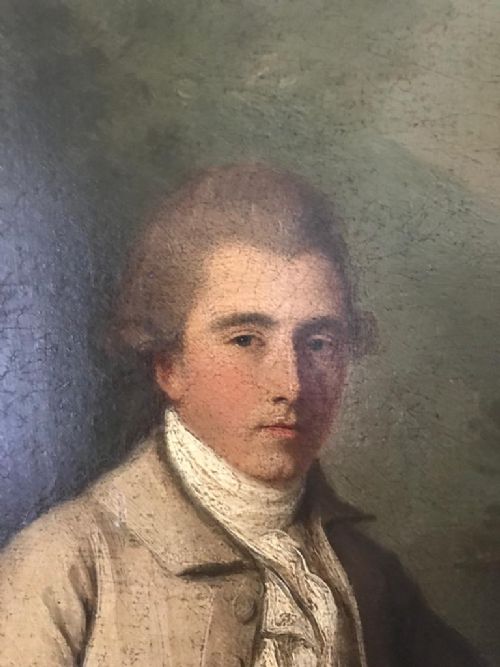
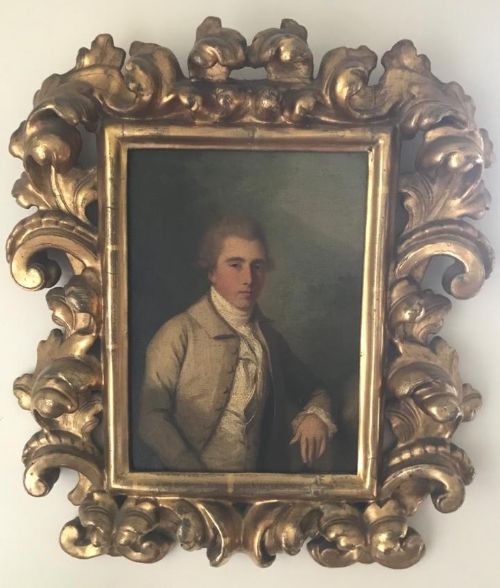
A portrait painting of a young gentleman attributed to Thomas Hickey.Irish.1741-1824.

The painting is on the original canvas and is set in a very good quality original recco gilt wooden frame.

Thomas Hickey portrait painter and traveller, was born in Dublin in May 1741, the second son of Noah Hickey, a confectioner in Capel Street there. Between 1753 and 1756 he studied at the Royal Dublin Society Schools, where he won several prizes. His earliest portraits, chalk drawings of 1758 and 1759, are in the National Gallery of Ireland, Dublin. In April 1762 George Dance reported him in Rome ‘a very agreeable young man’ (Ingamells, 496) who had been recommended by one Captain Smith and William Dance (a miniaturist, brother of George). He was still there in April 1765, living in the strada Felice, and in May 1765 he visited Naples. He was said to have been one of those artists who paid court to Angelica Kauffman (who was in Rome from January 1763 to June 1765). In May 1767 he was back in Dublin, where he exhibited with the Society of Artists during 1768–70, before moving to London. He exhibited portraits at the Royal Academy (1772–6), and in 1775 his sitters included the duke of Cumberland and the actress Mrs Abington (Garrick Club, London). In December 1776 he moved to Bath for two years, where he painted two full-length portraits of masters of ceremonies, William Dawson and William Brereton (both engraved).
On 26 March 1780 Hickey received permission from the East India Company to go to India, and on 6 July Sir Joshua Reynolds wrote on his behalf to Warren Hastings, recommending ‘a very ingenious young painter’ who wished ‘to make a trial of his own abilities’ (Archer, 206). Hickey sailed from Portsmouth on 27 July but the convoy of five vessels was captured by the French and Spanish on 9 August. Hickey was taken to Cadiz but released as a non-combatant; he made his way to Lisbon where, for three years, he established a profitable practice as a portrait painter. In 1782 he was living in ‘four handsome rooms on the ground floor of Mrs Williams' hotel’ (Memoirs, 2.386). The elegant Girl Leaning on a Piano in the Tate collection belongs to this period. At the close of 1783 he left Lisbon and arrived at Calcutta in March 1784.

For three years Hickey had considerable success, living in ‘a large handsome house in the most fashionable part’ (Memoirs, 3.202) and enjoying the patronage of the attorney William Hickey (who was not related). The Indian Lady of 1787 (National Gallery of Ireland, Dublin), possibly Jemdanee, William Hickey's bibi, remains one of his finest pictures. Late in 1786 the painter John Zoffany returned to Calcutta, and Hickey's practice declined. He turned to compiling a History of Ancient Painting and Sculpture, the first, and only, volume of which was published in 1788; future volumes, the Calcutta Chronicle announced in February 1789, would have to await further research by the author in Europe. From February 1789 Hickey had some success in Madras, but he was back in Calcutta by 1790. In January 1791 he sailed home.

Hickey again encountered a lack of business, although he was able to exhibit the portrait of a nobleman at the Royal Academy in 1792. He was preparing to return to India in February when he received an invitation from Lord Macartney, whose portrait he had previously painted, to accompany him on a diplomatic mission to Peking (Beijing). The mission lasted from September 1792 to September 1794, during which Hickey entertained Macartney with shrewd and clever conversation, but devoted more time to writing than to drawing or painting.

On his return, Hickey spent four years in London and Dublin, without any marked success. Early in 1798 he returned for the last time to India with his two daughters (but nothing is recorded of his marriage). They had left London by 23 February 1798 and arrived at Madras

Declaration

Devonshire Antiques has dated this piece to the 18th Century.

Reference Numbers
Sellingantiques Reference
SA688885
Description
A portrait painting of a young gentleman attributed to Thomas Hickey.Irish.1741-1824.
The painting is on the original canvas and is set in a very good quality original recco gilt wooden frame.
Devonshire Antiques

Thomas Hickey portrait painter and traveller, was born in Dublin in May 1741, the second son of Noah Hickey, a confectioner in Capel Street there. Between 1753 and 1756 he studied at the Royal Dublin Society Schools, where he won several prizes. His earliest portraits, chalk drawings of 1758 and 1759, are in the National Gallery of Ireland, Dublin. In April 1762 George Dance reported him in Rome ‘a very agreeable young man’ (Ingamells, 496) who had been recommended by one Captain Smith and William Dance (a miniaturist, brother of George). He was still there in April 1765, living in the strada Felice, and in May 1765 he visited Naples. He was said to have been one of those artists who paid court to Angelica Kauffman (who was in Rome from January 1763 to June 1765). In May 1767 he was back in Dublin, where he exhibited with the Society of Artists during 1768–70, before moving to London. He exhibited portraits at the Royal Academy (1772–6), and in 1775 his sitters included the duke of Cumberland and the actress Mrs Abington (Garrick Club, London). In December 1776 he moved to Bath for two years, where he painted two full-length portraits of masters of ceremonies, William Dawson and William Brereton (both engraved).

fig 1. Painting attributed to Thomas Hickey
fig 1. Painting Attributed to Thomas Hickey

On 26 March 1780 Hickey received permission from the East India Company to go to India, and on 6 July Sir Joshua Reynolds wrote on his behalf to Warren Hastings, recommending ‘a very ingenious young painter’ who wished ‘to make a trial of his own abilities’ (Archer, 206). Hickey sailed from Portsmouth on 27 July but the convoy of five vessels was captured by the French and Spanish on 9 August. Hickey was taken to Cadiz but released as a non-combatant; he made his way to Lisbon where, for three years, he established a profitable practice as a portrait painter. In 1782 he was living in ‘four handsome rooms on the ground floor of Mrs Williams' hotel’ (Memoirs, 2.386). The elegant Girl Leaning on a Piano in the Tate collection belongs to this period. At the close of 1783 he left Lisbon and arrived at Calcutta in March 1784.

For three years Hickey had considerable success, living in ‘a large handsome house in the most fashionable part’ (Memoirs, 3.202) and enjoying the patronage of the attorney William Hickey (who was not related). The Indian Lady of 1787 (National Gallery of Ireland, Dublin), possibly Jemdanee, William Hickey's bibi, remains one of his finest pictures. Late in 1786 the painter John Zoffany returned to Calcutta, and Hickey's practice declined. He turned to compiling a History of Ancient Painting and Sculpture, the first, and only, volume of which was published in 1788; future volumes, the Calcutta Chronicle announced in February 1789, would have to await further research by the author in Europe. From February 1789 Hickey had some success in Madras, but he was back in Calcutta by 1790. In January 1791 he sailed home.

Hickey again encountered a lack of business, although he was able to exhibit the portrait of a nobleman at the Royal Academy in 1792. He was preparing to return to India in February when he received an invitation from Lord Macartney, whose portrait he had previously painted, to accompany him on a diplomatic mission to Peking (Beijing). The mission lasted from September 1792 to September 1794, during which Hickey entertained Macartney with shrewd and clever conversation, but devoted more time to writing than to drawing or painting.

On his return, Hickey spent four years in London and Dublin, without any marked success. Early in 1798 he returned for the last time to India with his two daughters (but nothing is recorded of his marriage). They had left London by 23 February 1798 and arrived at Madras

Date of Manufacture

Devonshire Antiques has dated this piece to the 18th Century.

Reference Numbers
Sellingantiques Ref
SA688885
Devonshire Antiques
Sellingantiques verified Since Jan 2017
Dealer Profile

You can view the stock and full dealer information on the Devonshire Antiques Profile Page
PDF SHARE
SAVE
Painting attributed to Thomas Hickey
1 / 2
Archive I Painting attributed to Thomas Hickey

Painting Attributed to Thomas Hickey

Archive II Painting attributed to Thomas Hickey View II
Enlarged Archival View
Location
19 Market St
Tavistock
Devon
United Kingdom

By appointment only.
Verified Since Jan 2017
Items For Sale 126
Items Sold 66
Devonshire Antiques
Verified Since Jan 2017
View Dealer Info
Location: 19 Market St, Tavistock, Devon, United Kingdom, , By appointment only.
Verified
Jan 2017
For Sale
126
Sold
66
Painting attributed to Thomas Hickey
Ref: SA688885
Painting attributed to Thomas Hickey
Detail View 1
Archival Detail
Every single antique dealer on our platform is individually approved by our internal team. We verify their professional trade history, ethical standards, and photographic quality to ensure a secure, high-standard buying environment. Upon joining, every dealer agrees to a strict 9-point code of conduct. While issues can occasionally arise, our dealers typically resolve them swiftly and directly with the buyer. In fact, since our founding in 2002, Sellingantiques has only had to step in to help resolve an issue on roughly five occasions—a true testament to the quality of our dealers and their dedication to your happiness.
Our dealers are highly experienced in packing and shipping fragile, high-value antiques. Because you are in direct contact with the dealer, you will be able to easily go through all available shipping and insurance options together to ensure your item arrives safely.
Antiques are the ultimate green purchase. By choosing historical pieces over newly manufactured goods, you completely eliminate the carbon footprint of modern mass production while preserving exceptional, timeless craftsmanship.
items
Add keywords to the filter
Price
£100
£250000
Era
Movements
Material
Origin
Stock Location
Freshness
Online Payments
Categories