Titan Fine Art has dated this piece to the 17th Century.
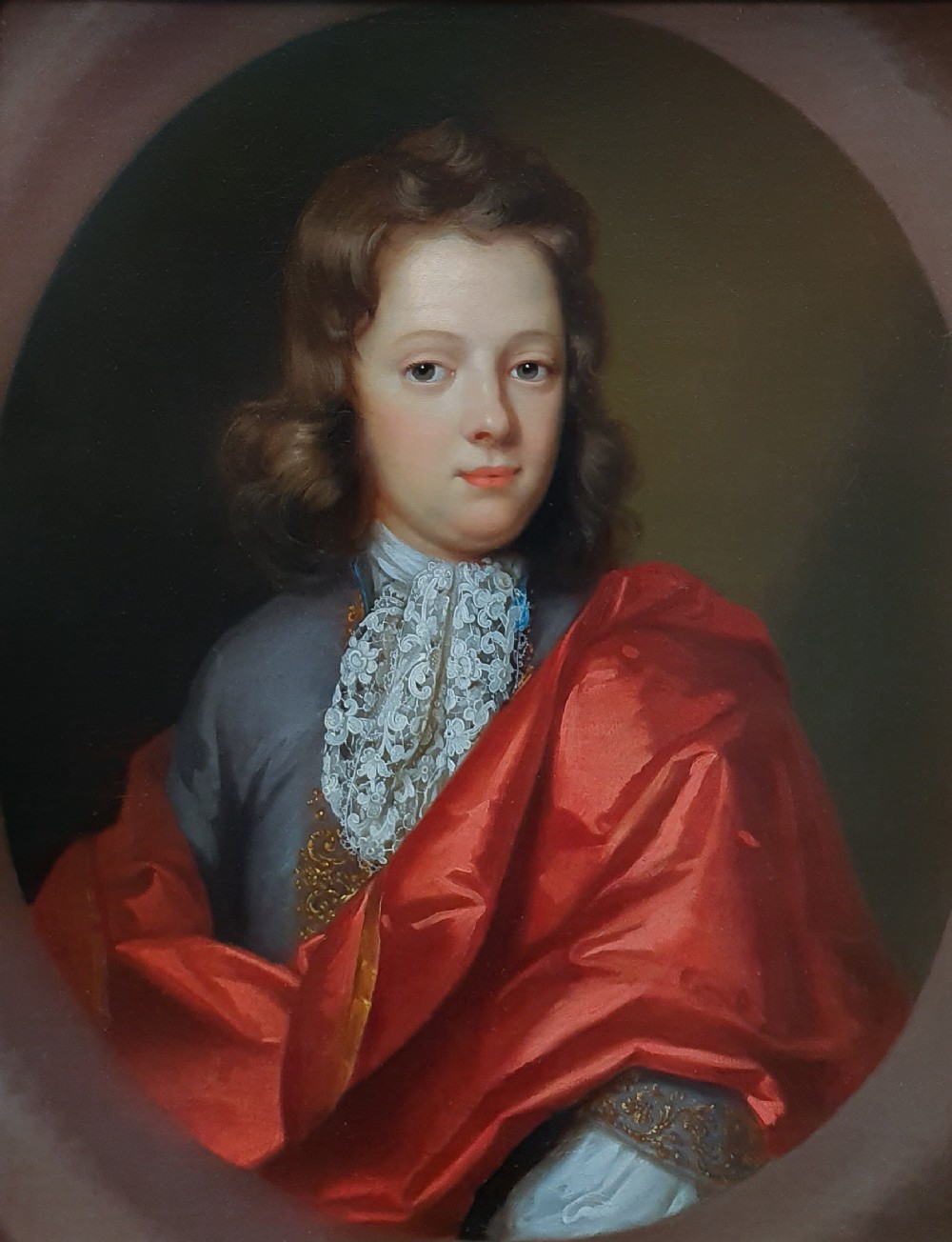
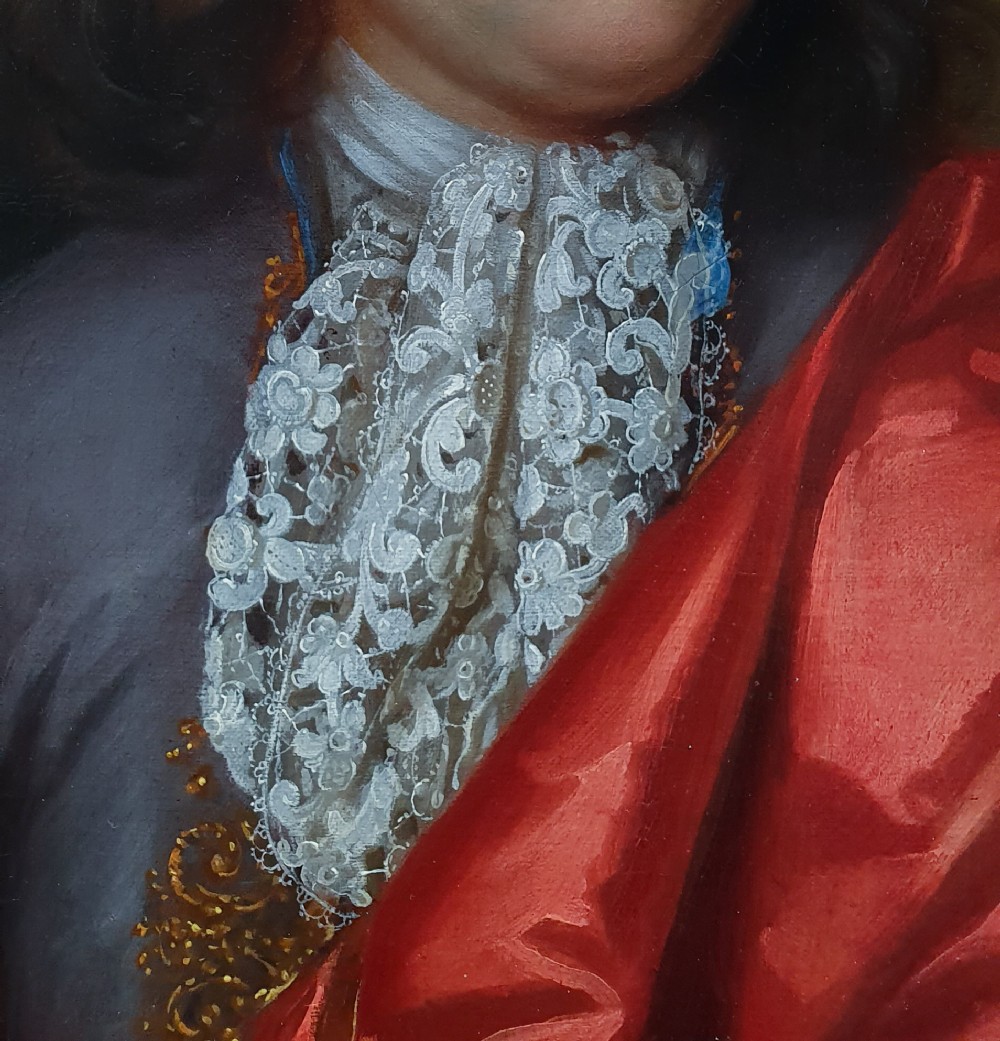
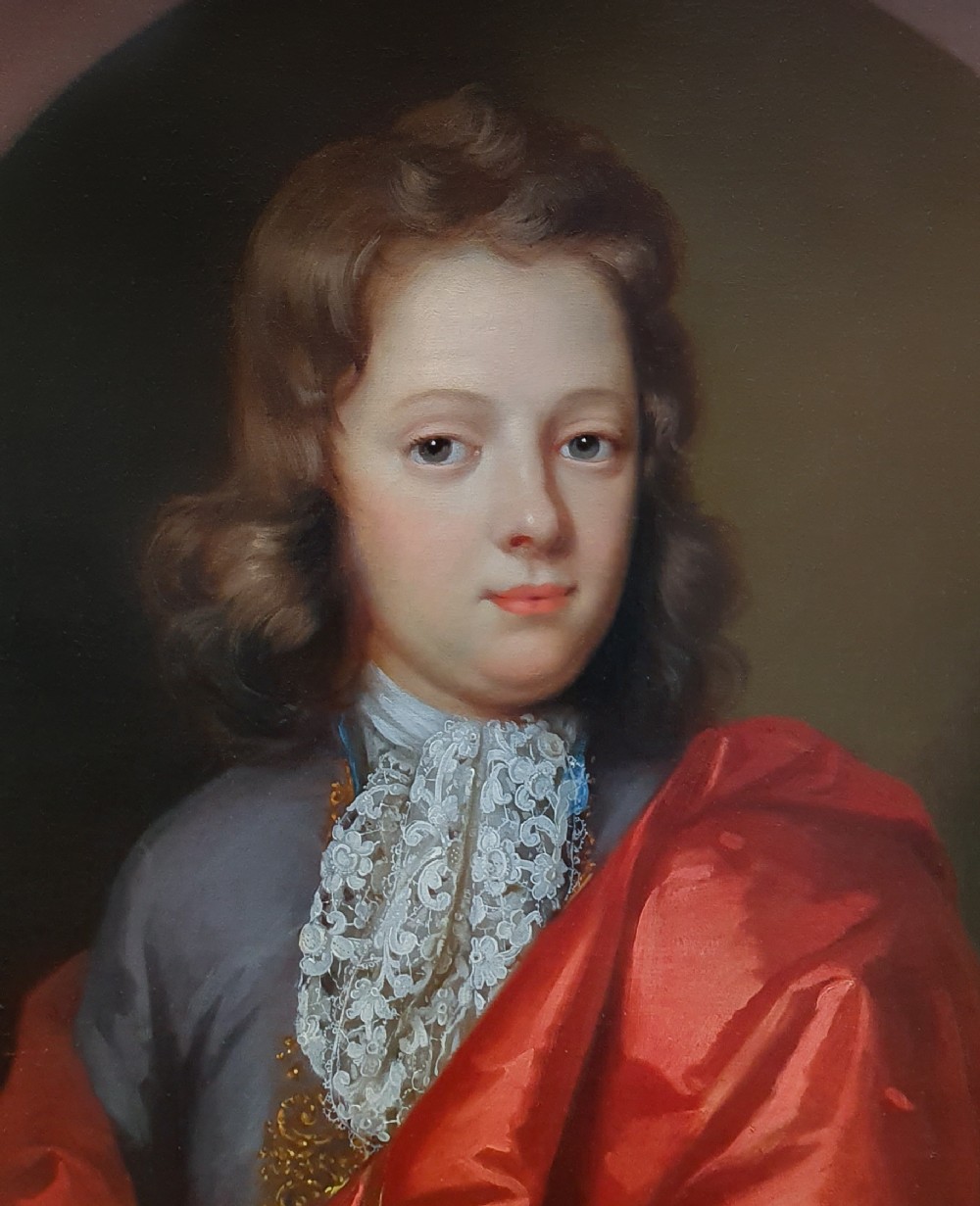
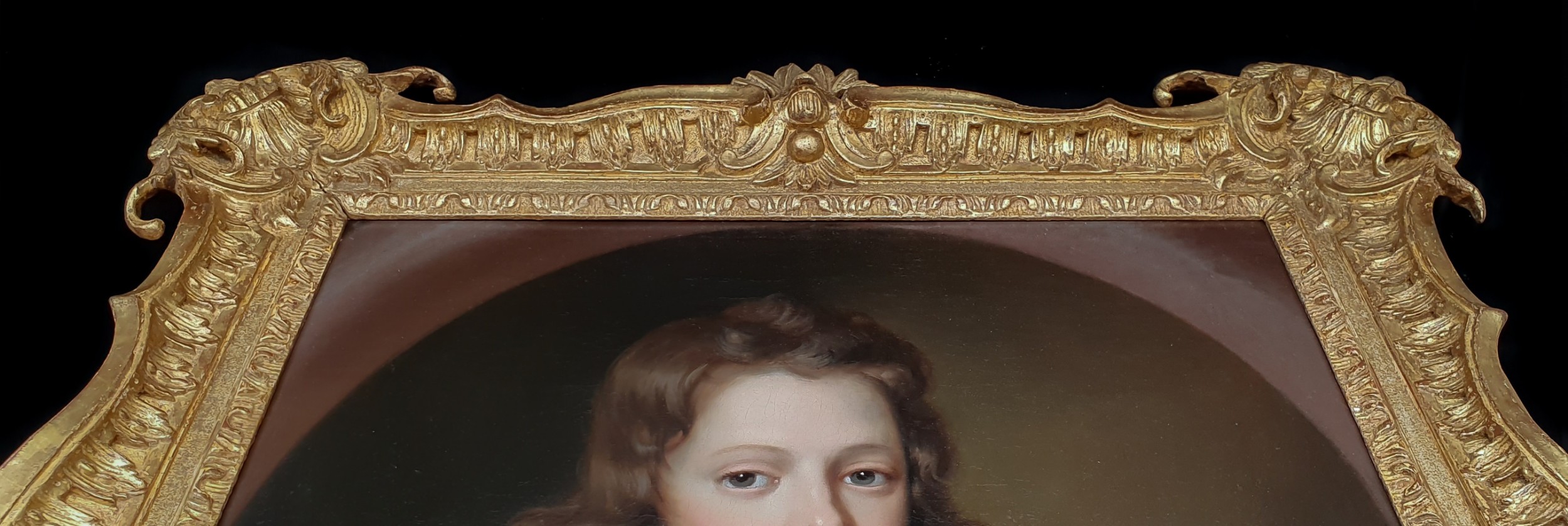
It a superb example of English portraiture and notable for its depiction of the garments and the lace, of which has been carried to such precision, and one of the finest examples. The work is presented in a fine elaborately carved and gilded period frame.
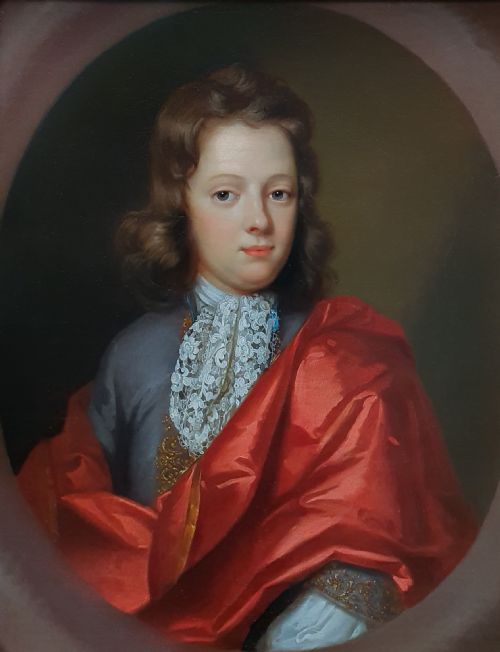
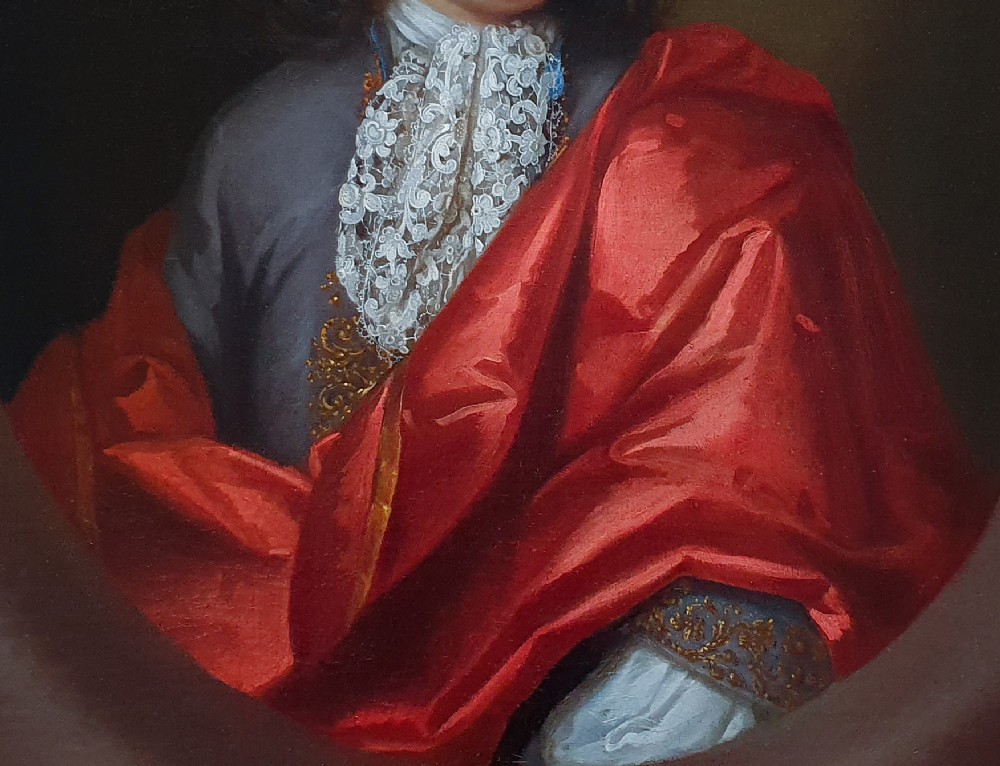
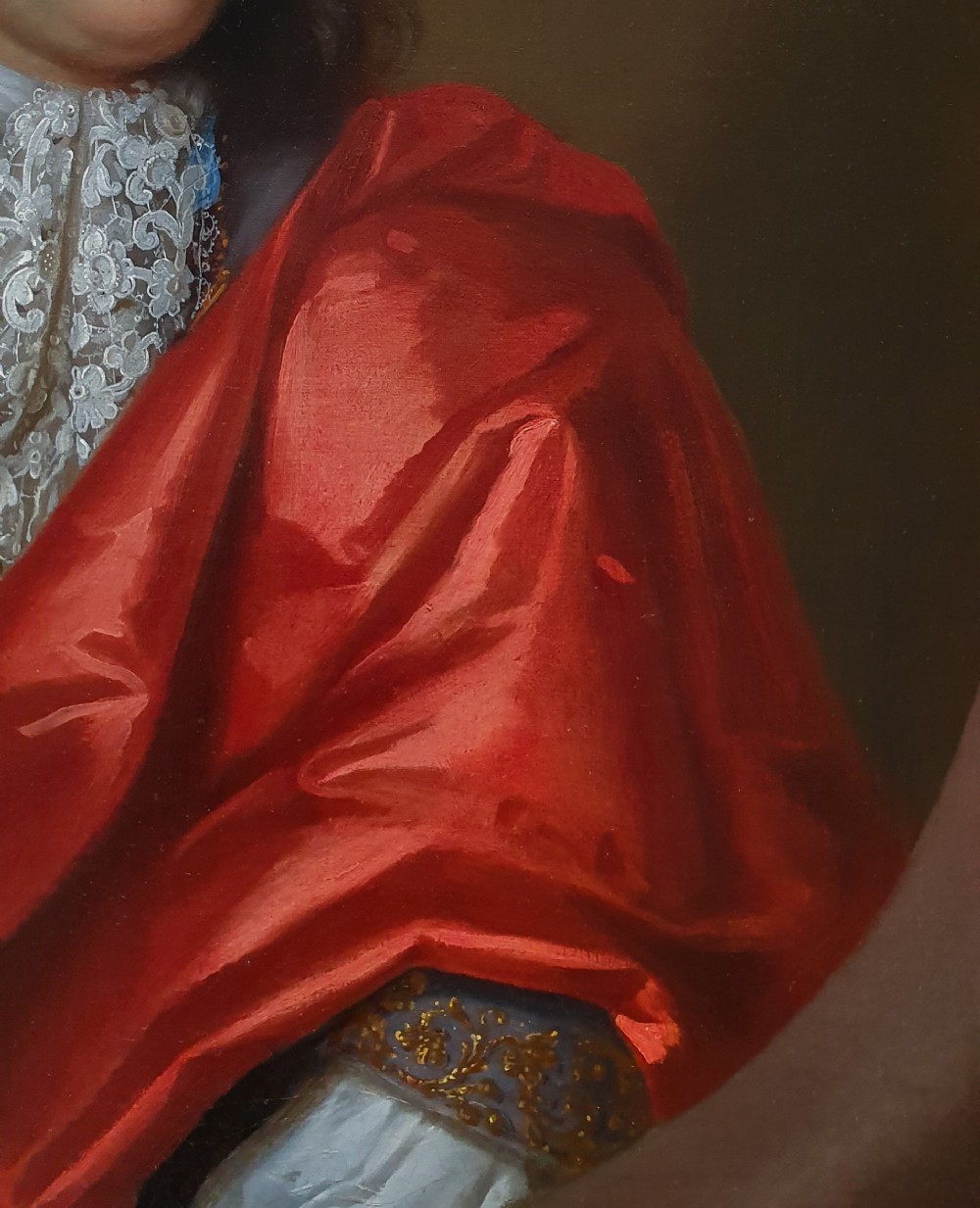
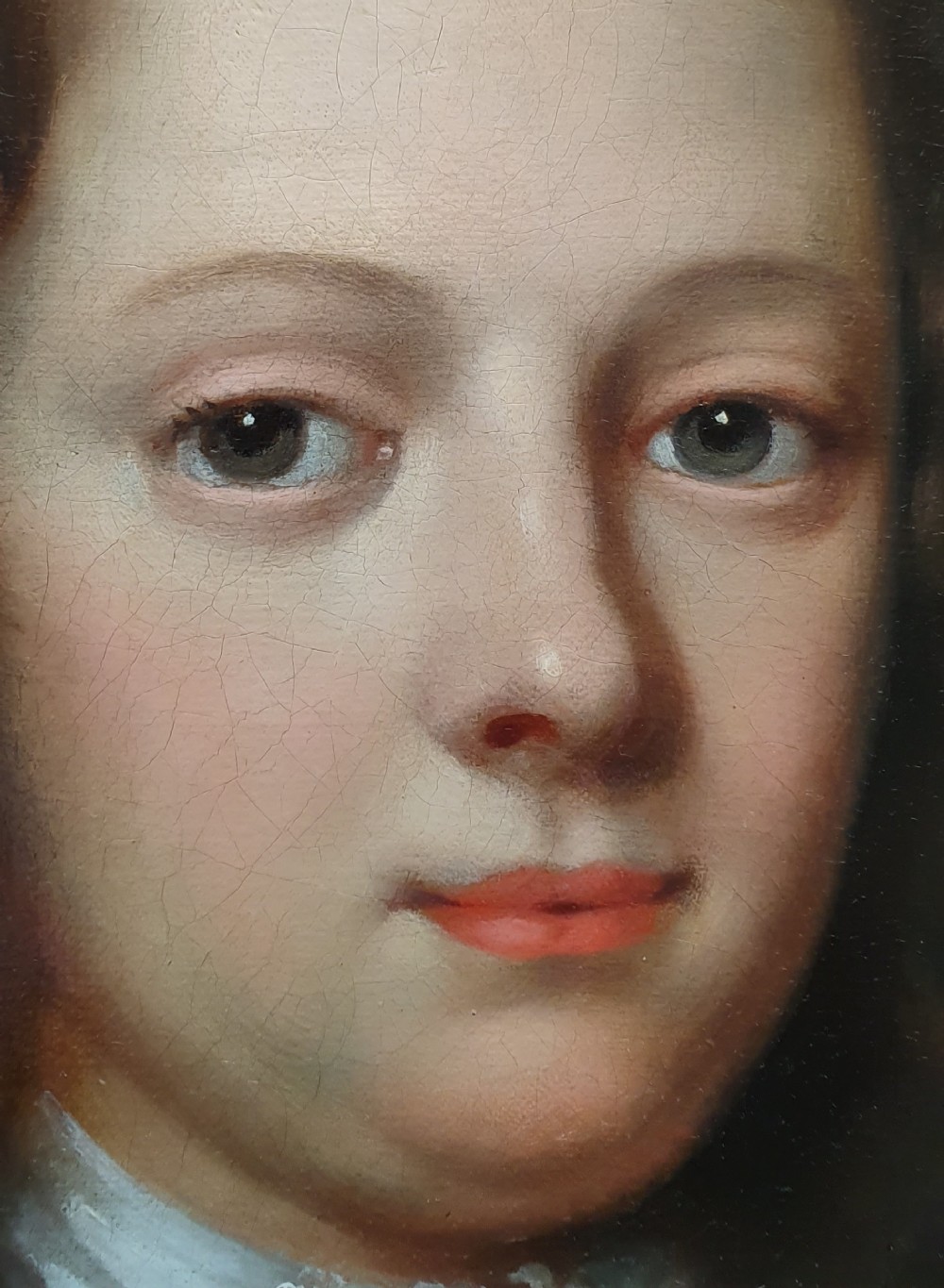
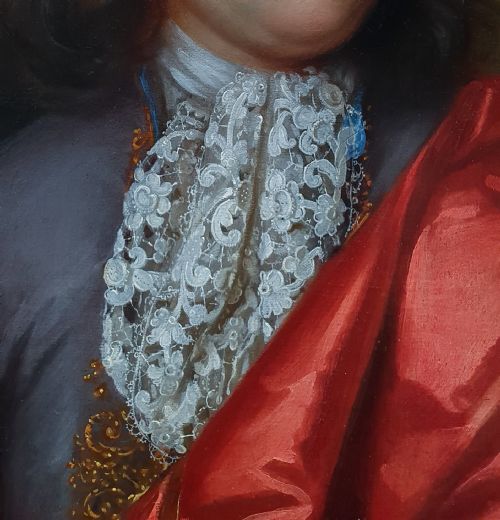
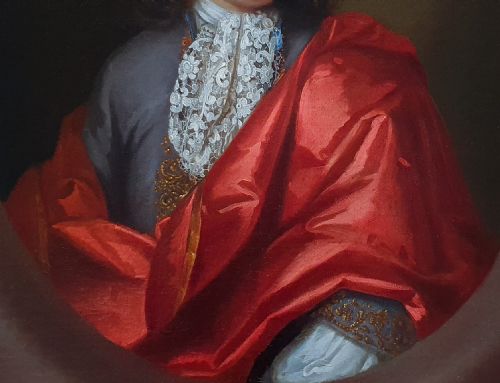
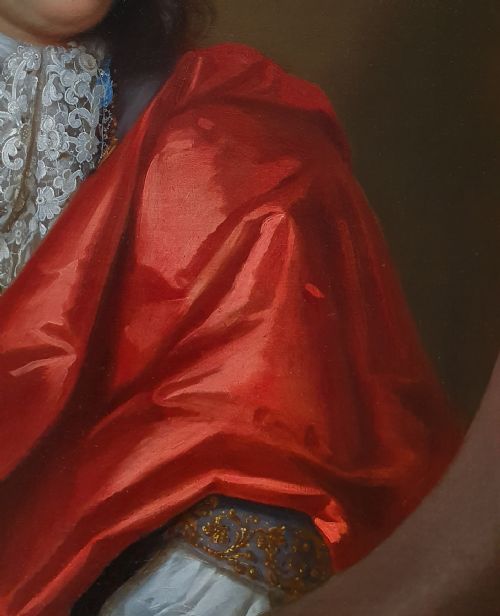
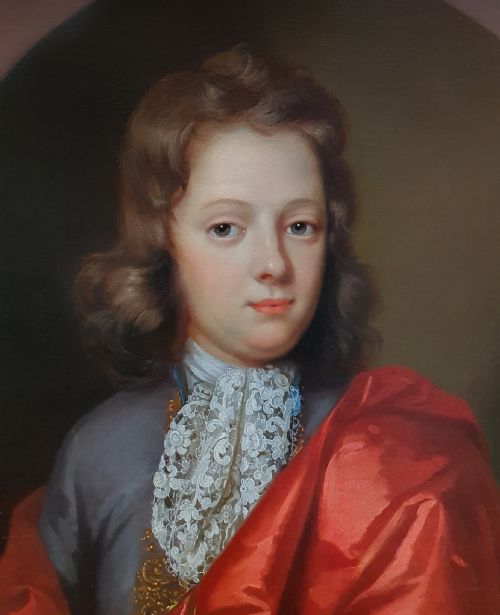
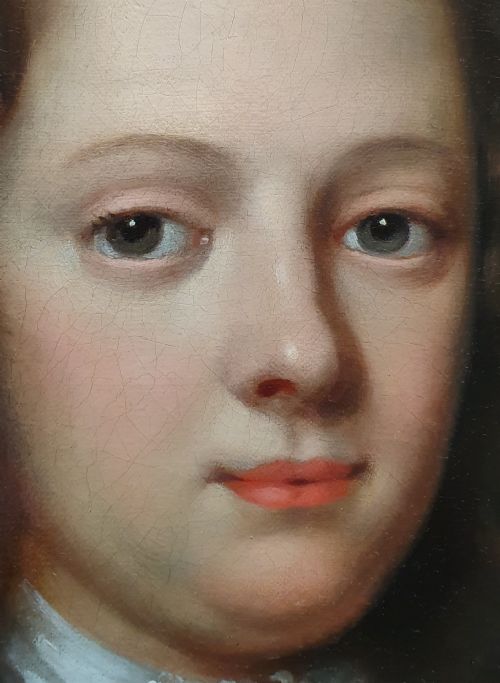
Observing the technical virtuosity of this artist is quite astounding. In this exquisite portrait, as much attention has been paid to the sitter’s facial features as to the expensive fabrics. It is remarkable for the soft modelling of the face and the ingenious flourishes, such as the very fine eyelashes. The treatment of the sumptuous crimson wrap is superb but the pièce de résistance is the depiction of the lace cravat – it is amongst the finest depictions of lace that you will see and is the work of one of the best drapery painters of the day. It is interesting to acknowledge that these types of lace cravats were so expensive that even young men of fashion had only one or two at any one time (costing £5,000 each in today’s money, by some accounts).
By tradition the sitter is William Mellish (1708-1791), who inherited the Mellish family seat of Blyth. However, it is more plausible that the portrait represents his father, Joseph Mellish (1675-1733) and painted circa 1685. This is based on the style of portrait with the feigned oval and the sitter’s attire (the encompassing elaborate wrap, the style of elaborately worked lace cravat, the elbow-length coat sleeves, and the wide shirt sleeves underneath); these elements were fashionable circa 1685. Joseph Mellish would have been about 10 years of age which is congruous with the portrait.
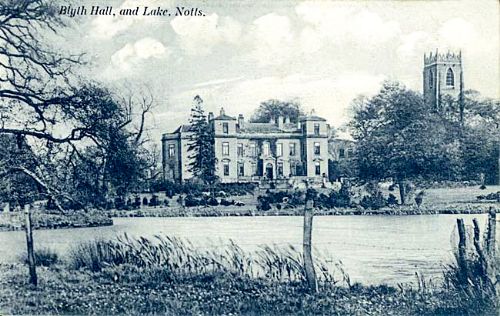
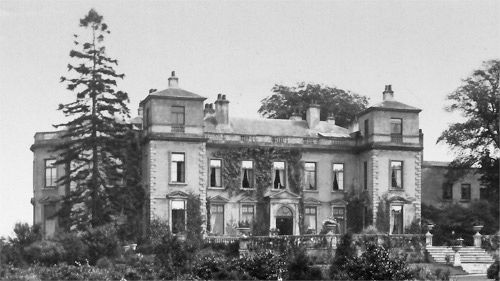
The Mellish family were originally London merchants. In 1635 John Mellish of London purchased the Blyth estate in north Nottinghamshire. He was succeeded by his eldest son Edward Mellish, at one time merchant at Oporto, Portugal. Edward died unmarried in 1703 and left his estate at Blyth to our sitter, Joseph Mellish (1675-1733), the son of his cousin Samuel Mellish (1634-1707) and his second wife Joan.
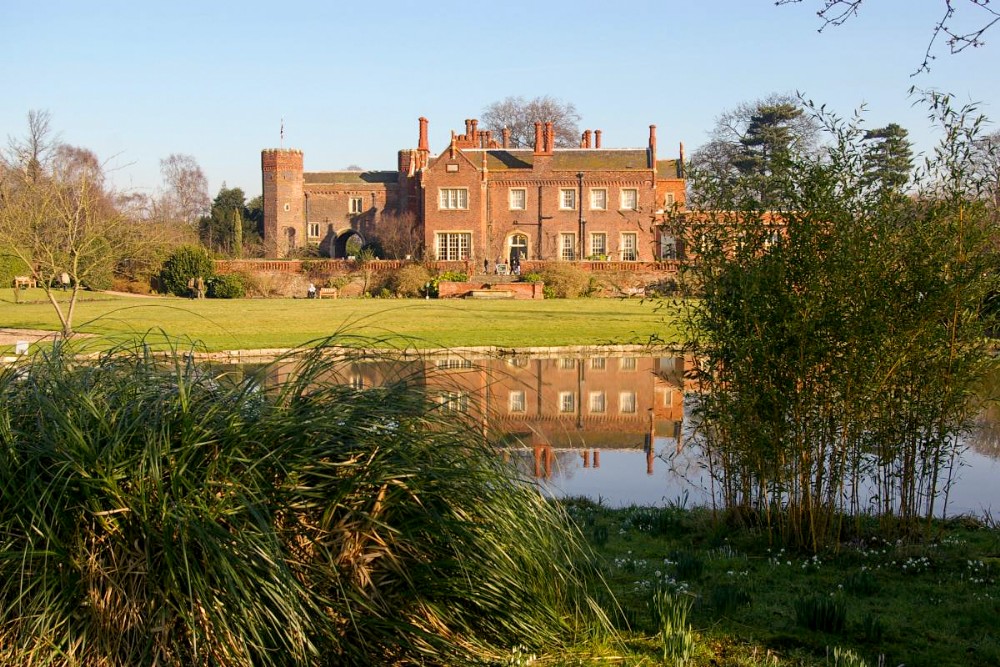
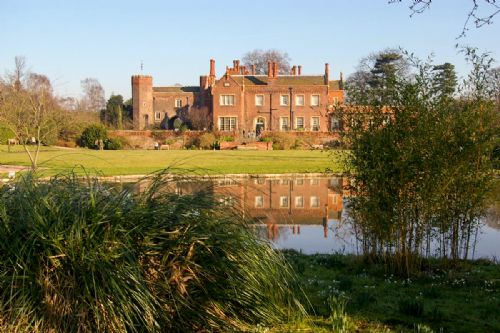
Joseph was one of Newcastle’s earliest and most important political supporters in the county. He entered Cambridge College in 1692, and the Inner Temple the following year. He died in June 1733, aged 58, and was buried at Blyth. He married Dorothy or Dorothea Gore (1683-1738), daughter of Sir William Gore, Lord Mayor of London (d 1708), and had two daughters and four sons. His oldest son, Edward (1707-1757) inherited the family estates and these passed to his second son, William (1708-1791), who was MP for East Redford, upon the death of Edward. William sold a number of small estates in Nottinghamshire in the 1760’s and purchased Hodsock Priory in 1765.
Charles Mellish (1737-1797), the son of William Mellish, was interested in the history of Nottinghamshire and in antiquarian study. His son, Henry Francis Mellish, became Lieutenant Colonel and aide-de-camp to General Ferguson during the Peninsular War. He sold the Blyth estate in 1806 and Hodsock (Hodsock Priory) became the main family residence.
On his death in 1817 the Hodsock estate passed to his sister and co-heir Anne (1781-1855), who had married William Cecil Chambers in 1811. The latter also died in 1817. The sons of William Cecil and Anne Chambers, William Mellish and Charles Henry Chambers, died in 1845 and 1840 respectively.
On Anne's death in 1855, the estates passed to her cousin, William Leigh Mellish (1813-1864), the son of Edward Mellish, Dean of Hereford (1767-1830). Colonel Henry Mellish (1856-1927), the son of William Leigh, was the last m
Titan Fine Art has dated this piece to the 17th Century.
Specialist in 17th & 18thc portraits. Highly curated selection, museum-level research & pro conservation. Exceptional art, expertly vetted.
You can view the stock and full dealer information on the Titan Fine Art Profile Page
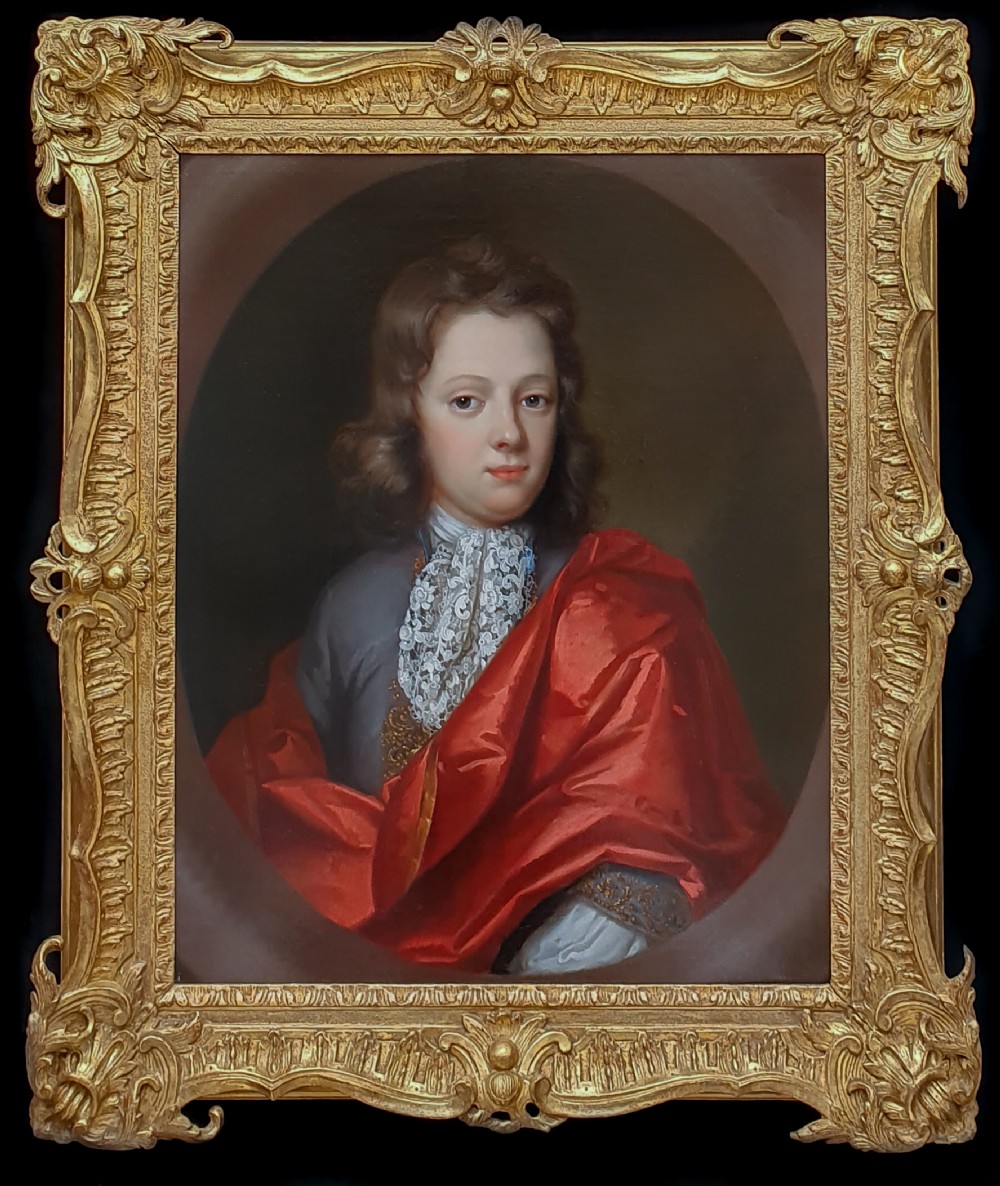
Portrait of a Young Gentleman C.1685; Circle of Sir Godfrey Kneller (1646-1723)