Titan Fine Art has dated this piece to the 17th Century.
Prior to that it is thought to have descended from the sitter via Charles Spencer, 3rd Duke of Marlborough to his daughter, Lady Diana Spencer, who married Frederick St. John, 2nd Viscount Bolingbroke.
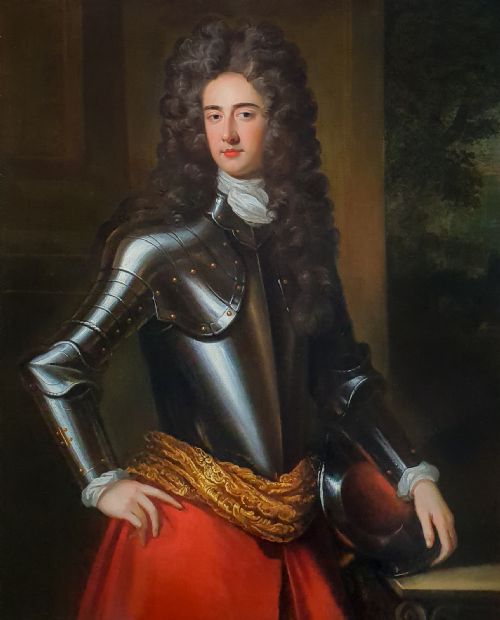
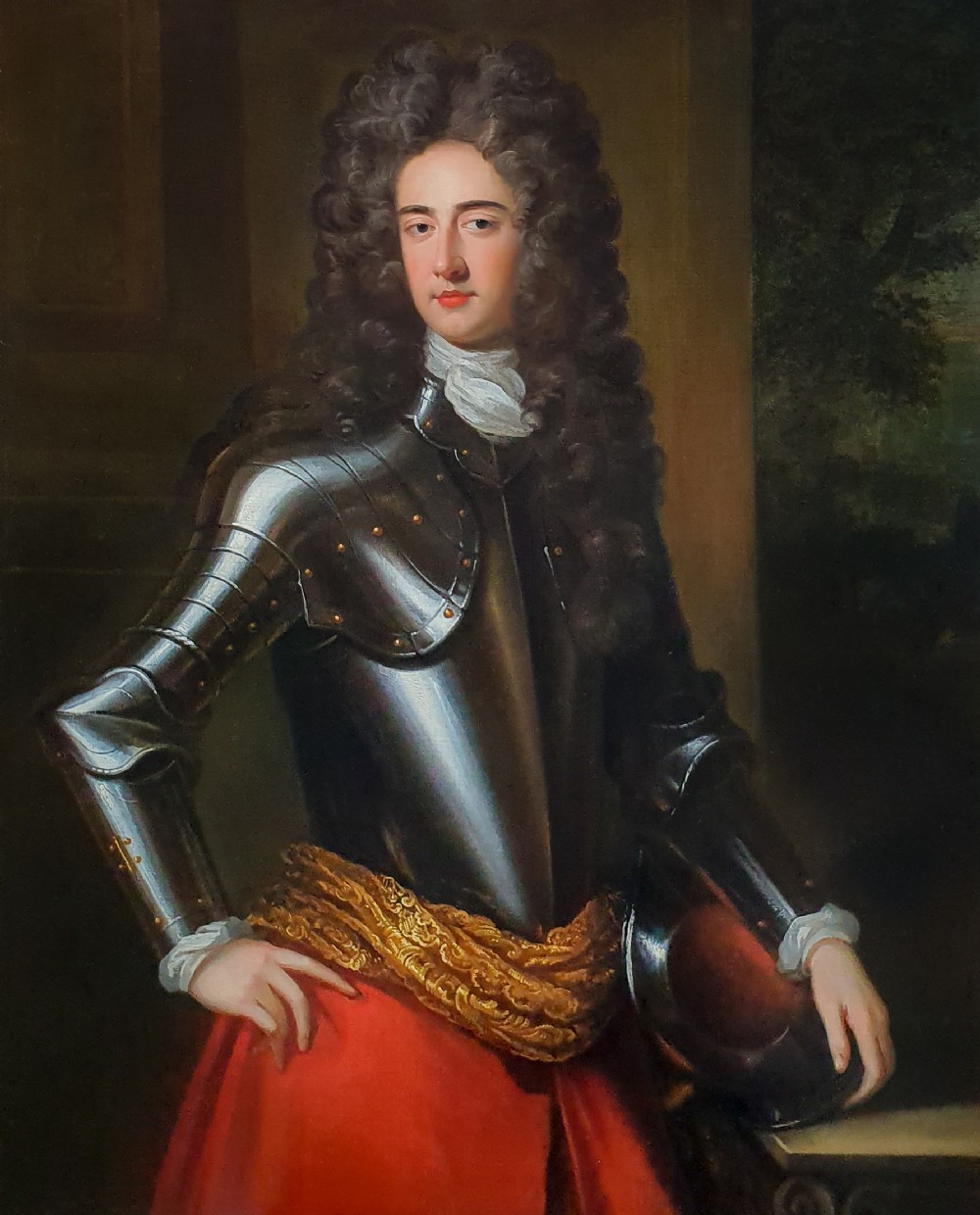
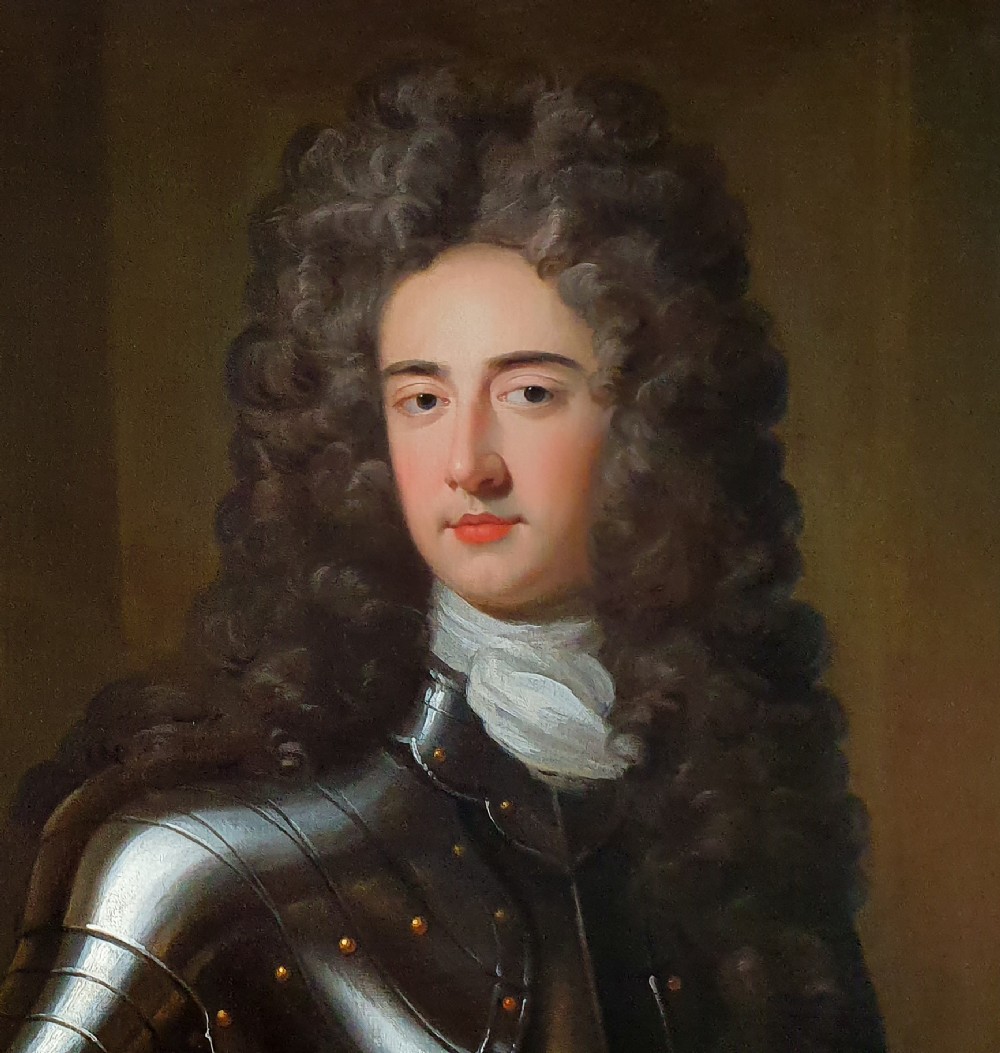
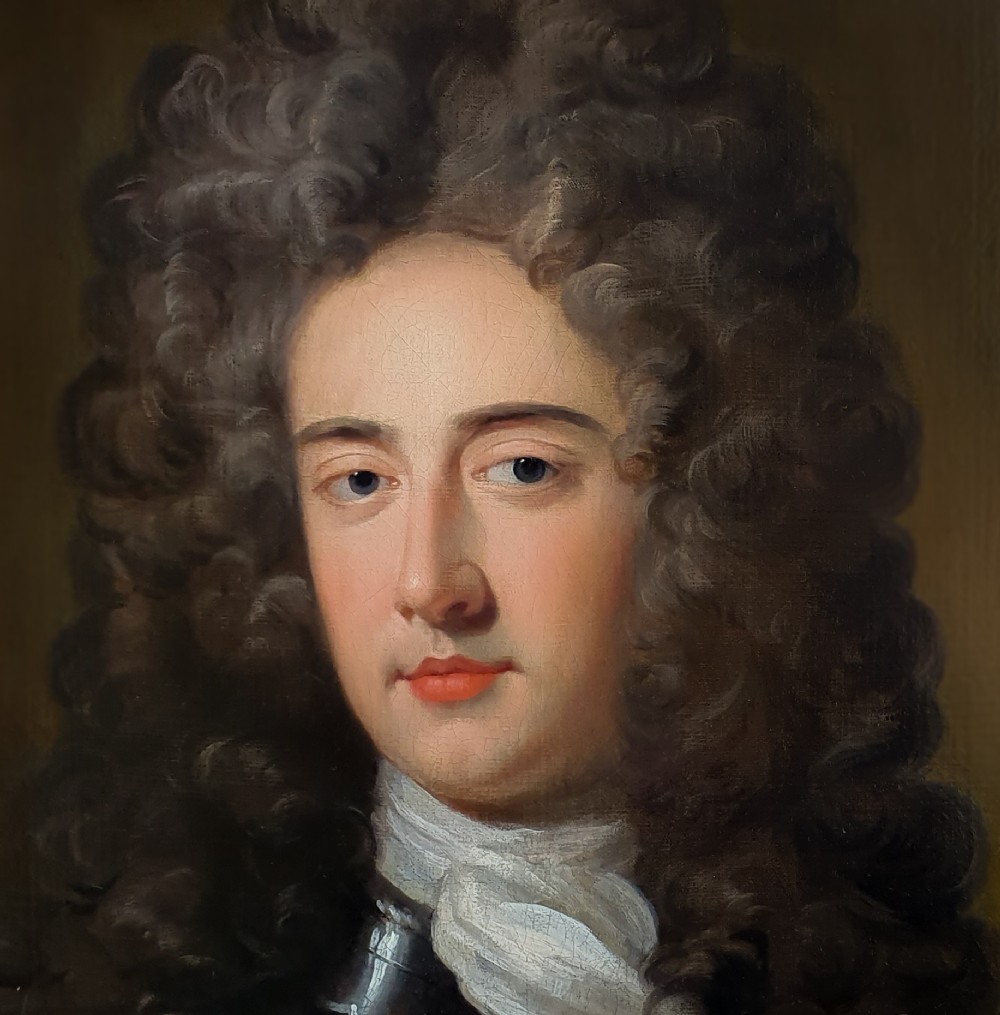
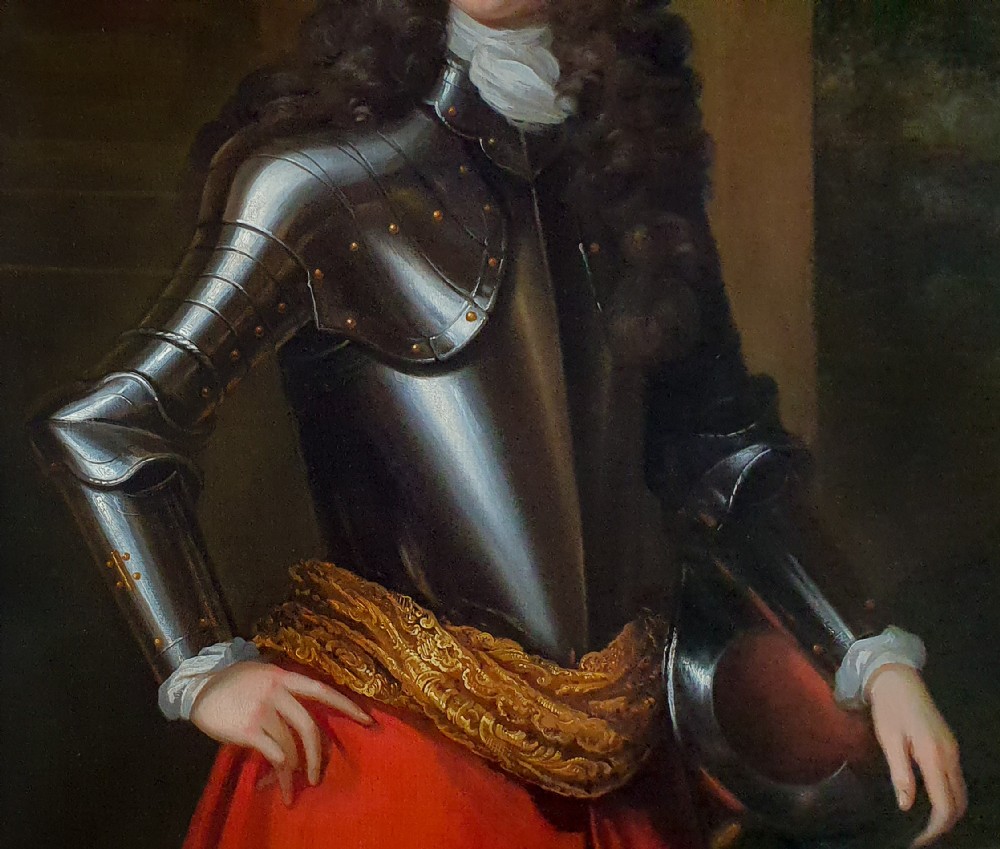
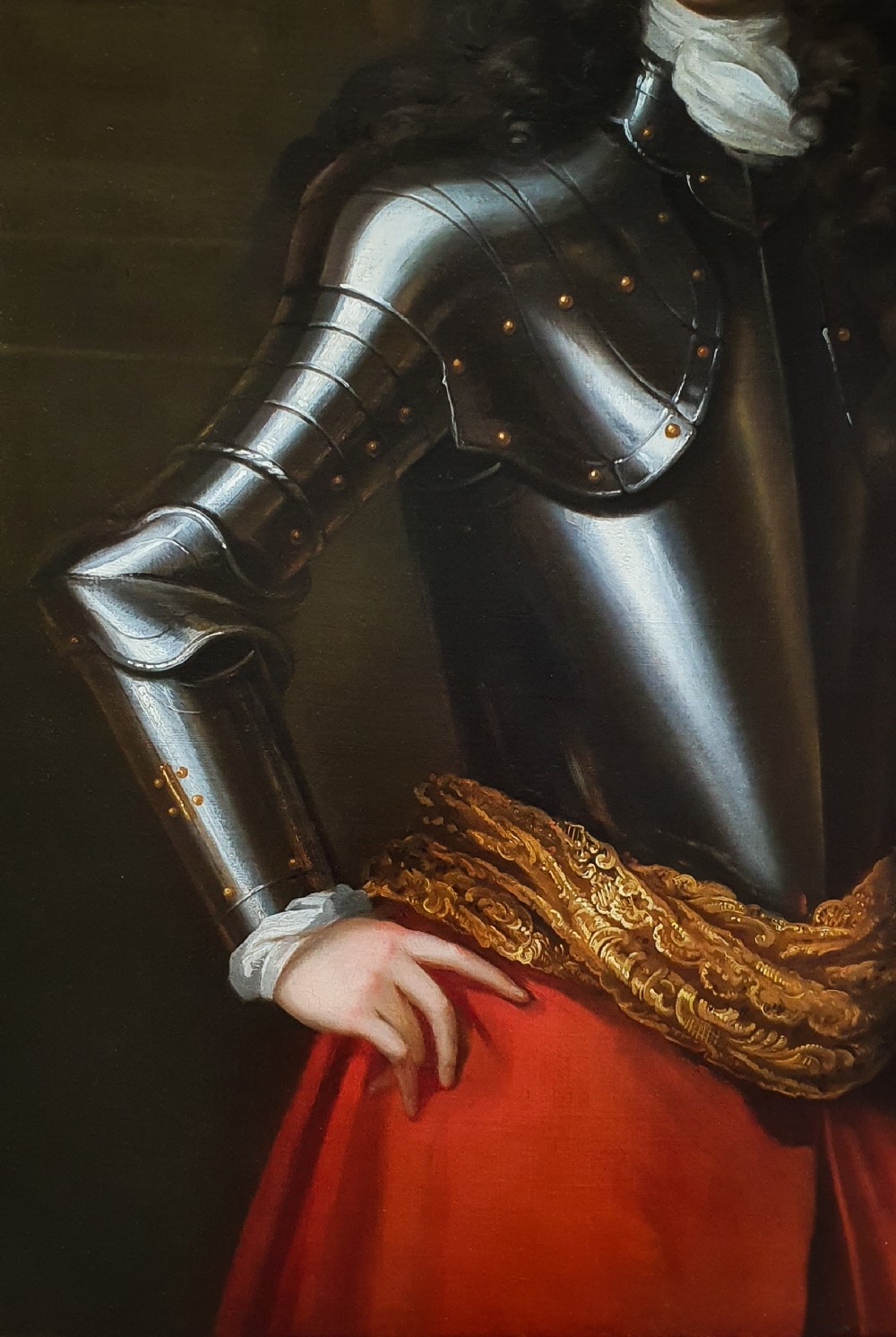
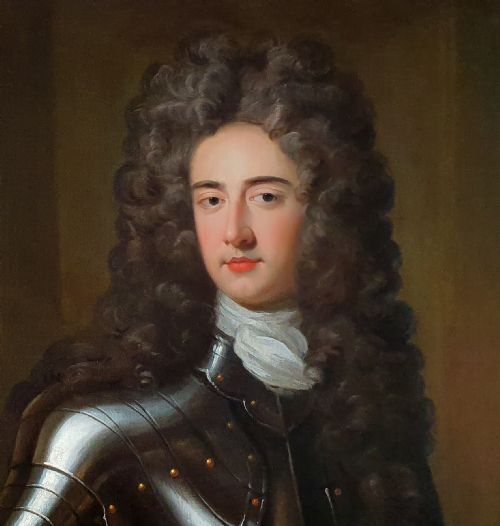
The young sitter in this exquisite large-scale portrait is John Churchill, 1st Duke of Marlborough, 1st Prince of Mindelheim, 1st Count of Nellenburg, Prince of the Holy Roman Empire. Churchill was an English soldier and statesman whose career spanned the reigns of five monarchs. As de facto leader of Allied forces in the Low Countries, his victories at Blenheim (1704), Ramillies (1706), Oudenarde (1708), and Malplaquet (1709), ensured his place in history as one of Europe's great generals. From a gentry family, he served first as a page at the court of the House of Stuart under James, Duke of York, through the 1670s and early 1680s, earning military and political advancement through his courage and diplomatic skill.

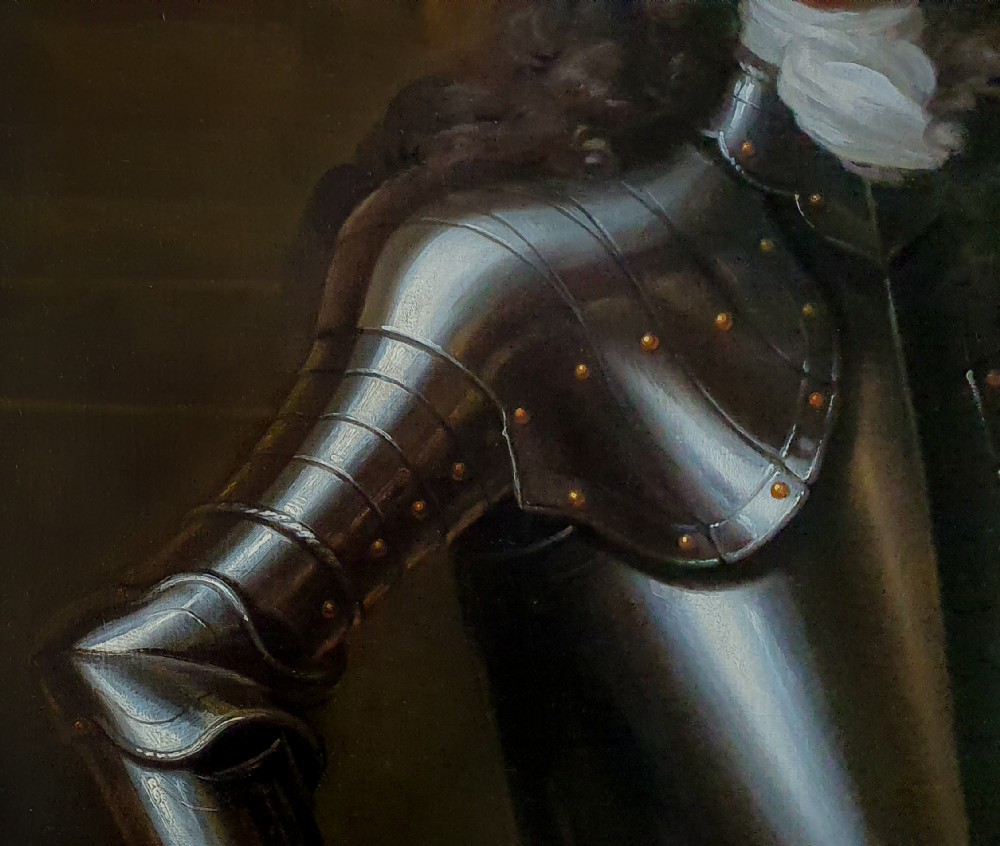
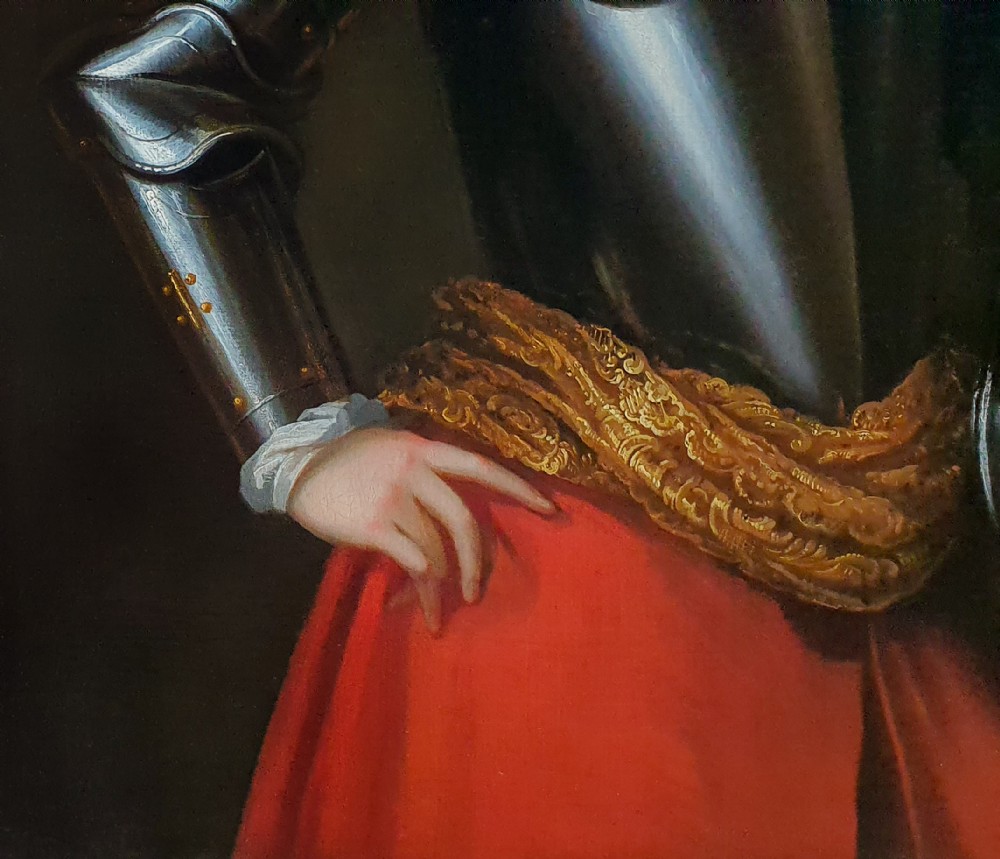
Portrayed in armour and a sash around his waist, his heroic visage suitably reflects his wealth and status; in the England of the days of his youth, soldiering was a profession. The portrait is datable to circa 1695 when the full bottomed wig with its loose curls was fashionable and was painted perhaps in celebration of his military career. It is not hard to understand why many of the aristocracy commissioned D’Agar for their portrait.
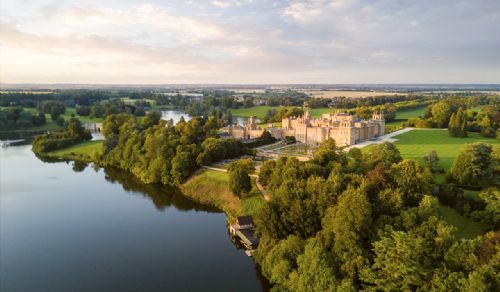
Born in 1650, John Churchill was the second but oldest surviving son of Sir Winston Churchill (1620–1688) of Glanvilles Wootton, Dorset and Elizabeth Drake, whose family came from Ash, in Devon. In 1688 John Churchill supported William III when William invaded and took the throne from James II. For his loyalty, William elevated John from the lowest rank of the peerage to that of Earl of Marlborough. However, John was a key player in the military conspiracy that led to James being deposed during the Glorious Revolution. Persistent charges of Jacobitism led to his fall from office and temporary imprisonment in the Tower of London. William recognised his abilities by appointing him as his deputy in Flanders before the War of the Spanish Succession in 1701 but it was not until the accession of Queen Anne in 1702, he secured his fame and fortune. Marriage to Sarah Jennings and her relationship with Anne ensured Marlborough's rise, first to the Captain-Generalcy of British forces, then to a dukedom.
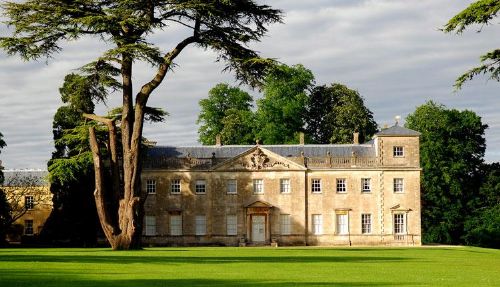
His wife's stormy relationship with the Queen, and her subsequent dismissal from court, was central to his own fall. Incurring Anne's disfavour, and caught between Tory and Whig factions, Marlborough was forced from office and went into self-imposed exile. He returned to favour with the accession of George I to the British throne in 1714, but a stroke in 1716 ended his active career.
Marlborough's leadership of the Allied armies from 1701 to 1710 consolidated Britain's emergence as a front-rank power, while his ability to maintain unity demonstrated his diplomatic skills. He is often remembered by military historians as much for his organisational and logistic skills as tactical abilities. However, he was also instrumental in moving from the siege warfare that dominated the Nine Years' War, arguing one battle was worth ten sieges.
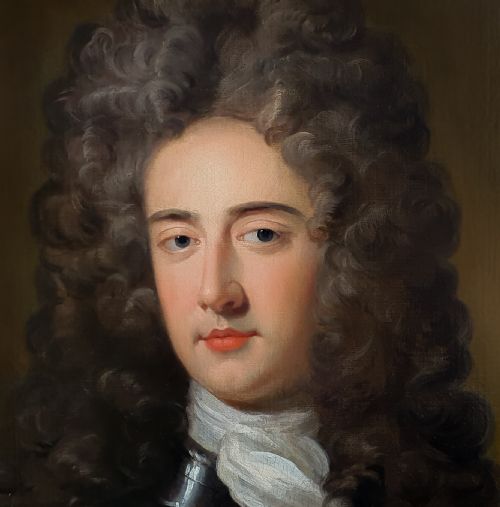
This Augustinian portrait style can be compared to other artist’s work such as the ubiquitous Sir Godfrey Kneller but it bears the closest resemblance to the...
see the full description at www.titanfineart.com
Titan Fine Art has dated this piece to the 17th Century.
Specialist in 17th & 18thc portraits. Highly curated selection, museum-level research & pro conservation. Exceptional art, expertly vetted.
You can view the stock and full dealer information on the Titan Fine Art Profile Page
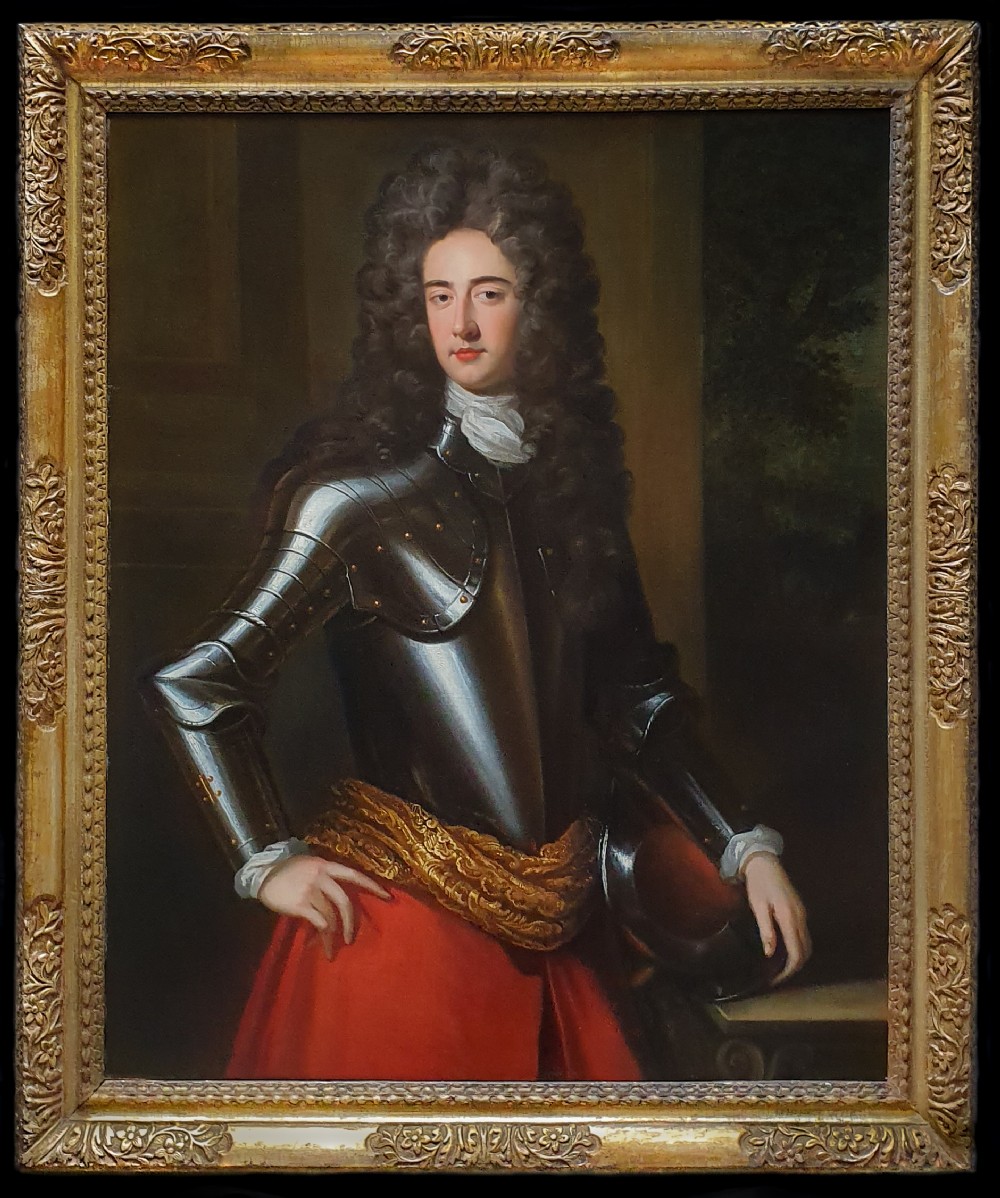
Portrait of John Churchill, 1st Duke of Marlborough (1650-1722) C.1695; Charles D'agar (1669–1723)