Skippings Fine Arts has dated this piece to the 1910s.
It was a generally buffoonish Pierrot that held the European stage for the first two centuries of his history.
And et, early signs of a respectful, even sympathetic attitude toward the character appeared in the plays of Regnard and in the paintings of Antoine Watteau, an attitude that would deepen in the nineteenth century, after the Romantics claimed the figure as their own. For Jules Janin and Théophile Gautier, Pierrot was not a fool but an avatar of the post-Revolutionary People, struggling, sometimes tragically, to secure a place in the bourgeois world. Subsequent artistic and cultural movements found him equally amenable to their cause: the Decadents turned him, like themselves, into a disillusioned disciple of Schopenhauer, a foe of Woman and of callow idealism; the Symbolists saw him as a lonely fellow-sufferer, crucified upon the rood of soulful sensitivity, his only friend the distant moon; the Modernists converted him into a Whistlerian subject for canvases devoted to form and color and line. Pierrot became an alter-ego of the artist, specifically of the famously alienated artist of the nineteenth and early twentieth centuries. His physical insularity; his poignant lapses into mutism, his often frustrated pursuit of Columbine, coupled with his never-to-be-vanquished unworldly naïveté—all conspired to lift him out of the circumscribed world of the commedia dell'arte and into the larger realm of myth. Much of that mythic quality ("I'm Pierrot," said David Bowie: "I'm Everyman") still adheres to the "sad clown" of the postmodern era.
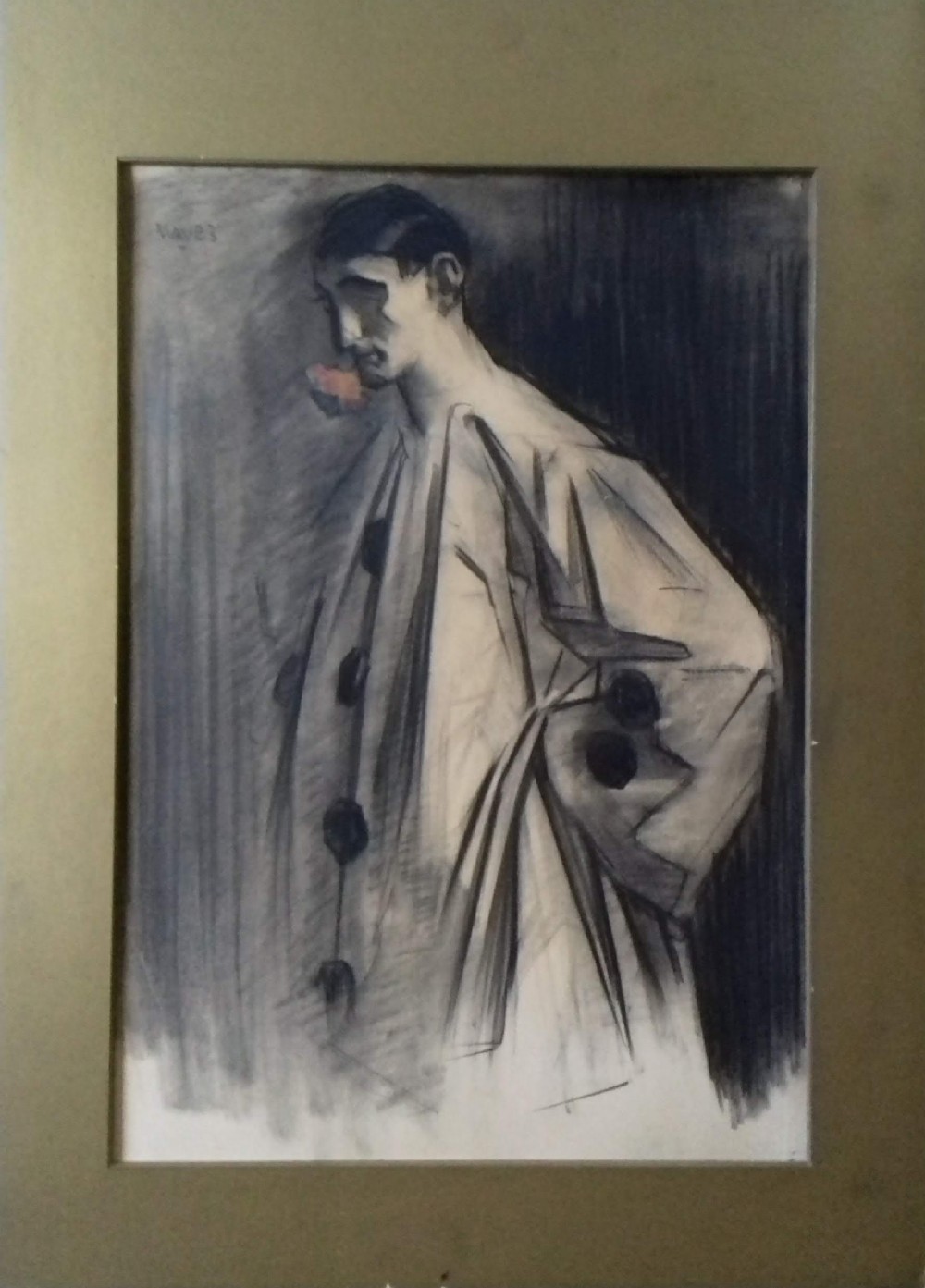
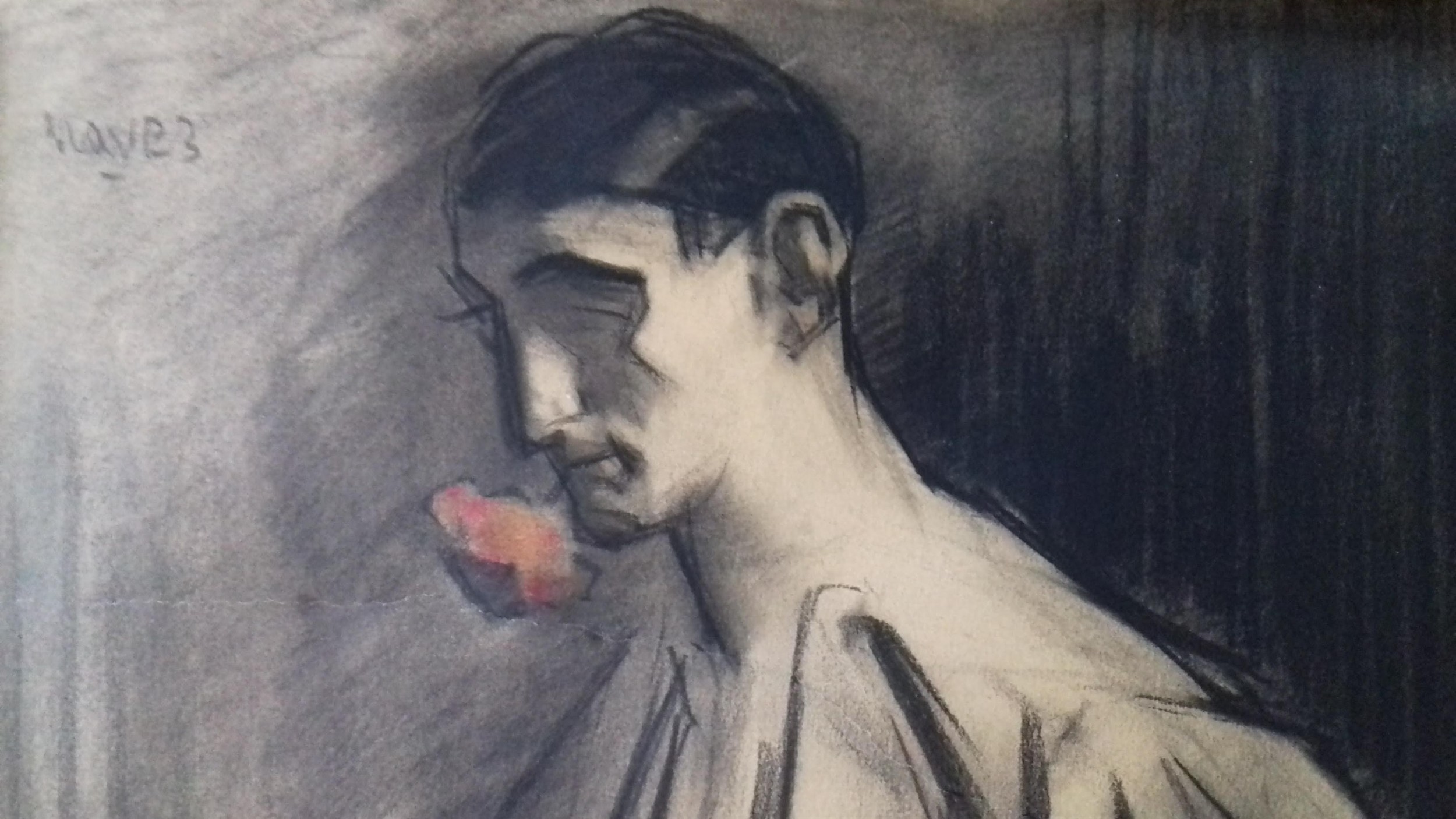
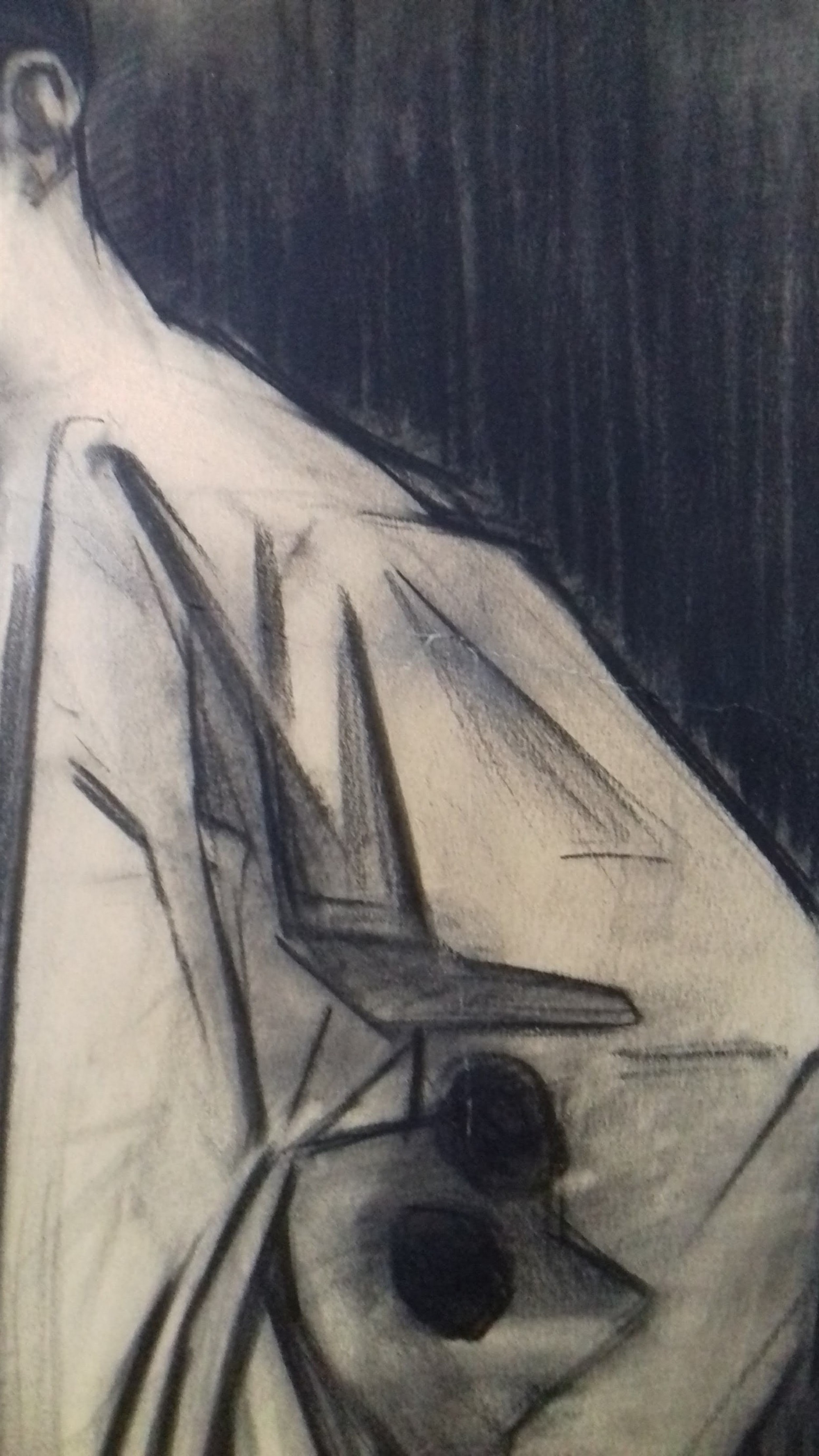
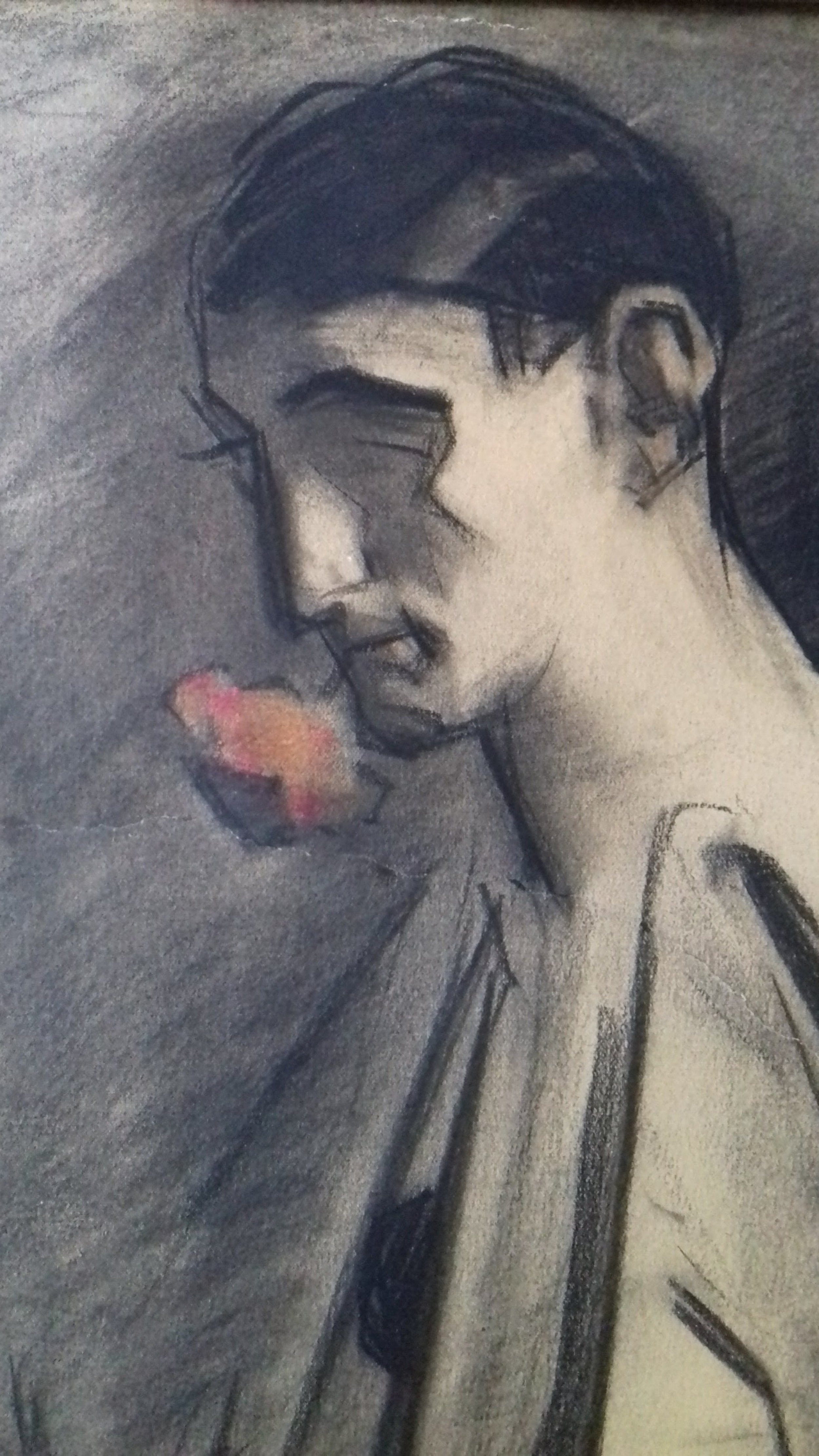
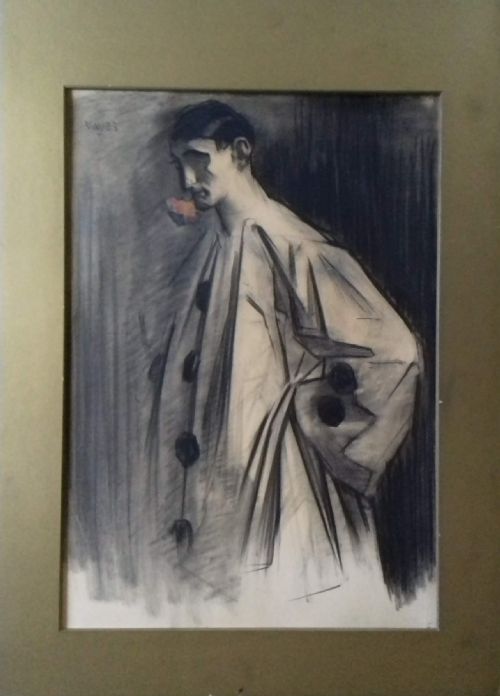
The Pierrot depicted here by Artur Navez (1881-1931), drawn in masterly confident charcoal in bold strokes in around 1900-1910, is the Pierrot of a young man at the dawn of the 20th Century.
Navez was a Belgian artist who had trained at the Academies of Antwerp and Brussels and at the École nationale des Beaux-Arts. He exhibited his works with the artistic group "Le Sillon", who were interested in the realist tradition of Flemish art, to counterbalance Impressionism. When our Pierrot was drawn, his Realist style, reflecting upon the works of Edouard Manet and Edgar Degas already had a resolutely 20th century edge: the
strong and constructive composition is fauve and modernist. Navez is considered a master of Beligian Expressionism.
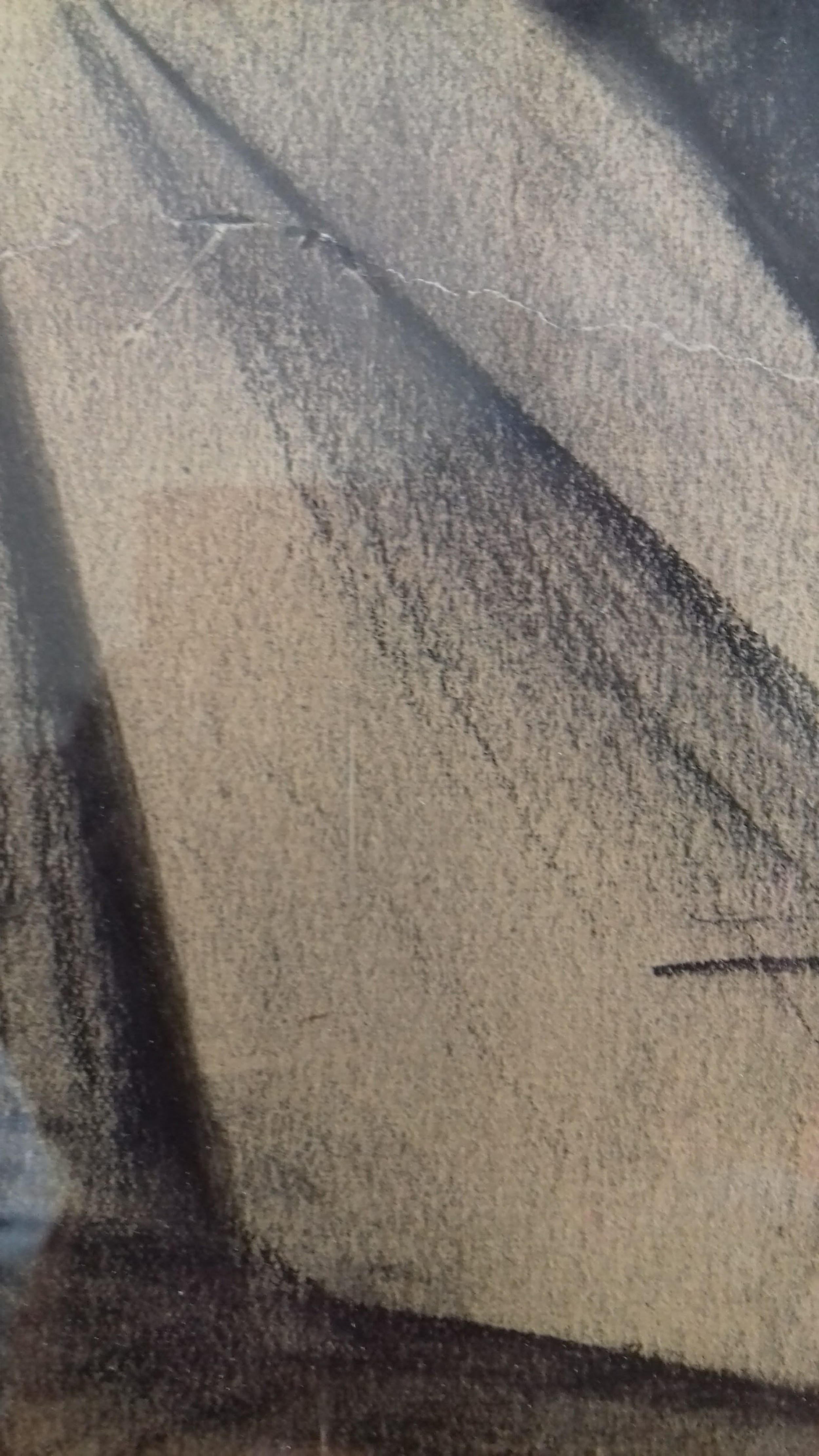
In charcoal and red chalk, our drawing measures 62 x 43 cm at sight and is signed at the upper left. A horizontal tear across the paper has been repaired with acid free materials, but remains visible from certain angles.
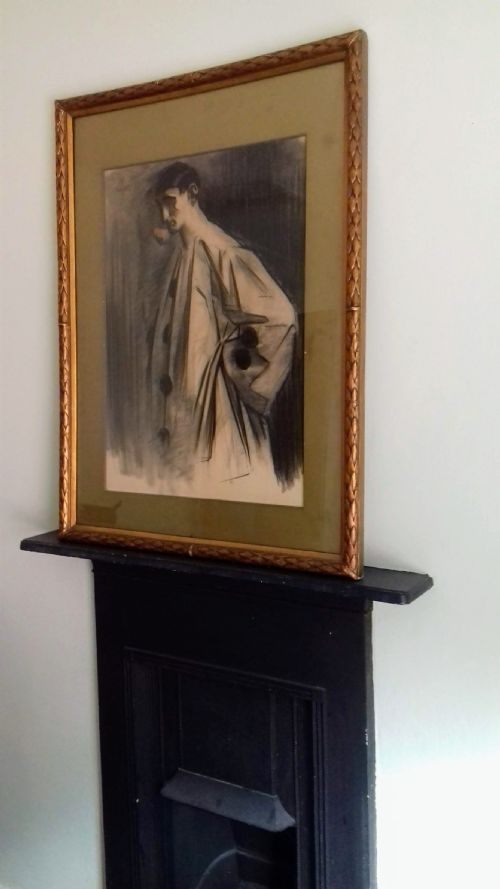
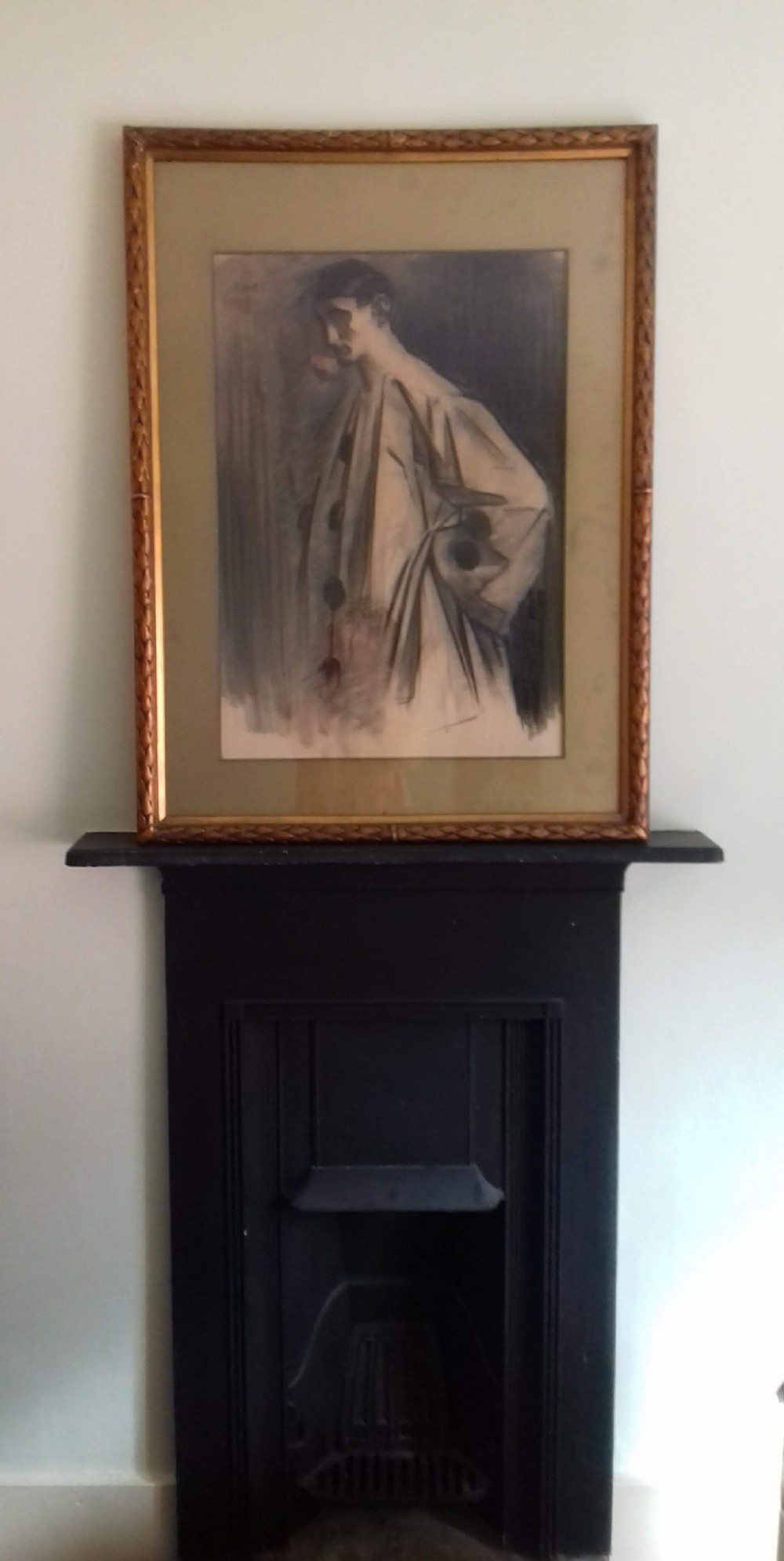
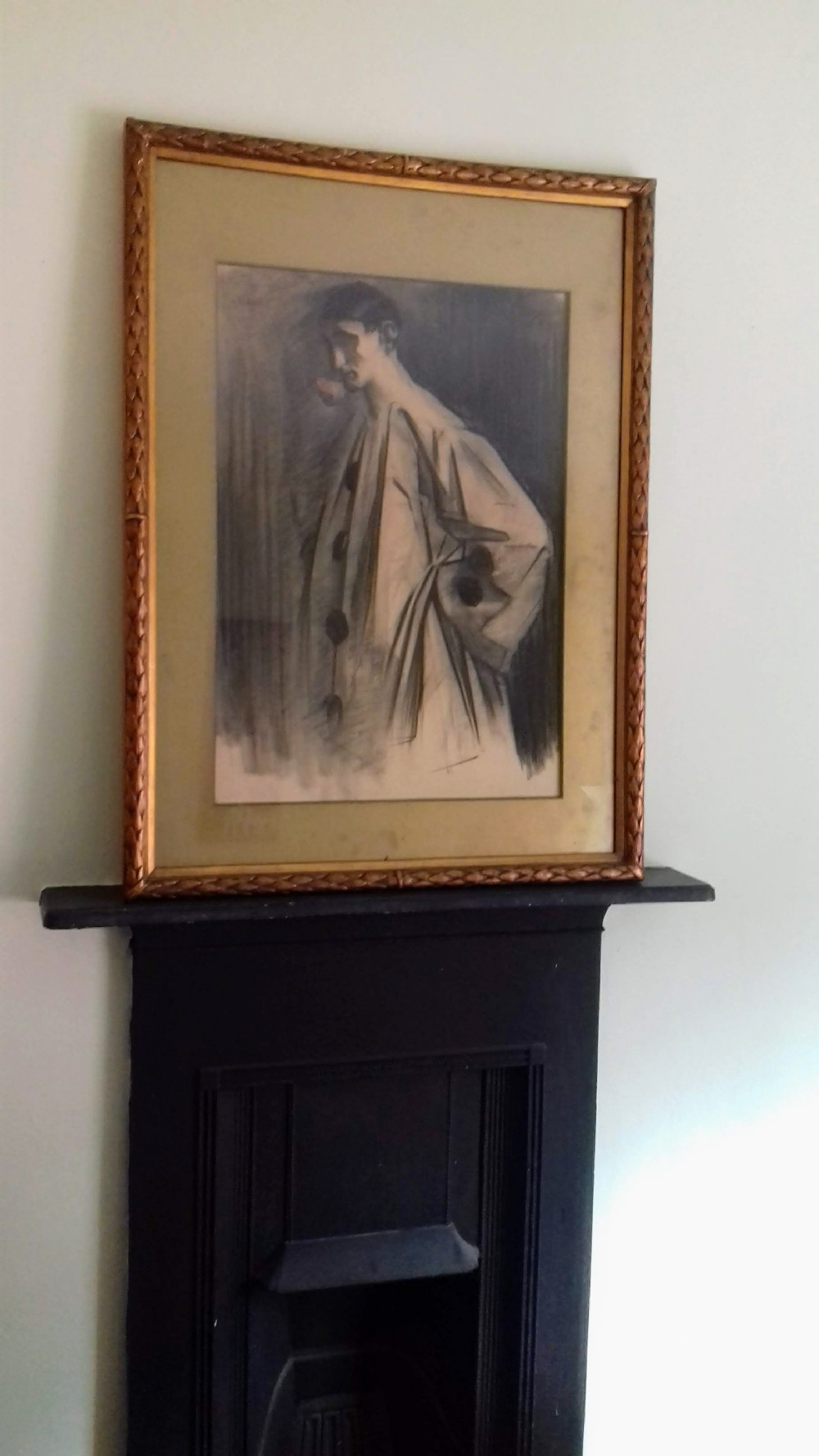
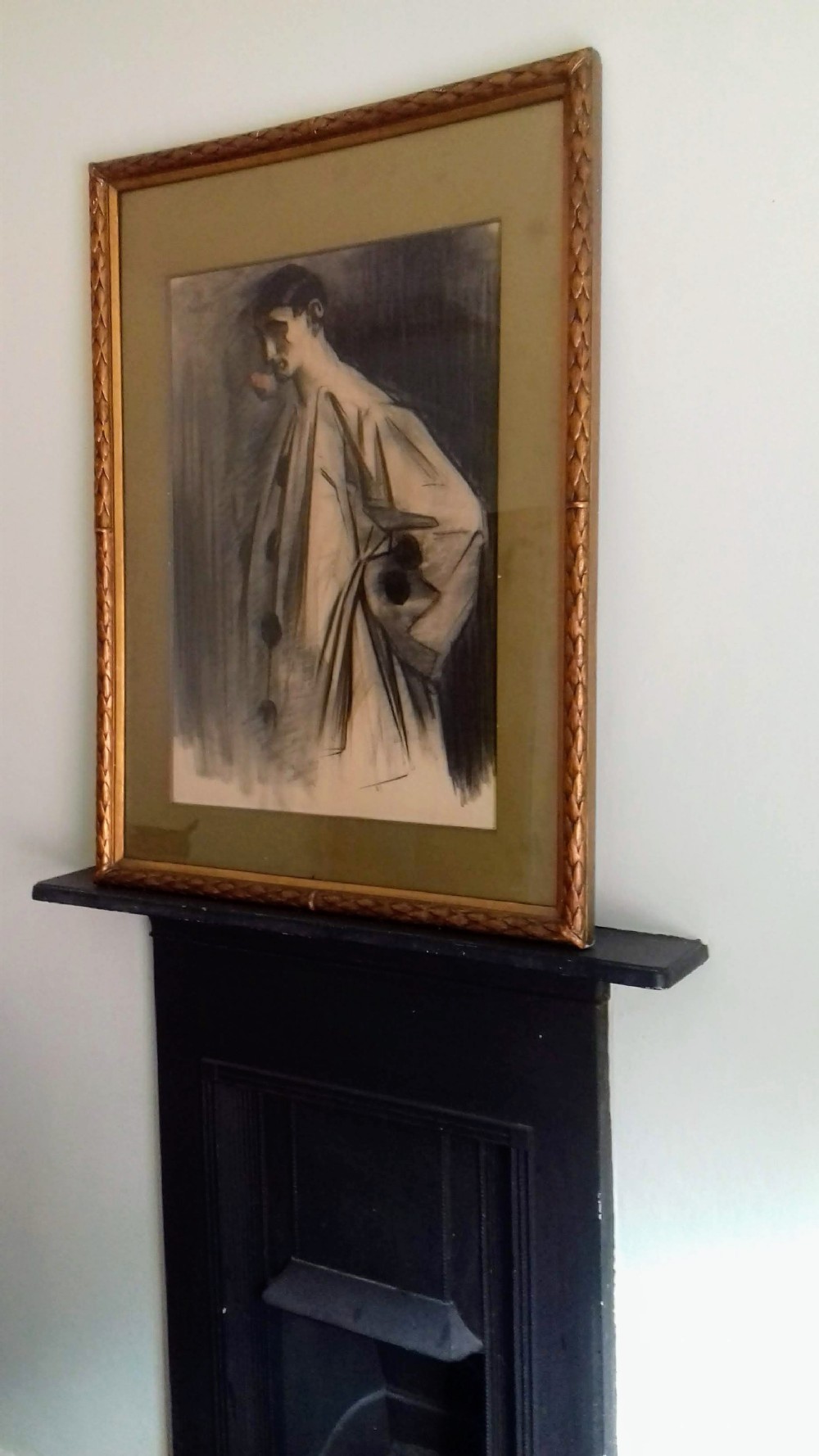
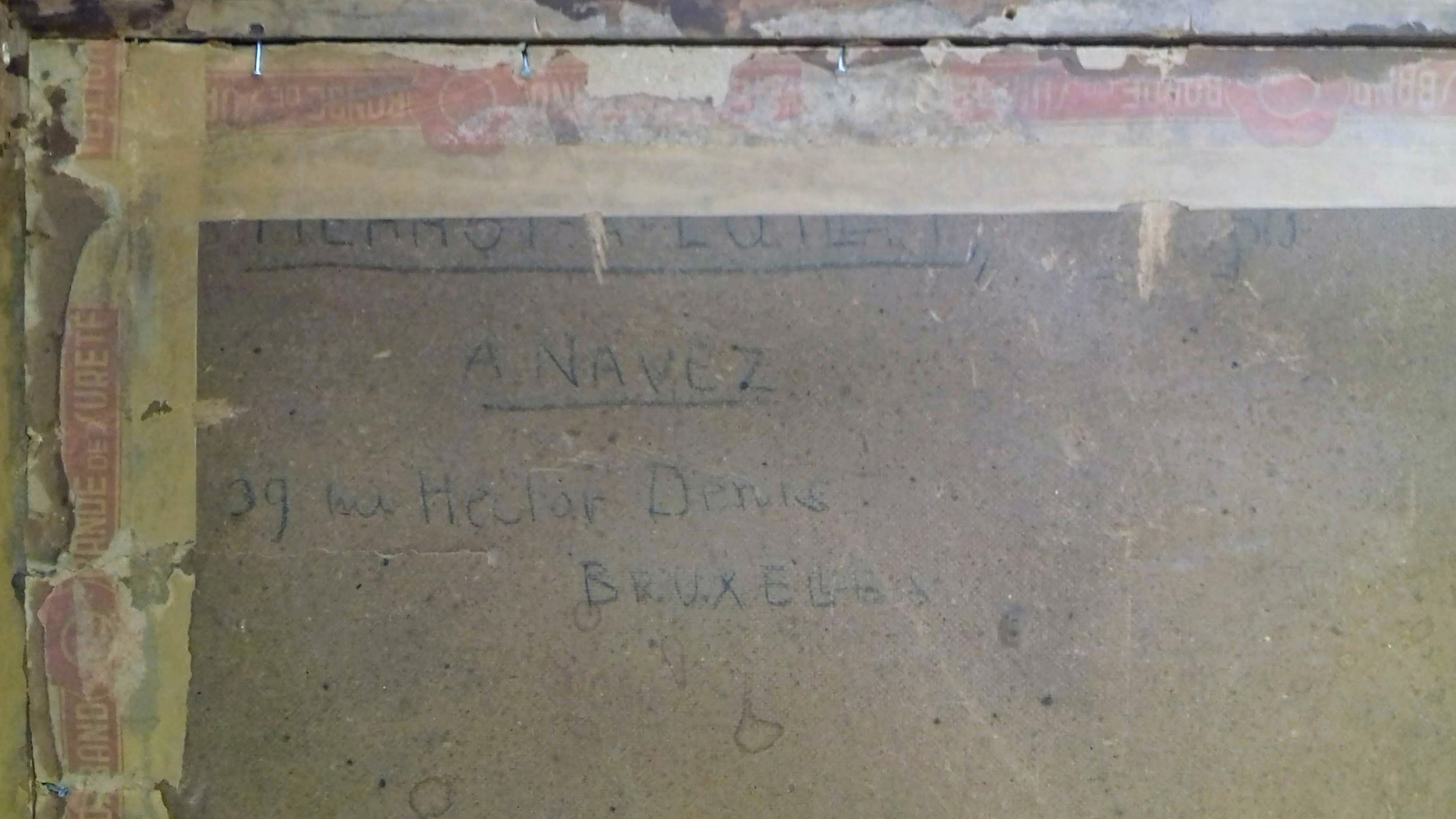
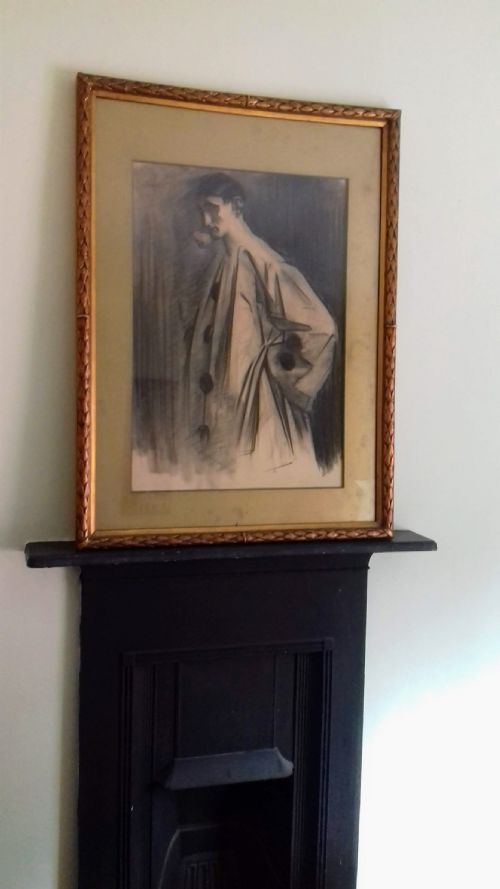
The artwork is presented in its original frame. Navez himself noted his name and Brussels address as well as the title of the work ("Pierrot à l'oeillet") on the backing board. A hundred years on, backing board and mat are a little tired and do show signs of wear as expected.
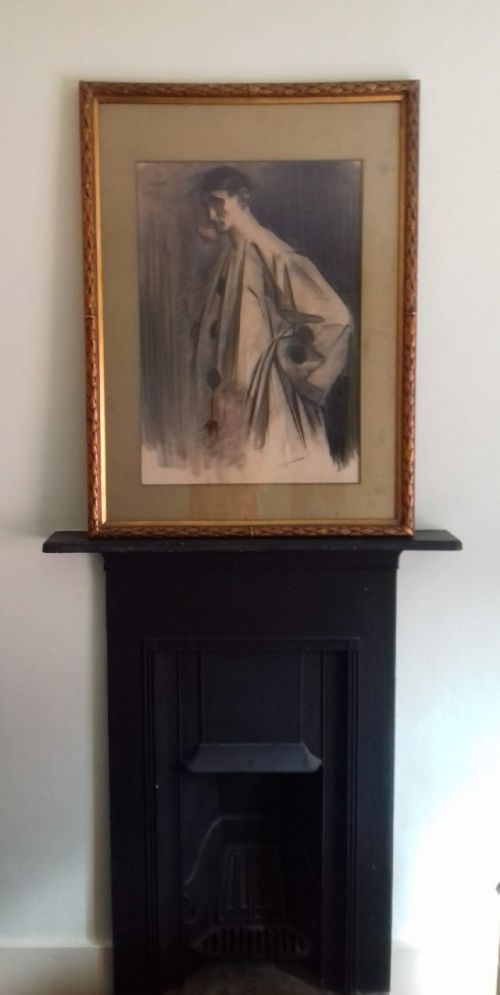
The overall framed size is 87 x 65 cm.
Skippings Fine Arts has dated this piece to the 1910s.
Modern french & continental pictures selected by a former french auction house expert
You can view the stock and full dealer information on the Skippings Fine Arts Profile Page
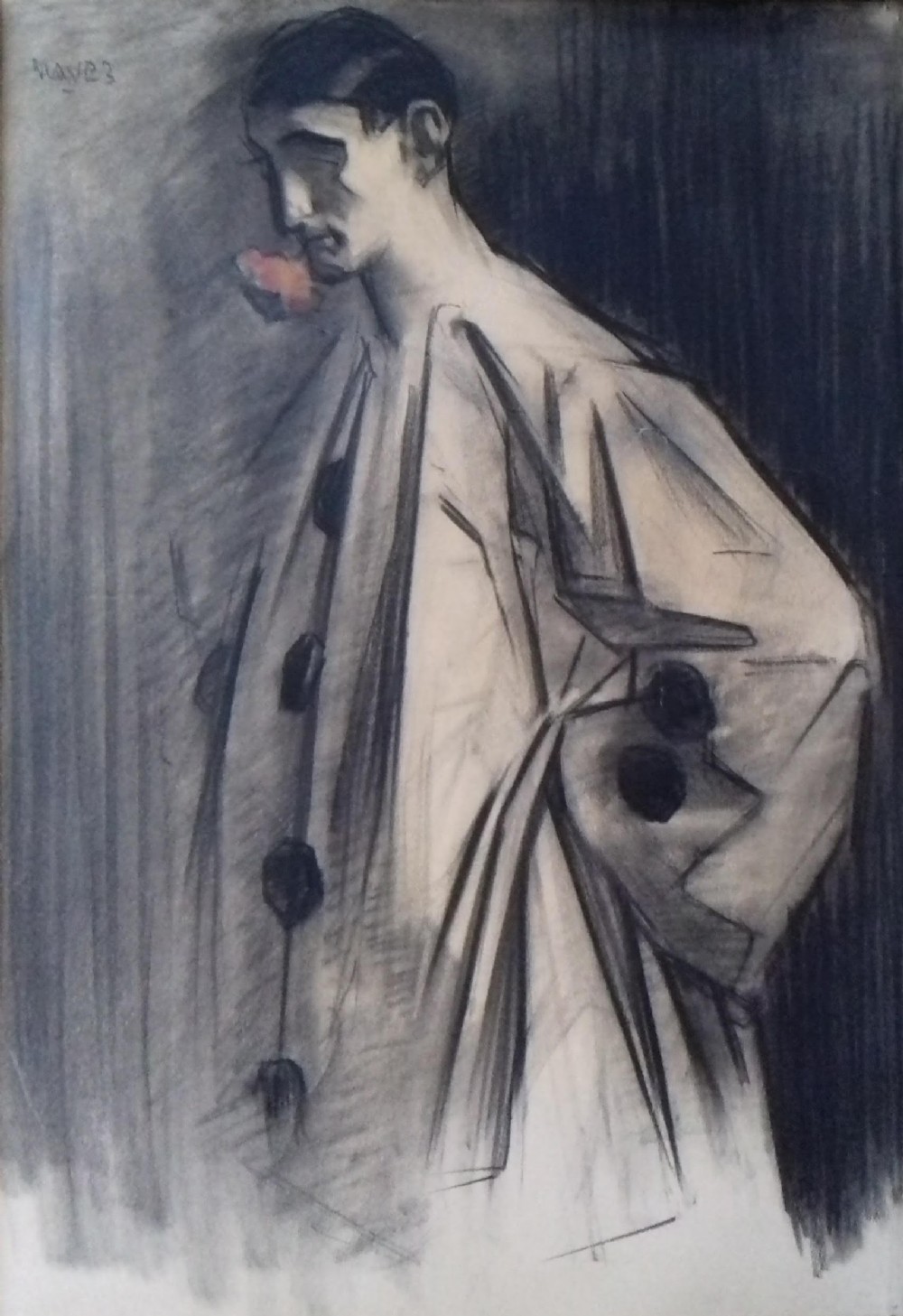
"After the Show" Pierrot , Ca 1910 Art Nouveau Period Large Drawing by Belgian Expressionist Fauvist Artur Navez