Skippings Fine Arts has dated this piece to the 1920s.
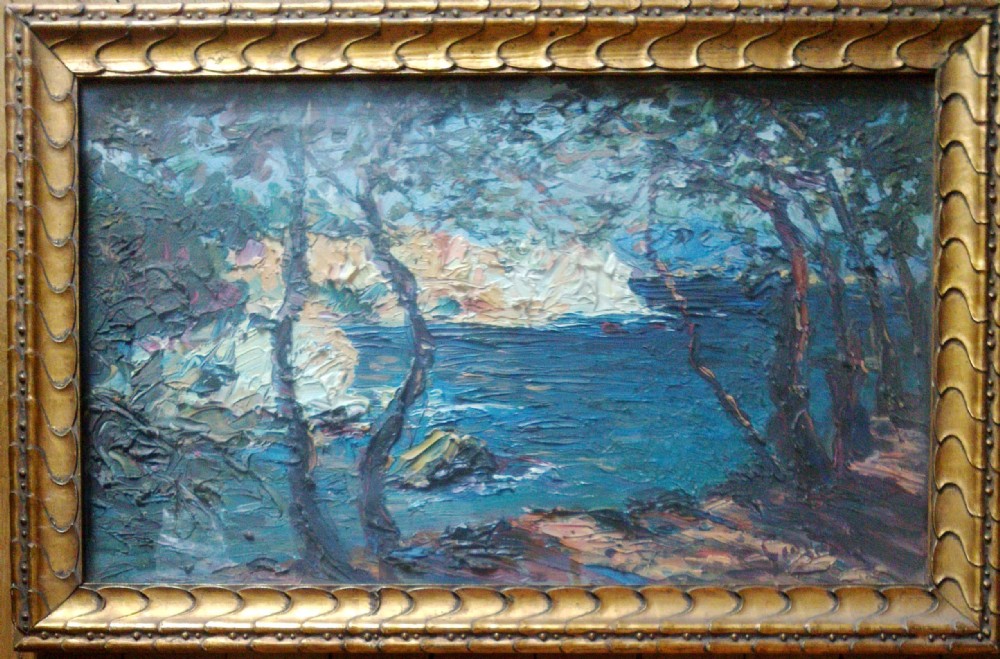
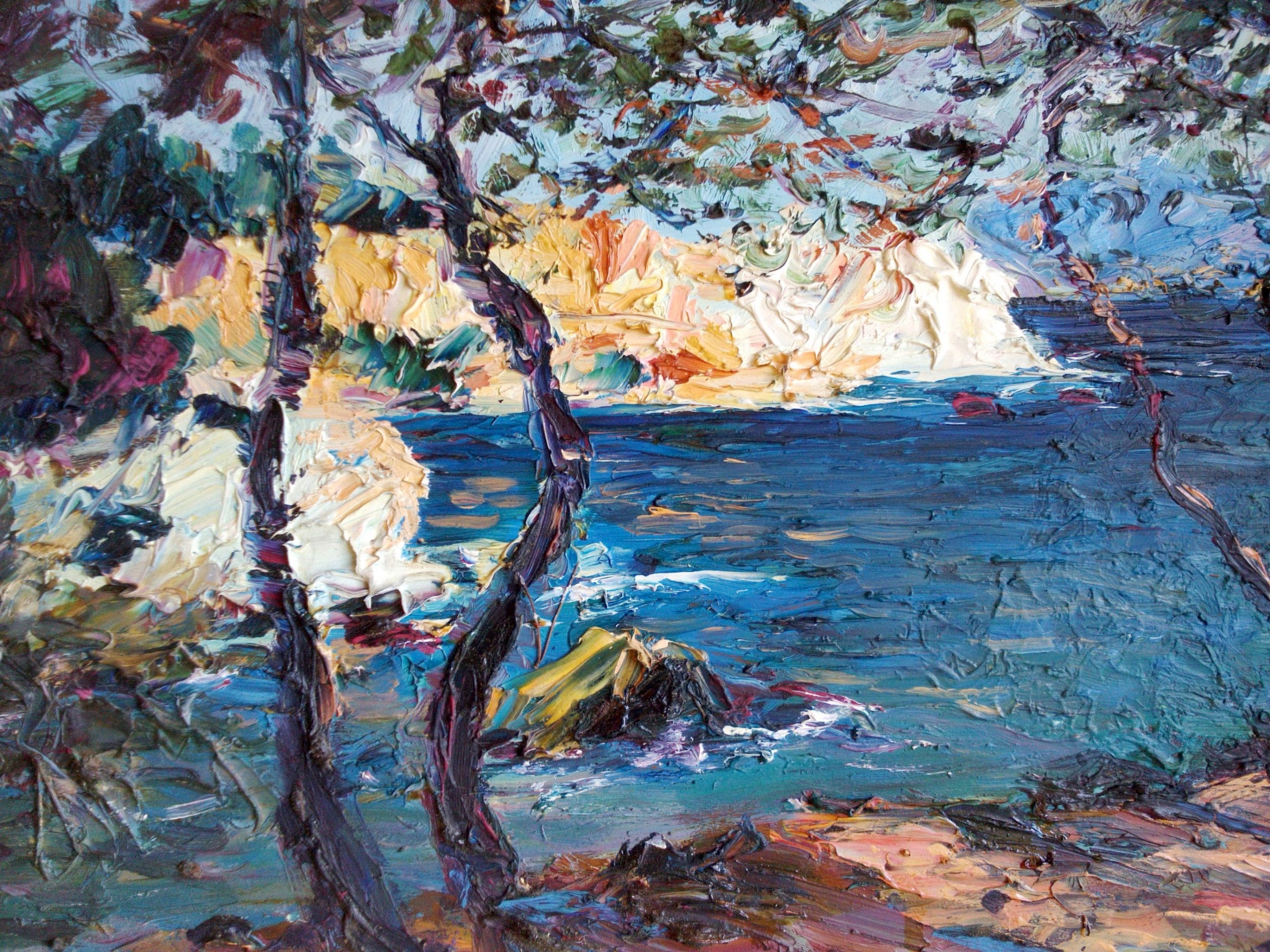
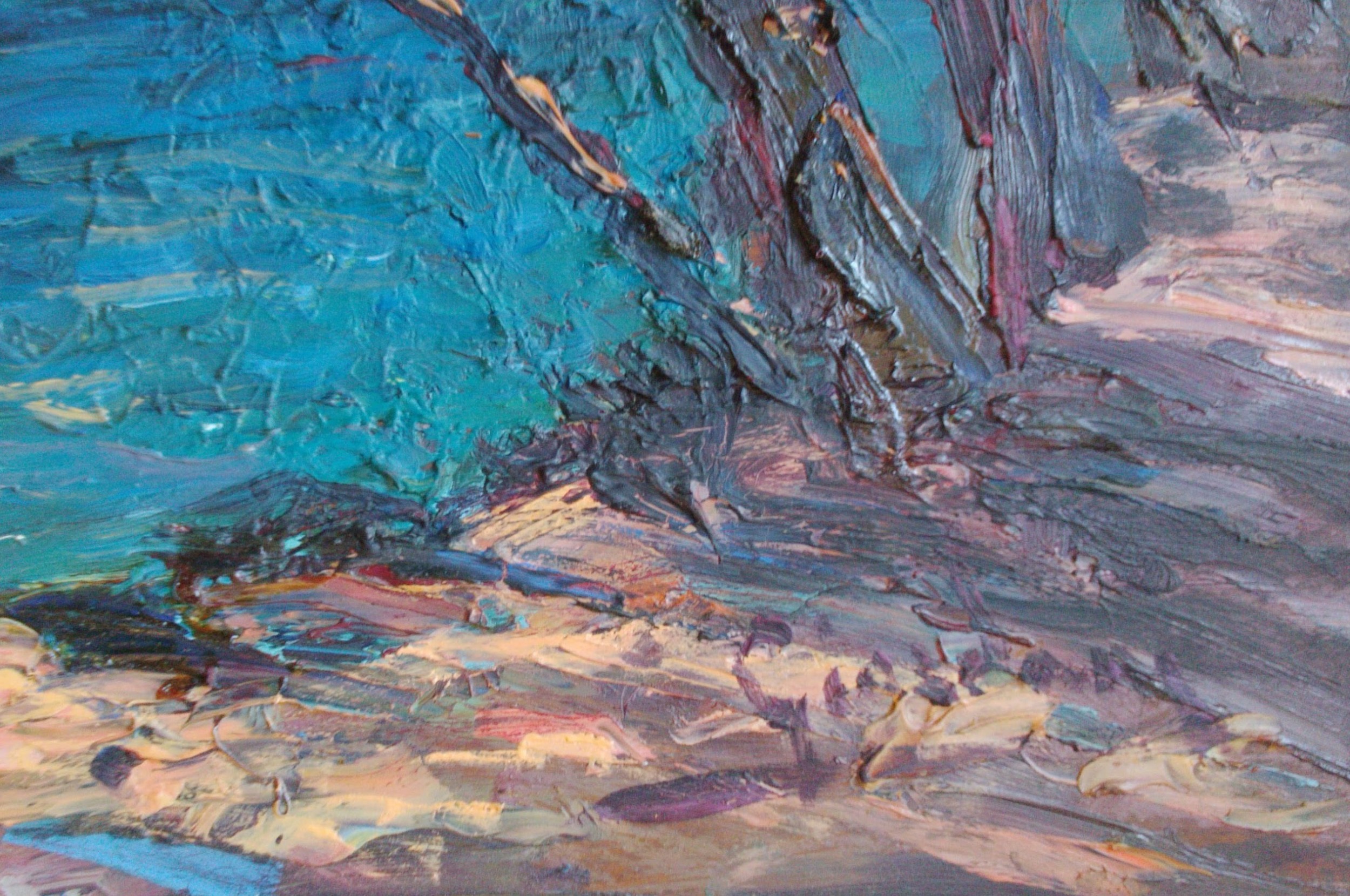
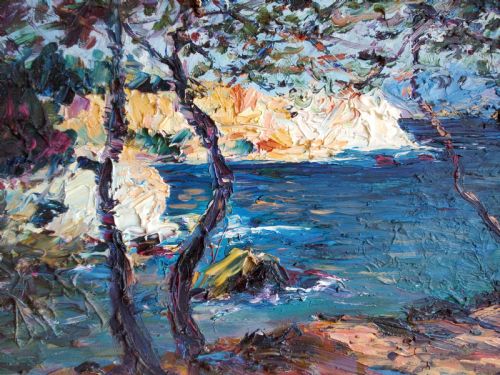
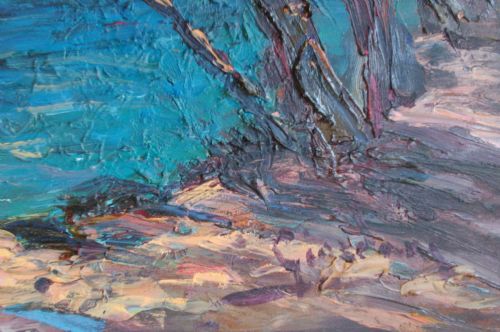
Artists applied paint in vibrant colours with a paint knife rather than with a brush, creating think impasto. The result is joyous, vibrant and free. One of the masters of this technique was Italo Giordani (1882-1956), who painted the artwork here presented.
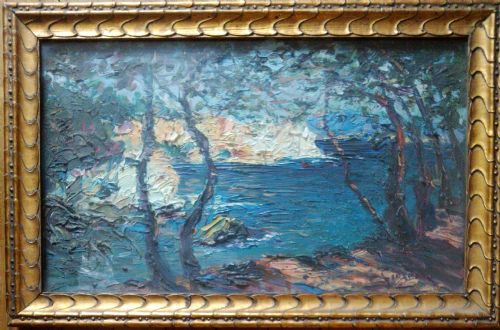
Giordani was in fact Italian, and born in Sicily. He had studied at the Accademia di Brera in Milan, and then moved to Marseilles. Although he would eventually settle in Paris, Marseille and the Côte d'Azur had a lasting influence on his art. In the French capital, Giordani was represented by the Galerie Bernheim-Jeune from 1917, and by the Galerie Terrisse.
Bernheim-Jeune were art deaers who had presenting works by Pierre Bonnard, Édouard Vuillard, Paul Cézanne, Henri-Edmond Cross, Kees van Dongen, Henri Matisse, Le Douanier Rousseau, Raoul Dufy, Maurice de Vlaminck, Amedeo Modigliani and Maurice Utrillo.
From 1906 to 1925, art critic Félix Fénéon was the director of the gallery and was instrumental in bringing in the art of Georges Seurat. The gallery became one of the centres of the artistic avant-garde.
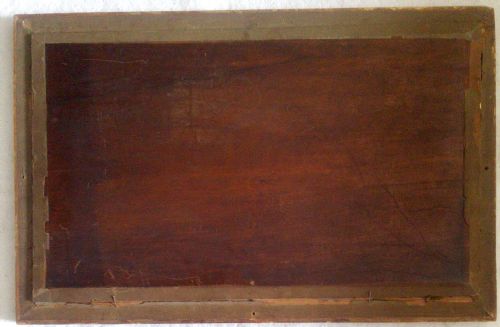
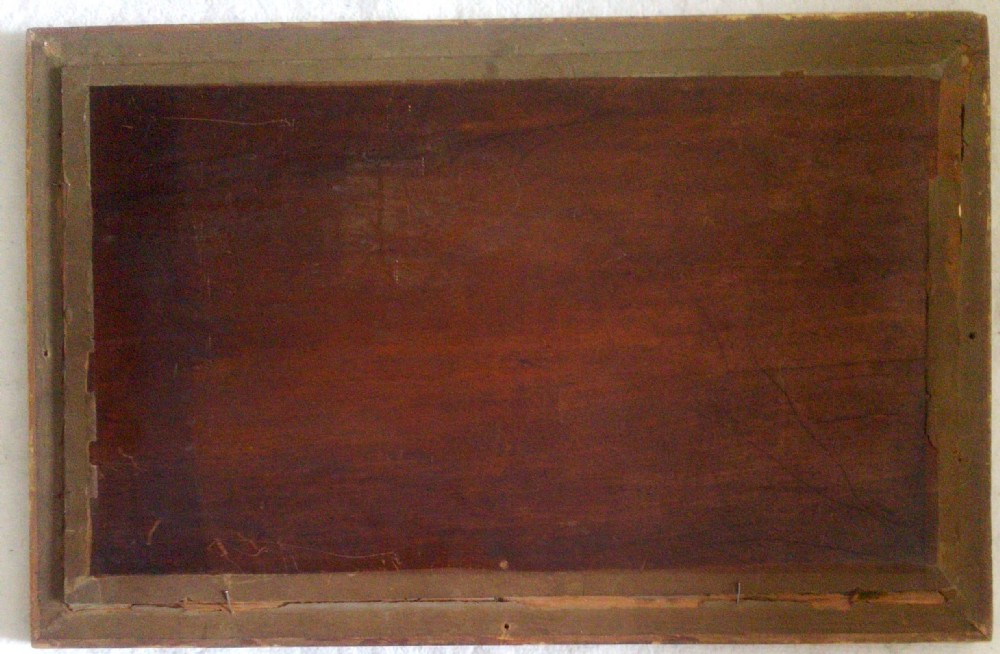
Our painting is an early work by Giordani, dating from the 1910s or 1920s. As such, it is even more astonishing in its modernity. Painted in oils on a high quality panel of walnut, it measures 36 x 60 cm. It is presented in its original 1929s frame, which is a little curious and includes a glass panel. The fact that the painting has always been protected by glass gives it an extraordinarily fresh appearance. Although it has never been cleaned, the paint surface is pristine, and the whites are white as snow.
The overall framed size is 42 x 65 cm.
Skippings Fine Arts has dated this piece to the 1920s.
Modern french & continental pictures selected by a former french auction house expert
You can view the stock and full dealer information on the Skippings Fine Arts Profile Page
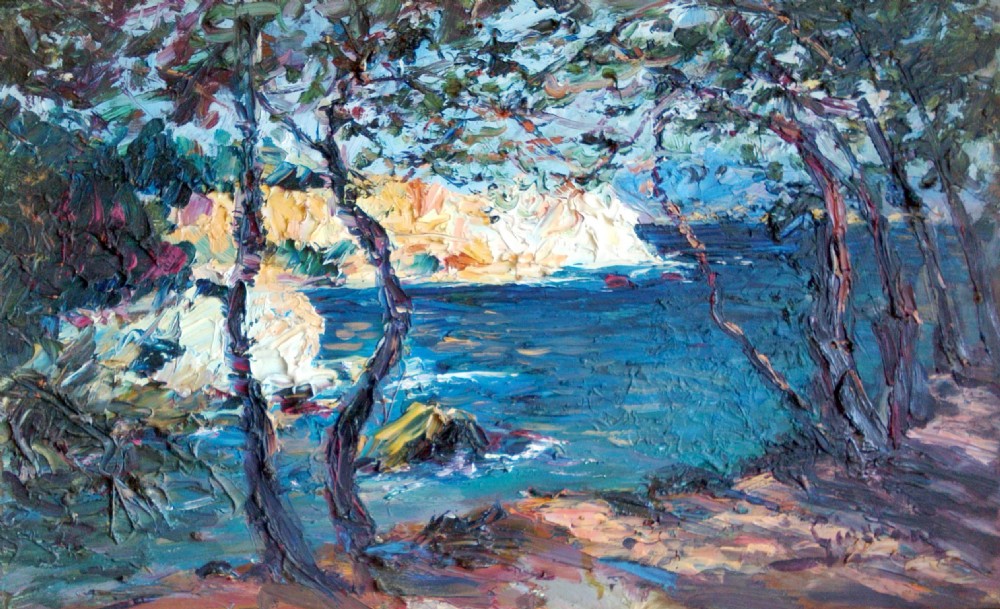
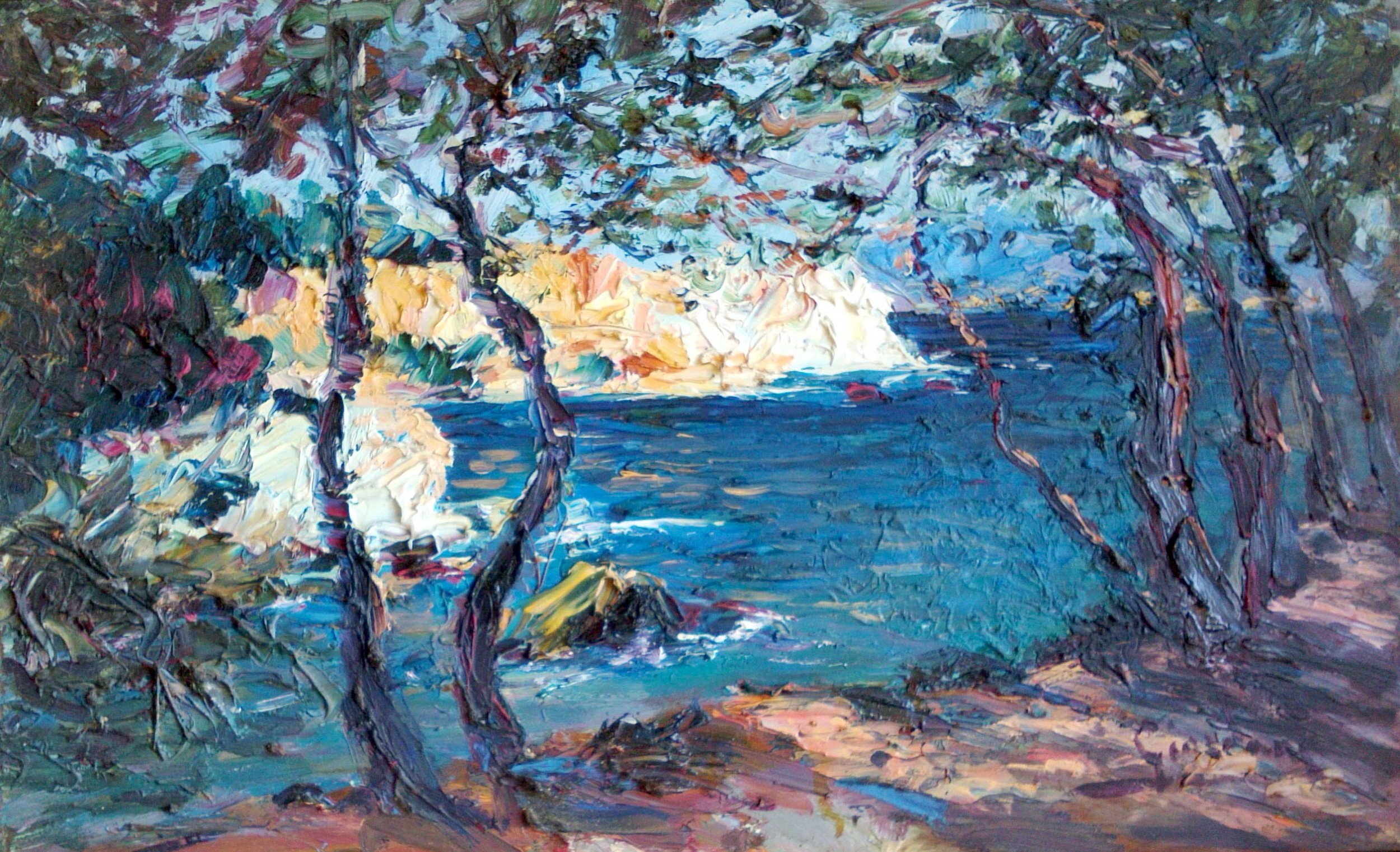
Cote D'azur Coast, Calanques, Cassis Bay, Circa 1920, Southern French Oil on Panel by Italian Italo Giordani