4,615  PAGES BROWSED TODAY PAGES TODAY • 0 ANTIQUES UPLOADED TODAYNEW ARRIVALS
GIFTS
LATEST STOCK
Sort Order
Items Per Page
Browse Categories
Sort order
Items per page
ID #SA594963
SOLD
Email Phone
Save
Robert Muller, 1773 -C.1800 portrait of the Rt Rev, John Douglas, Dd, Lord Bishop of Salisbury 1721-1807
Sold by Artware Fineart
sold SA594963
Sorry, but this item has been sold.

Artware Fineart

Sellingantiques Verified Since Sep 2008
Browse dealers 243 items
Id #SA594963
PDF SHARE
SAVE

Robert Muller, 1773 -C.1800 portrait of the Rt Rev, John Douglas, Dd, Lord Bishop of Salisbury 1721-1807

19th century
Sold 23 January 2019 · Artware Fineart
This “Robert Muller, 1773 -C.1800 portrait of the Rt Rev, John Douglas, Dd, Lord Bishop of Salisbury 1721-1807” found a buyer.

It was listed by Artware Fineart. Sold pieces stay on Sellingantiques as a record of what has passed through, and the next one is rarely far away.

Description

Robert Muller, 1773 -C.1800

Portrait of the Rt Rev, John Douglas, DD, Lord Bishop of Salisbury 1721-1807

Signed/Inscribed:

inscribed on a plaque " Rt rev John Douglas, DD, Lord Bishop of Sarum, 1791"

oil on canvas
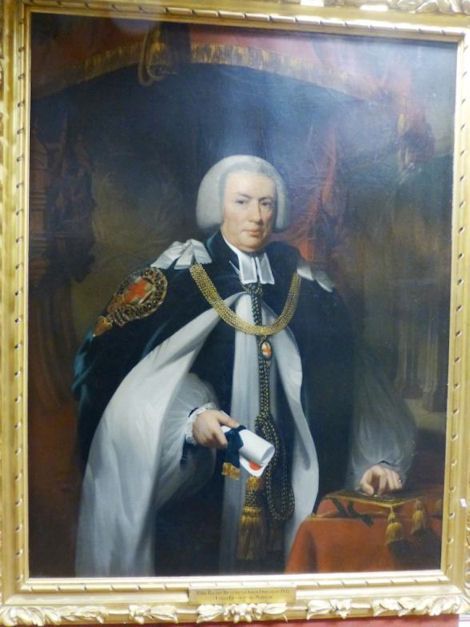
127 x 101.60 cm. (50 x 40 in.)

Provenance : By Direct Family descent

Notes

Douglas, John (1721–1807), bishop of Salisbury and writer, was born on 14 July 1721 in Pittenweem, Fife, the second son of Archibald Douglas, a merchant, and his wife, who was the daughter of Melvill of Carsender in Fife. His paternal grandfather was a distinguished minister in the Scottish Episcopal church, who, in 1669, had succeeded the historian Gilbert Burnet in the living of Saltoun, Haddingtonshire. Douglas attended the grammar school at Dunbar, where he received a good classical education, and was then sent for a short time to two private schools in London. In 1736 he was entered as a commoner at St Mary Hall, Oxford, and two years later he was elected to a Warner exhibition at Balliol College, where Adam Smith, a distant relative, was his contemporary. He graduated BA (1740) and MA (1743). He was sent abroad by his father, from 1740 to 1742, to learn French, and on taking deacon's orders in 1743 he embarked on a highly successful career as a clergyman. In July 1744 he became chaplain to the 3rd foot (Scots) guards, serving as an aide-de-camp at the battle of Fontenoy (29 April 1745). He resigned his commission on the army's return home the next year to fight the Jacobites, and was elected Snell exhibitioner at Balliol (1745–7).
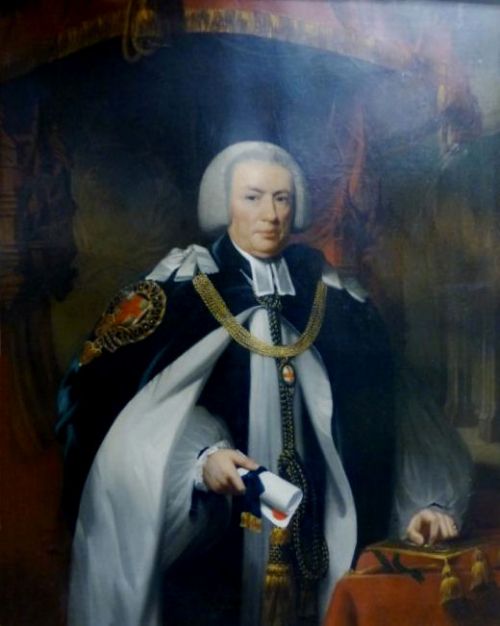
Ordained priest in 1747, Douglas became curate of Tilehurst, near Reading, and also of Duns Tew, Oxfordshire. At about this time friends of his mother introduced him to William Pulteney, first earl of Bath, whose wealth and political and literary connections made him a highly desirable patron. An early assignment was to take Bath's ‘difficult’ heir, Lord Pulteney, on a grand tour of Holland, Germany, and France between July 1748 and October 1749. In Paris Douglas met Montesquieu but his journal of his tour devoted more pages to the Jansenist controversy and to the exposure of the miracles at deacon Pâris's tomb, which later figured in his pamphlet on supernatural phenomena, The Criterion. On his return to England he was presented by Lord Bath to the free chapel of Eaton Constantine and to the donative of Uppington in Shropshire, exchanging the latter, in 1750, for the vicarage of High Ercall, also in Shropshire. He seldom visited his livings but spent the winter in London, in a house next to that of his patron, whom he accompanied in the summer to Bath, Tunbridge Wells, and to nobles' houses, acting as Bath's chaplain and secretary. Douglas's first marriage, to Dorothy Pershore (d. 1752), sister of Richard Pershore of Reynolds Hall, Staffordshire, in September 1752, ended with her death in December of the same year. In April 1765 he married Elizabeth Rooke, daughter of Henry Brudenell Rooke. They had two children: William, who became chancellor of the diocese of Salisbury, and Elizabeth.

Douglas began to earn a reputation as a critic and controversialist, first by exposing the forgeries of William Lauder, who had accused Milton of plagiarism. His pamphlet on this subject, Milton No Plagiary, went into two editions (1750–51 and 1754), and caused Samuel Johnson, who had written a preface to Lauder's book, to dictate to Lauder a letter to Douglas, confessing to the imposture. Douglas then sought to elude David Hume's arguments against miracles in The Criterion (1752, 1754, and 1757), which made much of differences between alleged modern contraventions of the laws of nature and those presented in the Christian gospels. Later Douglas dined in a friendly spirit with Hume, who in 1773 considered him a ‘better hand’ than either Sir John Dalrymple or James Macpherson (Ossian) for continuin

Date of Manufacture

Artware Fineart has dated this piece to the 19th Century.

Physical Dimensions
Height
127cm (50.00")
Width
101cm (39.76")
Depth
5cm (1.97")
Reference Numbers
Sellingantiques Reference
SA594963
Dealers Internal Reference
3647
Description
Robert Muller, 1773 -C.1800

Portrait of the Rt Rev, John Douglas, DD, Lord Bishop of Salisbury 1721-1807

Signed/Inscribed:

inscribed on a plaque " Rt rev John Douglas, DD, Lord Bishop of Sarum, 1791"

oil on canvas

fig 1. Robert Muller, 1773 -C.1800
Portrait of the Rt Rev, John Douglas, DD, Lord Bishop of Salisbury 1721-1807
fig 1. Robert Muller, 1773 -C.1800 portrait of the Rt Rev, John Douglas, Dd, Lord Bishop of Salisbury 1721-1807

127 x 101.60 cm. (50 x 40 in.)

Provenance : By Direct Family descent

Notes

Douglas, John (1721–1807), bishop of Salisbury and writer, was born on 14 July 1721 in Pittenweem, Fife, the second son of Archibald Douglas, a merchant, and his wife, who was the daughter of Melvill of Carsender in Fife.

“
His paternal grandfather was a distinguished minister in the Scottish Episcopal church, who, in 1669, had succeeded the historian Gilbert Burnet in the living of Saltoun, Haddingtonshire.
Artware Fineart

Douglas attended the grammar school at Dunbar, where he received a good classical education, and was then sent for a short time to two private schools in London. In 1736 he was entered as a commoner at St Mary Hall, Oxford, and two years later he was elected to a Warner exhibition at Balliol College, where Adam Smith, a distant relative, was his contemporary. He graduated BA (1740) and MA (1743). He was sent abroad by his father, from 1740 to 1742, to learn French, and on taking deacon's orders in 1743 he embarked on a highly successful career as a clergyman. In July 1744 he became chaplain to the 3rd foot (Scots) guards, serving as an aide-de-camp at the battle of Fontenoy (29 April 1745). He resigned his commission on the army's return home the next year to fight the Jacobites, and was elected Snell exhibitioner at Balliol (1745–7).

fig 2. Robert Muller, 1773 -C.1800
Portrait of the Rt Rev, John Douglas, DD, Lord Bishop of Salisbury 1721-1807
fig 2. Robert Muller, 1773 -C.1800 portrait of the Rt Rev, John Douglas, Dd, Lord Bishop of Salisbury 1721-1807

Ordained priest in 1747, Douglas became curate of Tilehurst, near Reading, and also of Duns Tew, Oxfordshire. At about this time friends of his mother introduced him to William Pulteney, first earl of Bath, whose wealth and political and literary connections made him a highly desirable patron. An early assignment was to take Bath's ‘difficult’ heir, Lord Pulteney, on a grand tour of Holland, Germany, and France between July 1748 and October 1749. In Paris Douglas met Montesquieu but his journal of his tour devoted more pages to the Jansenist controversy and to the exposure of the miracles at deacon Pâris's tomb, which later figured in his pamphlet on supernatural phenomena, The Criterion. On his return to England he was presented by Lord Bath to the free chapel of Eaton Constantine and to the donative of Uppington in Shropshire, exchanging the latter, in 1750, for the vicarage of High Ercall, also in Shropshire. He seldom visited his livings but spent the winter in London, in a house next to that of his patron, whom he accompanied in the summer to Bath, Tunbridge Wells, and to nobles' houses, acting as Bath's chaplain and secretary. Douglas's first marriage, to Dorothy Pershore (d. 1752), sister of Richard Pershore of Reynolds Hall, Staffordshire, in September 1752, ended with her death in December of the same year. In April 1765 he married Elizabeth Rooke, daughter of Henry Brudenell Rooke. They had two children: William, who became chancellor of the diocese of Salisbury, and Elizabeth.

Douglas began to earn a reputation as a critic and controversialist, first by exposing the forgeries of William Lauder, who had accused Milton of plagiarism. His pamphlet on this subject, Milton No Plagiary, went into two editions (1750–51 and 1754), and caused Samuel Johnson, who had written a preface to Lauder's book, to dictate to Lauder a letter to Douglas, confessing to the imposture. Douglas then sought to elude David Hume's arguments against miracles in The Criterion (1752, 1754, and 1757), which made much of differences between alleged modern contraventions of the laws of nature and those presented in the Christian gospels. Later Douglas dined in a friendly spirit with Hume, who in 1773 considered him a ‘better hand’ than either Sir John Dalrymple or James Macpherson (Ossian) for continuin

Date of Manufacture

Artware Fineart has dated this piece to the 19th Century.

Height
127cm (50.00")
Width
101cm (39.76")
Depth
5cm (1.97")
Reference Numbers
Sellingantiques Ref
SA594963
Dealers Internal Ref
3647
Artware Fineart
Sellingantiques verified Since Sep 2008
Dealer Profile

You can view the stock and full dealer information on the Artware Fineart Profile Page
PDF SHARE
SAVE
Robert Muller, 1773 -C.1800
Portrait of the Rt Rev, John Douglas, DD, Lord Bishop of Salisbury 1721-1807 SOLD6+ MONTHS AGO
1 / 3
Archive I Robert Muller, 1773 -C.1800
Portrait of the Rt Rev, John Douglas, DD, Lord Bishop of Salisbury 1721-1807 SOLD6+ MONTHS AGO

Robert Muller, 1773 -C.1800 portrait of the Rt Rev, John Douglas, Dd, Lord Bishop of Salisbury 1721-1807

Archive II Robert Muller, 1773 -C.1800
Portrait of the Rt Rev, John Douglas, DD, Lord Bishop of Salisbury 1721-1807 View II
Archive III Robert Muller, 1773 -C.1800
Portrait of the Rt Rev, John Douglas, DD, Lord Bishop of Salisbury 1721-1807 View III
Enlarged Archival View
Telephone 07958 699 645
Location
18 La Gare
51 Surrey Row
London
SE1 0BZ
United Kingdom
Verified Since Sep 2008
Items For Sale 243
Items Sold 223
Artware Fineart
Verified Since Sep 2008
View Dealer Info
Location: 18 La Gare , 51 Surrey Row , London , SE1 0BZ , United Kingdom
Verified
Sep 2008
For Sale
243
Sold
223
Robert Muller, 1773 -C.1800
Portrait of the Rt Rev, John Douglas, DD, Lord Bishop of Salisbury 1721-1807
Robert Muller, 1773 -C.1800 Portrait of the Rt Rev, John Douglas, DD, Lord Bishop of Salisbury 1721-1807
Ref: SA594963
Robert Muller, 1773 -C.1800
Portrait of the Rt Rev, John Douglas, DD, Lord Bishop of Salisbury 1721-1807
Detail View 1
Detail View 2
Archival Detail
Every single antique dealer on our platform is individually approved by our internal team. We verify their professional trade history, ethical standards, and photographic quality to ensure a secure, high-standard buying environment. Upon joining, every dealer agrees to a strict 9-point code of conduct. While issues can occasionally arise, our dealers typically resolve them swiftly and directly with the buyer. In fact, since our founding in 2002, Sellingantiques has only had to step in to help resolve an issue on roughly five occasions—a true testament to the quality of our dealers and their dedication to your happiness.
Our dealers are highly experienced in packing and shipping fragile, high-value antiques. Because you are in direct contact with the dealer, you will be able to easily go through all available shipping and insurance options together to ensure your item arrives safely.
Antiques are the ultimate green purchase. By choosing historical pieces over newly manufactured goods, you completely eliminate the carbon footprint of modern mass production while preserving exceptional, timeless craftsmanship.
Written by Sellingantiques from the dealer’s photographs and listing
  • Period19th century
  • SizeH 127 cm (50 in) x W 101 cm (40 in) x D 5 cm (2 in)
items
Add keywords to the filter
Price
£100
£250000
Era
Period
Style
Material
Origin
Stock Location
Recently Added
Online Payments
Categories