52,781  PAGES BROWSED TODAY PAGES TODAY 179 ANTIQUES UPLOADED TODAYNEW ARRIVALS
179 ITEMS ADDED TODAY
Sort Order
Items Per Page
Browse Categories
Sort order
Items per page
ID #SA576963
SOLD
Email Phone
Save
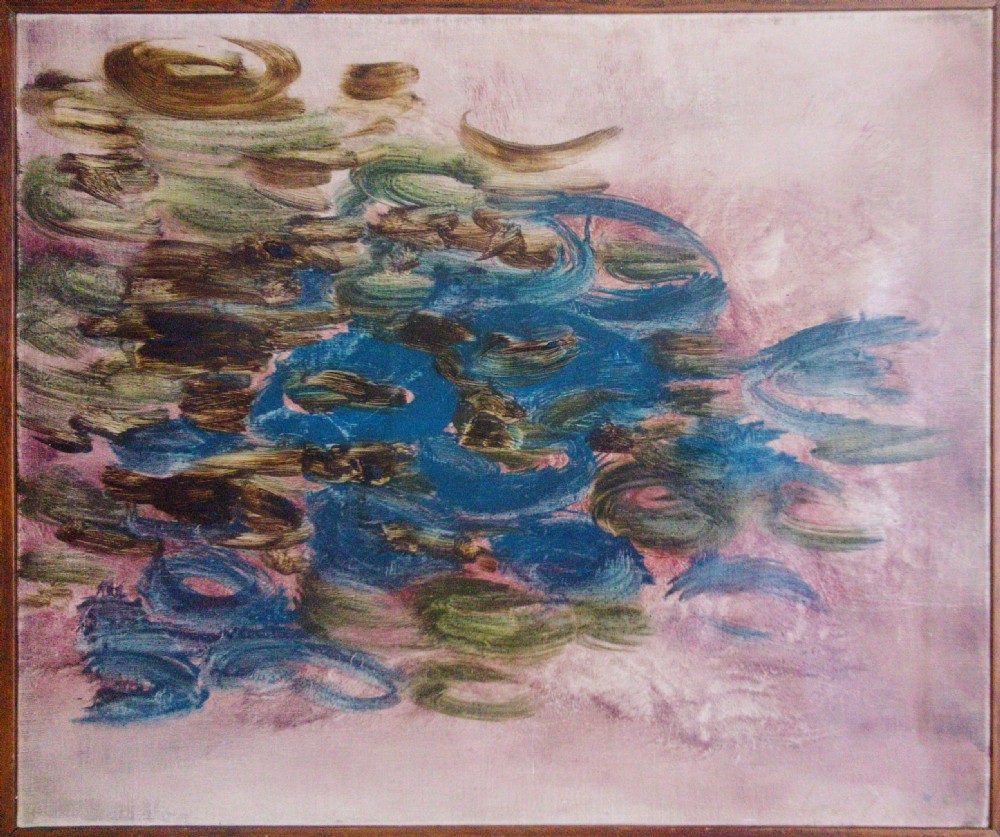
Symbols, Calligraphy, Semiotic Study, by Bernard Quentin, French Antique Abstract Oil on Canvas, 1959
Sold by Skippings Fine Arts
sold SA576963
Sorry, but this item has been sold.
Skippings Fine Arts

Skippings Fine Arts

Sellingantiques Verified Since Feb 2018
Browse dealers 167 items
  • About Us
    Modern french & continental pictures selected by a former french auction house expert
Id #SA576963
PDF SHARE
SAVE

Symbols, Calligraphy, Semiotic Study, by Bernard Quentin, French Antique Abstract Oil on Canvas, 1959

1940 - 1960
Description

Bernard Quentin is a fascinating artist whose work is concerned with finding "a universal language" in the form of symbols and colours.

I am using the present tense, as the artist is still alive today- at the ripe old age of 95.

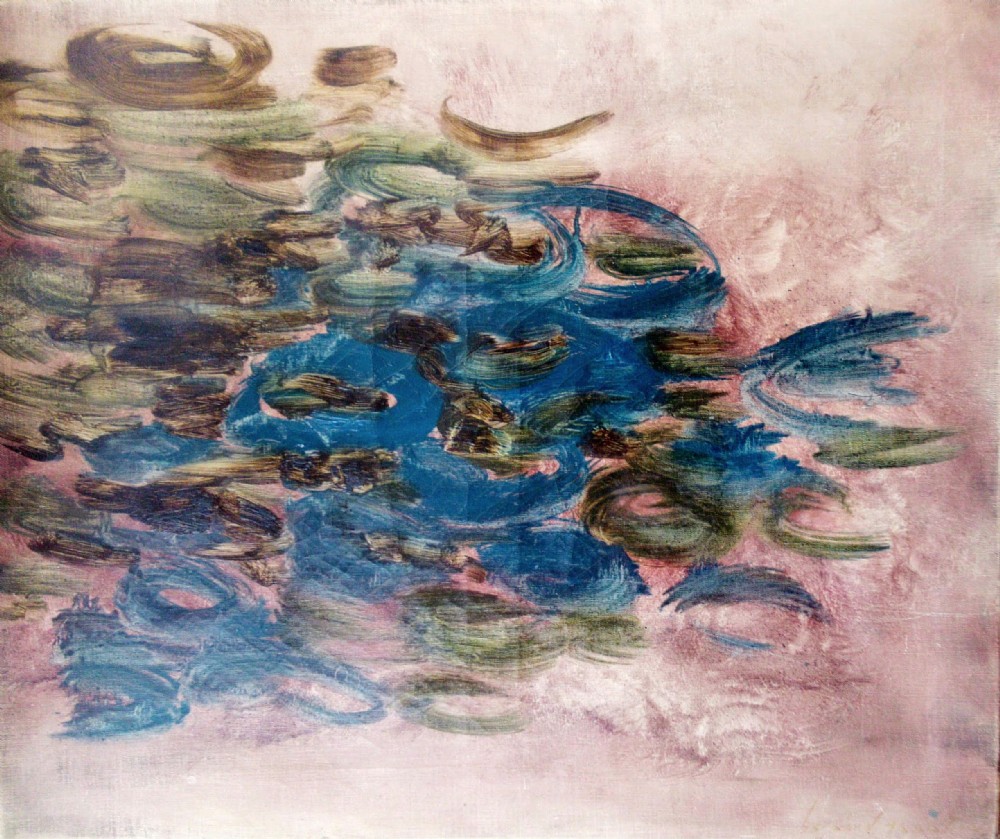
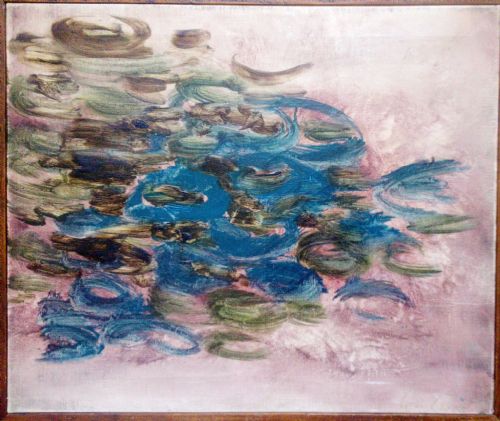
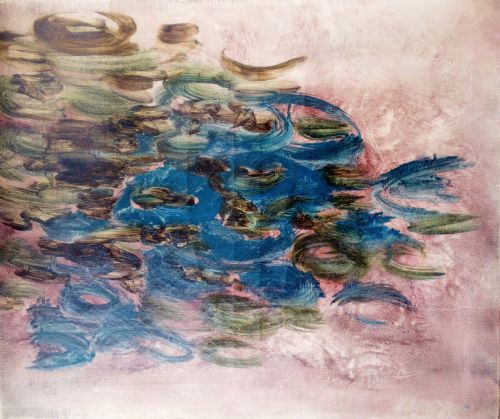
The work presented here is an oil on canvas from 1959; and feels like the artist's universe in concentrated form. It has the lightness and effortlessness of Asian calligraphy combined with magnetic, subtle colouring (for Bernard Quentin, each colour bears meaning and signification). The result is simply magical.
Born in 1923 in the North of France,Bernard Quentin arrived in Paris around 1940 to study painting, sculpture and architecture at the Ecole Nationale des Arts Décoratifs and the Ecole Nationale des Beaux-Arts.
Active in the Resistance between 1942 and 1944, Bernard Quentin came to frequent the Maison de la Pensée Française in 1945, where he befriended Pablo Picasso.

He settled in Saint-Germain-des-Prés in 1946, where he moves in existentialist and surrealist circles along with painters Wols and Camille Bryen, writers Jean Paul Sartre and Boris Vian, and singer Juliette Greco - nicknamed "the existentialist's muse - who was Quentin's lover at the time/
His first exhibition is in 1945 at the Maison de l’université in Paris. In Switzerland, Bernard Quentin discovers the works of Paul Klee. Fascinated by its poetic primitivism, it leads Quentin to permanently focus his work on letters and symbols by creating ideograms.
Bernard Quentin states his interest in cuneiform writing, rock inscriptions, Egyptian hieroglyphs and Scandinavian runes, the study of which will take him to spend the entire winter of 1948 in Lapland.
In 1947-1950, he exhibits the semiotic works that are the outcome of his research at the famed Galerie Maeght as part of the the group "Les Mains éblouies", which counts Joan Miró, Alberto Giacometti, Jean Signovert, Alexander Calder and Antoni Tapies as members.
In the 1960s, Bernard Quentin expands its investigations from painting to sculpture by running totem statues.

Simultaneously continuing to work on symbols, Bernard Quentin moved to Milan in 1962 for a period of two years, as part of an agreement with the Research Centre Olivetti, moving his work towards new technologies and computer science. Salvador Dalí then calls him a "pioneer of cybernetic art and electronic writing."

In 1977, Bernard Quentin creates with Jesus Rafael Soto, Jean Messagier, Jean-Pierre Raynaud, Pierre Restany and Serge Rezvani, the collective Art + with the aim to to extend art in monumental integrations to environment.

Bernard Quentin has never ceased to explore the range of possibilities included in every word, every sign, every spelling. Graffiti, shorthand, hieroglyphics, pictograms, kufic and Zen calligraphy, fiber optic and electronic letters form his "semiotic art".

Our oil on canvas measures 46 x 55 cm, plus its narrow original artist's frame.

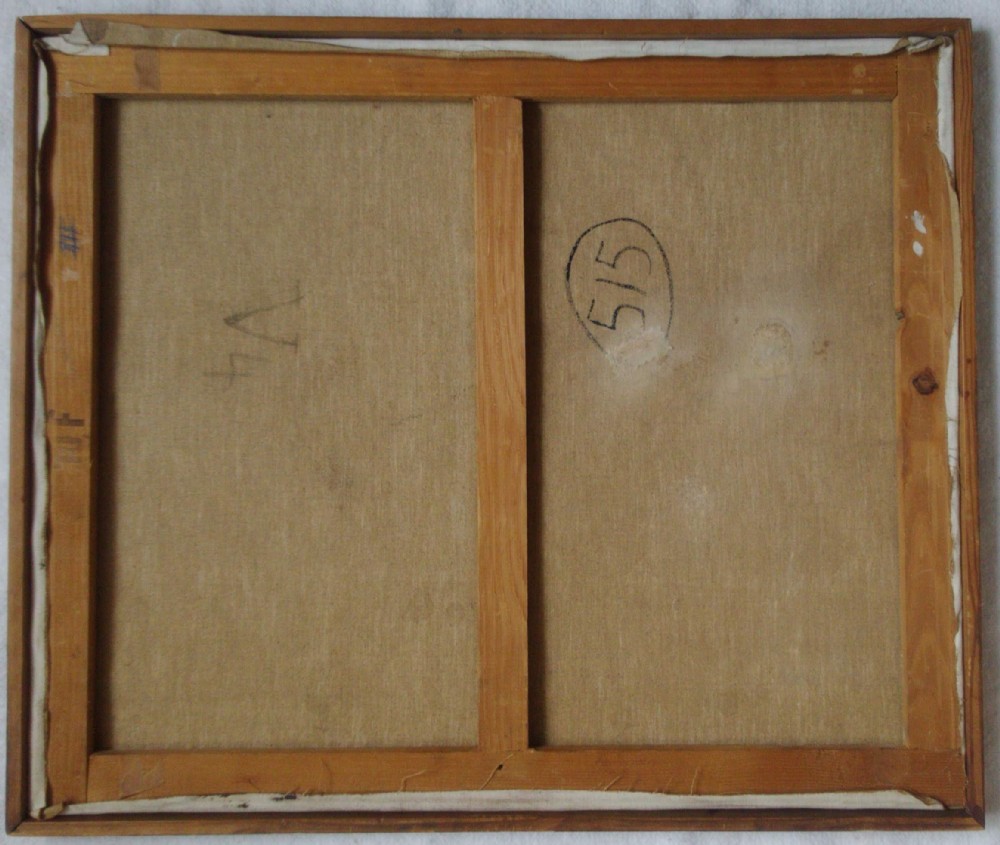
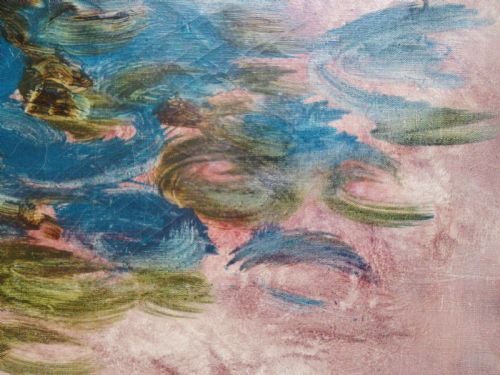
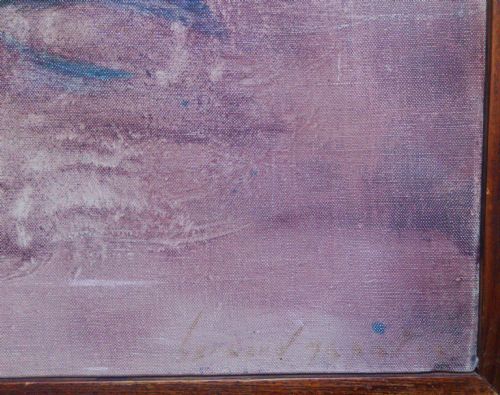
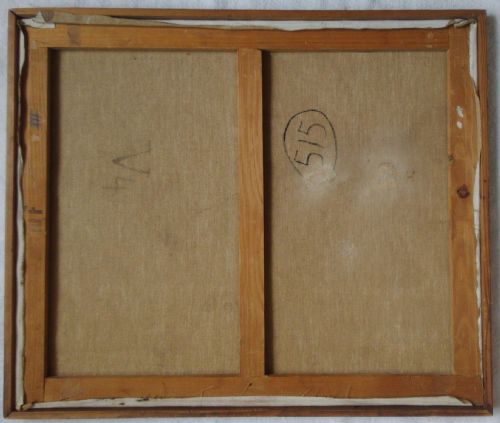
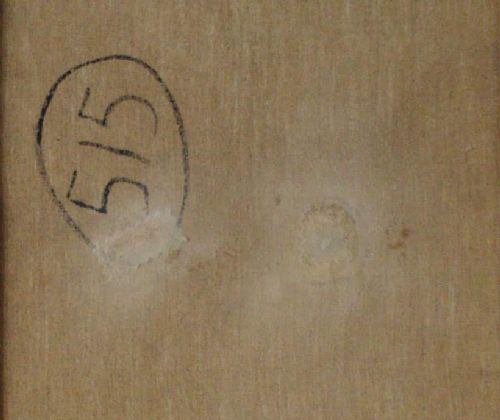
In good condition, with light stable craquelure and two tiny consolidations as visible on the photos, the painting is signed at the lower right, and bears indications on the verso of the canvas.

Physical Dimensions
Height
46cm (18.11")
Width
55cm (21.65")
Depth
1cm (0.39")
Declaration

Skippings Fine Arts has dated this piece to the 1950s.

Reference Numbers
Sellingantiques Reference
SA576963
Dealers Notes

Nous parlons français, und wir sprechen auch Deutsch! Paintings may be viewed in Norwich and in Paris, as well as in London and Cambridge by appointment. Please contact us if you would like further details and images of an artwork.

Description
Bernard Quentin is a fascinating artist whose work is concerned with finding "a universal language" in the form of symbols and colours.

I am using the present tense, as the artist is still alive today- at the ripe old age of 95.

The work presented here is an oil on canvas from 1959; and feels like the artist's universe in concentrated form.
Skippings Fine Arts

It has the lightness and effortlessness of Asian calligraphy combined with magnetic, subtle colouring (for Bernard Quentin, each colour bears meaning and signification). The result is simply magical.

fig 1. Symbols, Calligraphy, semiotic study, by Bernard Quentin, French antique abstract oil on canvas, 1959
fig 1. Symbols, Calligraphy, Semiotic Study, by Bernard Quentin, French Antique Abstract Oil on Canvas, 1959

Born in 1923 in the North of France,Bernard Quentin arrived in Paris around 1940 to study painting, sculpture and architecture at the Ecole Nationale des Arts Décoratifs and the Ecole Nationale des Beaux-Arts.

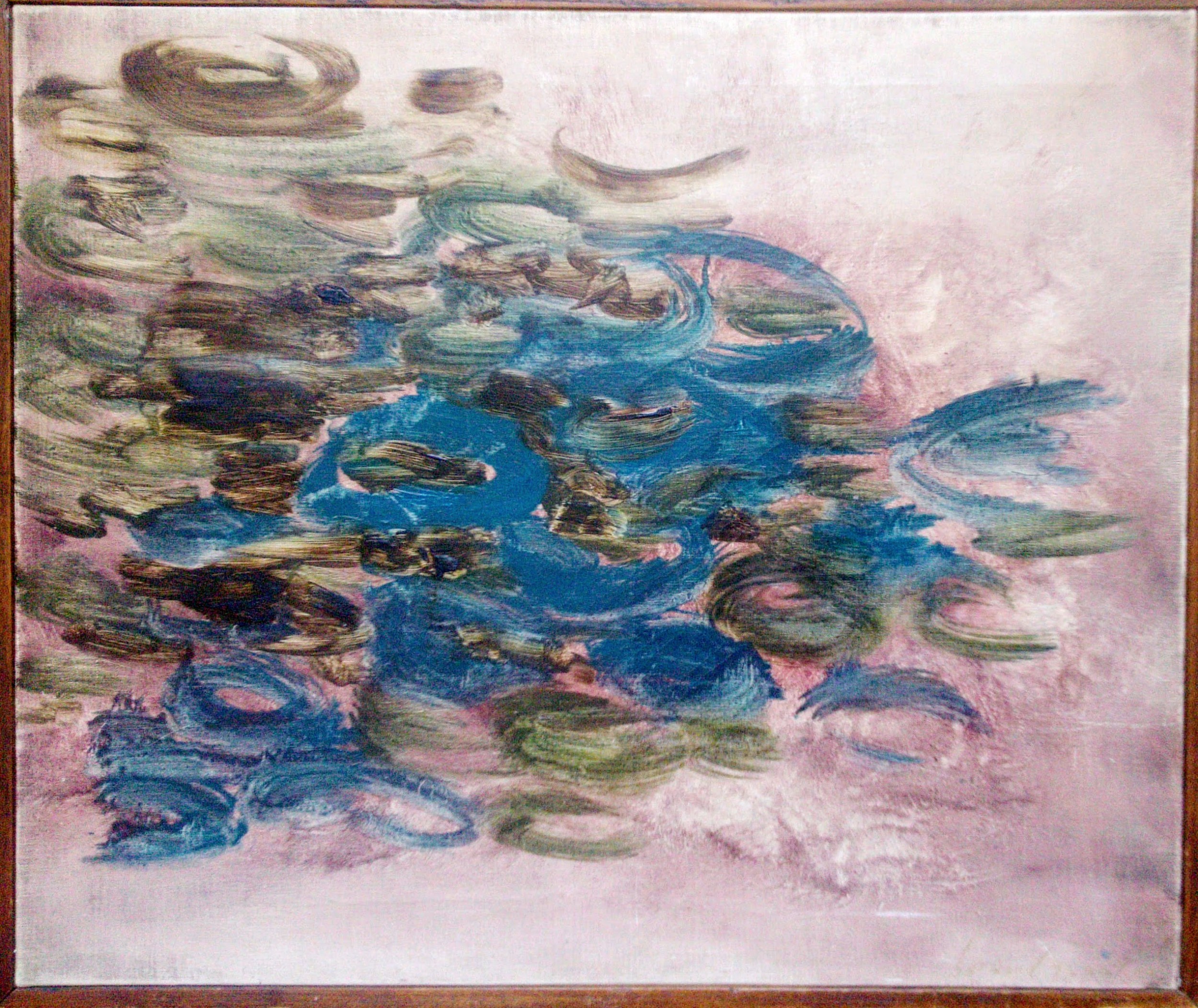
fig 2. Symbols, Calligraphy, semiotic study, by Bernard Quentin, French antique abstract oil on canvas, 1959
fig 2. Symbols, Calligraphy, Semiotic Study, by Bernard Quentin, French Antique Abstract Oil on Canvas, 1959

Active in the Resistance between 1942 and 1944, Bernard Quentin came to frequent the Maison de la Pensée Française in 1945, where he befriended Pablo Picasso.

He settled in Saint-Germain-des-Prés in 1946, where he moves in existentialist and surrealist circles along with painters Wols and Camille Bryen, writers Jean Paul Sartre and Boris Vian, and singer Juliette Greco - nicknamed "the existentialist's muse - who was Quentin's lover at the time/

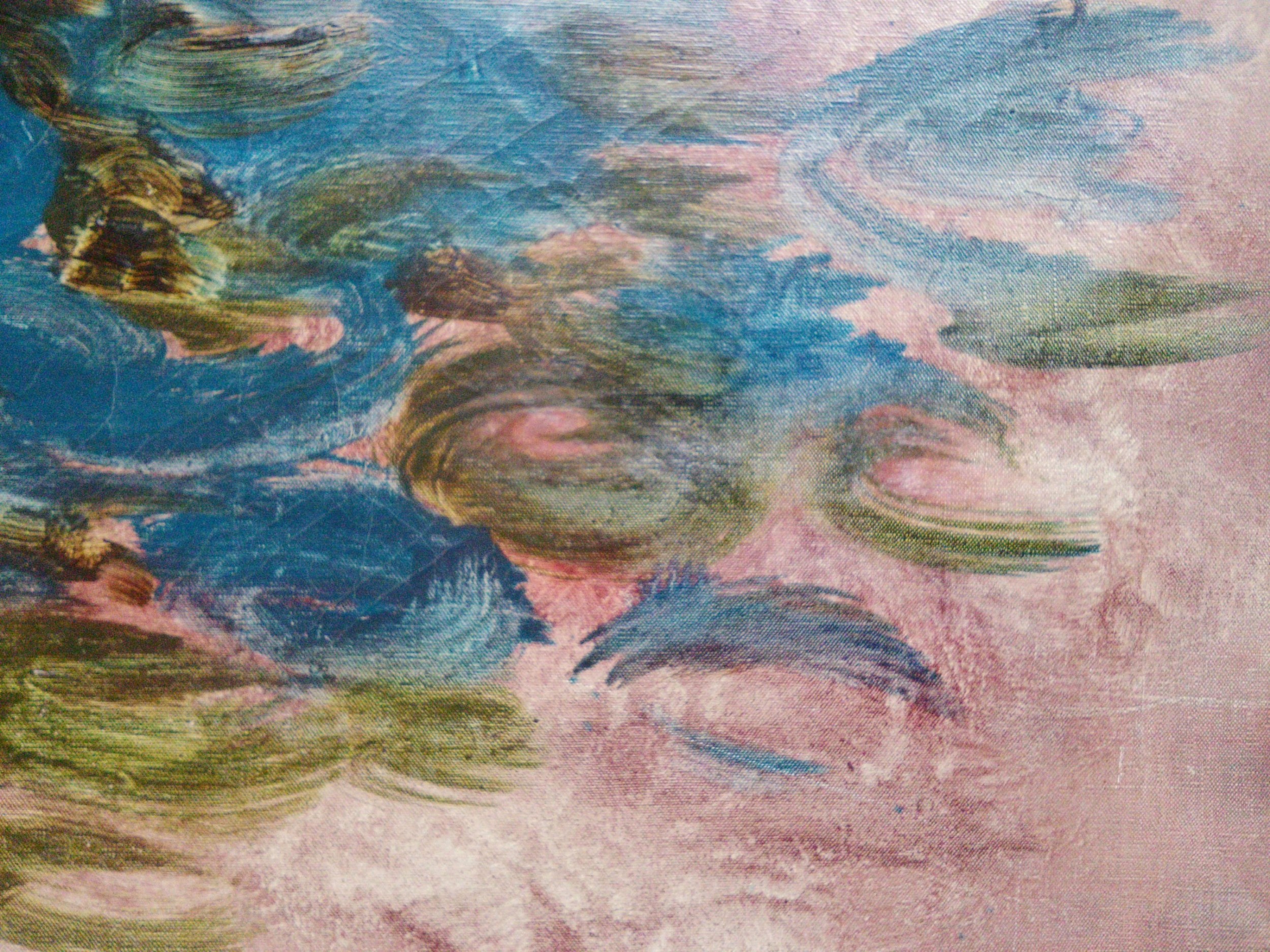
fig 3. Symbols, Calligraphy, semiotic study, by Bernard Quentin, French antique abstract oil on canvas, 1959
fig 3. Symbols, Calligraphy, Semiotic Study, by Bernard Quentin, French Antique Abstract Oil on Canvas, 1959

His first exhibition is in 1945 at the Maison de l’université in Paris. In Switzerland, Bernard Quentin discovers the works of Paul Klee. Fascinated by its poetic primitivism, it leads Quentin to permanently focus his work on letters and symbols by creating ideograms.

fig 4. Symbols, Calligraphy, semiotic study, by Bernard Quentin, French antique abstract oil on canvas, 1959
fig 4. Symbols, Calligraphy, Semiotic Study, by Bernard Quentin, French Antique Abstract Oil on Canvas, 1959

Bernard Quentin states his interest in cuneiform writing, rock inscriptions, Egyptian hieroglyphs and Scandinavian runes, the study of which will take him to spend the entire winter of 1948 in Lapland.

fig 5. Symbols, Calligraphy, semiotic study, by Bernard Quentin, French antique abstract oil on canvas, 1959
fig 5. Symbols, Calligraphy, Semiotic Study, by Bernard Quentin, French Antique Abstract Oil on Canvas, 1959

In 1947-1950, he exhibits the semiotic works that are the outcome of his research at the famed Galerie Maeght as part of the the group "Les Mains éblouies", which counts Joan Miró, Alberto Giacometti, Jean Signovert, Alexander Calder and Antoni Tapies as members.

fig 6. Symbols, Calligraphy, semiotic study, by Bernard Quentin, French antique abstract oil on canvas, 1959
fig 6. Symbols, Calligraphy, Semiotic Study, by Bernard Quentin, French Antique Abstract Oil on Canvas, 1959

In the 1960s, Bernard Quentin expands its investigations from painting to sculpture by running totem statues.

Simultaneously continuing to work on symbols, Bernard Quentin moved to Milan in 1962 for a period of two years, as part of an agreement with the Research Centre Olivetti, moving his work towards new technologies and computer science. Salvador Dalí then calls him a "pioneer of cybernetic art and electronic writing."

In 1977, Bernard Quentin creates with Jesus Rafael Soto, Jean Messagier, Jean-Pierre Raynaud, Pierre Restany and Serge Rezvani, the collective Art + with the aim to to extend art in monumental integrations to environment.

Bernard Quentin has never ceased to explore the range of possibilities included in every word, every sign, every spelling. Graffiti, shorthand, hieroglyphics, pictograms, kufic and Zen calligraphy, fiber optic and electronic letters form his "semiotic art".

Our oil on canvas measures 46 x 55 cm, plus its narrow original artist's frame.

In good condition, with light stable craquelure and two tiny consolidations as visible on the photos, the painting is signed at the lower right, and bears indications on the verso of the canvas.

Height
46cm (18.11")
Width
55cm (21.65")
Depth
1cm (0.39")
Date of Manufacture

Skippings Fine Arts has dated this piece to the 1950s.

Reference Numbers
Sellingantiques Ref
SA576963
Skippings Fine Arts
Skippings Fine Arts
Sellingantiques verified Since Feb 2018

Modern french & continental pictures selected by a former french auction house expert

Dealer Profile

You can view the stock and full dealer information on the Skippings Fine Arts Profile Page
PDF SHARE
SAVE
Symbols, Calligraphy, semiotic study, by Bernard Quentin, French antique abstract oil on canvas, 1959 SOLD6+ MONTHS AGO
1 / 7
Archive I Symbols, Calligraphy, semiotic study, by Bernard Quentin, French antique abstract oil on canvas, 1959 SOLD6+ MONTHS AGO

Symbols, Calligraphy, Semiotic Study, by Bernard Quentin, French Antique Abstract Oil on Canvas, 1959
Archive II Symbols, Calligraphy, semiotic study, by Bernard Quentin, French antique abstract oil on canvas, 1959  View II
Archive III Symbols, Calligraphy, semiotic study, by Bernard Quentin, French antique abstract oil on canvas, 1959  View III
Archive IV Symbols, Calligraphy, semiotic study, by Bernard Quentin, French antique abstract oil on canvas, 1959  View IV
Archive V Symbols, Calligraphy, semiotic study, by Bernard Quentin, French antique abstract oil on canvas, 1959  View V
Archive VI Symbols, Calligraphy, semiotic study, by Bernard Quentin, French antique abstract oil on canvas, 1959  View VI
Archive VII Symbols, Calligraphy, semiotic study, by Bernard Quentin, French antique abstract oil on canvas, 1959  View VII
Enlarged Archival View
Telephone 0747 257 2398
Location
Norfolk
United Kingdom

By appointment
Verified Since Feb 2018
Items For Sale 167
Items Sold 686
Skippings Fine Arts
Skippings Fine Arts
Verified Since Feb 2018
View Dealer Info
Location: Norfolk, United Kingdom, , By appointment
Verified
Feb 2018
For Sale
167
Sold
686
Symbols, Calligraphy, semiotic study, by Bernard Quentin, French antique abstract oil on canvas, 1959
Ref: SA576963
Symbols, Calligraphy, semiotic study, by Bernard Quentin, French antique abstract oil on canvas, 1959
Detail View 1
Detail View 2
Detail View 3
Detail View 4
Detail View 5
Detail View 6
Archival Detail
Every single antique dealer on our platform is individually approved by our internal team. We verify their professional trade history, ethical standards, and photographic quality to ensure a secure, high-standard buying environment. Upon joining, every dealer agrees to a strict 9-point code of conduct. While issues can occasionally arise, our dealers typically resolve them swiftly and directly with the buyer. In fact, since our founding in 2002, Sellingantiques has only had to step in to help resolve an issue on roughly five occasions—a true testament to the quality of our dealers and their dedication to your happiness.
Our dealers are highly experienced in packing and shipping fragile, high-value antiques. Because you are in direct contact with the dealer, you will be able to easily go through all available shipping and insurance options together to ensure your item arrives safely.
Antiques are the ultimate green purchase. By choosing historical pieces over newly manufactured goods, you completely eliminate the carbon footprint of modern mass production while preserving exceptional, timeless craftsmanship.
Written by Sellingantiques from the dealer’s photographs and listing
  • Period1940 - 1960
  • SizeH 46 cm (18 in) x W 55 cm (22 in) x D 1 cm (0 in)
items
Add keywords to the filter
Price
£100
£250000
Era
Movements
Material
Origin
Stock Location
Freshness
Online Payments
Categories