Titan Fine Art has dated this piece to the 17th Century.
At her death she was the wealthiest noblewoman in England by some accounts.
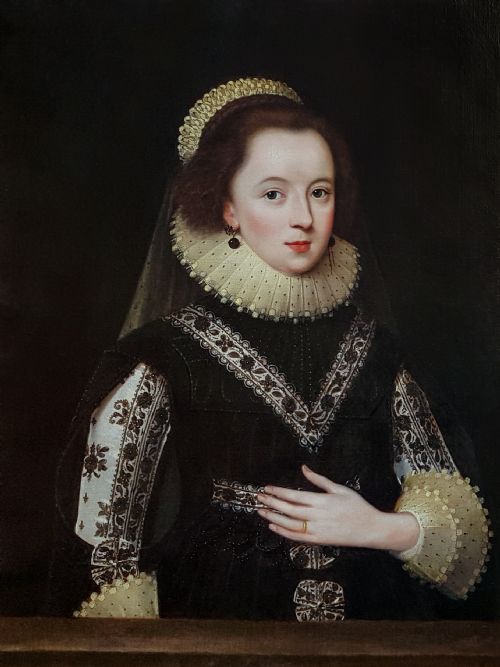
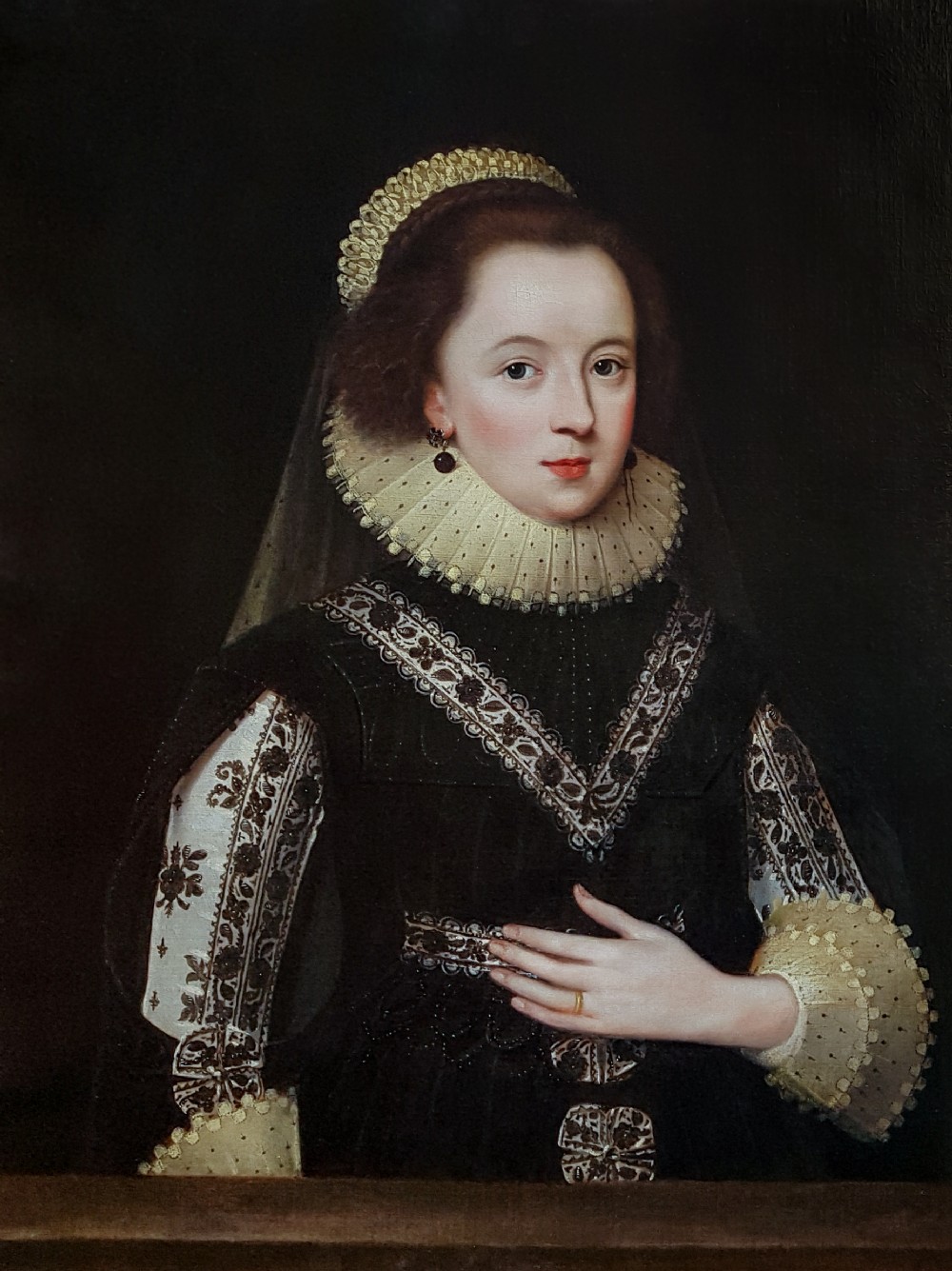
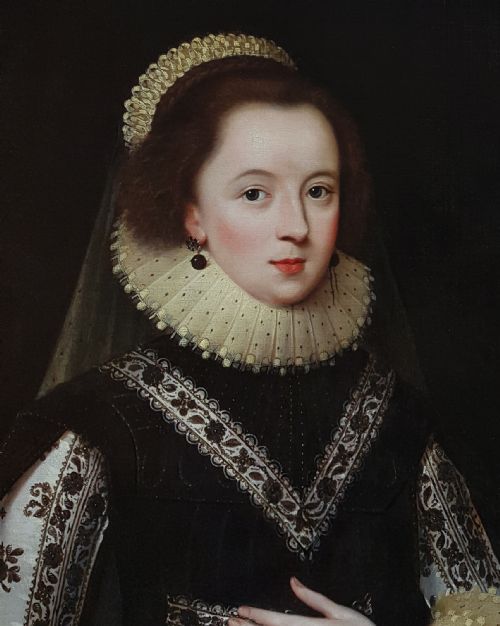
She spent much of her life in a long and complex legal battle to obtain the rights of her inheritance. Her fascinating story is known through a huge array of writing and accounts that she compiled throughout her entire life. These accounts provide a rare and interesting glimpse into life during the 17th century and are immensely important. She describes the deaths of kings and queens, civil wars, the Great Plague, and the Great Fire of London. She commissioned numerous portraits, including two large triptychs and works of family history. She sat to Larkin, van Somer, and Van Dyke (and possibly Marcus Gheeraerts the Younger, Dobson, Mytens, Gilbert Jackson, and Peter Lely) and it is well documented that she had many copies of her portraits sent to friends and family (between 1670-1675 alone she had 16 copies of her various portraits made). This was a time when it is common to make and distribute multiple copies of portraits, both at the time of painting and later, both by the same hand and by copyists. A very similar portrait of the sitter to our portrait exists at Nostell Priory, West Yorkshire.
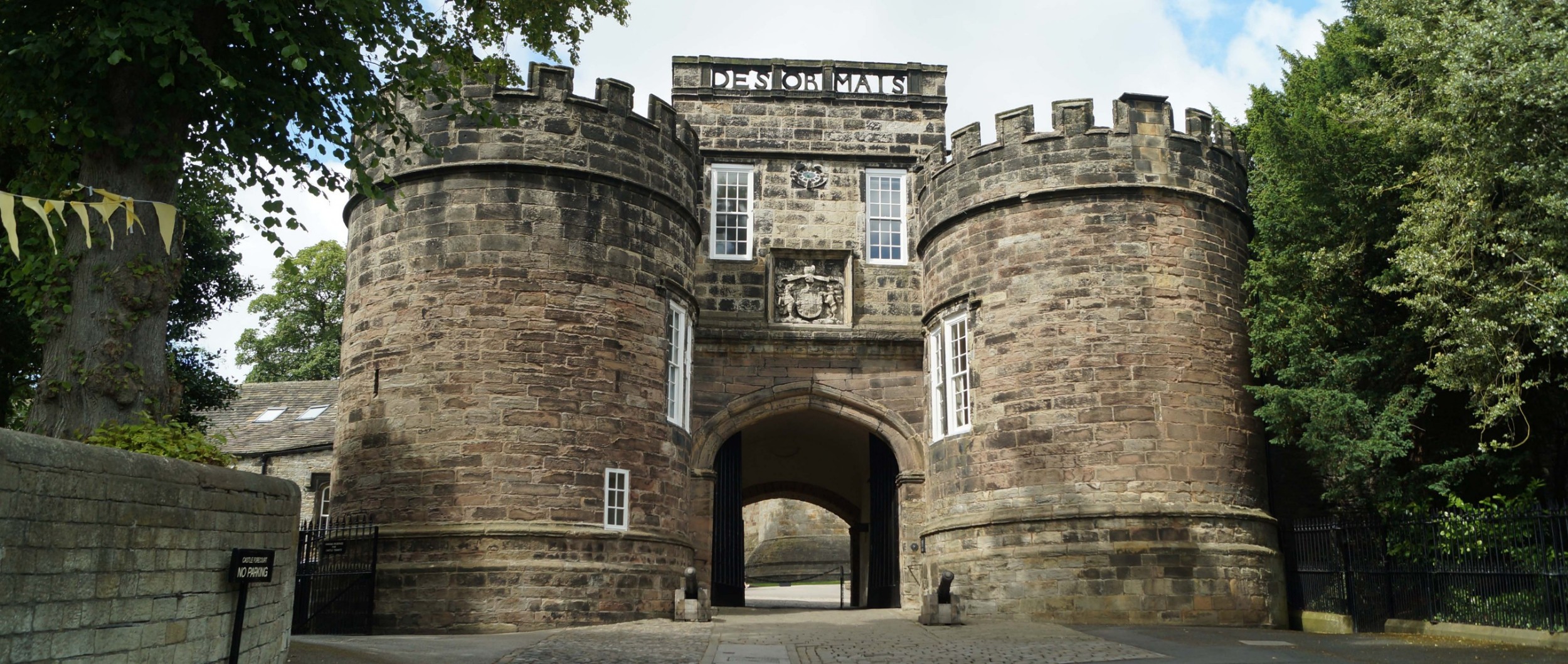
Anne Clifford was born in 1589 at Skipton Castle, the daughter of George Clifford, 3rd earl of Cumberland and his wife Margaret. Her father was an extravagant courtier and naval admiral and was one of the most glamourous members of the old aristocracy at the royal court of Elizabeth I. Anne was the only surviving child when her father died but she did not inherit her father's vast estates - the Clifford family lands were extensive and included the great castles of Skipton, Brougham, Brough and Appleby. Instead these lands and titles where left to her uncle, Francis Clifford, and Anne was to receive £15,000 in compensation. This was a direct breach of an entail which stated that the Clifford estates should descend lineally to the eldest heir, whether male or female, dating back to the time of King Edward II. From that moment, Anne's mission in life was to regain what she viewed as her rightful inheritance and thus ensued almost forty years of relentless litigation.
To bolster her case, with the professional help of clerks and antiquarians, she became a remarkable family historian, producing manuscript volumes detailing or reproducing in full all the currently available evidence of her family's history and estates dating back to the 1100s. The most notable of these genealogical writings is her ‘Great Books of Record’, a series of three 1,000-page sets consisting of three volumes each which reflects the lives of peasants, merchants and labourers as well as monarchs and the aristocracy. A one-volume abridgement of these was also created. The earliest documents in the Great Books dates from 1088, and after Anne Clifford’s death her descendants added material until the 1730s. Lady Anne also incorporated in these manuscripts her autobiography entitled ‘A Summary of the Records and a True Memorial of the Life of Mee the Lady Anne Clifford’, dated 1652, and she continued to write this until the day of her death. She also kept diaries, as well as financial accounts, and one of her early journals including verses probably by her tutor (until 1602).
In 1609 she married her first husband, Richard Sackville, 3rd Earl of Dorset, who was a notorious wastrel and spendthrift; he almost sp
Titan Fine Art has dated this piece to the 17th Century.
Specialist in 17th & 18thc portraits. Highly curated selection, museum-level research & pro conservation. Exceptional art, expertly vetted.
You can view the stock and full dealer information on the Titan Fine Art Profile Page
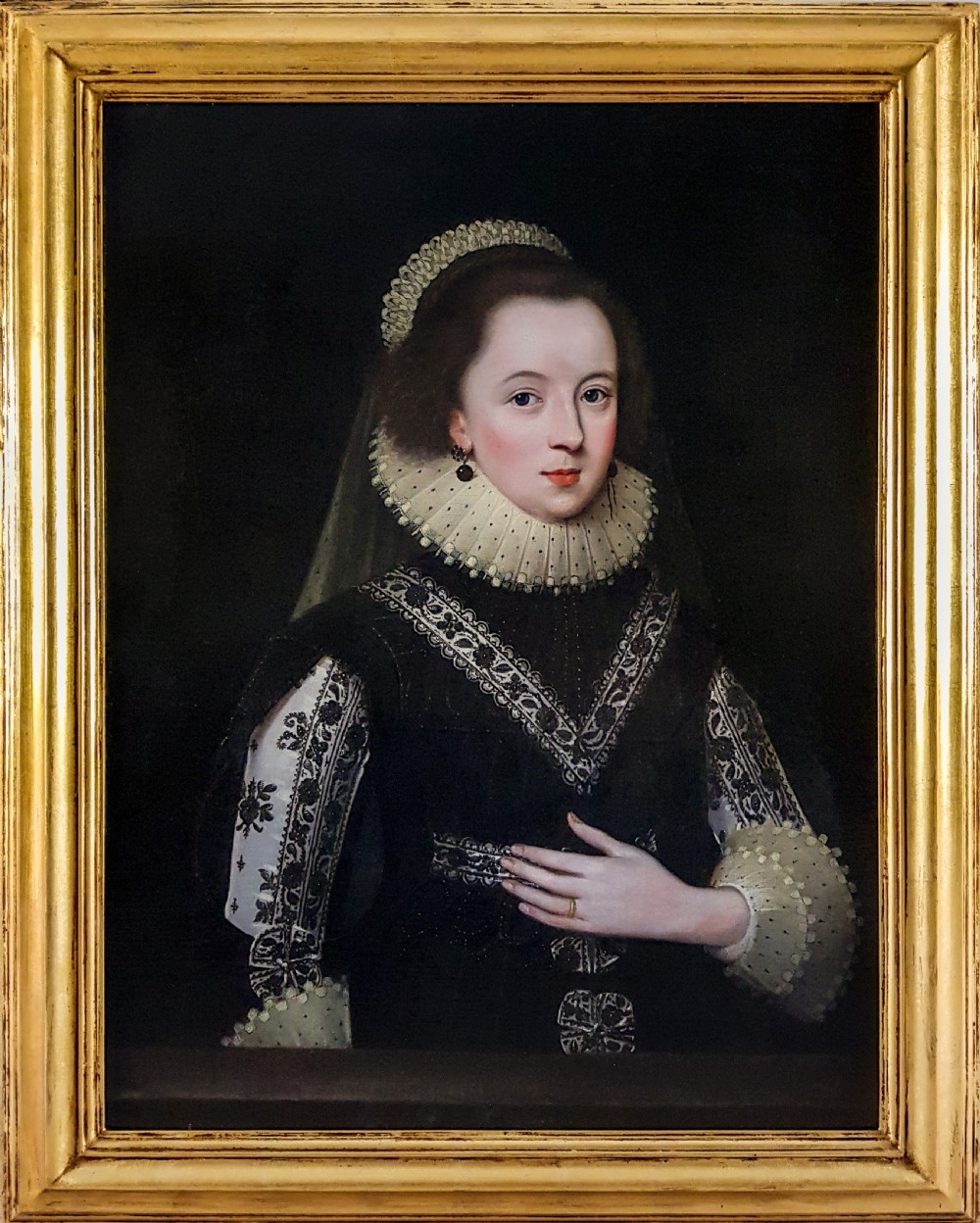

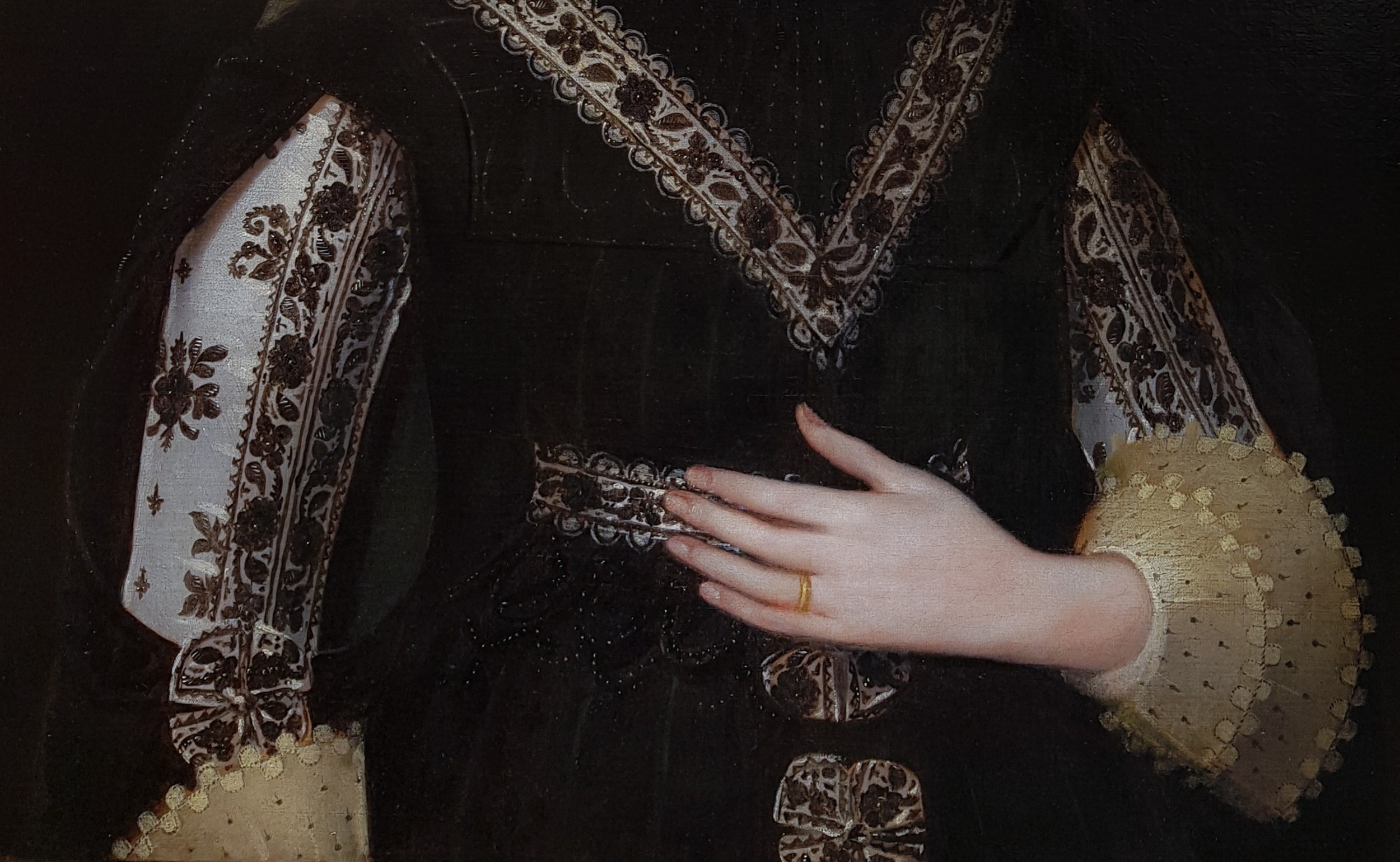
Portrait of Lady Anne Clifford, Countess of Dorset and Countess of Pembroke and Montgomery (1590-1676) C.1618; Circle of Paul Van Somer (C.1577 - C.1621)