67,477  PAGES BROWSED TODAY PAGES TODAY 170  ANTIQUES UPLOADED TODAY NEW ARRIVALS
Sort Order
Items Per Page
ID #SA553503
SOLD
Email
Save
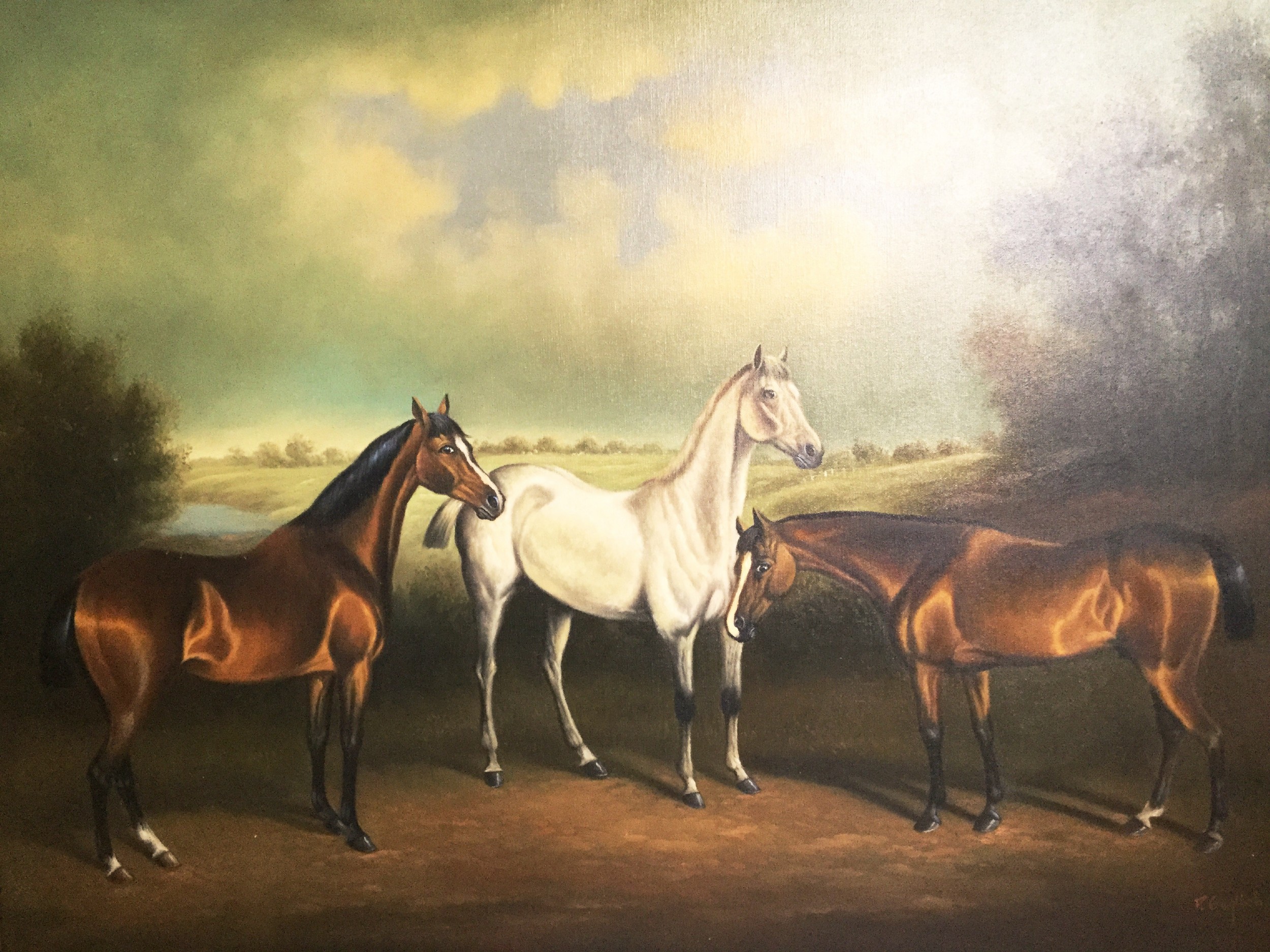
Fine Antique Art Large Oil Painting on Canvas of Horses in a Countryside Landscape Equestrian Pictures After Artist George Stubbs (1724-1806) Decorative Swept Gilt Frames
Mansion House Antiques & Fine Art
sold SA553503
Sorry, but this item has been sold.
Mansion House Antiques & Fine Art

Mansion House Antiques & Fine Art

Sellingantiques Verified Since Nov 2009
View Dealers Stock Page
  • About Us
    Private fine art dealer specialising in quality 17th 18th 19th & 20thc oil paintings shipping worldwide
Id #SA553503
PDF SHARE
SAVE

Fine Antique Art Large Oil Painting on Canvas of Horses in a Countryside Landscape Equestrian Pictures After Artist George Stubbs (1724-1806) Decorative Swept Gilt Frames

1940 - 1960
Description

I am delighted to offer this huge oil acrylic oil painting on canvas of wild horses in a rural landscape beautifully executed in the style of similar works by the famous equine artist George Stubbs.

-

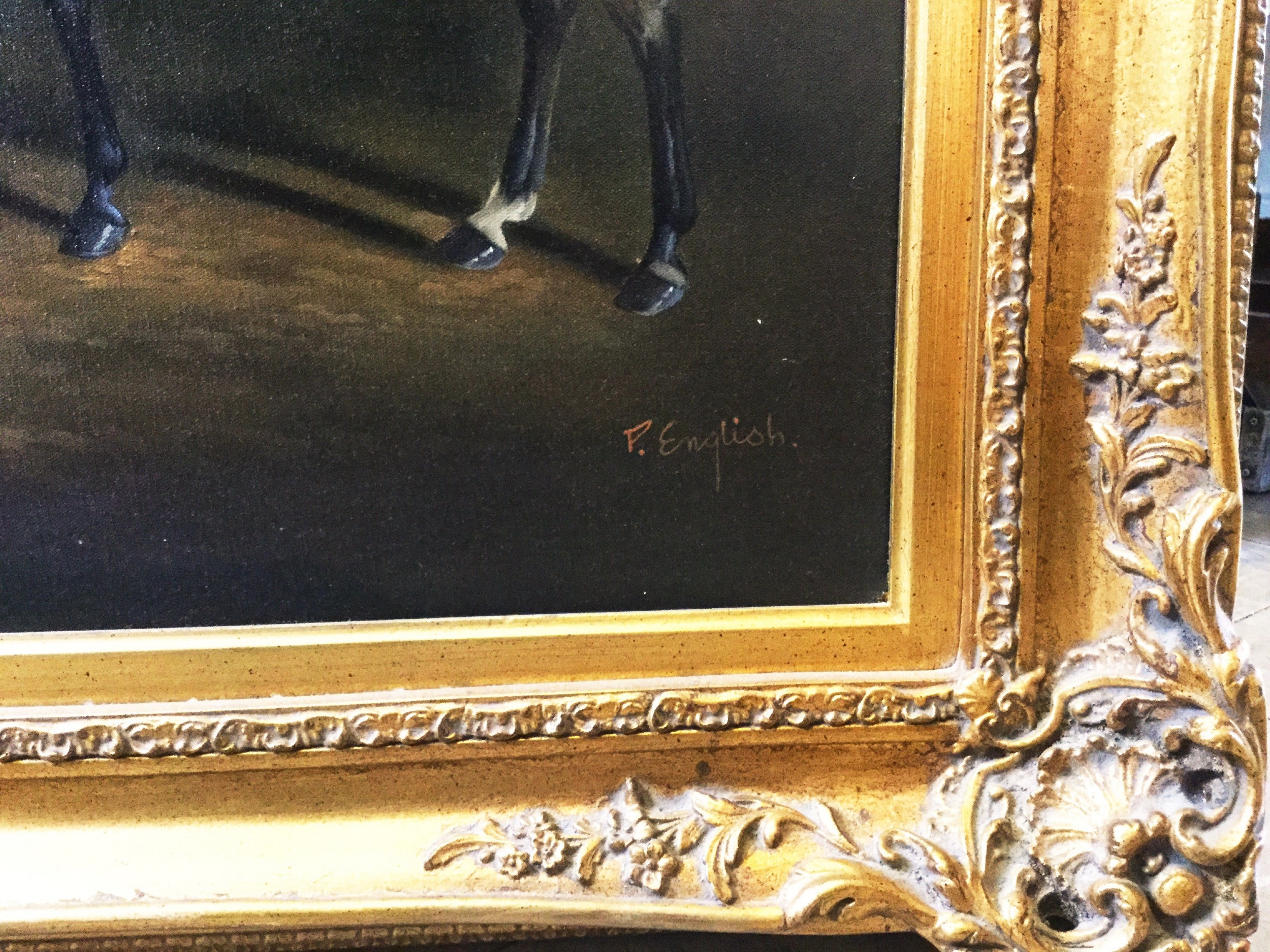
The painting is of good quality featuring a very popular subject matter which will appeal to a wide audience and is extremely well painted by a very competent English artist who has signed in the llower right bottom corner as P.English.

-

ABOUT ARTIST GEORGE STUBBS (1724-1806 )

Stubbs was born in Liverpool, the son of a currier, or leather-dresser, John Stubbs, and his wife Mary.

Stubbs worked at his father's trade until the age of 15 or 16, at which point he told his father that he wished to become a painter.

-

Stubbs subsequently approached the Lancashire painter and engraver Hamlet Winstanley, and was briefly engaged by him in a sort of apprenticeship relationship, probably not more than several weeks in duration.Having initially demonstrated his abilities and agreed to do some copying work, Stubbs had access to and opportunity to study the collection at Knowsley Hall, the estate where Winstanley was then residing

-

Thereafter as an artist he was self-taught. He had had a passion for anatomy from his childhood,[2] and in or around 1744, he moved to York, in the North of England, to pursue his ambition to study the subject under experts.

-

In 1754 Stubbs visited Italy.Forty years later he told Ozias Humphry that his motive for going to Italy was, "to convince himself that nature was and is always superior to art whether Greek or Roman, and having renewed this conviction he immediately resolved upon returning home".

-

In 1756 he rented a farmhouse in the village of Horkstow, Lincolnshire, and spent 18 months dissecting horses, assisted by his common-law wife, Mary Spencer.He moved to London in about 1759 and in 1766 published The anatomy of the Horse.

The original drawings are now in the collection of the Royal Academy.

-

Even before his book was published, Stubbs's drawings were seen by leading aristocratic patrons, who recognised that his work was more accurate than that of earlier horse painters such as James Seymour, Peter Tillemans and John Wootton. In 1759 the 3rd Duke of Richmond commissioned three large pictures from him, and his career was soon secure.

-

By 1763 he had produced works for several more dukes and other lords and was able to buy a house in Marylebone, a fashionable part of London, where he lived for the rest of his life.

-

His most famous work is probably Whistlejacket, a painting of a prancing horse commissioned by the 2nd Marquess of Rockingham, which is now in the National Gallery in London. This and two other paintings carried out for Rockingham break with convention in having plain backgrounds.

-

Throughout the 1760s he produced a wide range of individual and group portraits of horses, sometimes accompanied by hounds. He often painted horses with their grooms, whom he always painted as individuals.

-

He remained active into his old age. In the 1780s he produced a pastoral series called Haymakers and Reapers, and in the early 1790s he enjoyed the patronage of the Prince of Wales, whom he painted on horseback in 1791.

-

Stubbs's died at the age of 81 on 10 July 1806, in London.

-

Stubbs had a son George Townly Stubbs who became an engraver and printmaker.

-

DATELINE

This painting in our opinion dates somewhere upwards possibly from the 1950's- 1960's latest based on the frame design and is thought to be at least 60 years of age.

-

FRAME

The antique gilt and plater frame is a good example in excellent condition.

FRAMED MEASUREMENTS

Height 38.5 Inches ( 98 cm )

Width. 48.5 Inches ( 123 cm )

-

CONDITION

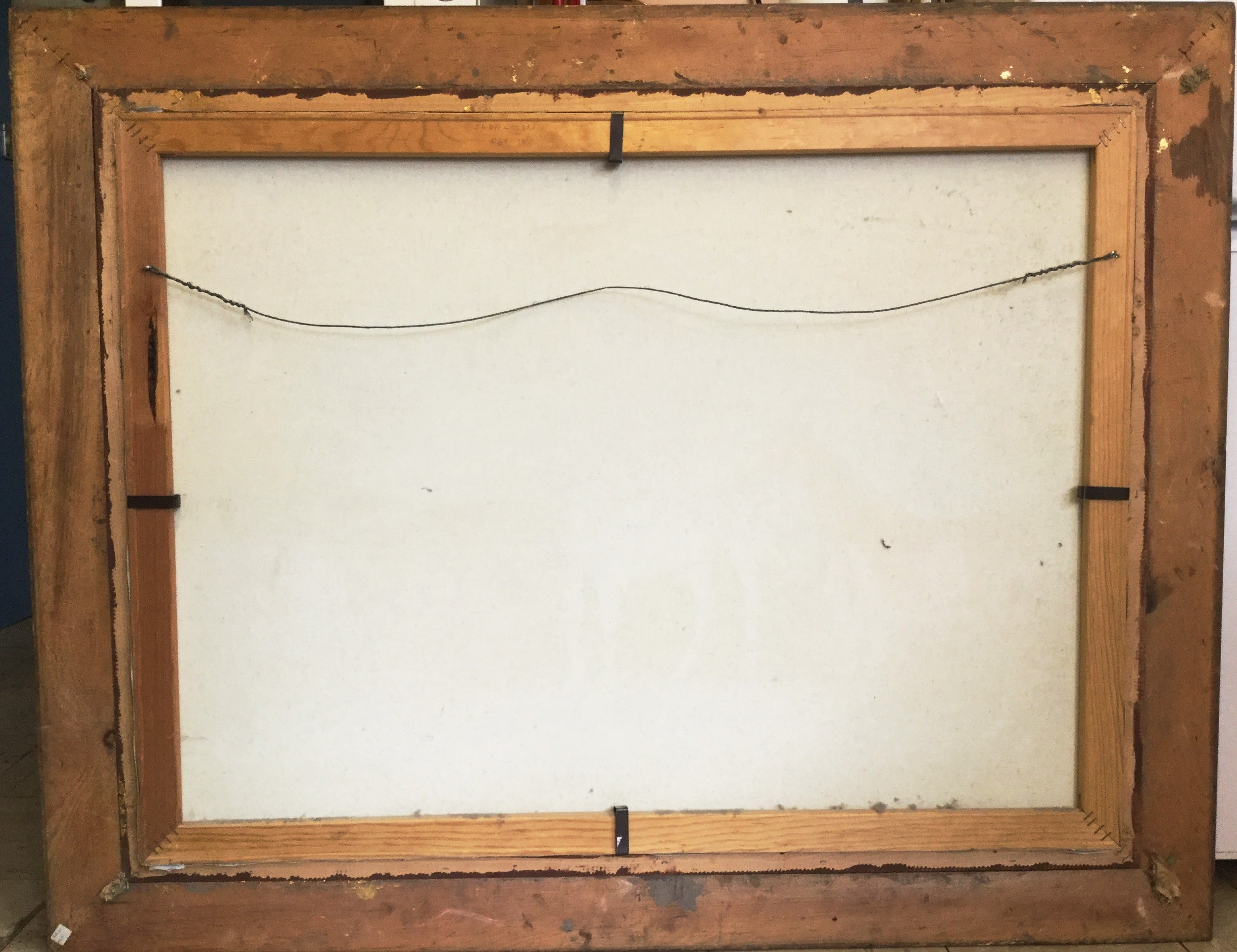
The painting canvas is in very good order.

-

DELIVERY

UK Courier ( 7-10 Days ) By Hand Add £80

International Shipping Quotes On Request

-

TELEPHONE 07765 856171

Physical Dimensions
Height
98cm (38.58")
Width
123cm (48.43")
Depth
5cm (1.97")
Declaration

Mansion House Antiques & Fine Art has dated this piece to the 1950s.

Reference Numbers
Sellingantiques Reference
SA553503
Dealers Internal Reference
0785
Dealers Notes

Payments are accepted by Bank Transfer & by Debit / Credit Cards Via the BUY NOW Payment Link Tab shown below each items description.

PAY-PAL Account Holders are welcome. CHEQUES Drawn from UK banks.

Description
I am delighted to offer this huge oil acrylic oil painting on canvas of wild horses in a rural landscape beautifully executed in the style of similar works by the famous equine artist George Stubbs.

The painting is of good quality featuring a very popular subject matter which will appeal to a wide audience and is extremely well painted by a very competent English artist who has signed in the llower right bottom corner as P.English.

fig 1. Fine Antique Art Large Oil Painting On Canvas of Horses In A Countryside Landscape Equestrian Pictures After Artist George Stubbs (1724-1806) Decorative Swept Gilt Frames
fig 1. Fine Antique Art Large Oil Painting on Canvas of Horses in a Countryside Landscape Equestrian Pictures After Artist George Stubbs (1724-1806) Decorative Swept Gilt Frames

ABOUT ARTIST GEORGE STUBBS (1724-1806 )

Stubbs was born in Liverpool, the son of a currier, or leather-dresser, John Stubbs, and his wife Mary.
Mansion House Antiques & Fine Art

Stubbs worked at his father's trade until the age of 15 or 16, at which point he told his father that he wished to become a painter.

fig 2. Fine Antique Art Large Oil Painting On Canvas of Horses In A Countryside Landscape Equestrian Pictures After Artist George Stubbs (1724-1806) Decorative Swept Gilt Frames
fig 2. Fine Antique Art Large Oil Painting on Canvas of Horses in a Countryside Landscape Equestrian Pictures After Artist George Stubbs (1724-1806) Decorative Swept Gilt Frames

Stubbs subsequently approached the Lancashire painter and engraver Hamlet Winstanley, and was briefly engaged by him in a sort of apprenticeship relationship, probably not more than several weeks in duration.Having initially demonstrated his abilities and agreed to do some copying work, Stubbs had access to and opportunity to study the collection at Knowsley Hall, the estate where Winstanley was then residing

fig 3. Fine Antique Art Large Oil Painting On Canvas of Horses In A Countryside Landscape Equestrian Pictures After Artist George Stubbs (1724-1806) Decorative Swept Gilt Frames
fig 3. Fine Antique Art Large Oil Painting on Canvas of Horses in a Countryside Landscape Equestrian Pictures After Artist George Stubbs (1724-1806) Decorative Swept Gilt Frames

Thereafter as an artist he was self-taught. He had had a passion for anatomy from his childhood,[2] and in or around 1744, he moved to York, in the North of England, to pursue his ambition to study the subject under experts.

fig 4. Fine Antique Art Large Oil Painting On Canvas of Horses In A Countryside Landscape Equestrian Pictures After Artist George Stubbs (1724-1806) Decorative Swept Gilt Frames
fig 4. Fine Antique Art Large Oil Painting on Canvas of Horses in a Countryside Landscape Equestrian Pictures After Artist George Stubbs (1724-1806) Decorative Swept Gilt Frames

In 1754 Stubbs visited Italy.Forty years later he told Ozias Humphry that his motive for going to Italy was, "to convince himself that nature was and is always superior to art whether Greek or Roman, and having renewed this conviction he immediately resolved upon returning home".

fig 5. Fine Antique Art Large Oil Painting On Canvas of Horses In A Countryside Landscape Equestrian Pictures After Artist George Stubbs (1724-1806) Decorative Swept Gilt Frames
fig 5. Fine Antique Art Large Oil Painting on Canvas of Horses in a Countryside Landscape Equestrian Pictures After Artist George Stubbs (1724-1806) Decorative Swept Gilt Frames

In 1756 he rented a farmhouse in the village of Horkstow, Lincolnshire, and spent 18 months dissecting horses, assisted by his common-law wife, Mary Spencer.He moved to London in about 1759 and in 1766 published The anatomy of the Horse.

fig 6. Fine Antique Art Large Oil Painting On Canvas of Horses In A Countryside Landscape Equestrian Pictures After Artist George Stubbs (1724-1806) Decorative Swept Gilt Frames
fig 6. Fine Antique Art Large Oil Painting on Canvas of Horses in a Countryside Landscape Equestrian Pictures After Artist George Stubbs (1724-1806) Decorative Swept Gilt Frames

The original drawings are now in the collection of the Royal Academy.

Even before his book was published, Stubbs's drawings were seen by leading aristocratic patrons, who recognised that his work was more accurate than that of earlier horse painters such as James Seymour, Peter Tillemans and John Wootton. In 1759 the 3rd Duke of Richmond commissioned three large pictures from him, and his career was soon secure.

By 1763 he had produced works for several more dukes and other lords and was able to buy a house in Marylebone, a fashionable part of London, where he lived for the rest of his life.

His most famous work is probably Whistlejacket, a painting of a prancing horse commissioned by the 2nd Marquess of Rockingham, which is now in the National Gallery in London. This and two other paintings carried out for Rockingham break with convention in having plain backgrounds.

Throughout the 1760s he produced a wide range of individual and group portraits of horses, sometimes accompanied by hounds. He often painted horses with their grooms, whom he always painted as individuals.

He remained active into his old age. In the 1780s he produced a pastoral series called Haymakers and Reapers, and in the early 1790s he enjoyed the patronage of the Prince of Wales, whom he painted on horseback in 1791.

Stubbs's died at the age of 81 on 10 July 1806, in London.

Stubbs had a son George Townly Stubbs who became an engraver and printmaker.

DATELINE

This painting in our opinion dates somewhere upwards possibly from the 1950's- 1960's latest based on the frame design and is thought to be at least 60 years of age.

FRAME

The antique gilt and plater frame is a good example in excellent condition.

FRAMED MEASUREMENTS

Height 38.5 Inches ( 98 cm )

Width. 48.5 Inches ( 123 cm )

CONDITION

The painting canvas is in very good order.

DELIVERY

UK Courier ( 7-10 Days ) By Hand Add £80

International Shipping Quotes On Request

TELEPHONE 07765 856171

Height
98cm (38.58")
Width
123cm (48.43")
Depth
5cm (1.97")
Date of Manufacture

Mansion House Antiques & Fine Art has dated this piece to the 1950s.

Reference Numbers
Sellingantiques Ref
SA553503
Dealers Internal Ref
0785
Mansion House Antiques & Fine Art
Sellingantiques verified Since Nov 2009

Private fine art dealer specialising in quality 17th 18th 19th & 20thc oil paintings shipping worldwide

Dealer Profile

You can view the stock and full dealer information on the Mansion House Antiques & Fine Art Profile Page

PDF SHARE
SAVE
Fine Antique Art Large Oil Painting On Canvas of Horses In A Countryside Landscape Equestrian Pictures After Artist George Stubbs (1724-1806) Decorative Swept Gilt Frames
1 / 7
Archive I Fine Antique Art Large Oil Painting On Canvas of Horses In A Countryside Landscape Equestrian Pictures After Artist George Stubbs (1724-1806) Decorative Swept Gilt Frames

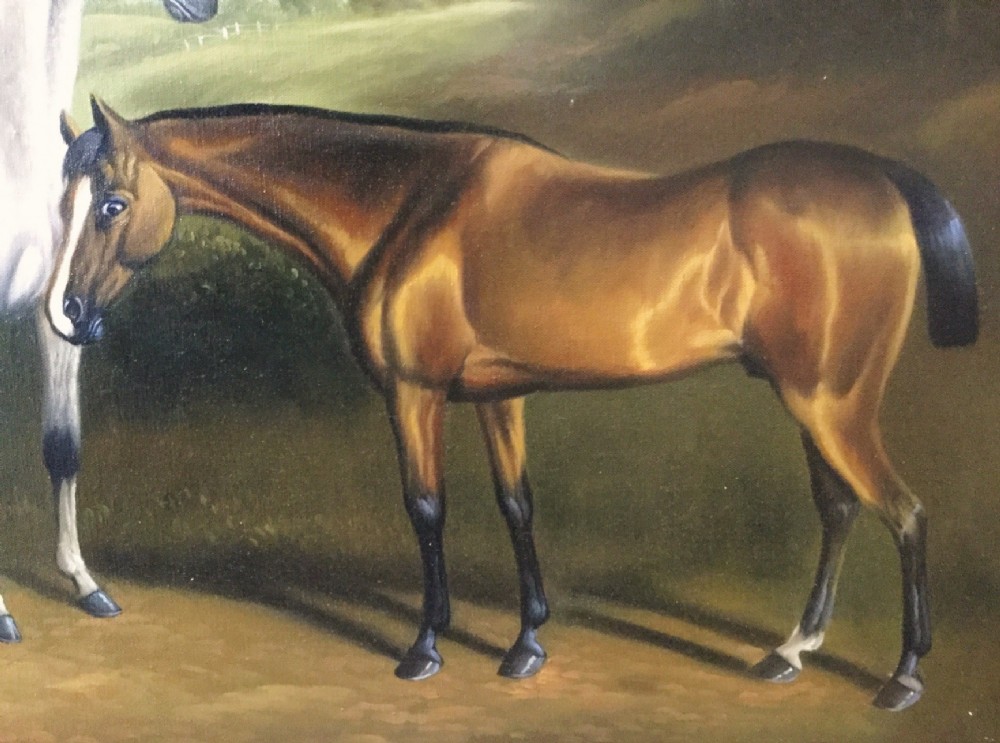
Fine Antique Art Large Oil Painting on Canvas of Horses in a Countryside Landscape Equestrian Pictures After Artist George Stubbs (1724-1806) Decorative Swept Gilt Frames
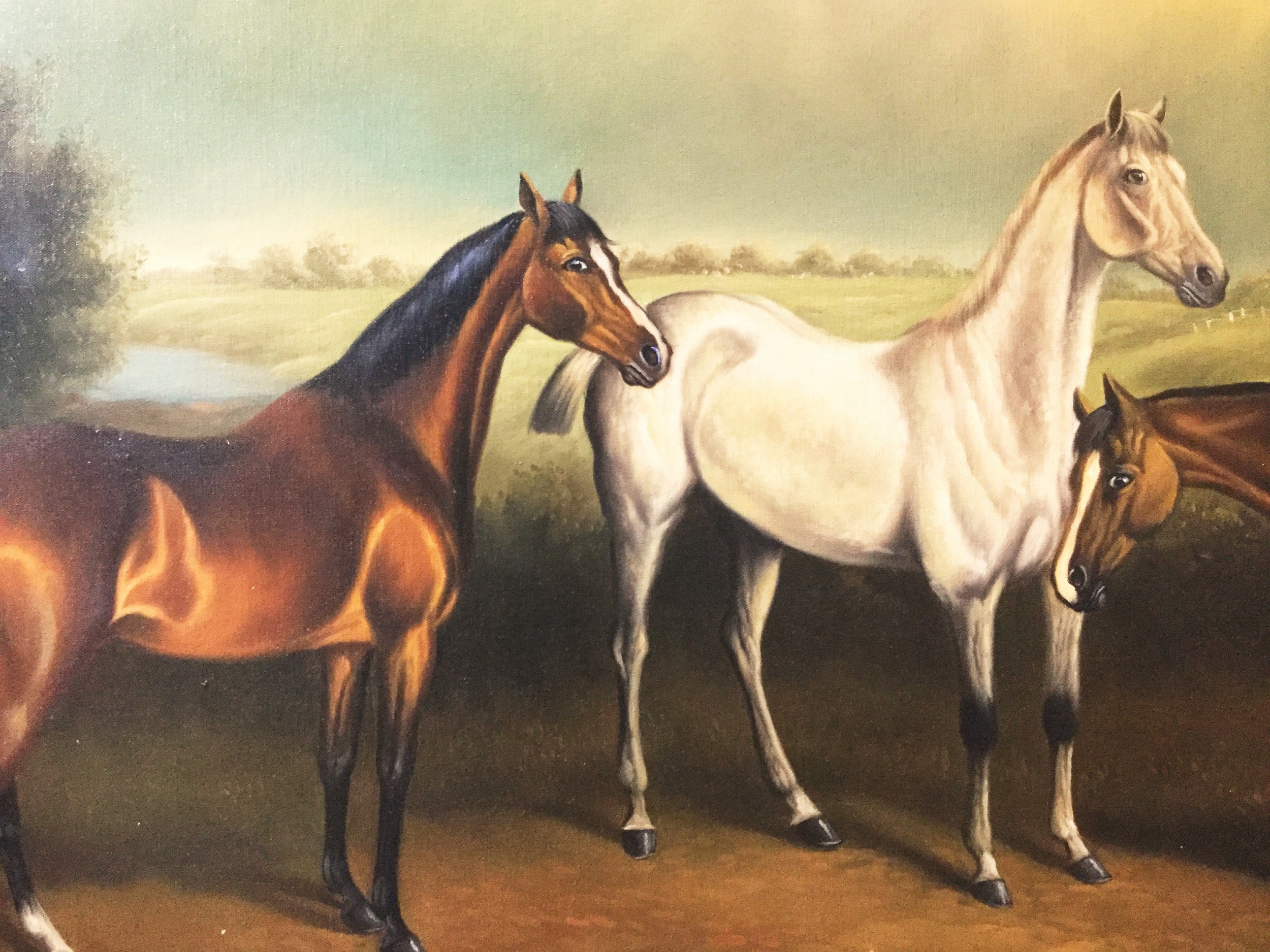
Archive II Fine Antique Art Large Oil Painting On Canvas of Horses In A Countryside Landscape Equestrian Pictures After Artist George Stubbs (1724-1806) Decorative Swept Gilt Frames View II
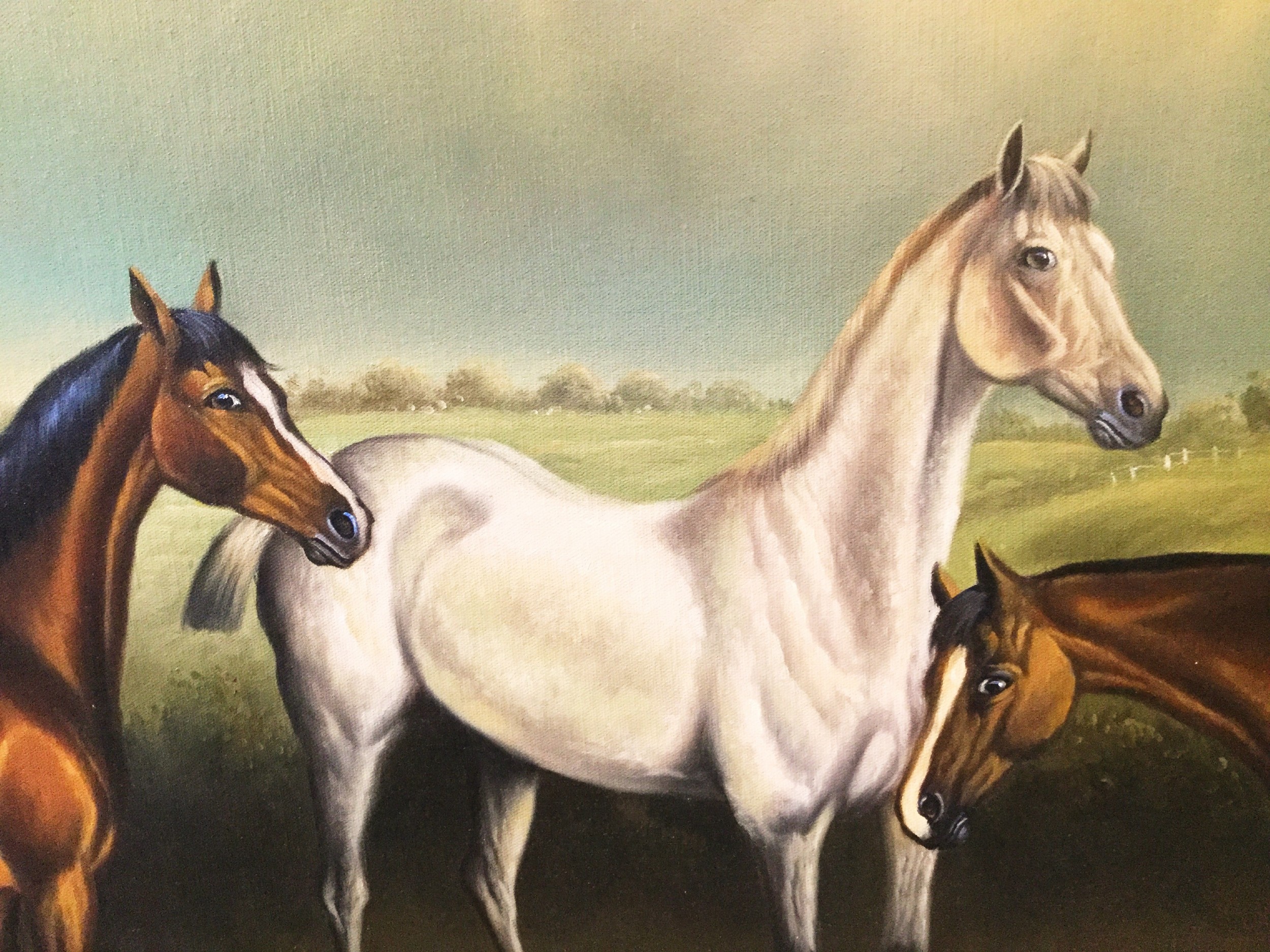
Archive III Fine Antique Art Large Oil Painting On Canvas of Horses In A Countryside Landscape Equestrian Pictures After Artist George Stubbs (1724-1806) Decorative Swept Gilt Frames View III
Archive IV Fine Antique Art Large Oil Painting On Canvas of Horses In A Countryside Landscape Equestrian Pictures After Artist George Stubbs (1724-1806) Decorative Swept Gilt Frames View IV
Archive V Fine Antique Art Large Oil Painting On Canvas of Horses In A Countryside Landscape Equestrian Pictures After Artist George Stubbs (1724-1806) Decorative Swept Gilt Frames View V
Archive VI Fine Antique Art Large Oil Painting On Canvas of Horses In A Countryside Landscape Equestrian Pictures After Artist George Stubbs (1724-1806) Decorative Swept Gilt Frames View VI
Archive VII Fine Antique Art Large Oil Painting On Canvas of Horses In A Countryside Landscape Equestrian Pictures After Artist George Stubbs (1724-1806) Decorative Swept Gilt Frames View VII
Enlarged Archival View
Telephone 07765 856 171
Location
East Midlands
United Kingdom
Dealer Profile Page sellingantiques.co.uk/mha
Verified Since Nov 2009
Items For Sale 125
Items Sold 652
Mansion House Antiques & Fine Art
Verified Since Nov 2009
View Dealer Info
Location: East Midlands, United Kingdom
Verified
Nov 2009
For Sale
125
Sold
652
Fine Antique Art Large Oil Painting On Canvas of Horses In A Countryside Landscape Equestrian Pictures After Artist George Stubbs (1724-1806) Decorative Swept Gilt Frames
Ref: SA553503
Fine Antique Art Large Oil Painting On Canvas of Horses In A Countryside Landscape Equestrian Pictures After Artist George Stubbs (1724-1806) Decorative Swept Gilt Frames
Detail View 1
Detail View 2
Detail View 3
Detail View 4
Detail View 5
Detail View 6
Archival Detail
Every single antique dealer on our platform is individually approved by our internal team. We verify their professional trade history, ethical standards, and photographic quality to ensure a secure, high-standard buying environment. Upon joining, every dealer agrees to a strict 9-point code of conduct. While issues can occasionally arise, our dealers typically resolve them swiftly and directly with the buyer. In fact, since our founding in 2002, Sellingantiques has only had to step in to help resolve an issue on roughly five occasions—a true testament to the quality of our dealers and their dedication to your happiness.
Our dealers are highly experienced in packing and shipping fragile, high-value antiques. Because you are in direct contact with the dealer, you will be able to easily go through all available shipping and insurance options together to ensure your item arrives safely.
Antiques are the ultimate green purchase. By choosing historical pieces over newly manufactured goods, you completely eliminate the carbon footprint of modern mass production while preserving exceptional, timeless craftsmanship.
items
Add keywords to the filter
Price
£100
£250000
Era
Movements
Material
Origin
Stock Location
Freshness
Online Payments
Categories