69,681  PAGES BROWSED TODAY PAGES TODAY • 27 ANTIQUES UPLOADED TODAYNEW ARRIVALS
GIFTS
27 ITEMS ADDED TODAY
Sort Order
Items Per Page
Browse Categories
Sort order
Items per page
ID #SA534606
SOLD
Email Phone
Save
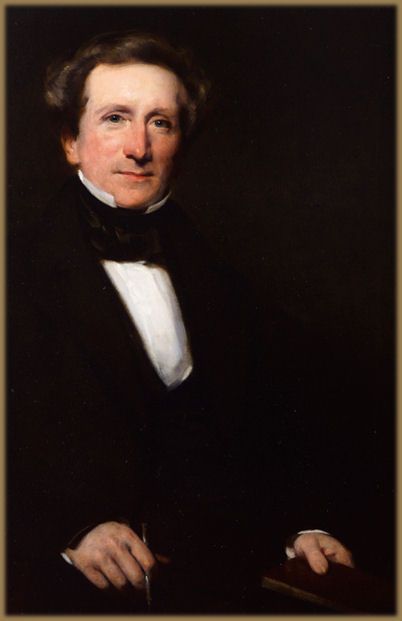
Sir John Watson Gordon, Ra, 1788-1864 Portrait of Samuel Warren, D.c.l. (1807–1877)
Sold by Artware Fineart
sold SA534606
Sorry, but this item has been sold.

Artware Fineart

Sellingantiques Verified Since Sep 2008
Browse dealers 243 items
Id #SA534606
PDF SHARE
SAVE

Sir John Watson Gordon, Ra, 1788-1864 Portrait of Samuel Warren, D.c.l. (1807–1877)

19th century
Sold 11 February 2020 · Artware Fineart
This “Sir John Watson Gordon, Ra, 1788-1864 Portrait of Samuel Warren, D.c.l. (1807–1877) ” found a buyer.

It was listed by Artware Fineart. Sold pieces stay on Sellingantiques as a record of what has passed through, and the next one is rarely far away.

Description

Sir John Watson Gordon, RA, 1788-1864

Portrait of Samuel Warren, D.C.L. (1807–1877)

Portrait of Samuel Warren, D.C.L.

oil on canvas

92 x 72 cm. (36 x 28 in.)

Warren, Samuel (1807–1877), lawyer and writer, was born on 23 May 1807 near Wrexham, Denbighshire, the elder son of Dr Samuel Warren (1781–1862), clergyman, and his first wife, Anne (1778–1823), daughter of Richard and Elizabeth Williams. Little is known about Samuel Warren's early education except his statement in the preface to Passages from the Diary of a Late Physician that he was for six years before 1827 'actively engaged in the practical study of physic' (Preface to fifth edition, edn of 1837 Passages in Warren, Works, 1854–5, vol. 1), perhaps as an apothecary's apprentice. From 1826 to 1828 Warren attended the University of Edinburgh where he studied various subjects and won prizes in comparative jurisprudence and poetry, but did not obtain a degree. His poetry prize led to introductions to Christopher North (John Wilson), and to Thomas De Quincey, two of the leading lights in Blackwood's Magazine.
Warren was admitted to the Inner Temple, London, in 1828; he studied law and worked as a special pleader there until 1837, when he was called to the bar. In 1831 he had married Eliza Ballinger (c.1802–1868); they had two sons and a daughter. This period also saw the serialization in Blackwood's Magazine of the work that made his literary reputation, Passages from the Diary of a Late Physician (1831–7). He later described his views and feelings in writing the book as 'those not of a Novelist, but of a Moralist' whose 'steady purpose … was to exhibit deathbeds' (Preface, 1854 edn of Passages in Warren, Works, 1854–5, vol. 1). The success of the book depended on the sensational and melodramatic atmosphere of the stories which parade the horrors of debauchery, disease, madness, and death with an almost erotic fascination.

Warren had not restricted his writing to creative efforts during this time; he also published the first edition of A Popular Introduction to Law Studies (1835), a guide for those intending to become law students. In 1837 Warren, with John William Smith, published Select Extracts from Blackstone's Commentaries, and he was later to publish a much extended Blackstone's in 1855 and 1856.

Warren's second novel, published in Blackwood's Magazine from 1839 to 1841, was Ten Thousand a-Year. The novel, which was an immediate best-seller, concerns a firm of attorneys who discover that Tittlebat Titmouse, a poor draper's clerk, may have a claim to the large estate of Yatton. The attorneys commence an action which results in Titmouse displacing the unbelievably pious John Aubrey as the owner of the estate, and its annual income of £10,000. Titmouse revels in his new found wealth, until a new round of litigation is commenced which returns Aubrey to his place as squire of Yatton. Titmouse is disgraced, and ends his life in a lunatic asylum. The narrator repeatedly tells the reader that the English legal system is close to perfection, but the actual workings of the law in Ten Thousand a-Year paint a more negative picture.

Dickens seems to have read Warren's fiction and non-fiction, and to have borrowed images and ideas. Sir Leicester Dedlock and the solicitor Vholes in Bleak House (1852–3) resemble the earl of Dreddlington and Gammon, Titmouse's principal lawyer, in Ten Thousand a-Year. The striking picture of barristers in court bobbing up and down like hammers in a pianoforte in the first chapter of Bleak House is similar to an image in chapter nine of the second edition of A Popular Introduction to Law Studies (1845). Wemmick's habit of collecting mementos from Jaggers's criminal clients in Great Expectations parallels Quirk's practice in Ten Thousand a-Year. Warren may have returned the favour by using elements of the Bardell v. P

Date of Manufacture

Artware Fineart has dated this piece to the 19th Century.

Physical Dimensions
Height
92cm (36.22")
Width
72cm (28.35")
Depth
4cm (1.57")
Reference Numbers
Sellingantiques Reference
SA534606
Dealers Internal Reference
3984
Description
Sir John Watson Gordon, RA, 1788-1864

Portrait of Samuel Warren, D.C.L. (1807–1877)

Portrait of Samuel Warren, D.C.L.

oil on canvas

92 x 72 cm. (36 x 28 in.)

Warren, Samuel (1807–1877), lawyer and writer, was born on 23 May 1807 near Wrexham, Denbighshire, the elder son of Dr Samuel Warren (1781–1862), clergyman, and his first wife, Anne (1778–1823), daughter of Richard and Elizabeth Williams. Little is known about Samuel Warren's early education except his statement in the preface to Passages from the Diary of a Late Physician that he was for six years before 1827 'actively engaged in the practical study of physic' (Preface to fifth edition, edn of 1837 Passages in Warren, Works, 1854–5, vol. 1), perhaps as an apothecary's apprentice.

“
From 1826 to 1828 Warren attended the University of Edinburgh where he studied various subjects and won prizes in comparative jurisprudence and poetry, but did not obtain a degree.
Artware Fineart

His poetry prize led to introductions to Christopher North (John Wilson), and to Thomas De Quincey, two of the leading lights in Blackwood's Magazine.

fig 1. Sir John Watson Gordon, RA, 1788-1864
Portrait of Samuel Warren, D.C.L. (1807–1877)
fig 1. Sir John Watson Gordon, Ra, 1788-1864 Portrait of Samuel Warren, D.c.l. (1807–1877)

Warren was admitted to the Inner Temple, London, in 1828; he studied law and worked as a special pleader there until 1837, when he was called to the bar. In 1831 he had married Eliza Ballinger (c.1802–1868); they had two sons and a daughter. This period also saw the serialization in Blackwood's Magazine of the work that made his literary reputation, Passages from the Diary of a Late Physician (1831–7). He later described his views and feelings in writing the book as 'those not of a Novelist, but of a Moralist' whose 'steady purpose … was to exhibit deathbeds' (Preface, 1854 edn of Passages in Warren, Works, 1854–5, vol. 1). The success of the book depended on the sensational and melodramatic atmosphere of the stories which parade the horrors of debauchery, disease, madness, and death with an almost erotic fascination.

fig 2. Sir John Watson Gordon, RA, 1788-1864
Portrait of Samuel Warren, D.C.L. (1807–1877)
fig 2. Sir John Watson Gordon, Ra, 1788-1864 Portrait of Samuel Warren, D.c.l. (1807–1877)

Warren had not restricted his writing to creative efforts during this time; he also published the first edition of A Popular Introduction to Law Studies (1835), a guide for those intending to become law students. In 1837 Warren, with John William Smith, published Select Extracts from Blackstone's Commentaries, and he was later to publish a much extended Blackstone's in 1855 and 1856.

Warren's second novel, published in Blackwood's Magazine from 1839 to 1841, was Ten Thousand a-Year. The novel, which was an immediate best-seller, concerns a firm of attorneys who discover that Tittlebat Titmouse, a poor draper's clerk, may have a claim to the large estate of Yatton. The attorneys commence an action which results in Titmouse displacing the unbelievably pious John Aubrey as the owner of the estate, and its annual income of £10,000. Titmouse revels in his new found wealth, until a new round of litigation is commenced which returns Aubrey to his place as squire of Yatton. Titmouse is disgraced, and ends his life in a lunatic asylum. The narrator repeatedly tells the reader that the English legal system is close to perfection, but the actual workings of the law in Ten Thousand a-Year paint a more negative picture.

Dickens seems to have read Warren's fiction and non-fiction, and to have borrowed images and ideas. Sir Leicester Dedlock and the solicitor Vholes in Bleak House (1852–3) resemble the earl of Dreddlington and Gammon, Titmouse's principal lawyer, in Ten Thousand a-Year. The striking picture of barristers in court bobbing up and down like hammers in a pianoforte in the first chapter of Bleak House is similar to an image in chapter nine of the second edition of A Popular Introduction to Law Studies (1845). Wemmick's habit of collecting mementos from Jaggers's criminal clients in Great Expectations parallels Quirk's practice in Ten Thousand a-Year. Warren may have returned the favour by using elements of the Bardell v. P

Date of Manufacture

Artware Fineart has dated this piece to the 19th Century.

Height
92cm (36.22")
Width
72cm (28.35")
Depth
4cm (1.57")
Reference Numbers
Sellingantiques Ref
SA534606
Dealers Internal Ref
3984
Artware Fineart
Sellingantiques verified Since Sep 2008
Dealer Profile

You can view the stock and full dealer information on the Artware Fineart Profile Page

PDF SHARE
SAVE
Sir John Watson Gordon, RA, 1788-1864
Portrait of Samuel Warren, D.C.L. (1807–1877)
SOLD6+ MONTHS AGO
1 / 3
Archive I Sir John Watson Gordon, RA, 1788-1864
Portrait of Samuel Warren, D.C.L. (1807–1877)
SOLD6+ MONTHS AGO

Sir John Watson Gordon, Ra, 1788-1864 Portrait of Samuel Warren, D.c.l. (1807–1877)

Archive II Sir John Watson Gordon, RA, 1788-1864
Portrait of Samuel Warren, D.C.L. (1807–1877)
 View II
Archive III Sir John Watson Gordon, RA, 1788-1864
Portrait of Samuel Warren, D.C.L. (1807–1877)
 View III
Enlarged Archival View
Telephone 07958 699 645
Location
18 La Gare
51 Surrey Row
London
SE1 0BZ
United Kingdom
Verified Since Sep 2008
Items For Sale 243
Items Sold 223
Artware Fineart
Verified Since Sep 2008
View Dealer Info
Location: 18 La Gare , 51 Surrey Row , London , SE1 0BZ , United Kingdom
Verified
Sep 2008
For Sale
243
Sold
223
Sir John Watson Gordon, RA, 1788-1864
Portrait of Samuel Warren, D.C.L. (1807–1877)
Sir John Watson Gordon, RA, 1788-1864 Portrait of Samuel Warren, D.C.L. (1807–1877)
Ref: SA534606
Sir John Watson Gordon, RA, 1788-1864
Portrait of Samuel Warren, D.C.L. (1807–1877)
Detail View 1
Detail View 2
Archival Detail
Every single antique dealer on our platform is individually approved by our internal team. We verify their professional trade history, ethical standards, and photographic quality to ensure a secure, high-standard buying environment. Upon joining, every dealer agrees to a strict 9-point code of conduct. While issues can occasionally arise, our dealers typically resolve them swiftly and directly with the buyer. In fact, since our founding in 2002, Sellingantiques has only had to step in to help resolve an issue on roughly five occasions—a true testament to the quality of our dealers and their dedication to your happiness.
Our dealers are highly experienced in packing and shipping fragile, high-value antiques. Because you are in direct contact with the dealer, you will be able to easily go through all available shipping and insurance options together to ensure your item arrives safely.
Antiques are the ultimate green purchase. By choosing historical pieces over newly manufactured goods, you completely eliminate the carbon footprint of modern mass production while preserving exceptional, timeless craftsmanship.
Written by Sellingantiques from the dealer’s photographs and listing
  • Period19th century
  • SizeH 92 cm (36 in) x W 72 cm (28 in) x D 4 cm (2 in)
items
Add keywords to the filter
Price
£100
£250000
Era
Period
Style
Material
Origin
Stock Location
Recently Added
Online Payments
Categories