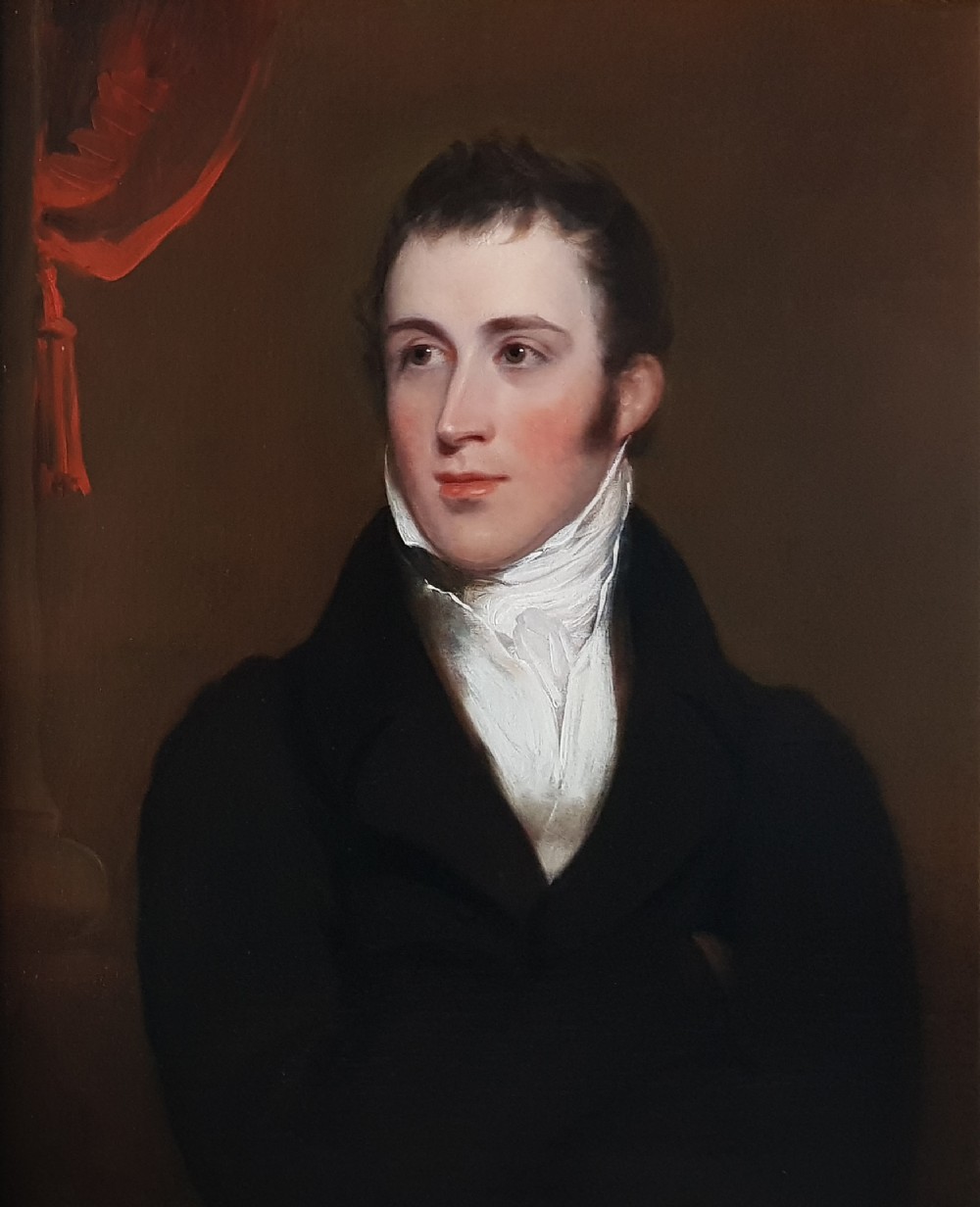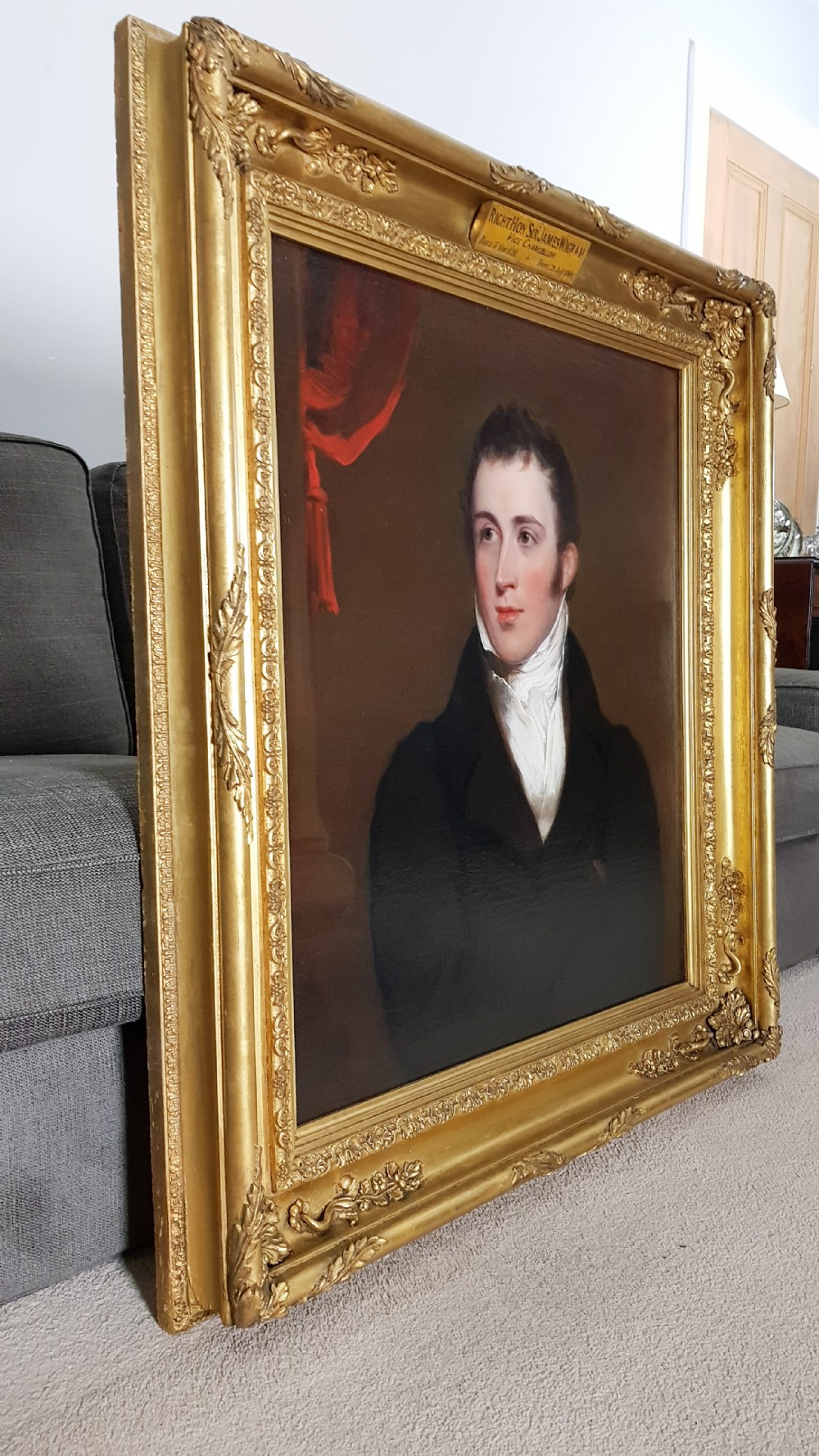
Titan Fine Art has dated this piece to the 19th Century.
He was knighted in 1842 and in 1818, he married Anne, younger daughter of Richard Arkwright Jr. (1775-1843) of Willersley Castle, Derbyshire who was the richest British man from the bourgeoisie at the time (when he died his vast fortune amounted to over three million pounds). Her grandfather, Sir Richard Arkwright of Preston (1732-1792) was the first of the 'cotton kings' and one of the giants of the Industrial Revolution. He patented the water frame, a roller-spinning machine powered by water, that turned textile spinning into a factory industry and in so doing he developed a major industrial empire. He is acknowledged as the founder of the modern factory system. Richard Jr. further developed the factory system and became immensely wealthy.
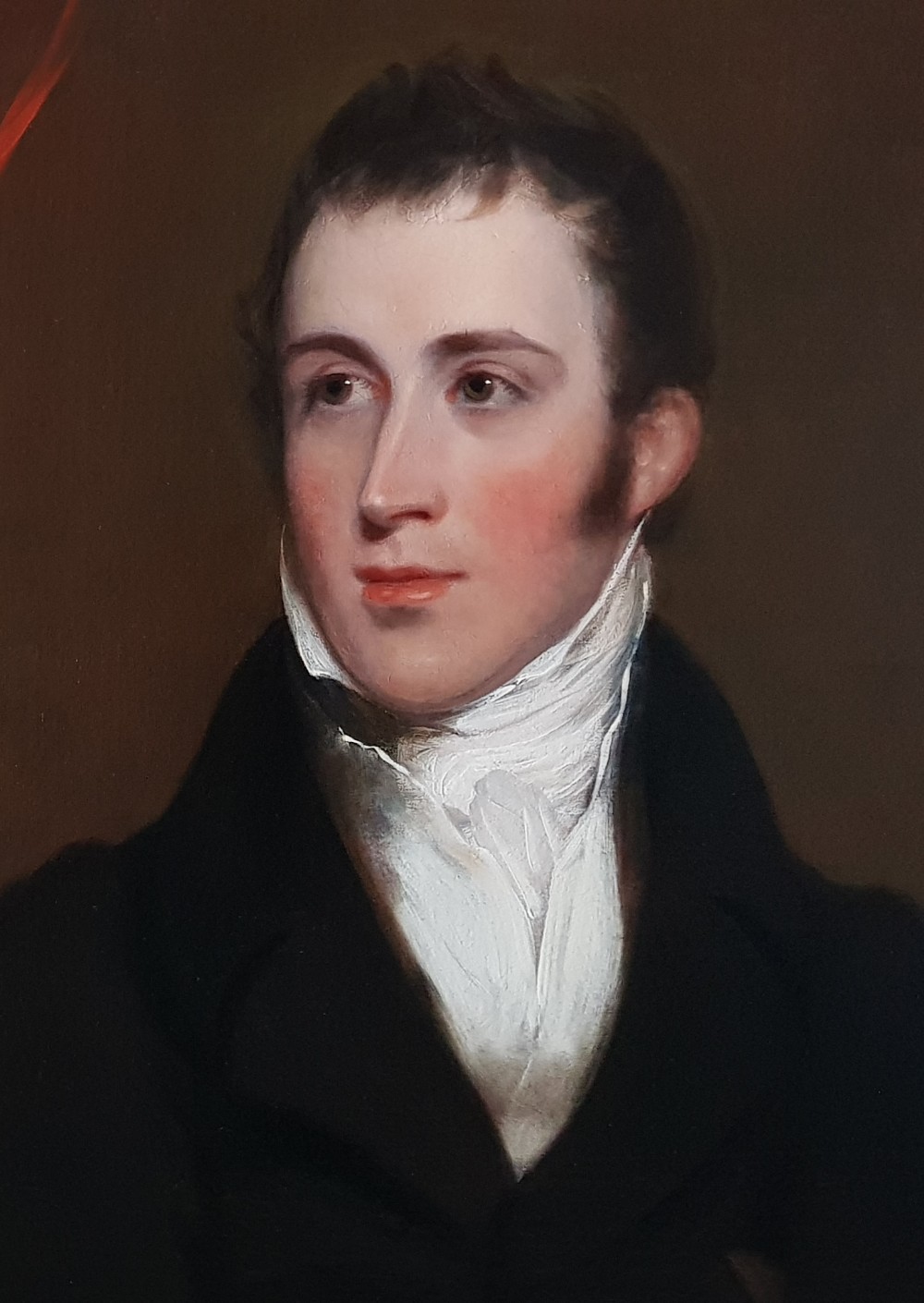
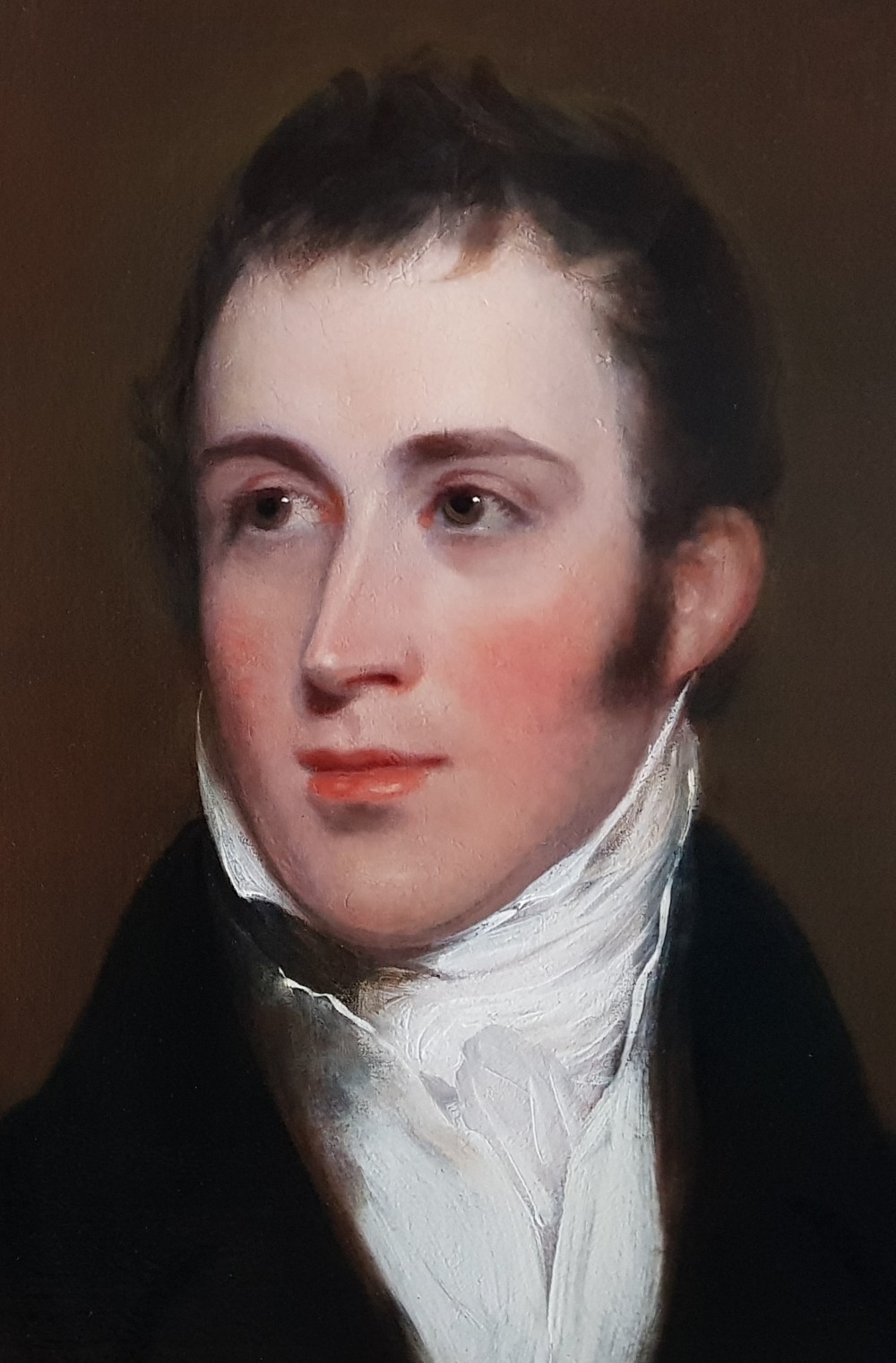
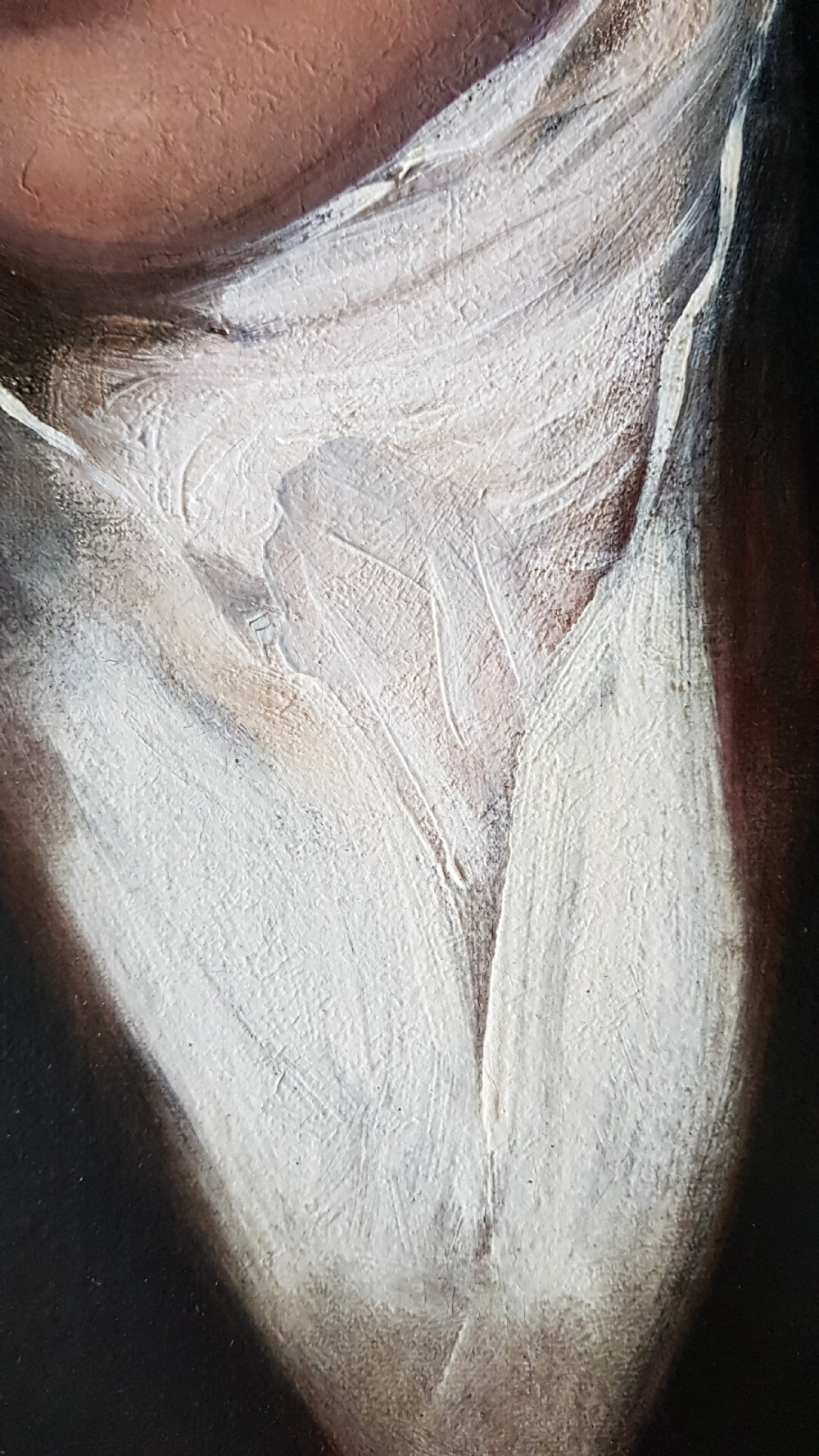
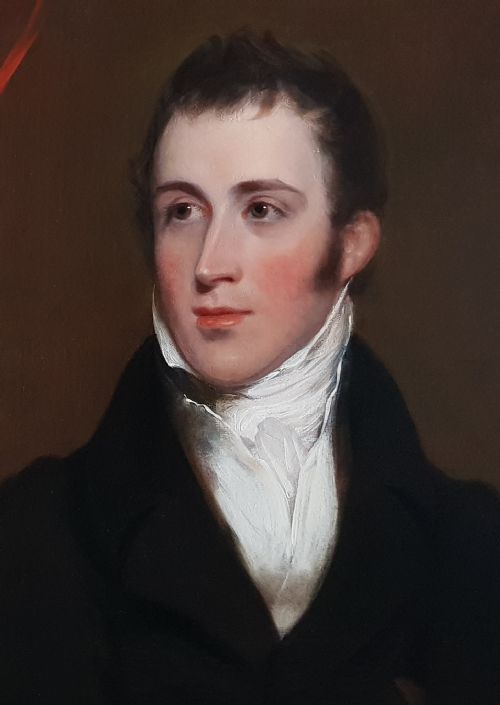
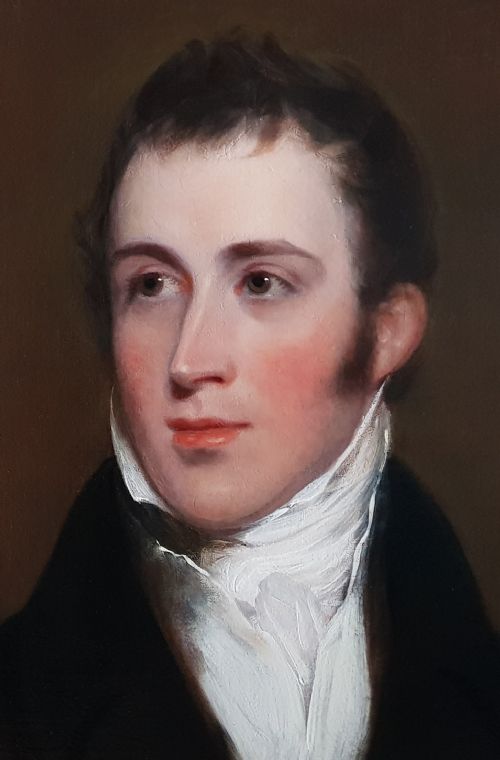
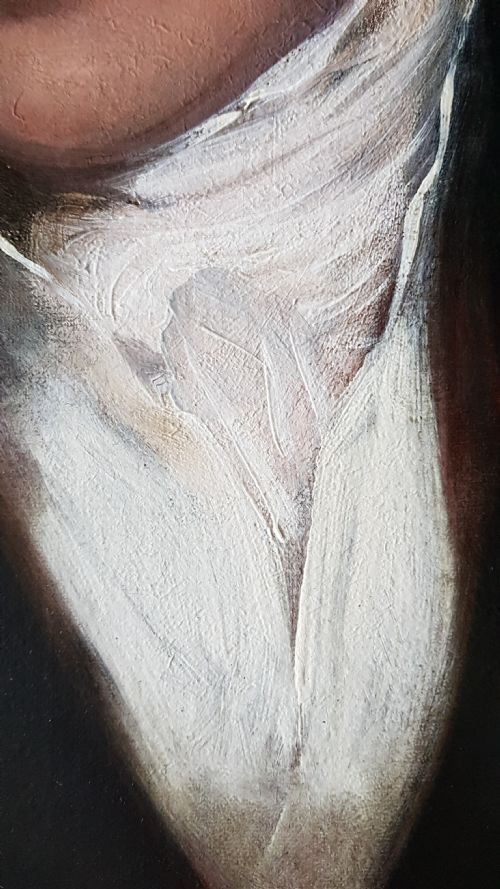
There is a virtuoso handling of the white fabric, evident of the artist’s influence by Thomas Lawrence, whom he trained under. The flesh tones, the clear fresh pallet, and the cherry lips help to create an attractive image. The artist also paid attention to detail and realism, note the subtle gleam in the eyes. This is a good example of the artist’s work.
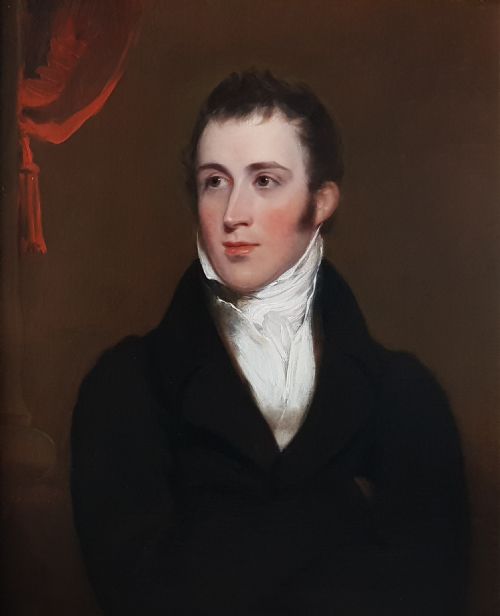
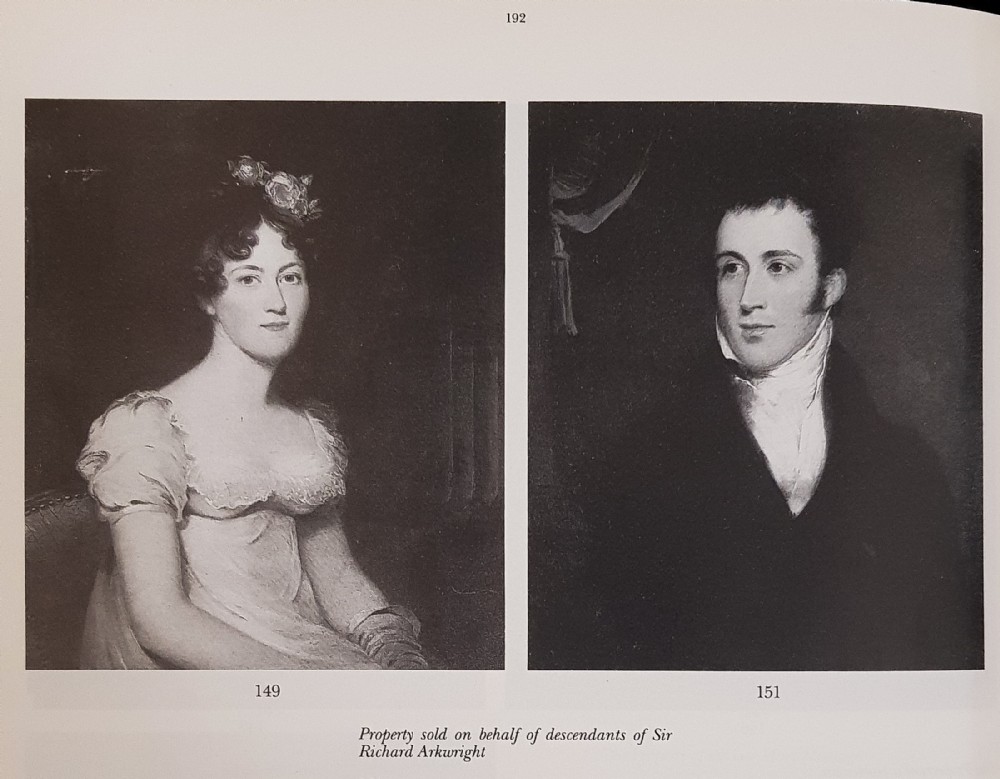
The present portrait of Sir James is a pendant to that of his wife, which we also have for sale at the time of writing. It is likely that the pair of portraits were commissioned to celebrate the couple’s wedding in 1818.
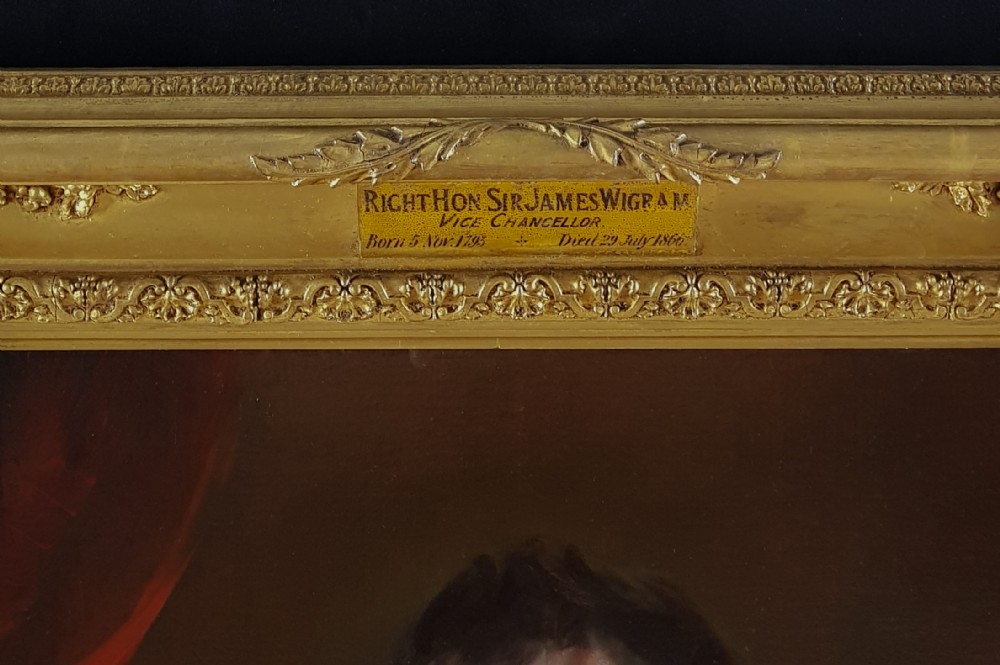
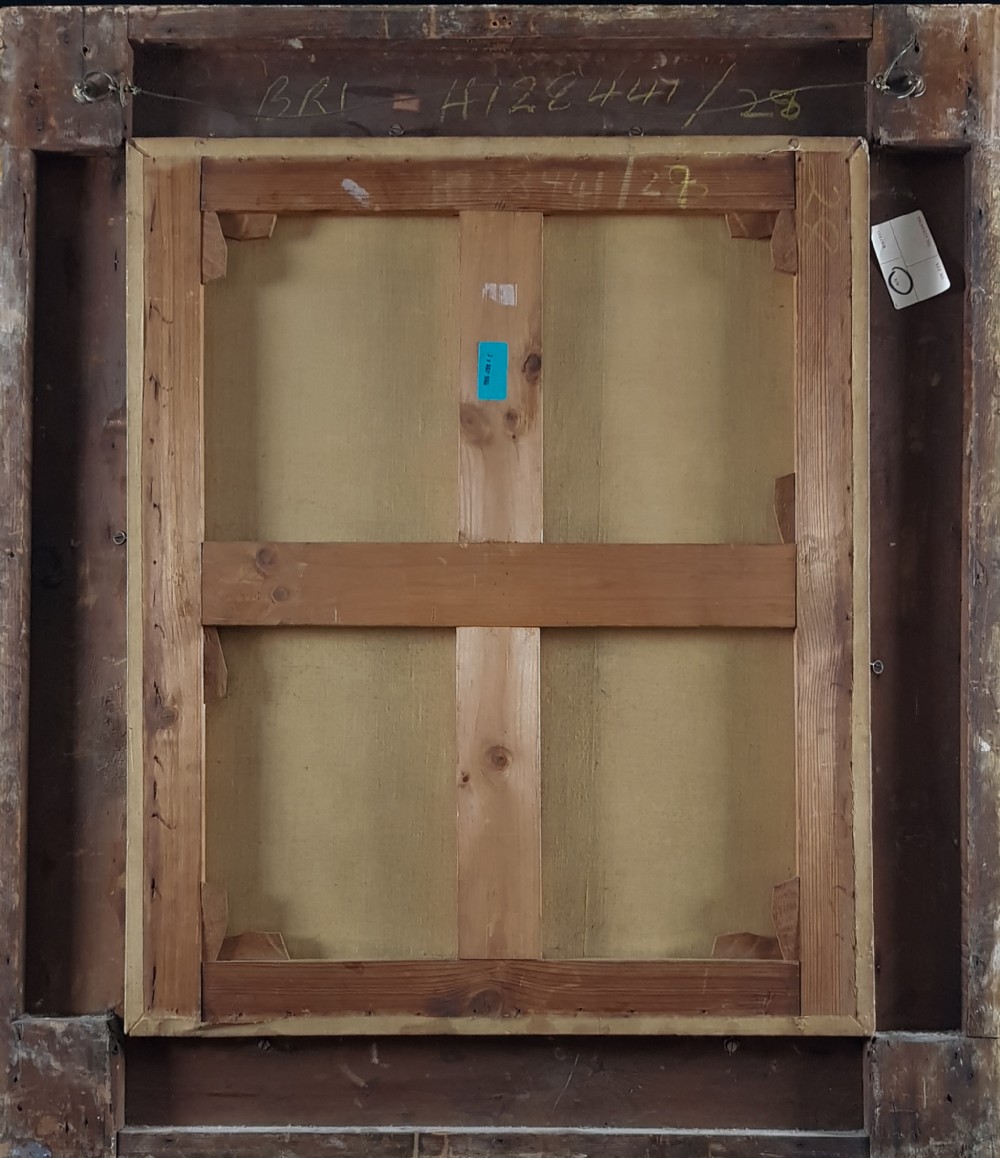
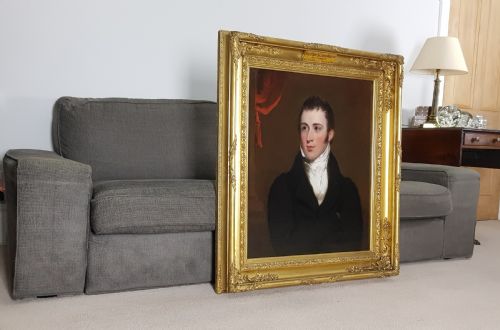
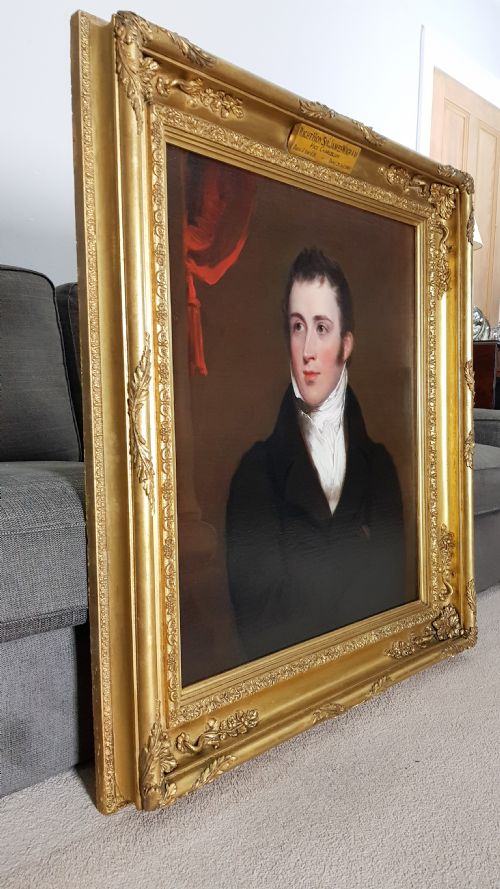
Oil on canvas in the original good quality frame with presentation label.
Thomas Barber, called Barber of Nottingham, captured the local portrait market during the later part of the 18th century and early part of the 19th. Born at Nottingham he was the only son of well off local man Thomas Barber (1729-1775) and his wife Ann Abbott, formerly Mrs. William Tomlin. The father belonged to the ancient Dark Peak Barber family, so the artist had deep Derbyshire roots going back to John Barber of Edale, yeoman, who died in 1535.
Barber was a contemporary of Joseph Wright (of Derby) who painted both the sitter’s father and grandfather and other members of the family. Equally prolific and being local, he remained local, like Wright. Having shown a talent for painting, young Thomas was sent in 1786 to work in the studio of Sir Thomas Lawrence, RA, the epitome of a dashing Regency society painter. He worked in Lawrence’s studio until about 1793, when he returned to Nottingham and set up on his own account at Parkside, Nottingham. His clientele expanded rapidly which led him to opened another studio in Friar Gate, Derby in 1813. Many of his sitters were the movers and shakers of Derbyshire including more Arkwrights, Boothbys, Batemans, and prominent lawyer Lord Denman who lived at Stoney Middleton Hall.
His first wife was Mary died in 1825, whereupon he married Anne, widow of the aristocratic Derby attorney William Bateman: hence the number of paintings Barber did of Bateman family members, including a delightful double portrait in 1816 of the eight year old Thomas Osborne Bateman and his younger brother Hugh, which hung at their seat, Hartington Hall, and later at their Derby villa, Litchurch Lodge, now the Rolls-Royce Social Club. This portrait was sold at Christies in 1989 for a respectable £8,000.
In 1819, whilst residing in Derby, Barber exhibited a portrait of the actress Mrs. Siddons at the Royal Academy and, amongst the other Derby notables who sat for him Octavius Oakley, John Radford of Smalley Hall (1809), John Balguy of Duffield Park, then Recorder of Derby, the Revd. Charles Hope, Tory vicar of St. Alkmunds, Revd. William Boultbee Sleath, headmaster of Repton and Waterloo hero Colonel William Thornhill of Stanton. He also di
Titan Fine Art has dated this piece to the 19th Century.
Specialist in 17th & 18thc portraits. Highly curated selection, museum-level research & pro conservation. Exceptional art, expertly vetted.
You can view the stock and full dealer information on the Titan Fine Art Profile Page

Portrait of Sir James Wigram, Vice Chancellor (1793-1866) C.1818; Thomas Barber (1768-1843)