21,032  PAGES BROWSED TODAY PAGES TODAY 96 ANTIQUES UPLOADED TODAYNEW ARRIVALS
96 ITEMS ADDED TODAY
Sort Order
Items Per Page
Browse Categories
Sort order
Items per page
ID #SA518208
SOLD
Email
Save
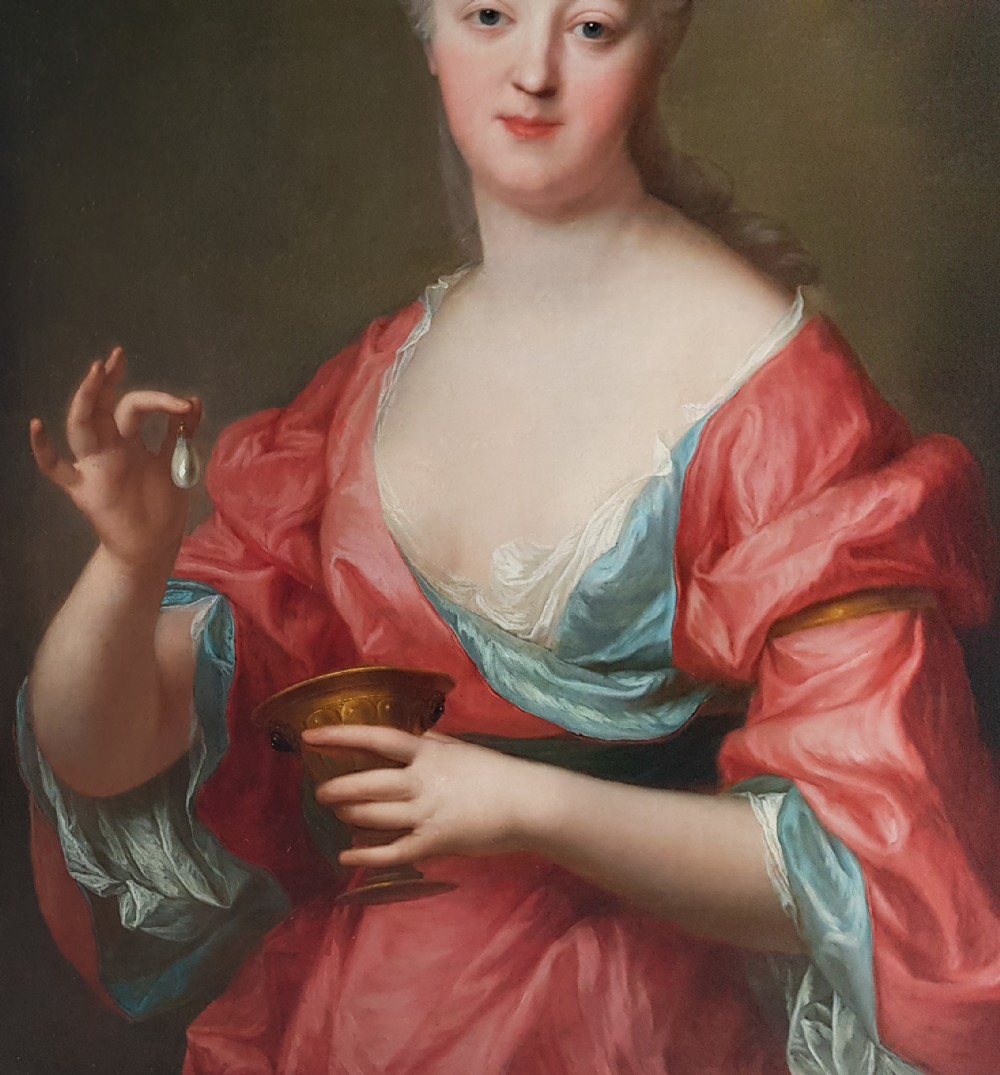
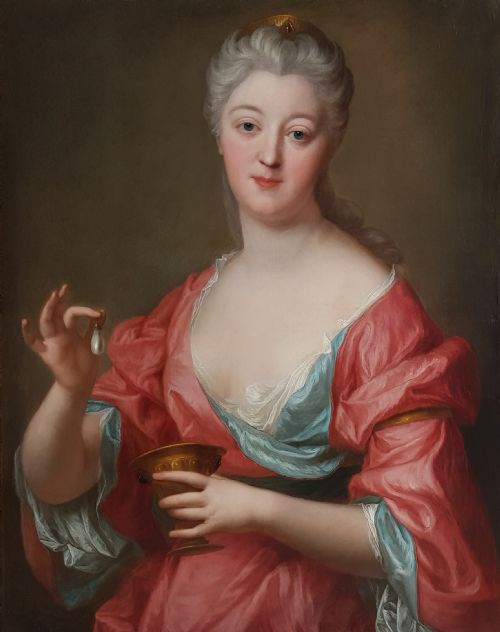
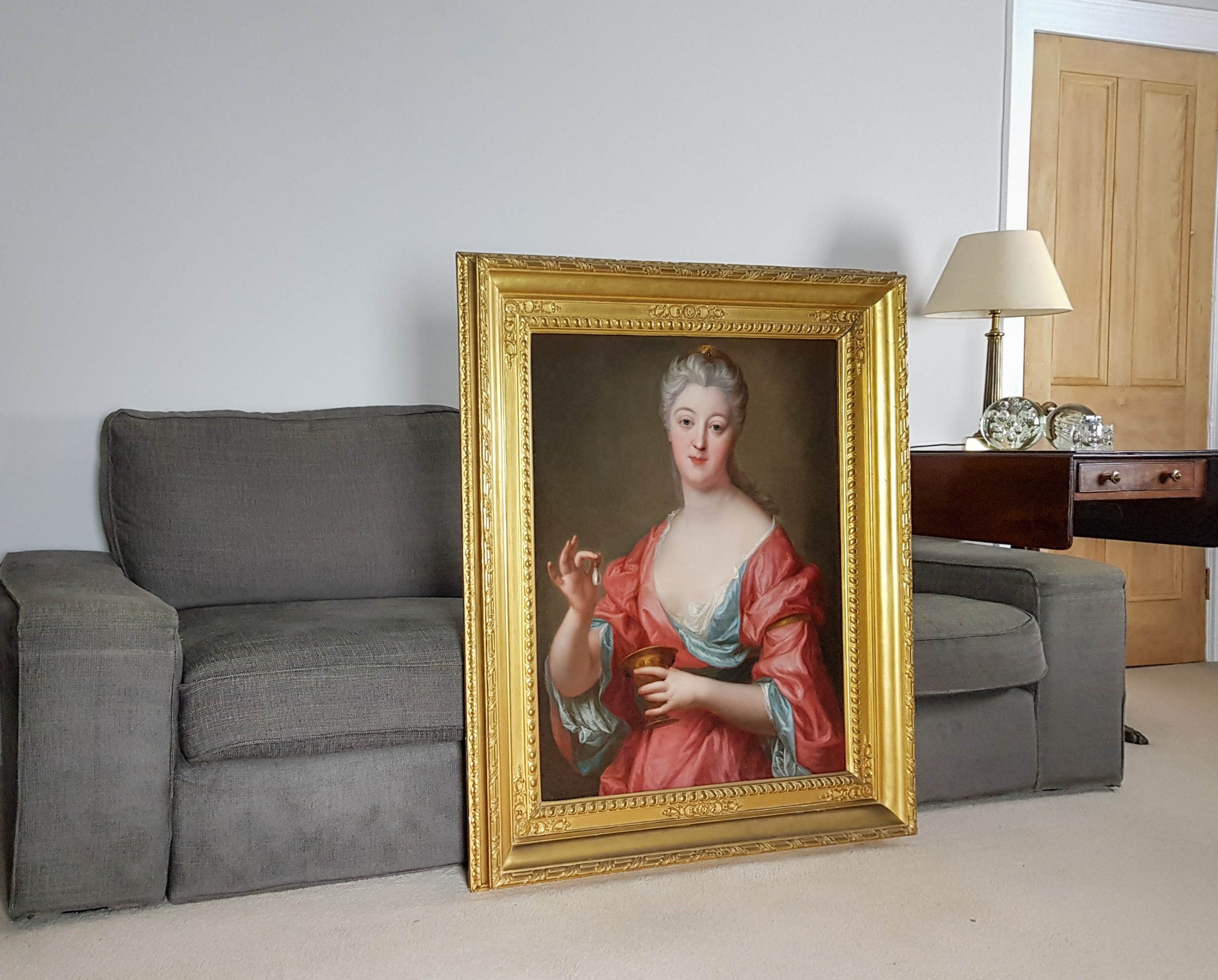
Portrait of a Lady as "Cleopatra" Dissolving the Pearl C.1755; Attributed to Marianne Loir (C.1715 - 1769)
Titan Fine Art
sold SA518208
Sorry, but this item has been sold.
Titan Fine Art

Titan Fine Art

Sellingantiques Verified Since Jul 2016
View Dealers Stock Page
  • About Us
    Specialist in 17th & 18thc portraits. Highly curated selection, museum-level research & pro conservation. Exceptional art, expertly vetted.
Id #SA518208
PDF SHARE
SAVE

Portrait of a Lady as "Cleopatra" Dissolving the Pearl C.1755; Attributed to Marianne Loir (C.1715 - 1769)

18th century
Description

Oil on canvas.

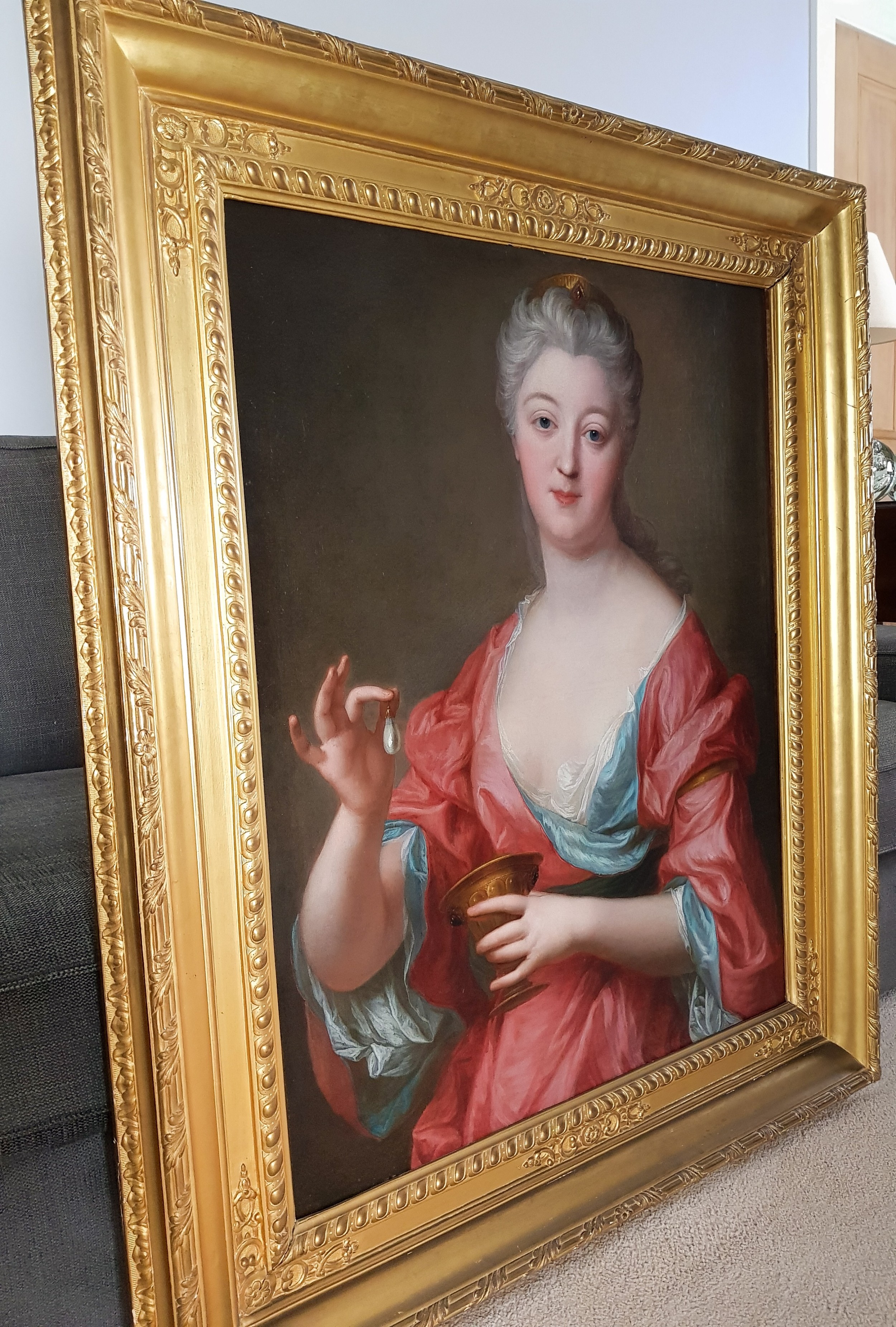
This work is a particularly fine example of the category of allegorical portraiture as practiced in the middle of the eighteenth century in France. The woman has been depicted as Queen Cleopatra and references the account of her legendary wager with the Roman general Mark Antony and a legendary episode of a wager between the two lovers, who vied with each other to stage the most sumptuous banquet. After an extremely lavish meal at Mark Antony’s expense, Cleopatra boasted that she could lay a banquet of much greater extravagance. On her ears she was wearing two enormous pearls — the two largest pearls in the world, left to her by oriental kings of the East. She removed one of them, dropped it into a single vessel containing an acidic substance mixed with wine and when it was dissolved she drank it - an extravagant gesture of seduction – and so it was declared that she wins the wager. The account was first recorded by Pliny the Elder in his ‘Naturalis Historia’ written in 77 A.D. (IX.59.119-121; also Macrobius, Saturnalia, III.17.14-17).
From Pliny's own words:

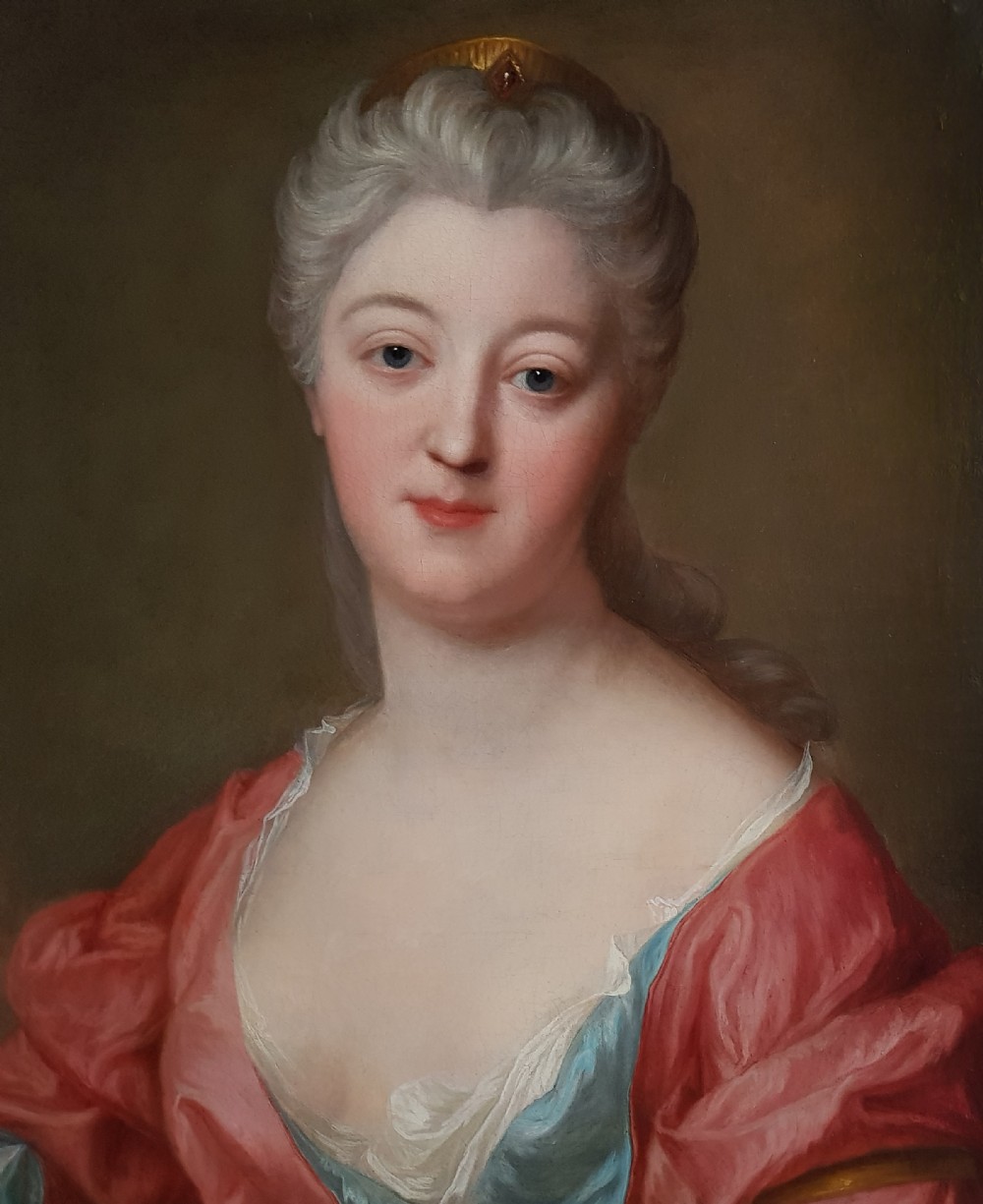
“When Antony had been sated by her, day after day, with the most exquisite banquets, this queenly courtesan, inflated with vanity and disdainful arrogance, affected to treat all this sumptuousness and all these vast preparations with the greatest contempt; upon which Antony enquired what there was that could possibly be added to such extraordinary magnificence. To this she made answer, that on a single entertainment she would expend ten million of sesterces [around 30 million dollars today] at one dinner. Antony was extremely desirous to learn how that could be done, but looked upon it as a thing quite impossible; and a wager was the result”.
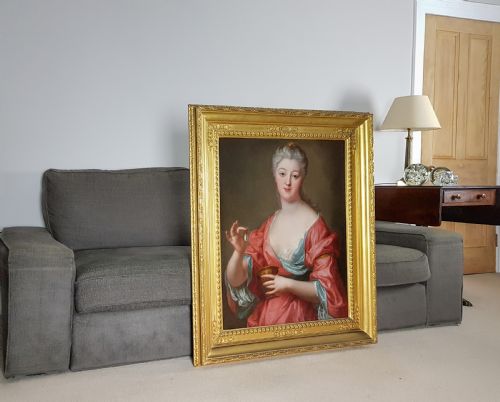
Throughout the centuries, the story was described by many other writers, in plays and poems, and was also memorialised in numerous paintings. It was a particularly popular subject in the early modern period, 16th century to 19th century and in allegory it could allude to the reckless extravagance, decadence, arrogance, profligacy, etc of mankind.
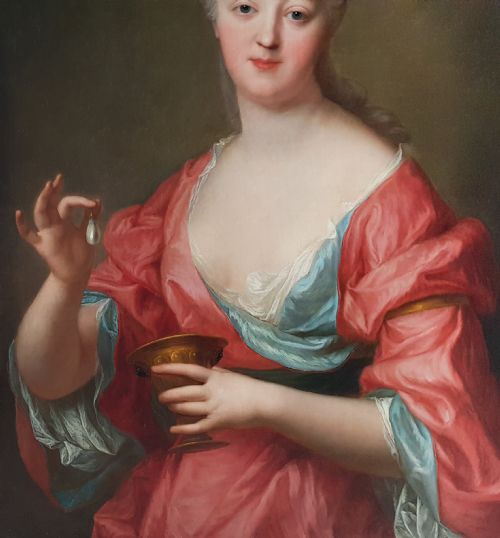
Although many middle and upper-class woman in the 18th century had access to learning and education, without comparable professional, political or military roles through which they could be publicly identified, they were more easily transformed into seductive allegorical images than their male counterparts. Moreover, some of these allegorical meanings might be carefully veiled, and function on more than one level at once. Allegory has been used widely throughout the histories of all forms of art; a major reason for this is its immense power to illustrate complex ideas and concepts in ways that are easily digestible and tangible to its viewers, readers, or listeners.
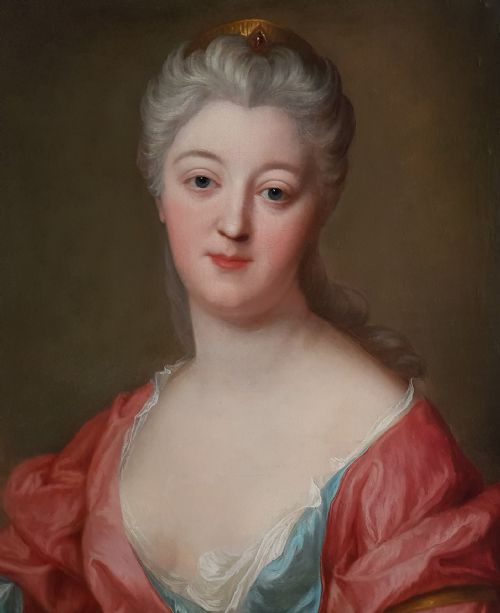
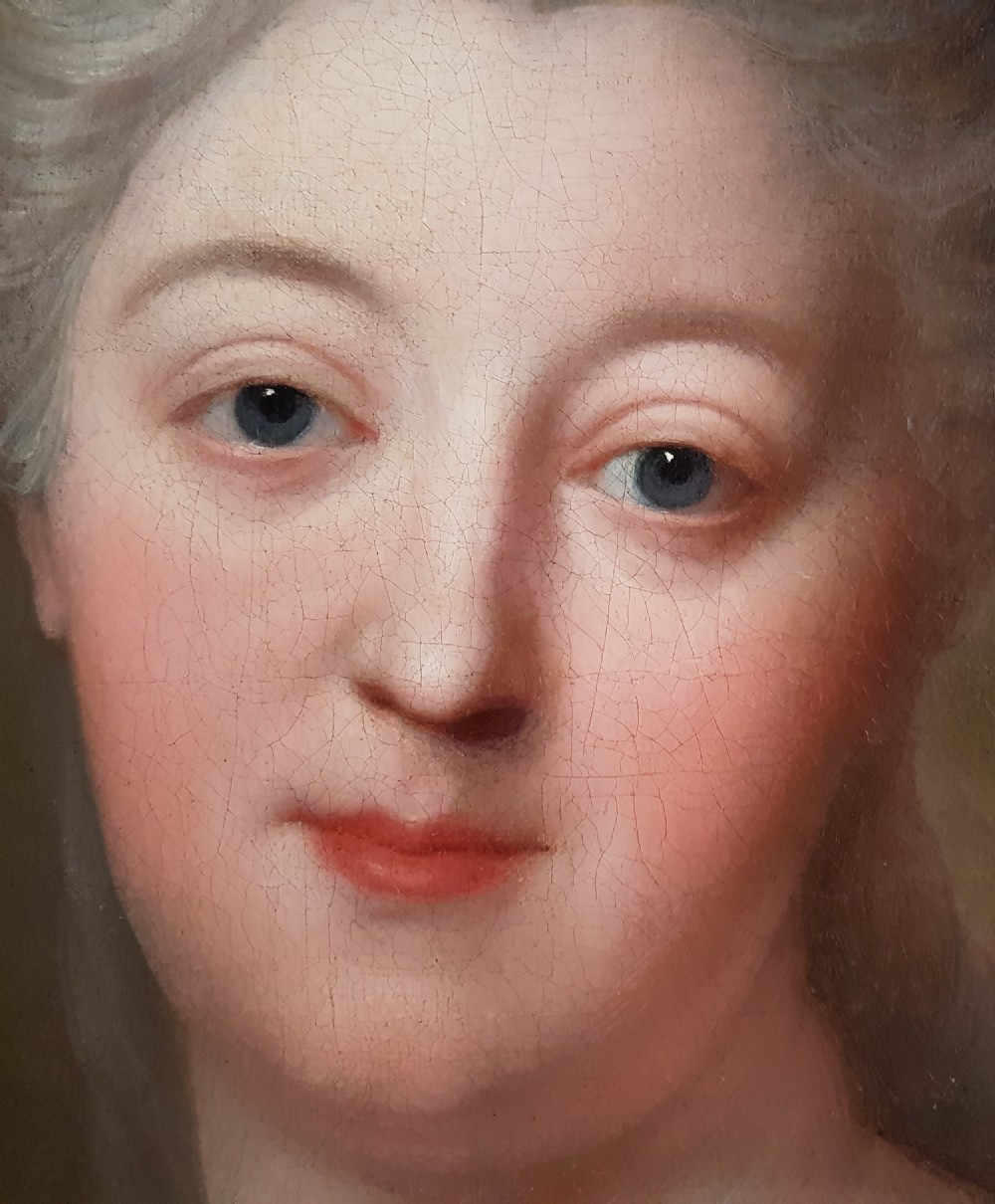
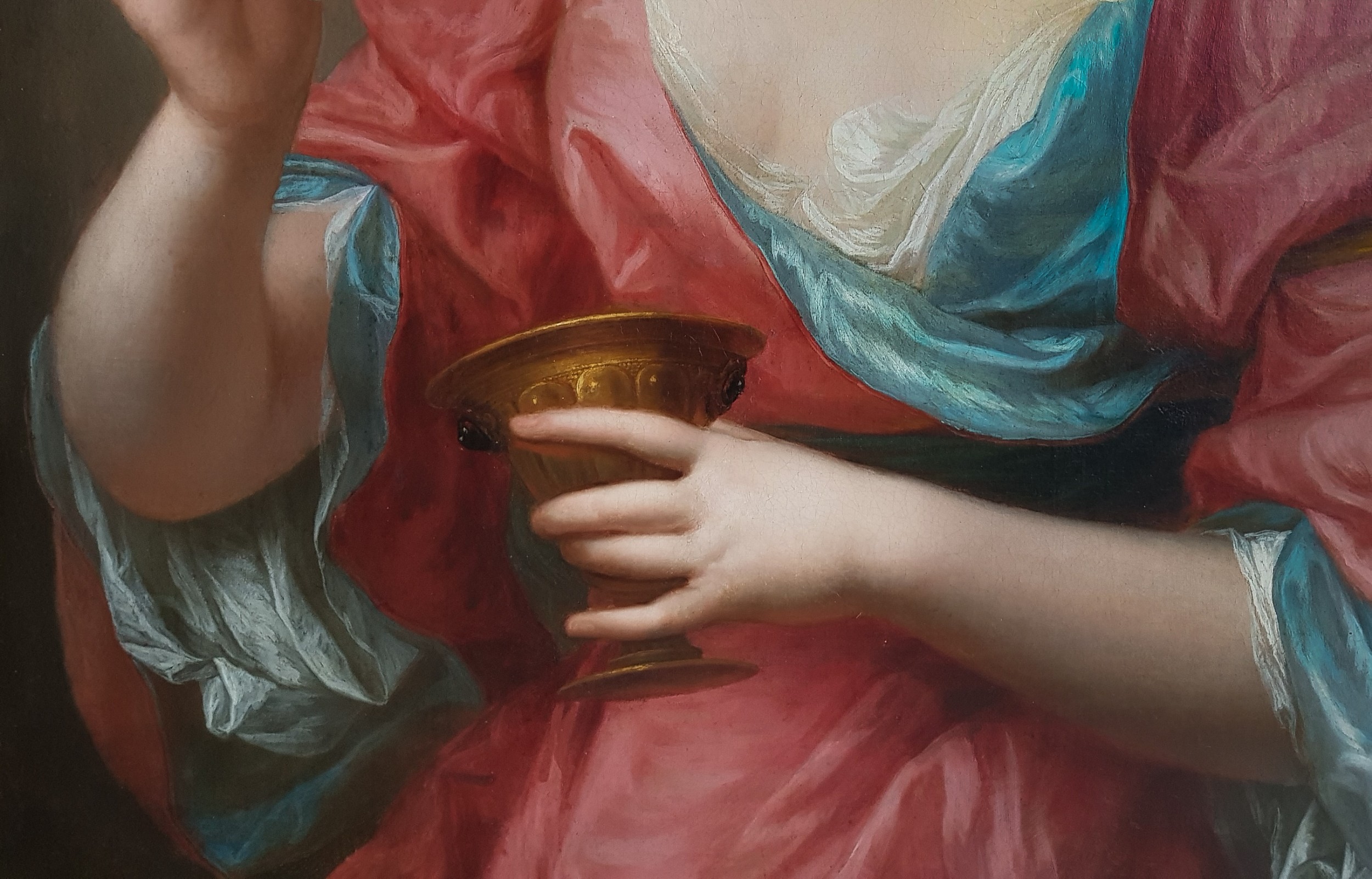
There is a virtuoso handling of the paint and the feminity and tenderness of this work is sublime. Marianne Loir was largely influenced by Jean Marc Nattier and this is visible in our portrait in the classical costume, the soft colouring, the pink and blue pallette, and the subject itself. In fact, it is thought that Loir’s work is regularly misattributed to that of Jean Marc Nattier. Held in its original good quality gilt frame.

Physical Dimensions
Height
107cm (42.13")
Width
91cm (35.83")
Depth
7cm (2.76")
Declaration

Titan Fine Art has dated this piece to the 18th Century.

Reference Numbers
Sellingantiques Reference
SA518208
Dealers Notes

Much more info about this item at: www.titanfineart.com

In a market saturated with available paintings, Titan Fine Art offers a distinct advantage: we sift through thousands of works to provide a specially curated selection. Each piece is meticulously chosen based on technical merit, provenance, and decorative appeal, ensuring our clients view only the finest examples of British and European art.

With over 20 years of expertise and 1,000+ works placed with collectors and institutions, we are one of the most prolific specialists in 17th and 18th-century portraiture. We combine a scholarly approach with museum-level rigor to replace the uncertainty of the open market with absolute confidence.

Why Buy From Titan Fine Art?

• Expertly Curated Selection

We act as your expert eye, selecting only high-quality works that offer genuine historical and artistic value.

• Museum-Level Research

Each portrait is supported by extensive academic research, often exceeding 40 hours, to establish attribution, sitter identity, and historical context.

• Professional Conservation

All paintings are carefully cleaned and stabilised by professional conservators, and are presented ready to hang.

• Transparent Pricing

No buyer’s premium or hidden fees—unlike auction houses, where additional costs can add 25–35%.

• Export Pricing Advantage

Reduced pricing is available for works exported outside the UK.

• Specialist Global Shipping

We manage the entire process, including custom crating, export documentation, and fully tracked delivery worldwide.

• Buy with Confidence

A 7-day return policy and the option to pay in GBP, USD, or EUR for convenience and transparency.

• Original Period Frames

Many works retain their original carved and gilded frames, which are works of art in their own right and enhance both historical authenticity and decorative impact.

• Personal Advisory Service

We work directly with collectors and interior designers, offering guidance on selection, scale, and placement—including bespoke room mock-ups on request.

Subscribe to our monthly 'new item alert' to be the first to hear about new works

Description
Oil on canvas.
This work is a particularly fine example of the category of allegorical portraiture as practiced in the middle of the eighteenth century in France.
Titan Fine Art

The woman has been depicted as Queen Cleopatra and references the account of her legendary wager with the Roman general Mark Antony and a legendary episode of a wager between the two lovers, who vied with each other to stage the most sumptuous banquet. After an extremely lavish meal at Mark Antony’s expense, Cleopatra boasted that she could lay a banquet of much greater extravagance. On her ears she was wearing two enormous pearls — the two largest pearls in the world, left to her by oriental kings of the East. She removed one of them, dropped it into a single vessel containing an acidic substance mixed with wine and when it was dissolved she drank it - an extravagant gesture of seduction – and so it was declared that she wins the wager. The account was first recorded by Pliny the Elder in his ‘Naturalis Historia’ written in 77 A.D. (IX.59.119-121; also Macrobius, Saturnalia, III.17.14-17).

fig 1. Portrait of a Lady as
fig 1. Portrait of a Lady as "Cleopatra" Dissolving the Pearl C.1755; Attributed to Marianne Loir (C.1715 - 1769)

From Pliny's own words:

“When Antony had been sated by her, day after day, with the most exquisite banquets, this queenly courtesan, inflated with vanity and disdainful arrogance, affected to treat all this sumptuousness and all these vast preparations with the greatest contempt; upon which Antony enquired what there was that could possibly be added to such extraordinary magnificence. To this she made answer, that on a single entertainment she would expend ten million of sesterces [around 30 million dollars today] at one dinner. Antony was extremely desirous to learn how that could be done, but looked upon it as a thing quite impossible; and a wager was the result”.

fig 2. Portrait of a Lady as
fig 2. Portrait of a Lady as "Cleopatra" Dissolving the Pearl C.1755; Attributed to Marianne Loir (C.1715 - 1769)

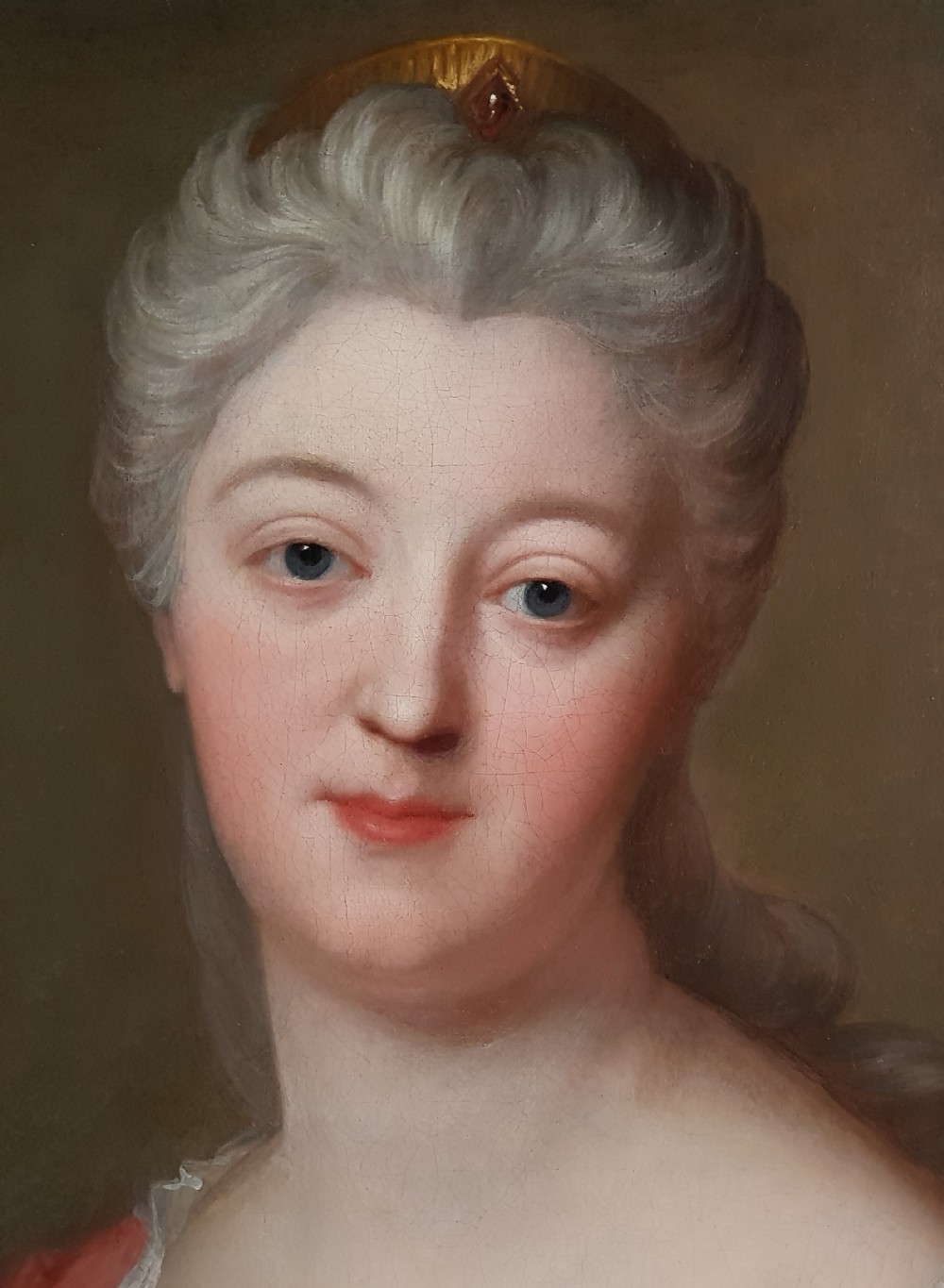
Throughout the centuries, the story was described by many other writers, in plays and poems, and was also memorialised in numerous paintings. It was a particularly popular subject in the early modern period, 16th century to 19th century and in allegory it could allude to the reckless extravagance, decadence, arrogance, profligacy, etc of mankind.

fig 3. Portrait of a Lady as
fig 3. Portrait of a Lady as "Cleopatra" Dissolving the Pearl C.1755; Attributed to Marianne Loir (C.1715 - 1769)

Although many middle and upper-class woman in the 18th century had access to learning and education, without comparable professional, political or military roles through which they could be publicly identified, they were more easily transformed into seductive allegorical images than their male counterparts. Moreover, some of these allegorical meanings might be carefully veiled, and function on more than one level at once. Allegory has been used widely throughout the histories of all forms of art; a major reason for this is its immense power to illustrate complex ideas and concepts in ways that are easily digestible and tangible to its viewers, readers, or listeners.

fig 4. Portrait of a Lady as
fig 4. Portrait of a Lady as "Cleopatra" Dissolving the Pearl C.1755; Attributed to Marianne Loir (C.1715 - 1769)

There is a virtuoso handling of the paint and the feminity and tenderness of this work is sublime. Marianne Loir was largely influenced by Jean Marc Nattier and this is visible in our portrait in the classical costume, the soft colouring, the pink and blue pallette, and the subject itself. In fact, it is thought that Loir’s work is regularly misattributed to that of Jean Marc Nattier. Held in its original good quality gilt frame.

Height
107cm (42.13")
Width
91cm (35.83")
Depth
7cm (2.76")
Date of Manufacture

Titan Fine Art has dated this piece to the 18th Century.

Reference Numbers
Sellingantiques Ref
SA518208
Titan Fine Art
Titan Fine Art
Sellingantiques verified Since Jul 2016

Specialist in 17th & 18thc portraits. Highly curated selection, museum-level research & pro conservation. Exceptional art, expertly vetted.

Dealer Profile

You can view the stock and full dealer information on the Titan Fine Art Profile Page

PDF SHARE
SAVE
Portrait of a Lady as
1 / 10
Archive I Portrait of a Lady as

Portrait of a Lady as "Cleopatra" Dissolving the Pearl C.1755; Attributed to Marianne Loir (C.1715 - 1769)

Archive II Portrait of a Lady as
Archive III Portrait of a Lady as
Archive IV Portrait of a Lady as
Archive V Portrait of a Lady as
Archive VI Portrait of a Lady as
Archive VII Portrait of a Lady as
Archive VIII Portrait of a Lady as
Archive IX Portrait of a Lady as
Archive X Portrait of a Lady as
Enlarged Archival View
Telephone 07875 412 111
Location
London
United Kingdom
Dealer Profile Page sellingantiques.co.uk/titan
Verified Since Jul 2016
Items For Sale 16
Items Sold 401
Titan Fine Art
Titan Fine Art
Verified Since Jul 2016
View Dealer Info
Location: London, United Kingdom
Verified
Jul 2016
For Sale
16
Sold
401
Portrait of a Lady as
Portrait of a Lady as "Cleopatra" Dissolving the Pearl c.1755; Attributed to Marianne Loir (c.1715 - 1769)
Ref: SA518208
Portrait of a Lady as
Detail View 1
Detail View 2
Detail View 3
Detail View 4
Detail View 5
Detail View 6
Detail View 7
Detail View 8
Detail View 9
Archival Detail
Every single antique dealer on our platform is individually approved by our internal team. We verify their professional trade history, ethical standards, and photographic quality to ensure a secure, high-standard buying environment. Upon joining, every dealer agrees to a strict 9-point code of conduct. While issues can occasionally arise, our dealers typically resolve them swiftly and directly with the buyer. In fact, since our founding in 2002, Sellingantiques has only had to step in to help resolve an issue on roughly five occasions—a true testament to the quality of our dealers and their dedication to your happiness.
Our dealers are highly experienced in packing and shipping fragile, high-value antiques. Because you are in direct contact with the dealer, you will be able to easily go through all available shipping and insurance options together to ensure your item arrives safely.
Antiques are the ultimate green purchase. By choosing historical pieces over newly manufactured goods, you completely eliminate the carbon footprint of modern mass production while preserving exceptional, timeless craftsmanship.
items
Add keywords to the filter
Price
£100
£250000
Era
Movements
Material
Origin
Stock Location
Freshness
Online Payments
Categories