
16,658  PAGES BROWSED TODAY PAGES TODAY 96 ANTIQUES UPLOADED TODAYNEW ARRIVALS
96 ITEMS ADDED TODAY
Sort Order
Items Per Page
Browse Categories
Sort order
Items per page
ID #SA509195
SOLD
Email
Save
Portrait of King William III C.1700; Provenance: Dublin Castle; Follower or Circle of Sir Godfrey Kneller (1646-1723)
Titan Fine Art
sold SA509195
Sorry, but this item has been sold.
Titan Fine Art

Titan Fine Art

Sellingantiques Verified Since Jul 2016
View Dealers Stock Page
  • About Us
    Specialist in 17th & 18thc portraits. Highly curated selection, museum-level research & pro conservation. Exceptional art, expertly vetted.
Id #SA509195
PDF SHARE
SAVE

Portrait of King William III C.1700; Provenance: Dublin Castle; Follower or Circle of Sir Godfrey Kneller (1646-1723)

18th century
Description

Portrait of King William III when Prince of Orange c.1700, oil on canvas

Follower or Circle of Sir Godfrey Kneller (1646-1723)

This grand scale portrait painted circa 1700 depicts King William III, when William of Orange (Prince of Orange) on the battlefield, possibly during The Glorious Revolution. It is the epidemy of the early propaganda portrait. Images such as this were an essential tool that King William and his supporters used to emphasise and glorify his importance and further his cause. As such many were created and there were as many different variations. Painted in warm tones the sitter has been depicted with a straightforward and honest manner. The work is resminsent of Sir Godfrey Knerller and Willem Wissing and is very impressive in quality and scale. The portrait was at Dublin Castle before it was sold to the Domville family of Santry Court, Dublin sometime before 1888.
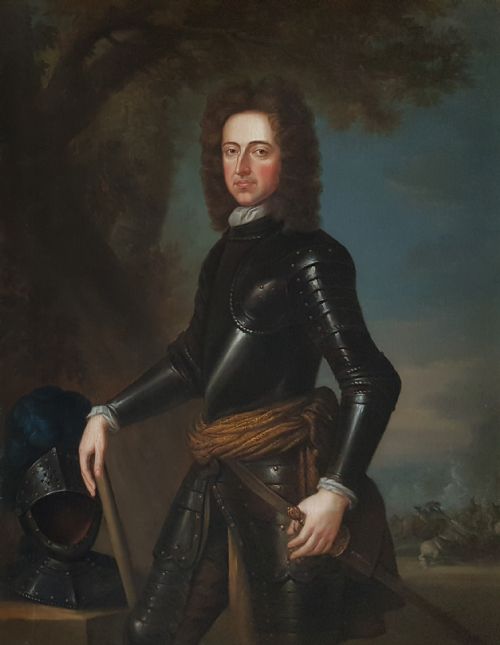
Prince William of Orange (later King William III) was highly important in the politics of Europe. He had been Captain General of the Dutch United Provinces in their war against the armies of Louis XIV and was an important figure to the Protestant cause in England. In 1677, William married his cousin Mary. Mary was the eldest daughter of James, Duke of York, who was the brother of Charles II and heir to the English throne. James and his wife were Catholic and Protestants worried that any son born to the couple would eventually become a Catholic king. The marriage of William and Mary had been encouraged by Charles II, Mary’s uncle and James’s brother, as it raised the prospect of a Protestant heir to the throne.
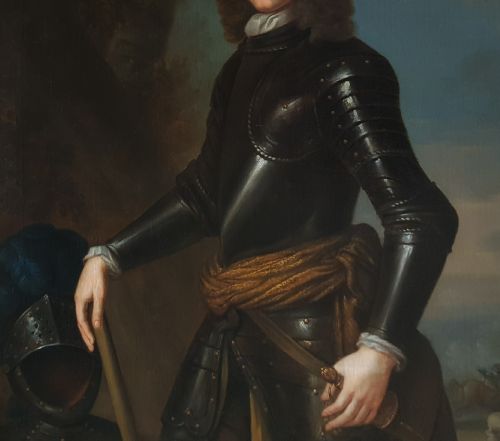
Charles II died in 1685 and James became King James II and many in Protestant England were deeply suspicious of the new Catholic monarch. When his wife gave birth to a son it confirmed their worst fears of a Catholic succession. This meant that Mary was no longer next in line to the throne. Alarmed by the situation, a group of James's Protestant opponents secretly invited William to invade England and oust his father-in-law. William’s mighty invasion force landed in Devon in November 1688. Many Englishmen supported William and, after some prominent English nobles defected to the invader, James II chose not to fight. He was subsequently captured and then allowed to escape to exile in France.
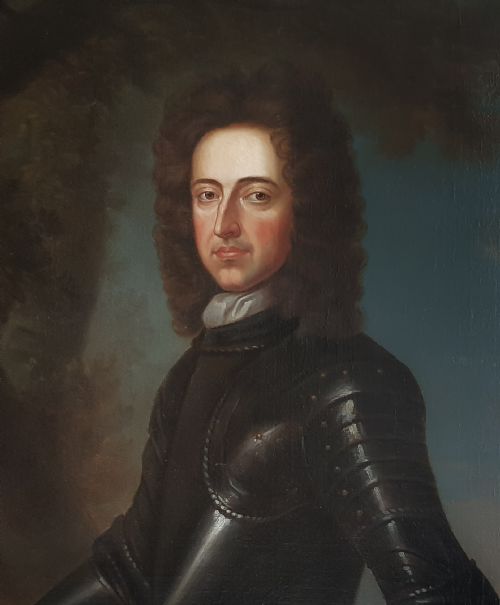
Early in 1689, the English Parliament formally offered William and Mary the throne as joint monarchs. The new monarchs could not rule with the same power as previous monarchs enjoyed. They accepted Parliament’s ‘Declaration of Rights’ (later called ‘Bill of Rights) which restricted the king’s power and marked an important transition towards the system of parliamentary rule that exists to this day. Later that year James landed in Ireland with French troops supplied by William of Orange’s sworn enemy, Louis XIV. In response William raised a huge invasion force, the largest Ireland had ever seen, and he decisively defeated James at the Battle of the Boyne. In Europe, William was successful in his lifelong struggle to contain the military ambitions of Louis XIV, the Catholic king of France. In part to help finance his wars with Louis, William founded the Bank of England.
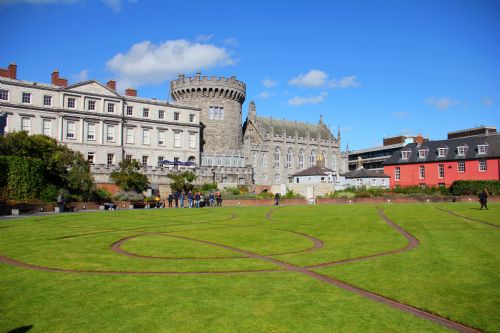
Sir Godfrey Kneller (1646-1723) was born in Germany but trained in Amsterdam and studied in Italy before moving to England in 1676. Towards the end of the century, after the deaths of Peter Lely and John Riley, Kneller became the leading portrait painter in Britain and the court painter to English and British monarchs from Charles II to George I. He dominated English art for more than thirty years. His over 40 "Kit-cat portraits" and the ten "beauties" of the court of William III are most noteworthy.

Provenance: Dublin Castle

Domville family, Santry Court, Dublin

Sale, Lawson and Broughton auctioneers, Sydney, 1888, where purchased by H.E. Lord Carrington

Physical Dimensions
Height
168cm (66.14")
Width
137cm (53.94")
Depth
6cm (2.36")
Declaration

Titan Fine Art has dated this piece to the 1700s.

Reference Numbers
Sellingantiques Reference
SA509195
Dealers Notes

Much more info about this item at: www.titanfineart.com

In a market saturated with available paintings, Titan Fine Art offers a distinct advantage: we sift through thousands of works to provide a specially curated selection. Each piece is meticulously chosen based on technical merit, provenance, and decorative appeal, ensuring our clients view only the finest examples of British and European art.

With over 20 years of expertise and 1,000+ works placed with collectors and institutions, we are one of the most prolific specialists in 17th and 18th-century portraiture. We combine a scholarly approach with museum-level rigor to replace the uncertainty of the open market with absolute confidence.

Why Buy From Titan Fine Art?

• Expertly Curated Selection

We act as your expert eye, selecting only high-quality works that offer genuine historical and artistic value.

• Museum-Level Research

Each portrait is supported by extensive academic research, often exceeding 40 hours, to establish attribution, sitter identity, and historical context.

• Professional Conservation

All paintings are carefully cleaned and stabilised by professional conservators, and are presented ready to hang.

• Transparent Pricing

No buyer’s premium or hidden fees—unlike auction houses, where additional costs can add 25–35%.

• Export Pricing Advantage

Reduced pricing is available for works exported outside the UK.

• Specialist Global Shipping

We manage the entire process, including custom crating, export documentation, and fully tracked delivery worldwide.

• Buy with Confidence

A 7-day return policy and the option to pay in GBP, USD, or EUR for convenience and transparency.

• Original Period Frames

Many works retain their original carved and gilded frames, which are works of art in their own right and enhance both historical authenticity and decorative impact.

• Personal Advisory Service

We work directly with collectors and interior designers, offering guidance on selection, scale, and placement—including bespoke room mock-ups on request.

Subscribe to our monthly 'new item alert' to be the first to hear about new works

Description
Portrait of King William III when Prince of Orange c.1700, oil on canvas

Follower or Circle of Sir Godfrey Kneller (1646-1723)

This grand scale portrait painted circa 1700 depicts King William III, when William of Orange (Prince of Orange) on the battlefield, possibly during The Glorious Revolution.
Titan Fine Art

It is the epidemy of the early propaganda portrait. Images such as this were an essential tool that King William and his supporters used to emphasise and glorify his importance and further his cause. As such many were created and there were as many different variations. Painted in warm tones the sitter has been depicted with a straightforward and honest manner. The work is resminsent of Sir Godfrey Knerller and Willem Wissing and is very impressive in quality and scale. The portrait was at Dublin Castle before it was sold to the Domville family of Santry Court, Dublin sometime before 1888.

fig 1. Portrait of King William III c.1700; Provenance: Dublin Castle; Follower or Circle of Sir Godfrey Kneller (1646-1723)
fig 1. Portrait of King William III C.1700; Provenance: Dublin Castle; Follower or Circle of Sir Godfrey Kneller (1646-1723)

Prince William of Orange (later King William III) was highly important in the politics of Europe. He had been Captain General of the Dutch United Provinces in their war against the armies of Louis XIV and was an important figure to the Protestant cause in England. In 1677, William married his cousin Mary. Mary was the eldest daughter of James, Duke of York, who was the brother of Charles II and heir to the English throne. James and his wife were Catholic and Protestants worried that any son born to the couple would eventually become a Catholic king. The marriage of William and Mary had been encouraged by Charles II, Mary’s uncle and James’s brother, as it raised the prospect of a Protestant heir to the throne.

fig 2. Portrait of King William III c.1700; Provenance: Dublin Castle; Follower or Circle of Sir Godfrey Kneller (1646-1723)
fig 2. Portrait of King William III C.1700; Provenance: Dublin Castle; Follower or Circle of Sir Godfrey Kneller (1646-1723)

Charles II died in 1685 and James became King James II and many in Protestant England were deeply suspicious of the new Catholic monarch. When his wife gave birth to a son it confirmed their worst fears of a Catholic succession. This meant that Mary was no longer next in line to the throne. Alarmed by the situation, a group of James's Protestant opponents secretly invited William to invade England and oust his father-in-law. William’s mighty invasion force landed in Devon in November 1688. Many Englishmen supported William and, after some prominent English nobles defected to the invader, James II chose not to fight. He was subsequently captured and then allowed to escape to exile in France.

fig 3. Portrait of King William III c.1700; Provenance: Dublin Castle; Follower or Circle of Sir Godfrey Kneller (1646-1723)
fig 3. Portrait of King William III C.1700; Provenance: Dublin Castle; Follower or Circle of Sir Godfrey Kneller (1646-1723)

Early in 1689, the English Parliament formally offered William and Mary the throne as joint monarchs. The new monarchs could not rule with the same power as previous monarchs enjoyed. They accepted Parliament’s ‘Declaration of Rights’ (later called ‘Bill of Rights) which restricted the king’s power and marked an important transition towards the system of parliamentary rule that exists to this day. Later that year James landed in Ireland with French troops supplied by William of Orange’s sworn enemy, Louis XIV. In response William raised a huge invasion force, the largest Ireland had ever seen, and he decisively defeated James at the Battle of the Boyne. In Europe, William was successful in his lifelong struggle to contain the military ambitions of Louis XIV, the Catholic king of France. In part to help finance his wars with Louis, William founded the Bank of England.

fig 4. Portrait of King William III c.1700; Provenance: Dublin Castle; Follower or Circle of Sir Godfrey Kneller (1646-1723)
fig 4. Portrait of King William III C.1700; Provenance: Dublin Castle; Follower or Circle of Sir Godfrey Kneller (1646-1723)

Sir Godfrey Kneller (1646-1723) was born in Germany but trained in Amsterdam and studied in Italy before moving to England in 1676. Towards the end of the century, after the deaths of Peter Lely and John Riley, Kneller became the leading portrait painter in Britain and the court painter to English and British monarchs from Charles II to George I. He dominated English art for more than thirty years. His over 40 "Kit-cat portraits" and the ten "beauties" of the court of William III are most noteworthy.

Provenance: Dublin Castle

Domville family, Santry Court, Dublin

Sale, Lawson and Broughton auctioneers, Sydney, 1888, where purchased by H.E. Lord Carrington

Height
168cm (66.14")
Width
137cm (53.94")
Depth
6cm (2.36")
Date of Manufacture

Titan Fine Art has dated this piece to the 1700s.

Reference Numbers
Sellingantiques Ref
SA509195
Titan Fine Art
Titan Fine Art
Sellingantiques verified Since Jul 2016

Specialist in 17th & 18thc portraits. Highly curated selection, museum-level research & pro conservation. Exceptional art, expertly vetted.

Dealer Profile

You can view the stock and full dealer information on the Titan Fine Art Profile Page

PDF SHARE
SAVE
Portrait of King William III c.1700; Provenance: Dublin Castle; Follower or Circle of Sir Godfrey Kneller (1646-1723)
1 / 5
Archive I Portrait of King William III c.1700; Provenance: Dublin Castle; Follower or Circle of Sir Godfrey Kneller (1646-1723)

Portrait of King William III C.1700; Provenance: Dublin Castle; Follower or Circle of Sir Godfrey Kneller (1646-1723)
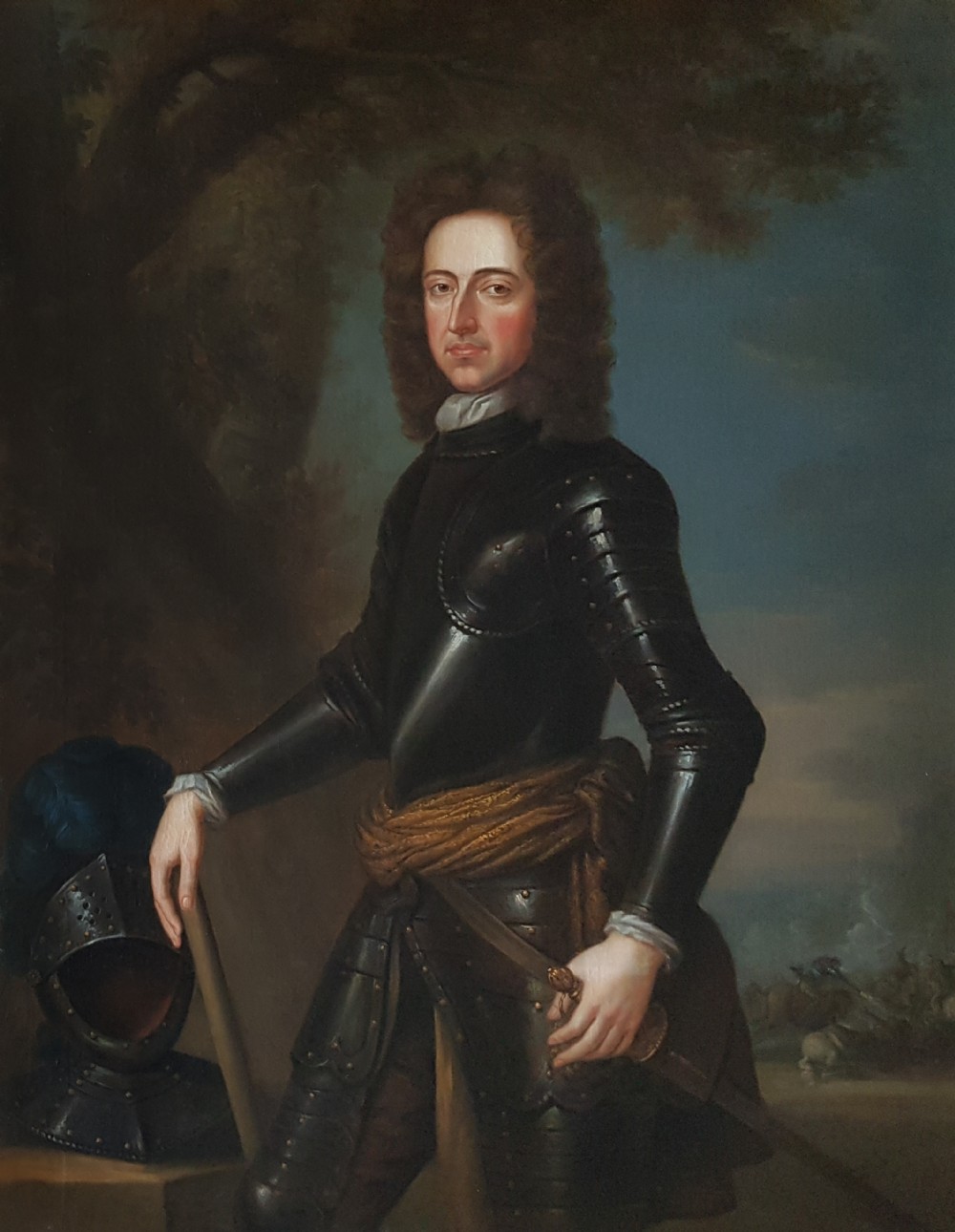
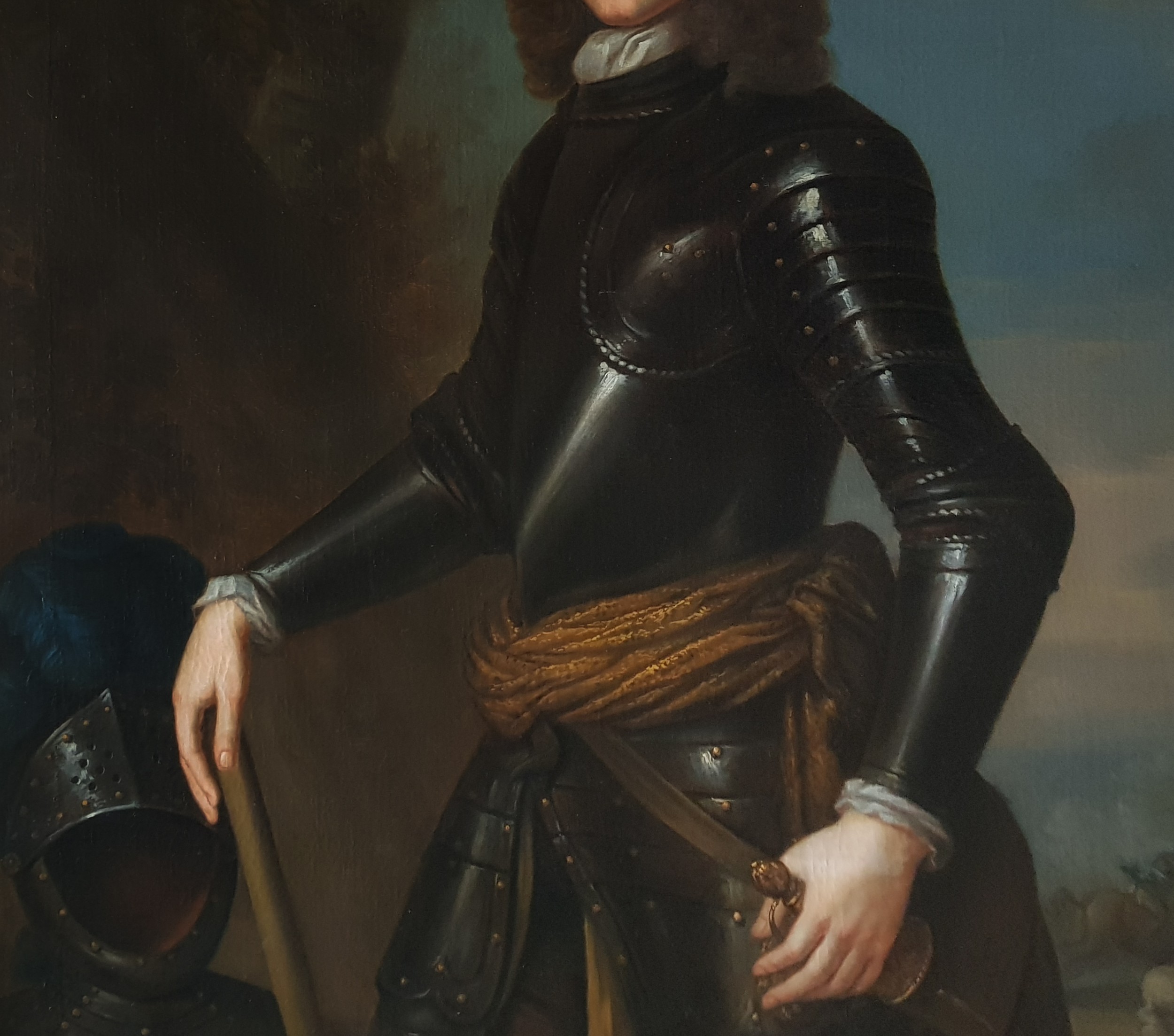
Archive II Portrait of King William III c.1700; Provenance: Dublin Castle; Follower or Circle of Sir Godfrey Kneller (1646-1723) View II
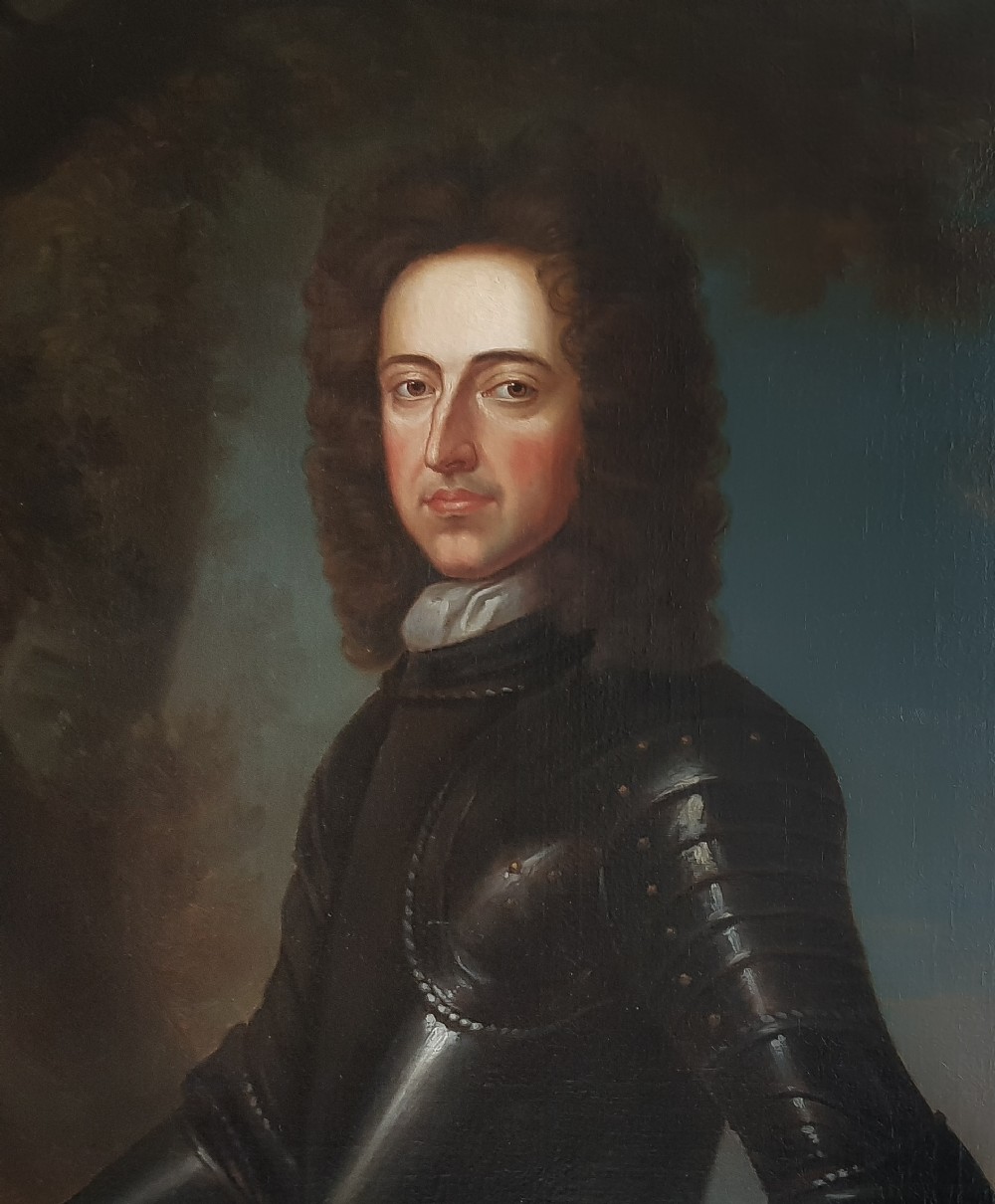
Archive III Portrait of King William III c.1700; Provenance: Dublin Castle; Follower or Circle of Sir Godfrey Kneller (1646-1723) View III
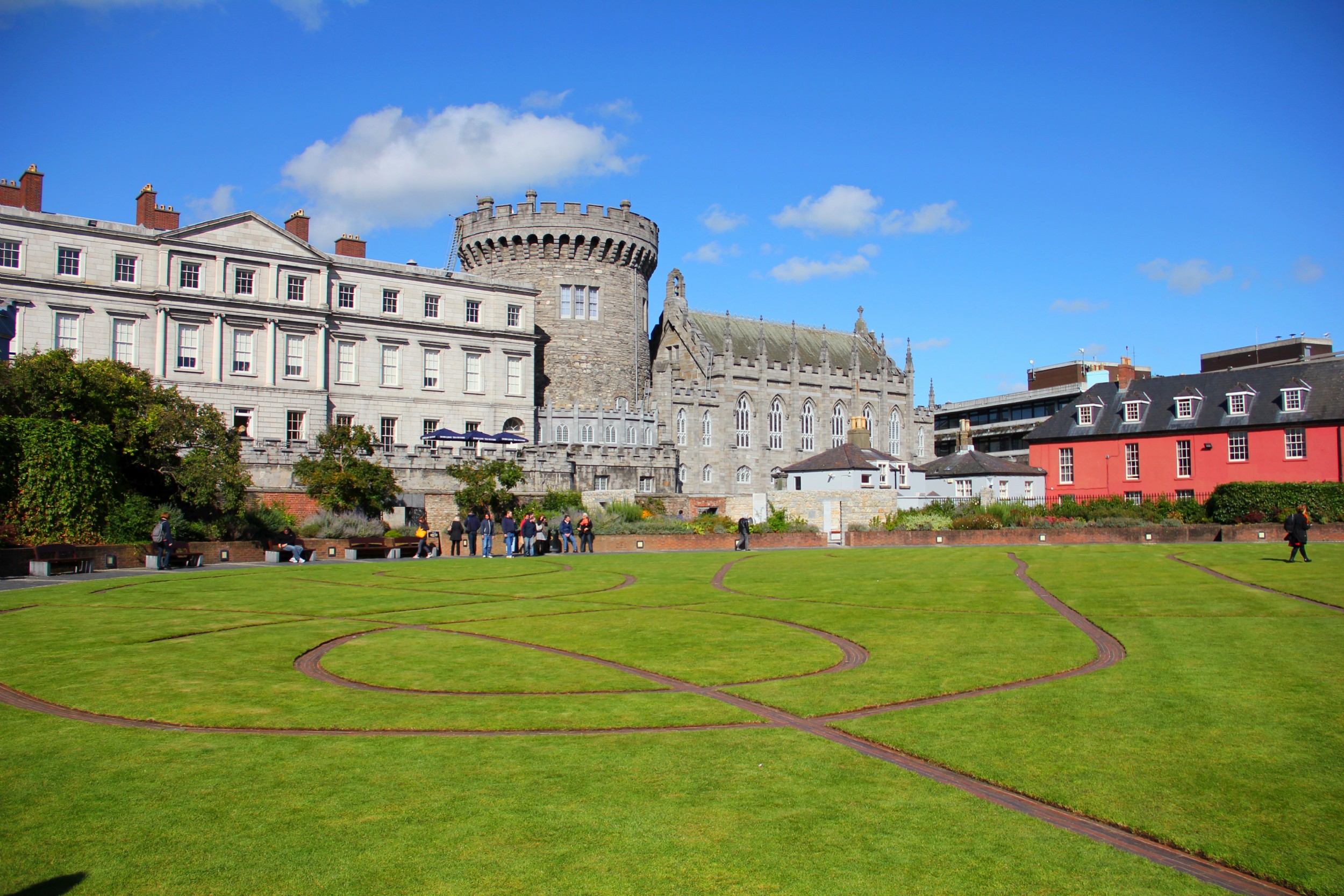
Archive IV Portrait of King William III c.1700; Provenance: Dublin Castle; Follower or Circle of Sir Godfrey Kneller (1646-1723) View IV
Archive V Portrait of King William III c.1700; Provenance: Dublin Castle; Follower or Circle of Sir Godfrey Kneller (1646-1723) View V
Enlarged Archival View
Telephone 07875 412 111
Location
London
United Kingdom
Dealer Profile Page sellingantiques.co.uk/titan
Verified Since Jul 2016
Items For Sale 16
Items Sold 401
Titan Fine Art
Titan Fine Art
Verified Since Jul 2016
View Dealer Info
Location: London, United Kingdom
Verified
Jul 2016
For Sale
16
Sold
401
Portrait of King William III c.1700; Provenance: Dublin Castle; Follower or Circle of Sir Godfrey Kneller (1646-1723)
Ref: SA509195
Portrait of King William III c.1700; Provenance: Dublin Castle; Follower or Circle of Sir Godfrey Kneller (1646-1723)
Detail View 1
Detail View 2
Detail View 3
Detail View 4
Archival Detail
Every single antique dealer on our platform is individually approved by our internal team. We verify their professional trade history, ethical standards, and photographic quality to ensure a secure, high-standard buying environment. Upon joining, every dealer agrees to a strict 9-point code of conduct. While issues can occasionally arise, our dealers typically resolve them swiftly and directly with the buyer. In fact, since our founding in 2002, Sellingantiques has only had to step in to help resolve an issue on roughly five occasions—a true testament to the quality of our dealers and their dedication to your happiness.
Our dealers are highly experienced in packing and shipping fragile, high-value antiques. Because you are in direct contact with the dealer, you will be able to easily go through all available shipping and insurance options together to ensure your item arrives safely.
Antiques are the ultimate green purchase. By choosing historical pieces over newly manufactured goods, you completely eliminate the carbon footprint of modern mass production while preserving exceptional, timeless craftsmanship.
items
Add keywords to the filter
Price
£100
£250000
Era
Movements
Material
Origin
Stock Location
Freshness
Online Payments
Categories