
18,310  PAGES BROWSED TODAY PAGES TODAY 96 ANTIQUES UPLOADED TODAYNEW ARRIVALS
96 ITEMS ADDED TODAY
Sort Order
Items Per Page
Browse Categories
Sort order
Items per page
ID #SA466286
SOLD
Email
Save
Portrait of a Lady, 17th Century; Attributed to Mary Beale (1632-1697)
Titan Fine Art
sold SA466286
Sorry, but this item has been sold.
Titan Fine Art

Titan Fine Art

Sellingantiques Verified Since Jul 2016
View Dealers Stock Page
  • About Us
    Specialist in 17th & 18thc portraits. Highly curated selection, museum-level research & pro conservation. Exceptional art, expertly vetted.
Id #SA466286
PDF SHARE
SAVE

Portrait of a Lady, 17th Century; Attributed to Mary Beale (1632-1697)

17th century
Description

Oil on canvas in a fine 17th century frame.

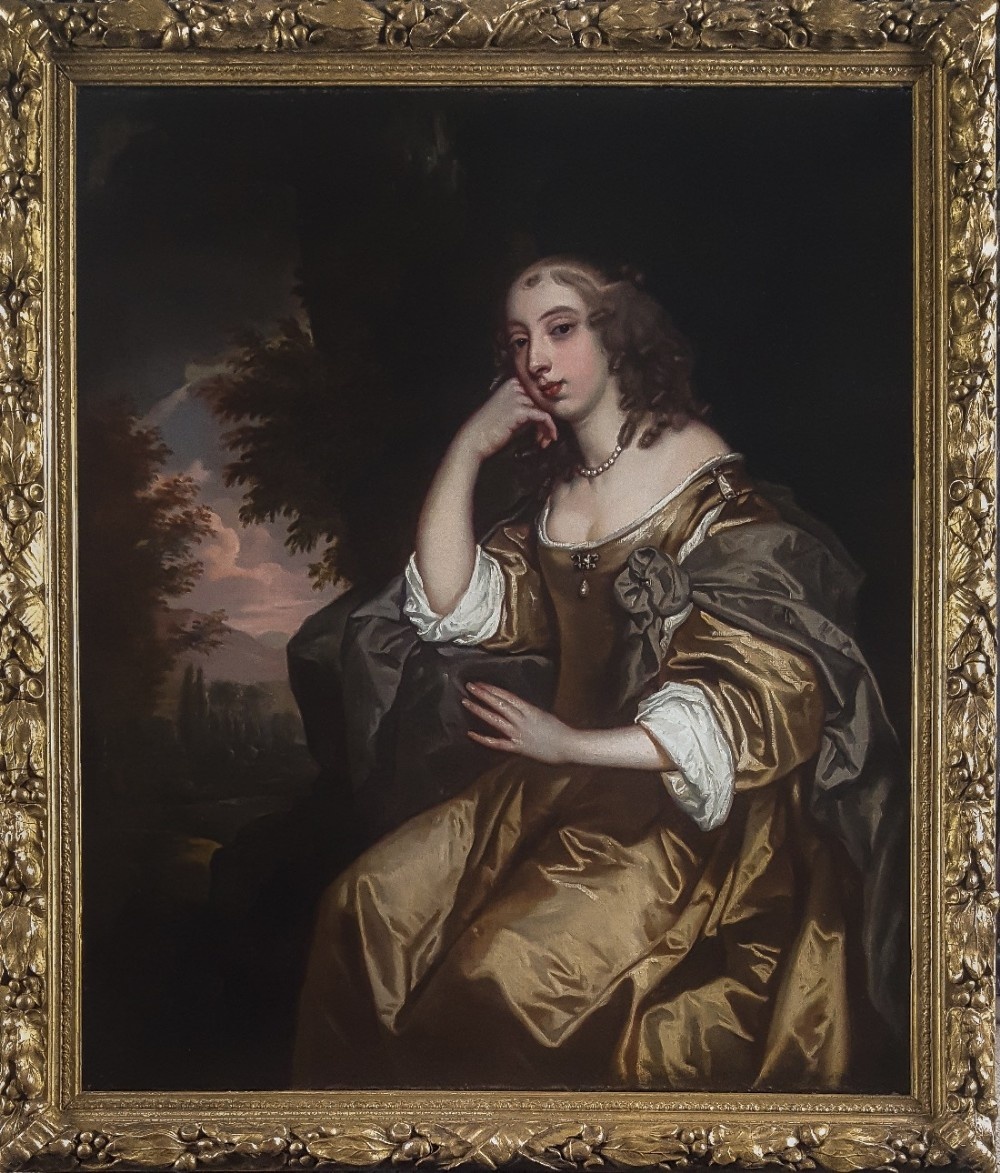
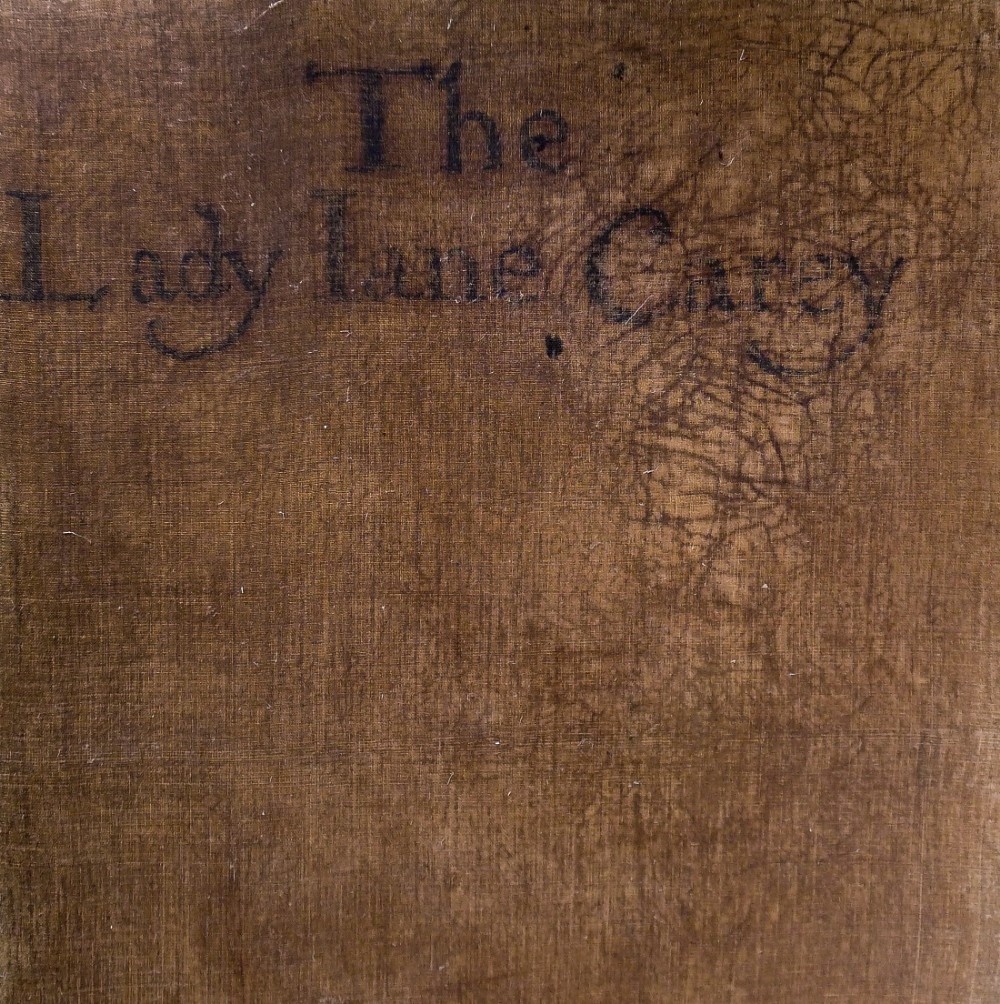
An inscription on the verso of the canvas states “The Lady Lane Carey” although it has not been possible to determine with certainty the original portrait from which this work derives, it bears an undeniable similarity with at least three other three quarter length portraits by Lely. As was typical of Lely, the composition used in this work was replicated in other portrait commissions, and therefore it almost certainly relates to a now-lost original by Lely.

It was an established practice in the 17th century to copy in miniature works by Old Masters. According to the detailed accounts kept by Charles Beale (of which there were about 30 of these “pocket books” originally), Mary Beale was coping the portraits of Van Dyke and also her friend Peter Lely, by at least 1676 and some of these have doubtless been assigned to Lely. Some were made on commission – in fact copies after Lely made a significant part of Beale’s income – and others were done for her own “study and improvement” and kept in the studio as patterns for her independent portrait commissions. The account records activities for each day, detailing her commissioned portraits as well as the experimental studies in which it identifies the sitters and usually their poses and it tracks the progress of each work from one sitting to the next, paying particular attention if a novel technique had been used. In addition to “study and improvement” it is likely that the purpose was also to test the commerciality of such layouts.

Many of these copies after Lely were done “in little” generally denoting small paintings on canvas rather than miniatures. They were also, both in recognition of this fact, and of the expense of the pigments that she employed - as costly or more as the larger portraits - and Beale would charge as much as £11 for them. Perhaps owners of the larger paintings commissioned smaller versions already in their possession for their (smaller) town houses.

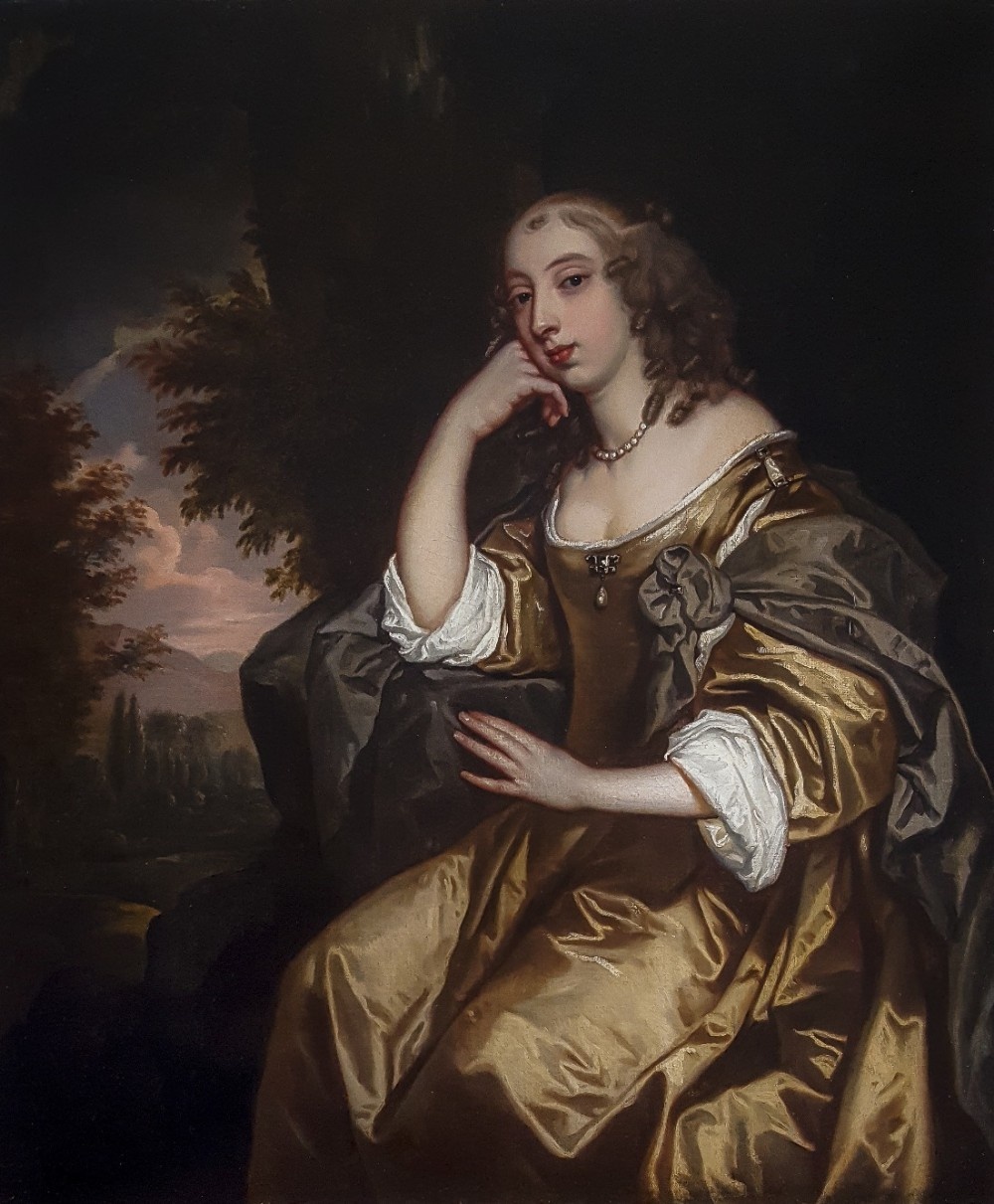
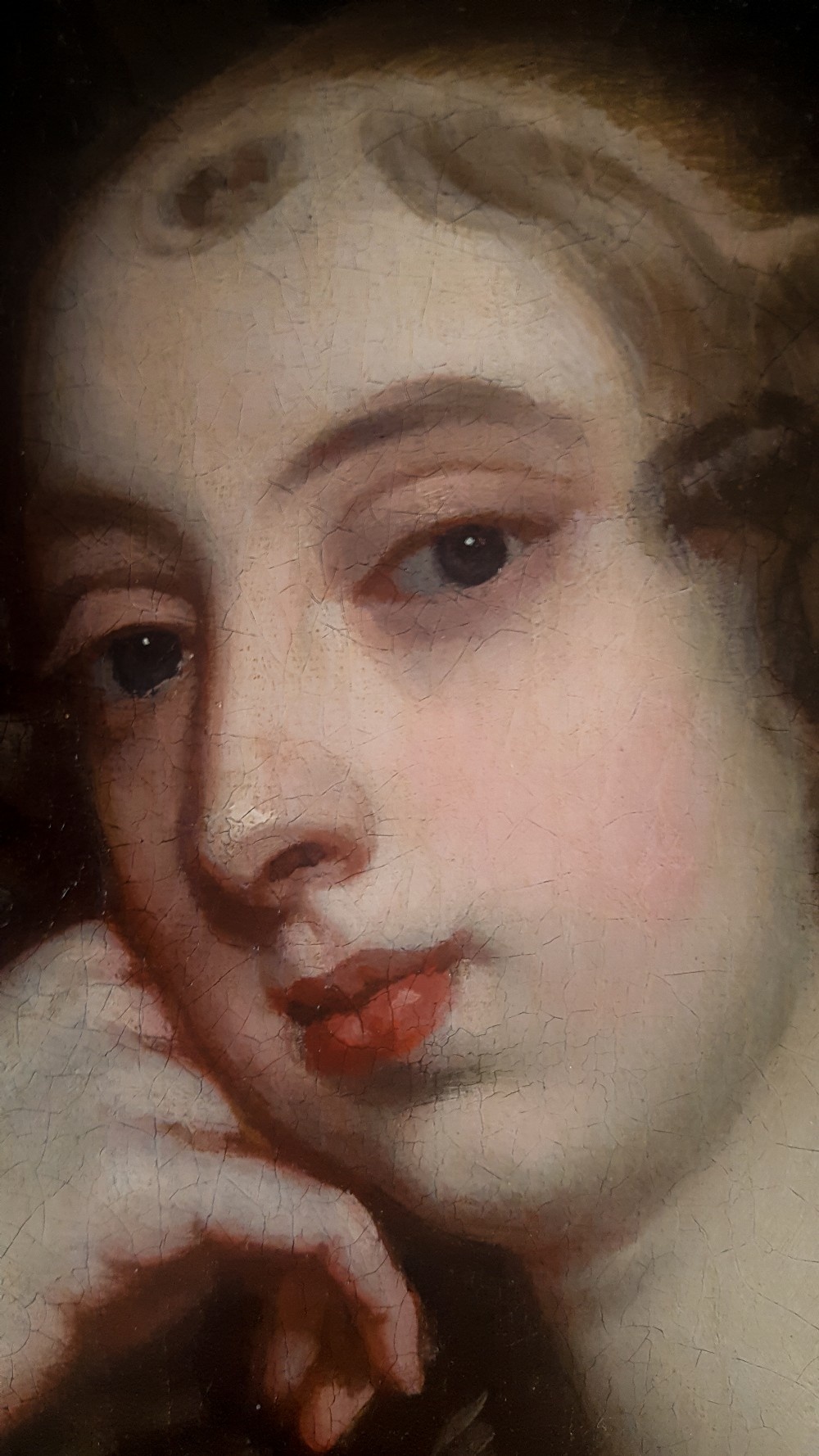
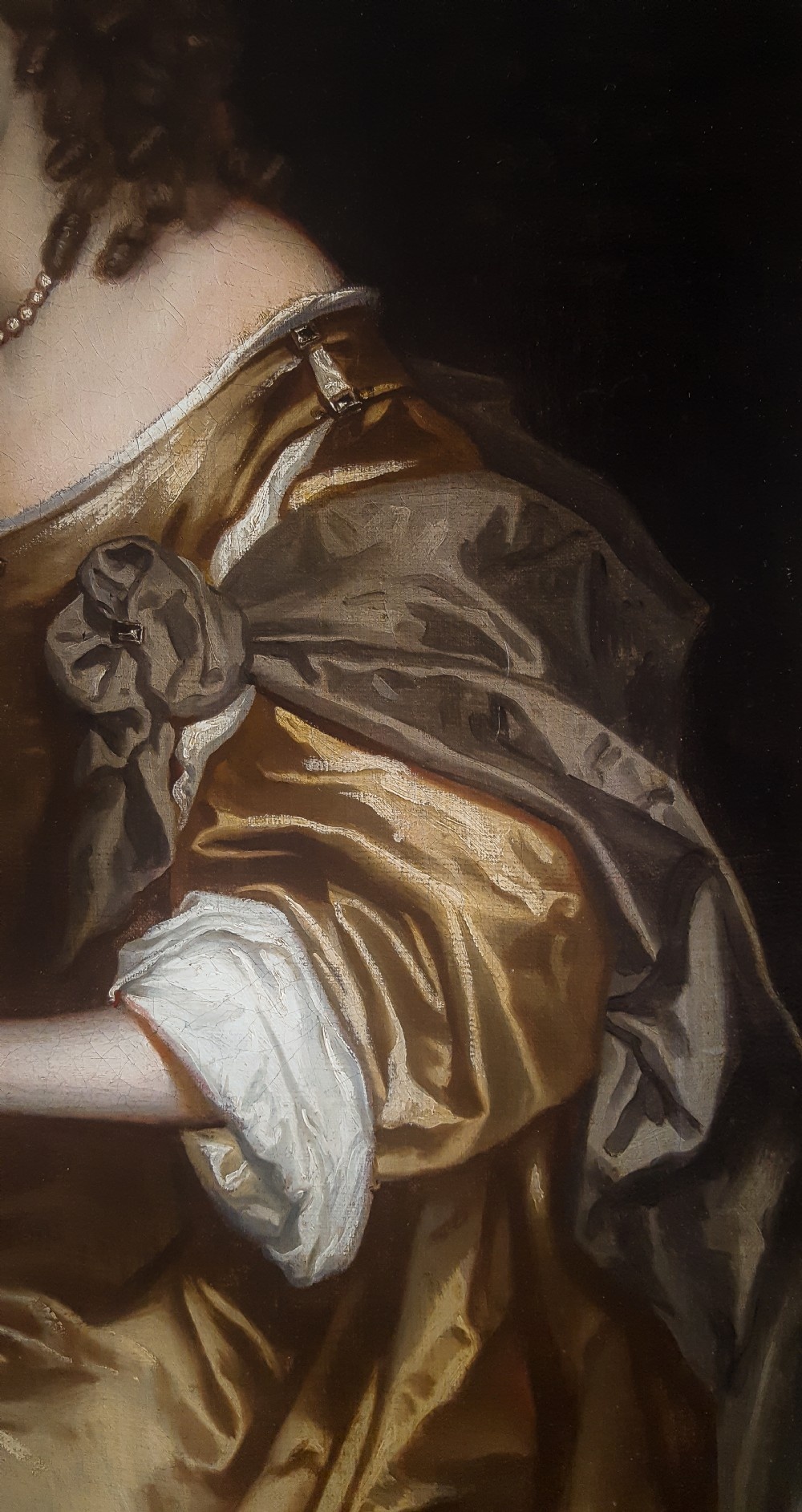
The “Great” Lely was so taken and fond of Beale’s work he would often remark on this. Never really her teacher, Beale and Lely were friends and she enjoyed the considerable privelege of being able to observe Lely in the act of painting in order to study his technique. Through Beale’s copying and “study” she acquired a purity of colouring – something her portraits are remarkable for. The rich colour, exquisite shimmering draperies, dramatic lighting, and romantic background are typical of Lely. The sitter gazes directly and intently at the viewer, and the rather limpid way the ‘almond’ eyes are painted are typical features of Lely’s work. His sense of theatre and his mastery of colour explains his appeal to the upper echelons of society who sought to increase their ‘brand’ through images depicting them as majestic and sometimes saintly.

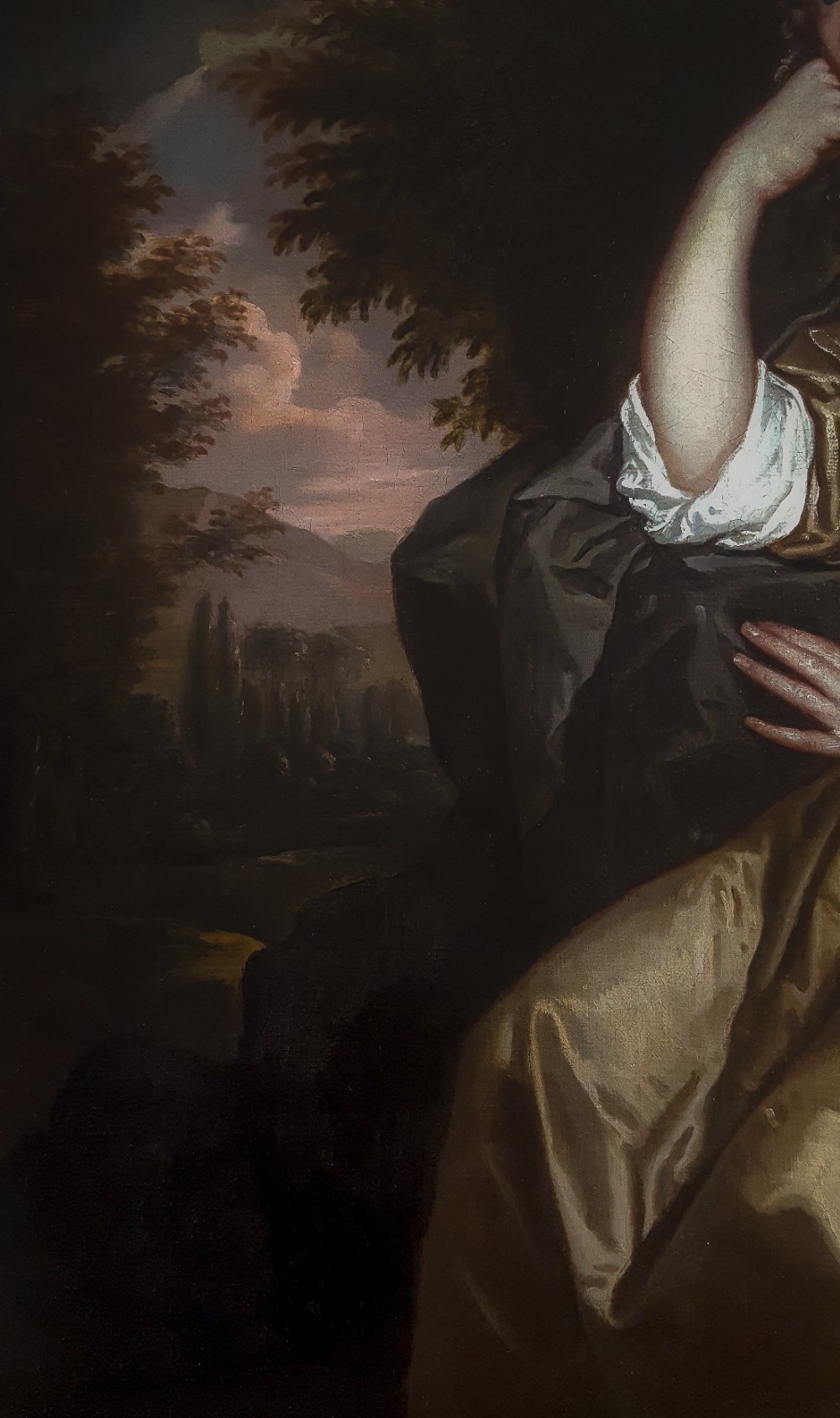
This is a recently discovered portrait by Beale, which has come to light following the removal of several layers of discoloured varnish. The composition, with the subject shown seated beneath a rocky outcrop with a landscape beyond, is typical of the exaggerated stage-set approach to portraiture promoted during the period.

Mary Beale (1633 – 1699) was one of the most successful professional female Baroque era portrait painters of the late 17th century and was employed by many of the most distinguished persons of her time. She was exceedingly industrious and experimented with many new materials and techniques. She painted in oil, water-colours, and crayons and worked with a wonderful body of colours. She often employed the use of an elaborate stone cartouche that surrounded her sitters. Her price was five pounds for a head, and ten pounds for a half-length. In 1672 she earned £202 for her commissions, and was charging £5 for a ‘head and shoulders’ and 1677 she had 83 commissions, earning £429. She also had thre

Physical Dimensions
Height
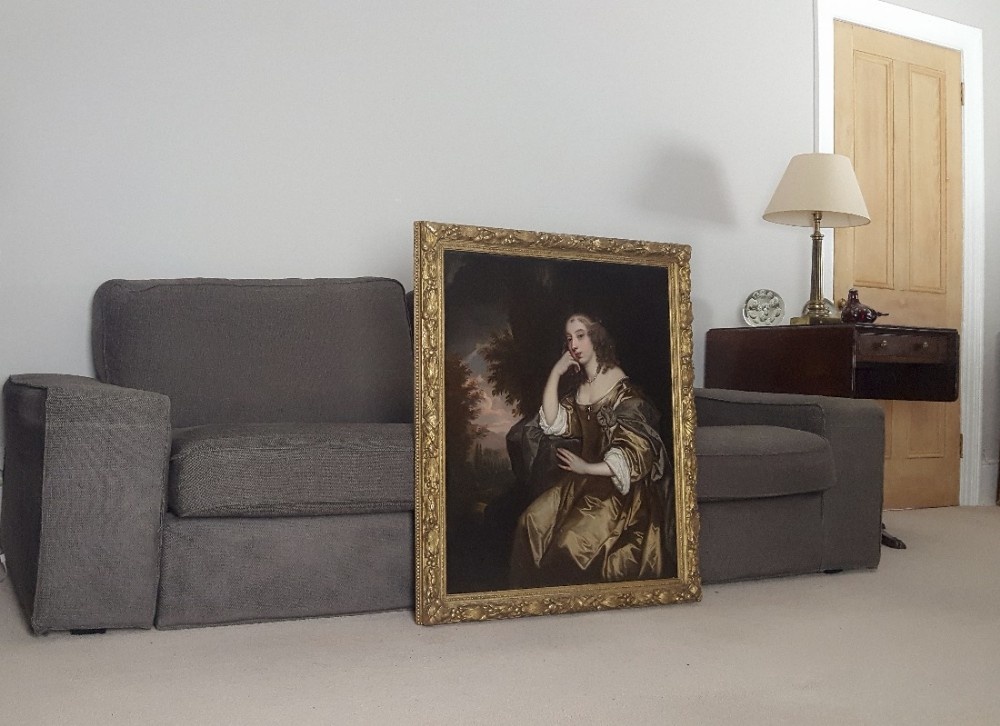
87cm (34.25")
Width
75cm (29.53")
Depth
5cm (1.97")
Declaration

Titan Fine Art has dated this piece to the 17th Century.

Reference Numbers
Sellingantiques Reference
SA466286
Dealers Notes

Much more info about this item at: www.titanfineart.com

In a market saturated with available paintings, Titan Fine Art offers a distinct advantage: we sift through thousands of works to provide a specially curated selection. Each piece is meticulously chosen based on technical merit, provenance, and decorative appeal, ensuring our clients view only the finest examples of British and European art.

With over 20 years of expertise and 1,000+ works placed with collectors and institutions, we are one of the most prolific specialists in 17th and 18th-century portraiture. We combine a scholarly approach with museum-level rigor to replace the uncertainty of the open market with absolute confidence.

Why Buy From Titan Fine Art?

• Expertly Curated Selection

We act as your expert eye, selecting only high-quality works that offer genuine historical and artistic value.

• Museum-Level Research

Each portrait is supported by extensive academic research, often exceeding 40 hours, to establish attribution, sitter identity, and historical context.

• Professional Conservation

All paintings are carefully cleaned and stabilised by professional conservators, and are presented ready to hang.

• Transparent Pricing

No buyer’s premium or hidden fees—unlike auction houses, where additional costs can add 25–35%.

• Export Pricing Advantage

Reduced pricing is available for works exported outside the UK.

• Specialist Global Shipping

We manage the entire process, including custom crating, export documentation, and fully tracked delivery worldwide.

• Buy with Confidence

A 7-day return policy and the option to pay in GBP, USD, or EUR for convenience and transparency.

• Original Period Frames

Many works retain their original carved and gilded frames, which are works of art in their own right and enhance both historical authenticity and decorative impact.

• Personal Advisory Service

We work directly with collectors and interior designers, offering guidance on selection, scale, and placement—including bespoke room mock-ups on request.

Subscribe to our monthly 'new item alert' to be the first to hear about new works

Description
Oil on canvas in a fine 17th century frame.

An inscription on the verso of the canvas states “The Lady Lane Carey” although it has not been possible to determine with certainty the original portrait from which this work derives, it bears an undeniable similarity with at least three other three quarter length portraits by Lely.
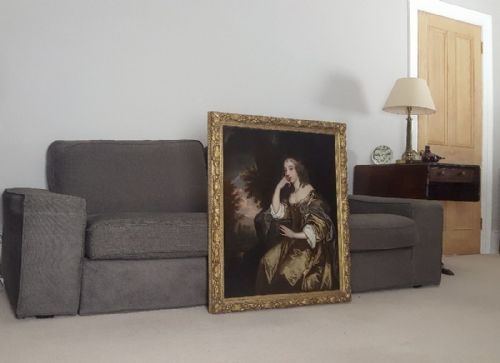
As was typical of Lely, the composition used in this work was replicated in other portrait commissions, and therefore it almost certainly relates to a now-lost original by Lely.
Titan Fine Art
fig 1. Portrait of a Lady, 17th Century; Attributed to Mary Beale (1632-1697)

It was an established practice in the 17th century to copy in miniature works by Old Masters. According to the detailed accounts kept by Charles Beale (of which there were about 30 of these “pocket books” originally), Mary Beale was coping the portraits of Van Dyke and also her friend Peter Lely, by at least 1676 and some of these have doubtless been assigned to Lely. Some were made on commission – in fact copies after Lely made a significant part of Beale’s income – and others were done for her own “study and improvement” and kept in the studio as patterns for her independent portrait commissions. The account records activities for each day, detailing her commissioned portraits as well as the experimental studies in which it identifies the sitters and usually their poses and it tracks the progress of each work from one sitting to the next, paying particular attention if a novel technique had been used. In addition to “study and improvement” it is likely that the purpose was also to test the commerciality of such layouts.
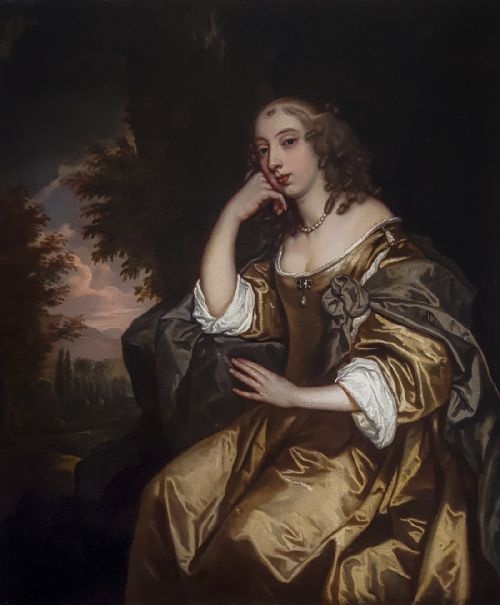
fig 2. Portrait of a Lady, 17th Century; Attributed to Mary Beale (1632-1697)

Many of these copies after Lely were done “in little” generally denoting small paintings on canvas rather than miniatures. They were also, both in recognition of this fact, and of the expense of the pigments that she employed - as costly or more as the larger portraits - and Beale would charge as much as £11 for them. Perhaps owners of the larger paintings commissioned smaller versions already in their possession for their (smaller) town houses.
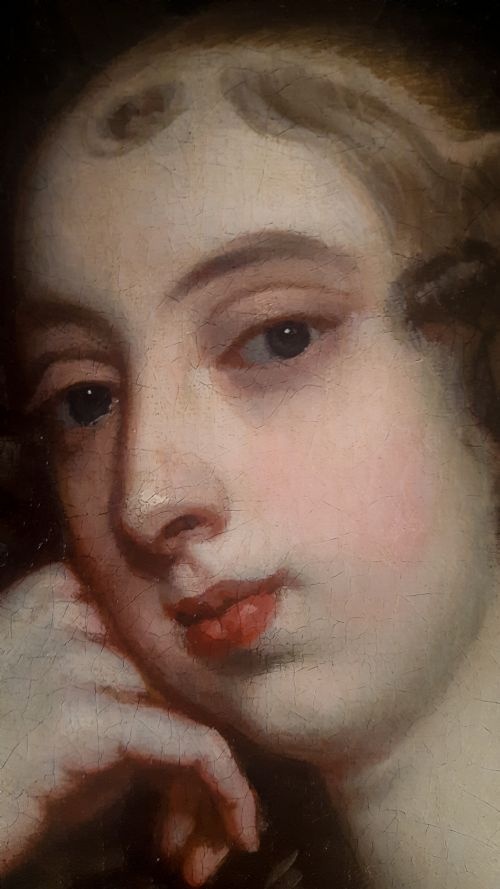
fig 3. Portrait of a Lady, 17th Century; Attributed to Mary Beale (1632-1697)

The “Great” Lely was so taken and fond of Beale’s work he would often remark on this. Never really her teacher, Beale and Lely were friends and she enjoyed the considerable privelege of being able to observe Lely in the act of painting in order to study his technique. Through Beale’s copying and “study” she acquired a purity of colouring – something her portraits are remarkable for. The rich colour, exquisite shimmering draperies, dramatic lighting, and romantic background are typical of Lely. The sitter gazes directly and intently at the viewer, and the rather limpid way the ‘almond’ eyes are painted are typical features of Lely’s work. His sense of theatre and his mastery of colour explains his appeal to the upper echelons of society who sought to increase their ‘brand’ through images depicting them as majestic and sometimes saintly.
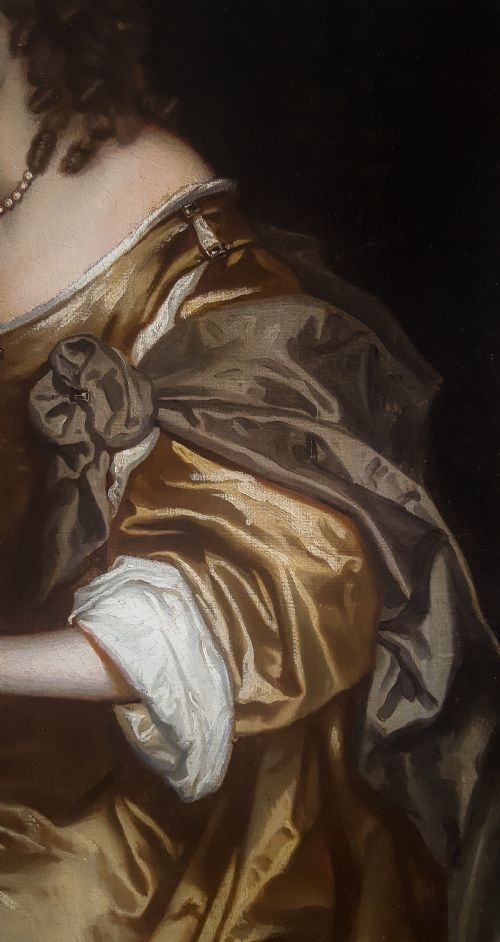
fig 4. Portrait of a Lady, 17th Century; Attributed to Mary Beale (1632-1697)

This is a recently discovered portrait by Beale, which has come to light following the removal of several layers of discoloured varnish. The composition, with the subject shown seated beneath a rocky outcrop with a landscape beyond, is typical of the exaggerated stage-set approach to portraiture promoted during the period.
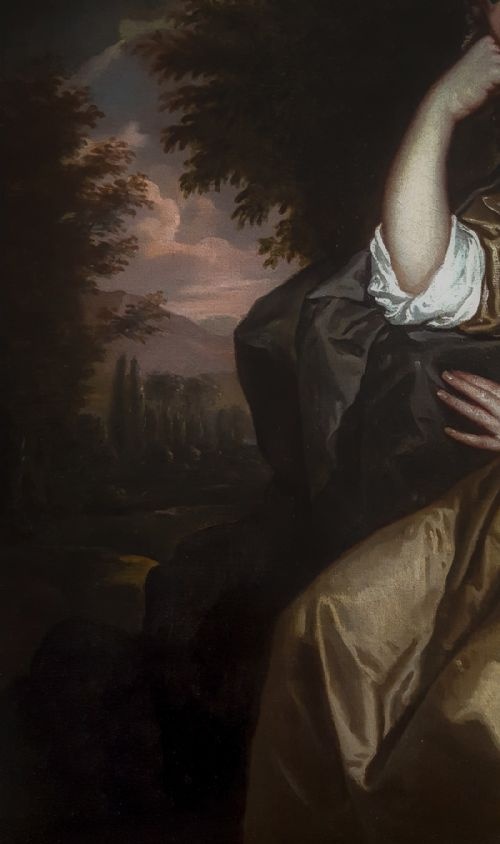
fig 5. Portrait of a Lady, 17th Century; Attributed to Mary Beale (1632-1697)

Mary Beale (1633 – 1699) was one of the most successful professional female Baroque era portrait painters of the late 17th century and was employed by many of the most distinguished persons of her time. She was exceedingly industrious and experimented with many new materials and techniques. She painted in oil, water-colours, and crayons and worked with a wonderful body of colours. She often employed the use of an elaborate stone cartouche that surrounded her sitters. Her price was five pounds for a head, and ten pounds for a half-length. In 1672 she earned £202 for her commissions, and was charging £5 for a ‘head and shoulders’ and 1677 she had 83 commissions, earning £429. She also had thre

Height
87cm (34.25")
Width
75cm (29.53")
Depth
5cm (1.97")
Date of Manufacture

Titan Fine Art has dated this piece to the 17th Century.

Reference Numbers
Sellingantiques Ref
SA466286
Titan Fine Art
Titan Fine Art
Sellingantiques verified Since Jul 2016

Specialist in 17th & 18thc portraits. Highly curated selection, museum-level research & pro conservation. Exceptional art, expertly vetted.

Dealer Profile

You can view the stock and full dealer information on the Titan Fine Art Profile Page
PDF SHARE
SAVE
Portrait of a Lady, 17th Century; Attributed to Mary Beale (1632-1697)
1 / 7
Archive I Portrait of a Lady, 17th Century; Attributed to Mary Beale (1632-1697)
Portrait of a Lady, 17th Century; Attributed to Mary Beale (1632-1697)
Archive II Portrait of a Lady, 17th Century; Attributed to Mary Beale (1632-1697) View II
Archive III Portrait of a Lady, 17th Century; Attributed to Mary Beale (1632-1697) View III
Archive IV Portrait of a Lady, 17th Century; Attributed to Mary Beale (1632-1697) View IV
Archive V Portrait of a Lady, 17th Century; Attributed to Mary Beale (1632-1697) View V
Archive VI Portrait of a Lady, 17th Century; Attributed to Mary Beale (1632-1697) View VI
Archive VII Portrait of a Lady, 17th Century; Attributed to Mary Beale (1632-1697) View VII
Enlarged Archival View
Telephone 07875 412 111
Location
London
United Kingdom
Dealer Profile Page sellingantiques.co.uk/titan
Verified Since Jul 2016
Items For Sale 16
Items Sold 401
Titan Fine Art
Titan Fine Art
Verified Since Jul 2016
View Dealer Info
Location: London, United Kingdom
Verified
Jul 2016
For Sale
16
Sold
401
Portrait of a Lady, 17th Century; Attributed to Mary Beale (1632-1697)
Ref: SA466286
Portrait of a Lady, 17th Century; Attributed to Mary Beale (1632-1697)
Detail View 1
Detail View 2
Detail View 3
Detail View 4
Detail View 5
Detail View 6
Archival Detail
Every single antique dealer on our platform is individually approved by our internal team. We verify their professional trade history, ethical standards, and photographic quality to ensure a secure, high-standard buying environment. Upon joining, every dealer agrees to a strict 9-point code of conduct. While issues can occasionally arise, our dealers typically resolve them swiftly and directly with the buyer. In fact, since our founding in 2002, Sellingantiques has only had to step in to help resolve an issue on roughly five occasions—a true testament to the quality of our dealers and their dedication to your happiness.
Our dealers are highly experienced in packing and shipping fragile, high-value antiques. Because you are in direct contact with the dealer, you will be able to easily go through all available shipping and insurance options together to ensure your item arrives safely.
Antiques are the ultimate green purchase. By choosing historical pieces over newly manufactured goods, you completely eliminate the carbon footprint of modern mass production while preserving exceptional, timeless craftsmanship.
items
Add keywords to the filter
Price
£100
£250000
Era
Movements
Material
Origin
Stock Location
Freshness
Online Payments
Categories