It was listed by Titan Fine Art. Sold pieces stay on Sellingantiques as a record of what has passed through, and the next one is rarely far away.
Titan Fine Art has dated this piece to the 17th Century.
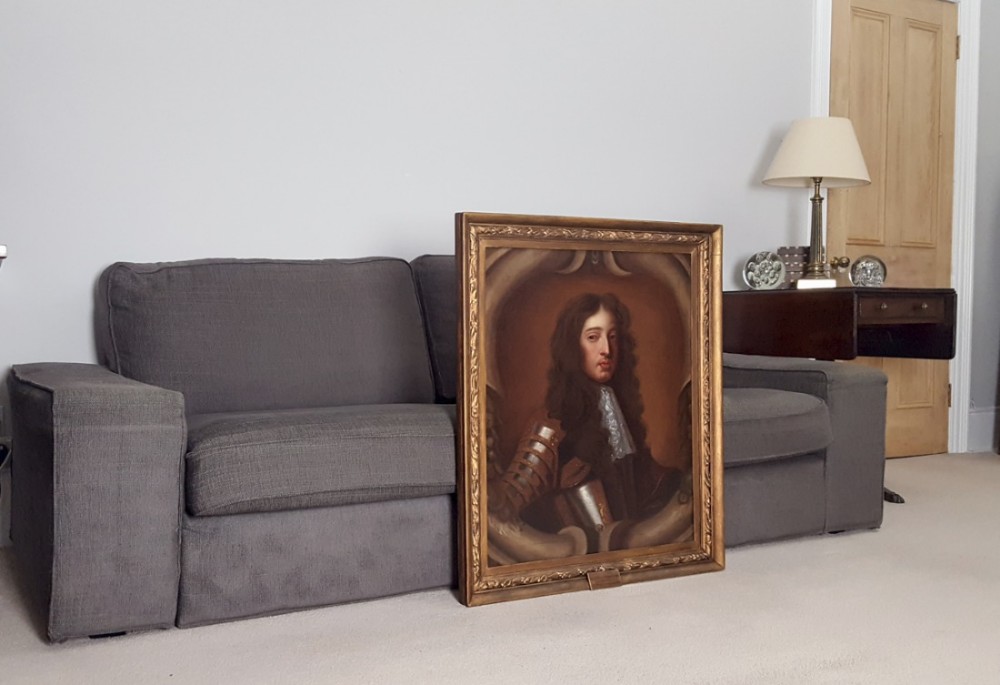
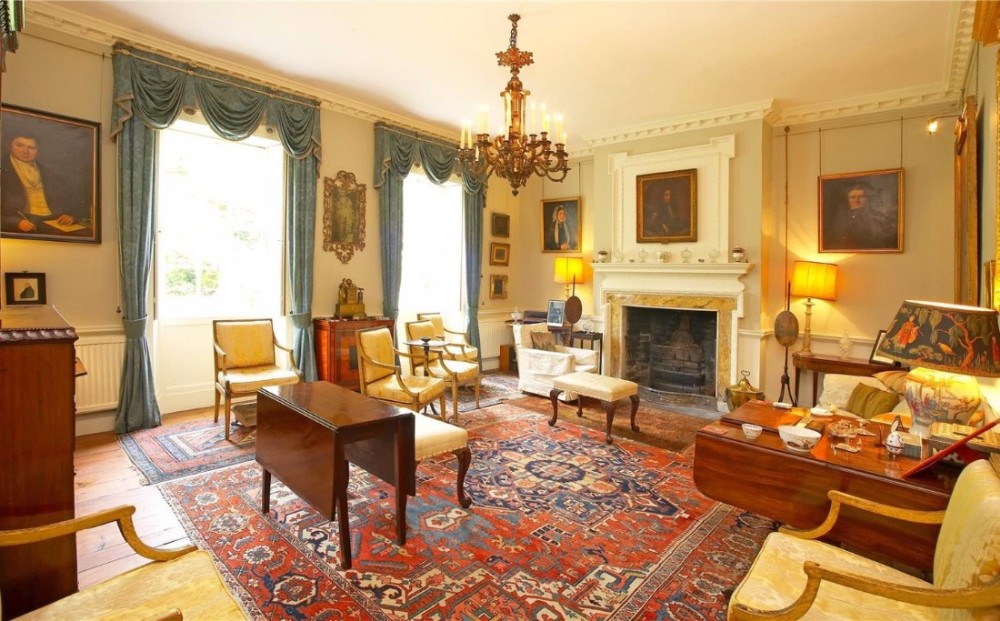
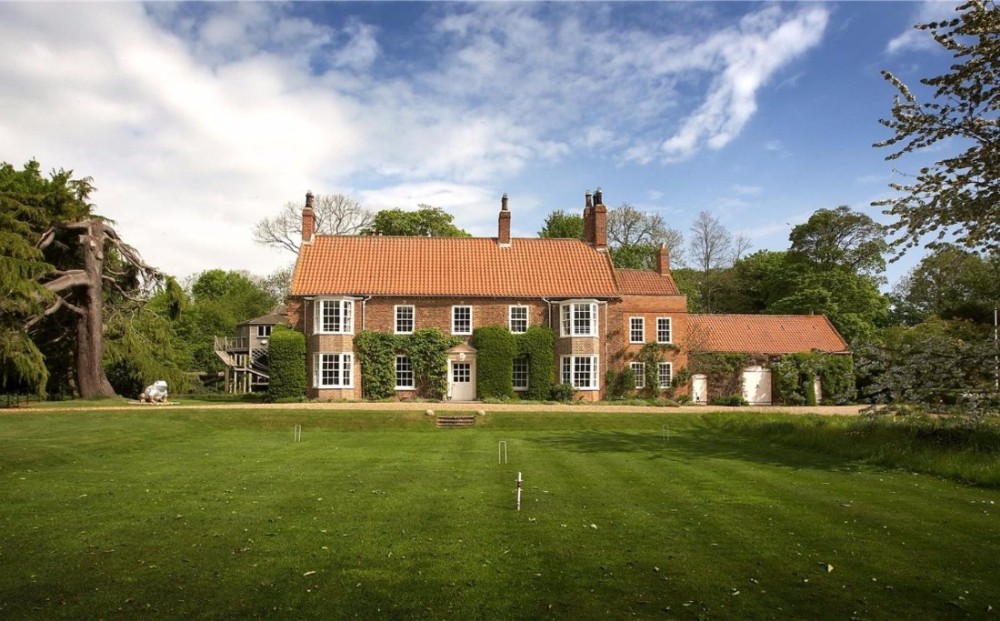
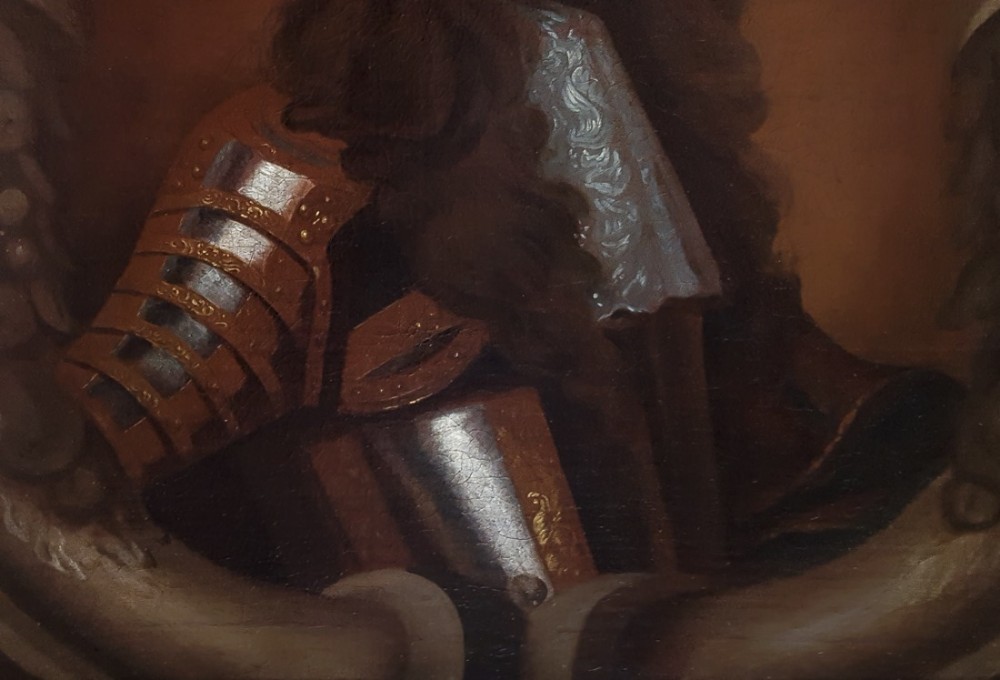
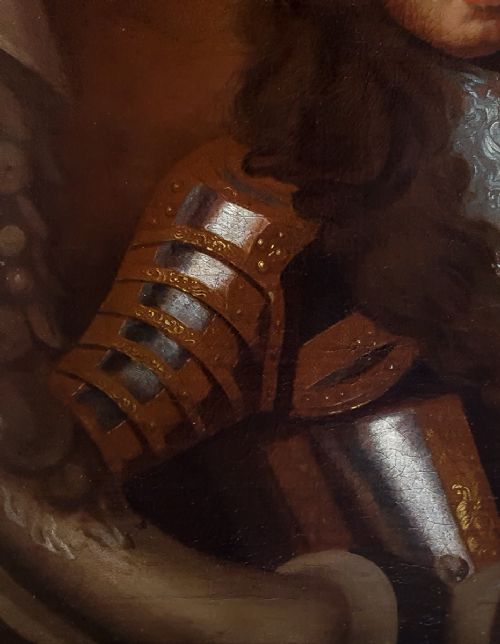
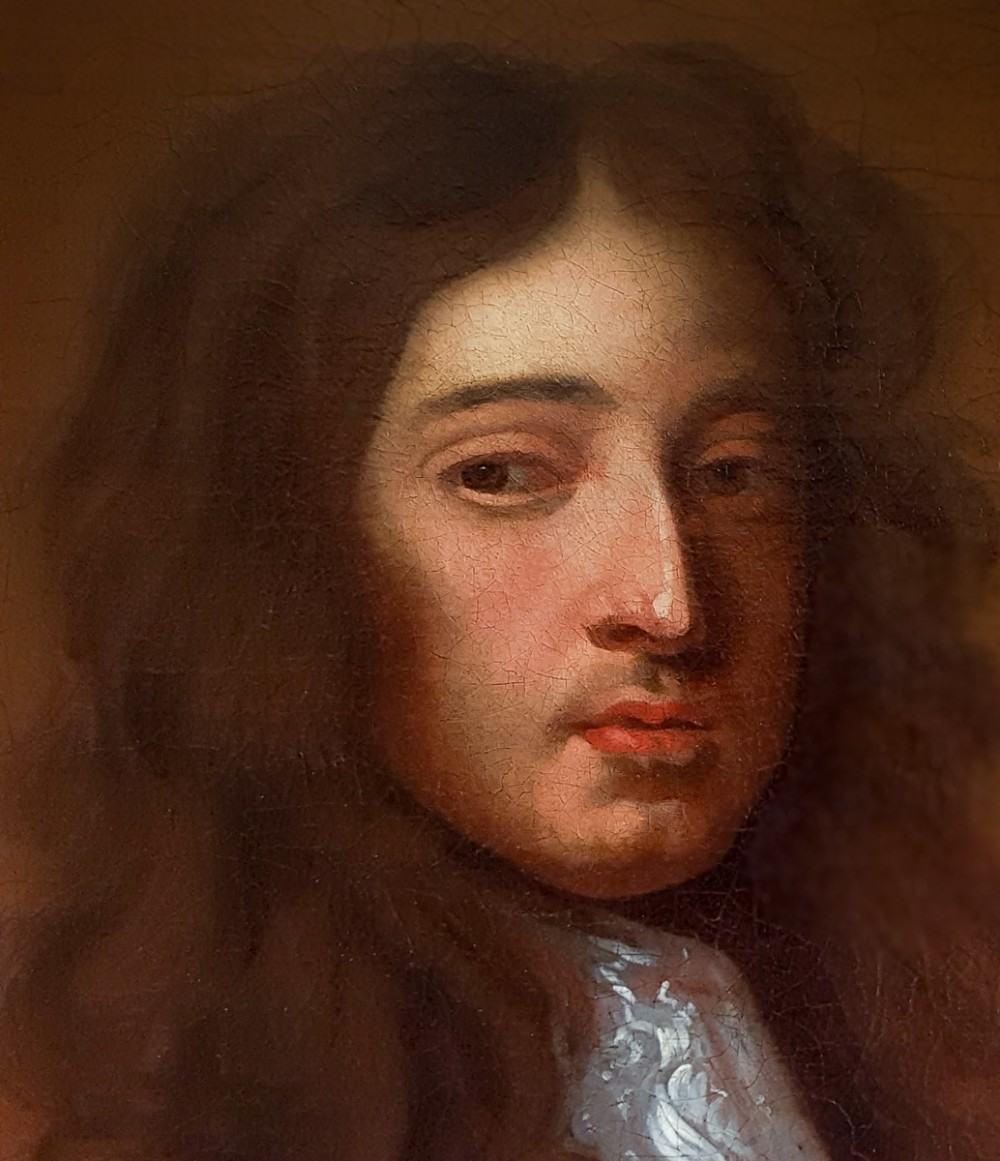
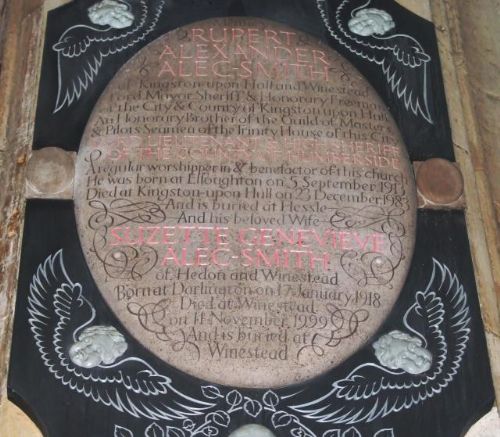
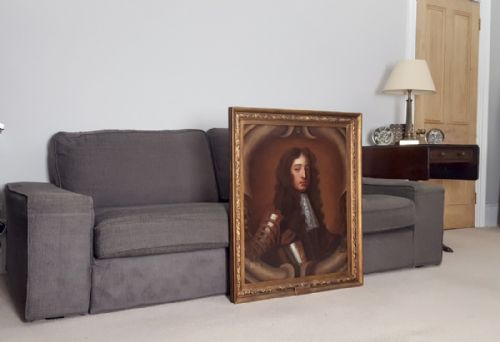
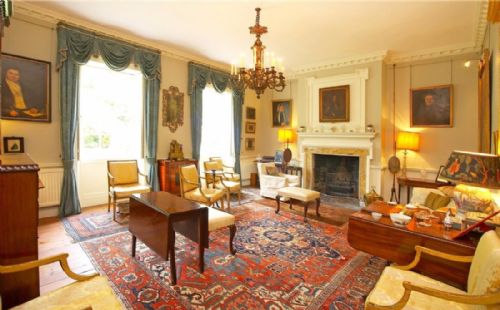
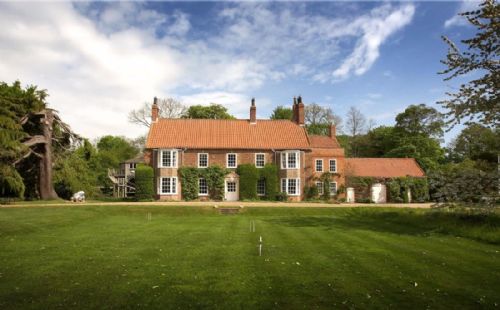
The Old Rectory is a glorious former parsonage originating from 1660 with later additions, and was the home of Colonel Rupert Alexander Smith (1913-1983). The Colonel compiled an inventory of the contents of the house and described how the antiques 'have been inherited by me from my grandfather, Alexander Smith of Woodleigh House (1849-1927), and my father and mother at Warne Lodge’. The entry regarding the present portrait states that it was 'said to be the Duke of Monmouth (beheaded 1685) but having a closer resemblance to King William III.' It is in fact, a portrait of William III produced by the circle of Sir Peter Lely and his studio and is in keeping with Lely’s military portraits of the Prince of Orange (later William III) c.1677. More precisely, stylistically it is notably redolent with the work of the Dutch émigré painter Willem Wissing (who worked in the studio of Lely). The head itself, Wissing is known to have repeated on more than one occasion. Willem Wissing later became one of the leading portraitists after Lely’s death.
Prince William of Orange (later King William III) was highly important in the politics of Europe. He had been Captain General of the Dutch United Provinces in their war against the armies of Louis XIV and was an important figure to the Protestant cause in England. In 1677, William married his cousin Mary. Mary was the eldest daughter of James, Duke of York, who was the brother of Charles II and heir to the English throne. James and his wife were Catholic and Protestants worried that any son born to the couple would eventually become a Catholic king. The marriage of William and Mary had been encouraged by Charles II, Mary’s uncle and James’s brother, as it raised the prospect of a Protestant heir to the throne.
Charles II died in 1685 and James became King James II and many in Protestant England were deeply suspicious of the new Catholic monarch. When his wife gave birth to a son it confirmed their worst fears of a Catholic succession. This meant that Mary was no longer next in line to the throne. Alarmed by the situation, a group of James's Protestant opponents secretly invited William to invade England and oust his father-in-law. William’s mighty invasion force landed in Devon in November 1688. Many Englishmen supported William and, after some prominent English nobles defected to the invader, James II chose not to fight. He was subsequently captured and then allowed to escape to exile in France.
Early in 1689, the English Parliament formally offered William and Mary the throne as joint monarchs. The new monarchs could not rule with the same power as previous monarchs enjoyed. They accepted Parliament’s ‘Declaration of Rights’ (later called ‘Bill of Rights) which restricted the king’s power and marked an important transition towards the system of parliamentary rule that exists to this day. Later that year James landed in Ireland with French troops supplied by William of Orange’s sworn enemy, Louis XIV. In response William raised a huge invasion force, the largest Ireland had ever seen, and he decisively defeated James at the Battle of the Boyne. In Europe, William was successful in his lifelong struggle to contain the military ambitions of Louis XIV, the Catholic king of France. In part to help finance his wars with Louis, William founded the Bank of England.
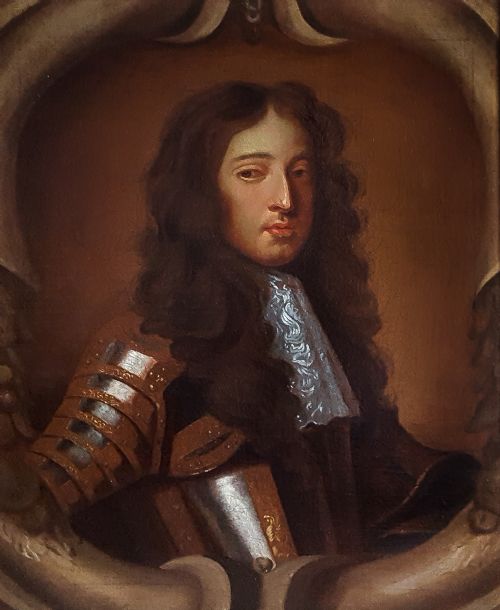
Painted in warm brown tones the sitter has been depicted with a straightforward and honest manner. The elaborate stone cartouche that surrounds the sitter is characteristic of Lely. The cartouche was also employed by the artist Mary Beale (1633-1699), a contemporary of Lely, where she would have her sons paint the heavy trompe l'oeil framing. This motif was a particularly Eng
Titan Fine Art has dated this piece to the 17th Century.
Specialist in 17th & 18thc portraits. Highly curated selection, museum-level research & pro conservation. Exceptional art, expertly vetted.
You can view the stock and full dealer information on the Titan Fine Art Profile Page
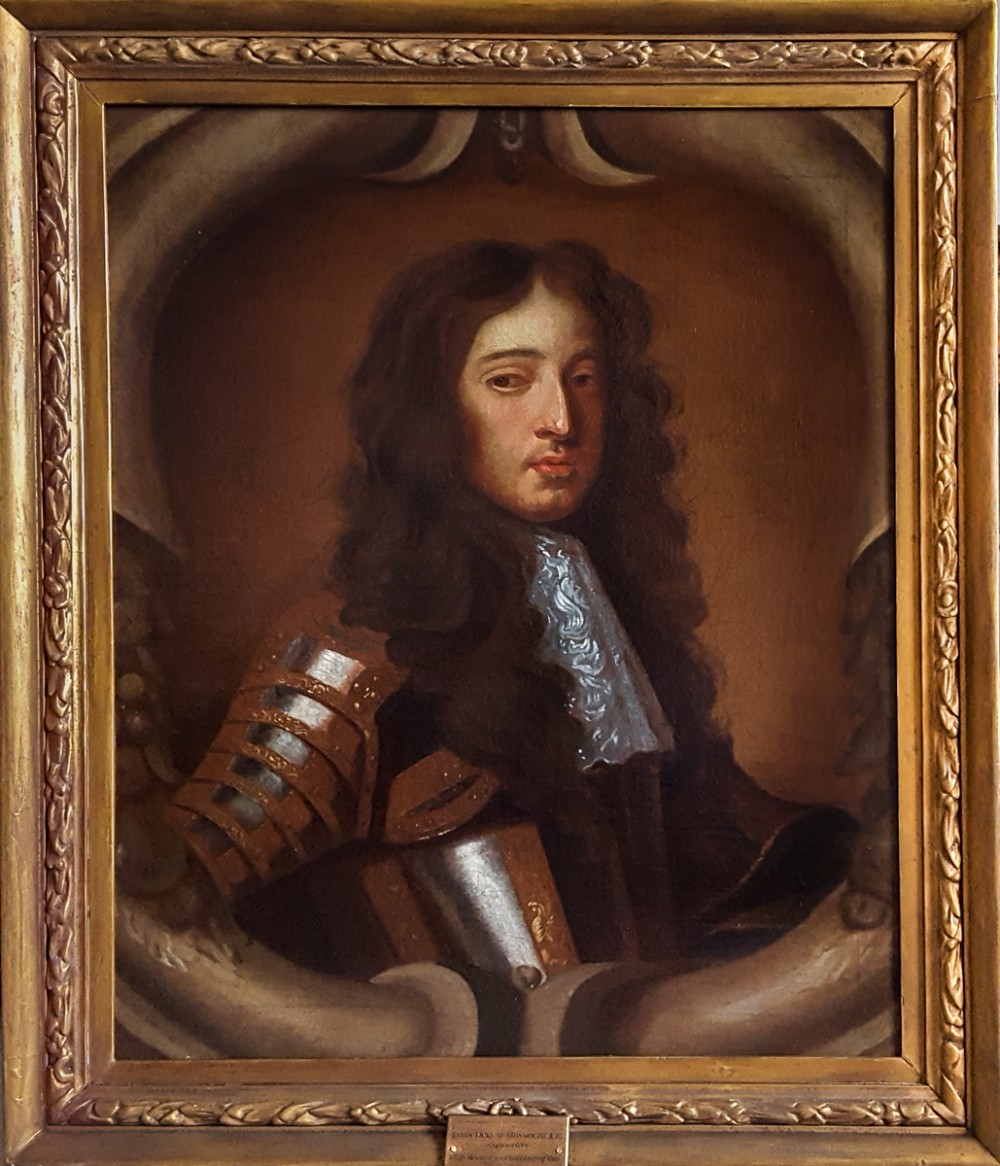
Portrait of King William Iii, English, 17th Century; Circle of Sir Peter Lely (1618 - 1680)