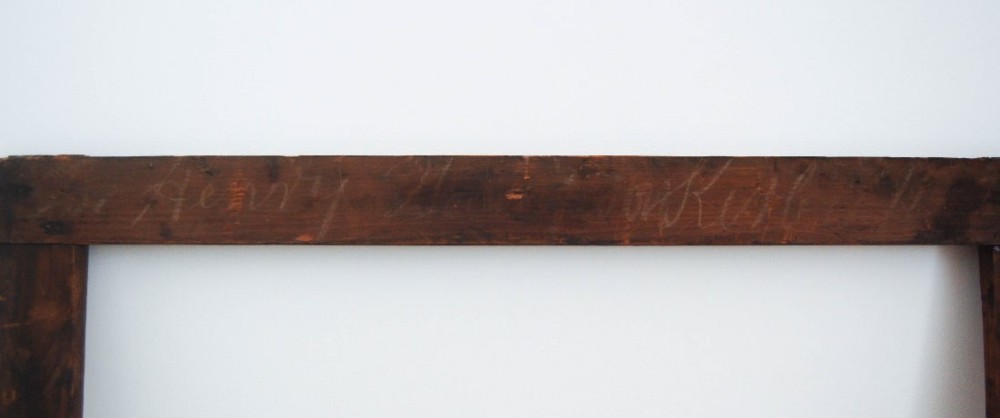
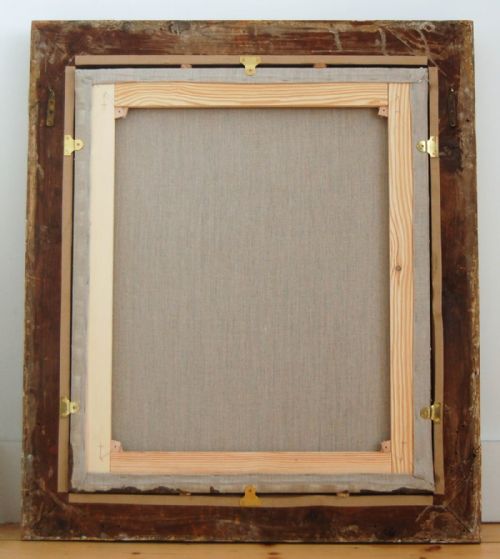
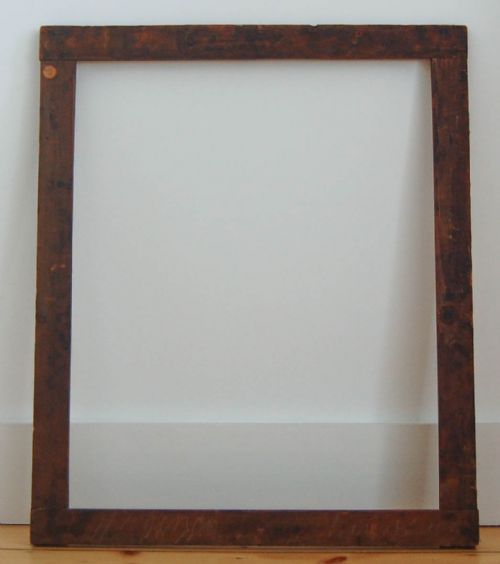
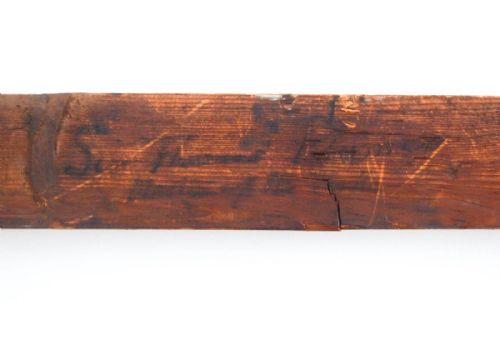
Jason Clarke Antiques has dated this piece to the 1800s.
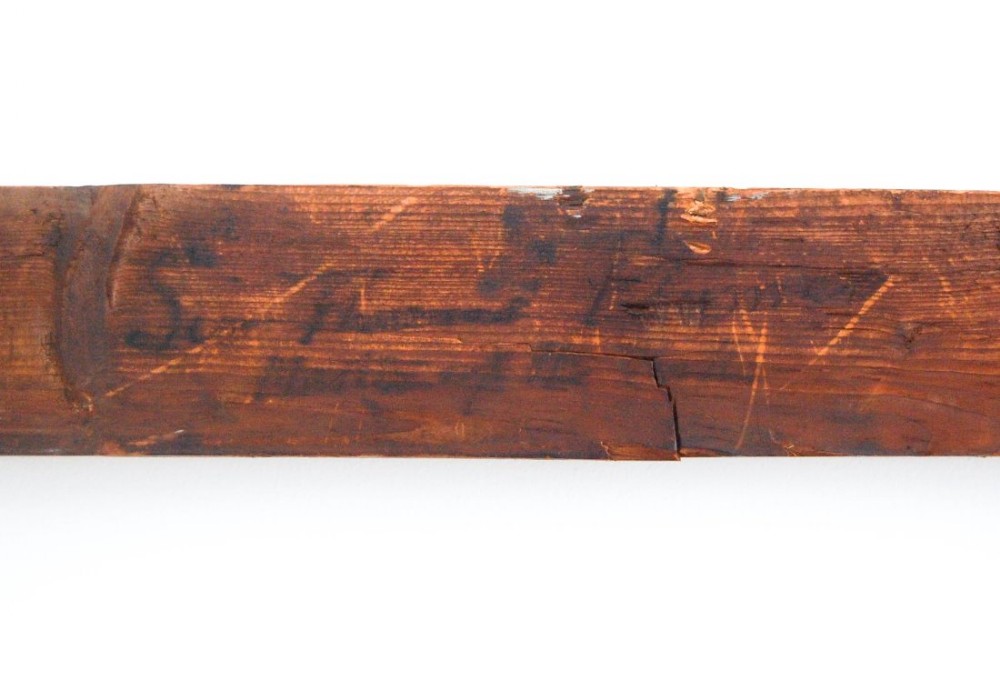
Sir Thomas Plumer
Educated at Eton and then at University College, Oxford he was elected a Vinerian scholar for achieving the highest marks under examination for his Bachelor of Civil Law. He was called to the bar in 1778 where he served the Oxford & South Wales circuit for eight years whilst in 1781 until 1793, he served as commissioner of bankrupts. He also served from 1785 as the King’s Sergeant of the Duchy of Lancaster until 1813.
In 1783 Plumer came to more public prominence for his skilful defence of Sir Thomas Rumbold, Governor of Madras who had come under suspicion for his dealings with Indian landowners. Actions which were considered to have led to the invasion of the Carnatic by Haider Ali, ruler of Mysore.
Plumer’s success secured him a place on the defence council in the trial of Warren Hastings, Governor General of India. Known at that time as one of the most notorious political trials of the age, Hasting’s (on his return from India) received little support from the Pitt Government and his perceived aggressive commercial policies allowed MP Edmund Burke and others to press for impeachment. The trial spanned some seven years from 1788, during which time, the long wars with France had begun and Hastings was eventually cleared of all charges.
In 1802, he was one of a distinguished team alongside Lord Ellenborough, Spencer Percival and William Fielding (son of the author) who secured the conviction of Joseph Wall (Colonial governor of the West African Island of Goree) for murder. They again joined forces a year later to present the prosecution case at the trial of Irishman Edward Marcus Despard, a hero of the American War of Independence but who later became involved in the Irish revolutionary Movement. He was convicted of plotting to seize the Tower of London, the Bank of England and planning the assassination of King George III. Despite having Lord Nelson as a character witness, Despard was convicted and became one of the last people to be hung drawn and quartered in England.
Plumer's association with Spencer Percival continued in 1806 when he assisted in the so called 'delicate investigation' into the romantic conduct of Caroline of Brunswick, Princess of Wales. He was knighted in the following year and appointed Solicitor General and entered parliament following a by-election in the borough of Downton.
Following Percival's assassination, Plumer relinquished his seat in 1813 and was offered the role of Vice chancellor (the first person to have undertaken the position) and later promoted to Master of the Rolls in 1818. He was a trustee of the British Museum and a fellow of the Royal Society as well as the Society of Antiquaries.
On more personal matters, Plumer married Marianne Turton daughter of John Turton of Sugnall Hall, Staffordshire in 1794 and had five sons and two daughters. He resided at Canons in Stanmore, Middlesex after having bought it at auction in 1805. The house is now owned by The North London Collegiate School.
Plumer died in 1824 aged seventy and was laid to rest in the chapel at Rolls House.
Provenance
The painting has been in continuous family ownership until its divestment through auction. Once housed in Kirby Hall, Great Ouseburn, Yorkshire where his mother resided as a child, it was then passed through family hands after the demolition of the property in the 1920’s.
The Thompson’s (Plumer’s mother’s maiden name) have a long association with Kirby Hall and both the Plumer and the Thompson families married int
Jason Clarke Antiques has dated this piece to the 1800s.
You can view the stock and full dealer information on the Jason Clarke Antiques Profile Page

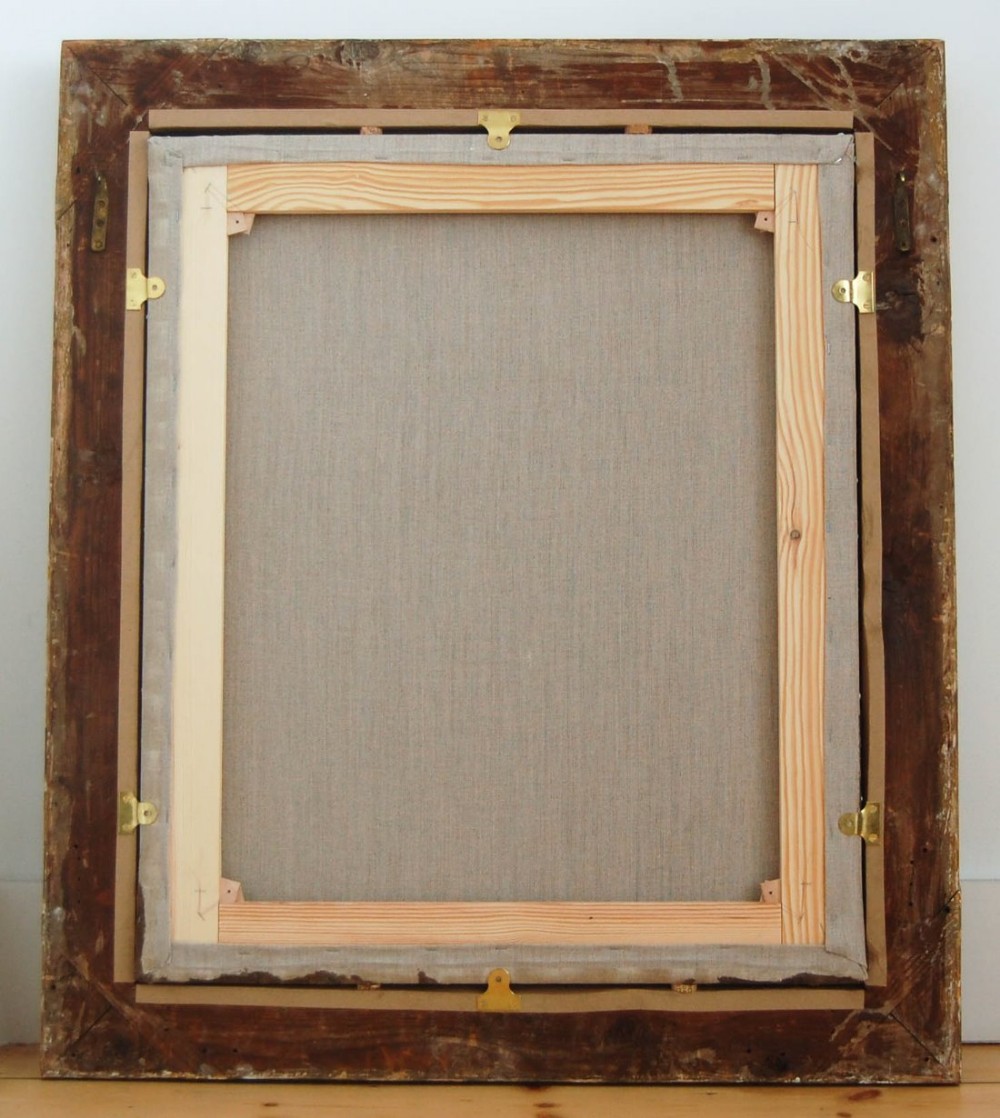
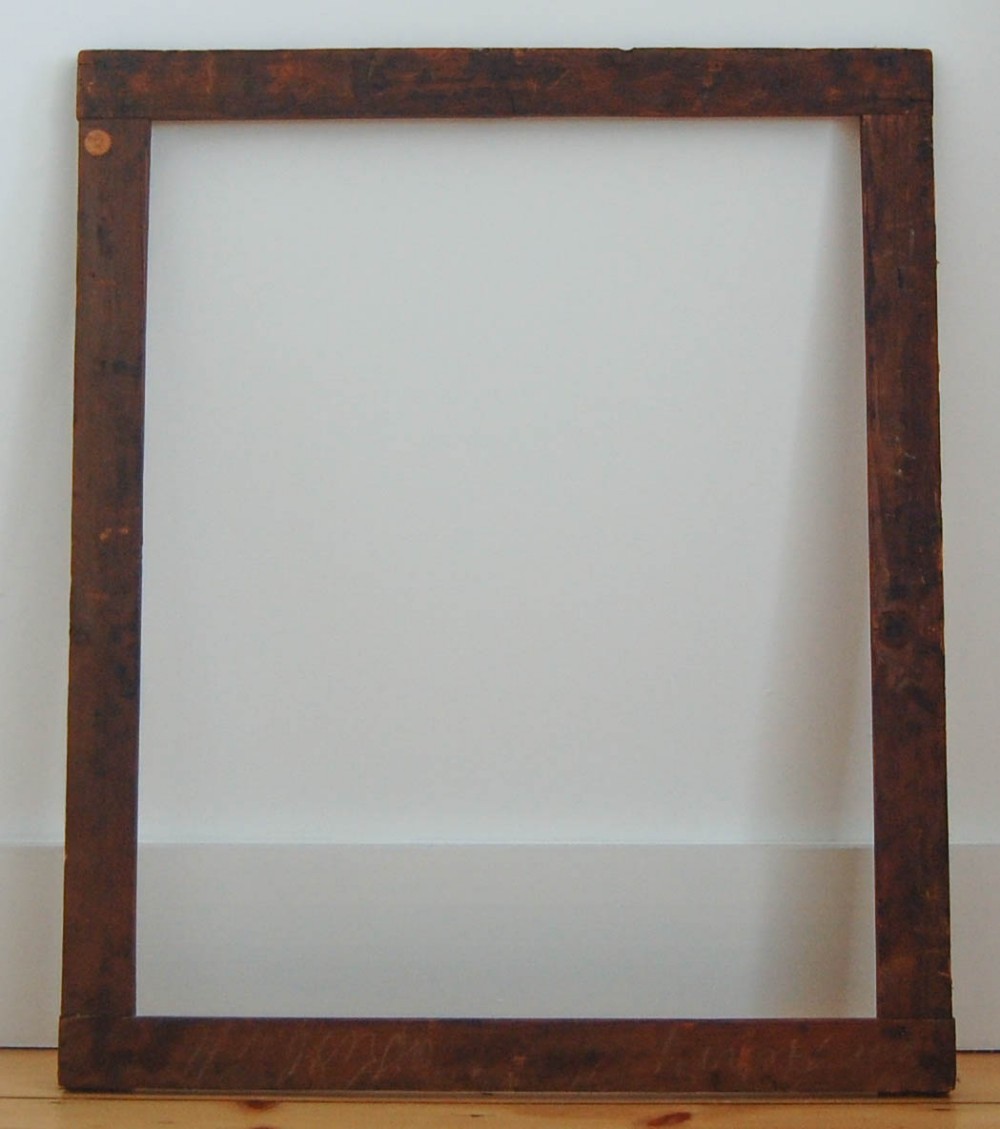
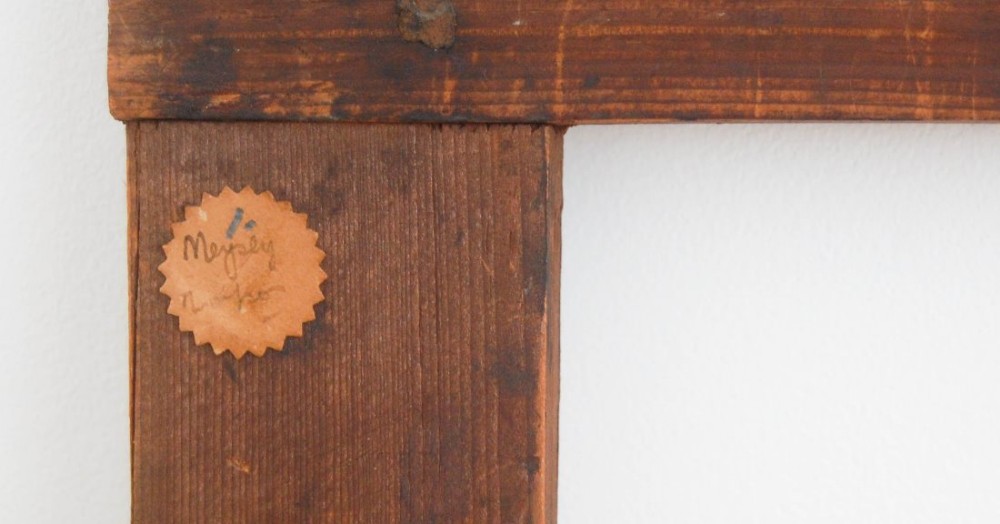
An Important Eighteenth Century Oil Portrait of Sir Thomas Plumer, Master of the Rolls & First Vice Chancellor of Britain - Attributed to Lemuel Francis Abbott