16,176  PAGES BROWSED TODAY PAGES TODAY 109 ANTIQUES UPLOADED TODAYNEW ARRIVALS
109 ITEMS ADDED TODAY
Sort Order
Items Per Page
Browse Categories
Sort order
Items per page
ID #SA42938
SOLD
Email Phone WhatsApp
Save
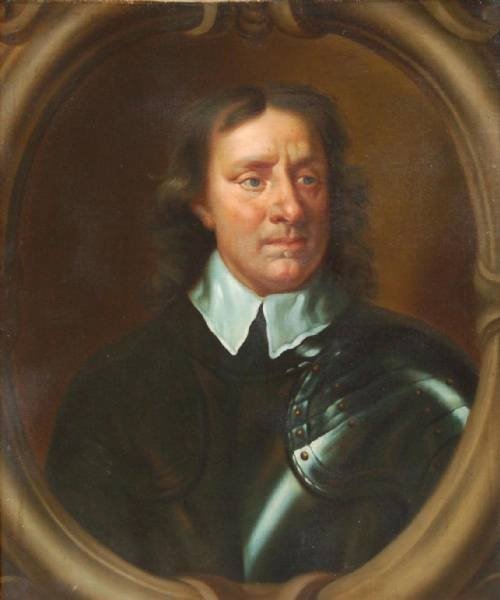
Portrait of Oliver Cromwell, the Lord Protector of England 1599-1658 by Studio of Sir Peter Lely
Sold by Artware Fineart
sold SA42938
Sorry, but this item has been sold.

Artware Fineart

Sellingantiques Verified Since Sep 2008
Id #SA42938
PDF SHARE
SAVE

Portrait of Oliver Cromwell, the Lord Protector of England 1599-1658 by Studio of Sir Peter Lely

Description

Oliver Cromwell was born on 25 April 1599 in Huntingdon, Cambridgeshire into a family of minor gentry and studied at Cambridge University. He became MP for Huntingdon in the parliament of 1628 - 1629. In the 1630s Cromwell experienced a religious crisis and became convinced that he would be guided to carry out God's purpose. He began to make his name as a radical Puritan when, in 1640, he was elected to represent Cambridge, first in the Short Parliament and then in the Long Parliament.


Civil war broke out between King Charles I and parliament in 1642. Although Cromwell lacked military experience, he created and led a superb force of cavalry, the 'Ironsides', and rose from the rank of captain to that of lieutenant-general in three years. He convinced parliament to establish a professional army - the New Model Army - which won the decisive victory over the king's forces at Naseby (1645). The king's alliance with the Scots and his subsequent defeat in the Second Civil War convinced Cromwell that the king must be brought to justice. He was a prime mover in the trial and execution of Charles I in 1649 and subsequently sought to win conservative support for the new republic by suppressing radial elements in the army. Cromwell became army commander and lord lieutenant of Ireland, where he crushed resistance with the massacres of the garrisons at Drogheda and Wexford (1649).


Cromwell then defeated the supporters of the king's son Charles II at Dunbar (1650) and Worcester (1651), effectively ending the civil war. In 1653, frustrated with lack of progress, he dissolved the rump of the Long Parliament and, after the failure of his Puritan convention (popularly known as Barebones Parliament) made himself lord protector. In 1657 he refused the offer of the crown. At home Lord Protector Cromwell reorganised the national church, established Puritanism, readmitted Jews into Britain and presided over a certain degree of religious tolerance. Abroad, he ended the war with Portugal (1653) and Holland (1654) and allied with France against Spain, defeating the Spanish at the Battle of the Dunes (1658). Cromwell died on 3 September 1658 in London. After the Restoration his body was dug up and hanged.


Cromwell's son Richard was named as his successor and was lord protector of England from September 1658 to May 1659. He could not reconcile various political, military and religious factions and soon lost the support of the army on which his power depended. He was forced to abdicate and after the restoration of the monarchy in 1660 he fled to Paris. He returned to England in 1680 and lived quietly under an assumed name until his death in 1712.

Reference Numbers
Sellingantiques Reference
SA42938
Dealers Internal Reference
3146
Description
Oliver Cromwell was born on 25 April 1599 in Huntingdon, Cambridgeshire into a family of minor gentry and studied at Cambridge University. He became MP for Huntingdon in the parliament of 1628 - 1629.
In the 1630s Cromwell experienced a religious crisis and became convinced that he would be guided to carry out God's purpose.
Artware Fineart

He began to make his name as a radical Puritan when, in 1640, he was elected to represent Cambridge, first in the Short Parliament and then in the Long Parliament.

fig 1. Portrait of Oliver Cromwell, the Lord Protector of England 1599-1658 by Studio of Sir Peter Lely

Civil war broke out between King Charles I and parliament in 1642. Although Cromwell lacked military experience, he created and led a superb force of cavalry, the 'Ironsides', and rose from the rank of captain to that of lieutenant-general in three years. He convinced parliament to establish a professional army - the New Model Army - which won the decisive victory over the king's forces at Naseby (1645). The king's alliance with the Scots and his subsequent defeat in the Second Civil War convinced Cromwell that the king must be brought to justice. He was a prime mover in the trial and execution of Charles I in 1649 and subsequently sought to win conservative support for the new republic by suppressing radial elements in the army. Cromwell became army commander and lord lieutenant of Ireland, where he crushed resistance with the massacres of the garrisons at Drogheda and Wexford (1649).

Cromwell then defeated the supporters of the king's son Charles II at Dunbar (1650) and Worcester (1651), effectively ending the civil war. In 1653, frustrated with lack of progress, he dissolved the rump of the Long Parliament and, after the failure of his Puritan convention (popularly known as Barebones Parliament) made himself lord protector. In 1657 he refused the offer of the crown. At home Lord Protector Cromwell reorganised the national church, established Puritanism, readmitted Jews into Britain and presided over a certain degree of religious tolerance. Abroad, he ended the war with Portugal (1653) and Holland (1654) and allied with France against Spain, defeating the Spanish at the Battle of the Dunes (1658). Cromwell died on 3 September 1658 in London. After the Restoration his body was dug up and hanged.

Cromwell's son Richard was named as his successor and was lord protector of England from September 1658 to May 1659. He could not reconcile various political, military and religious factions and soon lost the support of the army on which his power depended. He was forced to abdicate and after the restoration of the monarchy in 1660 he fled to Paris. He returned to England in 1680 and lived quietly under an assumed name until his death in 1712.

Reference Numbers
Sellingantiques Ref
SA42938
Dealers Internal Ref
3146
Artware Fineart
Sellingantiques verified Since Sep 2008
Dealer Profile

You can view the stock and full dealer information on the Artware Fineart Profile Page
PDF SHARE
SAVE
Portrait of Oliver Cromwell, the Lord Protector of England 1599-1658 by Studio of Sir Peter Lely
1 / 2
Archive I Portrait of Oliver Cromwell, the Lord Protector of England 1599-1658 by Studio of Sir Peter Lely

Portrait of Oliver Cromwell, the Lord Protector of England 1599-1658 by Studio of Sir Peter Lely

Archive II Portrait of Oliver Cromwell, the Lord Protector of England 1599-1658 by Studio of Sir Peter Lely View II
Enlarged Archival View
Telephone 07958 699 645
Location
18 La Gare
51 Surrey Row
London
SE1 0BZ
United Kingdom
Verified Since Sep 2008
Items For Sale 243
Items Sold 223
Artware Fineart
Verified Since Sep 2008
View Dealer Info
Location: 18 La Gare , 51 Surrey Row , London , SE1 0BZ , United Kingdom
Verified
Sep 2008
For Sale
243
Sold
223
Portrait of Oliver Cromwell, the Lord Protector of England 1599-1658 by Studio of Sir Peter Lely
Ref: SA42938
Portrait of Oliver Cromwell, the Lord Protector of England 1599-1658 by Studio of Sir Peter Lely
Detail View 1
Archival Detail
Every single antique dealer on our platform is individually approved by our internal team. We verify their professional trade history, ethical standards, and photographic quality to ensure a secure, high-standard buying environment. Upon joining, every dealer agrees to a strict 9-point code of conduct. While issues can occasionally arise, our dealers typically resolve them swiftly and directly with the buyer. In fact, since our founding in 2002, Sellingantiques has only had to step in to help resolve an issue on roughly five occasions—a true testament to the quality of our dealers and their dedication to your happiness.
Our dealers are highly experienced in packing and shipping fragile, high-value antiques. Because you are in direct contact with the dealer, you will be able to easily go through all available shipping and insurance options together to ensure your item arrives safely.
Antiques are the ultimate green purchase. By choosing historical pieces over newly manufactured goods, you completely eliminate the carbon footprint of modern mass production while preserving exceptional, timeless craftsmanship.
items
Add keywords to the filter
Price
£100
£250000
Era
Movements
Material
Origin
Stock Location
Freshness
Online Payments
Categories