It was listed by Artware Fineart. Sold pieces stay on Sellingantiques as a record of what has passed through, and the next one is rarely far away.
Artware Fineart has dated this piece to the 17th Century.
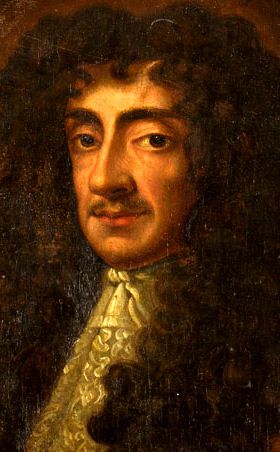
Portrait of Charles II 1630 – 1685
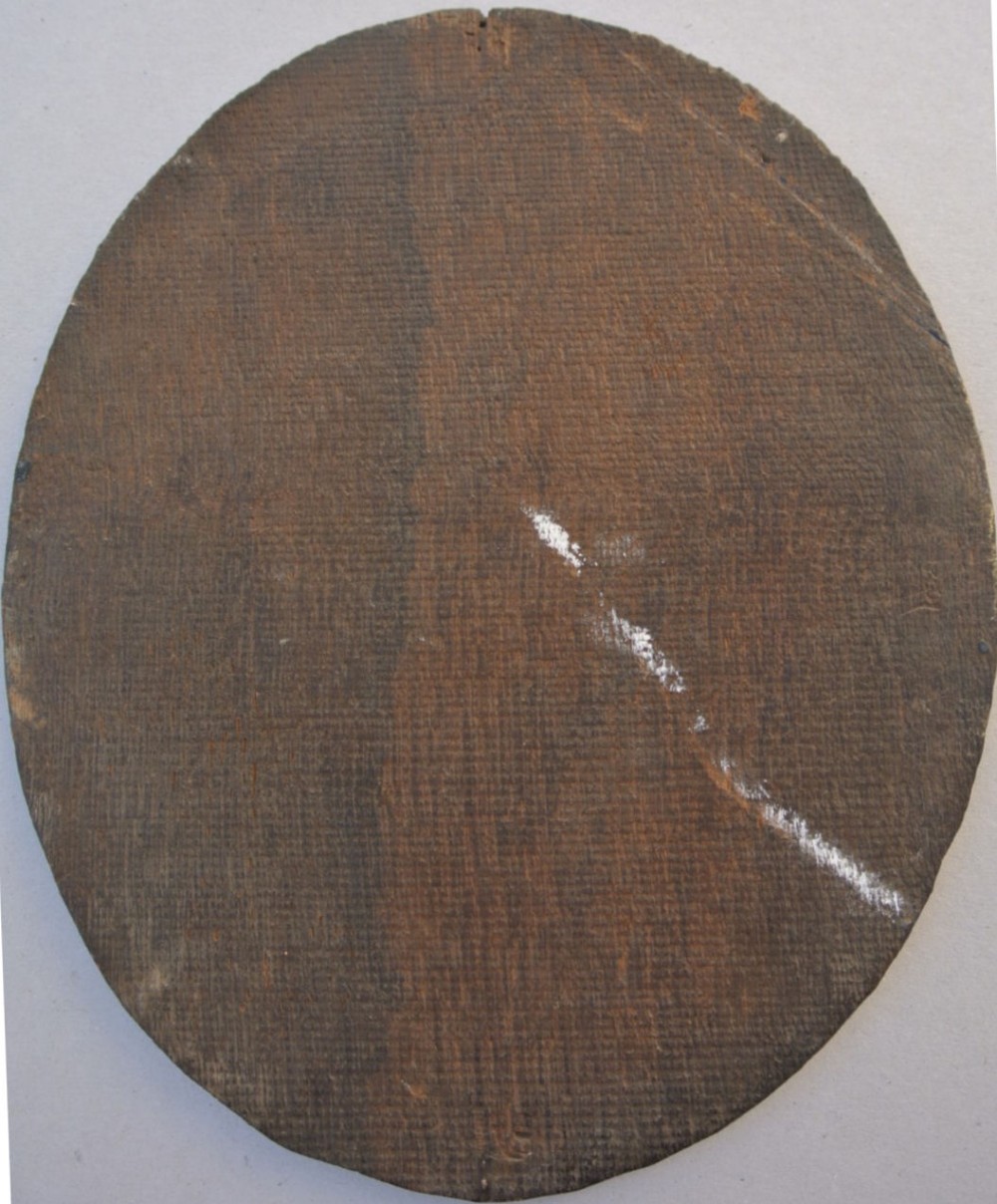
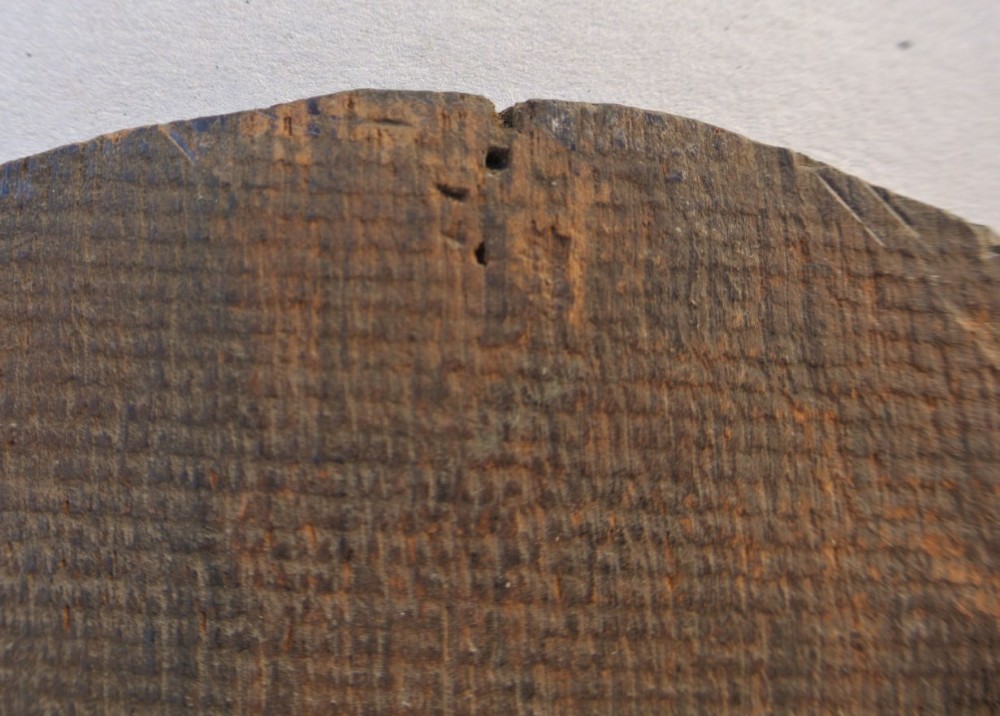
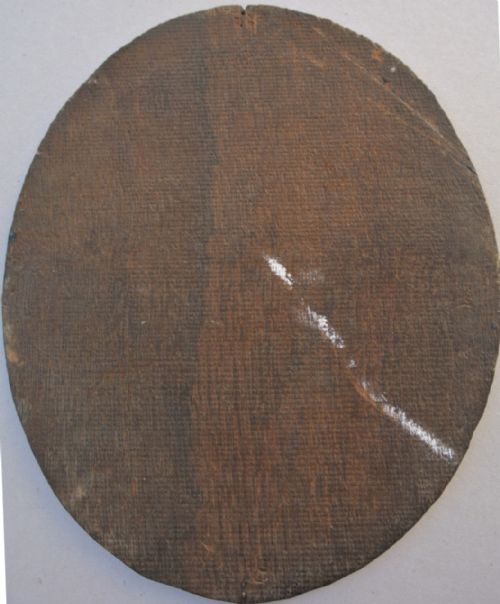
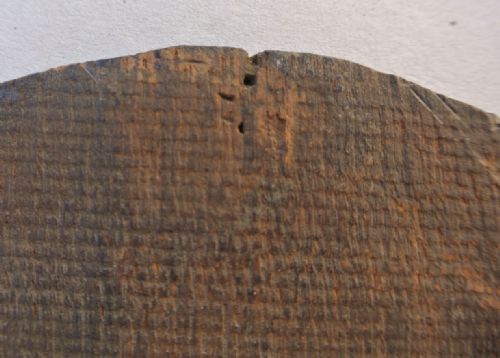
oil on oak panel
30 x 25 cm. (12 x 10 in.)
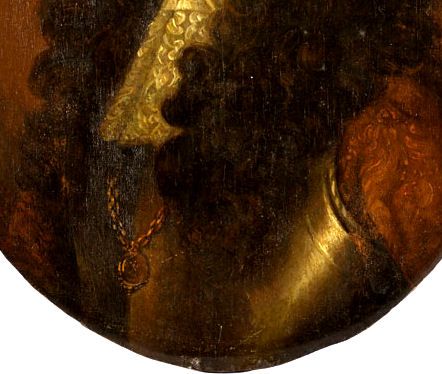
In the early stages of his career Lely often painted in a reduced scale on panel, however this portrait is almost certainly after the original oil on canvas by Sir Peter measuring 30 x 25 inches and painted in a fiegned oval. There is a version in the government art collection and the national Portrait Gallery. This portrait is finely painted on oak panel and may well have been executed by a studio assitant.
Provenance
Private Collection, Geneva, Switzerland
Notes
Charles II (1630–1685), king of England, Scotland, and Ireland, was born on 29 May 1630 at St James's Palace, London, where he was baptized on 27 June, the second (but first surviving) son of Charles I (1600–1649) and Henrietta Maria (1609–1669), the daughter of Henri IV of France and Marie de' Medici.
Dr Brian Duppa, the dean of Christ Church, Oxford, and a protégé of Archbishop Laud, became his tutor.
As the relationship between king and the Long Parliament deteriorated in 1640–41, the care and education of the prince of Wales became an issue of political significance, particularly as his mother was well known for promoting the interests of France and the Roman church in her adopted country: Prince Charles had already been a target for the proselytizing efforts of the papal envoys, who were warned off by the king. In May 1641 he bore a note from the king to the House of Lords pleading for the life of the earl of Strafford. The house was perhaps reminded of the danger that he might fall into the wrong hands: in August, at its request, Newcastle was removed from the governorship on suspicion of his involvement in the army plot, and was replaced by William Seymour, marquess of Hertford. In October parliament requested that the prince should be placed directly under Hertford's care. As the relations between king and parliament soured still further at the beginning of 1642, the king sent the queen to The Hague, and regained custody of the prince, over the protests of the two houses. When, shortly after, the king left for the north, he took his son with him.
The civil wars, 1642–1648
Charles spent most of the war in company with his father, who had ‘no resolution more fixed in him, than that the Prince should never be absent from him’ (Clarendon, Hist. rebellion, 3.449). For a period the prince's main contribution to the royalist cause was as a means of attracting continental military aid through a marriage alliance: his marriage to the daughter of the prince of Orange had been considered in 1643, and was revived briefly in early 1644 during a visit of Dutch ambassadors to England. Not until 1645 did the prince begin to take on an independent role. In March, shortly after the failure of the peace negotiations at Uxbridge, the king, concerned that ‘himself and the Prince were too much to venture in one bottom’ (ibid.), resolved to send him into the west country as nominal leader of the royalist forces there. A council was created to advise him, mainly composed of moderate royalists—the duke of Richmond, the earl of Southampton, Lord Culpeper, and Edward Hyde: they also included the earl of Berkshire, who had replaced Hertford as the prince's governor. The prince left Oxford on 4 March, accompanied by Culpeper and Hyde and the generals Lord Capel and Sir Ralph Hopton.
The imposition of a new leadership above the existing royalist commanders in the west country helped to exacerbate some of the personal and structural tensions it had been intended to overcome. The council's relationship with the principal soldiers in the region, Sir Richard Grenville an
Artware Fineart has dated this piece to the 17th Century.
You can view the stock and full dealer information on the Artware Fineart Profile Page
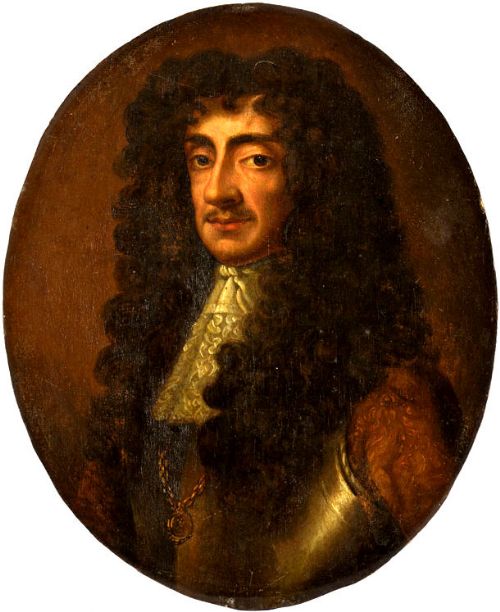
Studio of Sir Peter Lely, 1618-1680 Portrait of Charles II 1630 – 1685