2,371  PAGES BROWSED TODAY PAGES TODAY • 0 ANTIQUES UPLOADED TODAYNEW ARRIVALS
GIFTS
LATEST STOCK
Sort Order
Items Per Page
Browse Categories
Sort order
Items per page
ID #SA398285
SOLD
Email Phone
Save
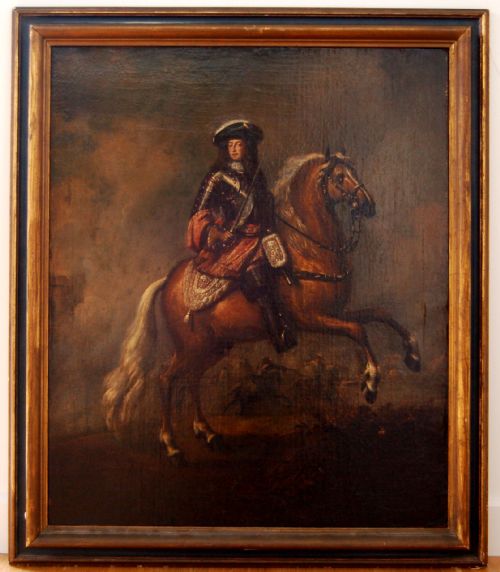
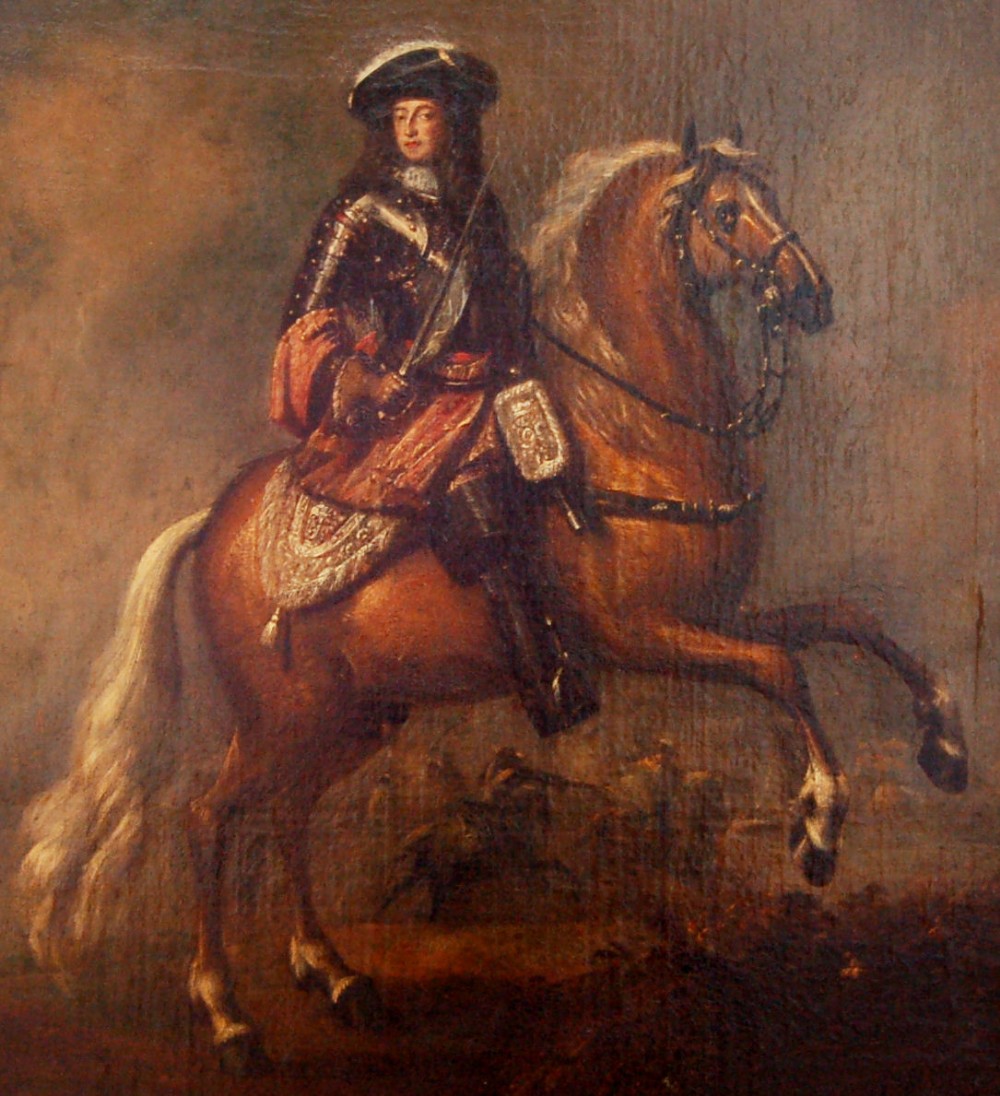
Attributed to Jan Wyck, 1652 - 1702 Portrait of William III 1650-1702, King of England and Prince of Orange
Sold by Artware Fineart
sold SA398285
Sorry, but this item has been sold.

Artware Fineart

Sellingantiques Verified Since Sep 2008
Browse dealers 243 items
Id #SA398285
PDF SHARE
SAVE

Attributed to Jan Wyck, 1652 - 1702 Portrait of William III 1650-1702, King of England and Prince of Orange

18th century
Sold 5 December 2016 · Artware Fineart
This “Attributed to Jan Wyck, 1652 - 1702 Portrait of William III 1650-1702, King of England and Prince of Orange” found a buyer.

It was listed by Artware Fineart. Sold pieces stay on Sellingantiques as a record of what has passed through, and the next one is rarely far away.

Description

Attributed to Jan Wyck, 1652 - 1702

Portrait of William III 1650-1702, King of England and Prince of Orange

oil on canvas

76.20 x 63.50 cm. (30 x 25 in. )

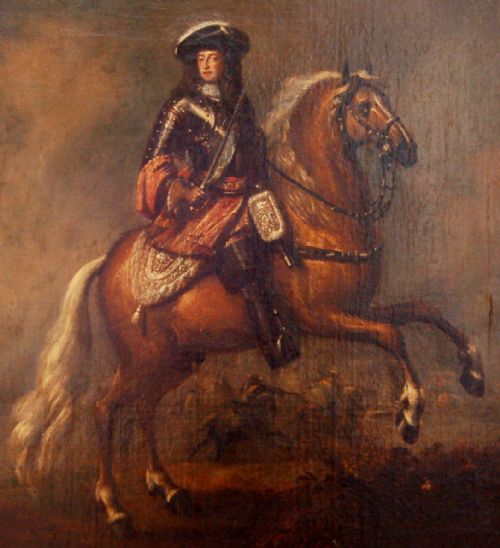
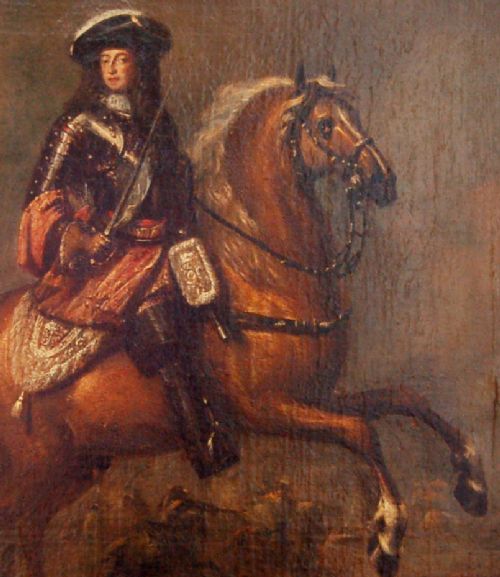
The painting shows William III leading his troops at Battle of the Boyne, 1690
Notes

William III, king of England and prince of Orange–Nassau, is famous in history as the ruler who rallied the forces of Europe against French hegemony under Louis XIV, king of France. Overcoming adversity was a lifelong task for William. He was born the only son of William II, prince of Orange and stadtholder of the Dutch Republic (an elective not hereditary office in the United Provinces, the official name of the Dutch Republic between 1578 and 1815), and Mary Stuart, daughter of Charles I. William’s birth occurred eight days after his father’s death. The death came a week after a failed coup wherein his father had sought to strengthen his position. His mother’s family was in exile during this the period of the Commonwealth (1649–60). The result of the death and failed coup d’etat was that the anti-Orange faction, the oligarchy of rich merchants primarily based in Holland and led by the De Witt brothers, seized control and abolished the office of stadtholder. William saw his mother’s family restored to power in England in 1660 but lost his mother later that year. Now an orphan, he awaited his chance. It came when Louis XIV made a sudden attack on Dutch territory in revenge for Dutch diplomatic attempts to block his aggrandizement in the Netherlands. The De Witt regime was overthrown, and William was made stadtholder, captain-general, and admiral for life.
In the struggle for survival, although France had the military advantage, he had the diplomatic triumph of securing aid from Brandenburg, Austria, and Spain. The breakthrough came when England switched sides and he married his cousin Mary, daughter of the duke of York, in 1677. Although France made gains elsewhere, the Dutch Republic and most of the Netherlands were saved from the French. William organized the League of Augsburg in opposition to French annexations in Germany and the Low Countries. His major triumph came when the English opposition to his father-in-law (now James II) approached him in 1687. In return for supporting the rights of Parliament and opposing the pro-Catholic religious policies of James II, they promised him the throne. William landed in England in 1688, overthrew James II, and defeated his adherents at the Battle of the Boyne in 1690. The political result was the Glorious Revolution of 1688, which led to the formal supremacy of Parliament. Thereafter, he and his wife, Mary, third and first in the line of succession, were declared sovereigns as William III and Mary II. His position had become so secure that he was able to rule after the death of Mary in 1694, even though her sister Anne was closer in line of the succession.
William’s domestic policies were not especially successful, as he remained focused on external affairs. The major blot on his record during the 1690s was the massacre of the MacDonald clan in Glencoe, Scotland, wherein the perpetrators were rewarded. His achievements during the 1690s were in the Wars of the League of Augsburg, which lasted from 1689 to 1697 and forced Louis to give up all acquisitions gained during the war. The prospect that Spain and all its possessions would fall to France on the death of Charles II in 1700 threatened to undo his efforts to create a balance of power in Europe. Once again, he rallied much of Europe against France to prevent Louis XIV from becoming a new Charles V. The subsequent War of the Spanish Succession (1702–13) did eventually accomplish this result. William, however, was not there to see it, as he died in March 1702 after a fall from his horse. Rarely successful in war, but almost always in diplomacy, he had as his main achievement the id

Date of Manufacture

Artware Fineart has dated this piece to the 1700s.

Reference Numbers
Sellingantiques Reference
SA398285
Dealers Internal Reference
3739
Description
Attributed to Jan Wyck, 1652 - 1702

Portrait of William III 1650-1702, King of England and Prince of Orange

oil on canvas

76.20 x 63.50 cm. (30 x 25 in. )

The painting shows William III leading his troops at Battle of the Boyne, 1690

fig 1. Attributed to Jan Wyck, 1652 - 1702
Portrait of William III 1650-1702, King of England and Prince of Orange
fig 1. Attributed to Jan Wyck, 1652 - 1702 Portrait of William III 1650-1702, King of England and Prince of Orange

Notes

“
William III, king of England and prince of Orange–Nassau, is famous in history as the ruler who rallied the forces of Europe against French hegemony under Louis XIV, king of France.
Artware Fineart

Overcoming adversity was a lifelong task for William. He was born the only son of William II, prince of Orange and stadtholder of the Dutch Republic (an elective not hereditary office in the United Provinces, the official name of the Dutch Republic between 1578 and 1815), and Mary Stuart, daughter of Charles I. William’s birth occurred eight days after his father’s death. The death came a week after a failed coup wherein his father had sought to strengthen his position. His mother’s family was in exile during this the period of the Commonwealth (1649–60). The result of the death and failed coup d’etat was that the anti-Orange faction, the oligarchy of rich merchants primarily based in Holland and led by the De Witt brothers, seized control and abolished the office of stadtholder. William saw his mother’s family restored to power in England in 1660 but lost his mother later that year. Now an orphan, he awaited his chance. It came when Louis XIV made a sudden attack on Dutch territory in revenge for Dutch diplomatic attempts to block his aggrandizement in the Netherlands. The De Witt regime was overthrown, and William was made stadtholder, captain-general, and admiral for life.

fig 2. Attributed to Jan Wyck, 1652 - 1702
Portrait of William III 1650-1702, King of England and Prince of Orange
fig 2. Attributed to Jan Wyck, 1652 - 1702 Portrait of William III 1650-1702, King of England and Prince of Orange

In the struggle for survival, although France had the military advantage, he had the diplomatic triumph of securing aid from Brandenburg, Austria, and Spain. The breakthrough came when England switched sides and he married his cousin Mary, daughter of the duke of York, in 1677. Although France made gains elsewhere, the Dutch Republic and most of the Netherlands were saved from the French. William organized the League of Augsburg in opposition to French annexations in Germany and the Low Countries. His major triumph came when the English opposition to his father-in-law (now James II) approached him in 1687. In return for supporting the rights of Parliament and opposing the pro-Catholic religious policies of James II, they promised him the throne. William landed in England in 1688, overthrew James II, and defeated his adherents at the Battle of the Boyne in 1690. The political result was the Glorious Revolution of 1688, which led to the formal supremacy of Parliament. Thereafter, he and his wife, Mary, third and first in the line of succession, were declared sovereigns as William III and Mary II. His position had become so secure that he was able to rule after the death of Mary in 1694, even though her sister Anne was closer in line of the succession.

fig 3. Attributed to Jan Wyck, 1652 - 1702
Portrait of William III 1650-1702, King of England and Prince of Orange
fig 3. Attributed to Jan Wyck, 1652 - 1702 Portrait of William III 1650-1702, King of England and Prince of Orange

William’s domestic policies were not especially successful, as he remained focused on external affairs. The major blot on his record during the 1690s was the massacre of the MacDonald clan in Glencoe, Scotland, wherein the perpetrators were rewarded. His achievements during the 1690s were in the Wars of the League of Augsburg, which lasted from 1689 to 1697 and forced Louis to give up all acquisitions gained during the war. The prospect that Spain and all its possessions would fall to France on the death of Charles II in 1700 threatened to undo his efforts to create a balance of power in Europe. Once again, he rallied much of Europe against France to prevent Louis XIV from becoming a new Charles V. The subsequent War of the Spanish Succession (1702–13) did eventually accomplish this result. William, however, was not there to see it, as he died in March 1702 after a fall from his horse. Rarely successful in war, but almost always in diplomacy, he had as his main achievement the id

Date of Manufacture

Artware Fineart has dated this piece to the 1700s.

Reference Numbers
Sellingantiques Ref
SA398285
Dealers Internal Ref
3739
Artware Fineart
Sellingantiques verified Since Sep 2008
Dealer Profile

You can view the stock and full dealer information on the Artware Fineart Profile Page

PDF SHARE
SAVE
Attributed to Jan Wyck, 1652 - 1702
Portrait of William III 1650-1702, King of England and Prince of Orange SOLD6+ MONTHS AGO
1 / 4
Archive I Attributed to Jan Wyck, 1652 - 1702
Portrait of William III 1650-1702, King of England and Prince of Orange SOLD6+ MONTHS AGO

Attributed to Jan Wyck, 1652 - 1702 Portrait of William III 1650-1702, King of England and Prince of Orange
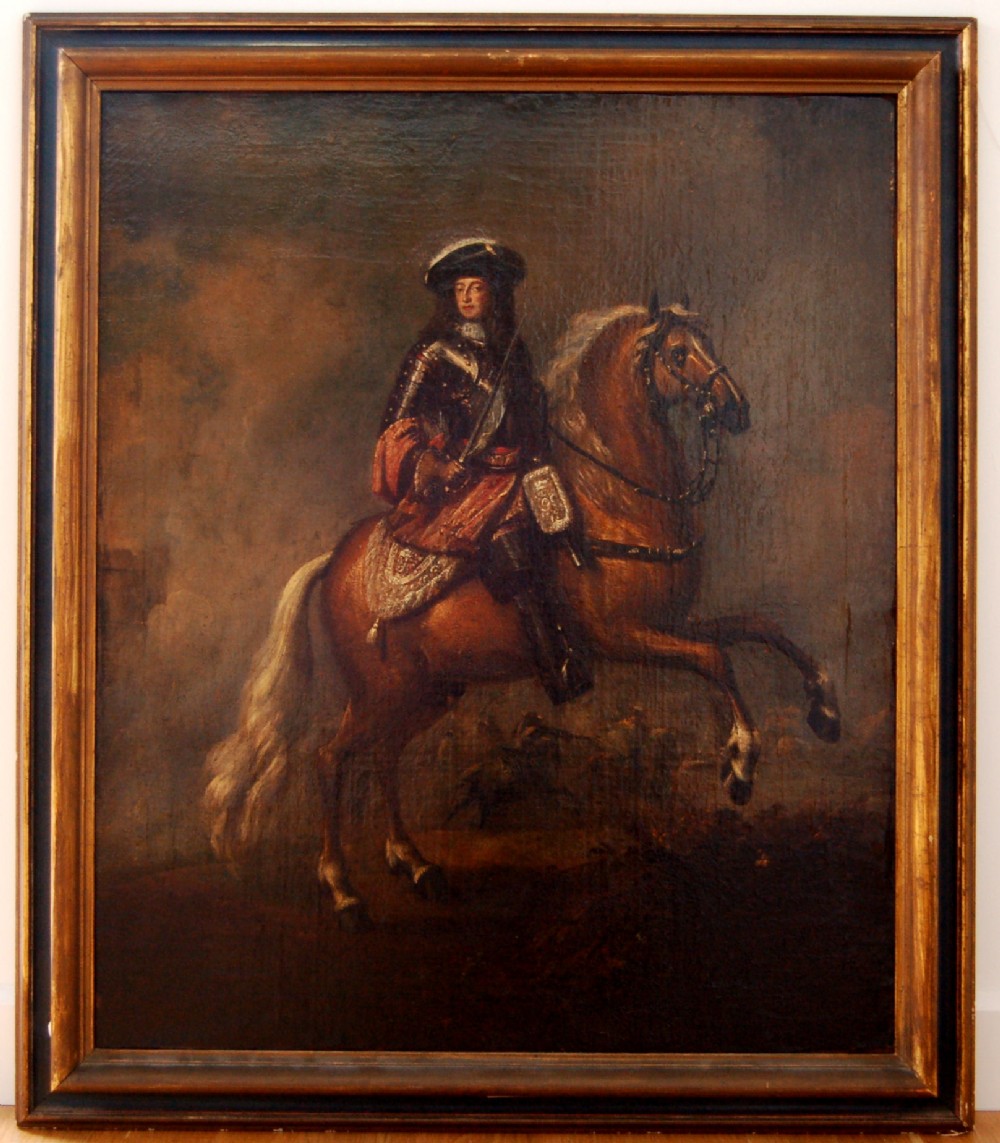
Archive II Attributed to Jan Wyck, 1652 - 1702
Portrait of William III 1650-1702, King of England and Prince of Orange View II
Archive III Attributed to Jan Wyck, 1652 - 1702
Portrait of William III 1650-1702, King of England and Prince of Orange View III
Archive IV Attributed to Jan Wyck, 1652 - 1702
Portrait of William III 1650-1702, King of England and Prince of Orange View IV
Enlarged Archival View
Telephone 07958 699 645
Location
18 La Gare
51 Surrey Row
London
SE1 0BZ
United Kingdom
Verified Since Sep 2008
Items For Sale 243
Items Sold 223
Artware Fineart
Verified Since Sep 2008
View Dealer Info
Location: 18 La Gare , 51 Surrey Row , London , SE1 0BZ , United Kingdom
Verified
Sep 2008
For Sale
243
Sold
223
Attributed to Jan Wyck, 1652 - 1702
Portrait of William III 1650-1702, King of England and Prince of Orange
Attributed to Jan Wyck, 1652 - 1702 Portrait of William III 1650-1702, King of England and Prince of Orange
Ref: SA398285
Attributed to Jan Wyck, 1652 - 1702
Portrait of William III 1650-1702, King of England and Prince of Orange
Detail View 1
Detail View 2
Detail View 3
Archival Detail
Every single antique dealer on our platform is individually approved by our internal team. We verify their professional trade history, ethical standards, and photographic quality to ensure a secure, high-standard buying environment. Upon joining, every dealer agrees to a strict 9-point code of conduct. While issues can occasionally arise, our dealers typically resolve them swiftly and directly with the buyer. In fact, since our founding in 2002, Sellingantiques has only had to step in to help resolve an issue on roughly five occasions—a true testament to the quality of our dealers and their dedication to your happiness.
Our dealers are highly experienced in packing and shipping fragile, high-value antiques. Because you are in direct contact with the dealer, you will be able to easily go through all available shipping and insurance options together to ensure your item arrives safely.
Antiques are the ultimate green purchase. By choosing historical pieces over newly manufactured goods, you completely eliminate the carbon footprint of modern mass production while preserving exceptional, timeless craftsmanship.
Written by Sellingantiques from the dealer’s photographs and listing
  • Period18th century
items
Add keywords to the filter
Price
£100
£250000
Era
Period
Style
Material
Origin
Stock Location
Recently Added
Online Payments
Categories