17,681  PAGES BROWSED TODAY PAGES TODAY 109 ANTIQUES UPLOADED TODAYNEW ARRIVALS
109 ITEMS ADDED TODAY
Sort Order
Items Per Page
Browse Categories
Sort order
Items per page
ID #SA35658
SOLD
Email Phone WhatsApp
Save
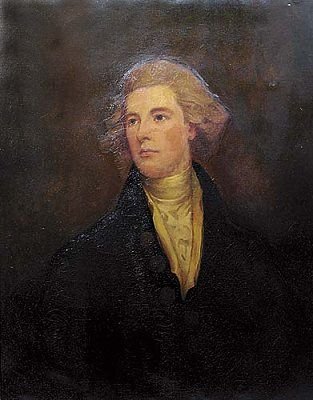
Portrait of William Pitt the Younger, 1759-1806 , After John Hoppner 1758-1810
Sold by Artware Fineart
sold SA35658
Sorry, but this item has been sold.

Artware Fineart

Sellingantiques Verified Since Sep 2008
Id #SA35658
PDF SHARE
SAVE

Portrait of William Pitt the Younger, 1759-1806 , After John Hoppner 1758-1810

19th century
Description

oil on canvas

34 x 28in.

British prime minister during the French Revolutionary and Napoleonic wars, Pitt helped to strengthen the office of the prime minister.

William Pitt was the second son of the Earl of Chatham, himself a famous statesman. He went to Cambridge aged 14 and in early 1781 was elected to Parliament, aged 22.

In 1782 he became Chancellor of the Exchequer. The following years were marked by the battle between George III and the radical Charles Fox, who was detested by George. Matters deteriorated when Fox forged an alliance with the previously loyal Lord North. The two men defeated the government and George was forced to ask them to take control.

In December 1783, George III dismissed their coalition and asked Pitt to form a government. He was immediately defeated in Parliament but refused to resign; George III was prepared to abdicate rather than let Fox in again. In 1784 Parliament was dissolved for a general election.

Pitt's success in the election was assured: no government ever lost. Although public opinion helped he was the King's nominee, retaining office only as long as he held George's confidence. His first priority was to restore public finances, ravaged by the cost of the American Revolution. Pitt imposed new taxes and reduced both smuggling and frauds. He also simplified customs and excise duties.

His other concerns were imperial and foreign. Britain's increased possessions in India made government, rather than commercial, supervision necessary. In 1784 Pitt set up a new government department to supervise the directors of the East India Company.

However, France remained the greatest problem. Provocative decrees of 1792 promised military assistance to any rebelling European people. They then declared war on England and Holland in 1793. In Ireland, the French actions exacerbated old religious feuds and prompted a rebellion in 1798. Pitt had long felt that union of the two countries was the only solution; now it was urgent. Yet fierce royal opposition forced his resignation in 1801.

Three years later he was back, but his second government suffered from growing Parliamentary opposition. The Third Coalition against France collapsed in 1805 and Pitt's health was failing. He died in early 1806 and was buried in Westminster Abbey

Declaration

Artware Fineart has dated this piece to the 19th Century.

Reference Numbers
Sellingantiques Reference
SA35658
Dealers Internal Reference
2813
Description
Oil on canvas

34 x 28in.

British prime minister during the French Revolutionary and Napoleonic wars, Pitt helped to strengthen the office of the prime minister.
Artware Fineart

William Pitt was the second son of the Earl of Chatham, himself a famous statesman. He went to Cambridge aged 14 and in early 1781 was elected to Parliament, aged 22.

In 1782 he became Chancellor of the Exchequer. The following years were marked by the battle between George III and the radical Charles Fox, who was detested by George. Matters deteriorated when Fox forged an alliance with the previously loyal Lord North. The two men defeated the government and George was forced to ask them to take control.

In December 1783, George III dismissed their coalition and asked Pitt to form a government. He was immediately defeated in Parliament but refused to resign; George III was prepared to abdicate rather than let Fox in again. In 1784 Parliament was dissolved for a general election.

Pitt's success in the election was assured: no government ever lost. Although public opinion helped he was the King's nominee, retaining office only as long as he held George's confidence. His first priority was to restore public finances, ravaged by the cost of the American Revolution. Pitt imposed new taxes and reduced both smuggling and frauds. He also simplified customs and excise duties.

His other concerns were imperial and foreign. Britain's increased possessions in India made government, rather than commercial, supervision necessary. In 1784 Pitt set up a new government department to supervise the directors of the East India Company.

However, France remained the greatest problem. Provocative decrees of 1792 promised military assistance to any rebelling European people. They then declared war on England and Holland in 1793. In Ireland, the French actions exacerbated old religious feuds and prompted a rebellion in 1798. Pitt had long felt that union of the two countries was the only solution; now it was urgent. Yet fierce royal opposition forced his resignation in 1801.

Three years later he was back, but his second government suffered from growing Parliamentary opposition. The Third Coalition against France collapsed in 1805 and Pitt's health was failing. He died in early 1806 and was buried in Westminster Abbey

Date of Manufacture

Artware Fineart has dated this piece to the 19th Century.

Reference Numbers
Sellingantiques Ref
SA35658
Dealers Internal Ref
2813
Artware Fineart
Sellingantiques verified Since Sep 2008
Dealer Profile

You can view the stock and full dealer information on the Artware Fineart Profile Page
PDF SHARE
SAVE
Portrait of William Pitt the Younger,   1759-1806 ,  After John Hoppner 1758-1810
1 / 1
Archive I Portrait of William Pitt the Younger,   1759-1806 ,  After John Hoppner 1758-1810

Portrait of William Pitt the Younger, 1759-1806 , After John Hoppner 1758-1810

Enlarged Archival View
Telephone 07958 699 645
Location
18 La Gare
51 Surrey Row
London
SE1 0BZ
United Kingdom
Verified Since Sep 2008
Items For Sale 243
Items Sold 223
Artware Fineart
Verified Since Sep 2008
View Dealer Info
Location: 18 La Gare , 51 Surrey Row , London , SE1 0BZ , United Kingdom
Verified
Sep 2008
For Sale
243
Sold
223
Portrait of William Pitt the Younger,   1759-1806 ,  After John Hoppner 1758-1810
Portrait of William Pitt the Younger, 1759-1806 , After John Hoppner 1758-1810
Ref: SA35658
Portrait of William Pitt the Younger,   1759-1806 ,  After John Hoppner 1758-1810
Archival Detail
Every single antique dealer on our platform is individually approved by our internal team. We verify their professional trade history, ethical standards, and photographic quality to ensure a secure, high-standard buying environment. Upon joining, every dealer agrees to a strict 9-point code of conduct. While issues can occasionally arise, our dealers typically resolve them swiftly and directly with the buyer. In fact, since our founding in 2002, Sellingantiques has only had to step in to help resolve an issue on roughly five occasions—a true testament to the quality of our dealers and their dedication to your happiness.
Our dealers are highly experienced in packing and shipping fragile, high-value antiques. Because you are in direct contact with the dealer, you will be able to easily go through all available shipping and insurance options together to ensure your item arrives safely.
Antiques are the ultimate green purchase. By choosing historical pieces over newly manufactured goods, you completely eliminate the carbon footprint of modern mass production while preserving exceptional, timeless craftsmanship.
items
Add keywords to the filter
Price
£100
£250000
Era
Movements
Material
Origin
Stock Location
Freshness
Online Payments
Categories