15,831  PAGES BROWSED TODAY PAGES TODAY 109 ANTIQUES UPLOADED TODAYNEW ARRIVALS
109 ITEMS ADDED TODAY
Sort Order
Items Per Page
Browse Categories
Sort order
Items per page
ID #SA342099
SOLD
Email Phone WhatsApp
Save
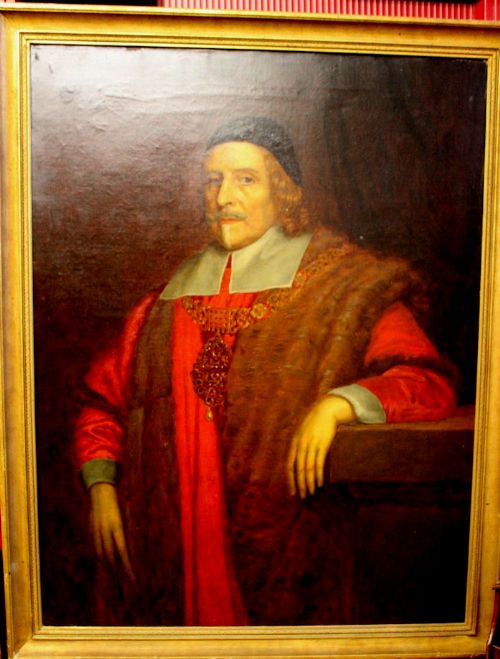
After Sir Anthony Van Dyck 1599-1641 Portrait of Sir Thomas Viner 1st Bt 1588 - 1665 in the Robes and Chain of Office of the Lord Mayor of London
Sold by Artware Fineart
sold SA342099
Sorry, but this item has been sold.

Artware Fineart

Sellingantiques Verified Since Sep 2008
Id #SA342099
PDF SHARE
SAVE

After Sir Anthony Van Dyck 1599-1641 Portrait of Sir Thomas Viner 1st Bt 1588 - 1665 in the Robes and Chain of Office of the Lord Mayor of London

18th century
Description

After Sir Anthony Van Dyck 1599-1641

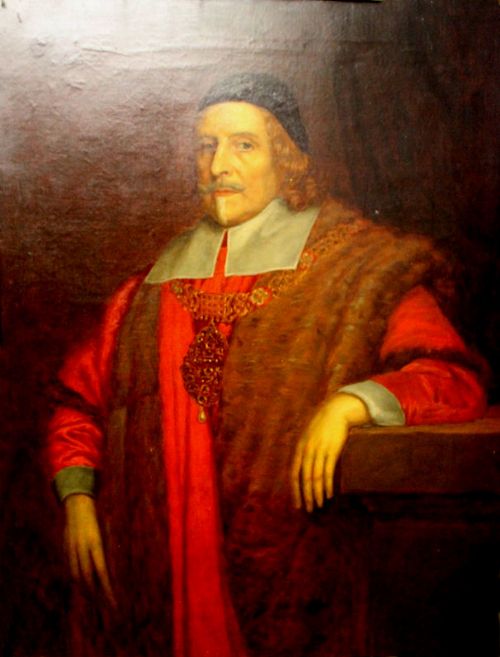
Portrait of Sir Thomas Viner 1st Bt 1588 - 1665 in the Robes and Chain of Office of the Lord Mayor of London

oil on canvas

101.60 x 76.20 cm. (40 x 30 in.)

Sir Thomas,Vyner [Viner], first baronet (1588–1665), goldsmith and banker, was born on 15 December 1588 at North Cerney in Gloucestershire, the son of Thomas Vyner, of a Warwickshire family, and his second wife, Anne. The younger Thomas was apprenticed in London, first to his half-sister's husband, Samuel Moore, of the Goldsmiths' Company, in 1601 and then to William Terry in 1604, taking his freedom in 1611. He first came to notice in 1624, when he obtained a reversion to the comptrollership of the mint—an appropriate investment for someone with his qualifications, though he never took up this office. In 1639 he sold £79 worth of plate to Edward Nicholas, the future royalist secretary of state, but his political sympathies are better indicated by his having advanced £100 for the parliamentarian army under the earl of Essex in October 1643. He was one of the contractors appointed to manage the sale of bishops' lands in 1646, and he was named to various London committees in the years following the civil war. His allegiances have been described as those of a political presbyterian in the years 1646–8. His attitude towards the Commonwealth seems equivocal: he became an alderman of the City of London in 1646 and remained one until 1660.
He served as high sheriff of the City of London in 1648–9 but certainly achieved greater prominence under the Cromwellian protectorate (1654–9) after the repeal of the engagement, the republican loyalty oath which expressed explicit approval of the abolition of monarchy and House of Lords and implicit support for the regicide. Even so, in December 1649 he was asked by the council of state to collect Spanish pieces of eight and to meet the admiralty committee if his other commitments permitted, and the next day he offered 7000 ryals at 4s 10d. each, pointing out that he could have asked for and received more than this. In 1652 he gave security for the settlement of his penal fine by the Catholic peer Lord Petre; but this was less a pointer to religious sympathy than a disguised way of obtaining the equivalent of a bond or mortgage. He was elected lord mayor of London in 1653–4 and was knighted by the protector at his inauguration in February 1654. In 1623 Vyner had acted as a co-treasurer or accountant for the money received from the Dutch East India Company as compensation for the Amboyna massacre, to be paid to the victims if they were still alive or, more likely, to their heirs and executors. He served in the same capacity for the funds raised to relieve various groups of persecuted European protestants, and he was involved in the transmission of captured Spanish bullion to the mint for coinage. He may also have acted as a banker for private individuals. His apprentices during the 1630s and 1640s included Edward Backwell, who was acting as a financier in his own right by the 1650s, and his own stepnephew Robert Vyner (1631–1688), who entered into an informal partnership with him in 1656.

Sir Thomas was married three times. His first wife was Anne, daughter of Richard Parsons of London, a merchant; they had five daughters, including Elizabeth who married Sir Henry Pickering, another Cromwellian knight who became a Restoration baronet, and Rebecca who married Sir Richard Piggott, a tax farmer and successor to his wife's stepbrother as an office-holder in chancery. Vyner's second wife was Honor Humble (d. 1656?), daughter of George Humble, of London, citizen and stationer; their two sons were George Vyner (d. 1673) and Thomas Vyner (d. c.1666). His third, who survived him, was Alice, widow of Alderman John Perryn; they had no children. There is little evidence of the activities of Tho

Physical Dimensions
Height
110cm (43.31")
Width
84cm (33.07")
Depth
4cm (1.57")
Declaration

Artware Fineart has dated this piece to the 18th Century.

Reference Numbers
Sellingantiques Reference
SA342099
Dealers Internal Reference
3723
Description
After Sir Anthony Van Dyck 1599-1641
Portrait of Sir Thomas Viner 1st Bt 1588 - 1665 in the Robes and Chain of Office of the Lord Mayor of London.
Artware Fineart

oil on canvas

101.60 x 76.20 cm. (40 x 30 in.)

Sir Thomas,Vyner [Viner], first baronet (1588–1665), goldsmith and banker, was born on 15 December 1588 at North Cerney in Gloucestershire, the son of Thomas Vyner, of a Warwickshire family, and his second wife, Anne. The younger Thomas was apprenticed in London, first to his half-sister's husband, Samuel Moore, of the Goldsmiths' Company, in 1601 and then to William Terry in 1604, taking his freedom in 1611. He first came to notice in 1624, when he obtained a reversion to the comptrollership of the mint—an appropriate investment for someone with his qualifications, though he never took up this office. In 1639 he sold £79 worth of plate to Edward Nicholas, the future royalist secretary of state, but his political sympathies are better indicated by his having advanced £100 for the parliamentarian army under the earl of Essex in October 1643. He was one of the contractors appointed to manage the sale of bishops' lands in 1646, and he was named to various London committees in the years following the civil war. His allegiances have been described as those of a political presbyterian in the years 1646–8. His attitude towards the Commonwealth seems equivocal: he became an alderman of the City of London in 1646 and remained one until 1660.

fig 1. After Sir Anthony Van Dyck 1599-1641  Portrait of Sir Thomas Viner 1st Bt 1588 - 1665 in the Robes and Chain of Office of the Lord Mayor of London
fig 1. After Sir Anthony Van Dyck 1599-1641 Portrait of Sir Thomas Viner 1st Bt 1588 - 1665 in the Robes and Chain of Office of the Lord Mayor of London

He served as high sheriff of the City of London in 1648–9 but certainly achieved greater prominence under the Cromwellian protectorate (1654–9) after the repeal of the engagement, the republican loyalty oath which expressed explicit approval of the abolition of monarchy and House of Lords and implicit support for the regicide. Even so, in December 1649 he was asked by the council of state to collect Spanish pieces of eight and to meet the admiralty committee if his other commitments permitted, and the next day he offered 7000 ryals at 4s 10d. each, pointing out that he could have asked for and received more than this. In 1652 he gave security for the settlement of his penal fine by the Catholic peer Lord Petre; but this was less a pointer to religious sympathy than a disguised way of obtaining the equivalent of a bond or mortgage. He was elected lord mayor of London in 1653–4 and was knighted by the protector at his inauguration in February 1654. In 1623 Vyner had acted as a co-treasurer or accountant for the money received from the Dutch East India Company as compensation for the Amboyna massacre, to be paid to the victims if they were still alive or, more likely, to their heirs and executors. He served in the same capacity for the funds raised to relieve various groups of persecuted European protestants, and he was involved in the transmission of captured Spanish bullion to the mint for coinage. He may also have acted as a banker for private individuals. His apprentices during the 1630s and 1640s included Edward Backwell, who was acting as a financier in his own right by the 1650s, and his own stepnephew Robert Vyner (1631–1688), who entered into an informal partnership with him in 1656.

Sir Thomas was married three times. His first wife was Anne, daughter of Richard Parsons of London, a merchant; they had five daughters, including Elizabeth who married Sir Henry Pickering, another Cromwellian knight who became a Restoration baronet, and Rebecca who married Sir Richard Piggott, a tax farmer and successor to his wife's stepbrother as an office-holder in chancery. Vyner's second wife was Honor Humble (d. 1656?), daughter of George Humble, of London, citizen and stationer; their two sons were George Vyner (d. 1673) and Thomas Vyner (d. c.1666). His third, who survived him, was Alice, widow of Alderman John Perryn; they had no children. There is little evidence of the activities of Tho

Height
110cm (43.31")
Width
84cm (33.07")
Depth
4cm (1.57")
Date of Manufacture

Artware Fineart has dated this piece to the 18th Century.

Reference Numbers
Sellingantiques Ref
SA342099
Dealers Internal Ref
3723
Artware Fineart
Sellingantiques verified Since Sep 2008
Dealer Profile

You can view the stock and full dealer information on the Artware Fineart Profile Page
PDF SHARE
SAVE
After Sir Anthony Van Dyck 1599-1641  Portrait of Sir Thomas Viner 1st Bt 1588 - 1665 in the Robes and Chain of Office of the Lord Mayor of London
1 / 2
Archive I After Sir Anthony Van Dyck 1599-1641  Portrait of Sir Thomas Viner 1st Bt 1588 - 1665 in the Robes and Chain of Office of the Lord Mayor of London

After Sir Anthony Van Dyck 1599-1641 Portrait of Sir Thomas Viner 1st Bt 1588 - 1665 in the Robes and Chain of Office of the Lord Mayor of London

Archive II After Sir Anthony Van Dyck 1599-1641  Portrait of Sir Thomas Viner 1st Bt 1588 - 1665 in the Robes and Chain of Office of the Lord Mayor of London View II
Enlarged Archival View
Telephone 07958 699 645
Location
18 La Gare
51 Surrey Row
London
SE1 0BZ
United Kingdom
Verified Since Sep 2008
Items For Sale 243
Items Sold 223
Artware Fineart
Verified Since Sep 2008
View Dealer Info
Location: 18 La Gare , 51 Surrey Row , London , SE1 0BZ , United Kingdom
Verified
Sep 2008
For Sale
243
Sold
223
After Sir Anthony Van Dyck 1599-1641  Portrait of Sir Thomas Viner 1st Bt 1588 - 1665 in the Robes and Chain of Office of the Lord Mayor of London
After Sir Anthony Van Dyck 1599-1641 Portrait of Sir Thomas Viner 1st Bt 1588 - 1665 in the Robes and Chain of Office of the Lord Mayor of London
Ref: SA342099
After Sir Anthony Van Dyck 1599-1641  Portrait of Sir Thomas Viner 1st Bt 1588 - 1665 in the Robes and Chain of Office of the Lord Mayor of London
Detail View 1
Archival Detail
Every single antique dealer on our platform is individually approved by our internal team. We verify their professional trade history, ethical standards, and photographic quality to ensure a secure, high-standard buying environment. Upon joining, every dealer agrees to a strict 9-point code of conduct. While issues can occasionally arise, our dealers typically resolve them swiftly and directly with the buyer. In fact, since our founding in 2002, Sellingantiques has only had to step in to help resolve an issue on roughly five occasions—a true testament to the quality of our dealers and their dedication to your happiness.
Our dealers are highly experienced in packing and shipping fragile, high-value antiques. Because you are in direct contact with the dealer, you will be able to easily go through all available shipping and insurance options together to ensure your item arrives safely.
Antiques are the ultimate green purchase. By choosing historical pieces over newly manufactured goods, you completely eliminate the carbon footprint of modern mass production while preserving exceptional, timeless craftsmanship.
items
Add keywords to the filter
Price
£100
£250000
Era
Movements
Material
Origin
Stock Location
Freshness
Online Payments
Categories