17,331  PAGES BROWSED TODAY PAGES TODAY 109 ANTIQUES UPLOADED TODAYNEW ARRIVALS
109 ITEMS ADDED TODAY
Sort Order
Items Per Page
Browse Categories
Sort order
Items per page
ID #SA342095
SOLD
Email Phone WhatsApp
Save
Portrait of Judge, Sir Edward Ward 1638 - 1714 by Sir Godfrey Kneller 1646 - 1723
Sold by Artware Fineart
sold SA342095
Sorry, but this item has been sold.

Artware Fineart

Sellingantiques Verified Since Sep 2008
Id #SA342095
PDF SHARE
SAVE

Portrait of Judge, Sir Edward Ward 1638 - 1714 by Sir Godfrey Kneller 1646 - 1723

17th century
Description

Sir Godfrey Kneller 1646 - 1723

Portrait of Judge, Sir Edward Ward 1638 - 1714

oil on canvas

in an elaborate carved frame

127 x 101.60 cm. (50 x 40 in.)
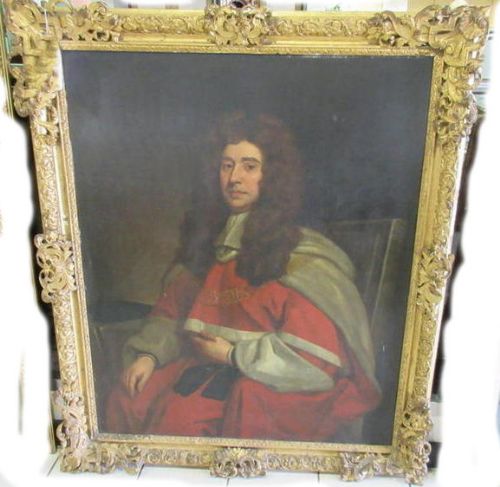
Sir Edward Ward, (1638–1714), lawyer and judge, was born in Northamptonshire, the second son of William Ward of Preston, Rutland.

He was educated under Francis Meres at the free school at Uppingham, Leicestershire. Ward then studied at Clifford's Inn and in June 1664 entered the Inner Temple. He was called to the bar on 27 November 1670. On 30 March 1676 he married Elizabeth (1658–1723), daughter of Thomas Papillon MP, a London merchant. They had four sons and five daughters. Ward soon gained an extensive practice, particularly in the exchequer, where he was the leading pleader on the equity side of the court in 1680. In July 1683 Ward was counsel for Lord William Russell during his trial for treason. In November 1684 he was counsel for his father-in-law in the action for false imprisonment brought against him by Sir William Pritchard. Also in November 1684 Ward appeared for the earl of Macclesfield in the action of scandalum magnatum brought against John Starkey, a member of the Cheshire grand jury which had presented the peer as disaffected. From these cases it can be discerned that Ward's political sympathies lay with the whigs.

On 20 November 1687 Ward was called to the bench of the Inner Temple. Following the revolution of 1688 Ward was chosen by William III in April 1689 as a judge, but he was allowed to refuse the place probably because of the financial penalties involved in giving up his lucrative practice. In July 1689 Ward was assigned as counsel to Dr Elliott and others accused of dispersing James II's declaration. In April it was rumoured that Ward would be made a serjeant-at-law, but he did not receive a writ. In March 1693 he was sounded out about the possibility of becoming solicitor-general by the new lord keeper, Sir John Somers. In the event, on 30 March Ward kissed the king's hand for the post of attorney-general, his patent being dated 4 April 1693. William III had been influenced by some of his tory ministers to appoint Ward to the higher office, much to the chagrin of the solicitor-general, Sir Thomas Trevor, who was the junto whig candidate for the post. Ward was knighted on 30 October 1693. In November 1694 it was reported that Ward would be made lord chief baron of the exchequer, but that the appointment would be delayed to allow Ward to be made a serjeant-at-law. He was informed by the king of his impending appointment to the bench on 5 May 1695, and he was made a serjeant on the morning of 8 June, his patrons being lords Godolphin and Somers; in the afternoon he was sworn in as lord chief baron. It appears that the king offered him £500 p.a. as compensation for quitting his practice (but this remained unpaid until 1700, when it was raised to £600 p.a. and paid). After sitting as a judge on the home circuit, on 29 July 1695 Ward received a summons as an assistant to the House of Lords. This was a necessary step in view of the fact that he had a commission to sit as speaker of the Lords on the following day, when parliament was prorogued. He acted as speaker at two further prorogations before parliament was dissolved in October 1695. In March 1696 he tried Robert Charnock and his associates for treason. In January 1700 he excused himself from giving an opinion on the bankers' case. Following the dismissal of Somers from the lord chancellorship, in May 1700 Ward was named a commissioner of the great seal. In May 1701 he presided over the trials of Captain Kidd for murder and piracy. Ward was reappointed lord chief baron following the accession of Queen Anne in 1702. Ward was taken ill just before going on circuit in July 1714, and died on 16 July at his house in Essex Street on the Strand. He was buried at Stoke Doyle, Northampto

Declaration

Artware Fineart has dated this piece to the Before 1700 period.

Reference Numbers
Sellingantiques Reference
SA342095
Dealers Internal Reference
3726
Description
Sir Godfrey Kneller 1646 - 1723

Portrait of Judge, Sir Edward Ward 1638 - 1714

oil on canvas

in an elaborate carved frame

127 x 101.60 cm. (50 x 40 in.)

Sir Edward Ward, (1638–1714), lawyer and judge, was born in Northamptonshire, the second son of William Ward of Preston, Rutland.
Artware Fineart
fig 1. Portrait of Judge, Sir Edward Ward 1638 - 1714 by  Sir Godfrey Kneller 1646 - 1723
fig 1. Portrait of Judge, Sir Edward Ward 1638 - 1714 by Sir Godfrey Kneller 1646 - 1723

He was educated under Francis Meres at the free school at Uppingham, Leicestershire. Ward then studied at Clifford's Inn and in June 1664 entered the Inner Temple. He was called to the bar on 27 November 1670. On 30 March 1676 he married Elizabeth (1658–1723), daughter of Thomas Papillon MP, a London merchant. They had four sons and five daughters. Ward soon gained an extensive practice, particularly in the exchequer, where he was the leading pleader on the equity side of the court in 1680. In July 1683 Ward was counsel for Lord William Russell during his trial for treason. In November 1684 he was counsel for his father-in-law in the action for false imprisonment brought against him by Sir William Pritchard. Also in November 1684 Ward appeared for the earl of Macclesfield in the action of scandalum magnatum brought against John Starkey, a member of the Cheshire grand jury which had presented the peer as disaffected. From these cases it can be discerned that Ward's political sympathies lay with the whigs.

On 20 November 1687 Ward was called to the bench of the Inner Temple. Following the revolution of 1688 Ward was chosen by William III in April 1689 as a judge, but he was allowed to refuse the place probably because of the financial penalties involved in giving up his lucrative practice. In July 1689 Ward was assigned as counsel to Dr Elliott and others accused of dispersing James II's declaration. In April it was rumoured that Ward would be made a serjeant-at-law, but he did not receive a writ. In March 1693 he was sounded out about the possibility of becoming solicitor-general by the new lord keeper, Sir John Somers. In the event, on 30 March Ward kissed the king's hand for the post of attorney-general, his patent being dated 4 April 1693. William III had been influenced by some of his tory ministers to appoint Ward to the higher office, much to the chagrin of the solicitor-general, Sir Thomas Trevor, who was the junto whig candidate for the post. Ward was knighted on 30 October 1693. In November 1694 it was reported that Ward would be made lord chief baron of the exchequer, but that the appointment would be delayed to allow Ward to be made a serjeant-at-law. He was informed by the king of his impending appointment to the bench on 5 May 1695, and he was made a serjeant on the morning of 8 June, his patrons being lords Godolphin and Somers; in the afternoon he was sworn in as lord chief baron. It appears that the king offered him £500 p.a. as compensation for quitting his practice (but this remained unpaid until 1700, when it was raised to £600 p.a. and paid). After sitting as a judge on the home circuit, on 29 July 1695 Ward received a summons as an assistant to the House of Lords. This was a necessary step in view of the fact that he had a commission to sit as speaker of the Lords on the following day, when parliament was prorogued. He acted as speaker at two further prorogations before parliament was dissolved in October 1695. In March 1696 he tried Robert Charnock and his associates for treason. In January 1700 he excused himself from giving an opinion on the bankers' case. Following the dismissal of Somers from the lord chancellorship, in May 1700 Ward was named a commissioner of the great seal. In May 1701 he presided over the trials of Captain Kidd for murder and piracy. Ward was reappointed lord chief baron following the accession of Queen Anne in 1702. Ward was taken ill just before going on circuit in July 1714, and died on 16 July at his house in Essex Street on the Strand. He was buried at Stoke Doyle, Northampto

Date of Manufacture

Artware Fineart has dated this piece to the Before 1700 period.

Reference Numbers
Sellingantiques Ref
SA342095
Dealers Internal Ref
3726
Artware Fineart
Sellingantiques verified Since Sep 2008
Dealer Profile

You can view the stock and full dealer information on the Artware Fineart Profile Page
PDF SHARE
SAVE
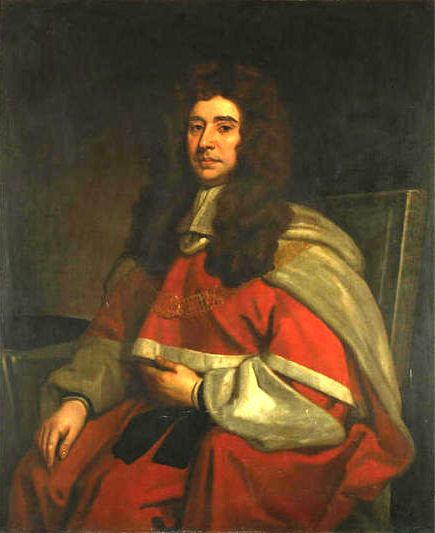
Portrait of Judge, Sir Edward Ward 1638 - 1714 by  Sir Godfrey Kneller 1646 - 1723
1 / 2
Archive I Portrait of Judge, Sir Edward Ward 1638 - 1714 by  Sir Godfrey Kneller 1646 - 1723

Portrait of Judge, Sir Edward Ward 1638 - 1714 by Sir Godfrey Kneller 1646 - 1723

Archive II Portrait of Judge, Sir Edward Ward 1638 - 1714 by  Sir Godfrey Kneller 1646 - 1723  View II
Enlarged Archival View
Telephone 07958 699 645
Location
18 La Gare
51 Surrey Row
London
SE1 0BZ
United Kingdom
Verified Since Sep 2008
Items For Sale 243
Items Sold 223
Artware Fineart
Verified Since Sep 2008
View Dealer Info
Location: 18 La Gare , 51 Surrey Row , London , SE1 0BZ , United Kingdom
Verified
Sep 2008
For Sale
243
Sold
223
Portrait of Judge, Sir Edward Ward 1638 - 1714 by  Sir Godfrey Kneller 1646 - 1723
Portrait of Judge, Sir Edward Ward 1638 - 1714 by Sir Godfrey Kneller 1646 - 1723
Ref: SA342095
Portrait of Judge, Sir Edward Ward 1638 - 1714 by  Sir Godfrey Kneller 1646 - 1723
Detail View 1
Archival Detail
Every single antique dealer on our platform is individually approved by our internal team. We verify their professional trade history, ethical standards, and photographic quality to ensure a secure, high-standard buying environment. Upon joining, every dealer agrees to a strict 9-point code of conduct. While issues can occasionally arise, our dealers typically resolve them swiftly and directly with the buyer. In fact, since our founding in 2002, Sellingantiques has only had to step in to help resolve an issue on roughly five occasions—a true testament to the quality of our dealers and their dedication to your happiness.
Our dealers are highly experienced in packing and shipping fragile, high-value antiques. Because you are in direct contact with the dealer, you will be able to easily go through all available shipping and insurance options together to ensure your item arrives safely.
Antiques are the ultimate green purchase. By choosing historical pieces over newly manufactured goods, you completely eliminate the carbon footprint of modern mass production while preserving exceptional, timeless craftsmanship.
items
Add keywords to the filter
Price
£100
£250000
Era
Movements
Material
Origin
Stock Location
Freshness
Online Payments
Categories