17,331  PAGES BROWSED TODAY PAGES TODAY 109 ANTIQUES UPLOADED TODAYNEW ARRIVALS
109 ITEMS ADDED TODAY
Sort Order
Items Per Page
Browse Categories
Sort order
Items per page
ID #SA319334
SOLD
Email Phone WhatsApp
Save
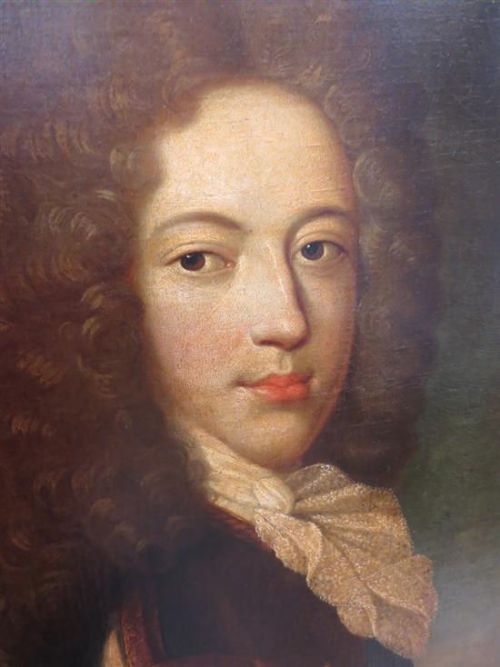
Attributed to Antonio David 1698-1750 Portrait of Prince James Francis Edward Stuart 1688-1766
Sold by Artware Fineart
sold SA319334
Sorry, but this item has been sold.

Artware Fineart

Sellingantiques Verified Since Sep 2008
Id #SA319334
PDF SHARE
SAVE

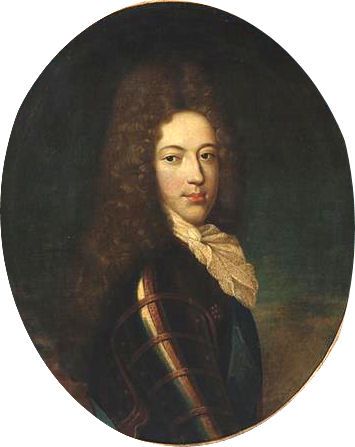
Attributed to Antonio David 1698-1750 Portrait of Prince James Francis Edward Stuart 1688-1766

18th century
Description

Attributed to Antonio David 1698-1750 Portrait of Prince James Edward Stuart 1688-1766

oil on canvas, oval

30 x 25 in. (76 x 64 cm.)

James Francis Edward [James Francis Edward Stuart; styled James VIII and III; known as Chevalier de St George, Pretender, Old Pretender] (1688–1766), Jacobite claimant to the thrones of England, Scotland, and Ireland, was born at St James's Palace, Westminster, on 10 June 1688, the only surviving son of James II and VII (1633–1701) and his second wife, Maria Beatrice d'Este of Modena [see Mary (1658–1718)]. His birth was highly controversial; his mother had last given birth in 1683 and none of her five earlier children had survived infancy. By the autumn of 1687, when it was generally assumed that the king and queen could not produce healthy children, it was widely feared that James II's policies were directed towards the formal re-establishment of Roman Catholicism as the state religion; in such circumstances the birth of a male heir, who would supersede his protestant half-sisters, Princess Mary of Orange [see Mary II (1662–1694)] and Princess Anne of Denmark [see Anne (1665–1714)], in the succession, would be highly convenient. From the moment the queen's pregnancy was formally announced in November 1687, protestants started a campaign to question its legitimacy and, where possible, avoided the queen's lying-in. Those who were obligated to be present, by virtue of their offices, took pains to stand with their backs to the queen's bed, so they could not be called upon to provide eye-witness testimony. James II attempted in vain to discredit the ‘warming pan’ fiction (so called after rumours that the child had been smuggled into the queen's chamber in such a device) by publishing the depositions of over seventy witnesses to the birth (Depositions made in council on Monday, 22 October 1688, concerning the birth of the prince of Wales), but the nation was prepared to disbelieve any evidence. When the king left London on 17 November to go to Salisbury to confront Prince William of Orange, James was sent to the fortress at Portsmouth, then under the command of his half-brother, James Fitzjames, duke of Berwick, but as soon as James II had decided to flee to France the prince was returned to London on 9 December, and that night with his mother was taken to Gravesend to embark for Calais. On their arrival Louis XIV ordered that they be transported to the château of St Germain-en-Laye, which was to be the prince's home for the next twenty-four years.
Exile and succession, 1689–1714

During the ensuing Nine Years' War, William III's Roman Catholic allies suggested a compromise which would allow William to remain king for his lifetime, to be succeeded by the prince of Wales. There is no evidence that William had any intention whatsoever of repealing the clause in the Bill of Rights of 1689 which barred all Roman Catholics from succession to the throne; Louis XIV, however, desperate for peace, apparently broached the idea with James II, who flatly refused to allow his son to be bred a protestant. When in July 1696 James II established an independent household for his son, he gave the prince's new governor, James Drummond, fourth earl of Perth, an extremely detailed set of rules, the burden of which was to ensure that the prince would not spend one moment without direct adult supervision (Stuart Papers, 1.114–17).
On 2/13 September 1701, three days before James II's death, Louis XIV visited St Germain and publicly announced that on the king's death France would recognize his son as king of England, Scotland, and Ireland. This recognition, in contravention of Louis's promises in the treaty of Ryswick (1697), infuriated the English public. In June 1701 parliament had passed an Act of Settlement which vested the succession in the next protestant heir, the dowager Electress Sophia of

Declaration

Artware Fineart has dated this piece to the 1700s.

Reference Numbers
Sellingantiques Reference
SA319334
Dealers Internal Reference
3701
Description
Attributed to Antonio David 1698-1750 Portrait of Prince James Edward Stuart 1688-1766

oil on canvas, oval

30 x 25 in. (76 x 64 cm.)

James Francis Edward [James Francis Edward Stuart; styled James VIII and III; known as Chevalier de St George, Pretender, Old Pretender] (1688–1766), Jacobite claimant to the thrones of England, Scotland, and Ireland, was born at St James's Palace, Westminster, on 10 June 1688, the only surviving son of James II and VII (1633–1701) and his second wife, Maria Beatrice d'Este of Modena [see Mary (1658–1718)].

His birth was highly controversial; his mother had last given birth in 1683 and none of her five earlier children had survived infancy.
Artware Fineart

By the autumn of 1687, when it was generally assumed that the king and queen could not produce healthy children, it was widely feared that James II's policies were directed towards the formal re-establishment of Roman Catholicism as the state religion; in such circumstances the birth of a male heir, who would supersede his protestant half-sisters, Princess Mary of Orange [see Mary II (1662–1694)] and Princess Anne of Denmark [see Anne (1665–1714)], in the succession, would be highly convenient. From the moment the queen's pregnancy was formally announced in November 1687, protestants started a campaign to question its legitimacy and, where possible, avoided the queen's lying-in. Those who were obligated to be present, by virtue of their offices, took pains to stand with their backs to the queen's bed, so they could not be called upon to provide eye-witness testimony. James II attempted in vain to discredit the ‘warming pan’ fiction (so called after rumours that the child had been smuggled into the queen's chamber in such a device) by publishing the depositions of over seventy witnesses to the birth (Depositions made in council on Monday, 22 October 1688, concerning the birth of the prince of Wales), but the nation was prepared to disbelieve any evidence. When the king left London on 17 November to go to Salisbury to confront Prince William of Orange, James was sent to the fortress at Portsmouth, then under the command of his half-brother, James Fitzjames, duke of Berwick, but as soon as James II had decided to flee to France the prince was returned to London on 9 December, and that night with his mother was taken to Gravesend to embark for Calais. On their arrival Louis XIV ordered that they be transported to the château of St Germain-en-Laye, which was to be the prince's home for the next twenty-four years.

fig 1. Attributed to Antonio David 1698-1750  Portrait of Prince James Francis  Edward Stuart 1688-1766
fig 1. Attributed to Antonio David 1698-1750 Portrait of Prince James Francis Edward Stuart 1688-1766

Exile and succession, 1689–1714

During the ensuing Nine Years' War, William III's Roman Catholic allies suggested a compromise which would allow William to remain king for his lifetime, to be succeeded by the prince of Wales. There is no evidence that William had any intention whatsoever of repealing the clause in the Bill of Rights of 1689 which barred all Roman Catholics from succession to the throne; Louis XIV, however, desperate for peace, apparently broached the idea with James II, who flatly refused to allow his son to be bred a protestant. When in July 1696 James II established an independent household for his son, he gave the prince's new governor, James Drummond, fourth earl of Perth, an extremely detailed set of rules, the burden of which was to ensure that the prince would not spend one moment without direct adult supervision (Stuart Papers, 1.114–17).

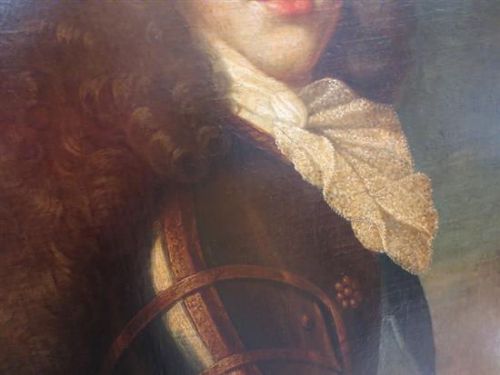
fig 2. Attributed to Antonio David 1698-1750  Portrait of Prince James Francis  Edward Stuart 1688-1766
fig 2. Attributed to Antonio David 1698-1750 Portrait of Prince James Francis Edward Stuart 1688-1766

On 2/13 September 1701, three days before James II's death, Louis XIV visited St Germain and publicly announced that on the king's death France would recognize his son as king of England, Scotland, and Ireland. This recognition, in contravention of Louis's promises in the treaty of Ryswick (1697), infuriated the English public. In June 1701 parliament had passed an Act of Settlement which vested the succession in the next protestant heir, the dowager Electress Sophia of

Date of Manufacture

Artware Fineart has dated this piece to the 1700s.

Reference Numbers
Sellingantiques Ref
SA319334
Dealers Internal Ref
3701
Artware Fineart
Sellingantiques verified Since Sep 2008
Dealer Profile

You can view the stock and full dealer information on the Artware Fineart Profile Page
PDF SHARE
SAVE
Attributed to Antonio David 1698-1750  Portrait of Prince James Francis  Edward Stuart 1688-1766
1 / 6
Archive I Attributed to Antonio David 1698-1750  Portrait of Prince James Francis  Edward Stuart 1688-1766
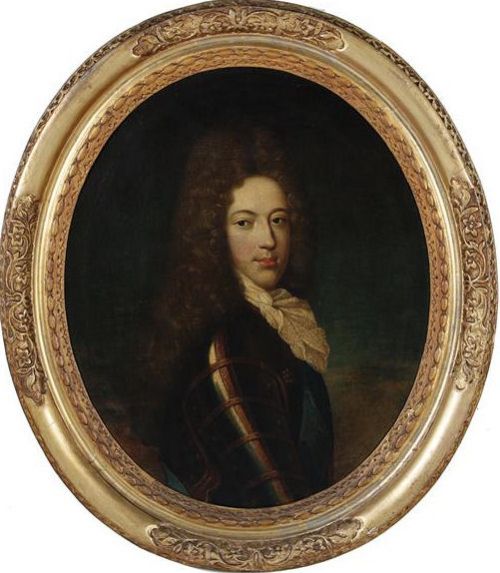
Attributed to Antonio David 1698-1750 Portrait of Prince James Francis Edward Stuart 1688-1766
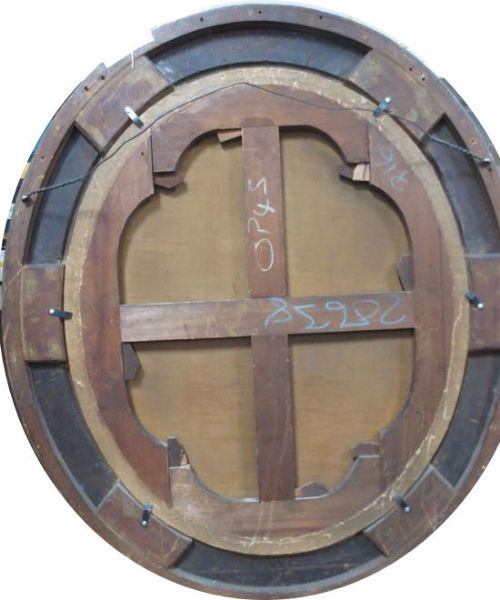
Archive II Attributed to Antonio David 1698-1750  Portrait of Prince James Francis  Edward Stuart 1688-1766 View II
Archive III Attributed to Antonio David 1698-1750  Portrait of Prince James Francis  Edward Stuart 1688-1766 View III
Archive IV Attributed to Antonio David 1698-1750  Portrait of Prince James Francis  Edward Stuart 1688-1766 View IV
Archive V Attributed to Antonio David 1698-1750  Portrait of Prince James Francis  Edward Stuart 1688-1766 View V
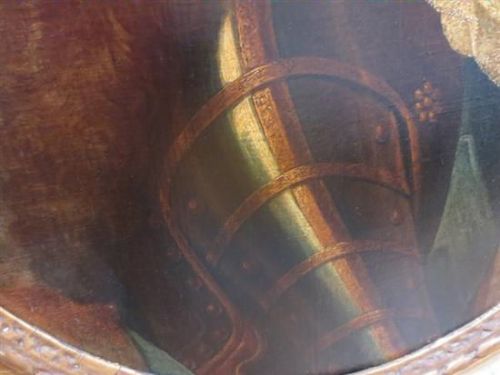
Archive VI Attributed to Antonio David 1698-1750  Portrait of Prince James Francis  Edward Stuart 1688-1766 View VI
Enlarged Archival View
Telephone 07958 699 645
Location
18 La Gare
51 Surrey Row
London
SE1 0BZ
United Kingdom
Verified Since Sep 2008
Items For Sale 243
Items Sold 223
Artware Fineart
Verified Since Sep 2008
View Dealer Info
Location: 18 La Gare , 51 Surrey Row , London , SE1 0BZ , United Kingdom
Verified
Sep 2008
For Sale
243
Sold
223
Attributed to Antonio David 1698-1750  Portrait of Prince James Francis  Edward Stuart 1688-1766
Attributed to Antonio David 1698-1750 Portrait of Prince James Francis Edward Stuart 1688-1766
Ref: SA319334
Attributed to Antonio David 1698-1750  Portrait of Prince James Francis  Edward Stuart 1688-1766
Detail View 1
Detail View 2
Detail View 3
Detail View 4
Detail View 5
Archival Detail
Every single antique dealer on our platform is individually approved by our internal team. We verify their professional trade history, ethical standards, and photographic quality to ensure a secure, high-standard buying environment. Upon joining, every dealer agrees to a strict 9-point code of conduct. While issues can occasionally arise, our dealers typically resolve them swiftly and directly with the buyer. In fact, since our founding in 2002, Sellingantiques has only had to step in to help resolve an issue on roughly five occasions—a true testament to the quality of our dealers and their dedication to your happiness.
Our dealers are highly experienced in packing and shipping fragile, high-value antiques. Because you are in direct contact with the dealer, you will be able to easily go through all available shipping and insurance options together to ensure your item arrives safely.
Antiques are the ultimate green purchase. By choosing historical pieces over newly manufactured goods, you completely eliminate the carbon footprint of modern mass production while preserving exceptional, timeless craftsmanship.
items
Add keywords to the filter
Price
£100
£250000
Era
Movements
Material
Origin
Stock Location
Freshness
Online Payments
Categories