35,588  PAGES BROWSED TODAY PAGES TODAY • 121 ANTIQUES UPLOADED TODAYNEW ARRIVALS
GIFTS
121 ITEMS ADDED TODAY
Sort Order
Items Per Page
Browse Categories
Sort order
Items per page
ID #SA303412
SOLD
Email Phone
Save
Sold...portrait of King Edward Vi, 18th Century, After Federico Zuccaro or William Scrots.
Sold by Roy Precious - Antiques & Fine Art
sold SA303412
Sorry, but this item has been sold.
Roy Precious - Antiques & Fine Art

Roy Precious - Antiques & Fine Art

Sellingantiques Verified Since Mar 2003
Browse dealers 91 items
  • About Us
    Roy and nadine precious: specialists in portraiture from the 16th to the 20th century. Established in 1972.
Id #SA303412
PDF SHARE
SAVE

Sold...portrait of King Edward Vi, 18th Century, After Federico Zuccaro or William Scrots.

18th century
Sold 1 January 1900 · Roy Precious - Antiques & Fine Art
This “Sold...portrait of King Edward Vi, 18th Century, After Federico Zuccaro or William Scrots. ” found a buyer.

It was listed by Roy Precious - Antiques & Fine Art. Sold pieces stay on Sellingantiques as a record of what has passed through, and the next one is rarely far away.

Description

Oil on canvas in a 19th century giltwood frame.

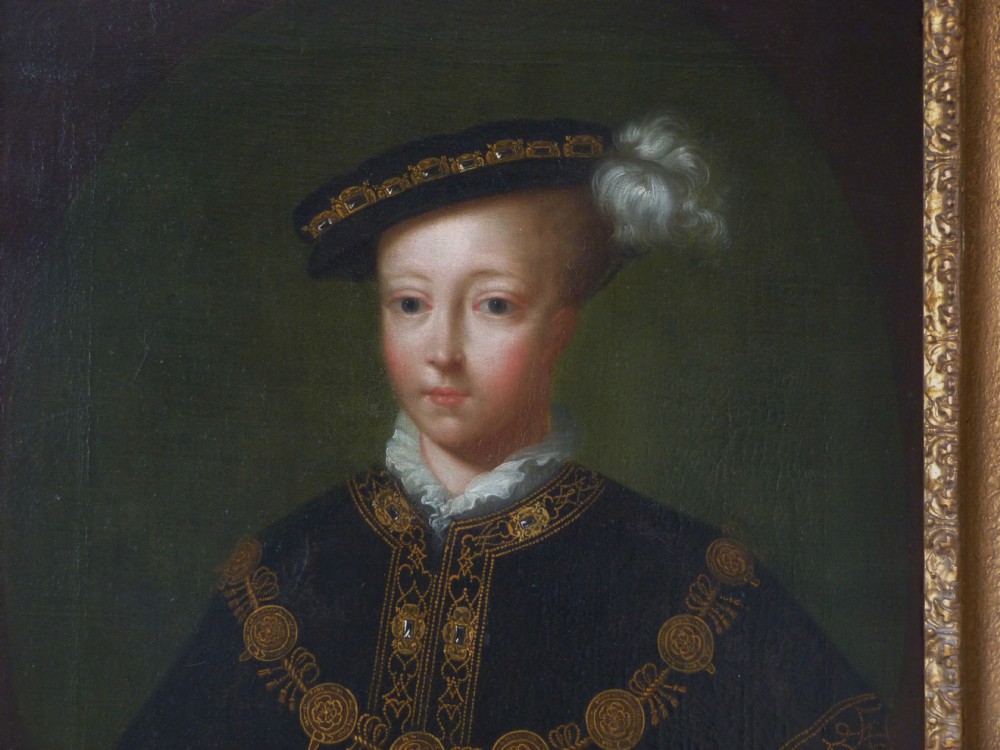
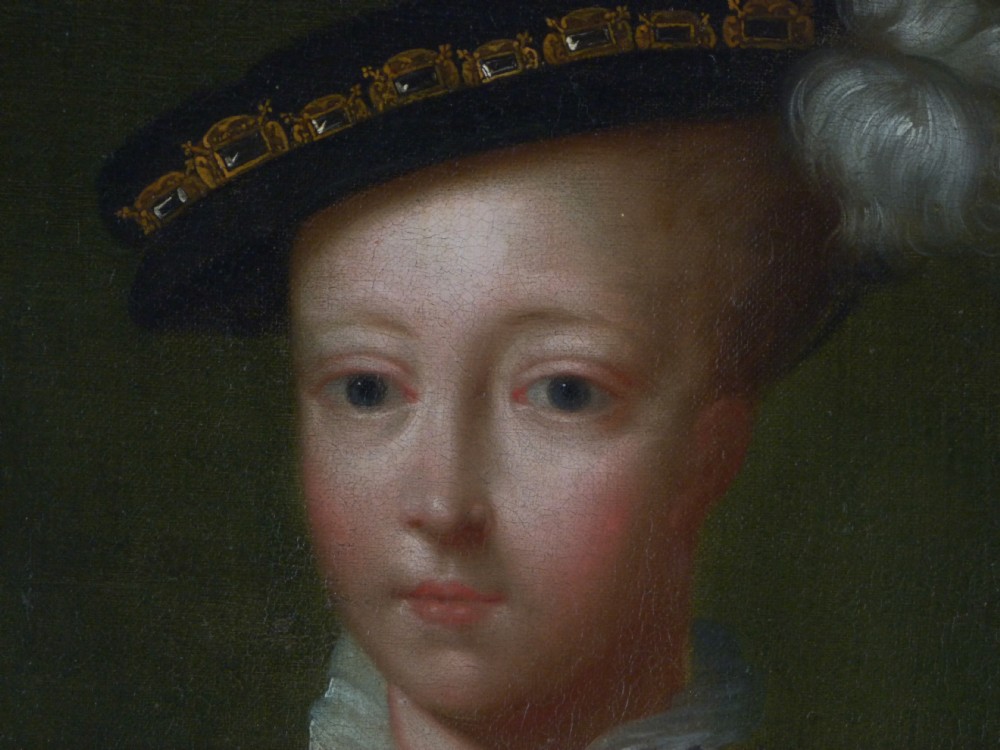
This portrait of the young king was painted in the 18th century after a 16th century original.

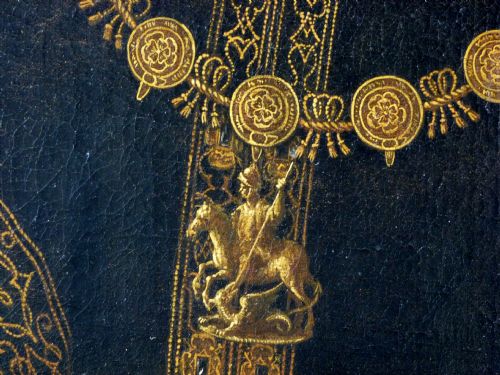
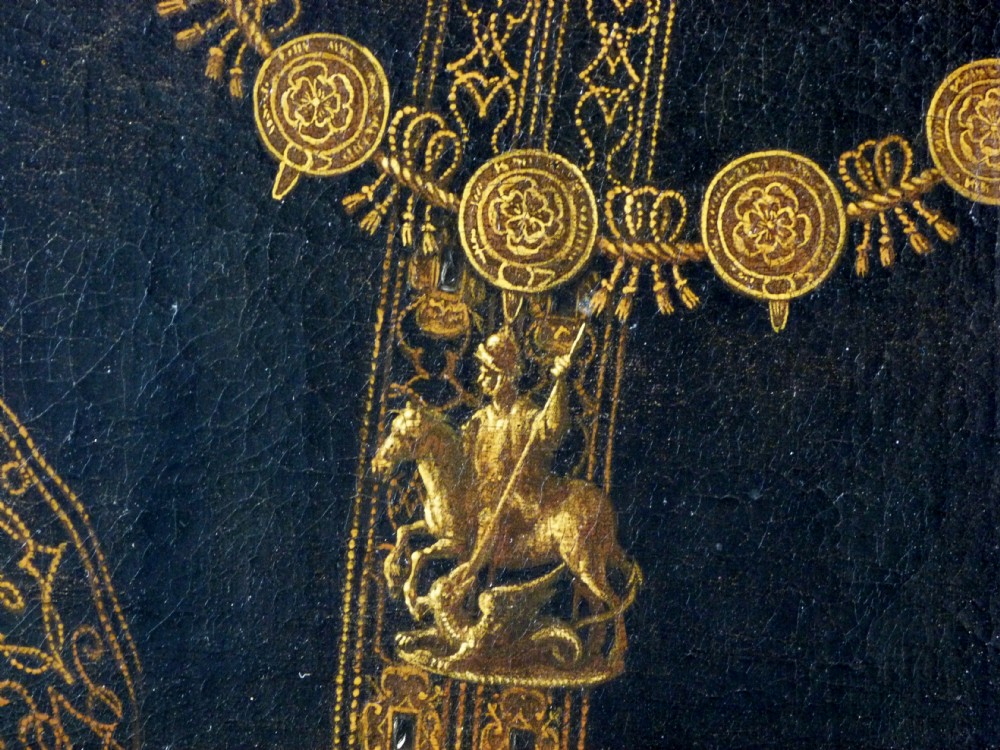
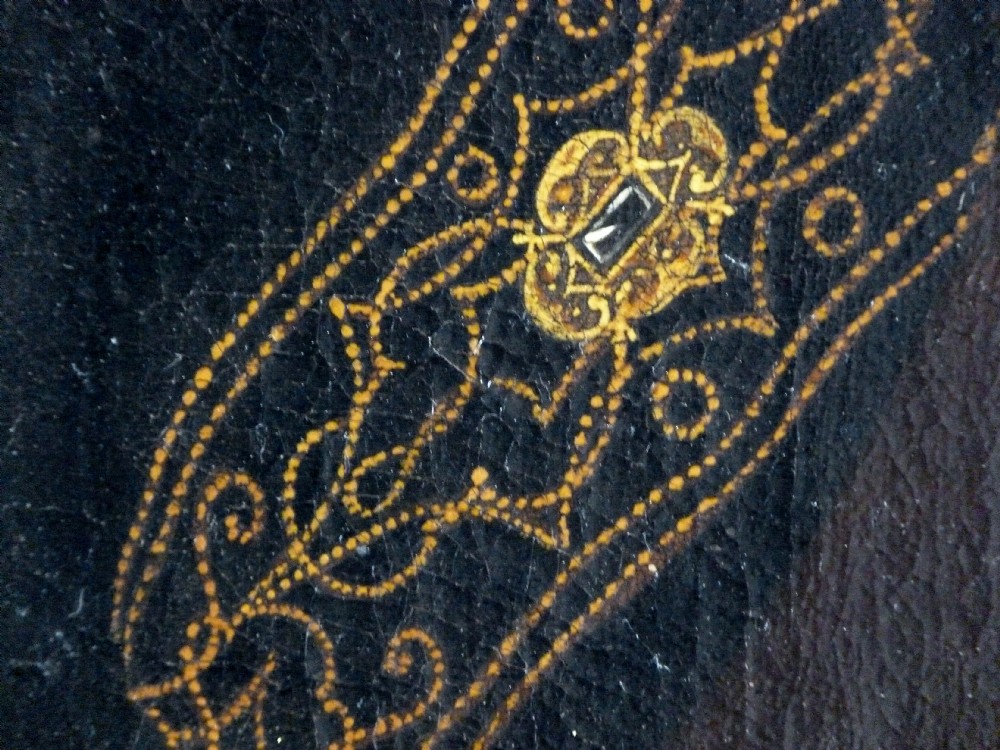
Edward wears the hugely costly clothing one would expect a Tudor monarch to wear; across his chest hangs the Greater George, emblem of the Order of the Garter which is the most senior and the oldest British Order of Chivalry and was founded by Edward III in 1348.
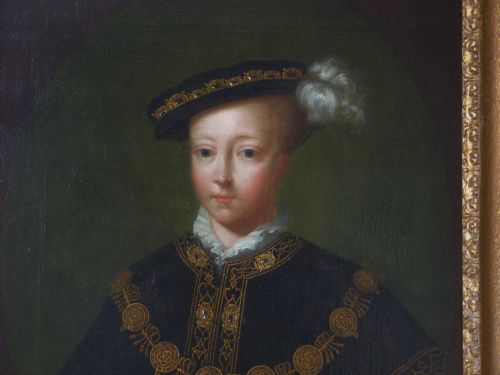
The Order, consisting of the King and twenty-five knights, honours those who have held public office, who have contributed in a particular way to national life or who have served the Sovereign personally.
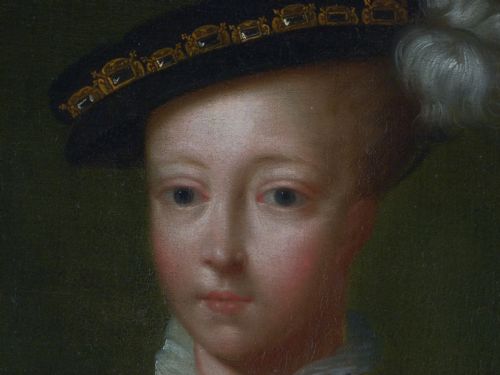
The patron saint of the Order is St George (patron saint of soldiers).

EDWARD VI was born on 12 October 1537 at Hampton Court Palace, the only legitimate son of Henry VIII. Henry's desperation for a son had led him to divorce two wives, but Edward's mother, Henry's third wife Jane Seymour, died a few days after his birth. Edward was given a rigorous education and was intellectually precocious, although his health was never strong.
Edward became king at the age of nine, when his father died in January 1547. His father had arranged that a council of regency should rule on his behalf, but Edward's uncle, Edward Seymour, Duke of Somerset, took power and established himself as protector. Somerset and the archbishop of Canterbury, Thomas Cranmer, were intent on making England a truly Protestant state, supported by the young king. An English Prayer Book was issued in 1549 with an Act of Uniformity to enforce it.
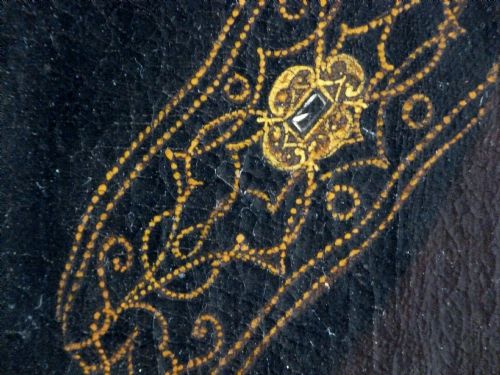
In the summer of 1549, peasants in the West Country revolted in protest against the Prayer Book. Kett's Rebellion in Norfolk was focused on economic and social injustices. At the same time, the French declared war on England. The Norfolk rebellion was suppressed by John Dudley, Earl of Warwick. In the atmosphere of uncertainty, Dudley exploited his success by bringing about the downfall of Somerset, who was arrested and later executed. Although Dudley, later Duke of Northumberland, never took the title of Protector, this is the role he now assumed. Protestant reform was stepped up - the new Prayer Book of 1552 was avowedly Protestant. Altars were turned into tables, religious imagery destroyed and religious orthodoxy was enforced by a new and more stringent Act of Uniformity.
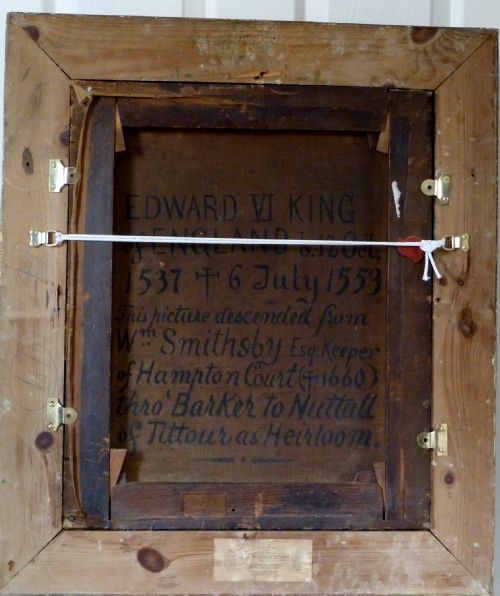
It soon became clear that Edward was suffering from tuberculosis and would not live long. Northumberland was determined that his religious reforms should not be undone, so he persuaded Edward to approve a new order of succession. This declared Mary illegitimate and passed the throne to Northumberland's daughter-in-law, Lady Jane Grey, who was a more distant descendant of Henry VIII. Edward died on 6 July 1553. However, Jane was only queen for a few days until, with overwhelming popular support, Mary took the throne.

SIZE: 27 x 23 inches inc. frame.

Canvas 20.5 x 16.75 inches.

PROVENANCE: Private Collection, Oxfordshire.

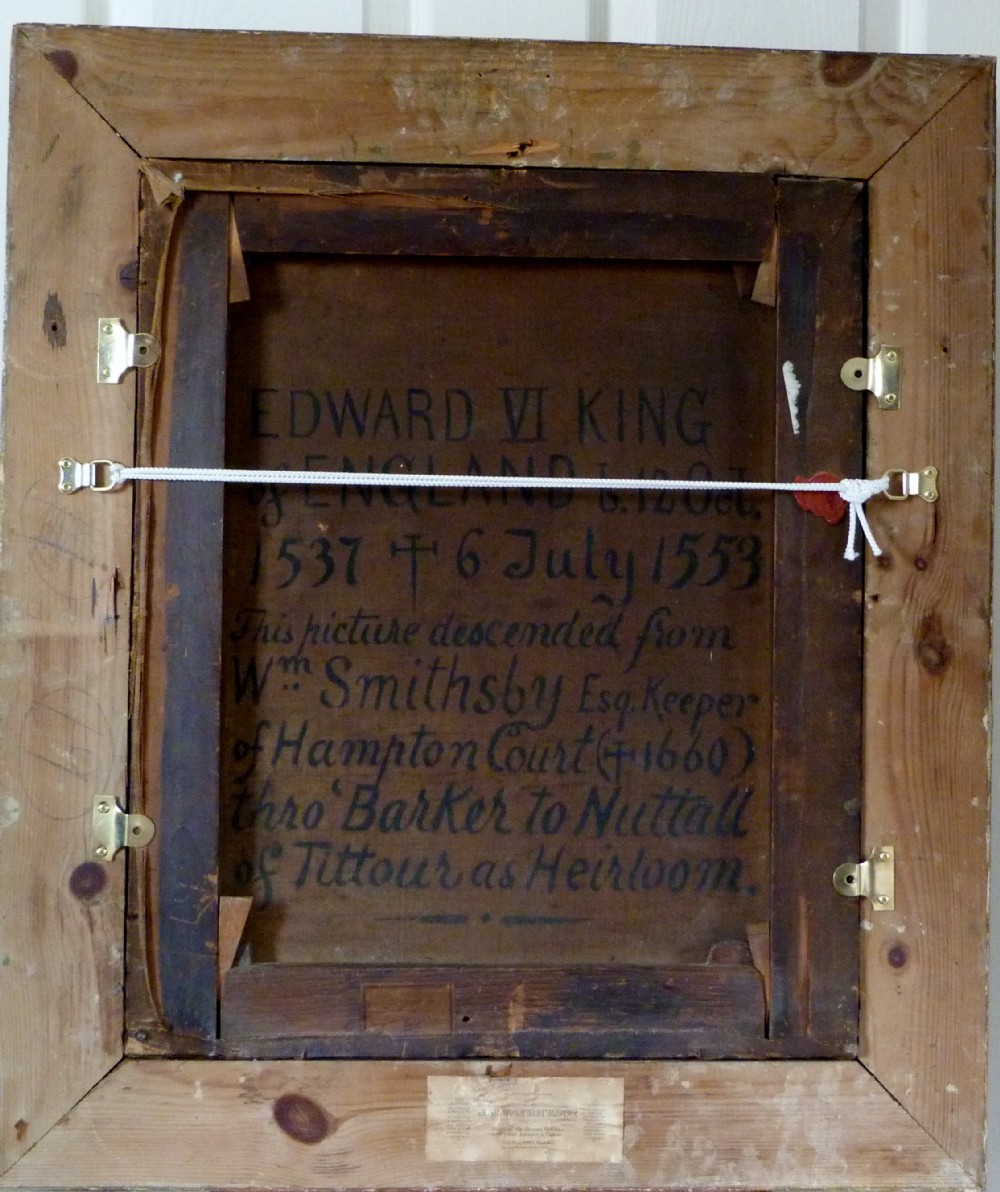
VERSO: an inscription painted on the canvas "Edward VI King of England b.12 Oct.1537 d.6 July 1553. This picture descended from Wm. Smithsby Esq. Keeper of Hampton Court (d.1660) thro' Barker to Nuttall of Tittour as Heirloom."

As the portrait was painted in the 18th century I fear this is a bit of Victorian romanticism and wishful thinking.

Declaration

Roy Precious - Antiques & Fine Art has dated this piece to the 18th Century.

Reference Numbers
Sellingantiques Reference
SA303412
Dealers Internal Reference
8835
Description
Oil on canvas in a 19th century giltwood frame.

This portrait of the young king was painted in the 18th century after a 16th century original.

Edward wears the hugely costly clothing one would expect a Tudor monarch to wear; across his chest hangs the Greater George, emblem of the Order of the Garter which is the most senior and the oldest British Order of Chivalry and was founded by Edward III in 1348.

fig 1. SOLD...Portrait of King Edward VI, 18th century, after Federico Zuccaro or William Scrots.
fig 1. Sold...portrait of King Edward Vi, 18th Century, After Federico Zuccaro or William Scrots.

The Order, consisting of the King and twenty-five knights, honours those who have held public office, who have contributed in a particular way to national life or who have served the Sovereign personally.

fig 2. SOLD...Portrait of King Edward VI, 18th century, after Federico Zuccaro or William Scrots.
fig 2. Sold...portrait of King Edward Vi, 18th Century, After Federico Zuccaro or William Scrots.

The patron saint of the Order is St George (patron saint of soldiers).

“
EDWARD VI was born on 12 October 1537 at Hampton Court Palace, the only legitimate son of Henry VIII.
Roy Precious - Antiques & Fine Art

Henry's desperation for a son had led him to divorce two wives, but Edward's mother, Henry's third wife Jane Seymour, died a few days after his birth. Edward was given a rigorous education and was intellectually precocious, although his health was never strong.

fig 3. SOLD...Portrait of King Edward VI, 18th century, after Federico Zuccaro or William Scrots.
fig 3. Sold...portrait of King Edward Vi, 18th Century, After Federico Zuccaro or William Scrots.

Edward became king at the age of nine, when his father died in January 1547. His father had arranged that a council of regency should rule on his behalf, but Edward's uncle, Edward Seymour, Duke of Somerset, took power and established himself as protector. Somerset and the archbishop of Canterbury, Thomas Cranmer, were intent on making England a truly Protestant state, supported by the young king. An English Prayer Book was issued in 1549 with an Act of Uniformity to enforce it.

fig 4. SOLD...Portrait of King Edward VI, 18th century, after Federico Zuccaro or William Scrots.
fig 4. Sold...portrait of King Edward Vi, 18th Century, After Federico Zuccaro or William Scrots.

In the summer of 1549, peasants in the West Country revolted in protest against the Prayer Book. Kett's Rebellion in Norfolk was focused on economic and social injustices. At the same time, the French declared war on England. The Norfolk rebellion was suppressed by John Dudley, Earl of Warwick. In the atmosphere of uncertainty, Dudley exploited his success by bringing about the downfall of Somerset, who was arrested and later executed. Although Dudley, later Duke of Northumberland, never took the title of Protector, this is the role he now assumed. Protestant reform was stepped up - the new Prayer Book of 1552 was avowedly Protestant. Altars were turned into tables, religious imagery destroyed and religious orthodoxy was enforced by a new and more stringent Act of Uniformity.

fig 5. SOLD...Portrait of King Edward VI, 18th century, after Federico Zuccaro or William Scrots.
fig 5. Sold...portrait of King Edward Vi, 18th Century, After Federico Zuccaro or William Scrots.

It soon became clear that Edward was suffering from tuberculosis and would not live long. Northumberland was determined that his religious reforms should not be undone, so he persuaded Edward to approve a new order of succession. This declared Mary illegitimate and passed the throne to Northumberland's daughter-in-law, Lady Jane Grey, who was a more distant descendant of Henry VIII. Edward died on 6 July 1553. However, Jane was only queen for a few days until, with overwhelming popular support, Mary took the throne.

SIZE: 27 x 23 inches inc. frame.

Canvas 20.5 x 16.75 inches.

PROVENANCE: Private Collection, Oxfordshire.

VERSO: an inscription painted on the canvas "Edward VI King of England b.12 Oct.1537 d.6 July 1553. This picture descended from Wm. Smithsby Esq. Keeper of Hampton Court (d.1660) thro' Barker to Nuttall of Tittour as Heirloom."

As the portrait was painted in the 18th century I fear this is a bit of Victorian romanticism and wishful thinking.

Date of Manufacture

Roy Precious - Antiques & Fine Art has dated this piece to the 18th Century.

Reference Numbers
Sellingantiques Ref
SA303412
Dealers Internal Ref
8835
Roy Precious - Antiques & Fine Art
Sellingantiques verified Since Mar 2003

Roy and nadine precious: specialists in portraiture from the 16th to the 20th century. Established in 1972.

Dealer Profile

You can view the stock and full dealer information on the Roy Precious - Antiques & Fine Art Profile Page

PDF SHARE
SAVE
SOLD...Portrait of King Edward VI, 18th century, after Federico Zuccaro or William Scrots.
SOLD6+ MONTHS AGO
1 / 6
Archive I SOLD...Portrait of King Edward VI, 18th century, after Federico Zuccaro or William Scrots.
SOLD6+ MONTHS AGO

Sold...portrait of King Edward Vi, 18th Century, After Federico Zuccaro or William Scrots.
Archive II SOLD...Portrait of King Edward VI, 18th century, after Federico Zuccaro or William Scrots.
 View II
Archive III SOLD...Portrait of King Edward VI, 18th century, after Federico Zuccaro or William Scrots.
 View III
Archive IV SOLD...Portrait of King Edward VI, 18th century, after Federico Zuccaro or William Scrots.
 View IV
Archive V SOLD...Portrait of King Edward VI, 18th century, after Federico Zuccaro or William Scrots.
 View V
Archive VI SOLD...Portrait of King Edward VI, 18th century, after Federico Zuccaro or William Scrots.
 View VI
Enlarged Archival View
Location
Wiltshire
United Kingdom
Dealer Profile Page sellingantiques.co.uk/rp
Verified Since Mar 2003
Items For Sale 91
Items Sold 684
Roy Precious - Antiques & Fine Art
Verified Since Mar 2003
View Dealer Info
Location: Wiltshire, United Kingdom
Verified
Mar 2003
For Sale
91
Sold
684
SOLD...Portrait of King Edward VI, 18th century, after Federico Zuccaro or William Scrots.
Ref: SA303412
SOLD...Portrait of King Edward VI, 18th century, after Federico Zuccaro or William Scrots.
Detail View 1
Detail View 2
Detail View 3
Detail View 4
Detail View 5
Archival Detail
Every single antique dealer on our platform is individually approved by our internal team. We verify their professional trade history, ethical standards, and photographic quality to ensure a secure, high-standard buying environment. Upon joining, every dealer agrees to a strict 9-point code of conduct. While issues can occasionally arise, our dealers typically resolve them swiftly and directly with the buyer. In fact, since our founding in 2002, Sellingantiques has only had to step in to help resolve an issue on roughly five occasions—a true testament to the quality of our dealers and their dedication to your happiness.
Our dealers are highly experienced in packing and shipping fragile, high-value antiques. Because you are in direct contact with the dealer, you will be able to easily go through all available shipping and insurance options together to ensure your item arrives safely.
Antiques are the ultimate green purchase. By choosing historical pieces over newly manufactured goods, you completely eliminate the carbon footprint of modern mass production while preserving exceptional, timeless craftsmanship.
Written by Sellingantiques from the dealer’s photographs and listing
  • Period18th century
items
Add keywords to the filter
Price
£100
£250000
Era
Period
Style
Material
Origin
Stock Location
Recently Added
Online Payments
Categories