15,826  PAGES BROWSED TODAY PAGES TODAY 109 ANTIQUES UPLOADED TODAYNEW ARRIVALS
109 ITEMS ADDED TODAY
Sort Order
Items Per Page
Browse Categories
Sort order
Items per page
ID #SA299631
SOLD
Email Phone WhatsApp
Save
Sir Godfrey Kneller 1646-1723 Portrait of King George I 1660-1727
Sold by Artware Fineart
sold SA299631
Sorry, but this item has been sold.

Artware Fineart

Sellingantiques Verified Since Sep 2008
Id #SA299631
PDF SHARE
SAVE

Sir Godfrey Kneller 1646-1723 Portrait of King George I 1660-1727

18th century
Description

Sir Godfrey Kneller 1646-1723

Portrait of King George I 1660-1727

oil on canvas

50 x 32 in. (125 x 82 cm.)

This triumphalist Portrait is has a number of symbols that helped to cement King George I claim to the British Throne, based on the act of succession. The Union flag was formed at the act of Union in 1707, when England and Scotland United under a single sovereign state as the United Kingdom of Great Britain. George I came tio the throne in August 1714. The Kings colours of the Great Union Flag are shown in this portrait and were used from 1707-1801. After the act of Union the flag gained a regularised status as the ensign armorial of the Kingdom of Great Britain. The French Flag is also shown in this portrait, showing the Azure three fleurs-de-lis. George styled himself in Great Britain as " George, by Grace of God, King of Great Britain, France and Ireland, defender of the Faith" The two flags and drums may allude to the creation of the Triple Alliance, composed of Great Britain, France and the United Provinces formed in 1717, for which George was an active contributor.
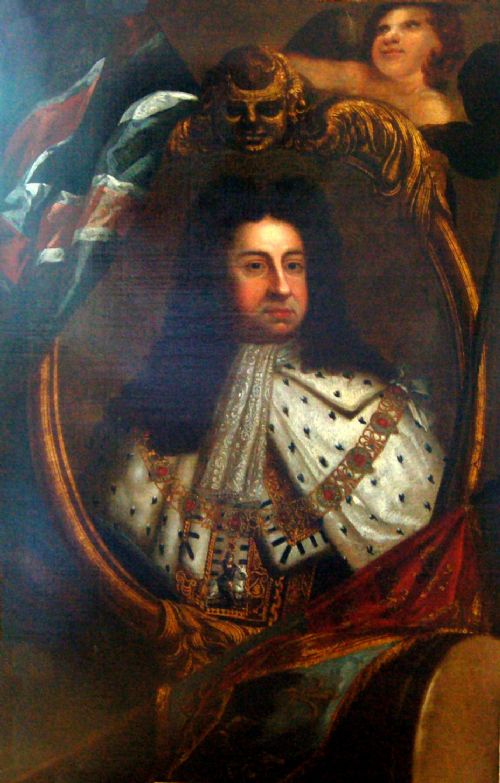
George I (1660–1727), king of Great Britain and Ireland and elector of Hanover, was born Georg Ludwig (George Lewis) at Hanover on 28 May 1660, the first of the seven children who survived of the marriage in 1658 of Ernst August (1629–1698) of Brunswick-Lüneburg to Sophia (1630–1714), youngest daughter of Frederick V of the Palatinate, Winter King of Bohemia, and of Elizabeth, daughter of James I of England. At the time of the marriage, and still in 1660, Ernst August was not a ruling prince. He had the expectation of becoming the next protestant prince–bishop of Osnabrück, but that was a non-hereditary position which, under the terms of the settlement of 1648, alternated between Roman Catholic and protestant incumbents. Moreover, as the youngest of the four sons of the junior branch of the dukes of Brunswick, his chances of becoming the ruling prince of either of the two duchies into which the Brunswick-Lüneburg inheritance had been divided under the will of his father, Duke Georg (1582–1641), were remote.
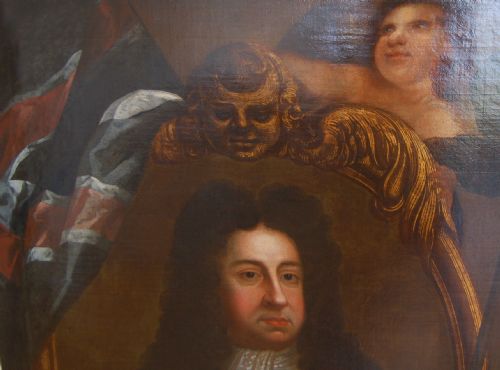
Nor did they become much more certain when, on 21 April 1658, Ernst August's brother Georg Wilhelm, as amends for the slight he had done Sophia and the Palatinate house, and for the dishonour he had brought upon his own house by reneging on a solemn contract to marry Sophia, entered into an agreement with him never to get married. There was still no guarantee that Ernst August would succeed to either of the two duchies and anyway, given the track record of Georg Wilhelm in breaking promises, the agreement might not be honoured. Still, it was the best deal available, and it did at least offer Ernst August improved odds in the race for an inheritance. Mortality among his competitors greatly improved his chances. In 1661 he achieved independent status as prince–bishop of Osnabrück, which gave him an army and the capacity to perform a minor role on the stage of European power politics. In 1665 his eldest brother, Christian Ludwig, died without children. In 1679 another brother, Johann Friedrich, died without a male heir, and Ernst August succeeded him as duke of Calenberg (Hanover). If the engagement of 1658 remained in place then Ernst August was now within sight of reuniting the Brunswick-Lüneburg duchies, and closer to realizing the long-cherished dream of the dukes of Brunswick-Lüneburg of obtaining from the emperor elevation to the prestigious, influential, and financially rewarding rank of elector by creating a ninth, Hanoverian, electorate. Georg Ludwig and his prospects now became central to Ernst August's designs.
As the eldest son of an ambitious father who was fearful that he might die young or in battle, Georg Ludwig's early education and experience had been shaped to prepare him for the vital role he would be called upon to play. His early years seem to have been happy and conventional. Sophia was a good and devoted

Physical Dimensions
Height
133cm (52.36")
Width
90cm (35.43")
Depth
4cm (1.57")
Declaration

Artware Fineart has dated this piece to the 1700s.

Reference Numbers
Sellingantiques Reference
SA299631
Dealers Internal Reference
3668
Description
Sir Godfrey Kneller 1646-1723

Portrait of King George I 1660-1727

oil on canvas

50 x 32 in. (125 x 82 cm.)

This triumphalist Portrait is has a number of symbols that helped to cement King George I claim to the British Throne, based on the act of succession.
Artware Fineart

The Union flag was formed at the act of Union in 1707, when England and Scotland United under a single sovereign state as the United Kingdom of Great Britain. George I came tio the throne in August 1714. The Kings colours of the Great Union Flag are shown in this portrait and were used from 1707-1801. After the act of Union the flag gained a regularised status as the ensign armorial of the Kingdom of Great Britain. The French Flag is also shown in this portrait, showing the Azure three fleurs-de-lis. George styled himself in Great Britain as " George, by Grace of God, King of Great Britain, France and Ireland, defender of the Faith" The two flags and drums may allude to the creation of the Triple Alliance, composed of Great Britain, France and the United Provinces formed in 1717, for which George was an active contributor.

fig 1. Sir Godfrey Kneller 1646-1723 Portrait of King George I 1660-1727

George I (1660–1727), king of Great Britain and Ireland and elector of Hanover, was born Georg Ludwig (George Lewis) at Hanover on 28 May 1660, the first of the seven children who survived of the marriage in 1658 of Ernst August (1629–1698) of Brunswick-Lüneburg to Sophia (1630–1714), youngest daughter of Frederick V of the Palatinate, Winter King of Bohemia, and of Elizabeth, daughter of James I of England. At the time of the marriage, and still in 1660, Ernst August was not a ruling prince. He had the expectation of becoming the next protestant prince–bishop of Osnabrück, but that was a non-hereditary position which, under the terms of the settlement of 1648, alternated between Roman Catholic and protestant incumbents. Moreover, as the youngest of the four sons of the junior branch of the dukes of Brunswick, his chances of becoming the ruling prince of either of the two duchies into which the Brunswick-Lüneburg inheritance had been divided under the will of his father, Duke Georg (1582–1641), were remote.

fig 2. Sir Godfrey Kneller 1646-1723 Portrait of King George I 1660-1727

Nor did they become much more certain when, on 21 April 1658, Ernst August's brother Georg Wilhelm, as amends for the slight he had done Sophia and the Palatinate house, and for the dishonour he had brought upon his own house by reneging on a solemn contract to marry Sophia, entered into an agreement with him never to get married. There was still no guarantee that Ernst August would succeed to either of the two duchies and anyway, given the track record of Georg Wilhelm in breaking promises, the agreement might not be honoured. Still, it was the best deal available, and it did at least offer Ernst August improved odds in the race for an inheritance. Mortality among his competitors greatly improved his chances. In 1661 he achieved independent status as prince–bishop of Osnabrück, which gave him an army and the capacity to perform a minor role on the stage of European power politics. In 1665 his eldest brother, Christian Ludwig, died without children. In 1679 another brother, Johann Friedrich, died without a male heir, and Ernst August succeeded him as duke of Calenberg (Hanover). If the engagement of 1658 remained in place then Ernst August was now within sight of reuniting the Brunswick-Lüneburg duchies, and closer to realizing the long-cherished dream of the dukes of Brunswick-Lüneburg of obtaining from the emperor elevation to the prestigious, influential, and financially rewarding rank of elector by creating a ninth, Hanoverian, electorate. Georg Ludwig and his prospects now became central to Ernst August's designs.

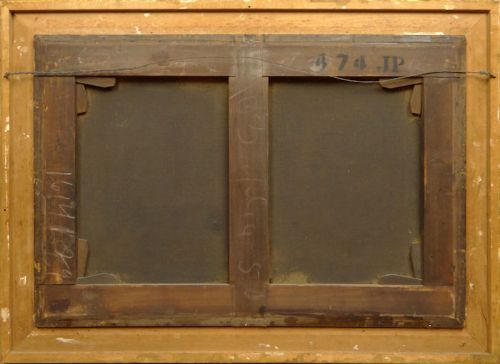
fig 3. Sir Godfrey Kneller 1646-1723 Portrait of King George I 1660-1727

As the eldest son of an ambitious father who was fearful that he might die young or in battle, Georg Ludwig's early education and experience had been shaped to prepare him for the vital role he would be called upon to play. His early years seem to have been happy and conventional. Sophia was a good and devoted

Height
133cm (52.36")
Width
90cm (35.43")
Depth
4cm (1.57")
Date of Manufacture

Artware Fineart has dated this piece to the 1700s.

Reference Numbers
Sellingantiques Ref
SA299631
Dealers Internal Ref
3668
Artware Fineart
Sellingantiques verified Since Sep 2008
Dealer Profile

You can view the stock and full dealer information on the Artware Fineart Profile Page

PDF SHARE
SAVE
Sir Godfrey Kneller 1646-1723 Portrait of King George I 1660-1727
1 / 5
Archive I Sir Godfrey Kneller 1646-1723 Portrait of King George I 1660-1727
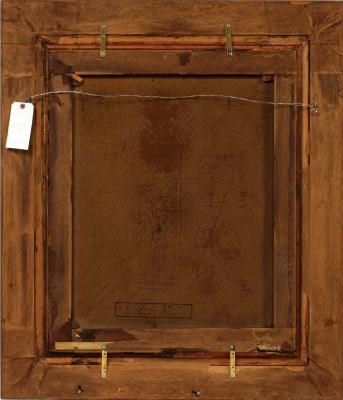
Sir Godfrey Kneller 1646-1723 Portrait of King George I 1660-1727

Archive II Sir Godfrey Kneller 1646-1723 Portrait of King George I 1660-1727 View II
Archive III Sir Godfrey Kneller 1646-1723 Portrait of King George I 1660-1727 View III
Archive IV Sir Godfrey Kneller 1646-1723 Portrait of King George I 1660-1727 View IV
Archive V Sir Godfrey Kneller 1646-1723 Portrait of King George I 1660-1727 View V
Enlarged Archival View
Telephone 07958 699 645
Location
18 La Gare
51 Surrey Row
London
SE1 0BZ
United Kingdom
Verified Since Sep 2008
Items For Sale 243
Items Sold 223
Artware Fineart
Verified Since Sep 2008
View Dealer Info
Location: 18 La Gare , 51 Surrey Row , London , SE1 0BZ , United Kingdom
Verified
Sep 2008
For Sale
243
Sold
223
Sir Godfrey Kneller 1646-1723 Portrait of King George I 1660-1727
Ref: SA299631
Sir Godfrey Kneller 1646-1723 Portrait of King George I 1660-1727
Detail View 1
Detail View 2
Detail View 3
Detail View 4
Archival Detail
Every single antique dealer on our platform is individually approved by our internal team. We verify their professional trade history, ethical standards, and photographic quality to ensure a secure, high-standard buying environment. Upon joining, every dealer agrees to a strict 9-point code of conduct. While issues can occasionally arise, our dealers typically resolve them swiftly and directly with the buyer. In fact, since our founding in 2002, Sellingantiques has only had to step in to help resolve an issue on roughly five occasions—a true testament to the quality of our dealers and their dedication to your happiness.
Our dealers are highly experienced in packing and shipping fragile, high-value antiques. Because you are in direct contact with the dealer, you will be able to easily go through all available shipping and insurance options together to ensure your item arrives safely.
Antiques are the ultimate green purchase. By choosing historical pieces over newly manufactured goods, you completely eliminate the carbon footprint of modern mass production while preserving exceptional, timeless craftsmanship.
items
Add keywords to the filter
Price
£100
£250000
Era
Movements
Material
Origin
Stock Location
Freshness
Online Payments
Categories