3,434  PAGES BROWSED TODAY PAGES TODAY • 0 ANTIQUES UPLOADED TODAYNEW ARRIVALS
GIFTS
LATEST STOCK
Sort Order
Items Per Page
Browse Categories
Sort order
Items per page
ID #SA260478
SOLD
Email Phone
Save
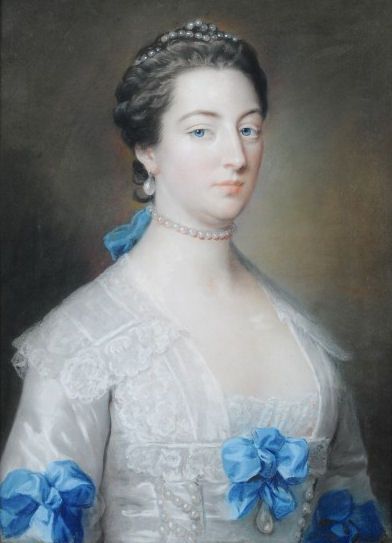
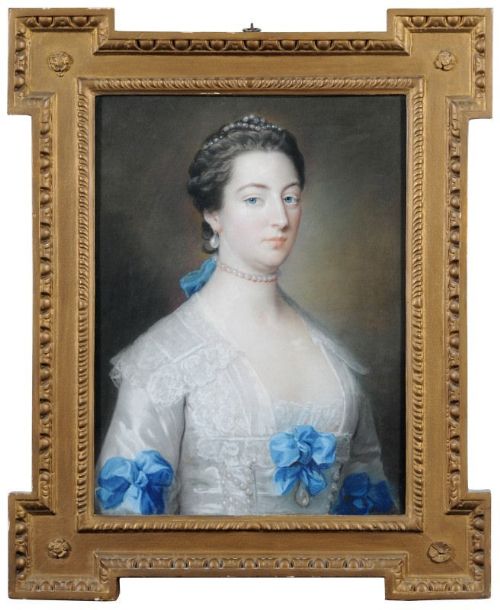
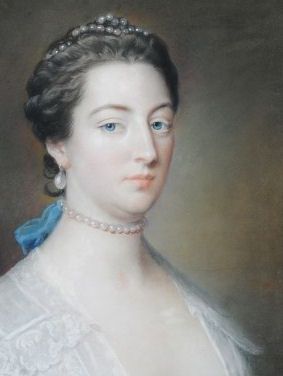
William Hoare of Bath, Ra, 1707 - 1792 Portrait of an Elegant Lady in a White Silk & Lace Dress with Blue Ribbons and Wearing Pearls
Sold by Artware Fineart
sold SA260478
Sorry, but this item has been sold.

Artware Fineart

Sellingantiques Verified Since Sep 2008
Browse dealers 243 items
Id #SA260478
PDF SHARE
SAVE

William Hoare of Bath, Ra, 1707 - 1792 Portrait of an Elegant Lady in a White Silk & Lace Dress with Blue Ribbons and Wearing Pearls

18th century
Sold 1 January 1900 · Artware Fineart
This “William Hoare of Bath, Ra, 1707 - 1792 Portrait of an Elegant Lady in a White Silk & Lace Dress with Blue Ribbons and Wearing Pearls” found a buyer.

It was listed by Artware Fineart. Sold pieces stay on Sellingantiques as a record of what has passed through, and the next one is rarely far away.

Description

circa 1750

UK

Pastel on Paper

24 x 18 in. (61 x 46 cm.)

William Hoare of Bath RA (c. 1707 – 12 December 1792) was an English portraitist, painter and printmaker; he was the leading Portraitist at Bath, Somerset until the arrival in the town of Thomas Gainsborough. Noted for his pastels, he was a foundation member of the Royal Academy. Born near Eye, Suffolk, Hoare received a gentleman’s education in Faringdon. He showed an aptitude for drawing and was sent to London to study under Giuseppe Grisoni, who had left Florence for London in 1715. When Grisoni returned to Italy in 1728, Hoare went with him, travelling to Rome and continuing his studies under the direction of Francesco Imperiali. He remained in Rome for nine years, returning to London in 1737/8. Failing to establish himself in London, Hoare settled in Bath, an expanding spa town popular with the wealthier classes. He obtained numerous commissions, the most important being for official portraits of social leaders of the day (including George Frideric Handel) and political men (e.g., Prime Ministers Robert Walpole and William Pitt, 1st Earl of Chatham, c.1754). There are several versions of most of these, suggesting that he had a studio, and they were further publicised by the production of mezzotints by leading engravers of the day. Hoare himself was a delicate etcher and published a number of private plates, mostly of family and friends, including a Miss Hoare (probably Mary), Christopher Anstey and the 3rd Duke of Beaufort. His pastels were influenced by Rosalba Carriera. William Hoare was the first fashionable portraitist to settle in Bath, and he remained as the leading portraitist there until the arrival of Thomas Gainsborough in 1759. He remained the favourite of his powerful patron the Duke of Newcastle, his family, followers and political associates. Included amongst his other important patrons were the Earls of Pembroke and Chesterfield, and the Duke of Beaufort. With Gainsborough and Joshua Reynolds, he was a founding member of the Royal Academy. Hoare was closely involved with the running of the Royal Mineral Water Hospital in Bath from 1742. He served as a governor of the hospital. and became acquainted with Bath's notable visitors and the neighbouring landed families. Chalmers described him as 'an ingenious and amiable English painter'. He died at Bath on 12 December 1792. His son, Prince Hoare, achieved fame as a painter and dramatist.

Framed in a William Kent Frame

Date of Manufacture

Artware Fineart has dated this piece to the 1750s.

Reference Numbers
Sellingantiques Reference
SA260478
Dealers Internal Reference
3644
Description
Circa 1750

UK

Pastel on Paper

24 x 18 in. (61 x 46 cm.)

William Hoare of Bath RA (c.

“
1707 – 12 December 1792) was an English portraitist, painter and printmaker; he was the leading Portraitist at Bath, Somerset until the arrival in the town of Thomas Gainsborough.
Artware Fineart

Noted for his pastels, he was a foundation member of the Royal Academy. Born near Eye, Suffolk, Hoare received a gentleman’s education in Faringdon. He showed an aptitude for drawing and was sent to London to study under Giuseppe Grisoni, who had left Florence for London in 1715. When Grisoni returned to Italy in 1728, Hoare went with him, travelling to Rome and continuing his studies under the direction of Francesco Imperiali. He remained in Rome for nine years, returning to London in 1737/8. Failing to establish himself in London, Hoare settled in Bath, an expanding spa town popular with the wealthier classes. He obtained numerous commissions, the most important being for official portraits of social leaders of the day (including George Frideric Handel) and political men (e.g., Prime Ministers Robert Walpole and William Pitt, 1st Earl of Chatham, c.1754). There are several versions of most of these, suggesting that he had a studio, and they were further publicised by the production of mezzotints by leading engravers of the day. Hoare himself was a delicate etcher and published a number of private plates, mostly of family and friends, including a Miss Hoare (probably Mary), Christopher Anstey and the 3rd Duke of Beaufort. His pastels were influenced by Rosalba Carriera. William Hoare was the first fashionable portraitist to settle in Bath, and he remained as the leading portraitist there until the arrival of Thomas Gainsborough in 1759. He remained the favourite of his powerful patron the Duke of Newcastle, his family, followers and political associates. Included amongst his other important patrons were the Earls of Pembroke and Chesterfield, and the Duke of Beaufort. With Gainsborough and Joshua Reynolds, he was a founding member of the Royal Academy. Hoare was closely involved with the running of the Royal Mineral Water Hospital in Bath from 1742. He served as a governor of the hospital. and became acquainted with Bath's notable visitors and the neighbouring landed families. Chalmers described him as 'an ingenious and amiable English painter'. He died at Bath on 12 December 1792. His son, Prince Hoare, achieved fame as a painter and dramatist.

Framed in a William Kent Frame

Date of Manufacture

Artware Fineart has dated this piece to the 1750s.

Reference Numbers
Sellingantiques Ref
SA260478
Dealers Internal Ref
3644
Artware Fineart
Sellingantiques verified Since Sep 2008
Dealer Profile

You can view the stock and full dealer information on the Artware Fineart Profile Page
PDF SHARE
SAVE
William Hoare of Bath, RA,  1707 - 1792

Portrait of an Elegant lady in a White Silk & Lace Dress with Blue Ribbons and wearing Pearls SOLD6+ MONTHS AGO
1 / 3
Archive I William Hoare of Bath, RA,  1707 - 1792

Portrait of an Elegant lady in a White Silk & Lace Dress with Blue Ribbons and wearing Pearls SOLD6+ MONTHS AGO

William Hoare of Bath, Ra, 1707 - 1792 Portrait of an Elegant Lady in a White Silk & Lace Dress with Blue Ribbons and Wearing Pearls
Archive II William Hoare of Bath, RA,  1707 - 1792

Portrait of an Elegant lady in a White Silk & Lace Dress with Blue Ribbons and wearing Pearls View II
Archive III William Hoare of Bath, RA,  1707 - 1792

Portrait of an Elegant lady in a White Silk & Lace Dress with Blue Ribbons and wearing Pearls View III
Enlarged Archival View
Telephone 07958 699 645
Location
18 La Gare
51 Surrey Row
London
SE1 0BZ
United Kingdom
Verified Since Sep 2008
Items For Sale 243
Items Sold 223
Artware Fineart
Verified Since Sep 2008
View Dealer Info
Location: 18 La Gare , 51 Surrey Row , London , SE1 0BZ , United Kingdom
Verified
Sep 2008
For Sale
243
Sold
223
William Hoare of Bath, RA,  1707 - 1792

Portrait of an Elegant lady in a White Silk & Lace Dress with Blue Ribbons and wearing Pearls
William Hoare of Bath, RA, 1707 - 1792 Portrait of an Elegant lady in a White Silk & Lace Dress with Blue Ribbons and wearing Pearls
Ref: SA260478
William Hoare of Bath, RA,  1707 - 1792

Portrait of an Elegant lady in a White Silk & Lace Dress with Blue Ribbons and wearing Pearls
Detail View 1
Detail View 2
Archival Detail
Every single antique dealer on our platform is individually approved by our internal team. We verify their professional trade history, ethical standards, and photographic quality to ensure a secure, high-standard buying environment. Upon joining, every dealer agrees to a strict 9-point code of conduct. While issues can occasionally arise, our dealers typically resolve them swiftly and directly with the buyer. In fact, since our founding in 2002, Sellingantiques has only had to step in to help resolve an issue on roughly five occasions—a true testament to the quality of our dealers and their dedication to your happiness.
Our dealers are highly experienced in packing and shipping fragile, high-value antiques. Because you are in direct contact with the dealer, you will be able to easily go through all available shipping and insurance options together to ensure your item arrives safely.
Antiques are the ultimate green purchase. By choosing historical pieces over newly manufactured goods, you completely eliminate the carbon footprint of modern mass production while preserving exceptional, timeless craftsmanship.
Written by Sellingantiques from the dealer’s photographs and listing
  • Period18th century
items
Add keywords to the filter
Price
£100
£250000
Era
Period
Style
Material
Origin
Stock Location
Recently Added
Online Payments
Categories