15,826  PAGES BROWSED TODAY PAGES TODAY 109 ANTIQUES UPLOADED TODAYNEW ARRIVALS
109 ITEMS ADDED TODAY
Sort Order
Items Per Page
Browse Categories
Sort order
Items per page
ID #SA260103
SOLD
Email Phone WhatsApp
Save
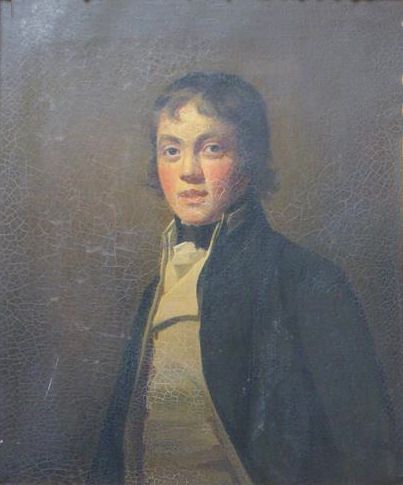
Circle of Sir Henry Raeburn 1756-1823 Portrait of a Midshipman Circa 1790-1795
Sold by Artware Fineart
sold SA260103
Sorry, but this item has been sold.

Artware Fineart

Sellingantiques Verified Since Sep 2008
Id #SA260103
PDF SHARE
SAVE

Circle of Sir Henry Raeburn 1756-1823 Portrait of a Midshipman Circa 1790-1795

19th century
Description

Circle of Sir Henry Raeburn 1756-1823 Portrait of a Midshipman Circa 1790-1795

30 x 25 in. ( 76 x 64 cm.)

The rank of midshipman originated during the Tudor and Stuart eras, and originally referred to a post for an experienced seaman promoted from the ordinary deck hands, who worked in between the main and mizzen masts and had more responsibility than an ordinary seaman, but was not a military officer or an officer in training. The first published use of the term midshipman was in 1662.The word derives from an area aboard a ship, amidships, but it refers either to the location where midshipmen worked on the ship,or the location where midshipmen were berthed.By the 18th century, four types of midshipman existed: midshipman (original rating), midshipman extraordinary, midshipman (apprentice officer), and midshipman ordinary.Some midshipmen were older men, and while most were officer candidates who failed to pass the lieutenant examination or were passed over for promotion, some members of the original rating served, as late as 1822, alongside apprentice officers without themselves aspiring to a commission. By 1794, all midshipmen were considered officer candidates, and the original rating was phased out.In the 17th century, a midshipman was a rating for an experienced seaman, and the word derives from the area aboard a ship, amidships, either where the original rating worked on the ship, or where he was berthed. Beginning in the 18th century, a commissioned officer candidate was rated as a midshipman, and the seaman rating began to slowly die out. By the Napoleonic era (1793–1815), a midshipman was an apprentice officer who had previously served at least three years as a volunteer, officer's servant or able seaman, and was roughly equivalent to a present day petty officer in rank and responsibilities. After serving at least three years as a midshipman or master's mate, he was eligible to take the examination for lieutenant. Promotion to lieutenant was not automatic, and many midshipmen took positions as master's mates for an increase in pay and responsibility aboard ship. Midshipmen in the United States Navy were trained and served similarly to midshipman in the Royal Navy, although unlike their counterparts in the Royal Navy, a midshipman was a warrant officer rank until 1912. By the 1730s, the rating volunteer-per-order was phased out and replaced with a system where prospective midshipmen served as servants for officers. For example, a captain was allowed four servants for every 100 men aboard his ship; many of these servants were young men destined to become officers.In 1729, the Royal Naval Academy in Portsmouth – renamed the Royal Naval College in 1806 – was founded, for 40 students aged between 13 and 16, who would take three years to complete a course of study defined in an illustrated book, and would earn two years of sea time as part of their studies. The rating of midshipman-by-order, or midshipman ordinary, was used specifically for graduates of the Royal Naval College, to distinguish them from midshipmen who had served aboard ship, who were paid more. The school was unpopular in the Navy, because officers enjoyed the privilege of having servants and preferred the traditional method of training officers via apprenticeship.In 1794, officer's servants were abolished and a new class of volunteers called 'Volunteer Class I' was created for boys between the ages of 11 and 13 who were considered future midshipmen and lived in the gunroom on a ship-of-the-line or with the midshipmen on a frigate or smaller vessel. Volunteers were paid £6 per year.By 1816, the rating of midshipman ordinary was phased out, and all apprentice officers were rated as midshipmen. In the 18th century Royal Navy, rank and position on board ship was defined by a mix of two hierarchies, an official hierarchy of ranks and a conventionally re

Declaration

Artware Fineart has dated this piece to the 19th Century.

Reference Numbers
Sellingantiques Reference
SA260103
Dealers Internal Reference
3622
Description
Circle of Sir Henry Raeburn 1756-1823 Portrait of a Midshipman Circa 1790-1795

30 x 25 in. ( 76 x 64 cm.)

The rank of midshipman originated during the Tudor and Stuart eras, and originally referred to a post for an experienced seaman promoted from the ordinary deck hands, who worked in between the main and mizzen masts and had more responsibility than an ordinary seaman, but was not a military officer or an officer in training. The first published use of the term midshipman was in 1662.

The word derives from an area aboard a ship, amidships, but it refers either to the location where midshipmen worked on the ship,or the location where midshipmen were berthed.
Artware Fineart

By the 18th century, four types of midshipman existed: midshipman (original rating), midshipman extraordinary, midshipman (apprentice officer), and midshipman ordinary.Some midshipmen were older men, and while most were officer candidates who failed to pass the lieutenant examination or were passed over for promotion, some members of the original rating served, as late as 1822, alongside apprentice officers without themselves aspiring to a commission. By 1794, all midshipmen were considered officer candidates, and the original rating was phased out.In the 17th century, a midshipman was a rating for an experienced seaman, and the word derives from the area aboard a ship, amidships, either where the original rating worked on the ship, or where he was berthed. Beginning in the 18th century, a commissioned officer candidate was rated as a midshipman, and the seaman rating began to slowly die out. By the Napoleonic era (1793–1815), a midshipman was an apprentice officer who had previously served at least three years as a volunteer, officer's servant or able seaman, and was roughly equivalent to a present day petty officer in rank and responsibilities. After serving at least three years as a midshipman or master's mate, he was eligible to take the examination for lieutenant. Promotion to lieutenant was not automatic, and many midshipmen took positions as master's mates for an increase in pay and responsibility aboard ship. Midshipmen in the United States Navy were trained and served similarly to midshipman in the Royal Navy, although unlike their counterparts in the Royal Navy, a midshipman was a warrant officer rank until 1912. By the 1730s, the rating volunteer-per-order was phased out and replaced with a system where prospective midshipmen served as servants for officers. For example, a captain was allowed four servants for every 100 men aboard his ship; many of these servants were young men destined to become officers.In 1729, the Royal Naval Academy in Portsmouth – renamed the Royal Naval College in 1806 – was founded, for 40 students aged between 13 and 16, who would take three years to complete a course of study defined in an illustrated book, and would earn two years of sea time as part of their studies. The rating of midshipman-by-order, or midshipman ordinary, was used specifically for graduates of the Royal Naval College, to distinguish them from midshipmen who had served aboard ship, who were paid more. The school was unpopular in the Navy, because officers enjoyed the privilege of having servants and preferred the traditional method of training officers via apprenticeship.In 1794, officer's servants were abolished and a new class of volunteers called 'Volunteer Class I' was created for boys between the ages of 11 and 13 who were considered future midshipmen and lived in the gunroom on a ship-of-the-line or with the midshipmen on a frigate or smaller vessel. Volunteers were paid £6 per year.By 1816, the rating of midshipman ordinary was phased out, and all apprentice officers were rated as midshipmen. In the 18th century Royal Navy, rank and position on board ship was defined by a mix of two hierarchies, an official hierarchy of ranks and a conventionally re

Date of Manufacture

Artware Fineart has dated this piece to the 19th Century.

Reference Numbers
Sellingantiques Ref
SA260103
Dealers Internal Ref
3622
Artware Fineart
Sellingantiques verified Since Sep 2008
Dealer Profile

You can view the stock and full dealer information on the Artware Fineart Profile Page
PDF SHARE
SAVE
Circle of Sir Henry Raeburn 1756-1823   Portrait of a Midshipman Circa 1790-1795

1 / 4
Archive I Circle of Sir Henry Raeburn 1756-1823   Portrait of a Midshipman Circa 1790-1795
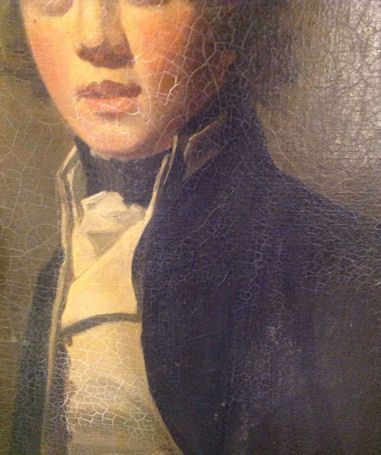
Circle of Sir Henry Raeburn 1756-1823 Portrait of a Midshipman Circa 1790-1795
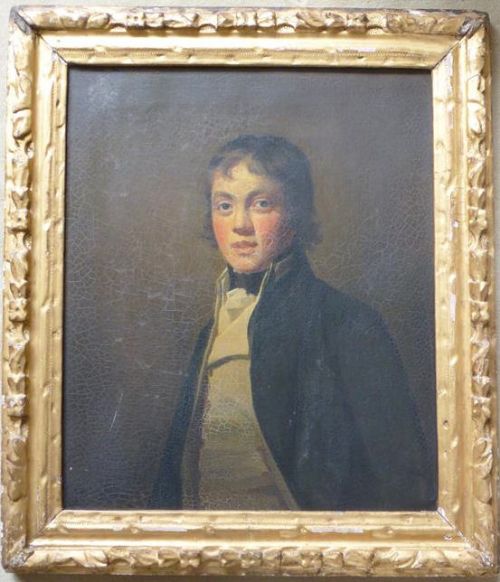
Archive II Circle of Sir Henry Raeburn 1756-1823   Portrait of a Midshipman Circa 1790-1795 View II
Archive III Circle of Sir Henry Raeburn 1756-1823   Portrait of a Midshipman Circa 1790-1795 View III
Archive IV Circle of Sir Henry Raeburn 1756-1823   Portrait of a Midshipman Circa 1790-1795 View IV
Enlarged Archival View
Telephone 07958 699 645
Location
18 La Gare
51 Surrey Row
London
SE1 0BZ
United Kingdom
Verified Since Sep 2008
Items For Sale 243
Items Sold 223
Artware Fineart
Verified Since Sep 2008
View Dealer Info
Location: 18 La Gare , 51 Surrey Row , London , SE1 0BZ , United Kingdom
Verified
Sep 2008
For Sale
243
Sold
223
Circle of Sir Henry Raeburn 1756-1823   Portrait of a Midshipman Circa 1790-1795
Circle of Sir Henry Raeburn 1756-1823 Portrait of a Midshipman Circa 1790-1795
Ref: SA260103
Circle of Sir Henry Raeburn 1756-1823   Portrait of a Midshipman Circa 1790-1795
Detail View 1
Detail View 2
Detail View 3
Archival Detail
Every single antique dealer on our platform is individually approved by our internal team. We verify their professional trade history, ethical standards, and photographic quality to ensure a secure, high-standard buying environment. Upon joining, every dealer agrees to a strict 9-point code of conduct. While issues can occasionally arise, our dealers typically resolve them swiftly and directly with the buyer. In fact, since our founding in 2002, Sellingantiques has only had to step in to help resolve an issue on roughly five occasions—a true testament to the quality of our dealers and their dedication to your happiness.
Our dealers are highly experienced in packing and shipping fragile, high-value antiques. Because you are in direct contact with the dealer, you will be able to easily go through all available shipping and insurance options together to ensure your item arrives safely.
Antiques are the ultimate green purchase. By choosing historical pieces over newly manufactured goods, you completely eliminate the carbon footprint of modern mass production while preserving exceptional, timeless craftsmanship.
items
Add keywords to the filter
Price
£100
£250000
Era
Movements
Material
Origin
Stock Location
Freshness
Online Payments
Categories