15,831  PAGES BROWSED TODAY PAGES TODAY 109 ANTIQUES UPLOADED TODAYNEW ARRIVALS
109 ITEMS ADDED TODAY
Sort Order
Items Per Page
Browse Categories
Sort order
Items per page
ID #SA260076
SOLD
Email Phone WhatsApp
Save
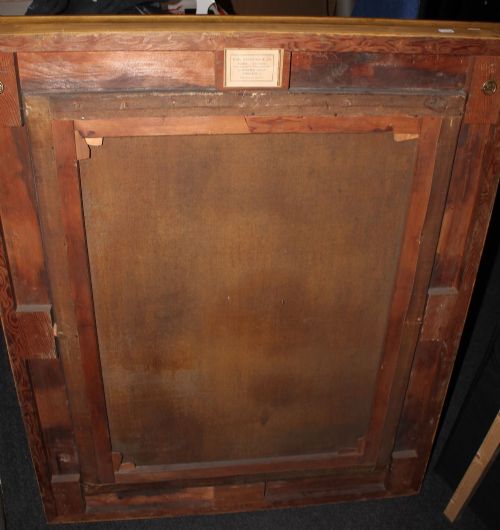
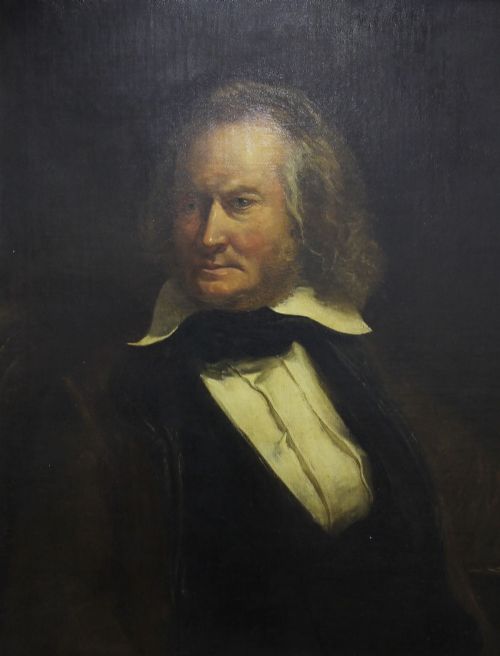
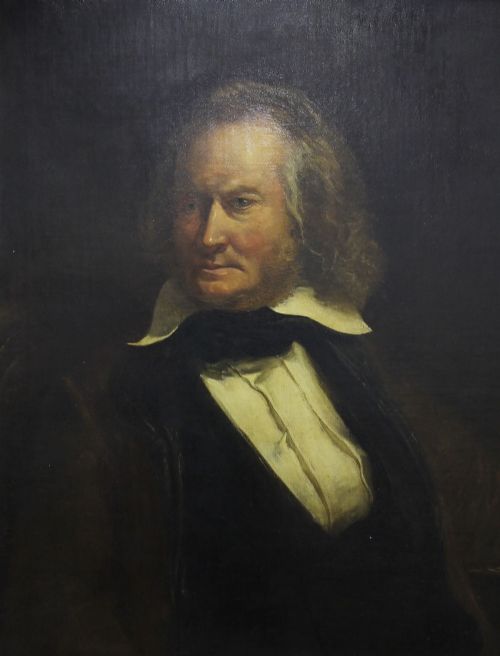
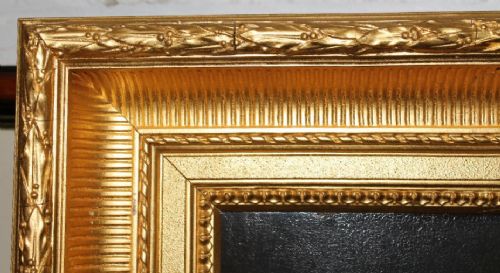
Portrait of Professor John Wilson of Ellerey, (Nom De Plume " Christopher North " ) 1785-1854 by Sir George Harvey, Prsa 1806-1876
Sold by Artware Fineart
sold SA260076
Sorry, but this item has been sold.

Artware Fineart

Sellingantiques Verified Since Sep 2008
Id #SA260076
PDF SHARE
SAVE

Portrait of Professor John Wilson of Ellerey, (Nom De Plume " Christopher North " ) 1785-1854 by Sir George Harvey, Prsa 1806-1876

19th century
Description

Portrait of Professor John Wilson of Ellerey, (Nom de Plume " Christopher North " ) 1785-1854 by Sir George Harvey, PRSA 1806-1876

circa 1830

UK

Oil on Canvas

36 x 28 in. (92 x 72 cm.)

John Wilson of Ellerey FRSE (18 May 1785 – 3 April 1854) was a Scottish advocate, literary critic and author, Moral Philosopher and the writer most frequently identified with the pseudonym Christopher North of Blackwood's Edinburgh Magazine. He was professor of Moral Philosophy at Edinburgh University (1820–51). John Wilson was born at Paisley, the son of John Wilson, a wealthy gauze manufacturer who died in 1796, when John was eleven years old, and Margaret Syme (1753-1825). He was the fourth child, but the eldest son, and he had nine brothers and sisters. He was only twelve when he entered the University of Glasgow, and continued to attend various classes for six years, mostly under Professor George Jardine, with whose family he lived. During this period Wilson excelled in sport as well as academic subjects, and fell in love with Margaret Fletcher, who was the object of his affections for several years. In 1803 Wilson was entered as a gentleman commoner at Magdalen College, Oxford. He was inspired by Oxford, and in much of his later work, notably in the essay called "Old North and Young North", he expresses his love for it. But his Magdalen days were not altogether happy, though he obtained a brilliant first class degree. His love affairs did not go happily, his "Margaret" eloped to New York with his younger brother, Charles and he made no close friends at his own college and few in the university. He took his degree in 1807, and at twenty-two was his own master, with a good income, no guardian to control him, and no need to work for a living. His profession was an estate on Windermere called Elleray, ever since connected with his name. Here he built, boated, wrestled, shot, fished, walked and amused himself for four years, besides composing or collecting from previous compositions a considerable volume of poems, published in 1812 as The Isle of Palms. He became intimate with William Wordsworth, Samuel Taylor Coleridge, Robert Southey and Thomas de Quincey. In 1811 he married Jane Penny, daughter of the Liverpool merchant and slave trader James Penny, and they were happy for four years, until the event which made a working man of letters of Wilson, and without which he would probably have produced a few volumes of verse and nothing more. Most of his fortune was lost by the dishonest speculation of an uncle, in whose hands Wilson had carelessly left it. His mother had a house in Edinburgh, in which she was able and willing to receive her son and his family; he was not forced to give up Elleray, though he was no longer able to live there. He read law and was elected to the Faculty of Advocates in 1815, still with many outside interests, and in 1816 produced a second volume of poems, The City of the Plague. In 1817, soon after the founding of Blackwood's Magazine, Wilson began his connection with the Tory monthly and in October 1817 he joined with John Gibson Lockhart in the October number working up James Hogg's MS a satire called the Chaldee Manuscript, in the form of biblical parody, on the rival Edinburgh Review, its publisher and his contributors. He became the principal writer for Blackwood's, though never its nominal editor, the publisher retaining supervision even over Lockhart's and "Christopher North's" contributions, which were the making of the magazine.In 1822 began the series of Noctes Ambrosianae, after 1825 mostly Wilson's work. These are discussions in the form of convivial table-talk, including wonderfully various digressions of criticism, description and miscellaneous writing. There was much ephemeral, a certain amount purely local, and something occasionally trivial in them. But their dramatic force, their i

Physical Dimensions
Height
104cm (40.94")
Width
84cm (33.07")
Depth
4cm (1.57")
Declaration

Artware Fineart has dated this piece to the 1800s.

Reference Numbers
Sellingantiques Reference
SA260076
Dealers Internal Reference
3637
Description
Portrait of Professor John Wilson of Ellerey, (Nom de Plume " Christopher North " ) 1785-1854 by Sir George Harvey, PRSA 1806-1876

circa 1830

UK

Oil on Canvas

36 x 28 in. (92 x 72 cm.)

John Wilson of Ellerey FRSE (18 May 1785 – 3 April 1854) was a Scottish advocate, literary critic and author, Moral Philosopher and the writer most frequently identified with the pseudonym Christopher North of Blackwood's Edinburgh Magazine. He was professor of Moral Philosophy at Edinburgh University (1820–51).

John Wilson was born at Paisley, the son of John Wilson, a wealthy gauze manufacturer who died in 1796, when John was eleven years old, and Margaret Syme (1753-1825).
Artware Fineart

He was the fourth child, but the eldest son, and he had nine brothers and sisters. He was only twelve when he entered the University of Glasgow, and continued to attend various classes for six years, mostly under Professor George Jardine, with whose family he lived. During this period Wilson excelled in sport as well as academic subjects, and fell in love with Margaret Fletcher, who was the object of his affections for several years. In 1803 Wilson was entered as a gentleman commoner at Magdalen College, Oxford. He was inspired by Oxford, and in much of his later work, notably in the essay called "Old North and Young North", he expresses his love for it. But his Magdalen days were not altogether happy, though he obtained a brilliant first class degree. His love affairs did not go happily, his "Margaret" eloped to New York with his younger brother, Charles and he made no close friends at his own college and few in the university. He took his degree in 1807, and at twenty-two was his own master, with a good income, no guardian to control him, and no need to work for a living. His profession was an estate on Windermere called Elleray, ever since connected with his name. Here he built, boated, wrestled, shot, fished, walked and amused himself for four years, besides composing or collecting from previous compositions a considerable volume of poems, published in 1812 as The Isle of Palms. He became intimate with William Wordsworth, Samuel Taylor Coleridge, Robert Southey and Thomas de Quincey. In 1811 he married Jane Penny, daughter of the Liverpool merchant and slave trader James Penny, and they were happy for four years, until the event which made a working man of letters of Wilson, and without which he would probably have produced a few volumes of verse and nothing more. Most of his fortune was lost by the dishonest speculation of an uncle, in whose hands Wilson had carelessly left it. His mother had a house in Edinburgh, in which she was able and willing to receive her son and his family; he was not forced to give up Elleray, though he was no longer able to live there. He read law and was elected to the Faculty of Advocates in 1815, still with many outside interests, and in 1816 produced a second volume of poems, The City of the Plague. In 1817, soon after the founding of Blackwood's Magazine, Wilson began his connection with the Tory monthly and in October 1817 he joined with John Gibson Lockhart in the October number working up James Hogg's MS a satire called the Chaldee Manuscript, in the form of biblical parody, on the rival Edinburgh Review, its publisher and his contributors. He became the principal writer for Blackwood's, though never its nominal editor, the publisher retaining supervision even over Lockhart's and "Christopher North's" contributions, which were the making of the magazine.In 1822 began the series of Noctes Ambrosianae, after 1825 mostly Wilson's work. These are discussions in the form of convivial table-talk, including wonderfully various digressions of criticism, description and miscellaneous writing. There was much ephemeral, a certain amount purely local, and something occasionally trivial in them. But their dramatic force, their i

Height
104cm (40.94")
Width
84cm (33.07")
Depth
4cm (1.57")
Date of Manufacture

Artware Fineart has dated this piece to the 1800s.

Reference Numbers
Sellingantiques Ref
SA260076
Dealers Internal Ref
3637
Artware Fineart
Sellingantiques verified Since Sep 2008
Dealer Profile

You can view the stock and full dealer information on the Artware Fineart Profile Page
PDF SHARE
SAVE
Portrait of Professor John Wilson of Ellerey, (Nom de Plume
1 / 4
Archive I Portrait of Professor John Wilson of Ellerey, (Nom de Plume

Portrait of Professor John Wilson of Ellerey, (Nom De Plume " Christopher North " ) 1785-1854 by Sir George Harvey, Prsa 1806-1876
Archive II Portrait of Professor John Wilson of Ellerey, (Nom de Plume
Archive III Portrait of Professor John Wilson of Ellerey, (Nom de Plume
Archive IV Portrait of Professor John Wilson of Ellerey, (Nom de Plume
Enlarged Archival View
Telephone 07958 699 645
Location
18 La Gare
51 Surrey Row
London
SE1 0BZ
United Kingdom
Verified Since Sep 2008
Items For Sale 243
Items Sold 223
Artware Fineart
Verified Since Sep 2008
View Dealer Info
Location: 18 La Gare , 51 Surrey Row , London , SE1 0BZ , United Kingdom
Verified
Sep 2008
For Sale
243
Sold
223
Portrait of Professor John Wilson of Ellerey, (Nom de Plume
Portrait of Professor John Wilson of Ellerey, (Nom de Plume " Christopher North " ) 1785-1854 by Sir George Harvey, PRSA 1806-1876
Ref: SA260076
Portrait of Professor John Wilson of Ellerey, (Nom de Plume
Detail View 1
Detail View 2
Detail View 3
Archival Detail
Every single antique dealer on our platform is individually approved by our internal team. We verify their professional trade history, ethical standards, and photographic quality to ensure a secure, high-standard buying environment. Upon joining, every dealer agrees to a strict 9-point code of conduct. While issues can occasionally arise, our dealers typically resolve them swiftly and directly with the buyer. In fact, since our founding in 2002, Sellingantiques has only had to step in to help resolve an issue on roughly five occasions—a true testament to the quality of our dealers and their dedication to your happiness.
Our dealers are highly experienced in packing and shipping fragile, high-value antiques. Because you are in direct contact with the dealer, you will be able to easily go through all available shipping and insurance options together to ensure your item arrives safely.
Antiques are the ultimate green purchase. By choosing historical pieces over newly manufactured goods, you completely eliminate the carbon footprint of modern mass production while preserving exceptional, timeless craftsmanship.
items
Add keywords to the filter
Price
£100
£250000
Era
Movements
Material
Origin
Stock Location
Freshness
Online Payments
Categories