5,621  PAGES BROWSED TODAY PAGES TODAY • 15 ANTIQUES UPLOADED TODAYNEW ARRIVALS
GIFTS
15 ITEMS ADDED TODAY
Sort Order
Items Per Page
Browse Categories
Sort order
Items per page
ID #SA136618
SOLD
Email Phone
Save
George Christoph Grooth 1716 - 1749
Sold by Artware Fineart
sold SA136618
Sorry, but this item has been sold.

Artware Fineart

Sellingantiques Verified Since Sep 2008
Browse dealers 243 items
Id #SA136618
PDF SHARE
SAVE

George Christoph Grooth 1716 - 1749

18th century
Sold 1 January 1900 · Artware Fineart
This “ George Christoph Grooth 1716 - 1749” found a buyer.

It was listed by Artware Fineart. Sold pieces stay on Sellingantiques as a record of what has passed through, and the next one is rarely far away.

Description

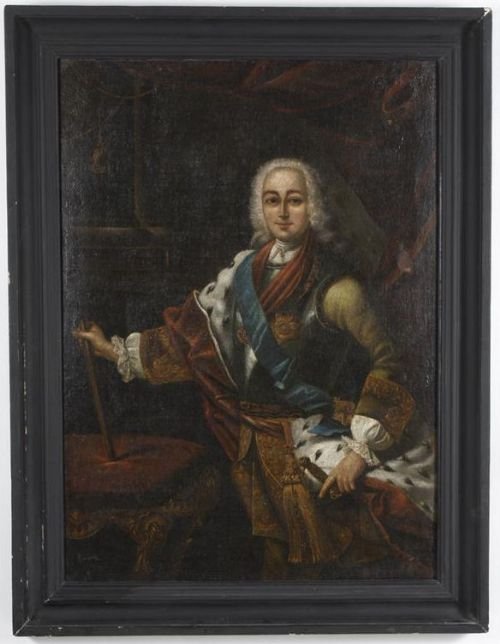
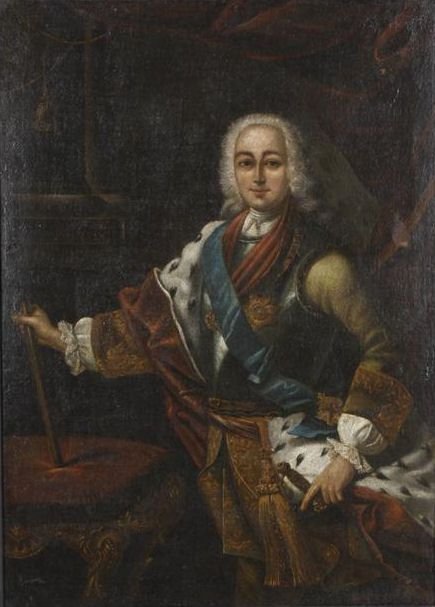
Portrait of the Grand Duke Peter Fredorovich, later Tzar Peter III 1728-1762, Emperor of Russia

oil on canvas

40 x 30in. (102 x 78 cm.)

Peter III, Tsar of Russia, only son of Charles Frederick, Duke of Holstein-Gottorp, and of Anne, eldest surviving daughter of Peter the Great, was born at Kiel on the 21st of February 1728. In December 1741 he was adopted by his aunt, Elizabeth Petrovna, as soon as she was safely established on the Russian throne, and on the 18th of November 1742 was received into the Orthodox Church, exchanging his original name of Karl Peter Ulrich for that of Peter Fedorovich. On the 21st of August 1745, by the command of his aunt, he married the princess Sophia Augusta Frederica of Anhalt-Zerbst, who exchanged her name for that of Catherine Aleksyeevna. The union between a prince who physically was something less than a man and mentally little more than a child, and a princess of prodigious intellect and an insatiable love of enjoyment, was bound to end in a catastrophe. Even when Peter III succeeded his aunt on the 5th of January 1762, he paid off all the debts that Catherine had contracted without inquiring what they were for. On her birthday, in April, he made her a present of domains worth £10,000 per annum, though he had already readjusted her establishment on a truly imperial scale. Peter, in fact, was too good-natured and inconsequent to pursue, or even premeditate, any deliberate course of ill treatment. No personal wrongs, but the deliberate determination of a strong-minded, capable woman to snatch the reins of government from the hands of a semi-imbecile, was the cause of Peter's overthrow, and his stupendous blunders supplied Catherine with her opportunity. Peter's foreign policy was the absolute reversal of the policy of his predecessor. He had not been on the throne for two months when he made pacific overtures to the nearly vanquished king of Prussia, whom he habitually alluded to as "the king my master." Peter's enthusiastic worship of Frederick resulted in a peace (May 5) and then (June 19) in an offensive and defensive alliance between Russia and Prussia, whereby Peter restored to Prussia all the territory won from her by Russia during the last five years at such an enormous expense of men and money, and engaged to defend Frederick against all his enemies. Finally he picked a quarrel with Denmark for not accepting as an ultimatum the terms to be submitted by Russia to a peace conference to meet at Berlin for the purpose of adjusting the differences between the two powers. On the 6th of July the Russian army received orders to invade Denmark by way of Mecklenburg. This advance was only arrested, when the opposing forces were almost within touch of each other, by the tidings that a revolution had taken place at St. Petersburg, and that Peter III was already a prisoner in the hands of his consort. The coup d'état of the 9th of July 1762 properly belongs to the history of Catherine the Great. Here only a few words must be said as to the mysterious death of Peter at the castle of Ropsha, to which he was removed immediately after his surrender. Here he remained from the evening of the 9th to the afternoon of the 18th of July. At first Catherine and her counsellors could not make up their minds what to do with "the former emperor." Imprisonment in Schlüsselburg for life, or repatriation to Holstein, were proposed only to be rejected as dangerous. The Orlovs had even stronger motives than Catherine for suppressing the ex-emperor, for Gregory Orlov aspired to win the hand as well as the heart of his imperial mistress, and so long as Catherine's lawful husband lived, even in a prison, such a union would be impossible. The available evidence points to the irresistible conclusion that on the afternoon of the 18th of July 1762, Peter III, with his consort's connivance, was brutally murdered at Ropsha by Alexius Orlov, Theodore Baryatinski, and several other persons still unknown.

Date of Manufacture

Artware Fineart has dated this piece to the 1750s.

Reference Numbers
Sellingantiques Reference
SA136618
Dealers Internal Reference
3500
Description
Portrait of the Grand Duke Peter Fredorovich, later Tzar Peter III 1728-1762, Emperor of Russia

oil on canvas

40 x 30in. (102 x 78 cm.)

“
Peter III, Tsar of Russia, only son of Charles Frederick, Duke of Holstein-Gottorp, and of Anne, eldest surviving daughter of Peter the Great, was born at Kiel on the 21st of February 1728.
Artware Fineart

In December 1741 he was adopted by his aunt, Elizabeth Petrovna, as soon as she was safely established on the Russian throne, and on the 18th of November 1742 was received into the Orthodox Church, exchanging his original name of Karl Peter Ulrich for that of Peter Fedorovich. On the 21st of August 1745, by the command of his aunt, he married the princess Sophia Augusta Frederica of Anhalt-Zerbst, who exchanged her name for that of Catherine Aleksyeevna. The union between a prince who physically was something less than a man and mentally little more than a child, and a princess of prodigious intellect and an insatiable love of enjoyment, was bound to end in a catastrophe. Even when Peter III succeeded his aunt on the 5th of January 1762, he paid off all the debts that Catherine had contracted without inquiring what they were for. On her birthday, in April, he made her a present of domains worth £10,000 per annum, though he had already readjusted her establishment on a truly imperial scale. Peter, in fact, was too good-natured and inconsequent to pursue, or even premeditate, any deliberate course of ill treatment. No personal wrongs, but the deliberate determination of a strong-minded, capable woman to snatch the reins of government from the hands of a semi-imbecile, was the cause of Peter's overthrow, and his stupendous blunders supplied Catherine with her opportunity. Peter's foreign policy was the absolute reversal of the policy of his predecessor. He had not been on the throne for two months when he made pacific overtures to the nearly vanquished king of Prussia, whom he habitually alluded to as "the king my master." Peter's enthusiastic worship of Frederick resulted in a peace (May 5) and then (June 19) in an offensive and defensive alliance between Russia and Prussia, whereby Peter restored to Prussia all the territory won from her by Russia during the last five years at such an enormous expense of men and money, and engaged to defend Frederick against all his enemies. Finally he picked a quarrel with Denmark for not accepting as an ultimatum the terms to be submitted by Russia to a peace conference to meet at Berlin for the purpose of adjusting the differences between the two powers. On the 6th of July the Russian army received orders to invade Denmark by way of Mecklenburg. This advance was only arrested, when the opposing forces were almost within touch of each other, by the tidings that a revolution had taken place at St. Petersburg, and that Peter III was already a prisoner in the hands of his consort. The coup d'état of the 9th of July 1762 properly belongs to the history of Catherine the Great. Here only a few words must be said as to the mysterious death of Peter at the castle of Ropsha, to which he was removed immediately after his surrender. Here he remained from the evening of the 9th to the afternoon of the 18th of July. At first Catherine and her counsellors could not make up their minds what to do with "the former emperor." Imprisonment in Schlüsselburg for life, or repatriation to Holstein, were proposed only to be rejected as dangerous. The Orlovs had even stronger motives than Catherine for suppressing the ex-emperor, for Gregory Orlov aspired to win the hand as well as the heart of his imperial mistress, and so long as Catherine's lawful husband lived, even in a prison, such a union would be impossible. The available evidence points to the irresistible conclusion that on the afternoon of the 18th of July 1762, Peter III, with his consort's connivance, was brutally murdered at Ropsha by Alexius Orlov, Theodore Baryatinski, and several other persons still unknown.

Date of Manufacture

Artware Fineart has dated this piece to the 1750s.

Reference Numbers
Sellingantiques Ref
SA136618
Dealers Internal Ref
3500
Artware Fineart
Sellingantiques verified Since Sep 2008
Dealer Profile

You can view the stock and full dealer information on the Artware Fineart Profile Page
PDF SHARE
SAVE

George Christoph Grooth   1716 - 1749 SOLD6+ MONTHS AGO
1 / 2
Archive I 
George Christoph Grooth   1716 - 1749 SOLD6+ MONTHS AGO

George Christoph Grooth 1716 - 1749

Archive II 
George Christoph Grooth   1716 - 1749 View II
Enlarged Archival View
Telephone 07958 699 645
Location
18 La Gare
51 Surrey Row
London
SE1 0BZ
United Kingdom
Verified Since Sep 2008
Items For Sale 243
Items Sold 223
Artware Fineart
Verified Since Sep 2008
View Dealer Info
Location: 18 La Gare , 51 Surrey Row , London , SE1 0BZ , United Kingdom
Verified
Sep 2008
For Sale
243
Sold
223

George Christoph Grooth   1716 - 1749
George Christoph Grooth 1716 - 1749
Ref: SA136618

George Christoph Grooth   1716 - 1749
Detail View 1
Archival Detail
Every single antique dealer on our platform is individually approved by our internal team. We verify their professional trade history, ethical standards, and photographic quality to ensure a secure, high-standard buying environment. Upon joining, every dealer agrees to a strict 9-point code of conduct. While issues can occasionally arise, our dealers typically resolve them swiftly and directly with the buyer. In fact, since our founding in 2002, Sellingantiques has only had to step in to help resolve an issue on roughly five occasions—a true testament to the quality of our dealers and their dedication to your happiness.
Our dealers are highly experienced in packing and shipping fragile, high-value antiques. Because you are in direct contact with the dealer, you will be able to easily go through all available shipping and insurance options together to ensure your item arrives safely.
Antiques are the ultimate green purchase. By choosing historical pieces over newly manufactured goods, you completely eliminate the carbon footprint of modern mass production while preserving exceptional, timeless craftsmanship.
Written by Sellingantiques from the dealer’s photographs and listing
  • Period18th century
items
Add keywords to the filter
Price
£100
£250000
Era
Period
Style
Material
Origin
Stock Location
Recently Added
Online Payments
Categories