16,149  PAGES BROWSED TODAY PAGES TODAY 109 ANTIQUES UPLOADED TODAYNEW ARRIVALS
109 ITEMS ADDED TODAY
Sort Order
Items Per Page
Browse Categories
Sort order
Items per page
ID #SA136611
SOLD
Email Phone WhatsApp
Save
John Vanderbank 1694-1739
Sold by Artware Fineart
sold SA136611
Sorry, but this item has been sold.

Artware Fineart

Sellingantiques Verified Since Sep 2008
Id #SA136611
PDF SHARE
SAVE

John Vanderbank 1694-1739

18th century
Description

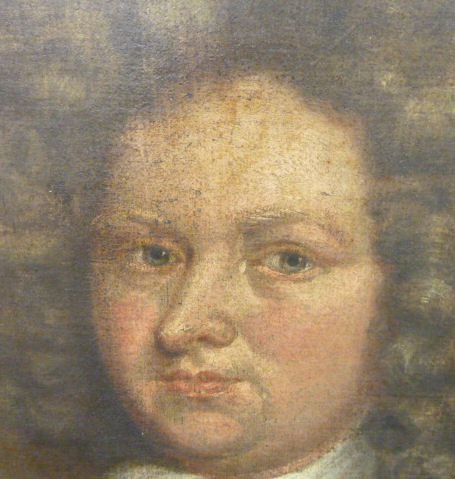
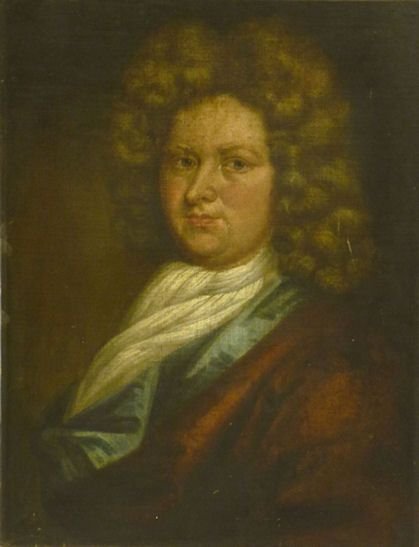
Portrait of William Croft 1678-1727

circa 1700

UK

Oil on Canvas

30 x 25in. (76 x 64cm.)

William Croft was born into a wealthy and ancient family at the Manor House, Nether Ettington in Warwickshire and was baptised on 30th December, 1678. He was descended from the Croft family of Croft Castle herefordshire. He was educated as a 'Child of the Chapel Royal' where he was taught, by direction and example, by the composer John Blow (1649-1708). He remained at the Chapel as a 'Child' until he was twenty years old - something that only happened to the most talented of pupils. By the age of 19 he showed his obvious interest in composition by copying many extracts from cantatas by Scarlatti, Carissimi and others into his own manuscript book. Having left the Chapel in late 1698 he rejoined it just under two years later (in July 1700) as a 'Gentleman' organist - the post being shared with the composer Jeremiah Clarke. As the musical historian John Hawkins said in 1776, "the bent of his genius led him to church music". This two-year gap was to be the only time in his life when he held no church position and it was during this period that his first works were published. These were all secular and included songs, suites for harpsichord, sonatas for the violin, sonatas for two recorders, four sets of theatre 'ayres' for strings and incidental music for plays at the Drury Lane Theatre. In all probability, also in 1700, Croft became organist at St. Anne's Church, Soho where a new organ had just been built. In 1707, Jeremiah Clarke committed suicide, distracted by, "a violent and hopeless passion for a very beautiful lady of a rank superior to his own", Croft became composer and Master of the Children at the Chapel Royal. When, a year later John Blow died, Croft succeeded him as organist of Westminster Abbey. From this point onwards Croft's compositions were solely of a religious nature. In 1715 Croft's salary as Master of the Children was raised by £80 a year for him to teach reading, writing and arithmetic as well as music and in addition to composing and organ playing. 1724 saw the appearance of his principal and most famous work; his two-volume collection of church music entitled Musica Sacra, containing 31 anthems and the Burial Service. In the preface he explained how it was the first collection of anthems to be William Croft painted by Thomas Murray printed in score format. It is largely through this publication that Croft's reputation has lasted over the centuries. Many believe that the anthem 'O Lord, rebuke me not' is one of his finest. The musical historian Charles Burney, writing in his 'General History of Music' published in 1789 described it as follows: "It is one of the most masterly and grand compositions, of the kind, which our church or any other church, can boast…. The last chorus, which is a double figure upon two fine subjects, is equally well supported and masterly…..and lastly, in the Amen, there is a spirit and design, which manifest both genius and learning". Writing about the Burial Service (which has been sung at every state funeral since it was composed - including that of Her Majesty Queen Elizabeth the Queen Mother on 9th April 2002) Croft died on 14th August, 1727 in the town of Bath where he had gone to take the waters - presumably to try to remedy a deterioration in health. He was buried in the north aisle of Westminster Abbey close to Purcell and Blow. A monument was built there in his honour.In his 'General History of Music' (1789) the musical historian Charles Burney wrote of Croft as having, "gone through life in one even tenor of professional activity and propriety of conduct. We hear of no illiberal traits of envy, malevolence, or insolence….the universal respect he obtained from his talents and eminence in the profession seems to have blended with personal affection".Private collection New Jersey

Declaration

Artware Fineart has dated this piece to the 1700s.

Reference Numbers
Sellingantiques Reference
SA136611
Dealers Internal Reference
3497
Description
Portrait of William Croft 1678-1727

circa 1700

UK

Oil on Canvas

30 x 25in. (76 x 64cm.)

William Croft was born into a wealthy and ancient family at the Manor House, Nether Ettington in Warwickshire and was baptised on 30th December, 1678.
Artware Fineart

He was descended from the Croft family of Croft Castle herefordshire. He was educated as a 'Child of the Chapel Royal' where he was taught, by direction and example, by the composer John Blow (1649-1708). He remained at the Chapel as a 'Child' until he was twenty years old - something that only happened to the most talented of pupils. By the age of 19 he showed his obvious interest in composition by copying many extracts from cantatas by Scarlatti, Carissimi and others into his own manuscript book. Having left the Chapel in late 1698 he rejoined it just under two years later (in July 1700) as a 'Gentleman' organist - the post being shared with the composer Jeremiah Clarke. As the musical historian John Hawkins said in 1776, "the bent of his genius led him to church music". This two-year gap was to be the only time in his life when he held no church position and it was during this period that his first works were published. These were all secular and included songs, suites for harpsichord, sonatas for the violin, sonatas for two recorders, four sets of theatre 'ayres' for strings and incidental music for plays at the Drury Lane Theatre. In all probability, also in 1700, Croft became organist at St. Anne's Church, Soho where a new organ had just been built. In 1707, Jeremiah Clarke committed suicide, distracted by, "a violent and hopeless passion for a very beautiful lady of a rank superior to his own", Croft became composer and Master of the Children at the Chapel Royal. When, a year later John Blow died, Croft succeeded him as organist of Westminster Abbey. From this point onwards Croft's compositions were solely of a religious nature. In 1715 Croft's salary as Master of the Children was raised by £80 a year for him to teach reading, writing and arithmetic as well as music and in addition to composing and organ playing. 1724 saw the appearance of his principal and most famous work; his two-volume collection of church music entitled Musica Sacra, containing 31 anthems and the Burial Service. In the preface he explained how it was the first collection of anthems to be William Croft painted by Thomas Murray printed in score format. It is largely through this publication that Croft's reputation has lasted over the centuries. Many believe that the anthem 'O Lord, rebuke me not' is one of his finest. The musical historian Charles Burney, writing in his 'General History of Music' published in 1789 described it as follows: "It is one of the most masterly and grand compositions, of the kind, which our church or any other church, can boast…. The last chorus, which is a double figure upon two fine subjects, is equally well supported and masterly…..and lastly, in the Amen, there is a spirit and design, which manifest both genius and learning". Writing about the Burial Service (which has been sung at every state funeral since it was composed - including that of Her Majesty Queen Elizabeth the Queen Mother on 9th April 2002) Croft died on 14th August, 1727 in the town of Bath where he had gone to take the waters - presumably to try to remedy a deterioration in health. He was buried in the north aisle of Westminster Abbey close to Purcell and Blow. A monument was built there in his honour.In his 'General History of Music' (1789) the musical historian Charles Burney wrote of Croft as having, "gone through life in one even tenor of professional activity and propriety of conduct. We hear of no illiberal traits of envy, malevolence, or insolence….the universal respect he obtained from his talents and eminence in the profession seems to have blended with personal affection".Private collection New Jersey

Date of Manufacture

Artware Fineart has dated this piece to the 1700s.

Reference Numbers
Sellingantiques Ref
SA136611
Dealers Internal Ref
3497
Artware Fineart
Sellingantiques verified Since Sep 2008
Dealer Profile

You can view the stock and full dealer information on the Artware Fineart Profile Page
PDF SHARE
SAVE
John Vanderbank 1694-1739
1 / 3
Archive I John Vanderbank 1694-1739

John Vanderbank 1694-1739

Archive II John Vanderbank 1694-1739 View II
Archive III John Vanderbank 1694-1739 View III
Enlarged Archival View
Telephone 07958 699 645
Location
18 La Gare
51 Surrey Row
London
SE1 0BZ
United Kingdom
Verified Since Sep 2008
Items For Sale 243
Items Sold 223
Artware Fineart
Verified Since Sep 2008
View Dealer Info
Location: 18 La Gare , 51 Surrey Row , London , SE1 0BZ , United Kingdom
Verified
Sep 2008
For Sale
243
Sold
223
John Vanderbank 1694-1739
Ref: SA136611
John Vanderbank 1694-1739
Detail View 1
Detail View 2
Archival Detail
Every single antique dealer on our platform is individually approved by our internal team. We verify their professional trade history, ethical standards, and photographic quality to ensure a secure, high-standard buying environment. Upon joining, every dealer agrees to a strict 9-point code of conduct. While issues can occasionally arise, our dealers typically resolve them swiftly and directly with the buyer. In fact, since our founding in 2002, Sellingantiques has only had to step in to help resolve an issue on roughly five occasions—a true testament to the quality of our dealers and their dedication to your happiness.
Our dealers are highly experienced in packing and shipping fragile, high-value antiques. Because you are in direct contact with the dealer, you will be able to easily go through all available shipping and insurance options together to ensure your item arrives safely.
Antiques are the ultimate green purchase. By choosing historical pieces over newly manufactured goods, you completely eliminate the carbon footprint of modern mass production while preserving exceptional, timeless craftsmanship.
items
Add keywords to the filter
Price
£100
£250000
Era
Movements
Material
Origin
Stock Location
Freshness
Online Payments
Categories