It was listed by Titan Fine Art. Sold pieces stay on Sellingantiques as a record of what has passed through, and the next one is rarely far away.
Titan Fine Art has dated this Oil on Canvas Portrait to the 18th Century.
The history of the Slingsby family is extensive and deeply rooted in Yorkshire, with their beginnings linked to the village of Slingsby and the manor of Scriven. As a distinguished family from Yorkshire, they played a significant role in both local and national matters, holding various governmental positions and producing notable individuals such as the Royalist Sir Henry Slingsby, whose diary offers valuable perspectives on the English Civil War. The family founded two baronetcies in the 17th century.
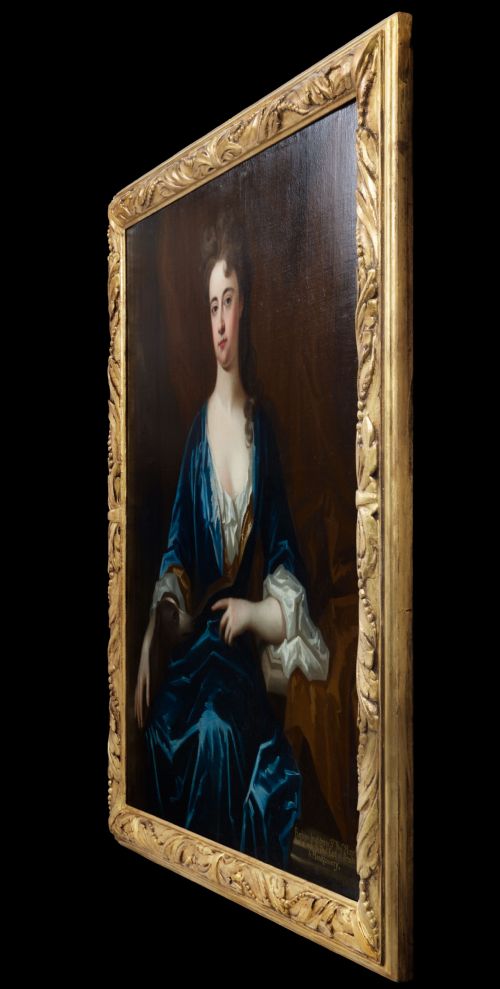
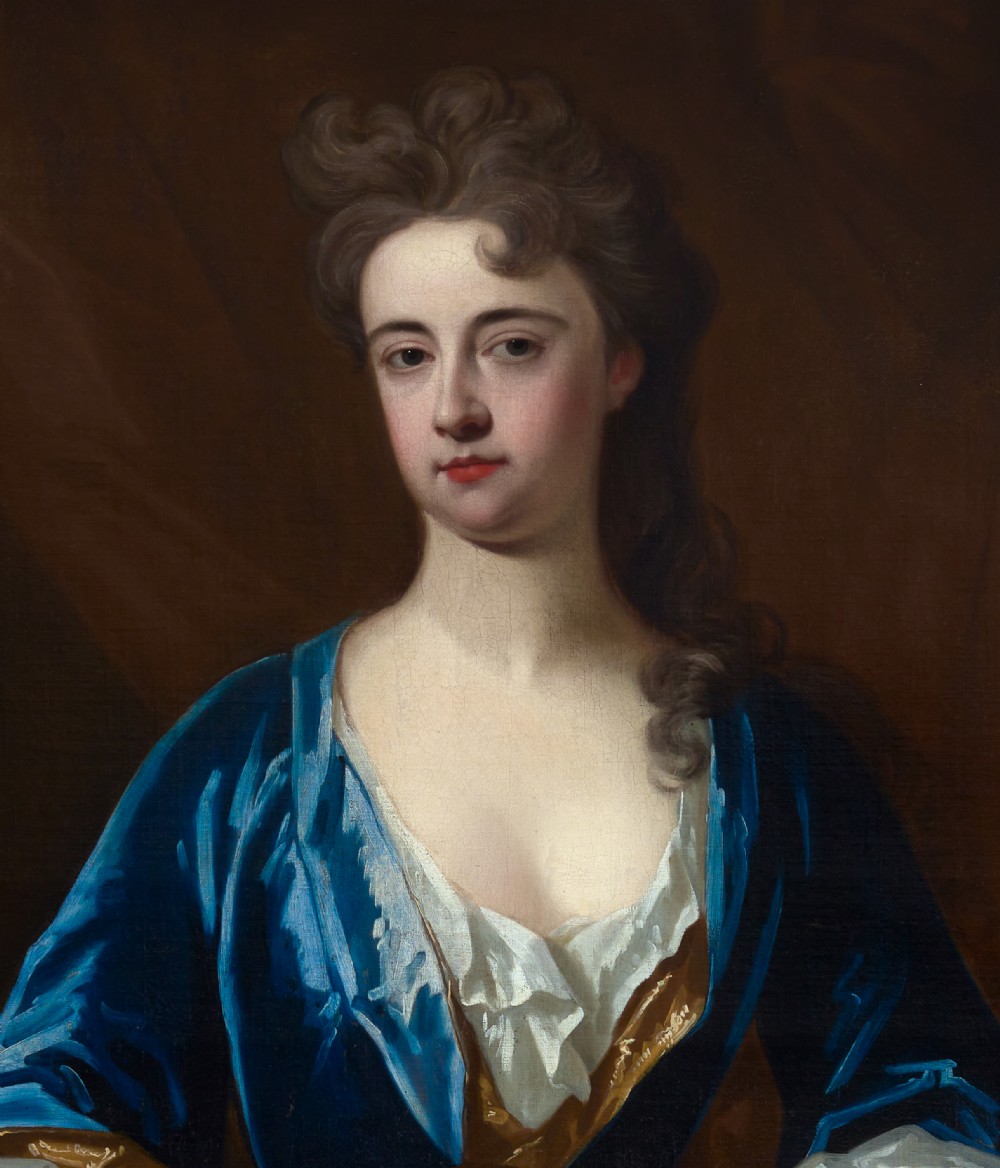
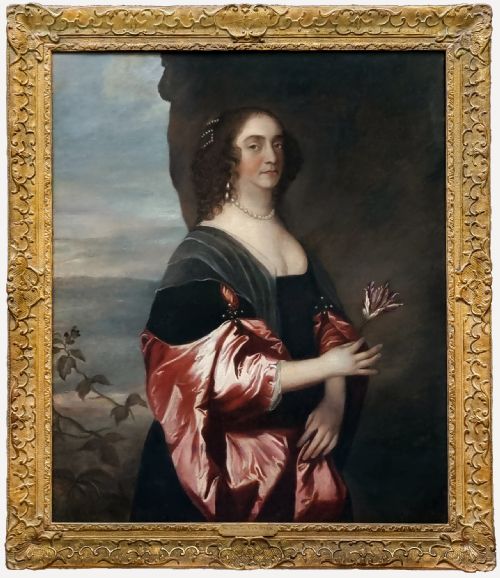
Our sitter married three times. Firstly, to Sir Richard Mauleverer, 4th Baronet, of Allerton Mauleverer (died 1689). After his death, she married John Arundell, 2nd Baron Arundell of Terrace (1649–1698), of Trerice, Cornwall (died 1698) in 1692. As Lady Arundell, she had a son, Hon. Richard Arundell (1698-1759). Again, she outlived her husband, and wed Thomas Herbert, 8th Earl of Pembroke on 21 September 1708. The couple had one daughter, Lady Barbara (died 1752). In 1718, she became a Lady of the Bedchamber to the Princess of Wales, Caroline of Ansbach, a role that she continued until her death on 6th September 1712. She was interred Salisbury Cathedral, Wiltshire.
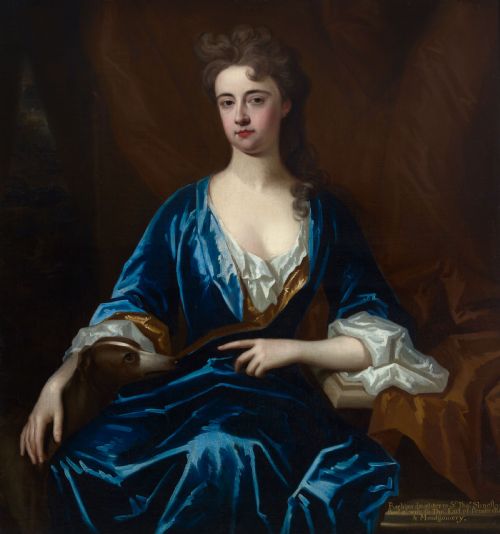
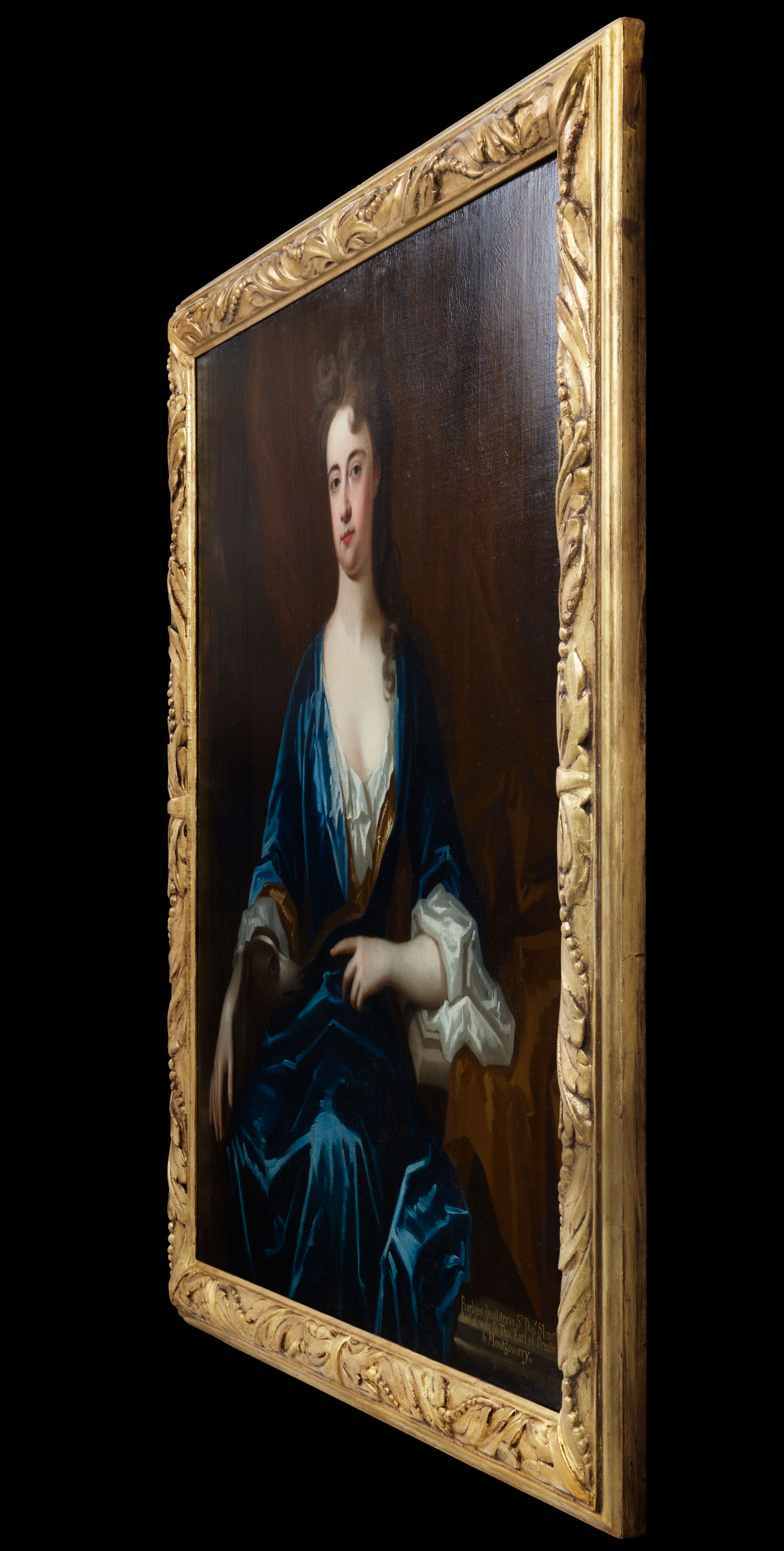
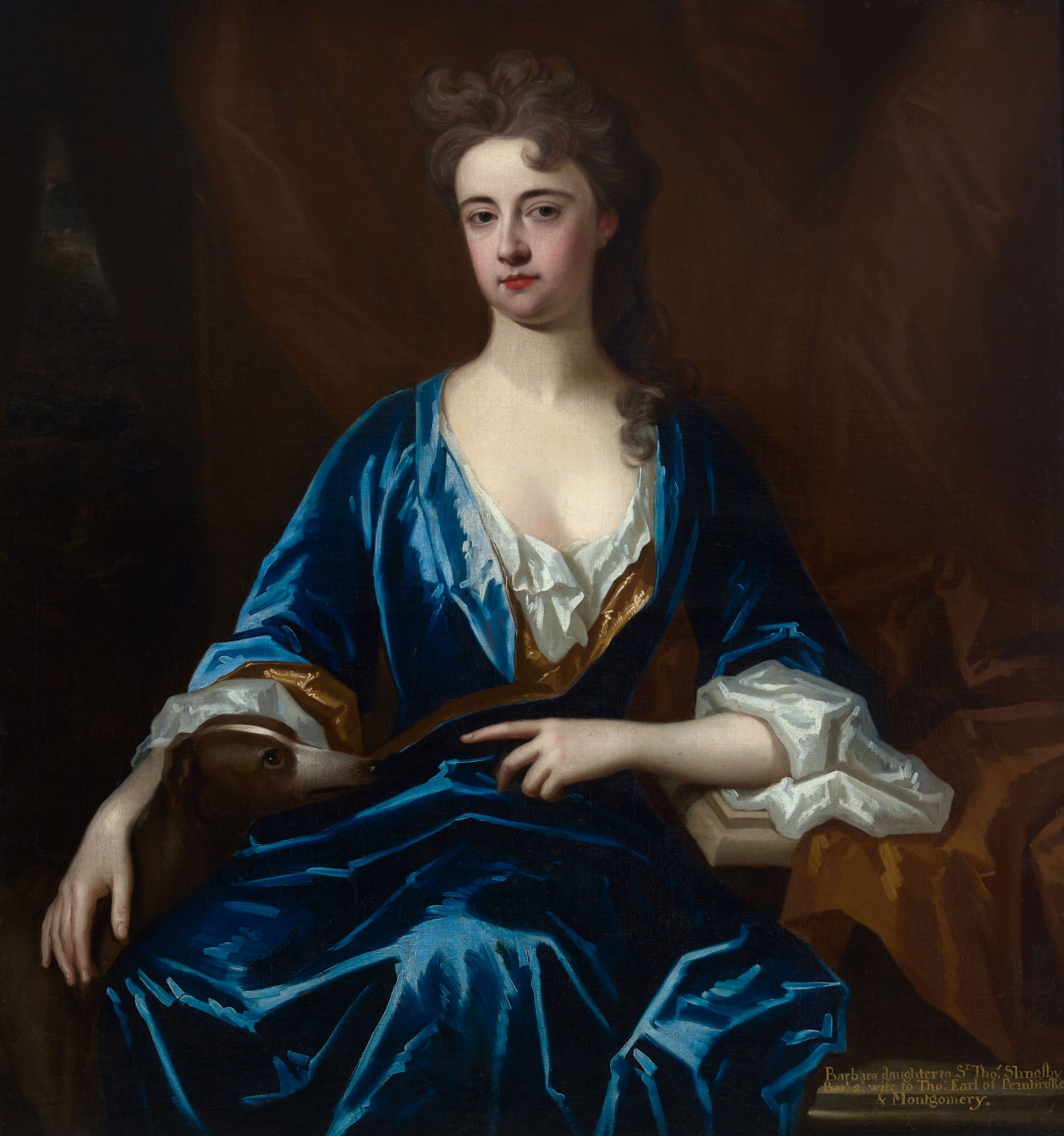
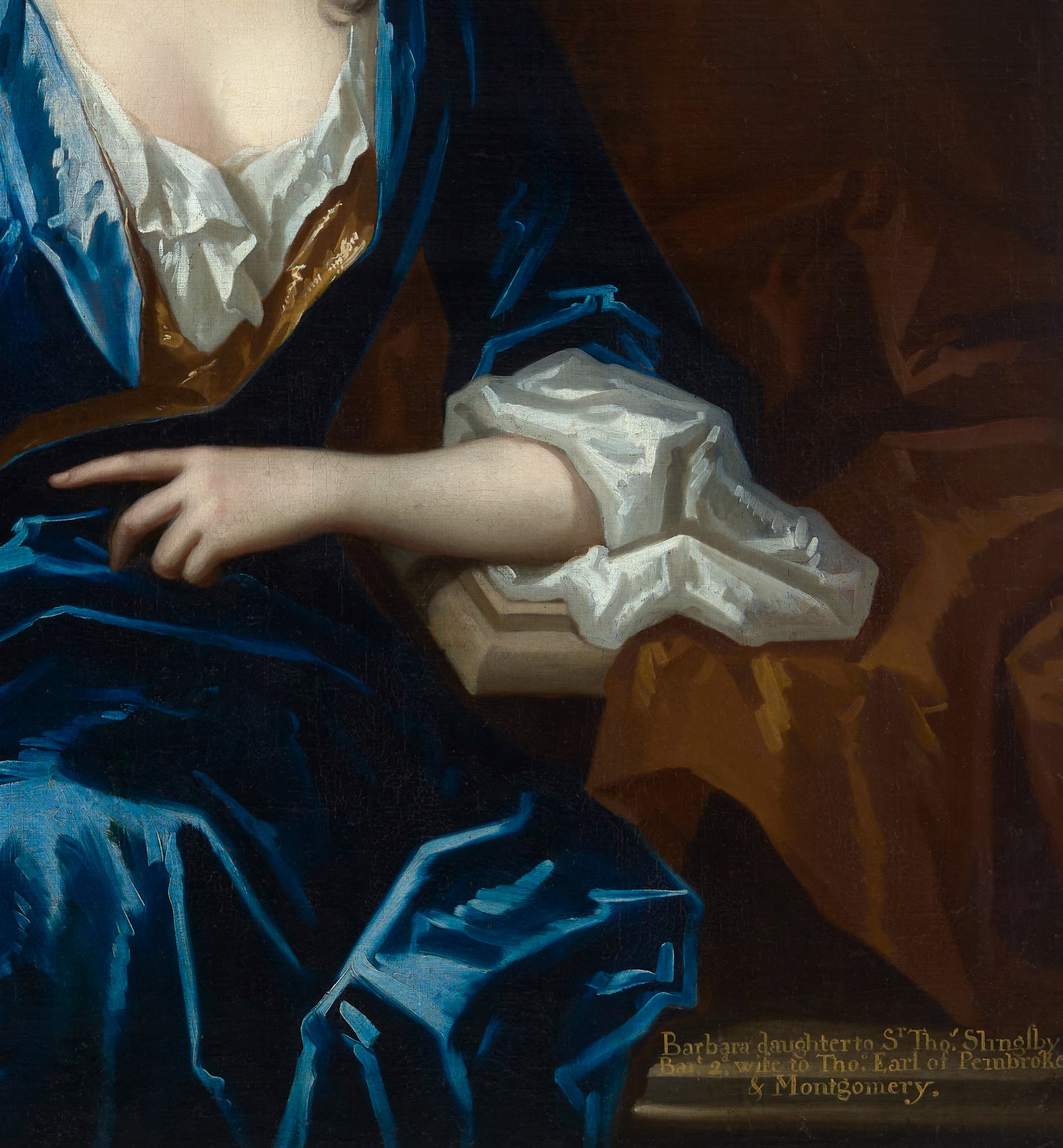
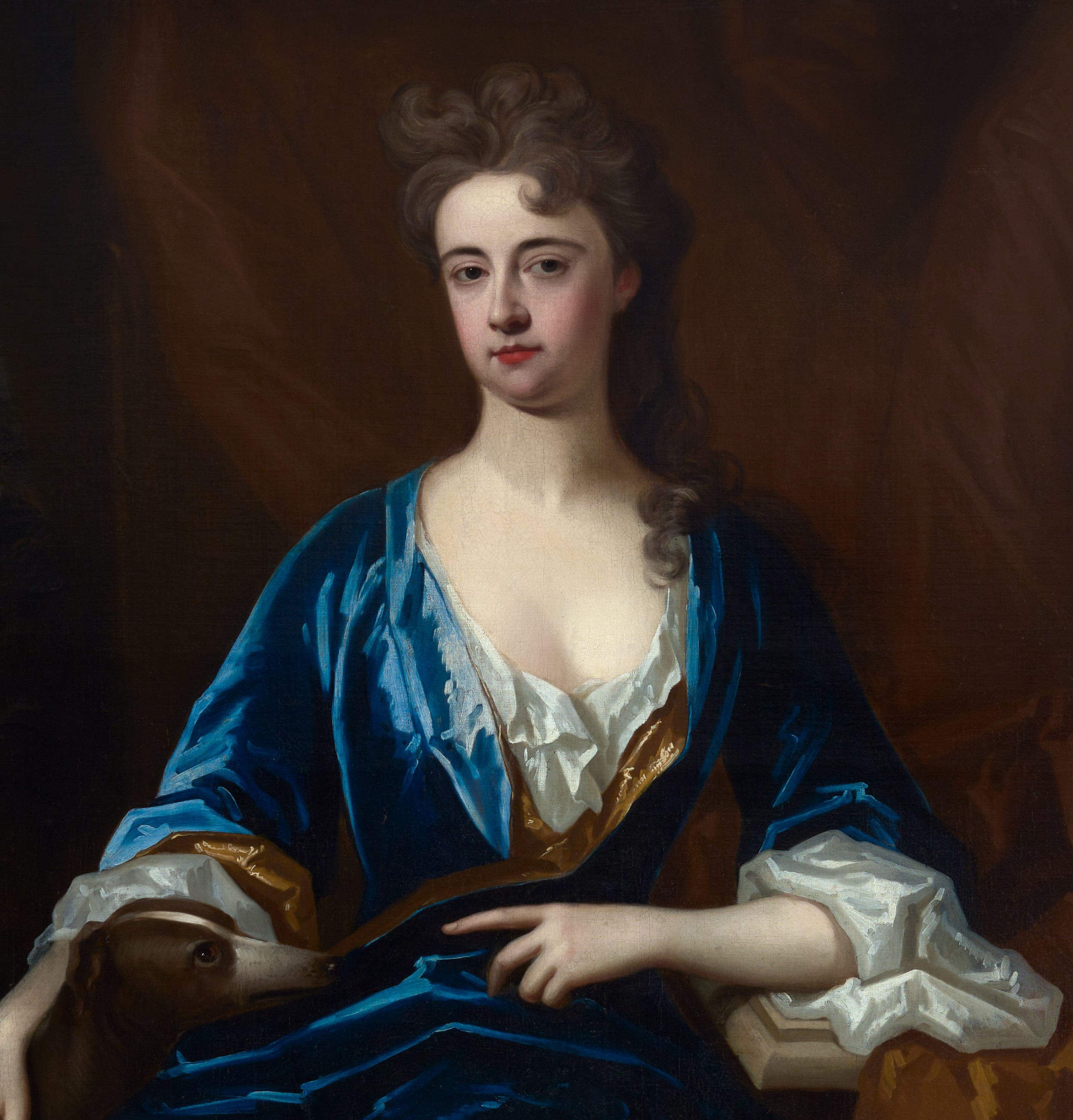
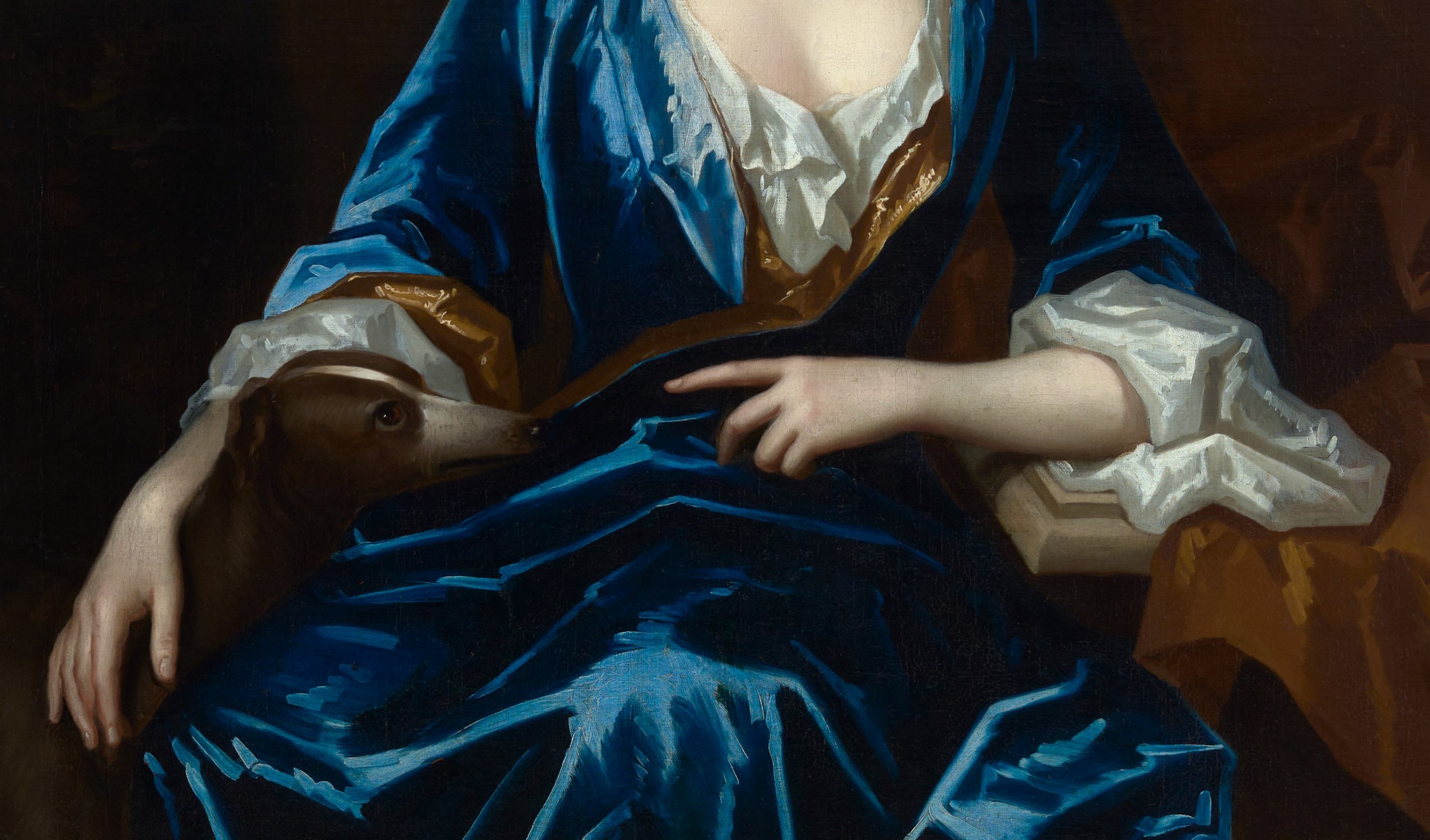
Seated in a wooded area, resting one arm on a plinth with a draped curtain, she confidential looks out at the viewer. The countess was a paragon of the wealthy and privileged society that she belonged to and such images exude a sense of status and Augustan decorum, and were highly influential in transmitting these values into the first half of the eighteenth century. An inscription on the portrait identifies the sitter: 'Barbara Daughter to Sir Thomas Slingsby Barnonet, 2nd wife to the Earl of Pembroke & Montgomery”.
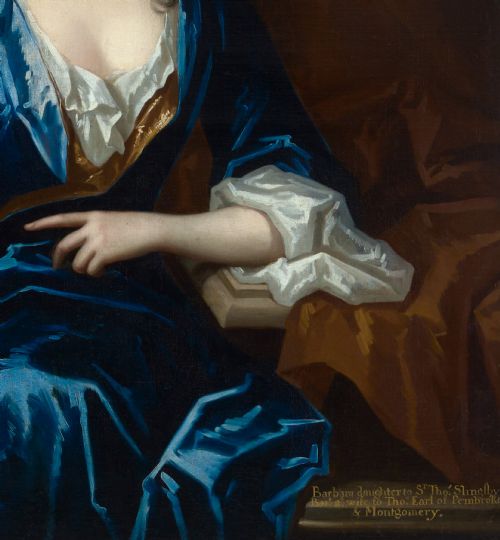
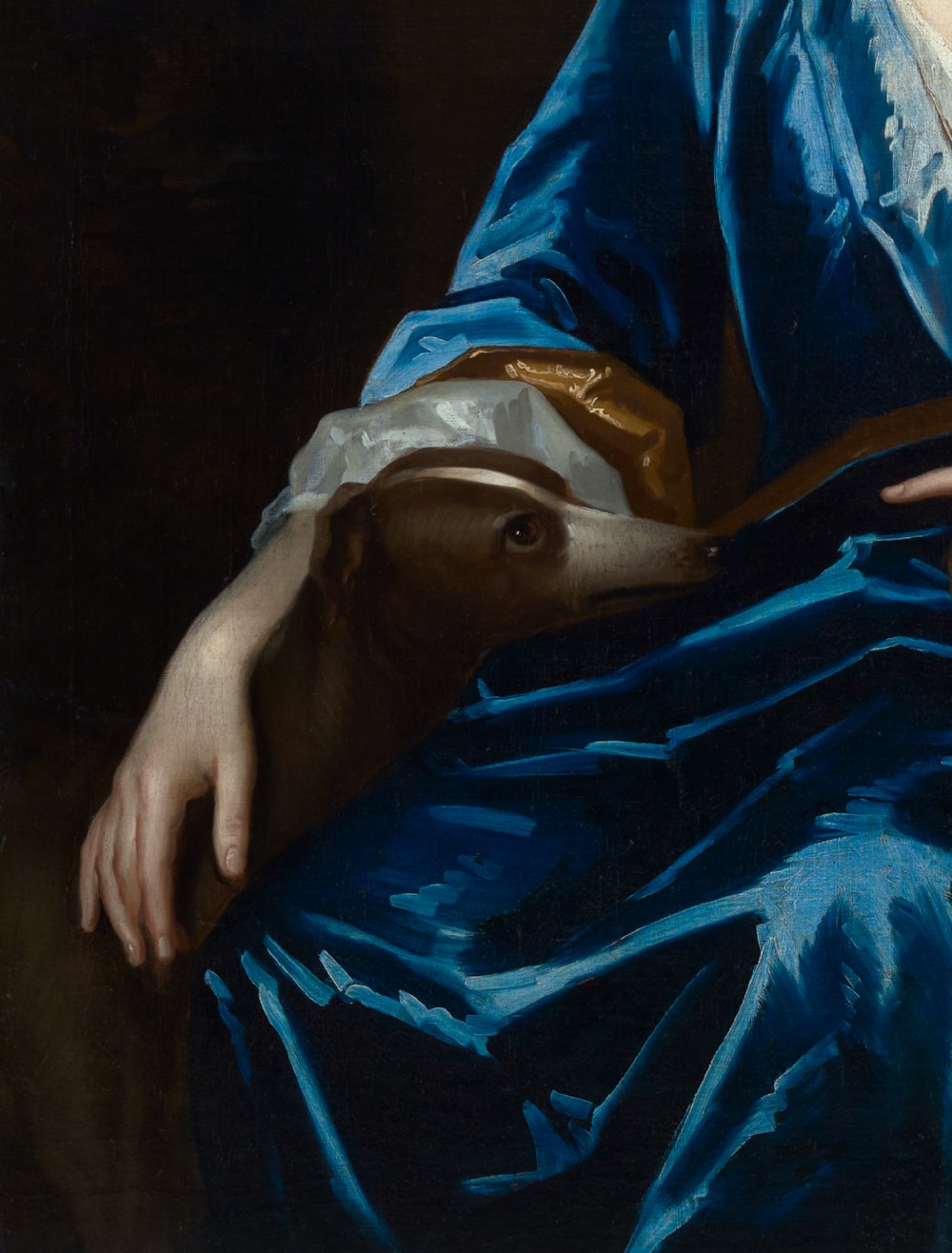
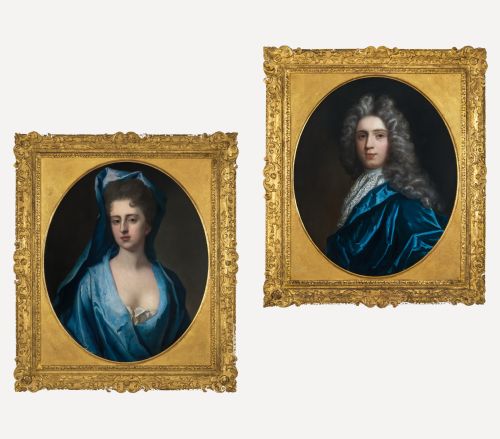
The portrait was painted around the time of her marriage to the 8th Earl of Pembroke in 1708 and was perhaps painted to celebrate this important event in her life. It is possible that the portrait was conceived as a companion portrait to that of her husband, as she is inclined to the viewer’s left (her husband would have been inclined to the viewer’s right as per conventions on portraiture at the time). Furthermore, her left-hand gestures toward her pet, and this could signal fidelity.
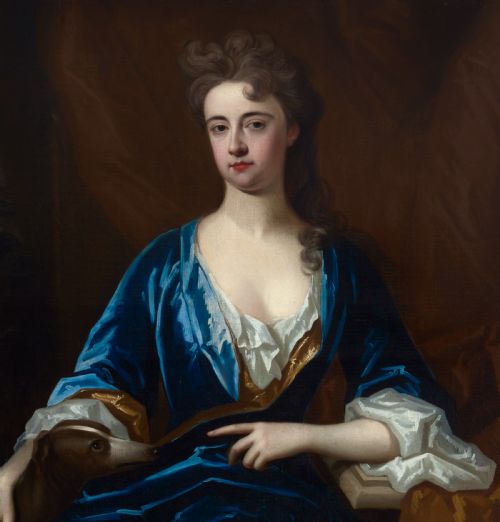
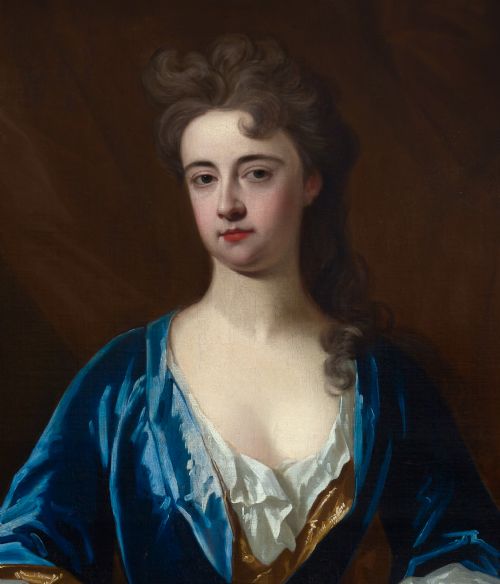
The portrait is striking in its quality and also in its remarkable state of preservation. The azure pigments used in the blue drapery still appear bright and vivid, some 300 years later – a fact that is quite remarkable considering the volatility of this pigment and how it often appears quite abraded and faded today in works of this age.
Presented in a good antique carved frame.
Charles d’Agar was a prolific artist and his graceful portraits are mannered and competent and were in high demand. His female sitters are easily recognised.
Born in Paris in 1669, was the son of painter Jacques (Jacob) d'Agar. As protestants the d’Agar family immigrated to London sometime between 1678 and 1681 by which time Jacques was officially expelled from the French Academy on religious grounds. Father and son both worked in London up to 1684 painting well known individuals such as Charles II’s French mistress, Louise de Keroualle, Duchess of Portsmouth, before moving to Copenhagen c. 1685. This painting was among a group of paintings listed as having been brought with them from England to Denmark that Jacques eventually sold to the King of Denmark in 1702.
Full description at: www.titanfineart.com
Titan Fine Art has dated this Oil on Canvas Portrait to the 18th Century.
Specialist in 17th & 18thc portraits. Highly curated selection, museum-level research & pro conservation. Exceptional art, expertly vetted.
You can view the stock and full dealer information on the Titan Fine Art Profile Page
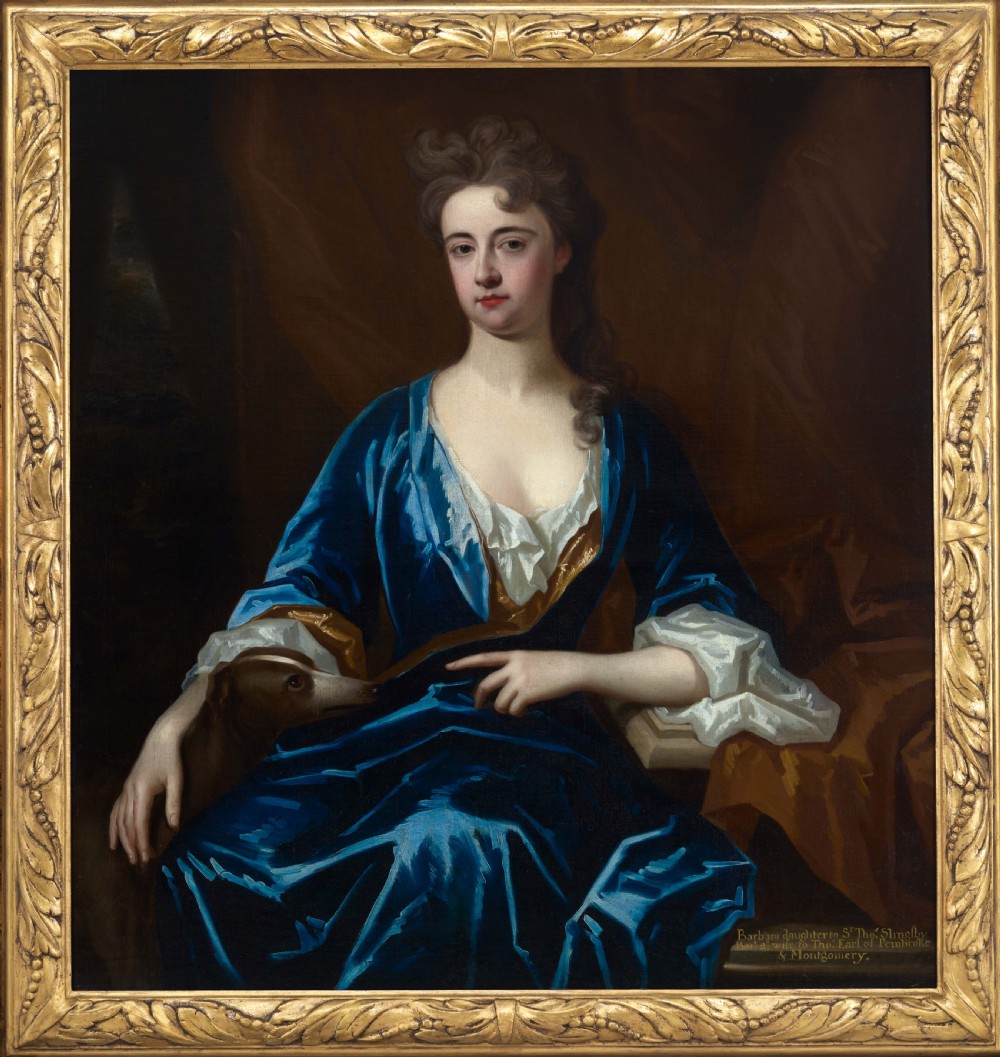
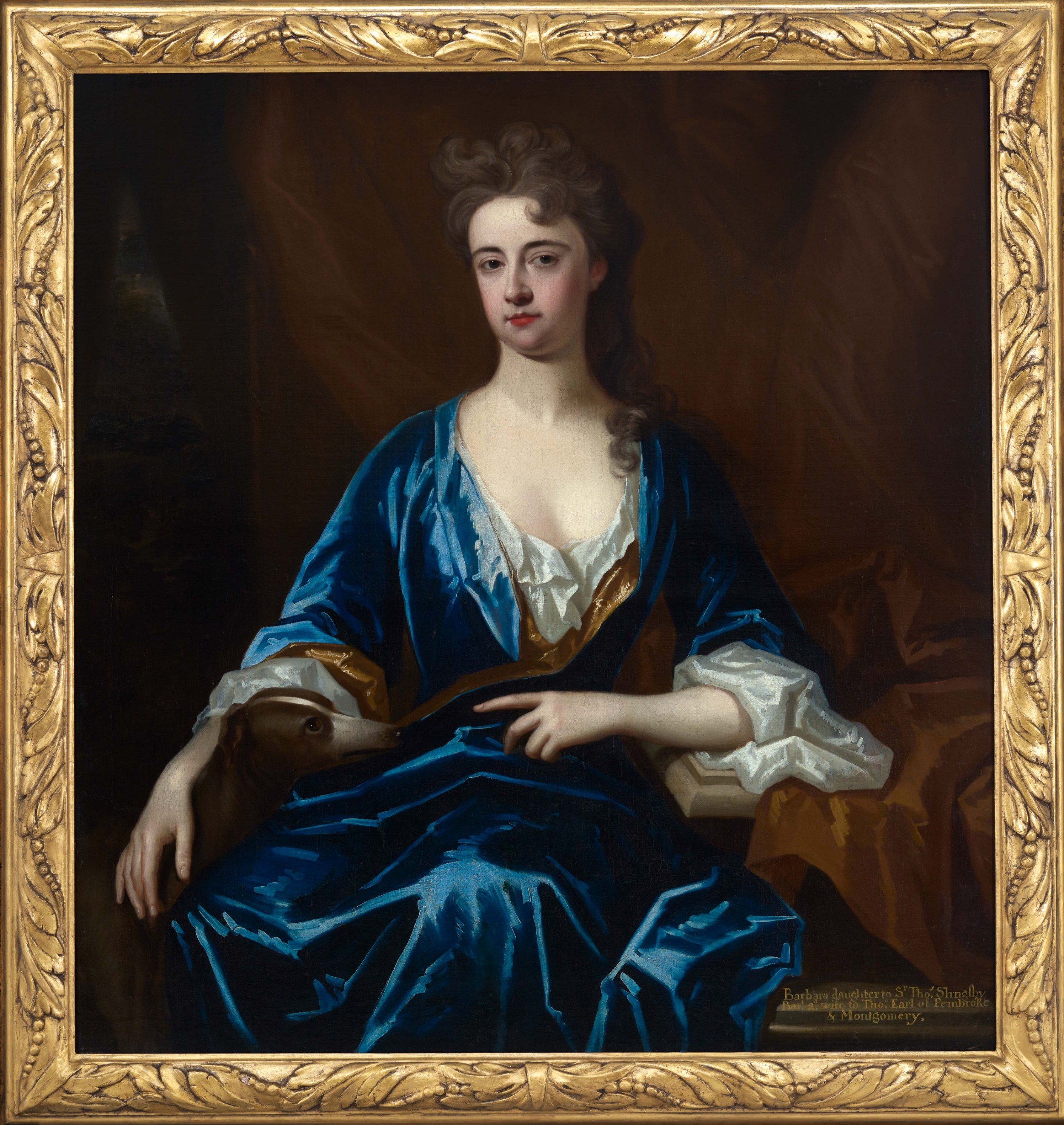
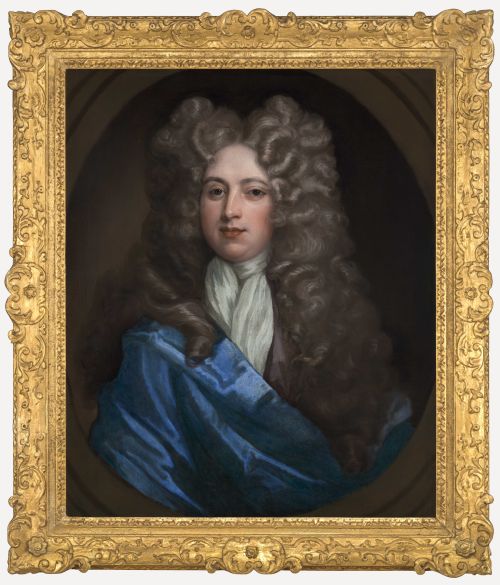
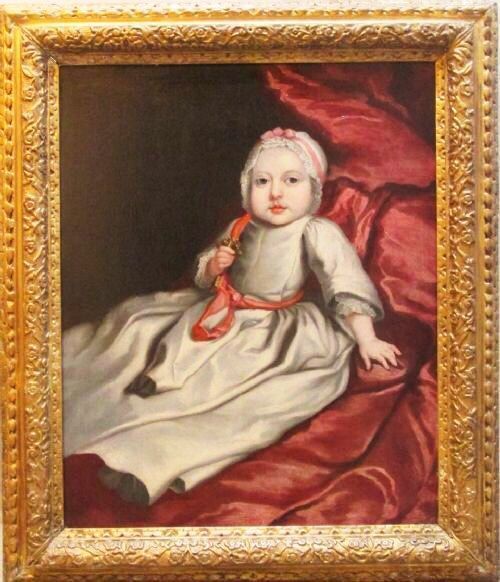
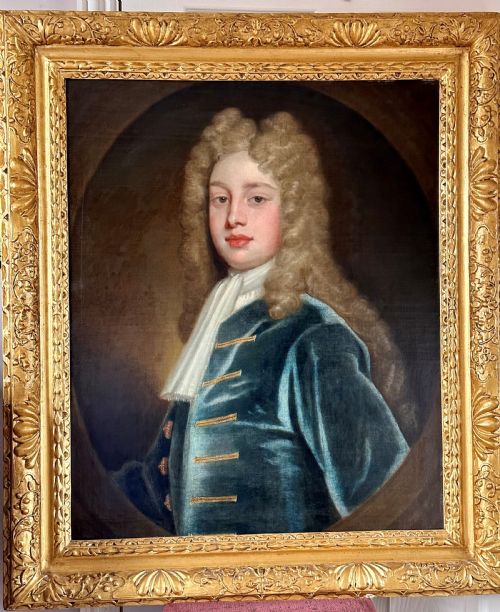
Portrait of a Lady, Barbara Herbert, Countess of Pembroke C.1708; Charles D’agar (1669-1723), Oil on Canvas Painting