16,184  PAGES BROWSED TODAY PAGES TODAY 109 ANTIQUES UPLOADED TODAYNEW ARRIVALS
109 ITEMS ADDED TODAY
Sort Order
Items Per Page
Browse Categories
Sort order
Items per page
ID #SA119305
SOLD
Email Phone WhatsApp
Save
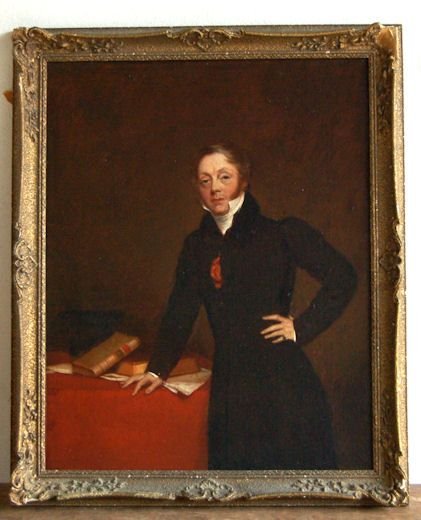
English School 19th Century Portrait of Henry John Temple, 3rd Viscount Palmerston, Kc, Gcb, Pc, 1784-1865
Sold by Artware Fineart
sold SA119305
Sorry, but this item has been sold.

Artware Fineart

Sellingantiques Verified Since Sep 2008
Id #SA119305
PDF SHARE
SAVE

English School 19th Century Portrait of Henry John Temple, 3rd Viscount Palmerston, Kc, Gcb, Pc, 1784-1865

19th century
Description

Henry John Temple, son of the Irish peer, Viscount Palmerston, was born at Broadlands, Hampshire, on 29th October, 1784. Educated at Harrow and St. John's College, Cambridge. At 22 Palmerston, a Tory, paid £1,500 to became the MP for Horsham. The legality of the election was challenged and the following year Sir Leonard Holmes, arranged for Palmerston to become MP for his pocket borough of Newtown on the Isle of Wight (in 1811 he became MP for Cambridge University). Later that year, Palmerston's guardian, Lord Malmesbury, arranged for him to become appointed as lord of the admiralty in the government of the Duke of Portland. In October 1809, the new Prime Minister, Spencer Perceval, offered Palmerston the post of Chancellor of the Exchequer. As he was only twenty-five years old, Palmerston thought he was too young for this high office and instead accepted the post of Secretary at War. Lord Palmerston held this post for 20 years serving five Prime Ministers, Lord Liverpool, George Canning, Lord Goderich and the Duke of Wellington.
Palmerston accepted the offer to join Lord Grey and his Whig government in 1830 and became Secretary of State for Foreign Affairs, and for the next two years was preoccupied with persuading France and Holland to accept that independence of Belgium. Although Palmerston had previously been opposed to parliamentary reform, he agreed to support Grey's proposed measures. The decision upset his electors at Cambridge University and he was forced to move to Bletchley and when this seat disappeared as a result of the 1832 Reform Act he became the MP for South Hampshire. Between 1832 and 1852 Lord Palmerston served both Whig (Lord Melbourne, Lord John Russell) and Tory (Sir Robert Peel) governments. He was strongly disliked by Queen Victoria. Palmerston believed the main objective of the government's foreign policy should be to increase Britain's power in the world. This sometimes involved adopting policies that embarrassed and weakened foreign governments. Victoria and her husband, Prince Albert, on the other hand, believed that the British government should do what it could to help preserve European royal families against revolutionary groups advocating republicanism. Queen Victoria also objected to Palmerston's sexual behaviour. On one occasion he had attempted to seduce one of Victoria's ladies in waiting. Palmerston entered Lady Dacre's bedroom while staying as Victoria's guest at Windsor Castle. Only Lord Melbourne's intervention saved Palmerston from being removed from office.In the summer of 1850, Queen Victoria asked Lord John Russell to dismiss Palmerston. Russell told the queen he was unable to do this because Palmerston was very popular in the House of Commons. However, in December 1851, Palmerston congratulated Louis Napoleon Bonaparte on his coup in France. This action upset Russell and other radical members of the Whig party and this time he accepted Victoria's advice and sacked Palmerston. Six weeks later Palmerston took revenge by helping to bring down Lord John Russell's government. In 1855 Lord Palmerston, aged seventy, became Prime Minister. Queen Victoria found it difficult to work with him but their relationship gradually improved. She later wrote in her journal: "We had, God knows! terrible trouble with him about Foreign Affairs. Still, as Prime Minister he managed affairs at home well, and behaved to me well. But I never liked him." Palmerston first period as Prime Minister lasted for three years.

His second period started in 1859. The main foreign events included the American Civil War and Napoleon III's war with Austria. The main domestic issue involved the debate over parliamentary reform. Parliament was dissolved on 6th July 1865. Although nearly 81 , Palmerston refused to retire and once again was elected to Parliament. However, before he could take up office he became very ill and died on 18th October, 1865

Declaration

Artware Fineart has dated this piece to the 1800s.

Reference Numbers
Sellingantiques Reference
SA119305
Dealers Internal Reference
3435
Description
Henry John Temple, son of the Irish peer, Viscount Palmerston, was born at Broadlands, Hampshire, on 29th October, 1784. Educated at Harrow and St. John's College, Cambridge. At 22 Palmerston, a Tory, paid £1,500 to became the MP for Horsham. The legality of the election was challenged and the following year Sir Leonard Holmes, arranged for Palmerston to become MP for his pocket borough of Newtown on the Isle of Wight (in 1811 he became MP for Cambridge University).
Later that year, Palmerston's guardian, Lord Malmesbury, arranged for him to become appointed as lord of the admiralty in the government of the Duke of Portland.
Artware Fineart

In October 1809, the new Prime Minister, Spencer Perceval, offered Palmerston the post of Chancellor of the Exchequer. As he was only twenty-five years old, Palmerston thought he was too young for this high office and instead accepted the post of Secretary at War. Lord Palmerston held this post for 20 years serving five Prime Ministers, Lord Liverpool, George Canning, Lord Goderich and the Duke of Wellington.

fig 1. English School 19th Century Portrait of Henry John Temple, 3rd Viscount palmerston, KC, GCB, PC, 1784-1865
fig 1. English School 19th Century Portrait of Henry John Temple, 3rd Viscount Palmerston, Kc, Gcb, Pc, 1784-1865

Palmerston accepted the offer to join Lord Grey and his Whig government in 1830 and became Secretary of State for Foreign Affairs, and for the next two years was preoccupied with persuading France and Holland to accept that independence of Belgium. Although Palmerston had previously been opposed to parliamentary reform, he agreed to support Grey's proposed measures. The decision upset his electors at Cambridge University and he was forced to move to Bletchley and when this seat disappeared as a result of the 1832 Reform Act he became the MP for South Hampshire. Between 1832 and 1852 Lord Palmerston served both Whig (Lord Melbourne, Lord John Russell) and Tory (Sir Robert Peel) governments. He was strongly disliked by Queen Victoria. Palmerston believed the main objective of the government's foreign policy should be to increase Britain's power in the world. This sometimes involved adopting policies that embarrassed and weakened foreign governments. Victoria and her husband, Prince Albert, on the other hand, believed that the British government should do what it could to help preserve European royal families against revolutionary groups advocating republicanism. Queen Victoria also objected to Palmerston's sexual behaviour. On one occasion he had attempted to seduce one of Victoria's ladies in waiting. Palmerston entered Lady Dacre's bedroom while staying as Victoria's guest at Windsor Castle. Only Lord Melbourne's intervention saved Palmerston from being removed from office.In the summer of 1850, Queen Victoria asked Lord John Russell to dismiss Palmerston. Russell told the queen he was unable to do this because Palmerston was very popular in the House of Commons. However, in December 1851, Palmerston congratulated Louis Napoleon Bonaparte on his coup in France. This action upset Russell and other radical members of the Whig party and this time he accepted Victoria's advice and sacked Palmerston. Six weeks later Palmerston took revenge by helping to bring down Lord John Russell's government. In 1855 Lord Palmerston, aged seventy, became Prime Minister. Queen Victoria found it difficult to work with him but their relationship gradually improved. She later wrote in her journal: "We had, God knows! terrible trouble with him about Foreign Affairs. Still, as Prime Minister he managed affairs at home well, and behaved to me well. But I never liked him." Palmerston first period as Prime Minister lasted for three years.

His second period started in 1859. The main foreign events included the American Civil War and Napoleon III's war with Austria. The main domestic issue involved the debate over parliamentary reform. Parliament was dissolved on 6th July 1865. Although nearly 81 , Palmerston refused to retire and once again was elected to Parliament. However, before he could take up office he became very ill and died on 18th October, 1865

Date of Manufacture

Artware Fineart has dated this piece to the 1800s.

Reference Numbers
Sellingantiques Ref
SA119305
Dealers Internal Ref
3435
Artware Fineart
Sellingantiques verified Since Sep 2008
Dealer Profile

You can view the stock and full dealer information on the Artware Fineart Profile Page
PDF SHARE
SAVE
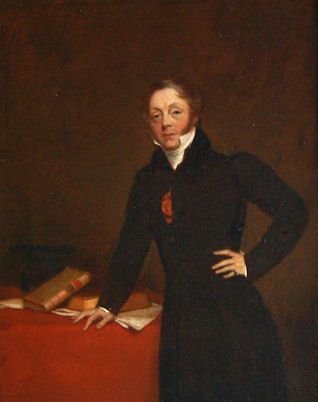
English School 19th Century Portrait of Henry John Temple, 3rd Viscount palmerston, KC, GCB, PC, 1784-1865
1 / 2
Archive I English School 19th Century Portrait of Henry John Temple, 3rd Viscount palmerston, KC, GCB, PC, 1784-1865

English School 19th Century Portrait of Henry John Temple, 3rd Viscount Palmerston, Kc, Gcb, Pc, 1784-1865

Archive II English School 19th Century Portrait of Henry John Temple, 3rd Viscount palmerston, KC, GCB, PC, 1784-1865 View II
Enlarged Archival View
Telephone 07958 699 645
Location
18 La Gare
51 Surrey Row
London
SE1 0BZ
United Kingdom
Verified Since Sep 2008
Items For Sale 243
Items Sold 223
Artware Fineart
Verified Since Sep 2008
View Dealer Info
Location: 18 La Gare , 51 Surrey Row , London , SE1 0BZ , United Kingdom
Verified
Sep 2008
For Sale
243
Sold
223
English School 19th Century Portrait of Henry John Temple, 3rd Viscount palmerston, KC, GCB, PC, 1784-1865
Ref: SA119305
English School 19th Century Portrait of Henry John Temple, 3rd Viscount palmerston, KC, GCB, PC, 1784-1865
Detail View 1
Archival Detail
Every single antique dealer on our platform is individually approved by our internal team. We verify their professional trade history, ethical standards, and photographic quality to ensure a secure, high-standard buying environment. Upon joining, every dealer agrees to a strict 9-point code of conduct. While issues can occasionally arise, our dealers typically resolve them swiftly and directly with the buyer. In fact, since our founding in 2002, Sellingantiques has only had to step in to help resolve an issue on roughly five occasions—a true testament to the quality of our dealers and their dedication to your happiness.
Our dealers are highly experienced in packing and shipping fragile, high-value antiques. Because you are in direct contact with the dealer, you will be able to easily go through all available shipping and insurance options together to ensure your item arrives safely.
Antiques are the ultimate green purchase. By choosing historical pieces over newly manufactured goods, you completely eliminate the carbon footprint of modern mass production while preserving exceptional, timeless craftsmanship.
items
Add keywords to the filter
Price
£100
£250000
Era
Movements
Material
Origin
Stock Location
Freshness
Online Payments
Categories