Cheshire Antiques Consultant Ltd has dated this piece to the 19th Century.
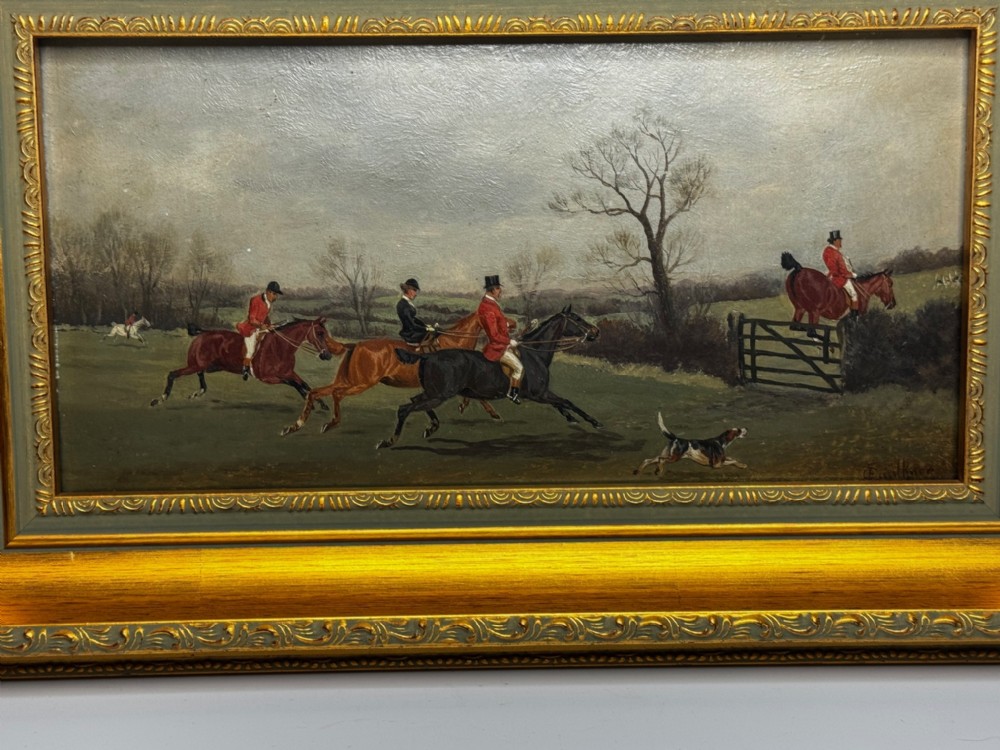
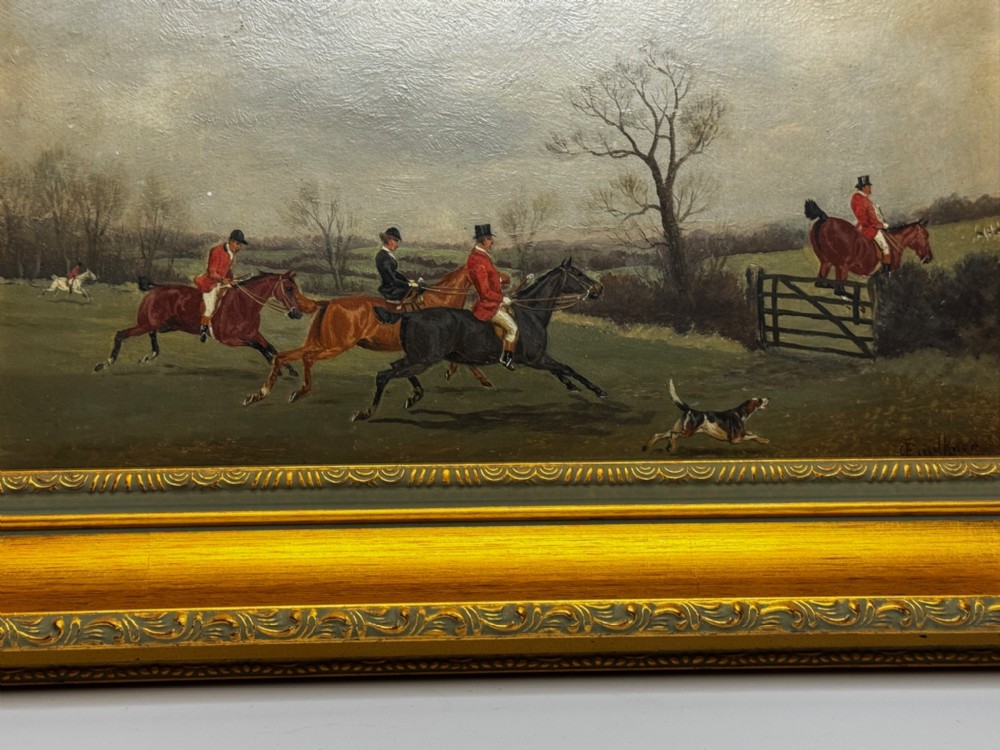
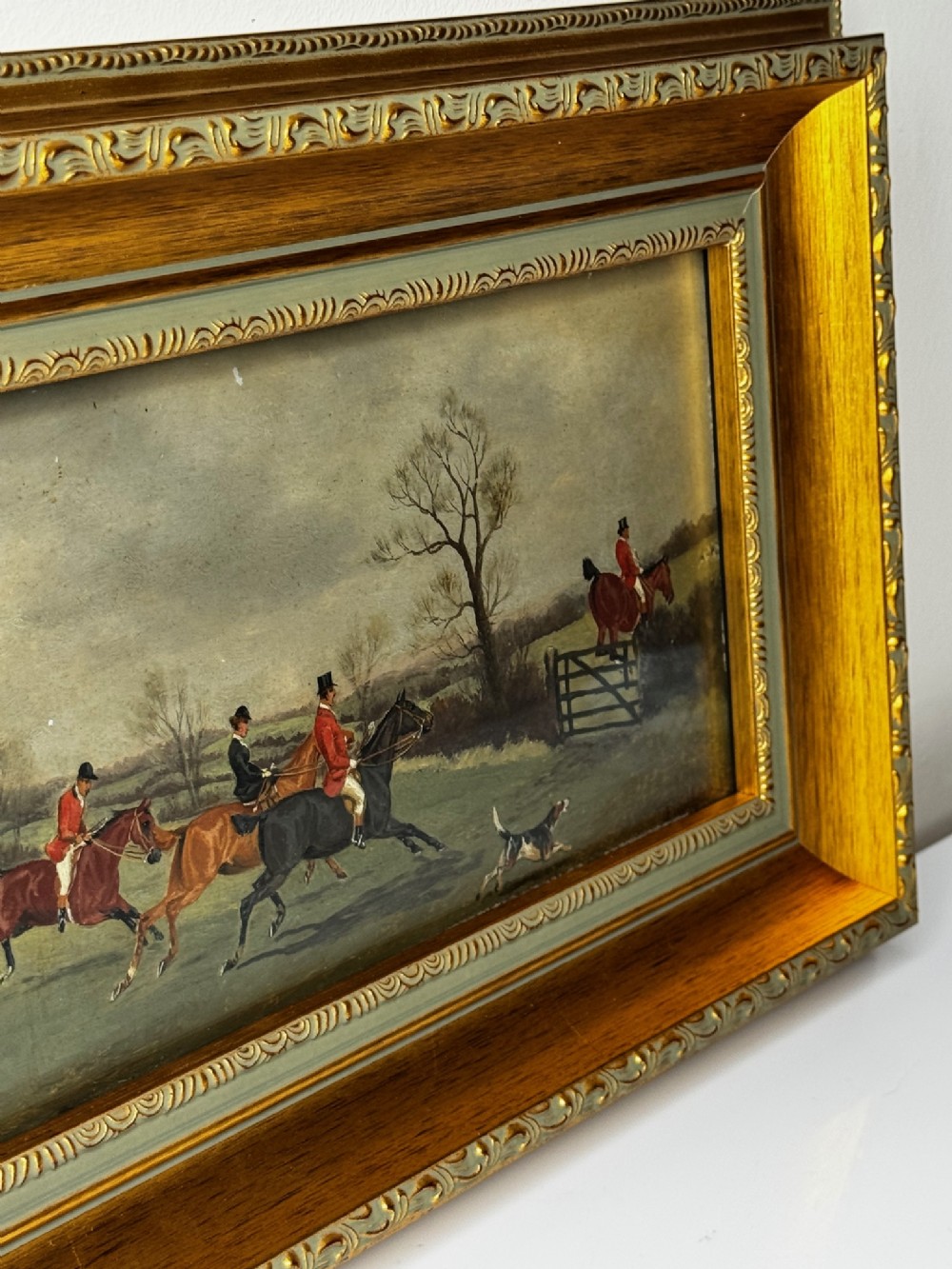
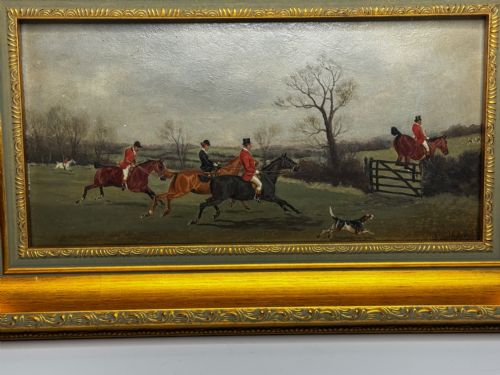
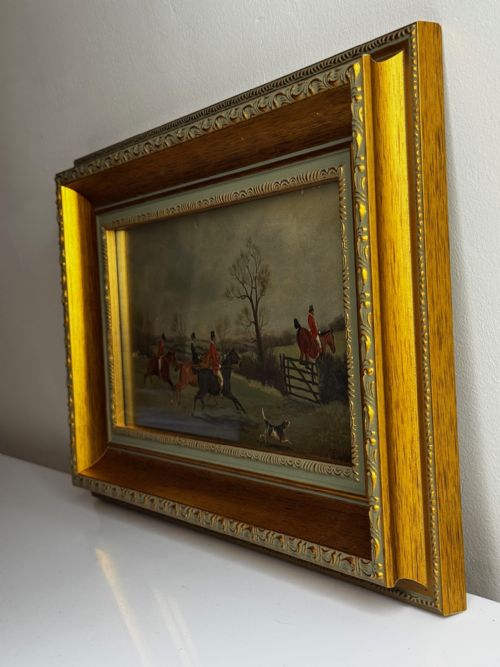
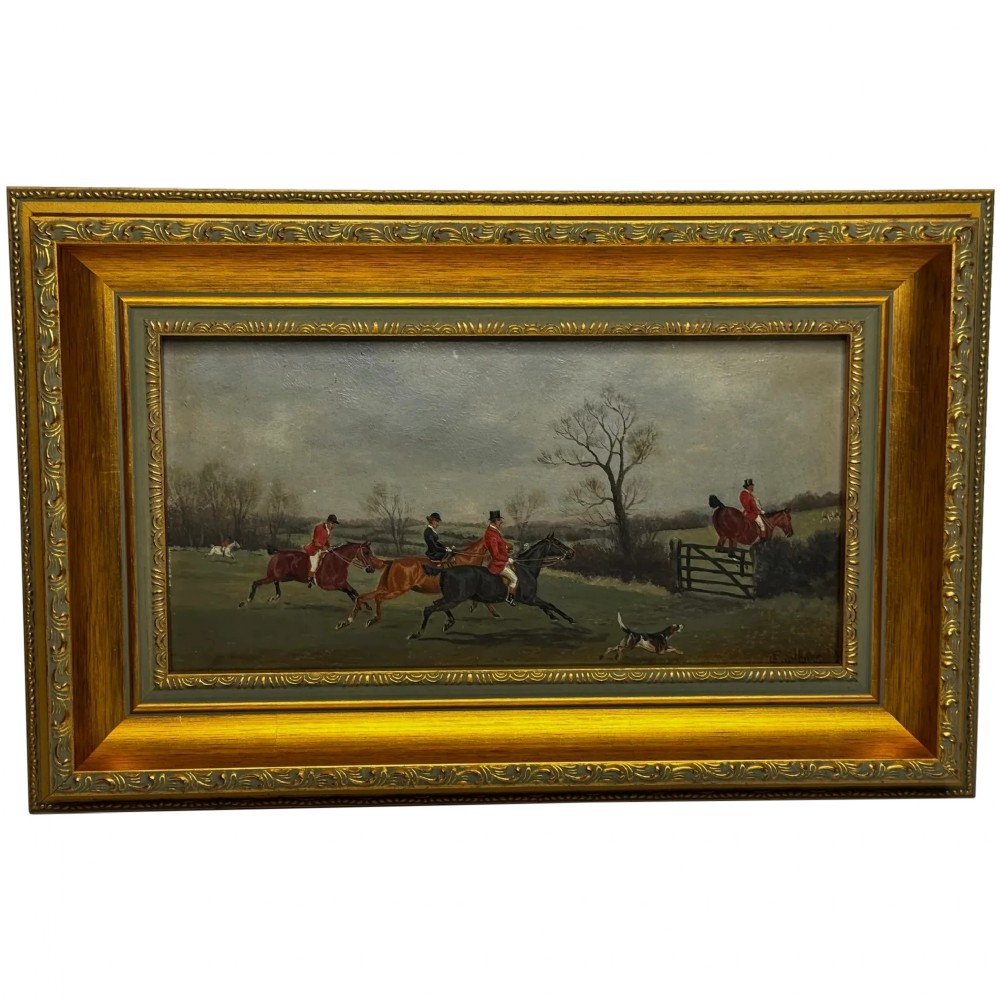
Full Cry (The Berkeley Hunt)
By Charles Faulkner (British, active c.1874–1900)
(This work is number 3 of 4 in the series.
)
Subject & Medium
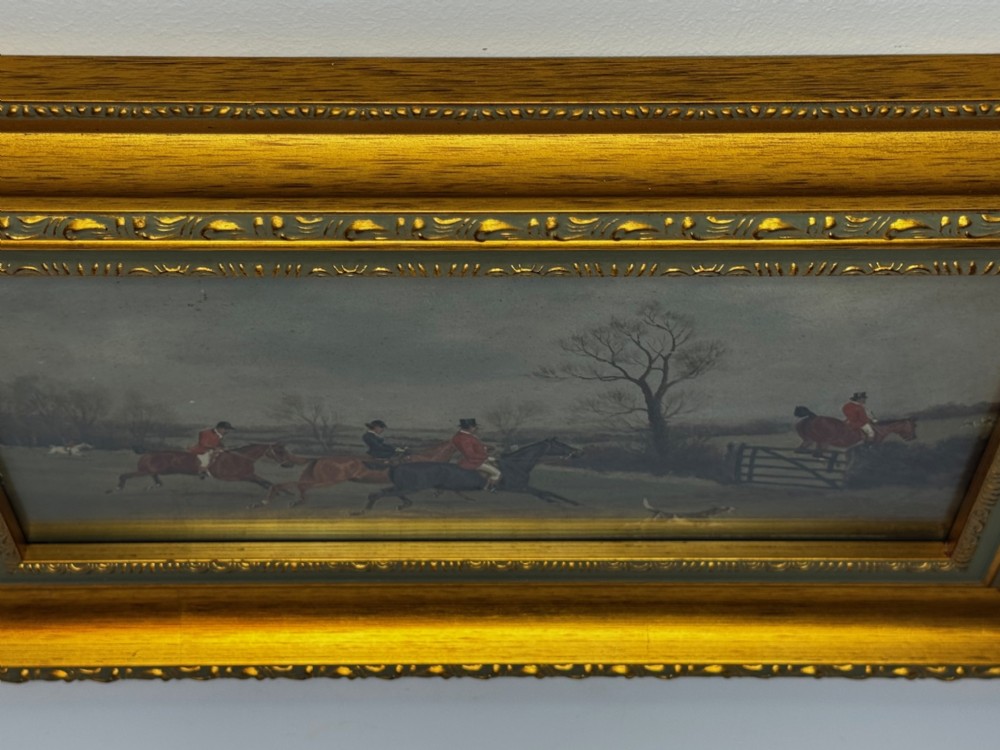
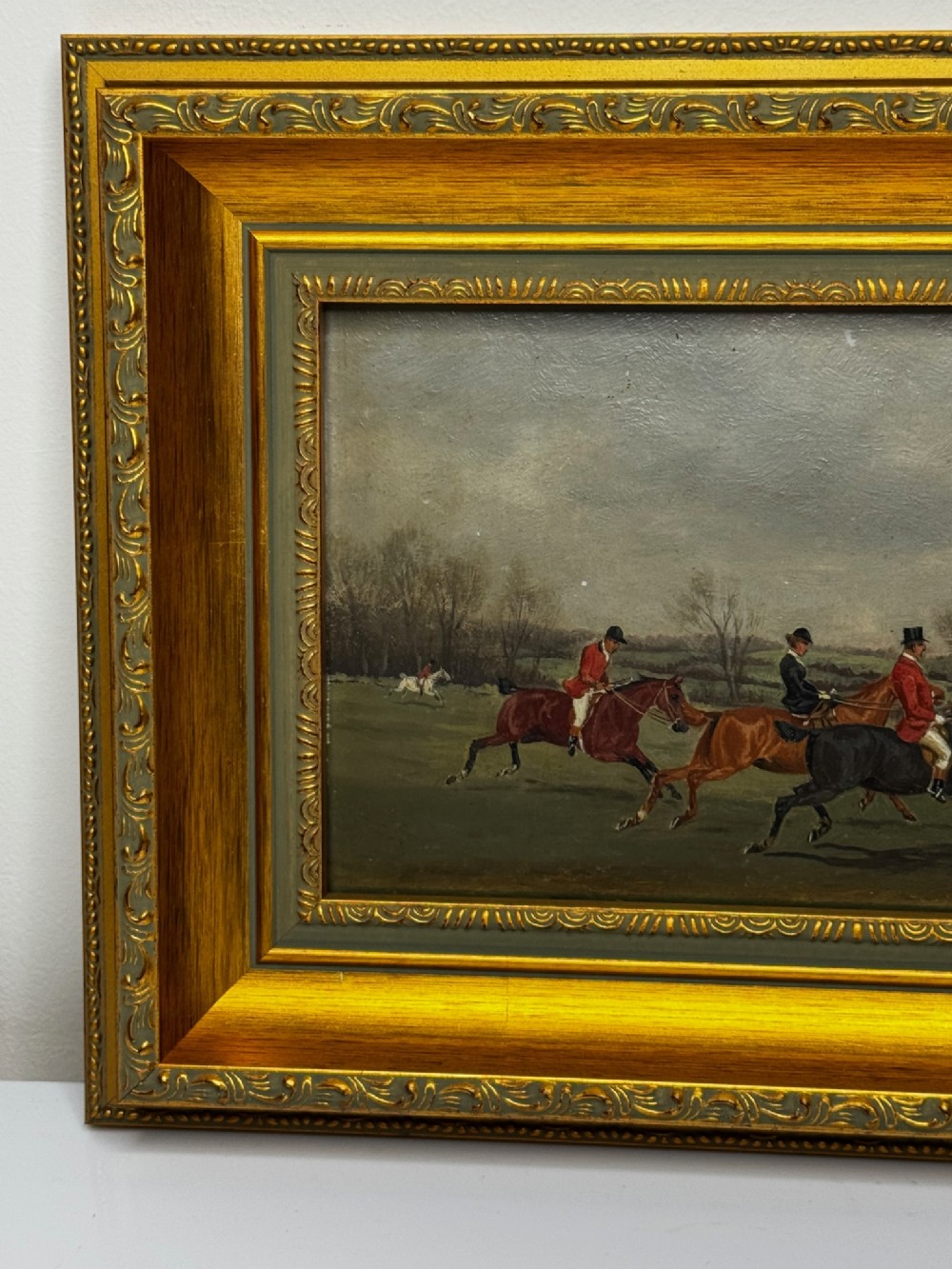
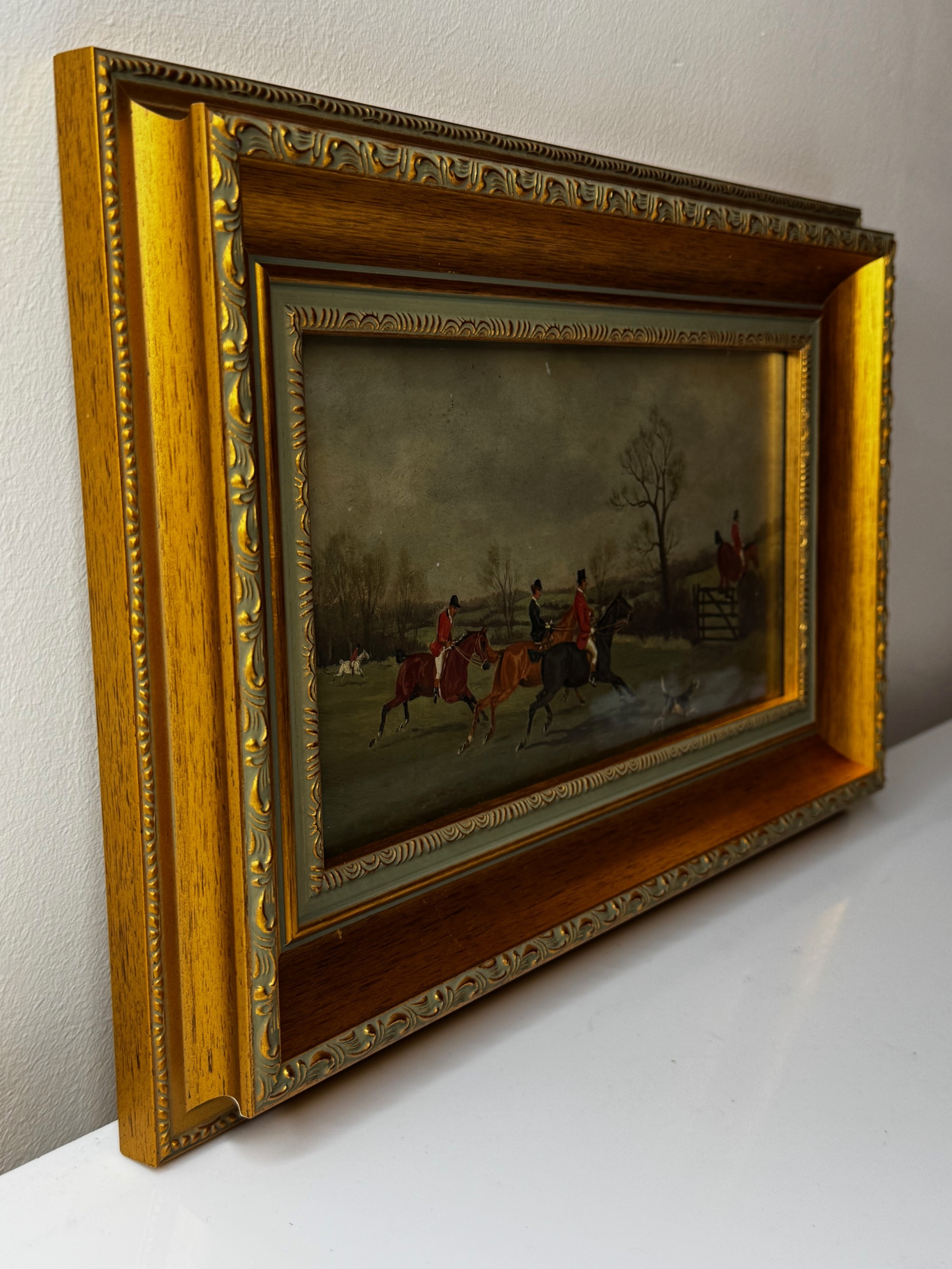
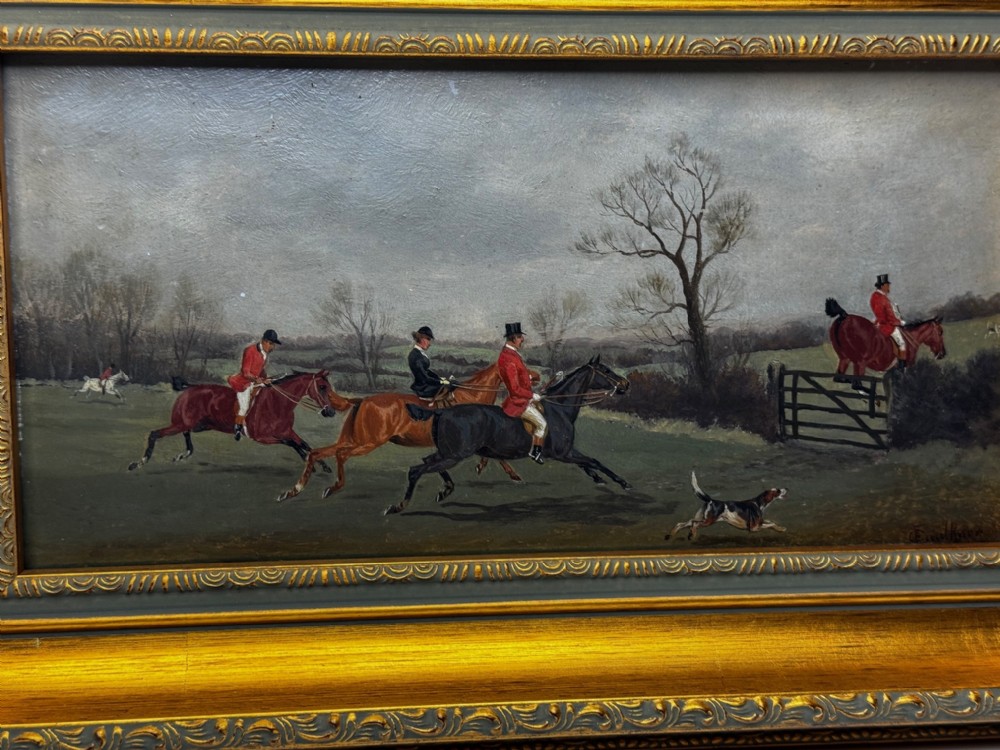
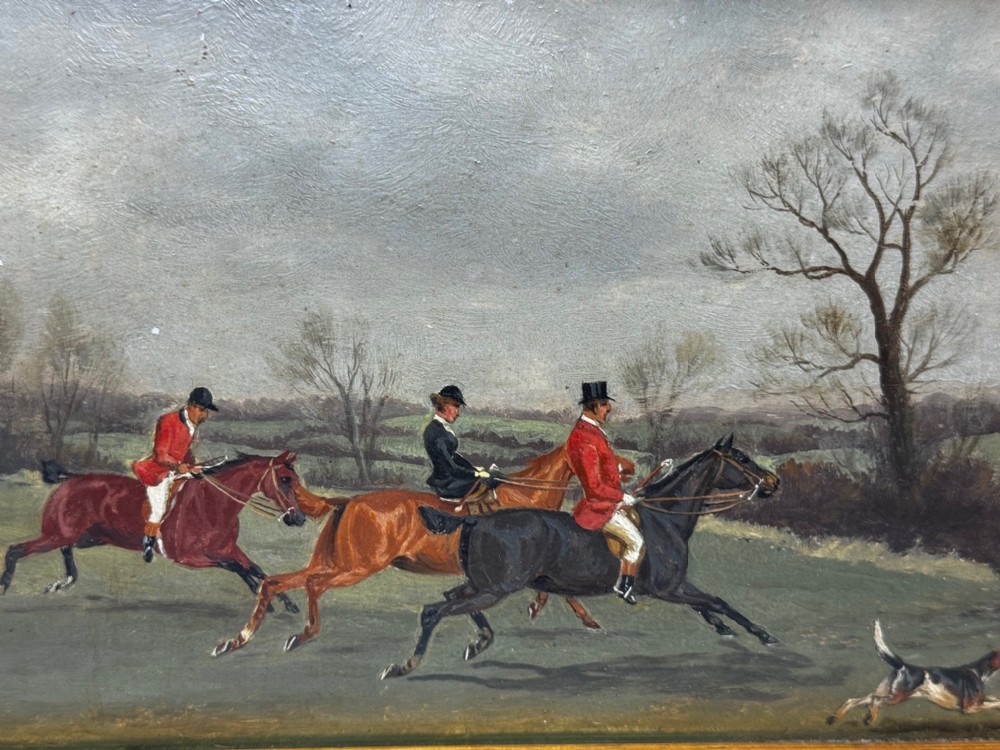
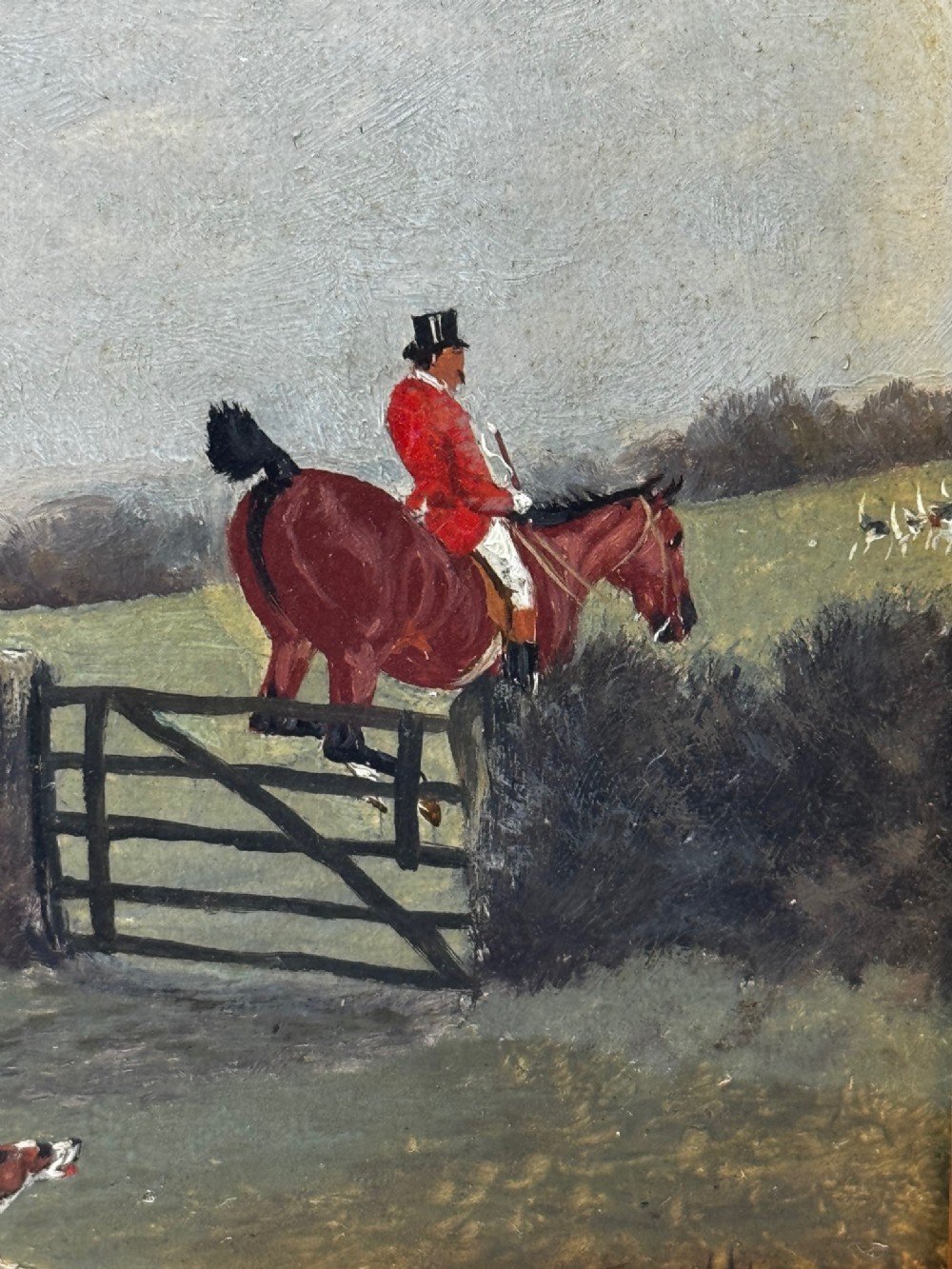
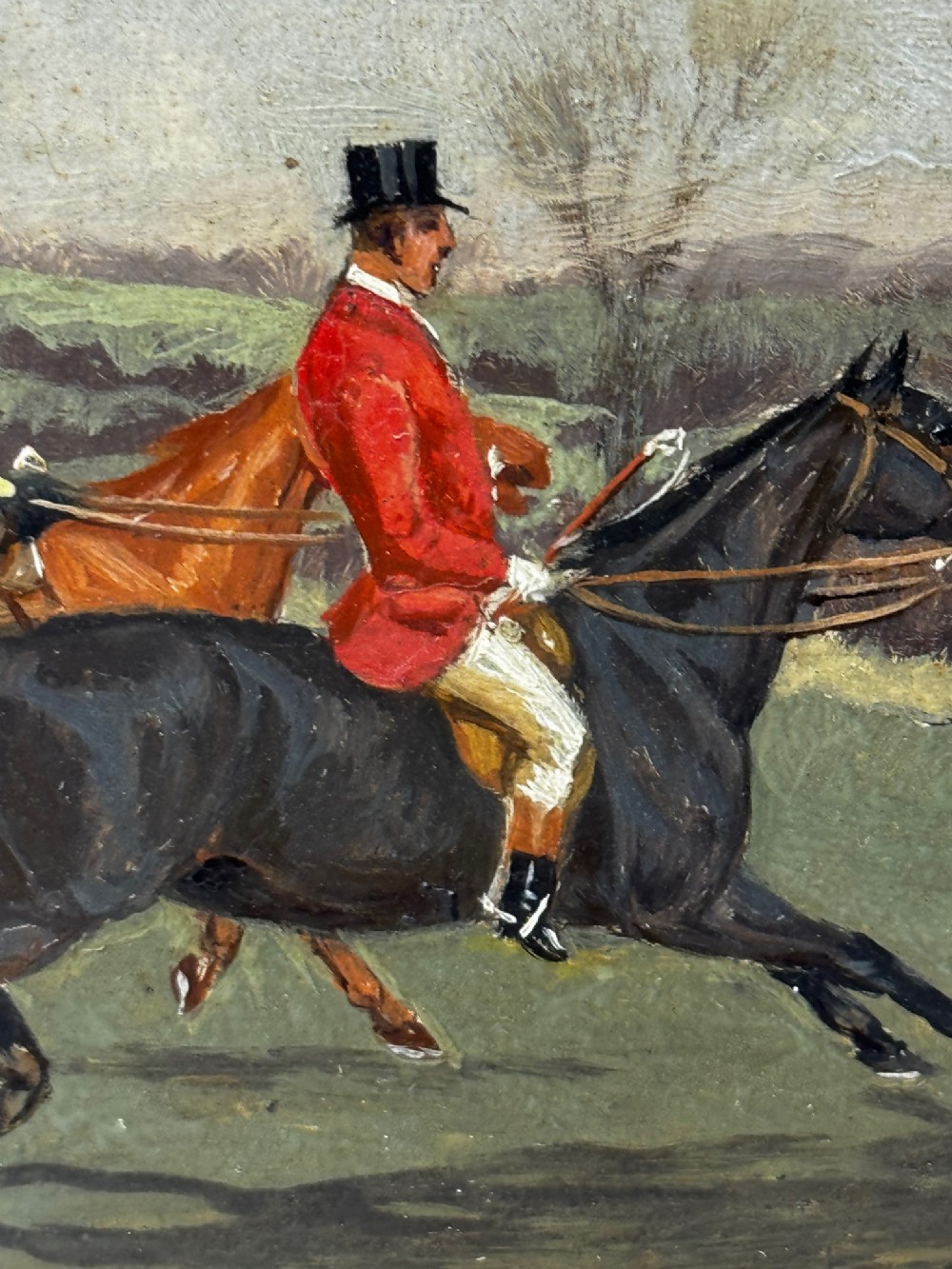
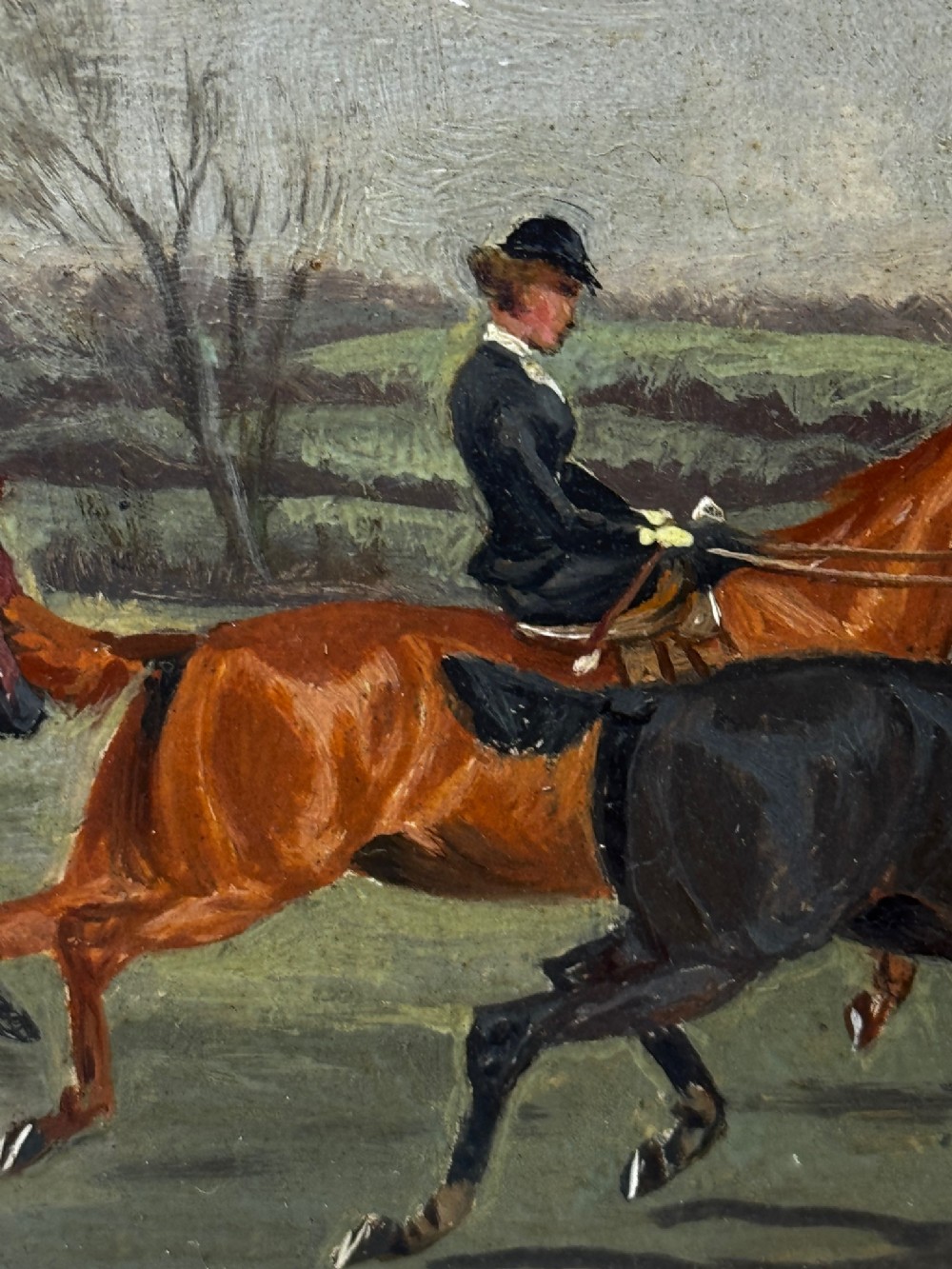
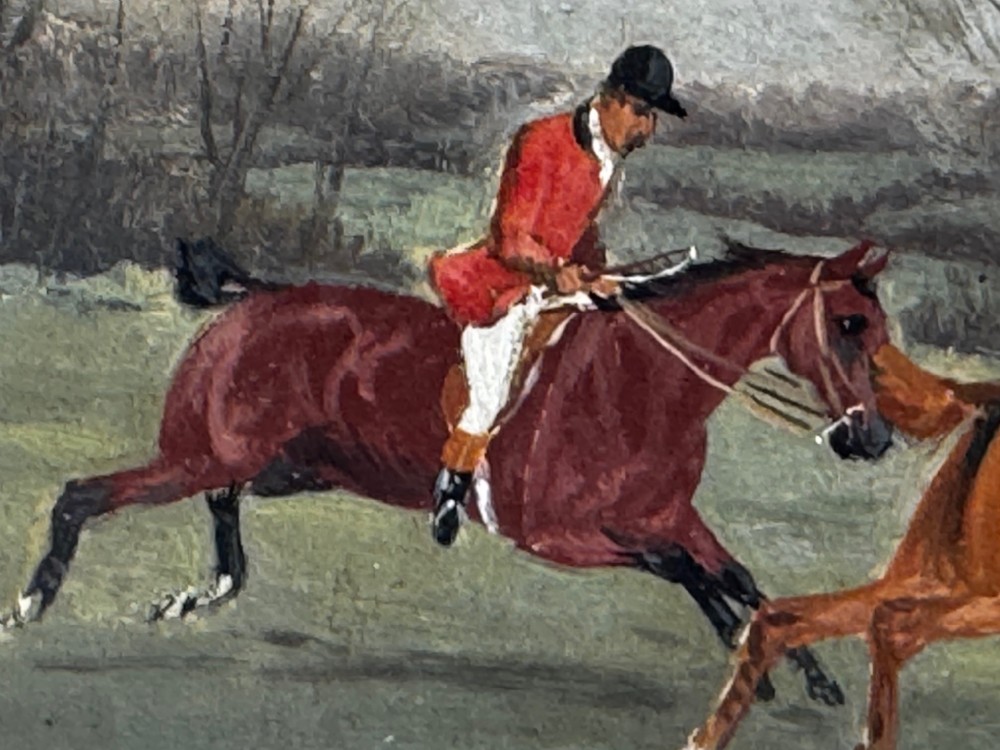
Full Cry (The Berkeley Hunt) is a finely detailed oil on board capturing the most exhilarating moment of a traditional English foxhunt. Faulkner’s medium-scale works are admired for their clarity, precision, and narrative energy. Here, the smooth board surface enables controlled, accurate figure work while still allowing atmospheric breadth in the surrounding countryside. The result is a compelling blend of documentary realism and Victorian romanticism.
Composition & Technique
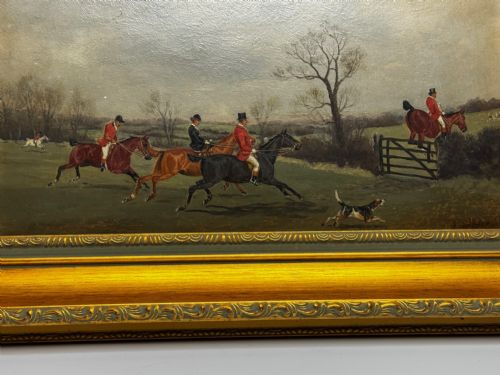
This composition reflects Faulkner’s mastery of movement, rhythm, and spatial narrative.
Dynamic Foreground
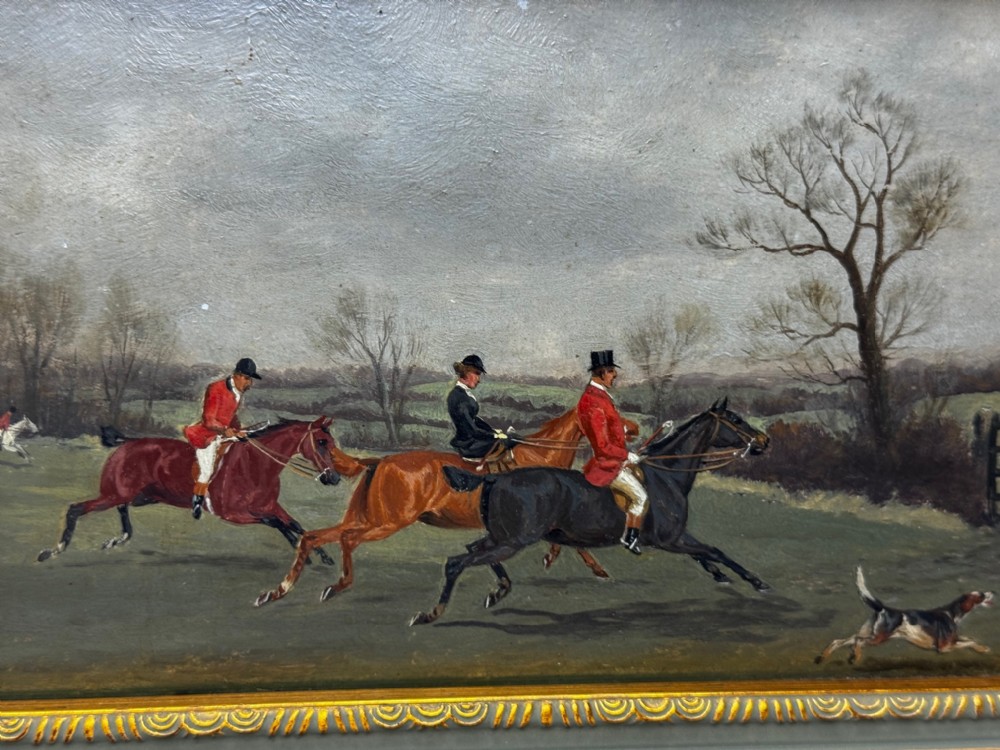
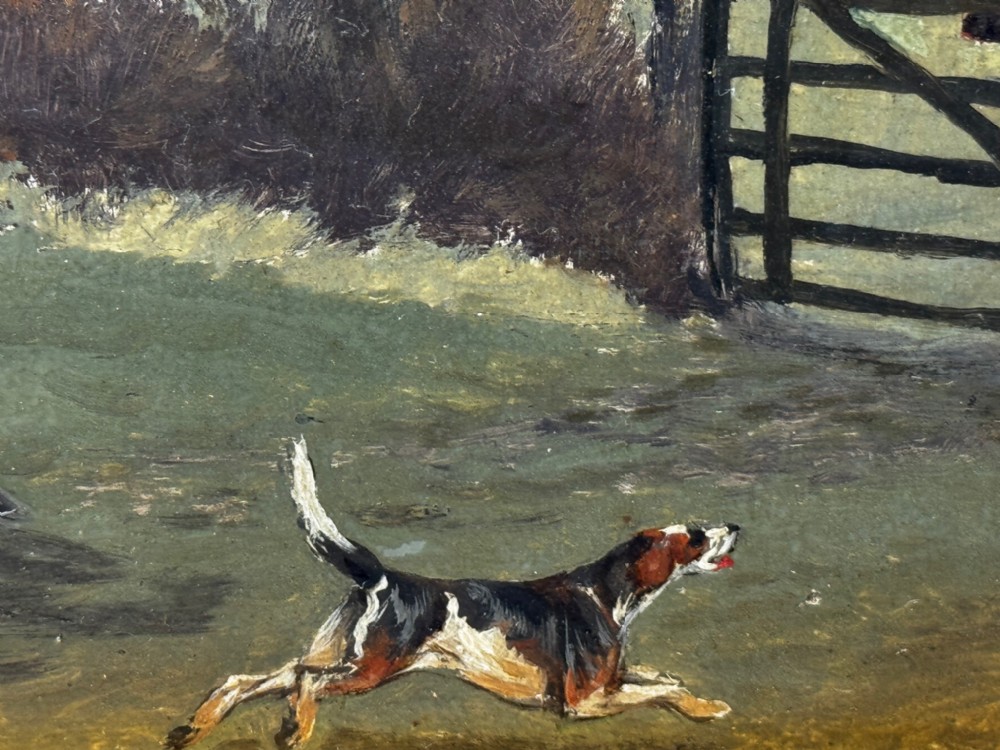
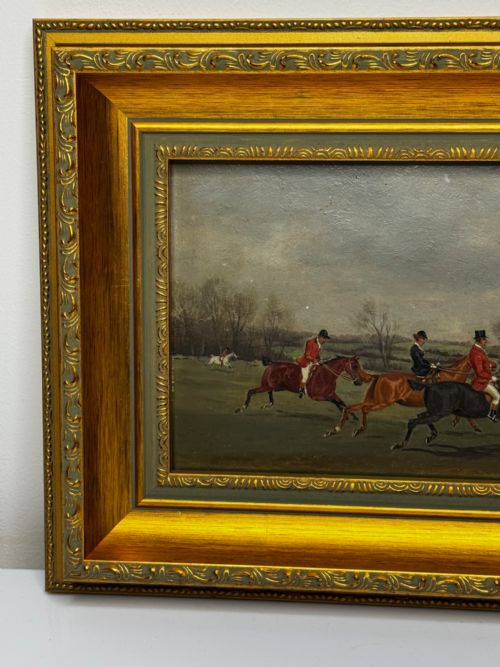
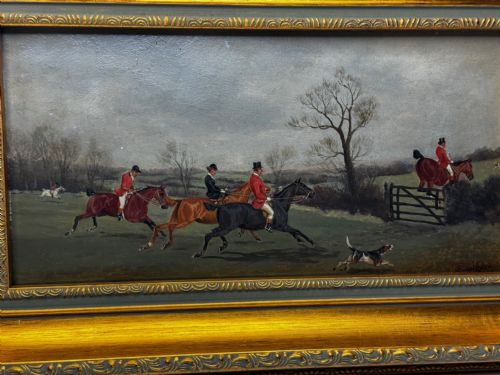
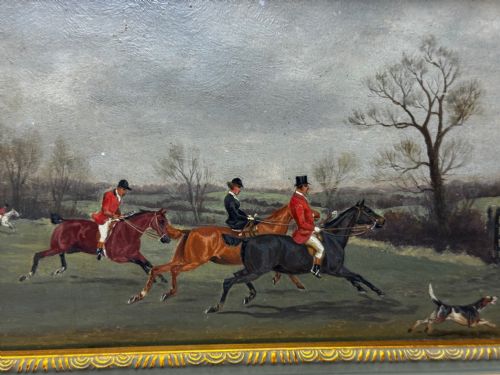
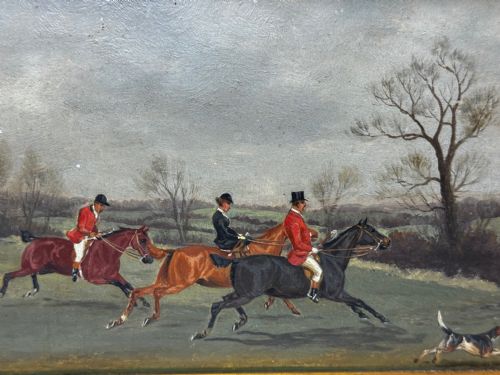
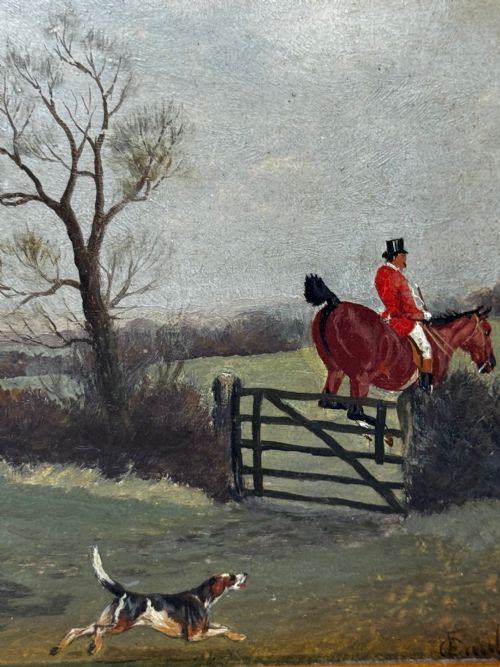
• A leading hound stretches forward in full stride, establishing the pace of the chase.
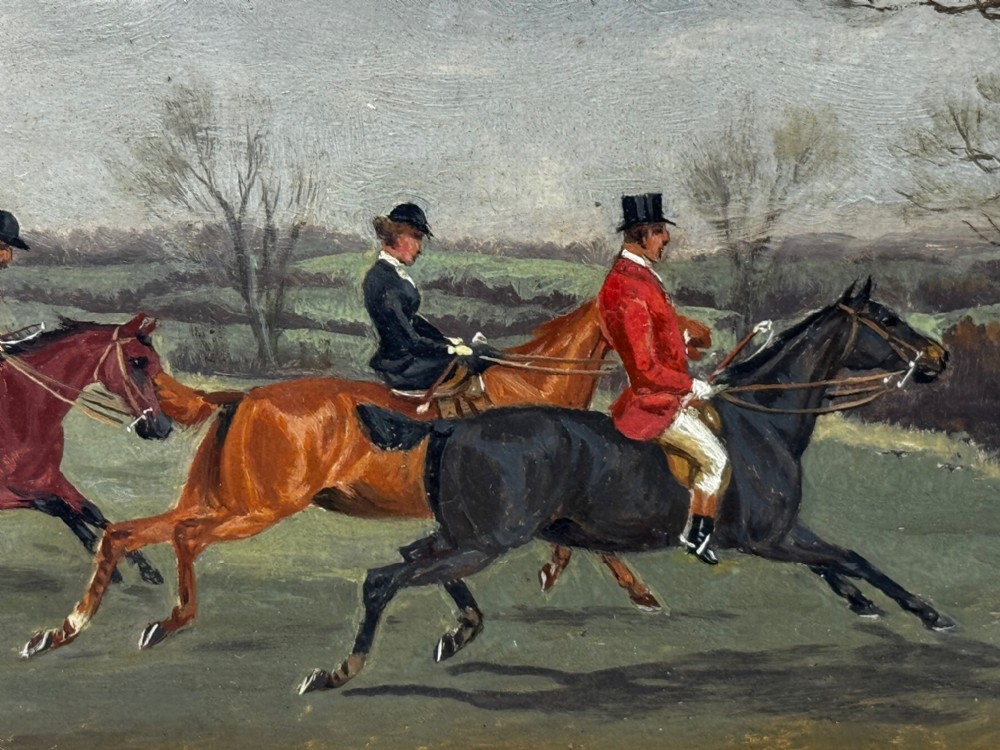
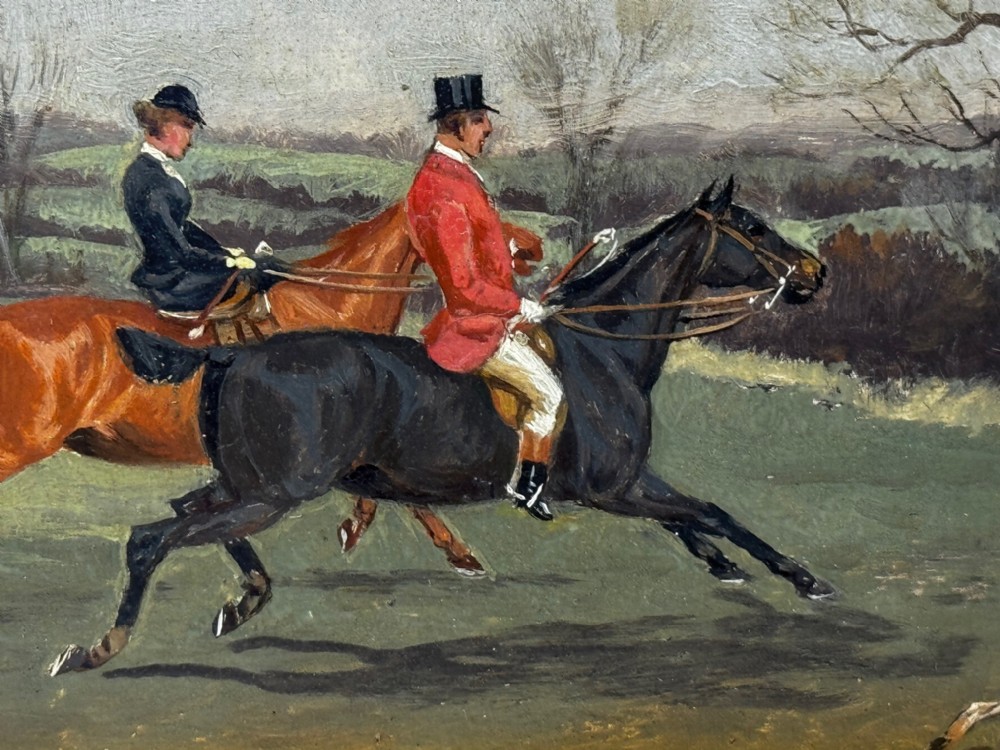
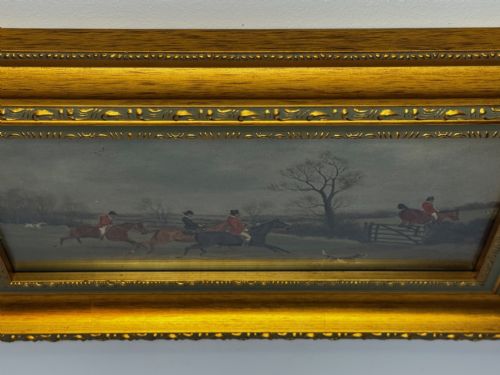
• Three central huntsmen gallop in synchronised motion atop bay, chestnut, and dark brown horses, each rendered with anatomical accuracy.
• Rider postures, rein tension, and immaculate details—hats, coats, and tack—highlight Faulkner’s close observational skill.
Midground and Structural Drama
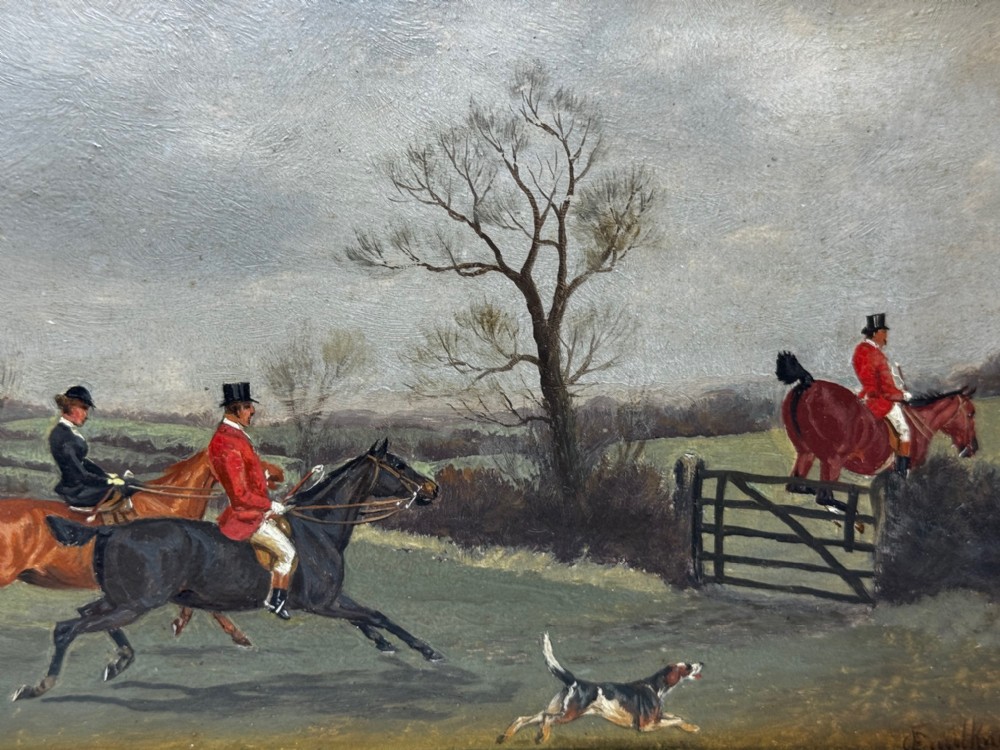
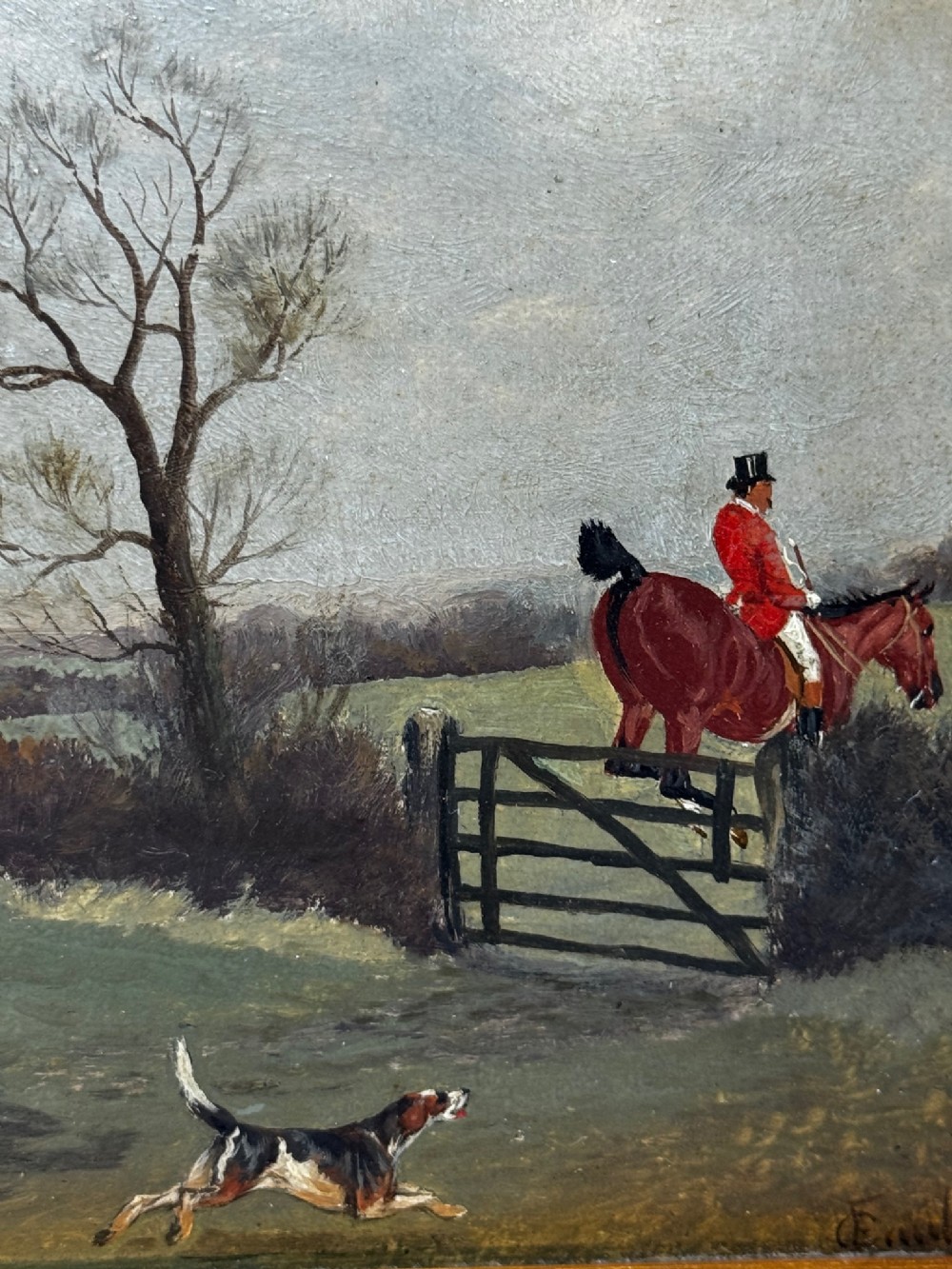
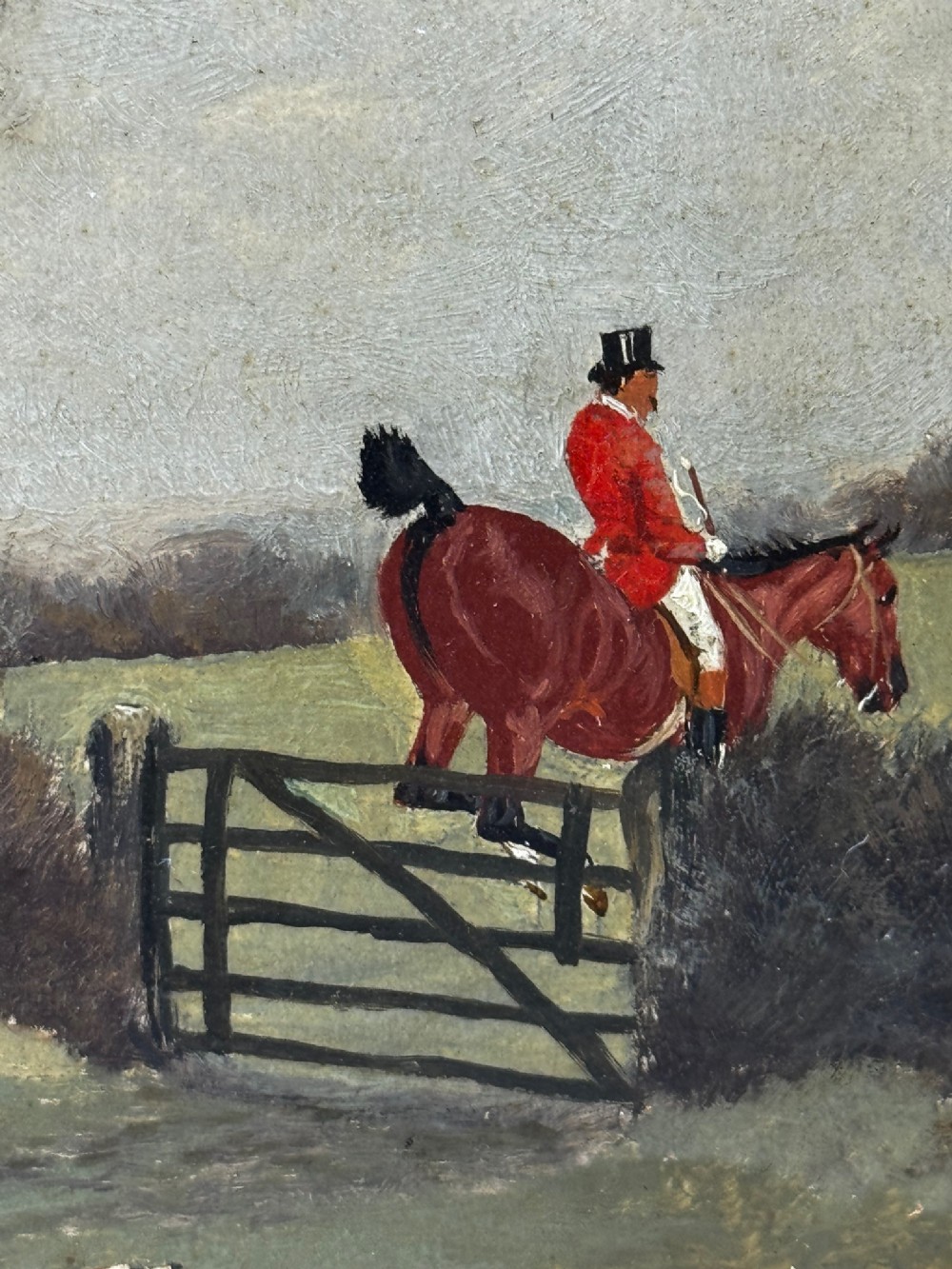
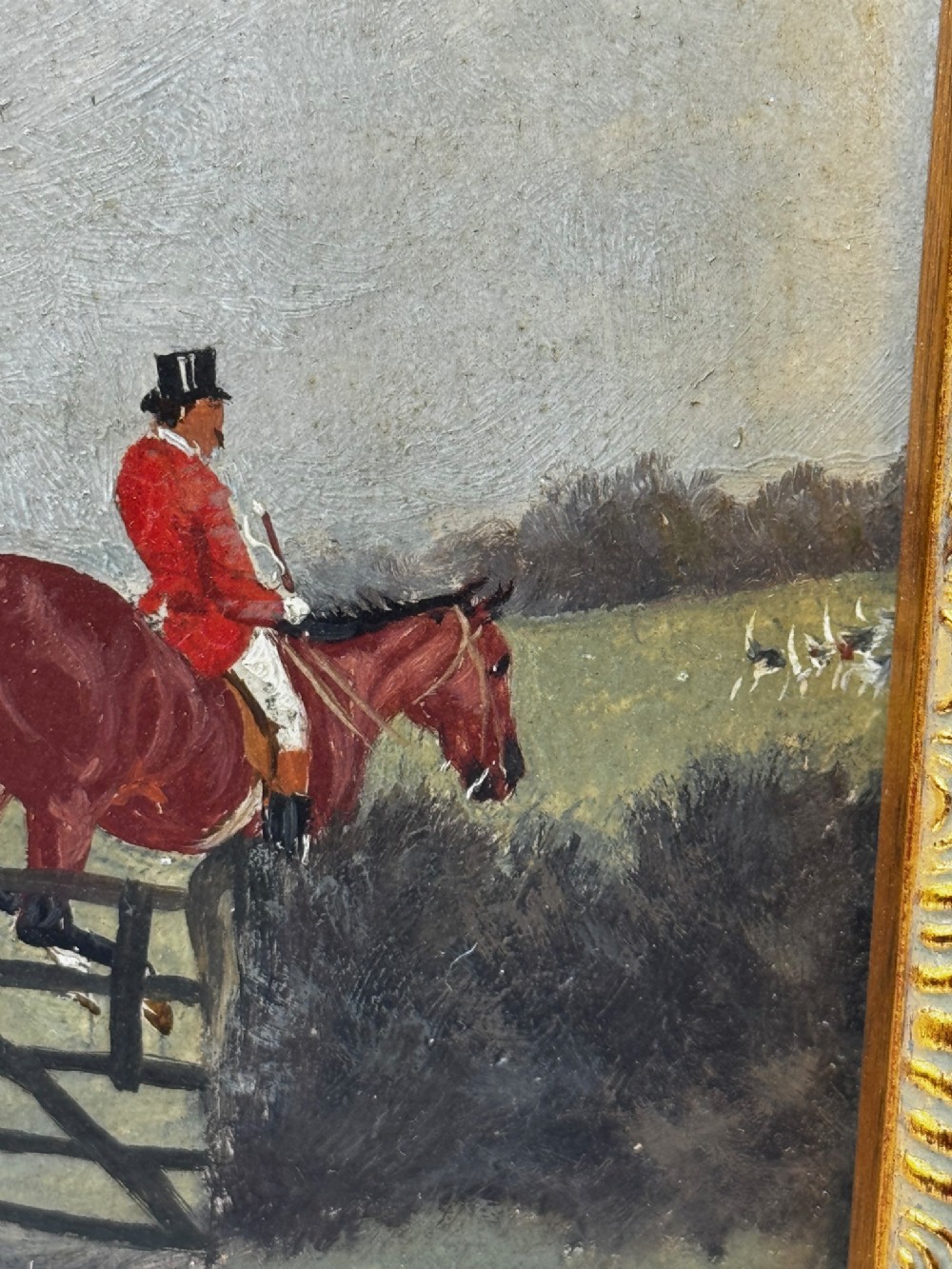
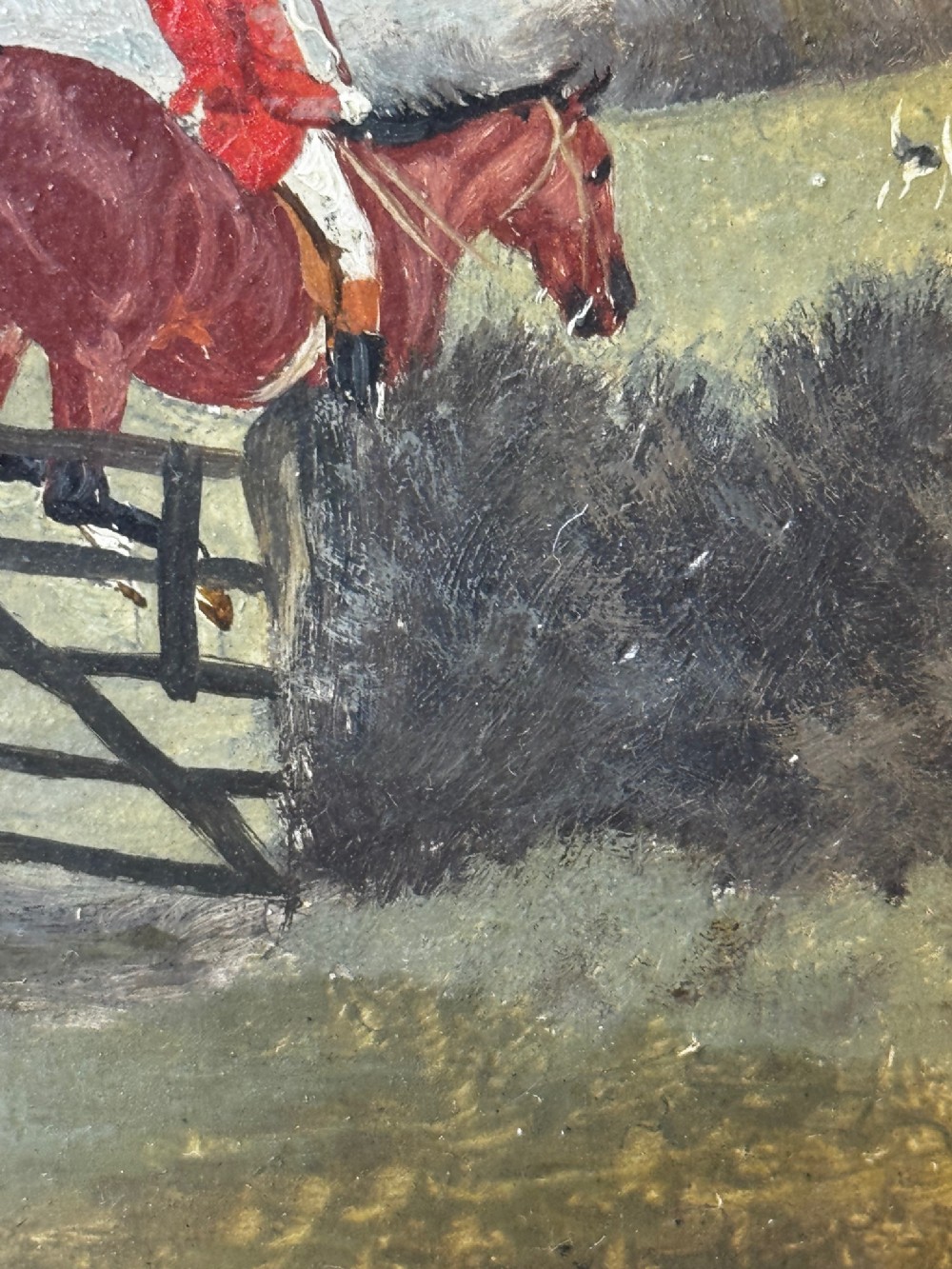
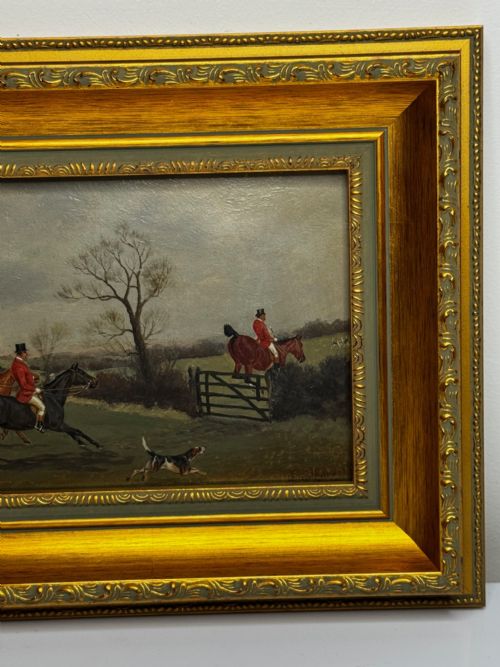
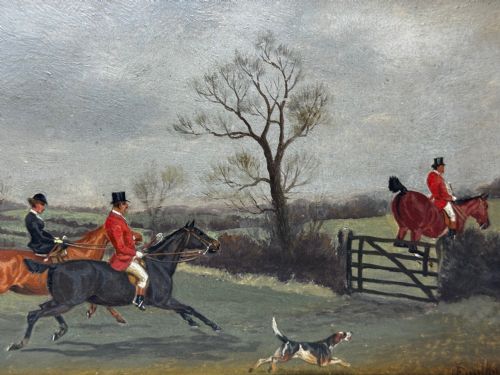
• On the right, a huntsman clears a wooden gate mid-jump, captured with remarkable tension and lift—an iconic motif of Victorian hunting art.
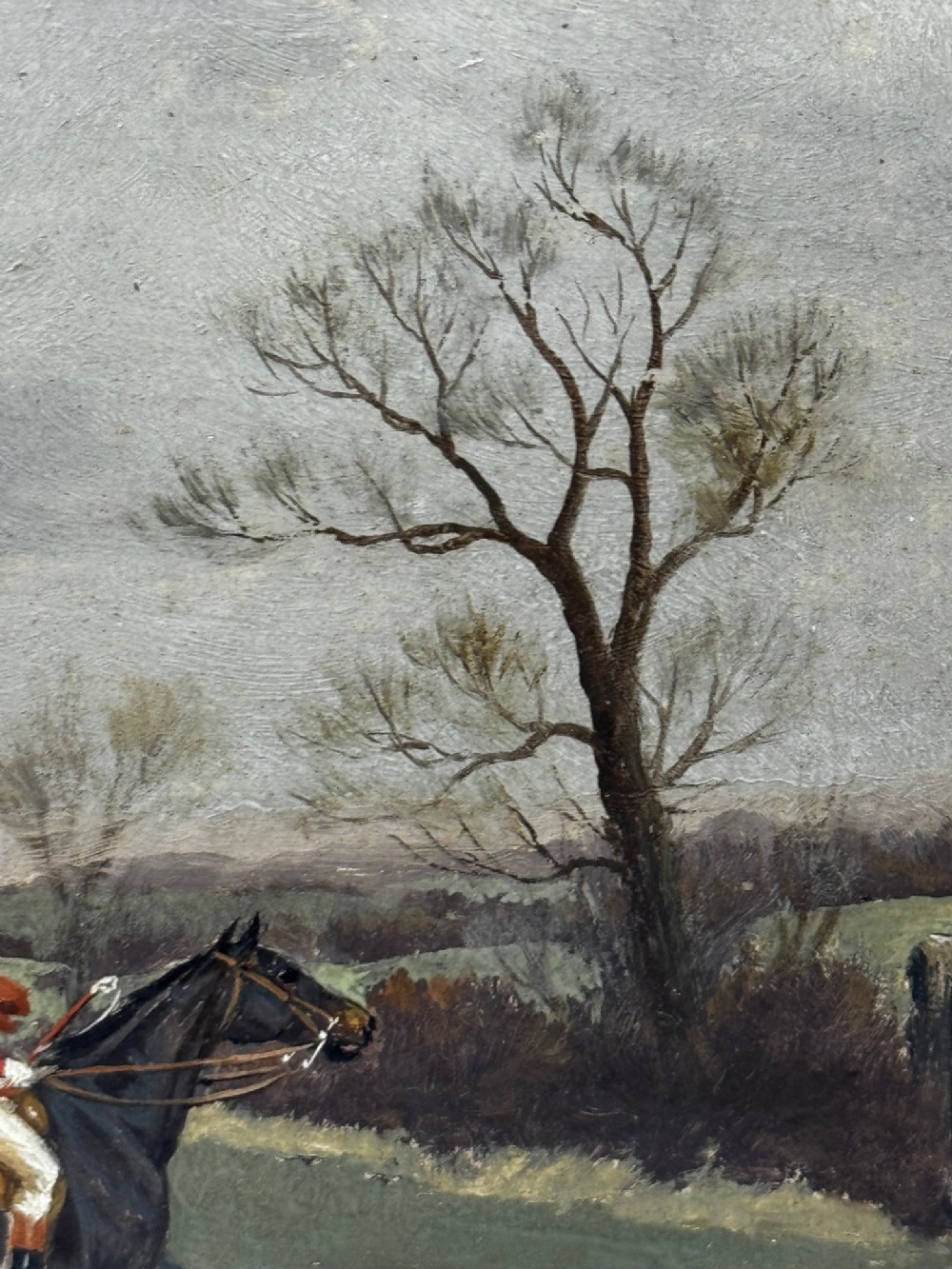
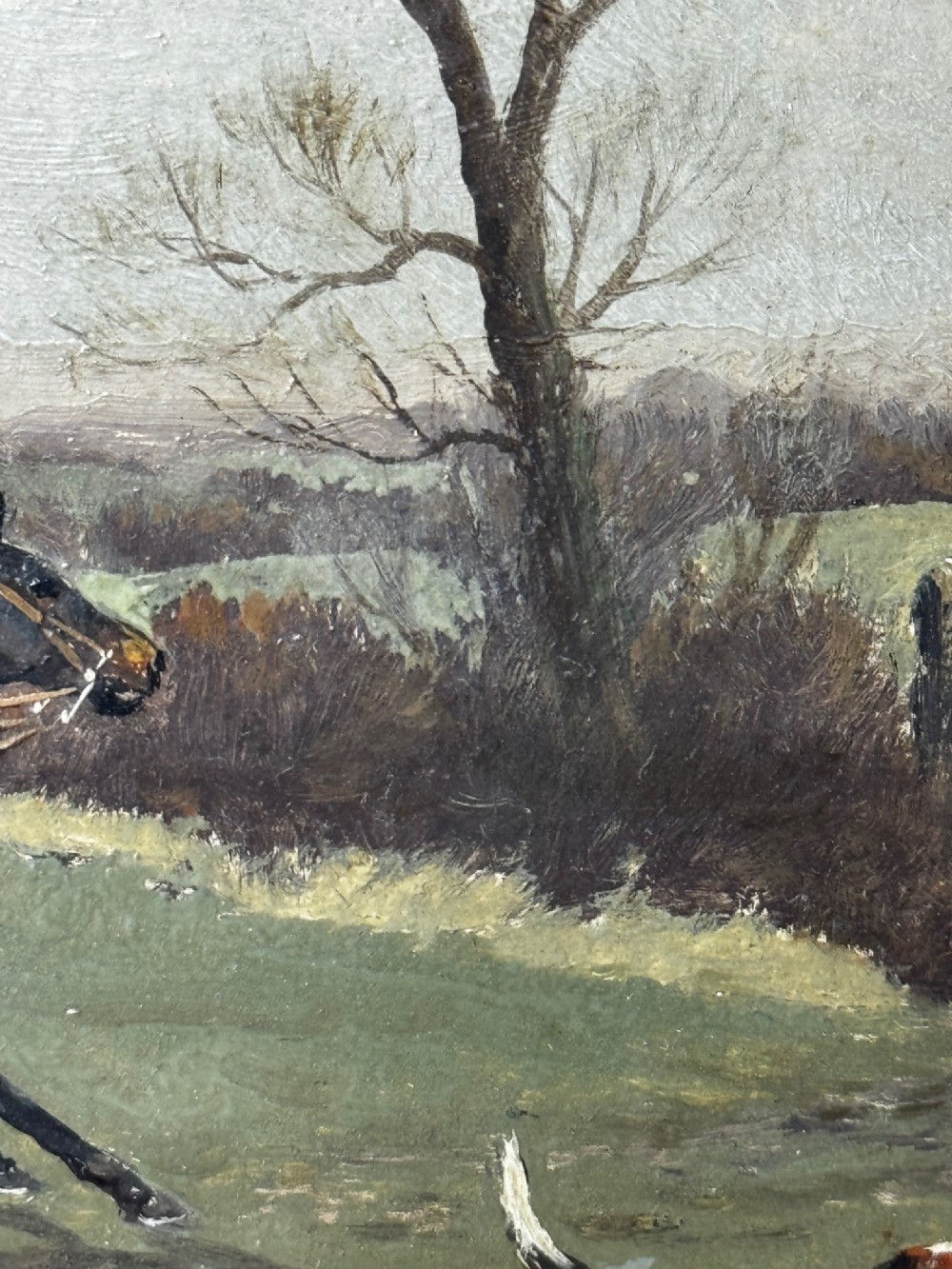
• A bare winter tree acts as a strong vertical anchor, dividing the riders’ path from the distant valley beyond.
Atmospheric Distance
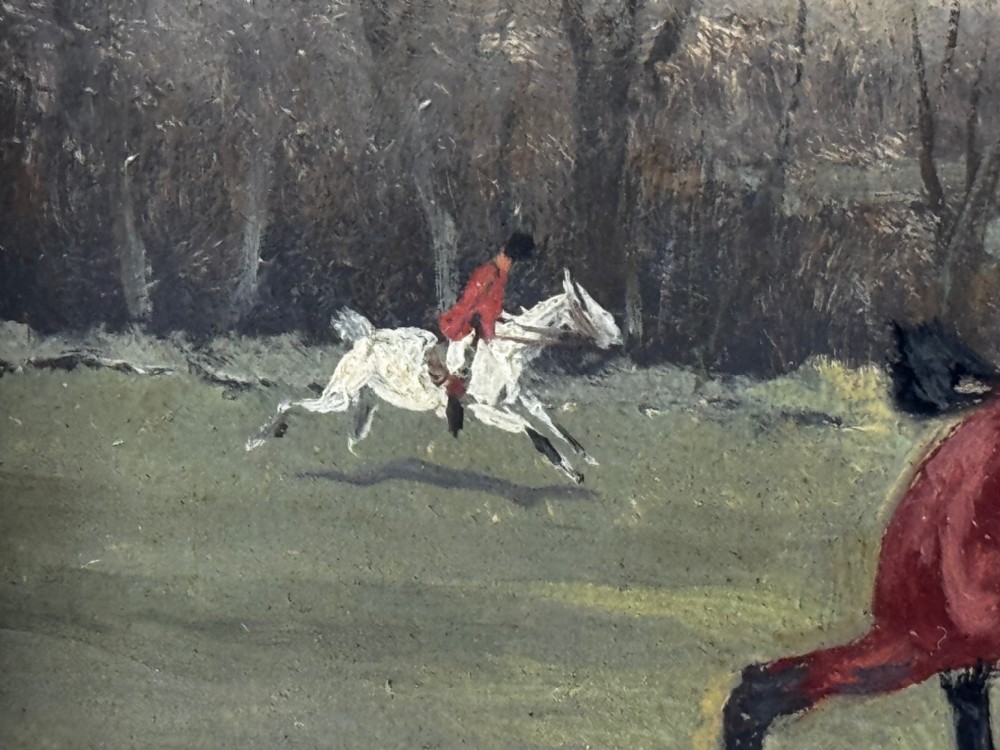
• In the far distance, a pale mass of riders and hounds is softened with short, light strokes to create depth and aerial perspective.
• Rolling fields of the Berkeley Vale are painted with long, sweeping movements echoing the forward drive of the hunt.
Technique
• Precise touches define bridles, collars, and hound features.
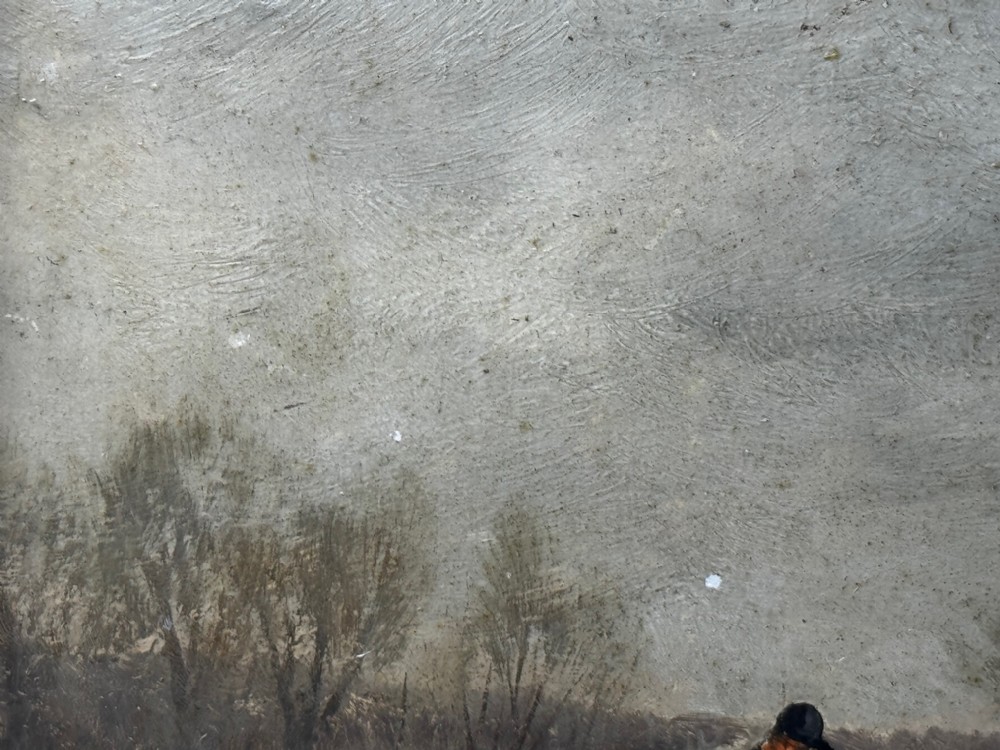
• Broader, scumbled brushwork in sky and ground ties the figures into their setting.
• The palette unites cold English greys, winter greens, and the warmth of scarlet hunting coats to create a balanced and evocative scene.
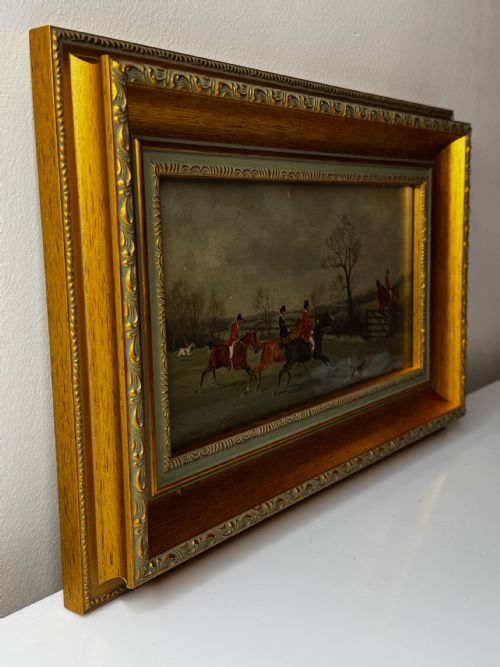
The painting is crafted not only to show motion, but to convey the physical sensation of the chase.
About the Hunt Scene
This work portrays the dramatic peak known as Full Cry—the moment when hounds and riders commit entirely to pursuing the fox.
Historical Context
The setting references the Berkeley Hunt in Gloucestershire, founded in the 12th century and one of England’s oldest continuous hunts. Long associated with British rural heritage, it epitomises the tradition, discipline, and pageantry of country sport.
Narrative Depth
• The tightly grouped hounds suggest closeness to the fox, their gestures full of urgency.
• Riders take fences, cut across fields, and negotiate hedgerows at speed, illustrating the athleticism required of both horse and rider.
• Faulkner depicts Victorian hunting culture as a complete social institution centred on discipline, camaraderie, and thrill.
The result is an authentic and historically grounded Victorian sporting narrative.
About the Artist
Charles Faulkner (fl. 1874–1900) specialised in sharply observed sporting scenes. Though biographical details remain limited, his surviving works display consistent artistic qualities:
• Refined equestrian draftsmanship—accurate muscles, expressive gait, and balanced anatomy
• Expressive depiction of hound movement and pack dynamics
• Atmospheric subtleties: misty skies, winter hedgerows, rolling valleys
• Narrative sequencing—often portraying complete hunt cycles (Meet ? View Halloo ? Full Cry ? Death)
Faulkner’s paintings are sought after by collectors of British sporting, equestrian, and Victorian narrative art.
Signature
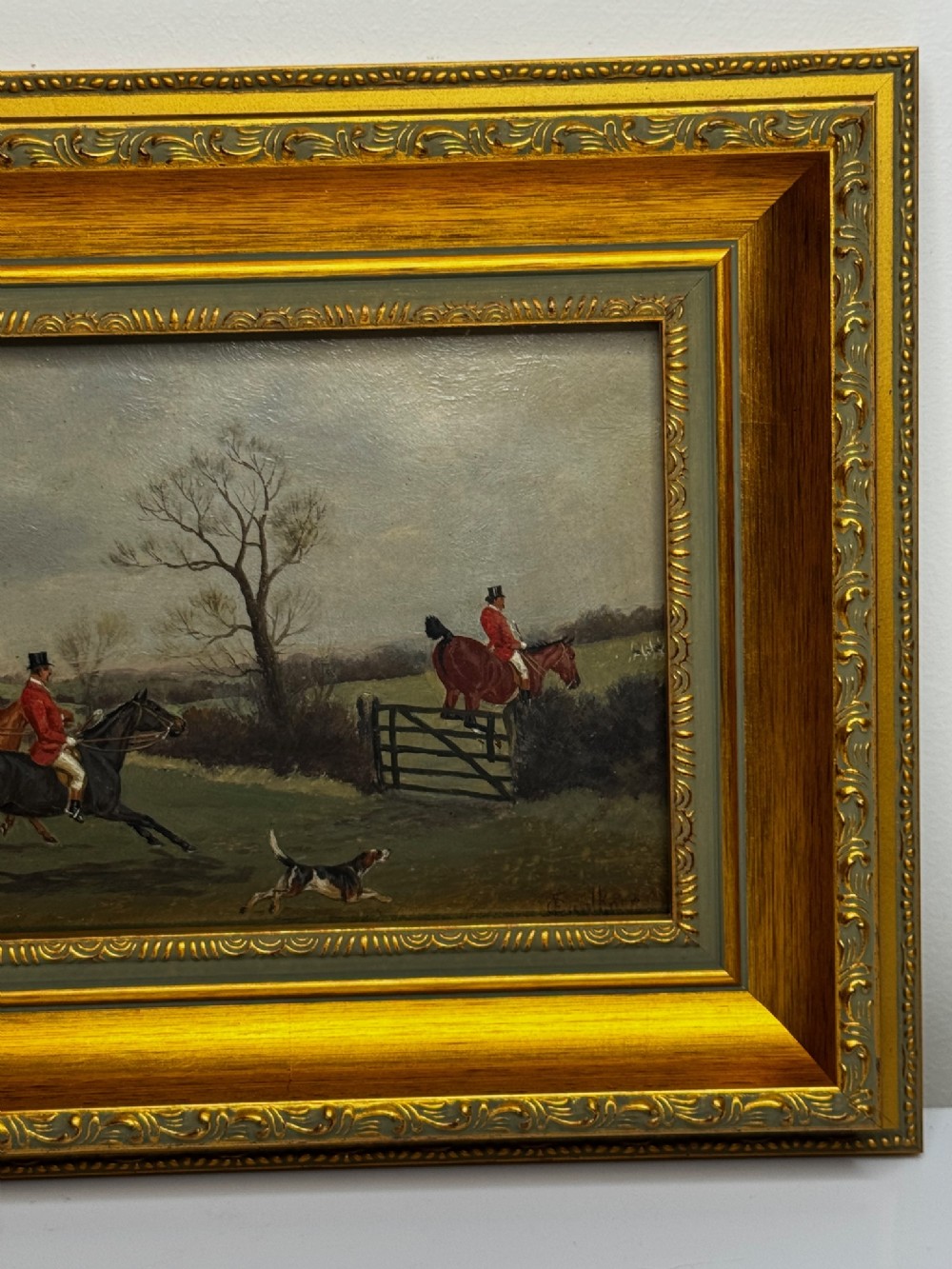
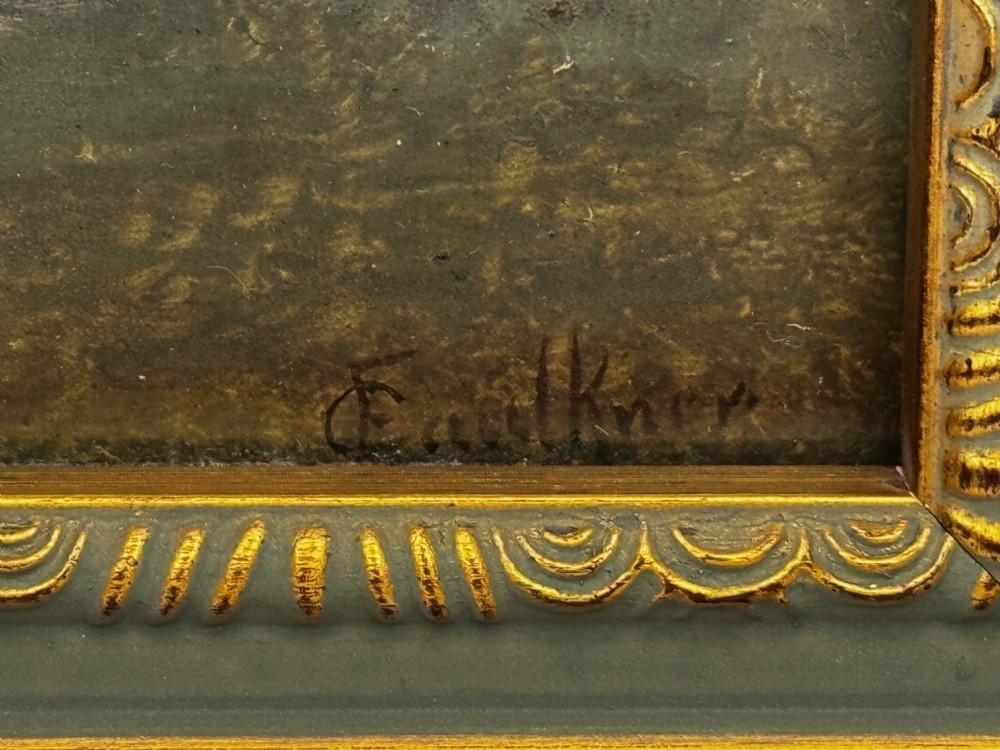
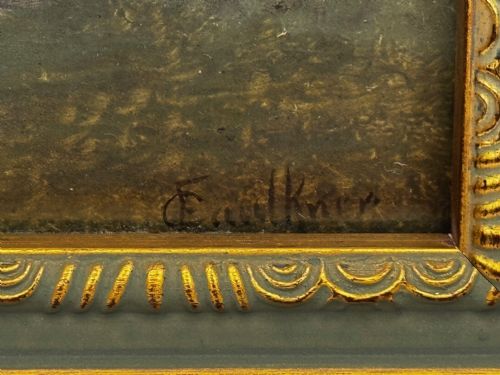
Signed “C. Faulkner” lower right, consistent with authenticated examples.
Frame
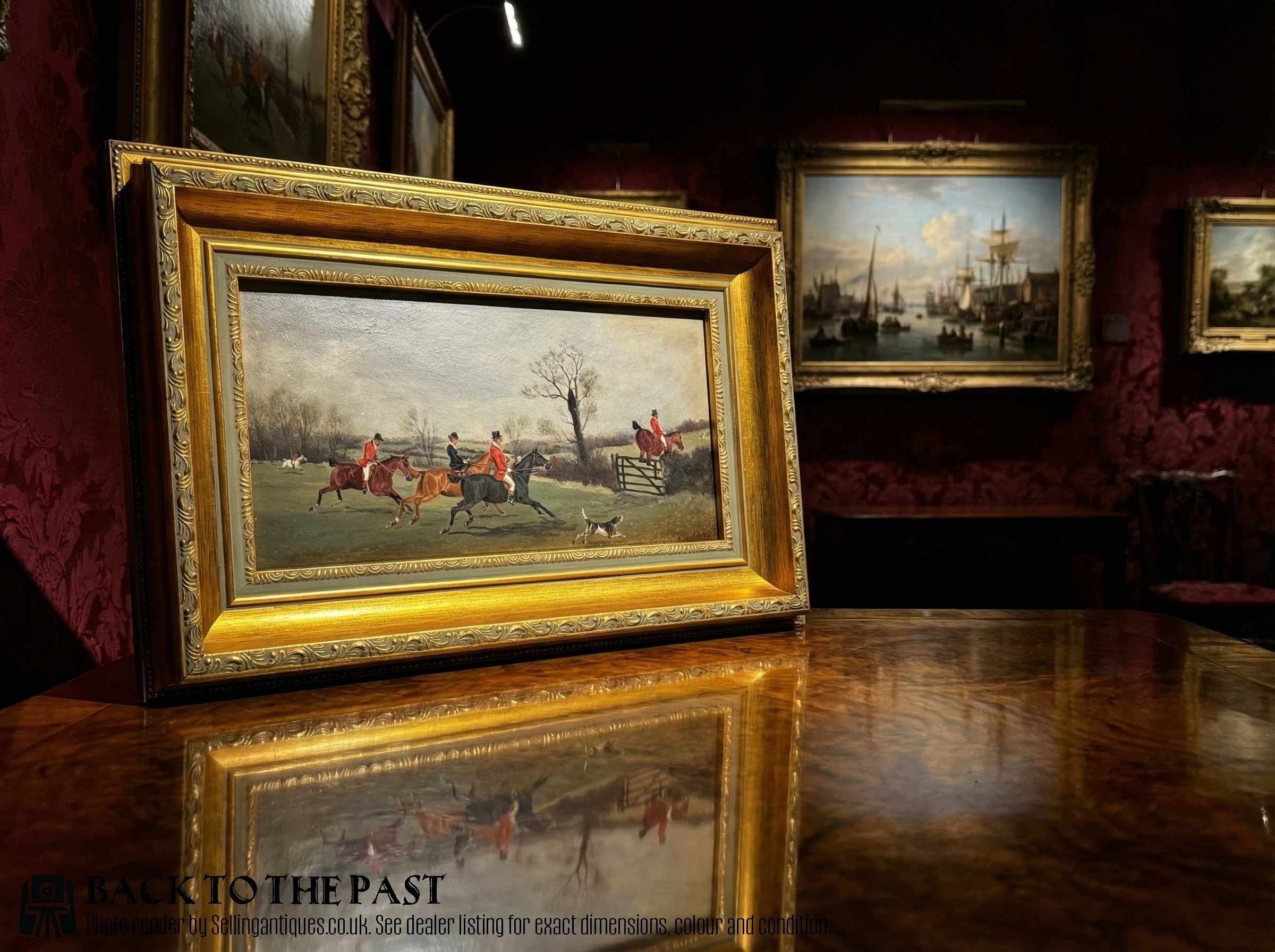
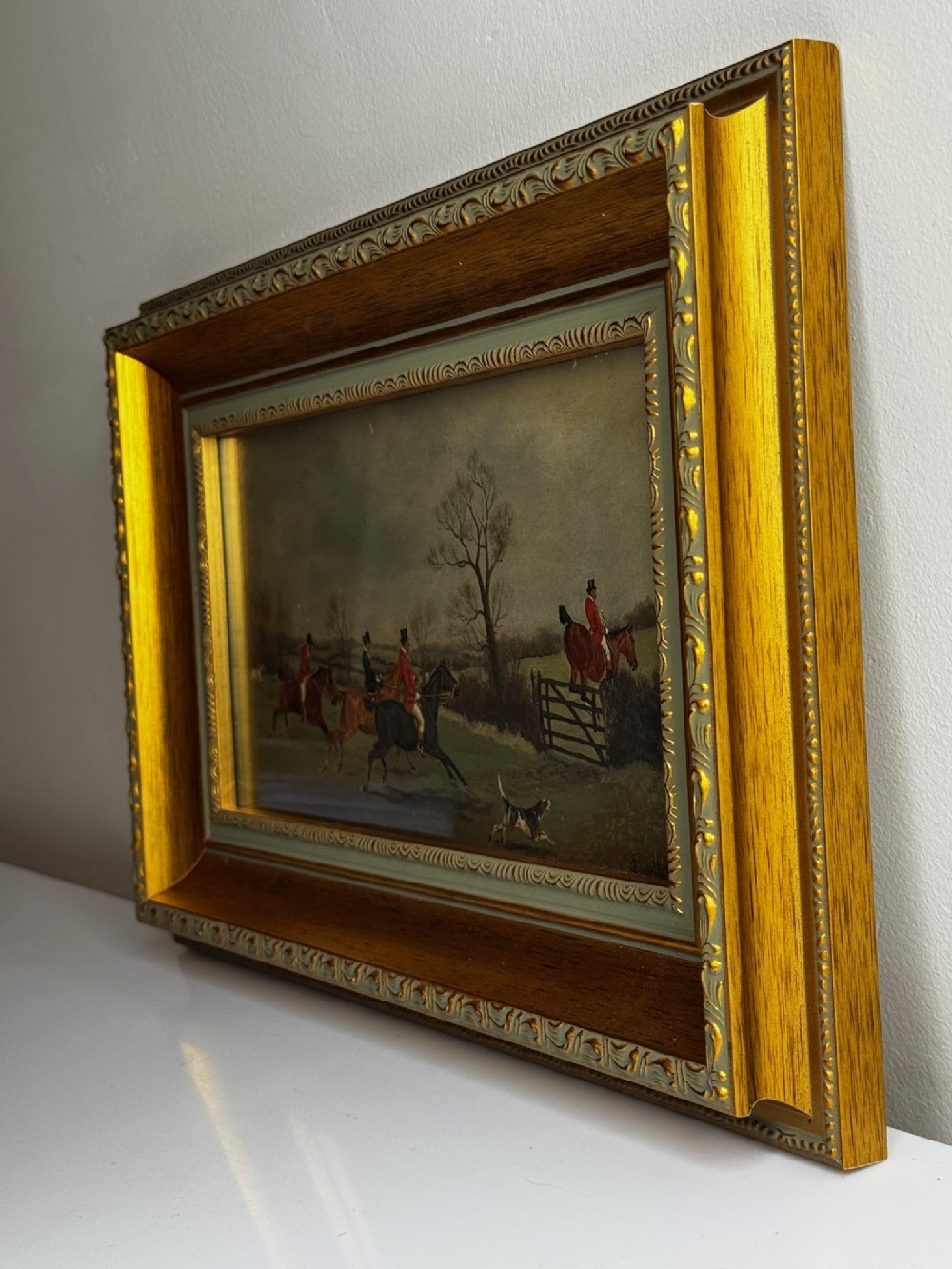
Presented in a newly fitted Rococo-style gilt frame with m
Cheshire Antiques Consultant Ltd has dated this piece to the 19th Century.
Source the historic in 17th, 18th, 19th & 20th century fine arts, painting, sculptures & collectibles
You can view the stock and full dealer information on the Cheshire Antiques Consultant Ltd Profile Page
19th Century Sporting Painting C.1880 Full Cry the Berkeley Hunt