Cheshire Antiques Consultant Ltd has dated this piece to the Edwardian era.
??? Subject & Medium
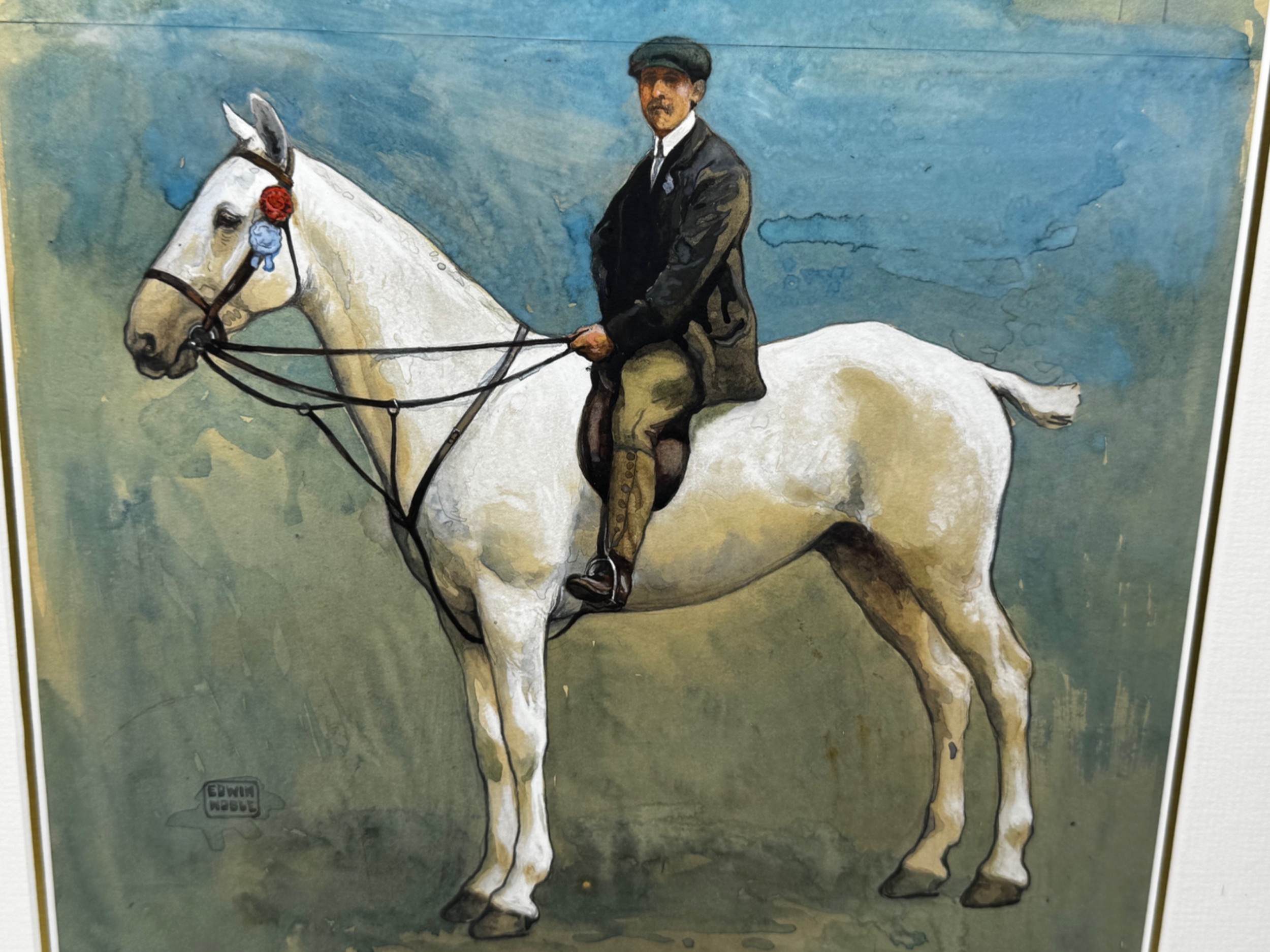
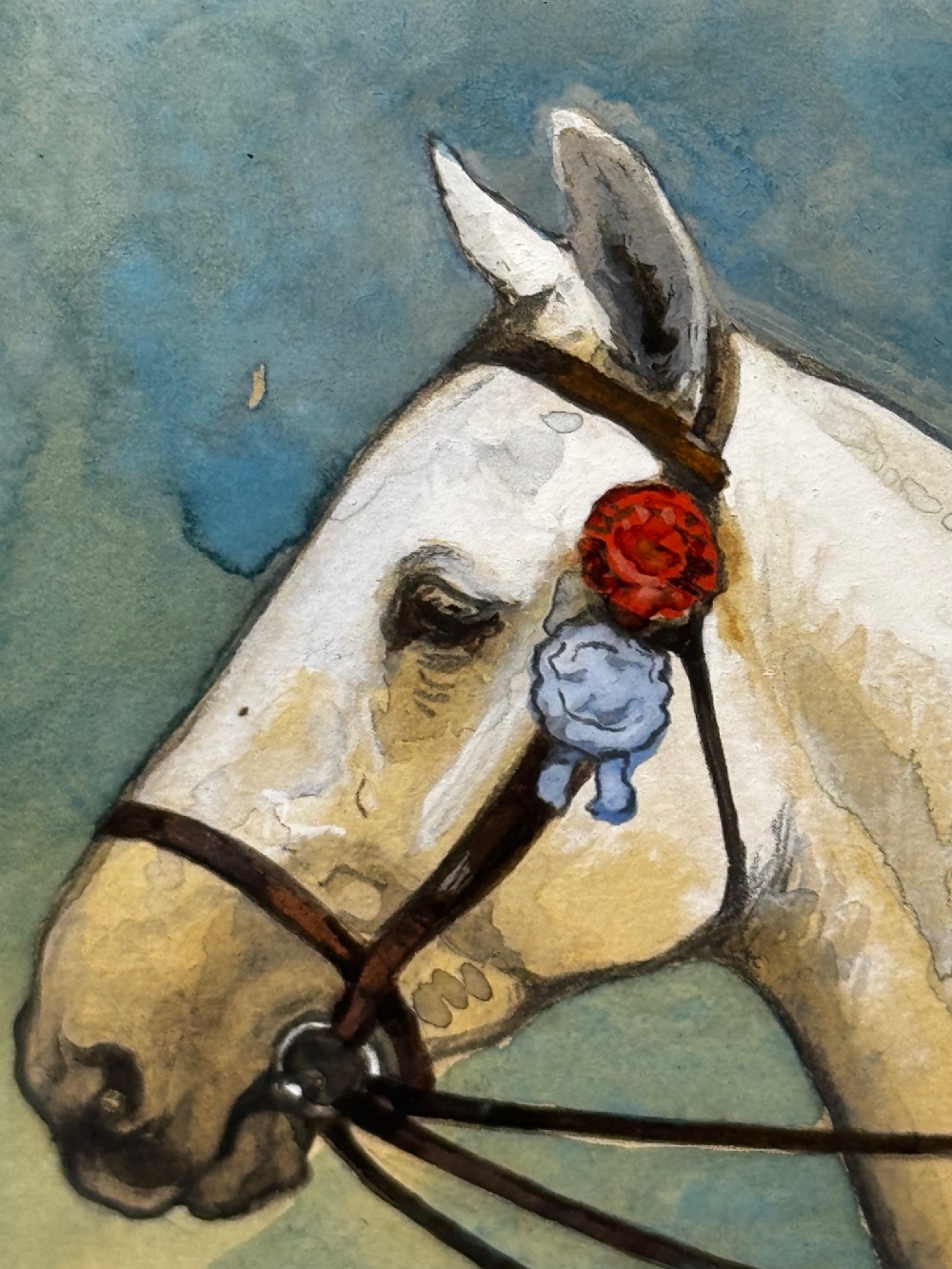
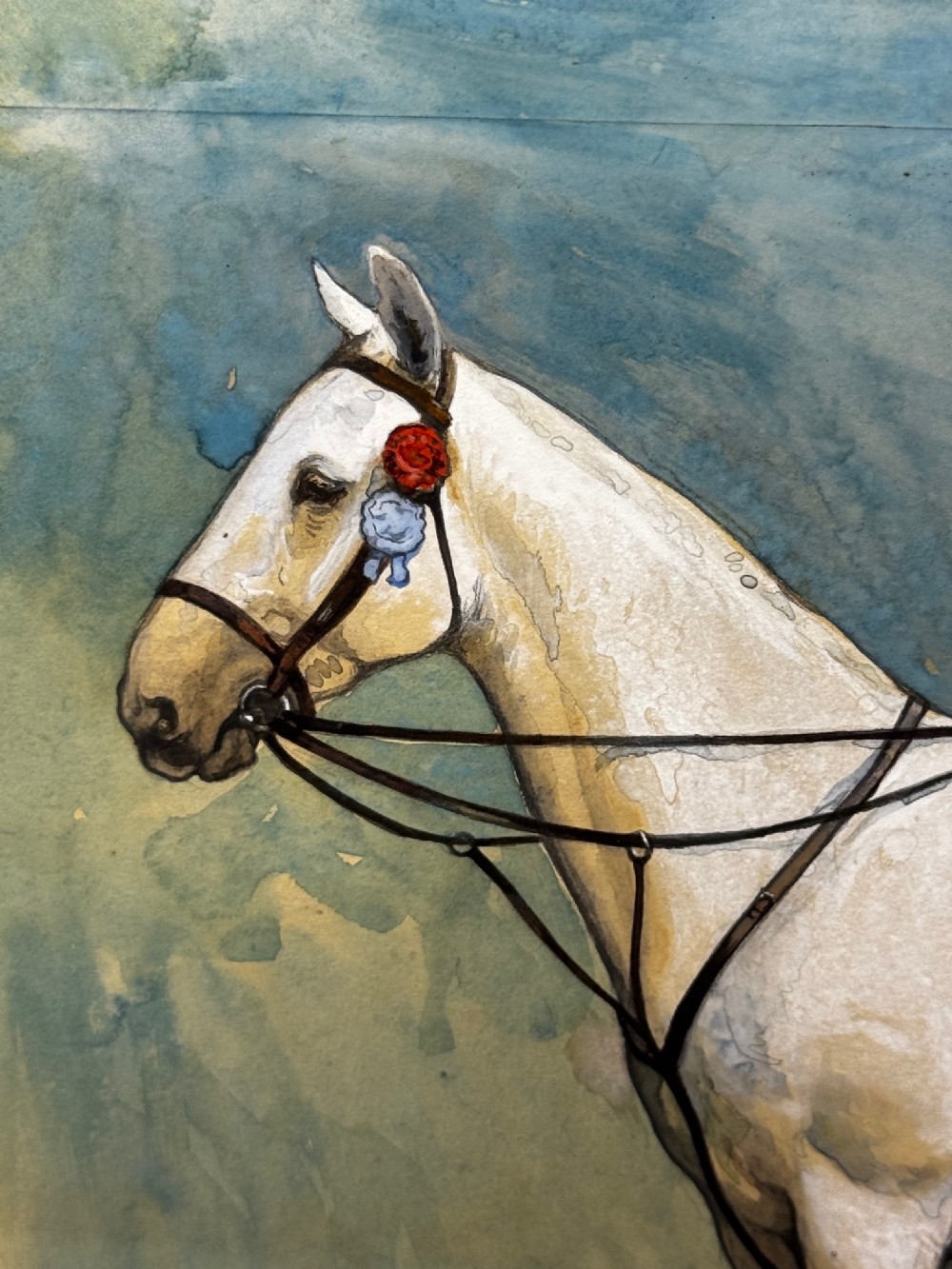
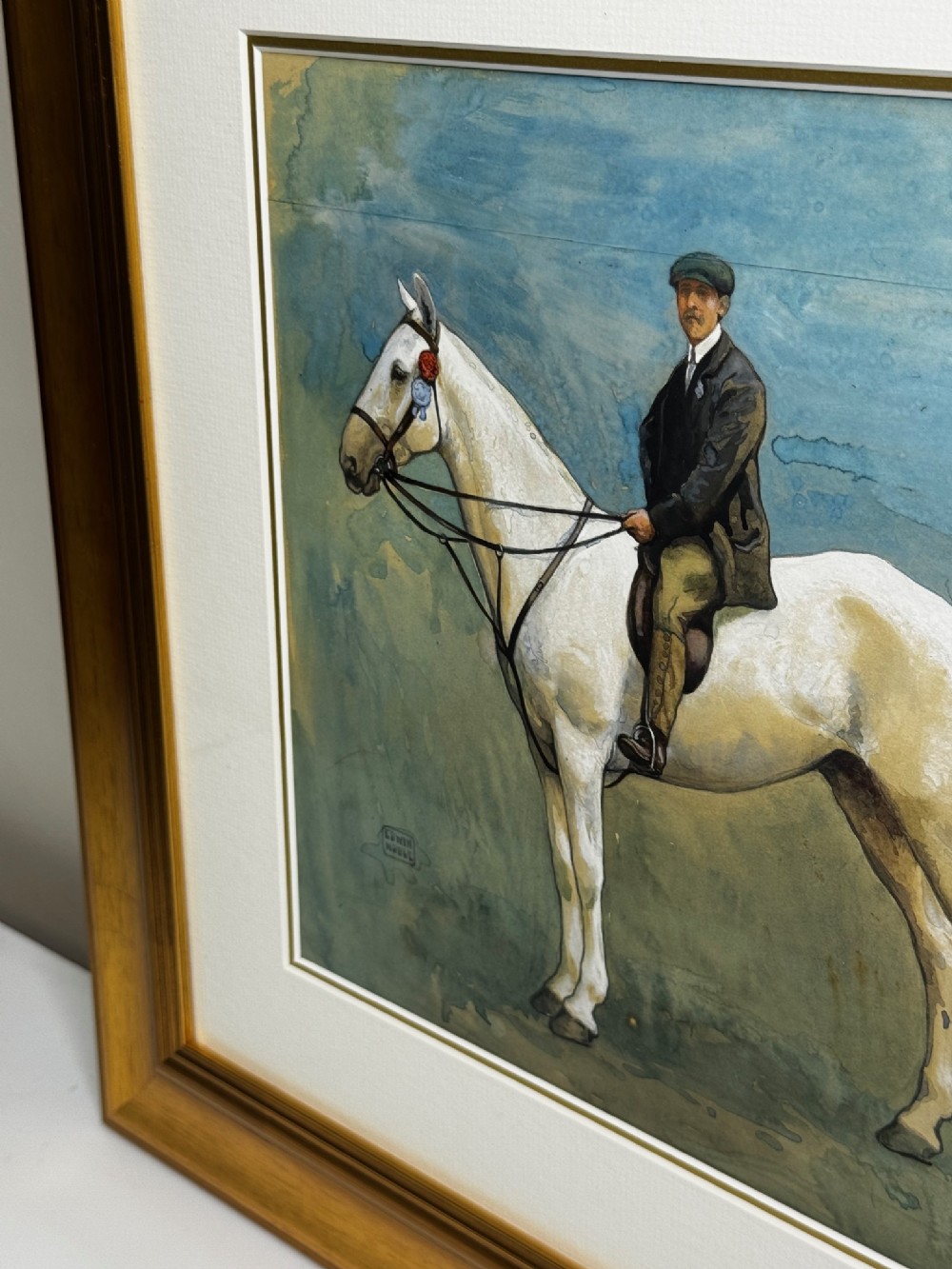
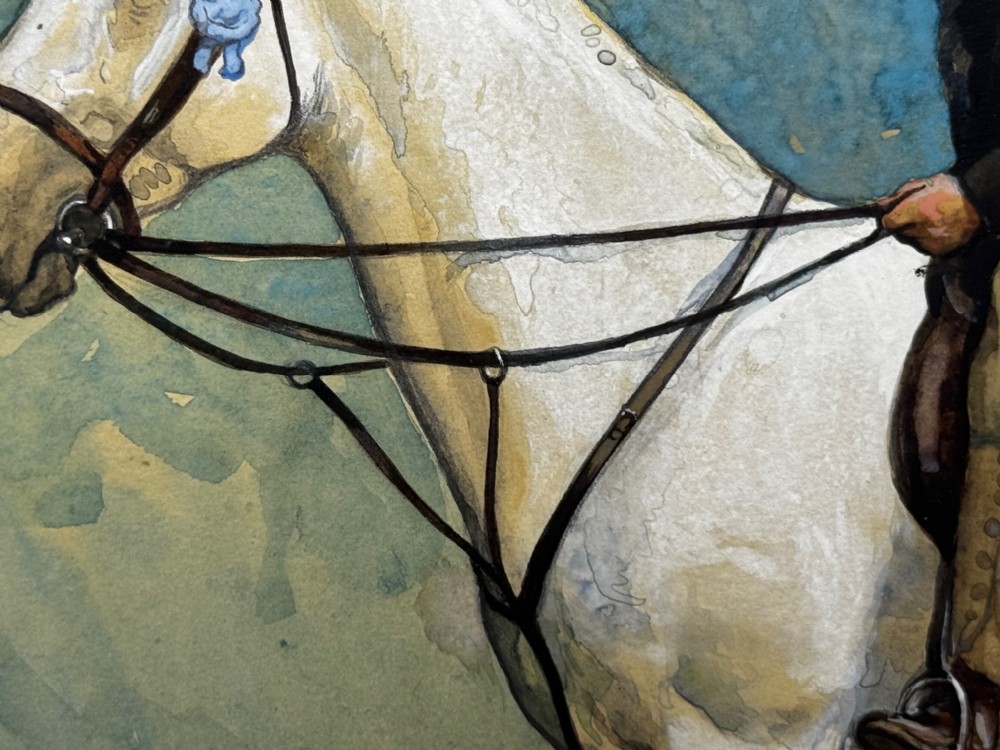
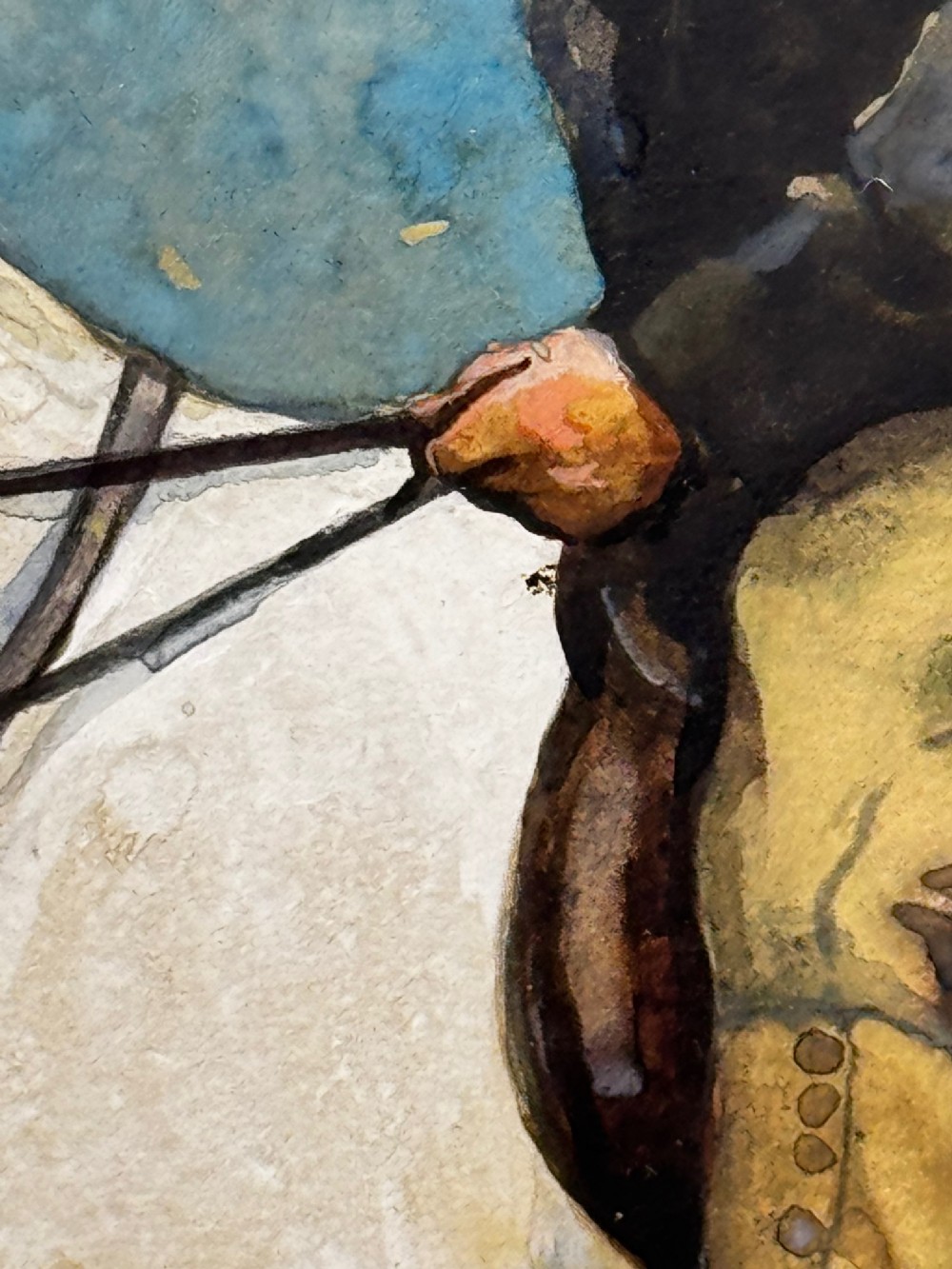
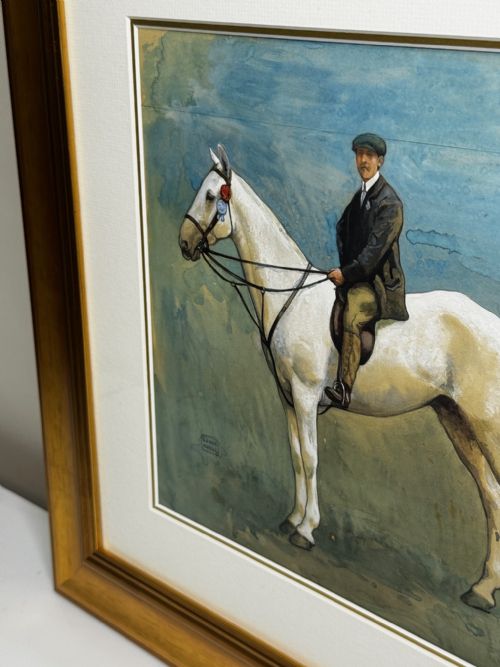
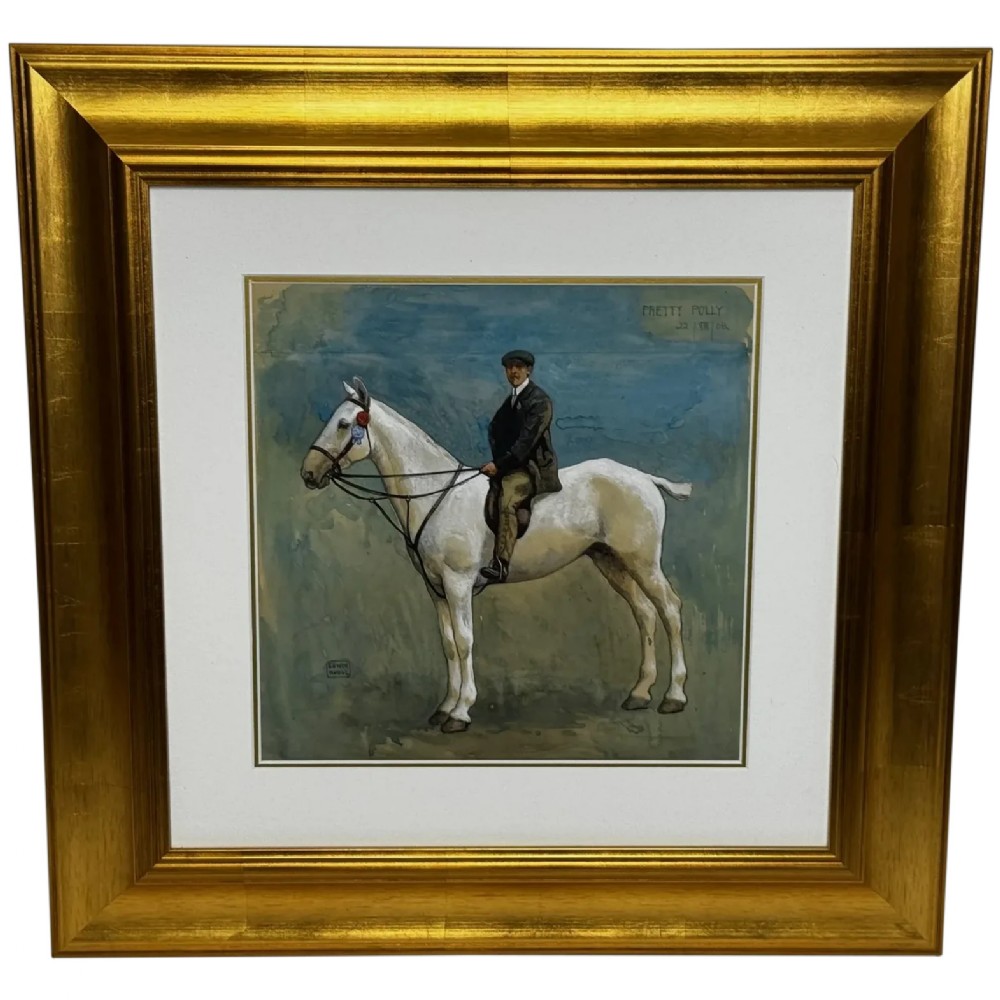
The mare is proudly shown adorned with two rosettes — red (1st prize) and blue (2nd prize) — symbols of her success across classes.
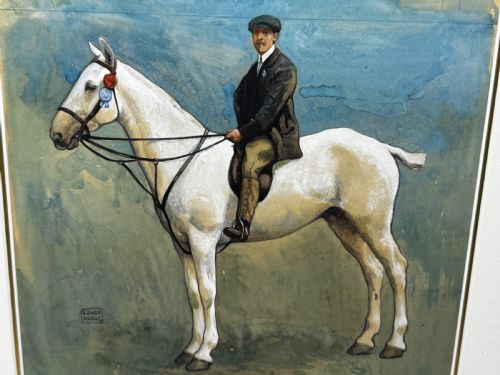
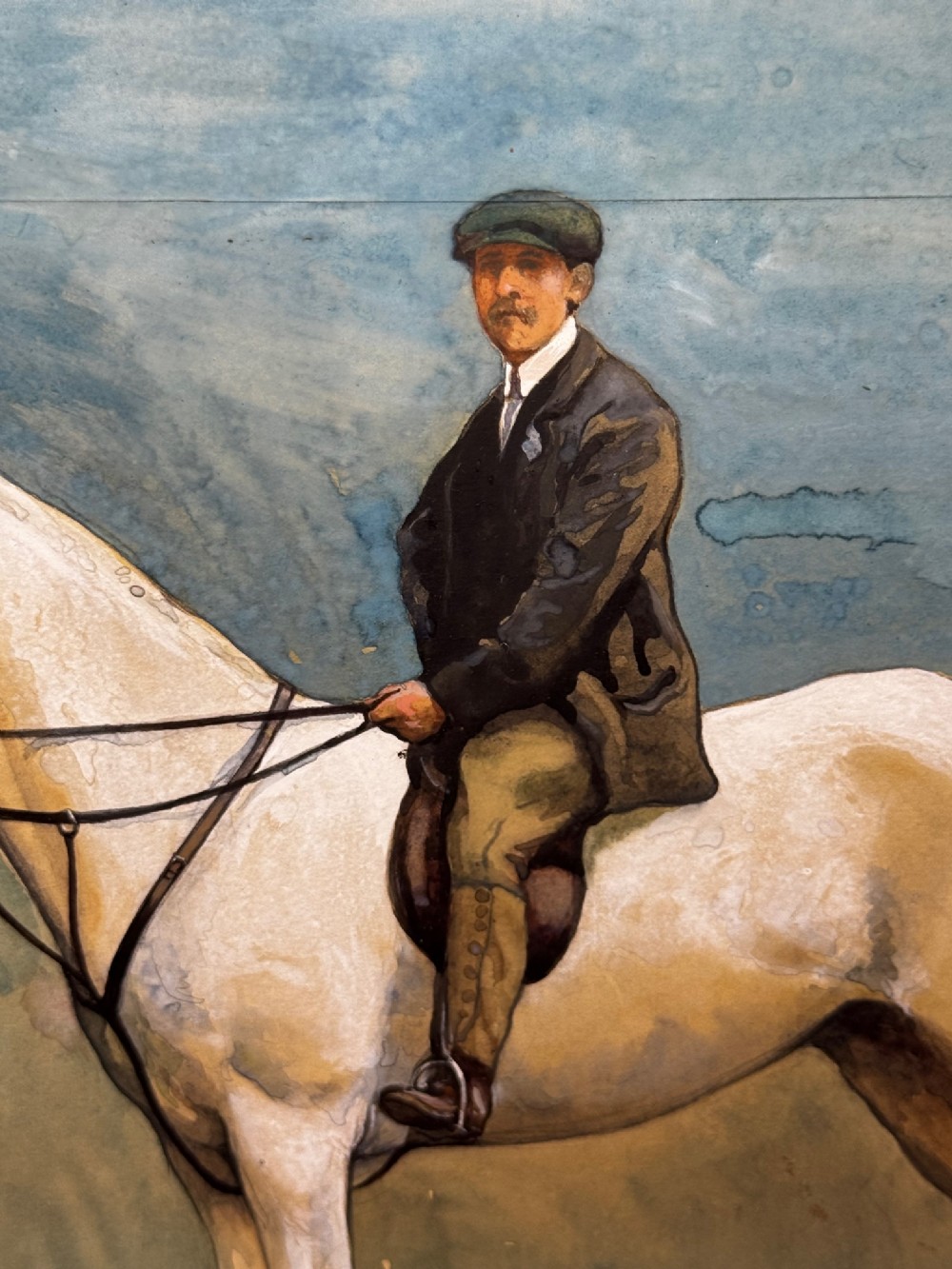
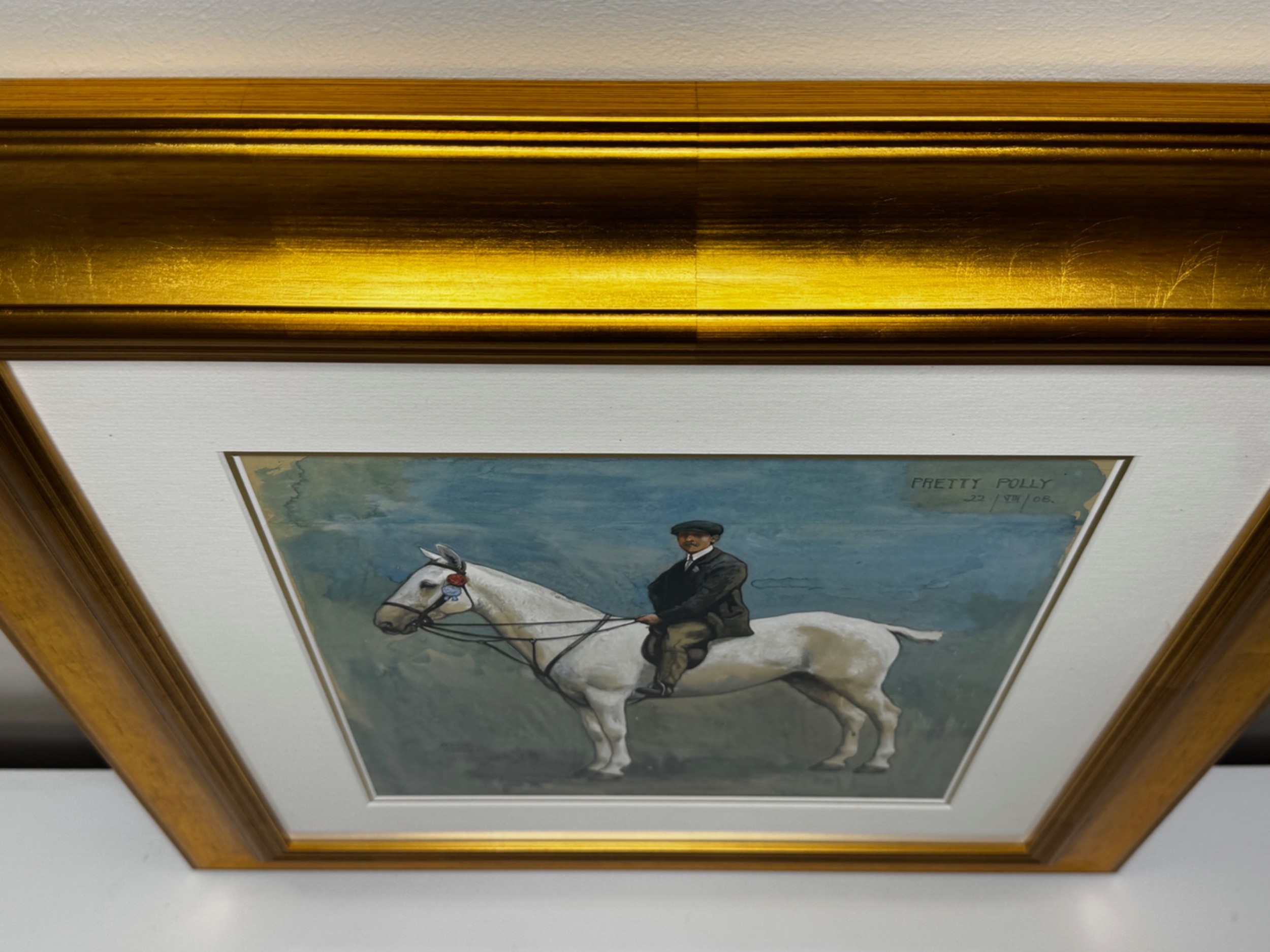
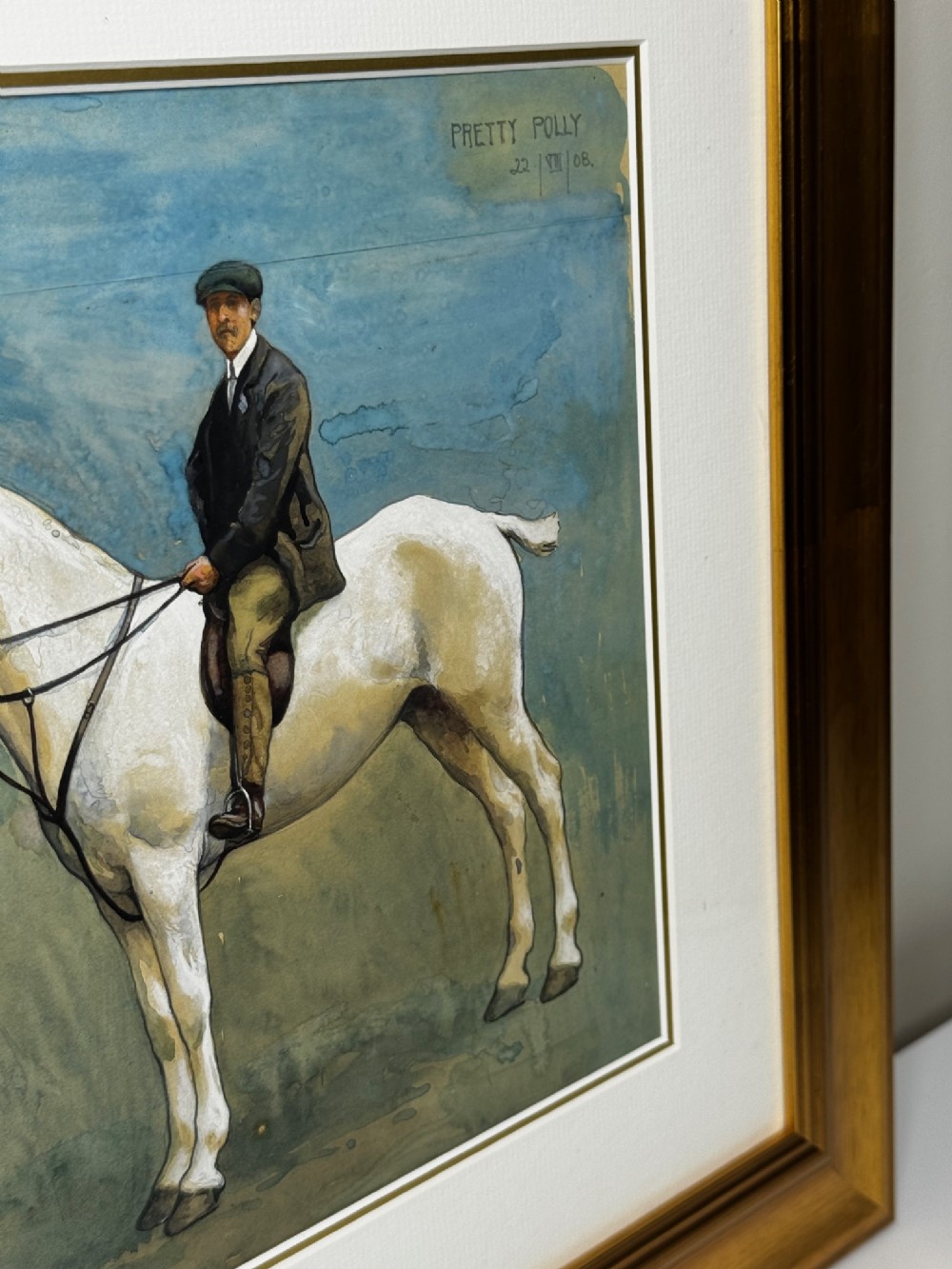
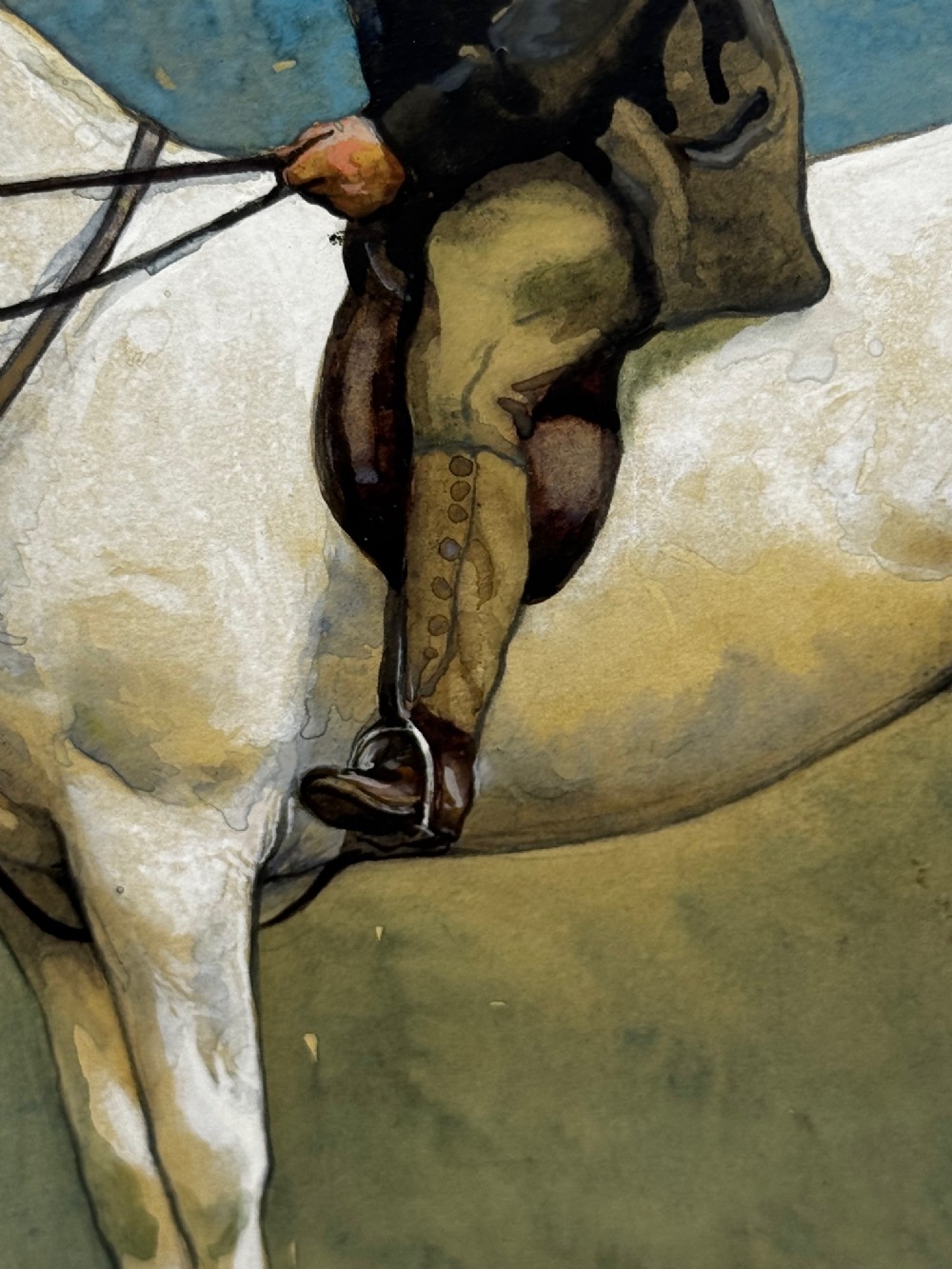
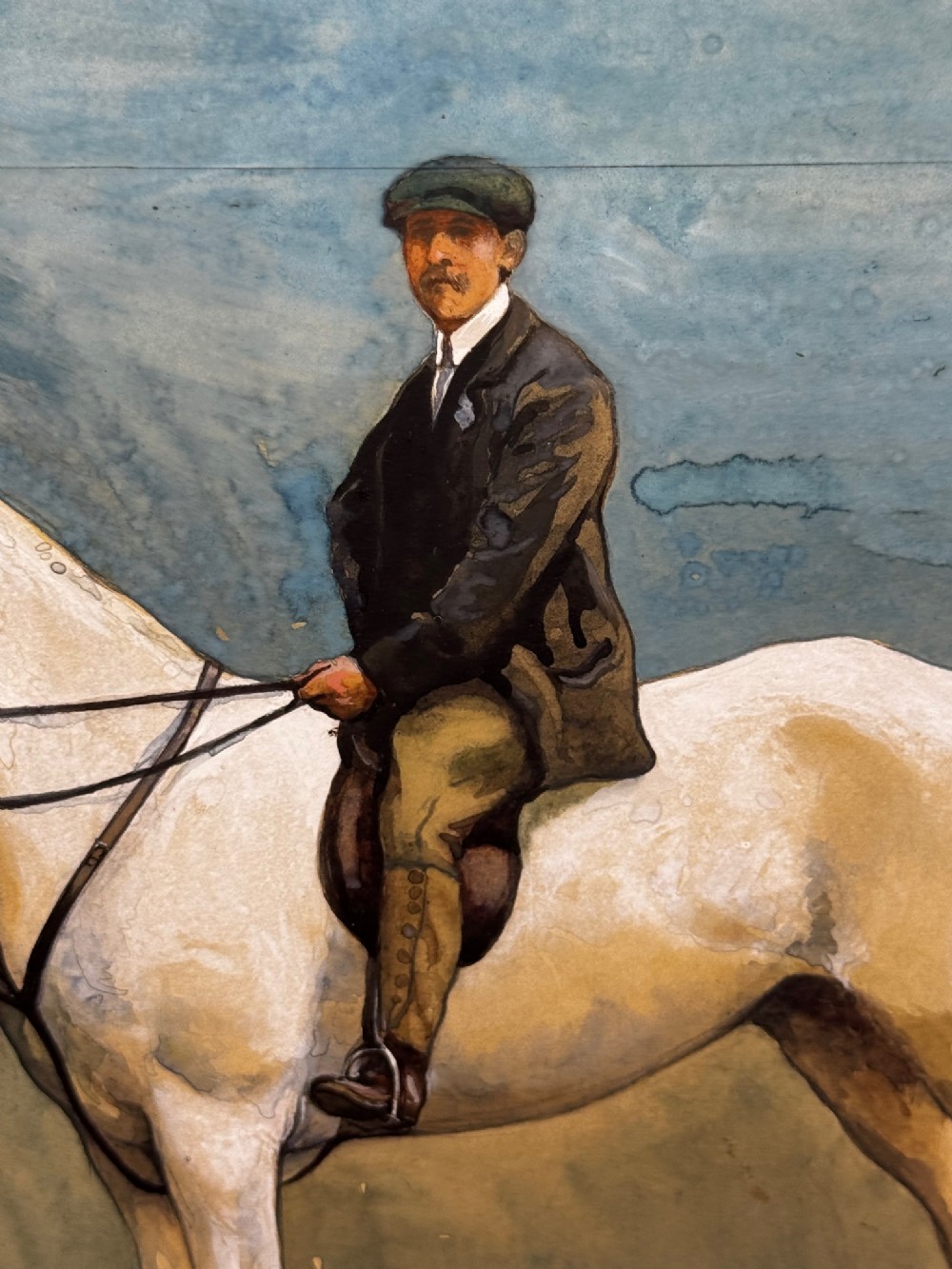
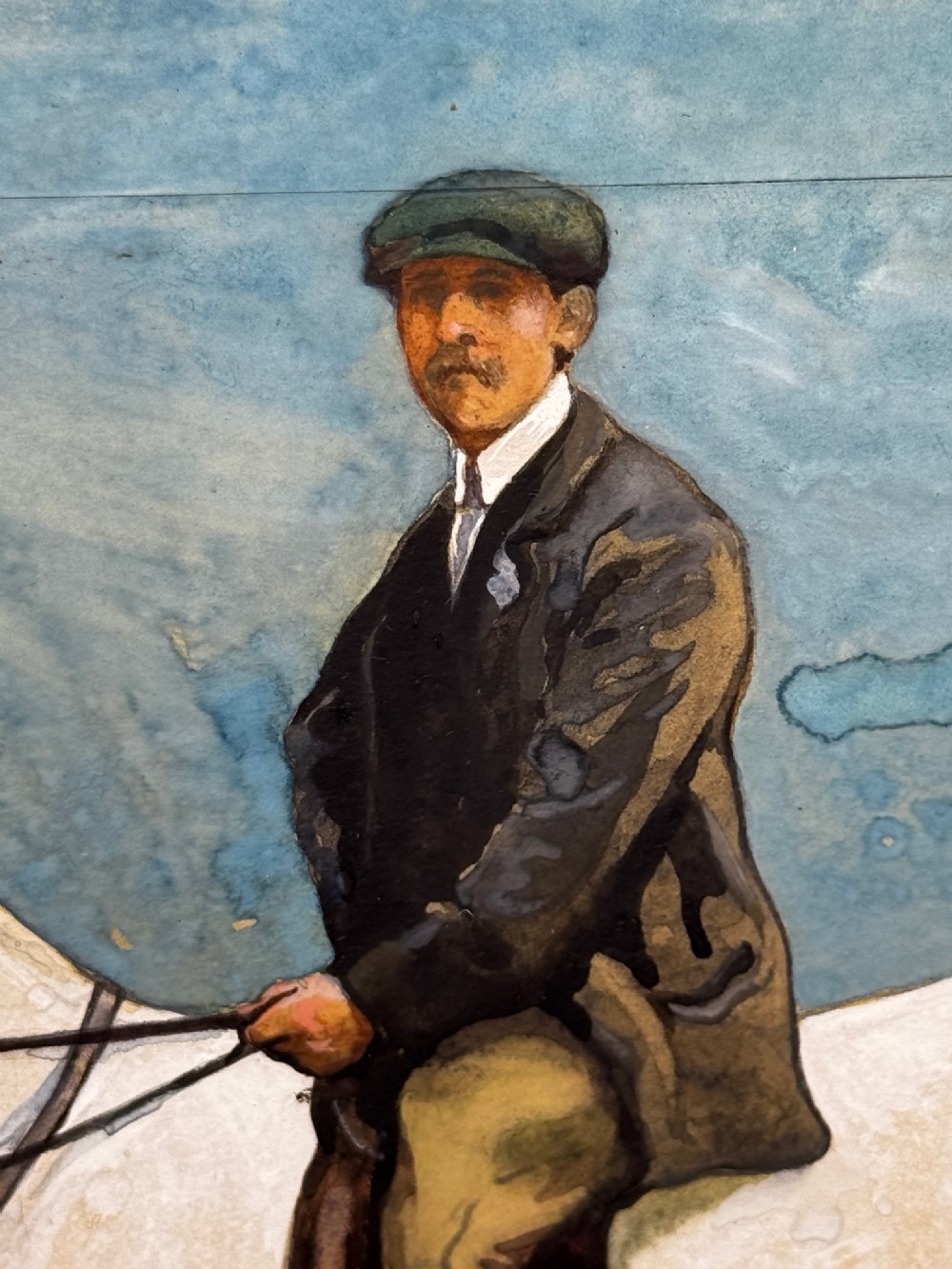
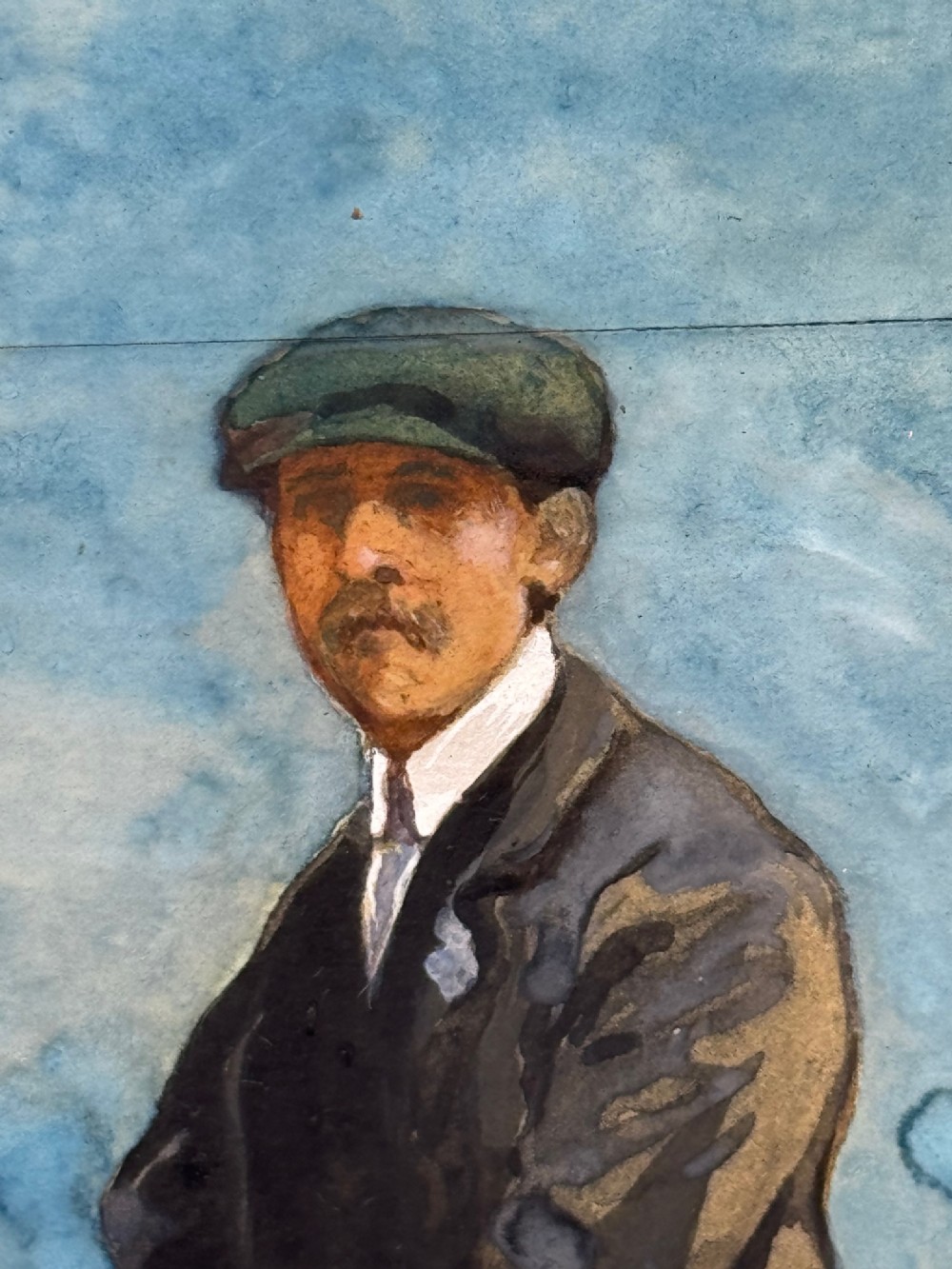
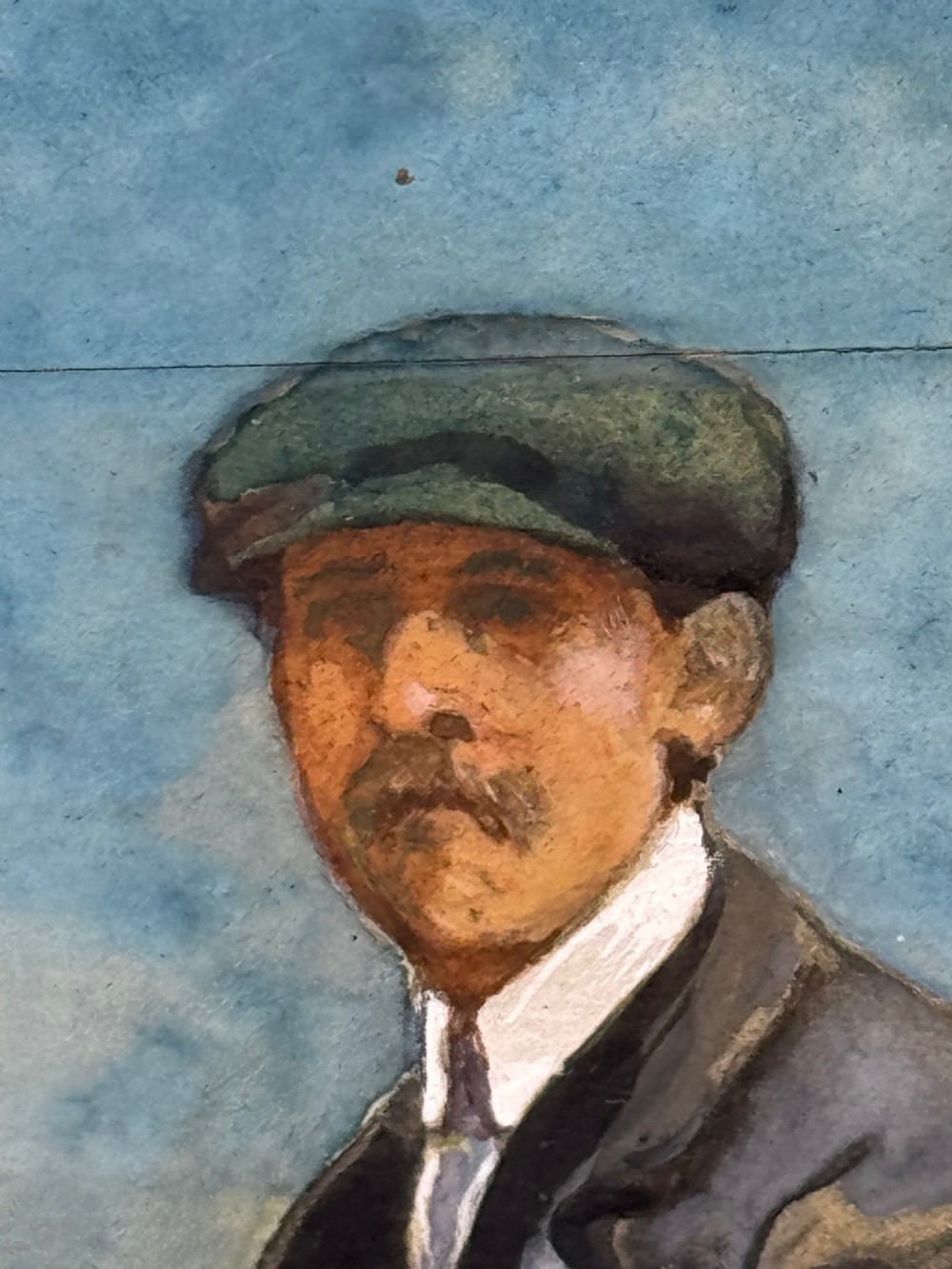
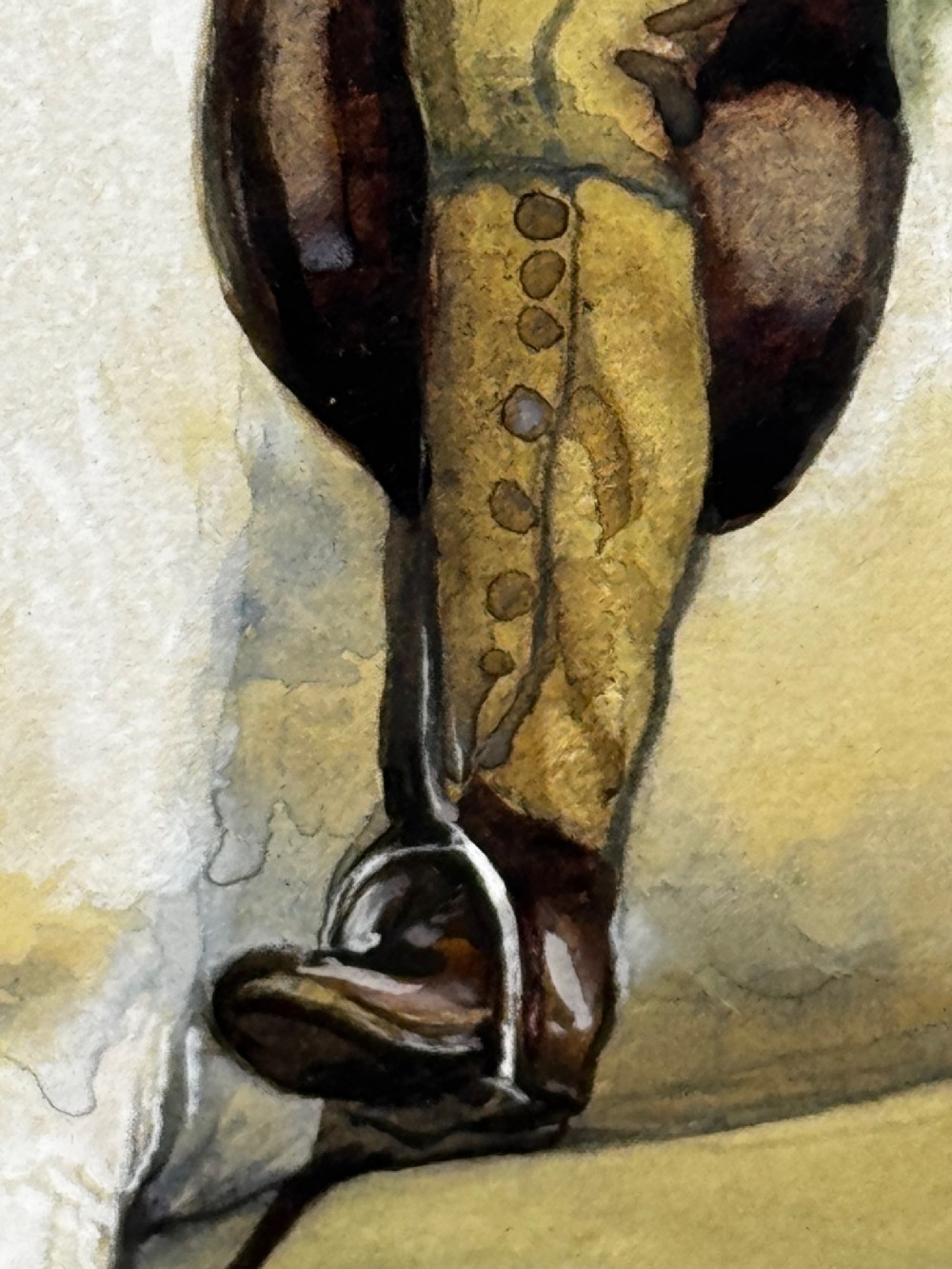
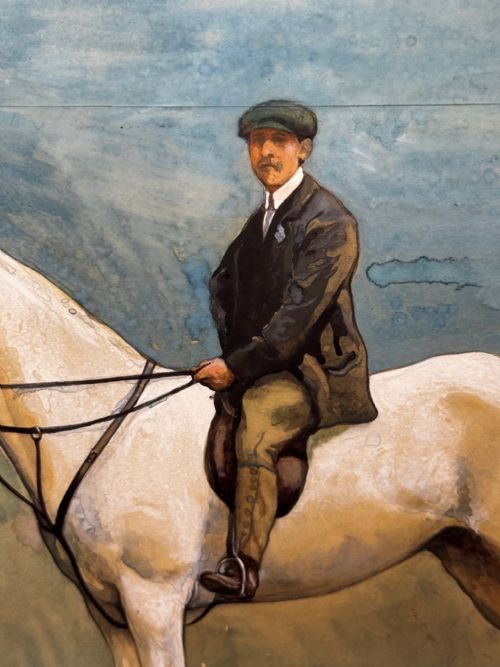
Her groom stands beside her in authentic Edwardian equestrian attire: breeches, buttoned gaiters, sturdy boots, a dark lounge jacket, waistcoat, and flat cap. Research suggests he may be connected with the Smith-Dorrien family of Berkhamsted, prominent landowners and equestrian patrons of the period.
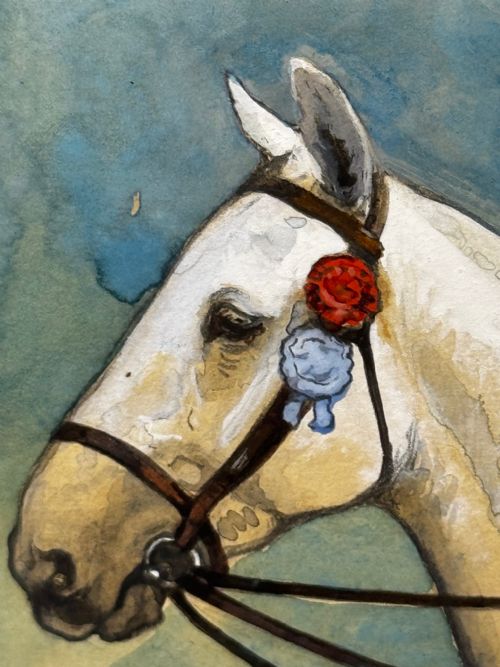
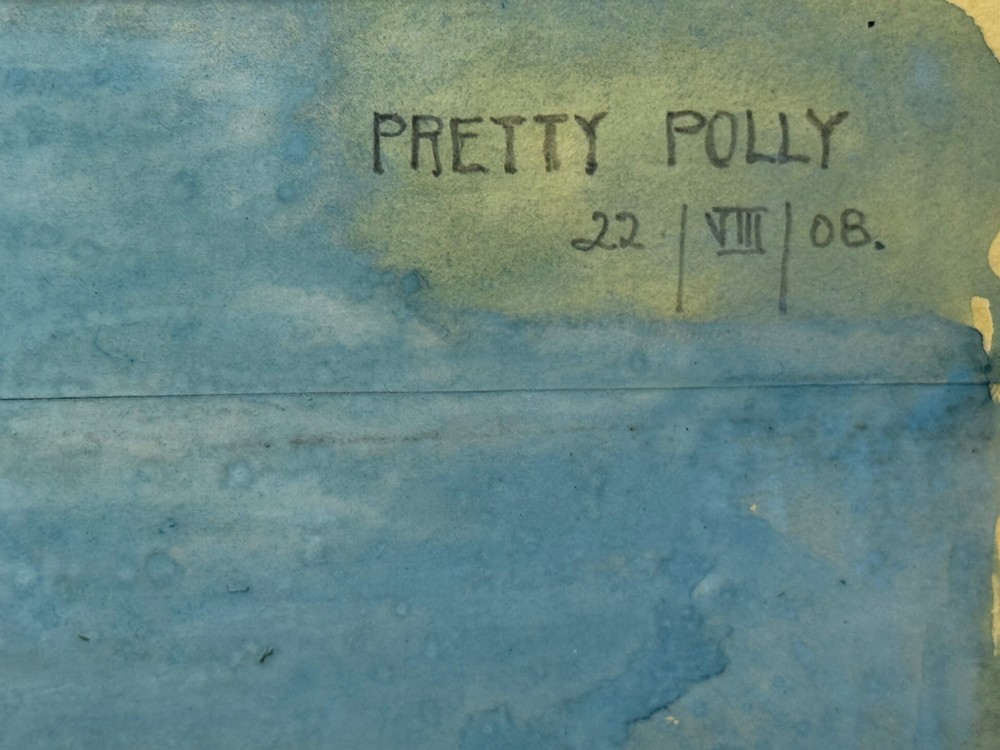
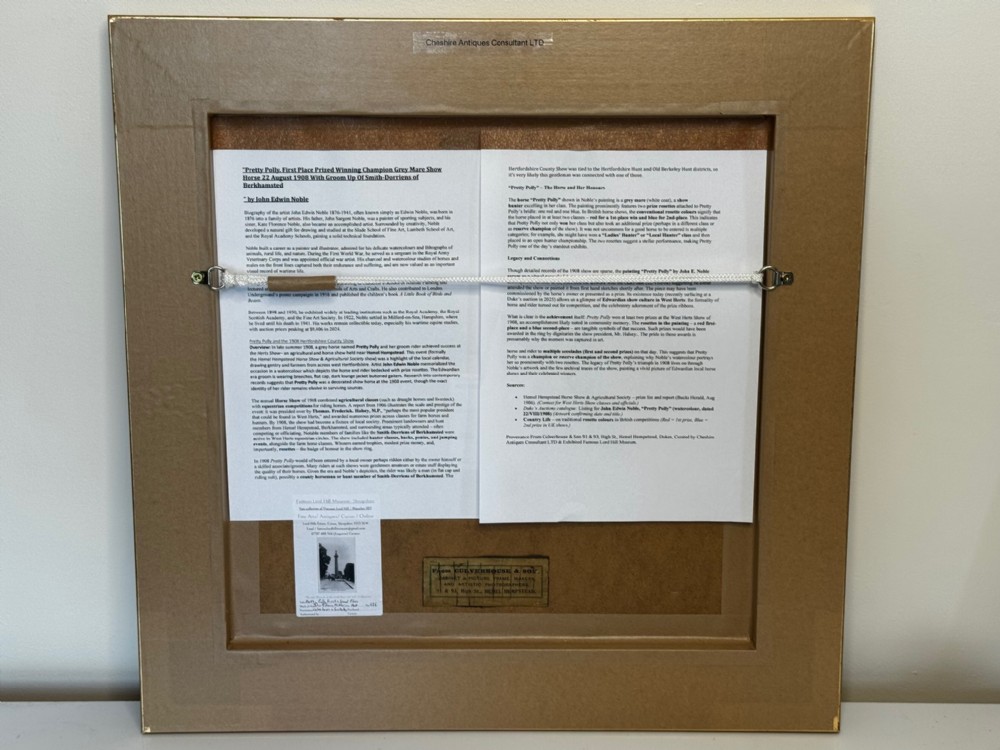
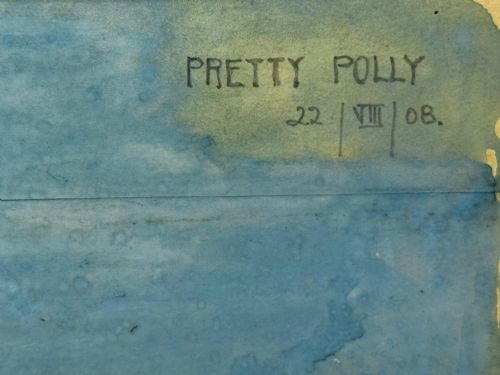
The painting’s full inscribed title, “Pretty Polly, First Place Prize Winning Champion Grey Mare Show Horse with Groom Up of Smith-Dorriens of Berkhamsted, 22 August 1908,” firmly situates it within Edwardian show culture.
?? The 1908 Hertfordshire County Show
The annual Horse Show of 1908 combined agricultural classes (draught horses, cattle, and livestock) with equestrian competitions for riding horses, hunters, ponies, and hacks. A report from 1906 illustrates its scale and prestige: it was presided over by Thomas Frederick Halsey, M.P., described at the time as “perhaps the most popular president that could be found in West Herts.”
By 1908, the show had become a highlight of Hertfordshire’s social and sporting calendar, attracting landowners, hunt members, and gentry from across the county. Families such as the Smith-Dorriens of Berkhamsted, closely involved in the Hertfordshire Hunt and Old Berkeley Hunt, were regular competitors.
In this context, Pretty Polly’s multiple prize wins made her a celebrated exhibit, her achievements worthy of commemoration in Noble’s art.
?? Composition & Technique
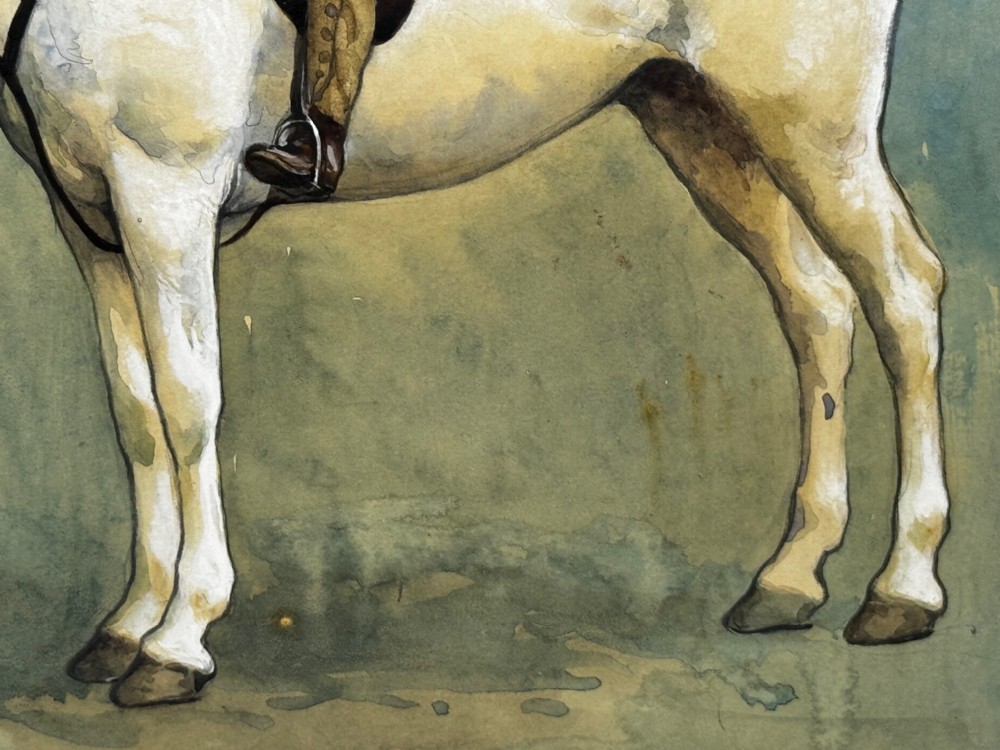
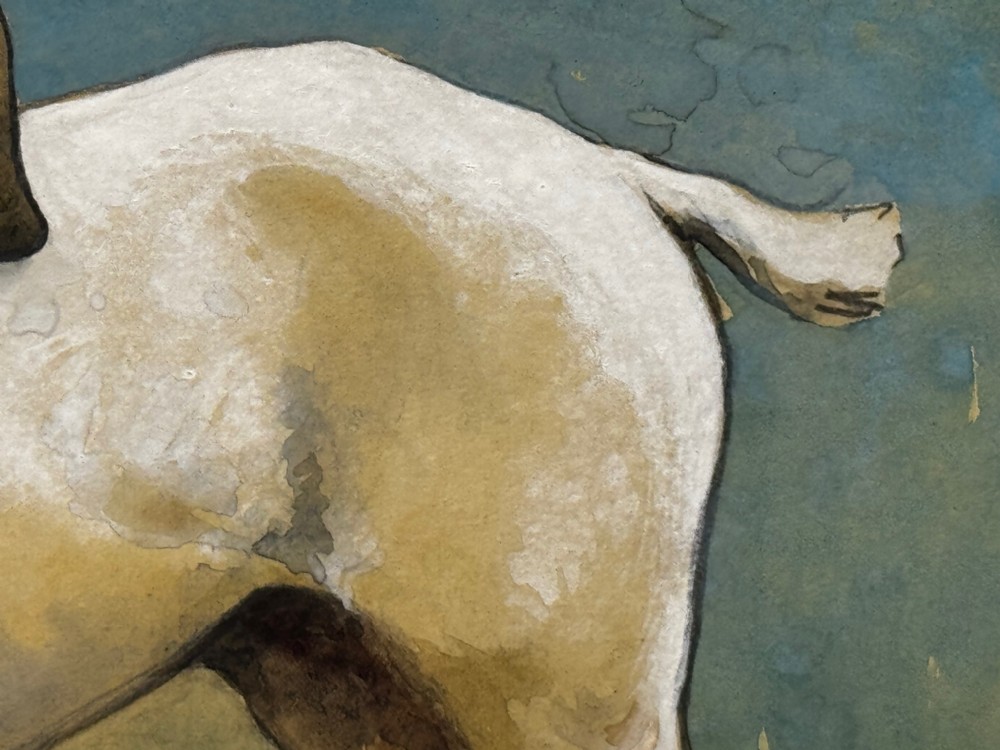
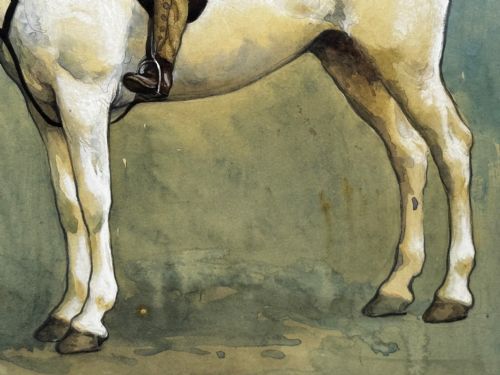
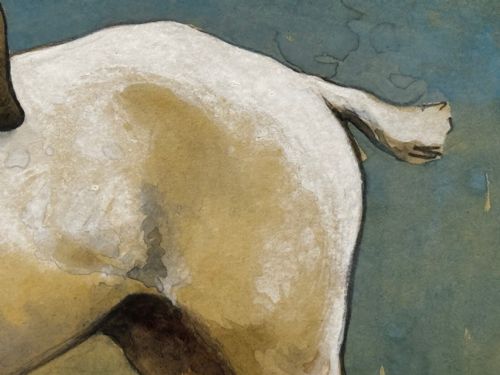
Noble presents Pretty Polly in a three-quarter standing pose, head slightly turned and ears pricked, radiating composure and presence. Her silvery-grey coat is rendered through layered washes of translucent watercolour, enriched with warm ochres and subtle sepias to suggest sheen, depth, and musculature.
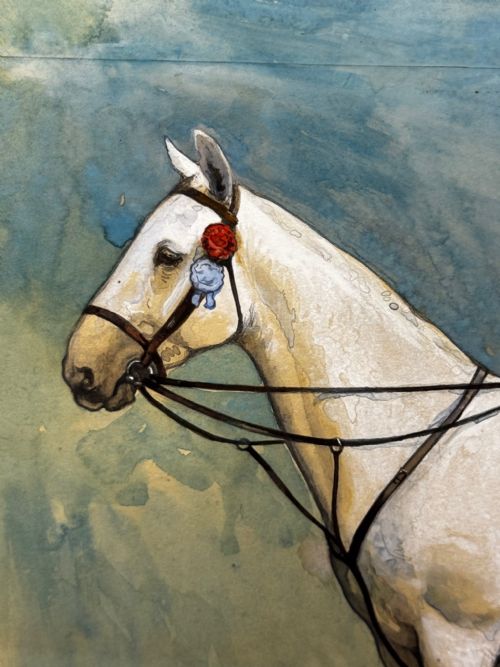
The rosettes in vivid crimson and cobalt blue create a striking focal point, symbols of victory contrasting against her pale coat.
The groom — possibly of the Smith-Dorrien family’s estate staff — is painted with earthy tones in his jacket, breeches, and cap, serving as a tonal counterpoint to the mare’s luminous form. His upright stance echoes the horse’s proud bearing, completing the composition with quiet dignity.
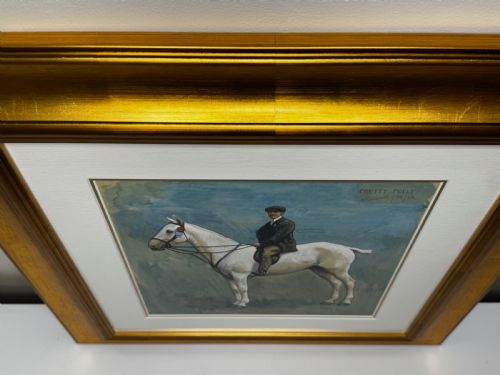
Noble’s brushwork blends precision and painterly expressiveness: delicate strokes define anatomy and detail, while broader washes evoke atmosphere and immediacy. The style reflects both his academic training and his lyrical Edwardian sensibility, elevating the work beyond mere sporting portraiture.
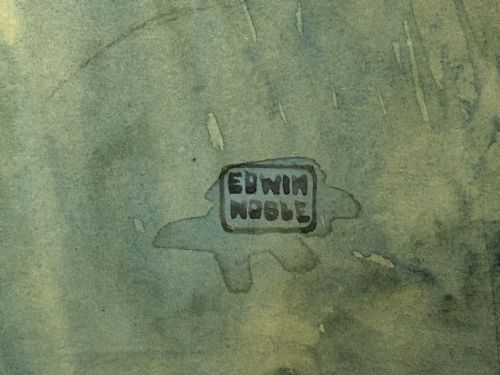
?? Signed
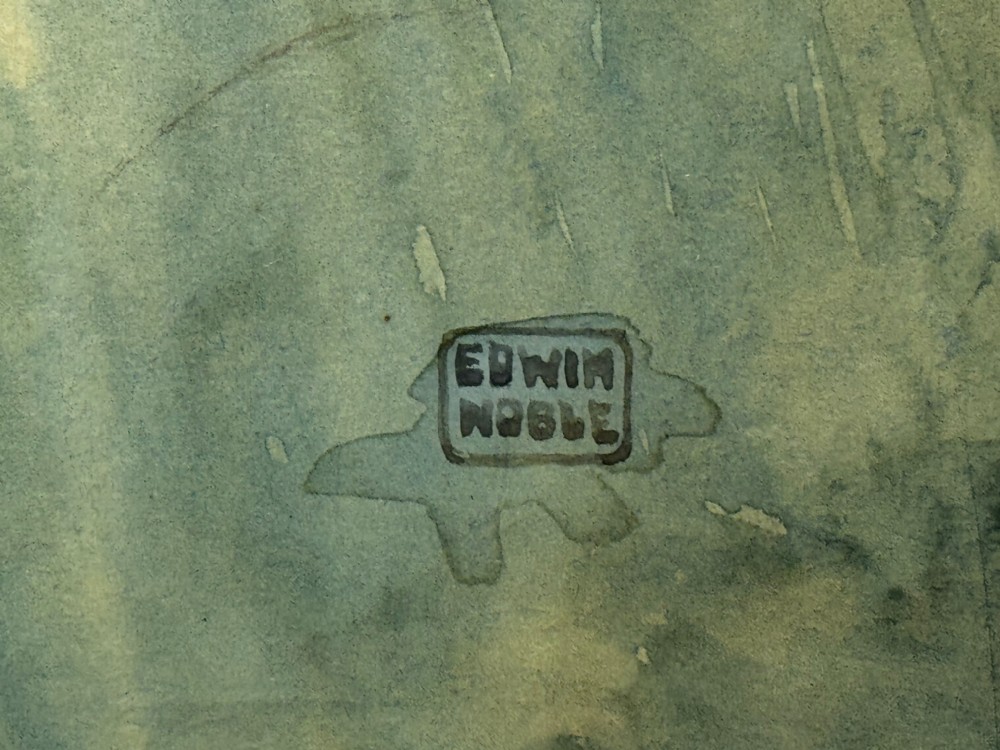
Signed and dated “J.E. Noble, 22/VIII/08.”
????? About the Artist
John Edwin Noble (1876–1941), often known as Edwin Noble, was born into a family of artists. His father, John Sargent Noble, was a distinguished sporting painter, and his sister Kate Florence Noble also pursued an artistic career.
Trained at the Slade School of Fine Art, Lambeth School of Art, and the Royal Academy Schools, Noble quickly gained recognition for his equestrian and animal studies. From 1898 to 1930, he exhibited widely at the Royal Academy, the Royal Scottish Academy, and the Fine Art Society.
During the First World War, he served with the Royal Army Veterinary Corps and was appointed Official War Artist. His watercolour and charcoal sketches of horses and mules at the front remain some of the most poignant records of animals in wartime service.
Noble also taught animal drawing at Calderon’s School of Anima
Cheshire Antiques Consultant Ltd has dated this piece to the Edwardian era.
Source the historic in 17th, 18th, 19th & 20th century fine arts, painting, sculptures & collectibles
You can view the stock and full dealer information on the Cheshire Antiques Consultant Ltd Profile Page
Painting Grey Horse Pretty Polly First Place Groom Up Hertfordshire Show