8,807  PAGES BROWSED TODAY PAGES TODAY 12 ANTIQUES UPLOADED TODAYNEW ARRIVALS
12 ITEMS ADDED TODAY
Sort Order
Items Per Page
Browse Categories
Sort order
Items per page
ID #SA1150267
SOLD
Email Phone
Save
Johannes Vollevens I, Portrait of a Member of the Van Vrijberghe Family, 17th Century Oil Painting
Sold by Brave Fine Art
sold SA1150267
Sorry, but this item has been sold.
Brave Fine Art

Brave Fine Art

Sellingantiques Verified Since Nov 2018
Browse dealers 75 items
  • About Us
    Exquisite antique paintings that capture the imagination.
Id #SA1150267
PDF SHARE
SAVE

Johannes Vollevens I, Portrait of a Member of the Van Vrijberghe Family, 17th Century Oil Painting

17th century
Description

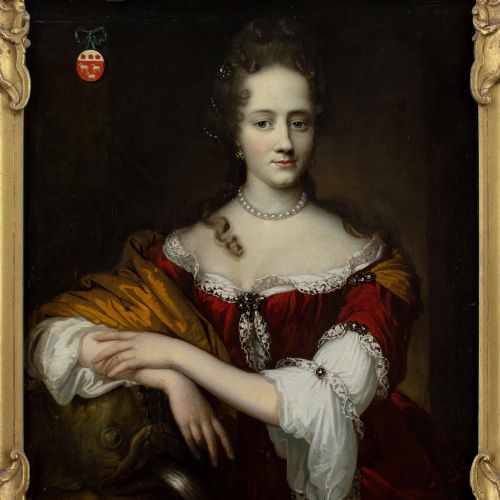
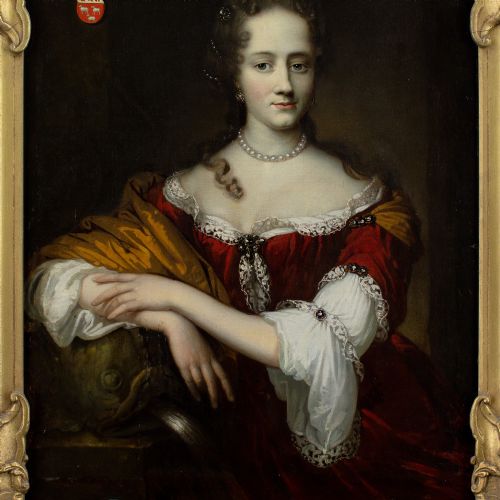
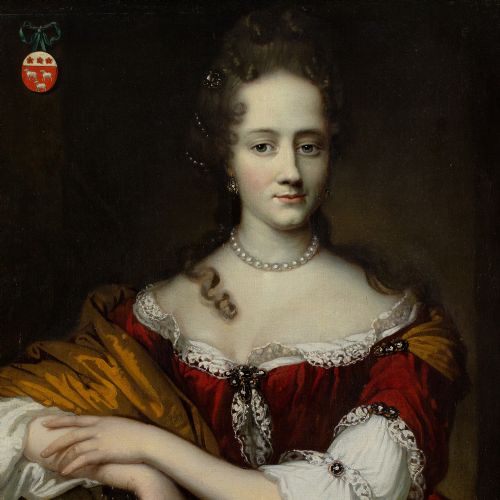
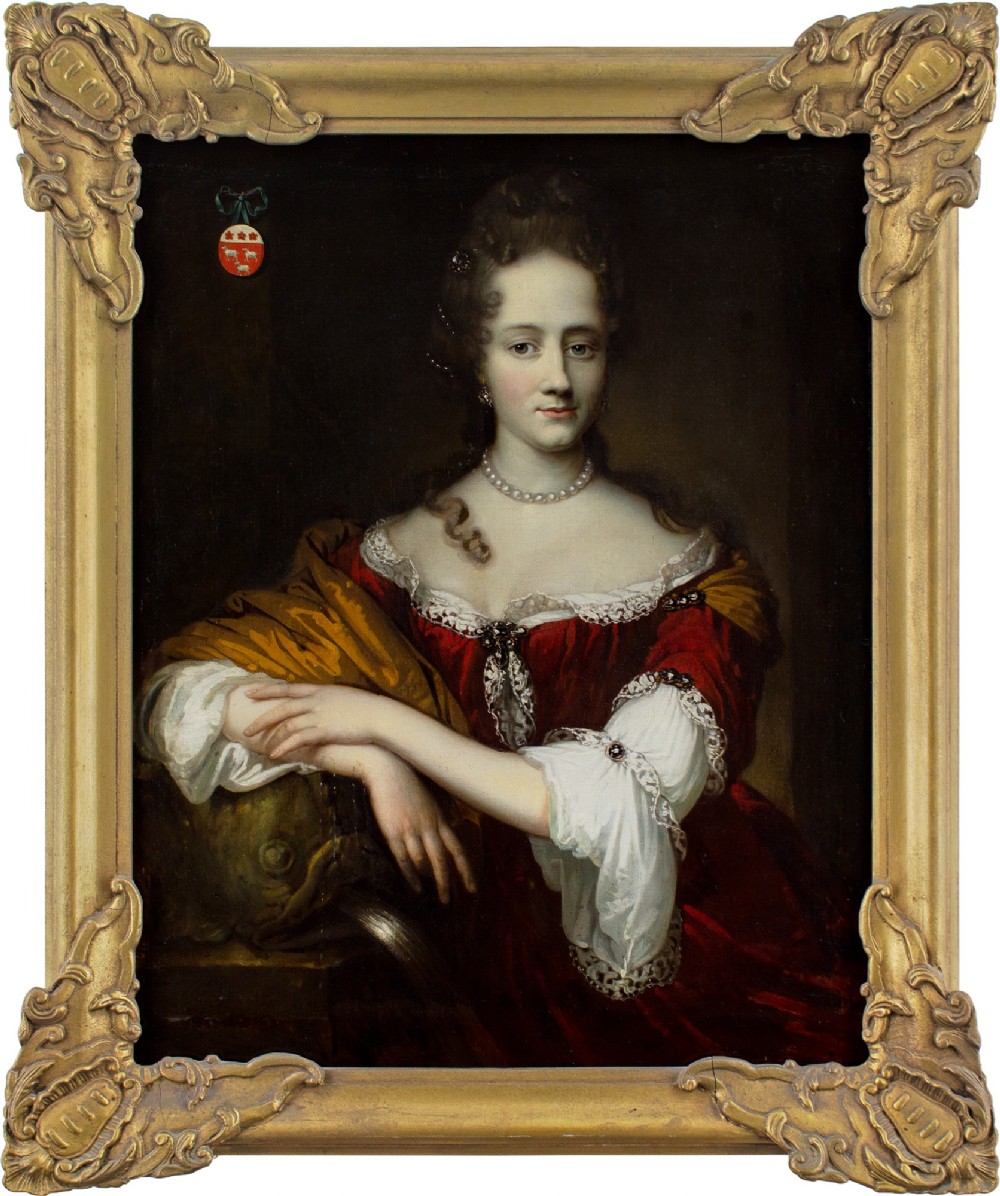
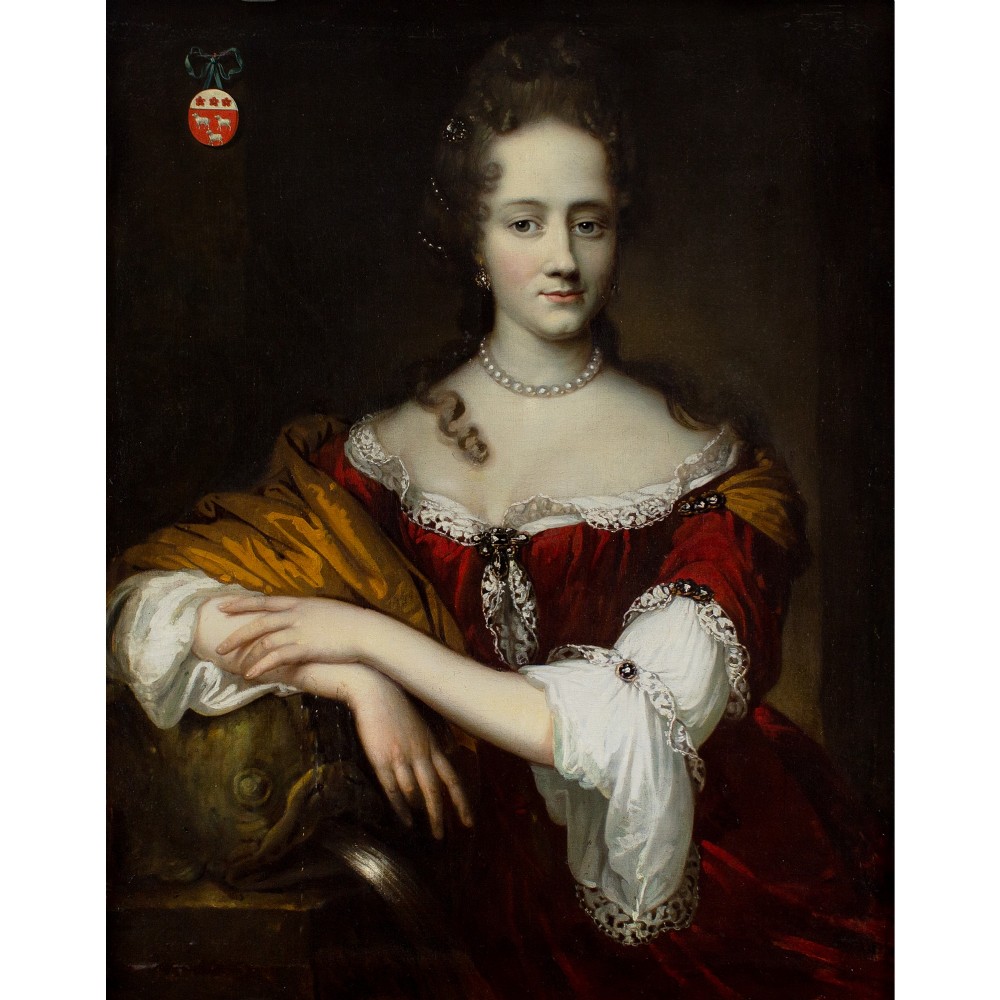
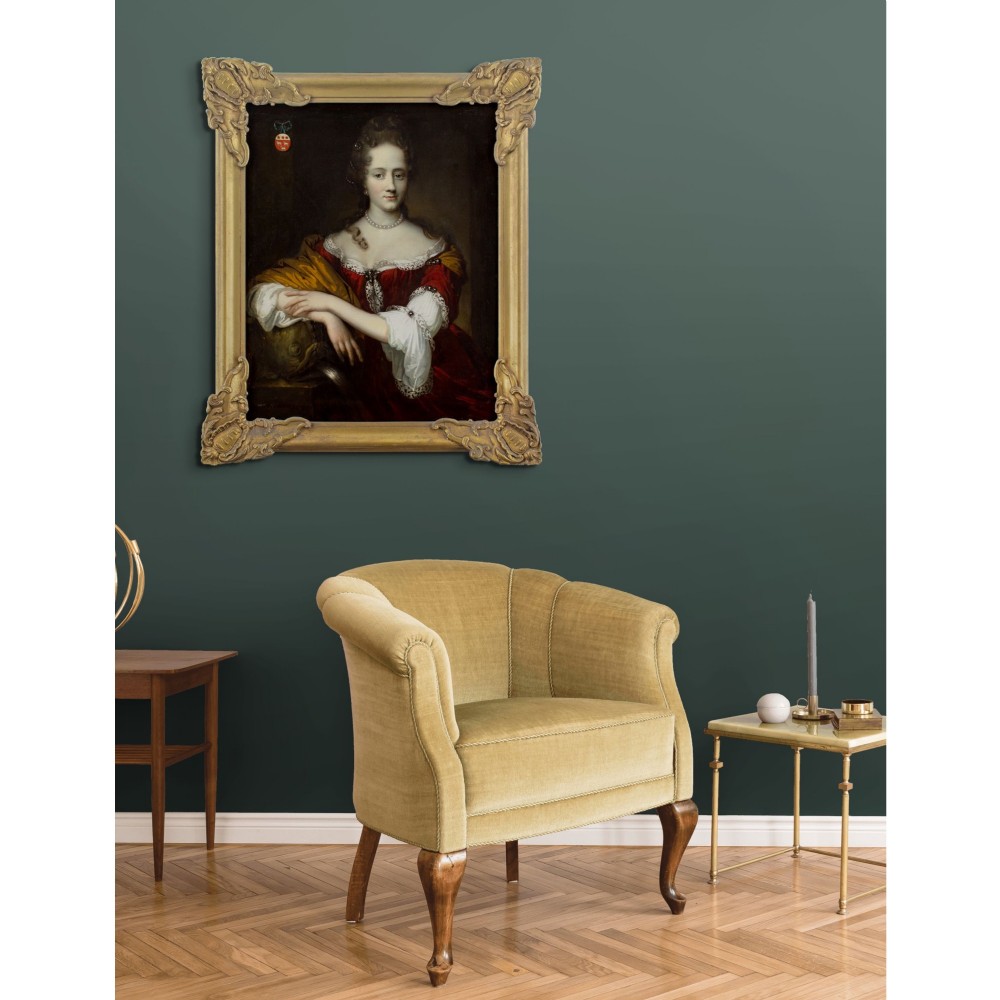
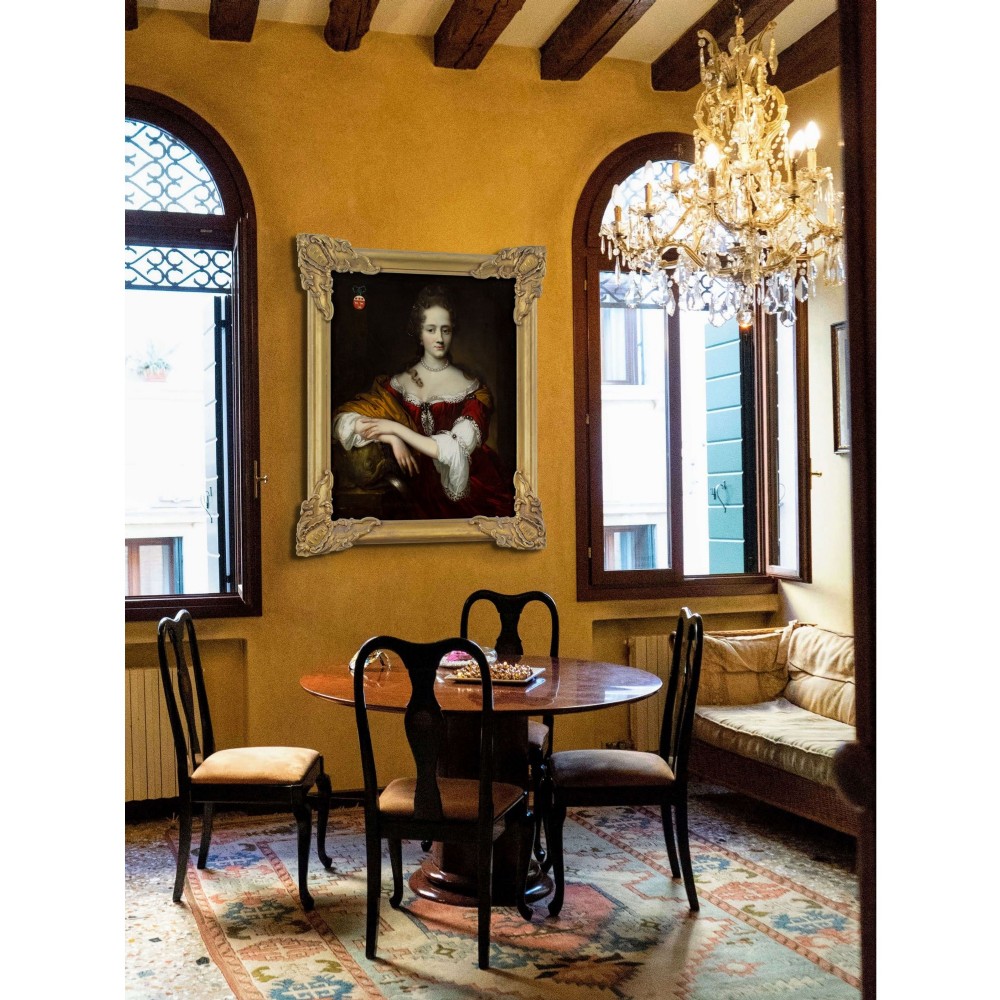
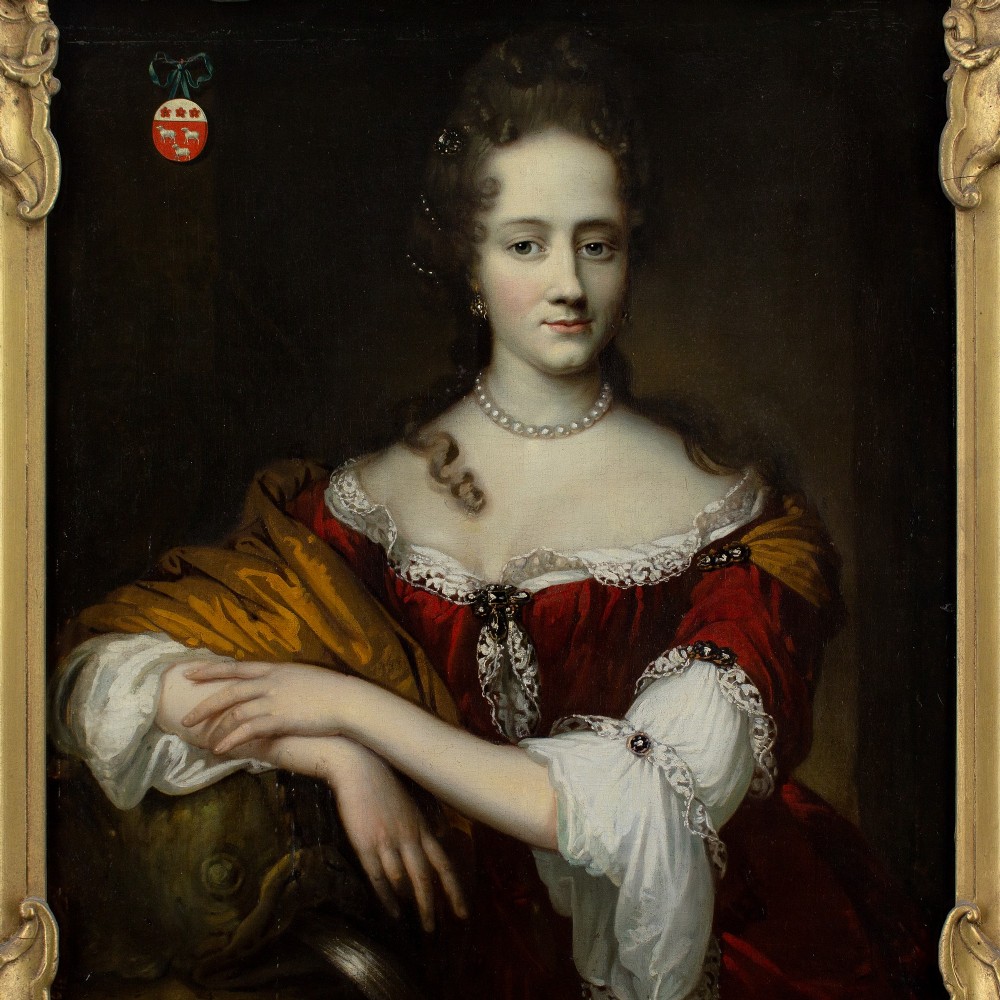
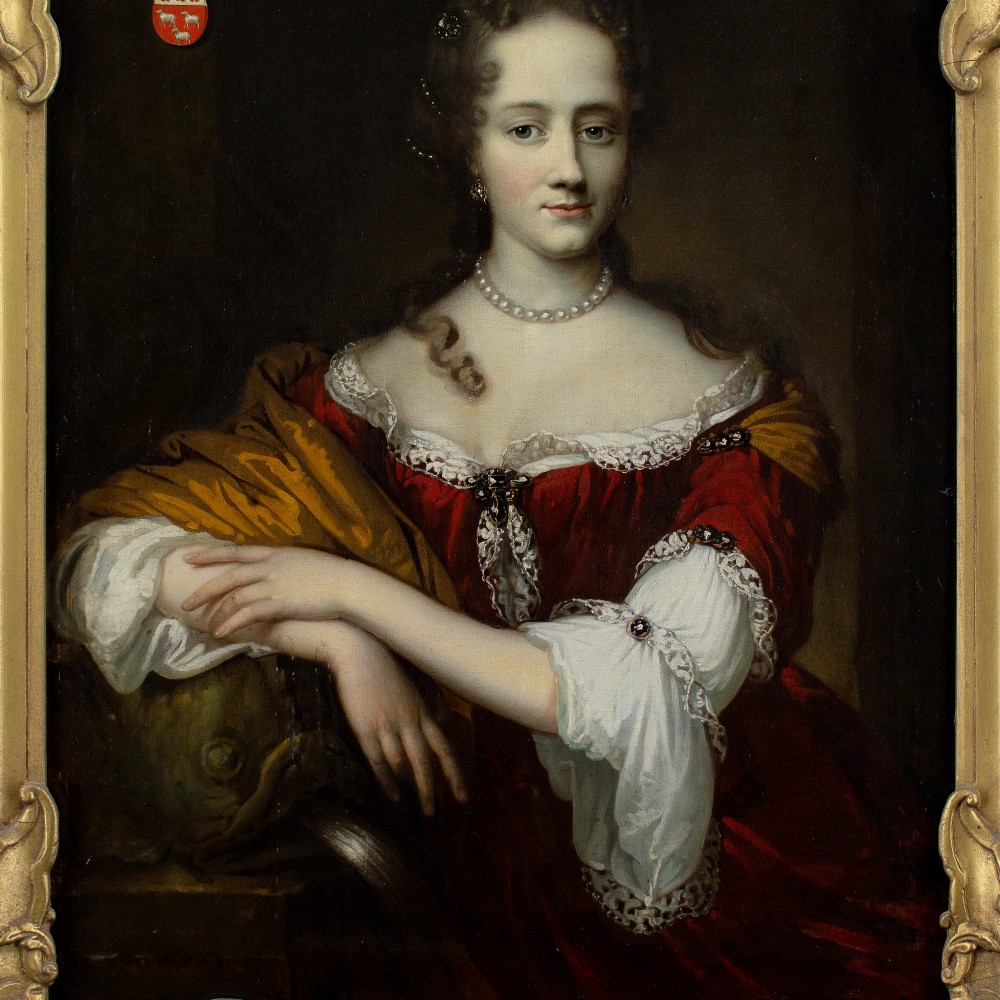
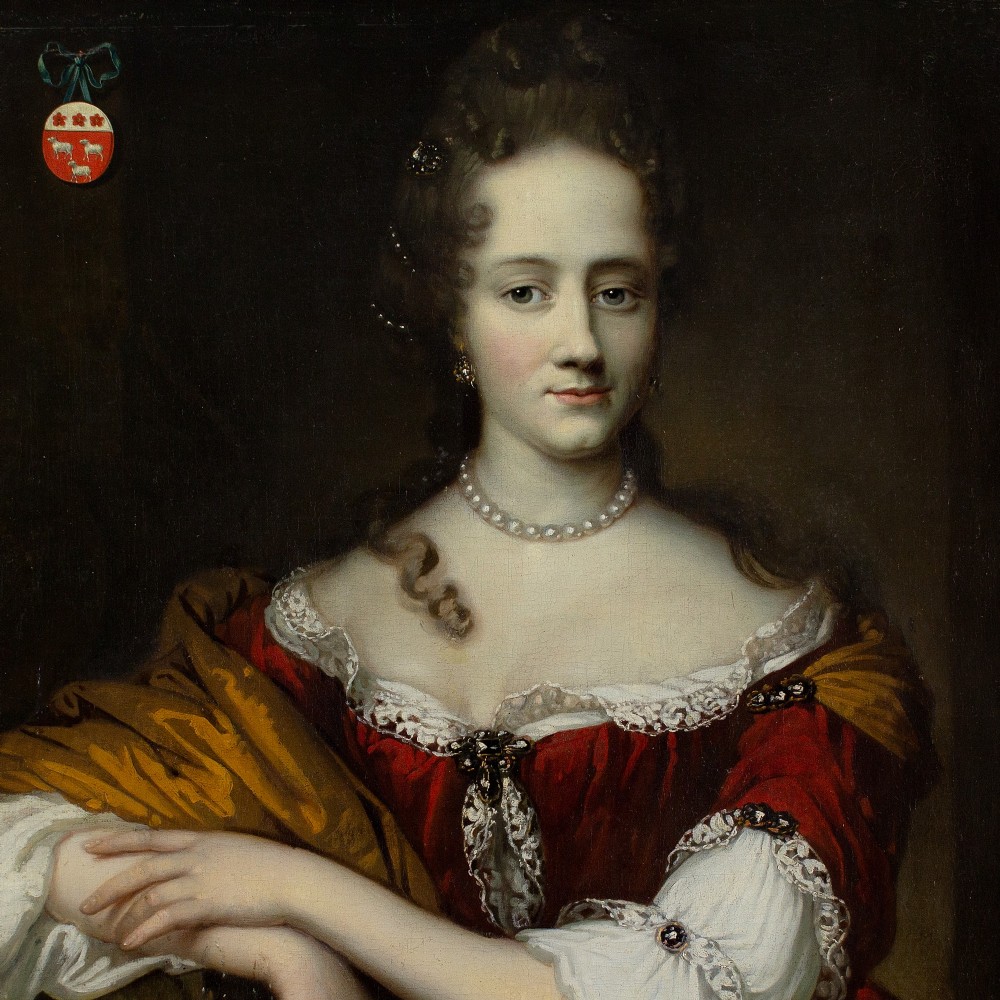
This splendid late 17th-century three-quarter-length portrait by Dutch artist Johannes Vollevens I (1649-1728) depicts a lady wearing a plush red gown with a low, lace-trimmed neckline, together with a pearl necklace. The coat of arms in the upper left refers to the Van Vrijberghe family.

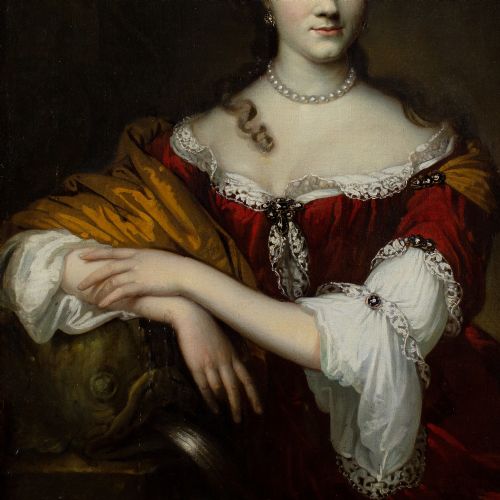
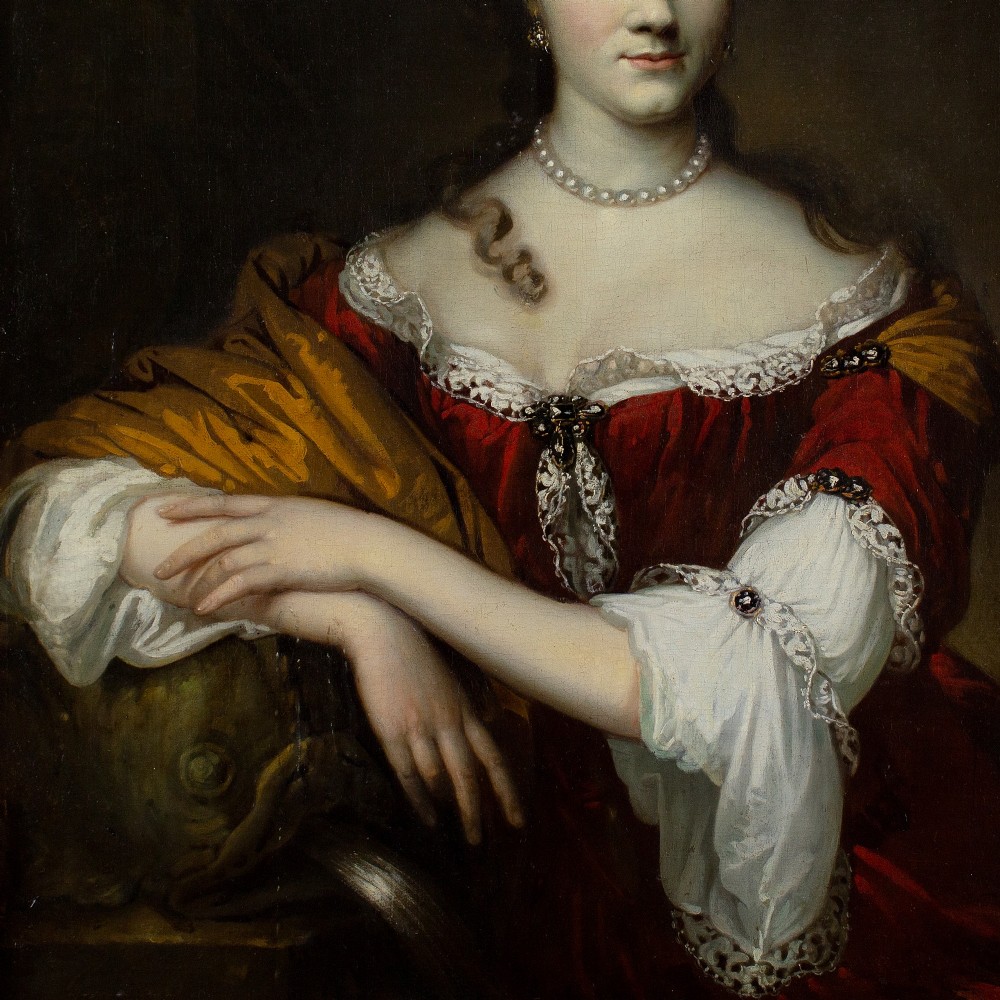
Dressed in the finest, exceedingly well-tailored attire, she’s evidently a lady of considerable means. Her sleeves are embellished with elaborate lace cuffs, and a string of delicate pearls encircles her neck. A piece of sumptuous orange fabric is draped over her shoulder, which is confidently rendered.
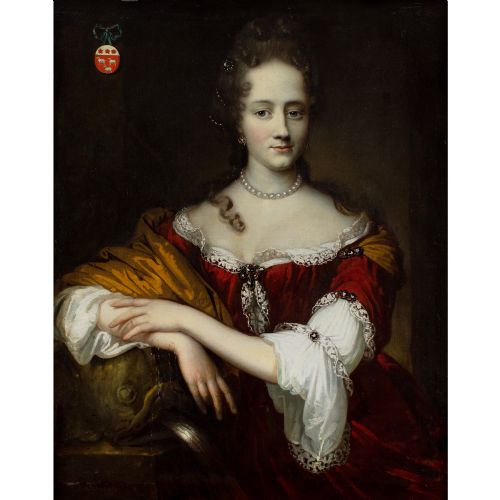
The lineage of the Van Vrijberghe family dates to the late 15th century and begins with David de Boet who married Cornelia Croesinck, lady of Vrijbergen, circa 1484. Their grandson, Willem Davidse de Boet, acquired the lordship of Vrijbergen in 1550 and adopted the title of De Boet van Vrijberghe.
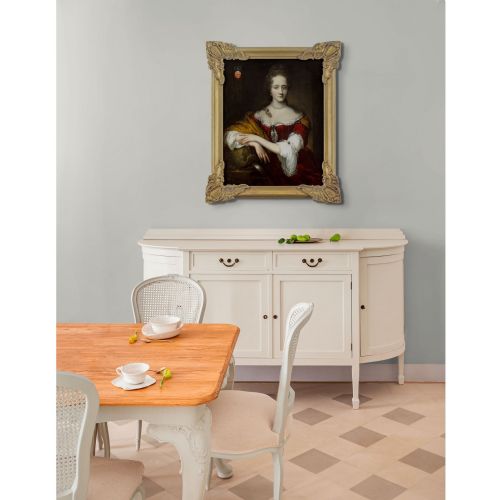
Although our sitter’s identity is not known, the portrait was almost certainly produced at The Hague, where Vollevens spent much of his time - a comparable piece was produced there in 1693. With this in mind, she’s possibly related to Cornelia Van Vrijberghe (1651-1714) who moved from Tholen to The Hague and married Diederik Vleugels (1636-1717) of Brabant, a tax attorney.
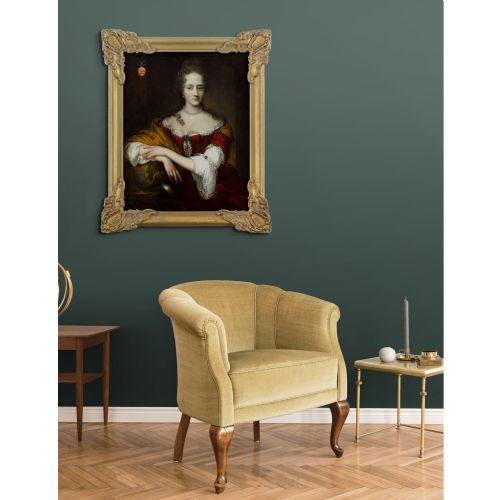
In the lower left, a water fountain takes the form of a dolphin, albeit a rather unusual one. During the Baroque period, dolphins were often portrayed in this manner - more akin to a mythical sea beast than the endearing aquatic mammal we know today. For an example, see the Fontaine des Quatre-Dauphins at Aix-en-Provence.
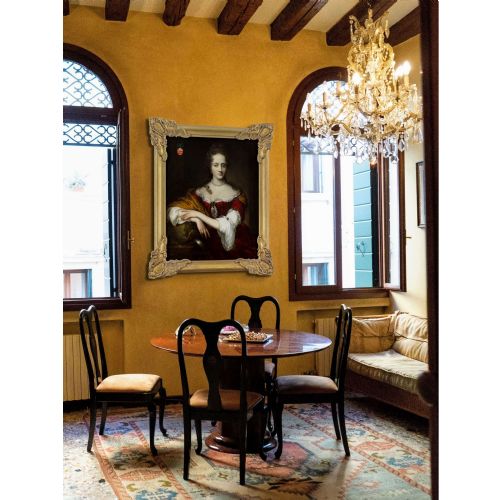
Born in Geertruidenberg, The Netherlands, Johannes Vollevens possessed inordinate ability as a child, particularly in charcoal drawing. He approached art with such fervour that his parents sent him to study with the eminent portrait and genre painter Caspar Netscher (1639-1684), followed by a spell with Nicolaes Maes (1634-1693) in Dordrecht.
Now furnished with the rudiments, his next period of tuition was a longer apprenticeship with the leading Dutch portraitist, Jan de Baen (1633-1702), in The Hague. Here, over a span of eight years, he worked closely with de Baen, becoming an invaluable assistant. Due to the master’s popularity, Vollevens was often tasked with producing copies of de Baen’s works while also painting the drapery in many of his originals.
It’s said that the young man’s vigorous spirit was much needed as de Baen was often overloaded with work. It was a relationship that benefited both parties; on one hand, de Baen could meet the demands of his patrons, while on the other, Vollevens was gaining vital experience.
In 1672, upon completing his apprenticeship, he was inundated with commissions and soon gained the trust of esteemed dignitaries such as the Count and Countess of Nassau and the Prince of Courlant, who asked him to produce portraits of every officer in his regiment. With his career and security now established, orders continued to materialise - such as those for Colonel Perzival with his officers, the English ambassador Schelten, and for the Prince of Nassau. And following the death of Jan de Baen in 1702, he gained many of his master’s loyal patrons.
The word ‘Vollevens’ translates as ‘full of life’, which was the source of much punnery during his lifetime. But indeed, it was his zest and industriousness which set him apart from his peers and contributed to his distinguished reputation.
Compared to de Baen, Vollevens’ oeuvre is a touch less flattering, with each sitter portrayed closer to life. As such, his works possess greater diversity and less stylisation. For example, he describes Caspar Fagel (1634-1688) as distinguished and sensitive, whereas François Nicolaas Fagel (1655-1718) conveys pomp and ceremony. In both, there’s a sense of the individual - the spirit behind the facade.

His son, Johannes Vollev

Physical Dimensions
Height
104cm (40.94")
Width
78cm (30.71")
Depth
5cm (1.97")
Declaration

Brave Fine Art has dated this piece to the 17th Century.

Reference Numbers
Sellingantiques Reference
SA1150267
Description
This splendid late 17th-century three-quarter-length portrait by Dutch artist Johannes Vollevens I (1649-1728) depicts a lady wearing a plush red gown with a low, lace-trimmed neckline, together with a pearl necklace. The coat of arms in the upper left refers to the Van Vrijberghe family.
Dressed in the finest, exceedingly well-tailored attire, she’s evidently a lady of considerable means.
Brave Fine Art

Her sleeves are embellished with elaborate lace cuffs, and a string of delicate pearls encircles her neck. A piece of sumptuous orange fabric is draped over her shoulder, which is confidently rendered.

fig 1. Johannes Vollevens I, Portrait Of A Member Of The Van Vrijberghe Family, 17th Century Oil Painting
fig 1. Johannes Vollevens I, Portrait of a Member of the Van Vrijberghe Family, 17th Century Oil Painting

The lineage of the Van Vrijberghe family dates to the late 15th century and begins with David de Boet who married Cornelia Croesinck, lady of Vrijbergen, circa 1484. Their grandson, Willem Davidse de Boet, acquired the lordship of Vrijbergen in 1550 and adopted the title of De Boet van Vrijberghe.

fig 2. Johannes Vollevens I, Portrait Of A Member Of The Van Vrijberghe Family, 17th Century Oil Painting
fig 2. Johannes Vollevens I, Portrait of a Member of the Van Vrijberghe Family, 17th Century Oil Painting

Although our sitter’s identity is not known, the portrait was almost certainly produced at The Hague, where Vollevens spent much of his time - a comparable piece was produced there in 1693. With this in mind, she’s possibly related to Cornelia Van Vrijberghe (1651-1714) who moved from Tholen to The Hague and married Diederik Vleugels (1636-1717) of Brabant, a tax attorney.

fig 3. Johannes Vollevens I, Portrait Of A Member Of The Van Vrijberghe Family, 17th Century Oil Painting
fig 3. Johannes Vollevens I, Portrait of a Member of the Van Vrijberghe Family, 17th Century Oil Painting

In the lower left, a water fountain takes the form of a dolphin, albeit a rather unusual one. During the Baroque period, dolphins were often portrayed in this manner - more akin to a mythical sea beast than the endearing aquatic mammal we know today. For an example, see the Fontaine des Quatre-Dauphins at Aix-en-Provence.

fig 4. Johannes Vollevens I, Portrait Of A Member Of The Van Vrijberghe Family, 17th Century Oil Painting
fig 4. Johannes Vollevens I, Portrait of a Member of the Van Vrijberghe Family, 17th Century Oil Painting

Born in Geertruidenberg, The Netherlands, Johannes Vollevens possessed inordinate ability as a child, particularly in charcoal drawing. He approached art with such fervour that his parents sent him to study with the eminent portrait and genre painter Caspar Netscher (1639-1684), followed by a spell with Nicolaes Maes (1634-1693) in Dordrecht.

fig 5. Johannes Vollevens I, Portrait Of A Member Of The Van Vrijberghe Family, 17th Century Oil Painting
fig 5. Johannes Vollevens I, Portrait of a Member of the Van Vrijberghe Family, 17th Century Oil Painting

Now furnished with the rudiments, his next period of tuition was a longer apprenticeship with the leading Dutch portraitist, Jan de Baen (1633-1702), in The Hague. Here, over a span of eight years, he worked closely with de Baen, becoming an invaluable assistant. Due to the master’s popularity, Vollevens was often tasked with producing copies of de Baen’s works while also painting the drapery in many of his originals.

fig 6. Johannes Vollevens I, Portrait Of A Member Of The Van Vrijberghe Family, 17th Century Oil Painting
fig 6. Johannes Vollevens I, Portrait of a Member of the Van Vrijberghe Family, 17th Century Oil Painting

It’s said that the young man’s vigorous spirit was much needed as de Baen was often overloaded with work. It was a relationship that benefited both parties; on one hand, de Baen could meet the demands of his patrons, while on the other, Vollevens was gaining vital experience.

fig 7. Johannes Vollevens I, Portrait Of A Member Of The Van Vrijberghe Family, 17th Century Oil Painting
fig 7. Johannes Vollevens I, Portrait of a Member of the Van Vrijberghe Family, 17th Century Oil Painting

In 1672, upon completing his apprenticeship, he was inundated with commissions and soon gained the trust of esteemed dignitaries such as the Count and Countess of Nassau and the Prince of Courlant, who asked him to produce portraits of every officer in his regiment. With his career and security now established, orders continued to materialise - such as those for Colonel Perzival with his officers, the English ambassador Schelten, and for the Prince of Nassau. And following the death of Jan de Baen in 1702, he gained many of his master’s loyal patrons.

fig 8. Johannes Vollevens I, Portrait Of A Member Of The Van Vrijberghe Family, 17th Century Oil Painting
fig 8. Johannes Vollevens I, Portrait of a Member of the Van Vrijberghe Family, 17th Century Oil Painting

The word ‘Vollevens’ translates as ‘full of life’, which was the source of much punnery during his lifetime. But indeed, it was his zest and industriousness which set him apart from his peers and contributed to his distinguished reputation.

fig 9. Johannes Vollevens I, Portrait Of A Member Of The Van Vrijberghe Family, 17th Century Oil Painting
fig 9. Johannes Vollevens I, Portrait of a Member of the Van Vrijberghe Family, 17th Century Oil Painting

Compared to de Baen, Vollevens’ oeuvre is a touch less flattering, with each sitter portrayed closer to life. As such, his works possess greater diversity and less stylisation. For example, he describes Caspar Fagel (1634-1688) as distinguished and sensitive, whereas François Nicolaas Fagel (1655-1718) conveys pomp and ceremony. In both, there’s a sense of the individual - the spirit behind the facade.

His son, Johannes Vollev

Height
104cm (40.94")
Width
78cm (30.71")
Depth
5cm (1.97")
Date of Manufacture

Brave Fine Art has dated this piece to the 17th Century.

Reference Numbers
Sellingantiques Ref
SA1150267
Brave Fine Art
Brave Fine Art
Sellingantiques verified Since Nov 2018

Exquisite antique paintings that capture the imagination.

Dealer Profile

You can view the stock and full dealer information on the Brave Fine Art Profile Page
PDF SHARE
SAVE
Johannes Vollevens I, Portrait Of A Member Of The Van Vrijberghe Family, 17th Century Oil Painting SOLD6+ MONTHS AGO
1 / 10
Archive I Johannes Vollevens I, Portrait Of A Member Of The Van Vrijberghe Family, 17th Century Oil Painting SOLD6+ MONTHS AGO

Johannes Vollevens I, Portrait of a Member of the Van Vrijberghe Family, 17th Century Oil Painting
Archive II Johannes Vollevens I, Portrait Of A Member Of The Van Vrijberghe Family, 17th Century Oil Painting View II
Archive III Johannes Vollevens I, Portrait Of A Member Of The Van Vrijberghe Family, 17th Century Oil Painting View III
Archive IV Johannes Vollevens I, Portrait Of A Member Of The Van Vrijberghe Family, 17th Century Oil Painting View IV
Archive V Johannes Vollevens I, Portrait Of A Member Of The Van Vrijberghe Family, 17th Century Oil Painting View V
Archive VI Johannes Vollevens I, Portrait Of A Member Of The Van Vrijberghe Family, 17th Century Oil Painting View VI
Archive VII Johannes Vollevens I, Portrait Of A Member Of The Van Vrijberghe Family, 17th Century Oil Painting View VII
Archive VIII Johannes Vollevens I, Portrait Of A Member Of The Van Vrijberghe Family, 17th Century Oil Painting View VIII
Archive IX Johannes Vollevens I, Portrait Of A Member Of The Van Vrijberghe Family, 17th Century Oil Painting View IX
Archive X Johannes Vollevens I, Portrait Of A Member Of The Van Vrijberghe Family, 17th Century Oil Painting View X
Enlarged Archival View
Telephone 01684 215986
Location
21 Enterprise Way
Arle Road
Cheltenham
Cotswolds
GL51 8LZ
United Kingdom

Under appointment only.
Verified Since Nov 2018
Items For Sale 75
Items Sold 1,843
Brave Fine Art
Brave Fine Art
Verified Since Nov 2018
View Dealer Info
Location: 21 Enterprise Way, Arle Road, Cheltenham, Cotswolds, GL51 8LZ, United Kingdom, , Under appointment only.
Verified
Nov 2018
For Sale
75
Sold
1,843
Johannes Vollevens I, Portrait Of A Member Of The Van Vrijberghe Family, 17th Century Oil Painting
Ref: SA1150267
Johannes Vollevens I, Portrait Of A Member Of The Van Vrijberghe Family, 17th Century Oil Painting
Detail View 1
Detail View 2
Detail View 3
Detail View 4
Detail View 5
Detail View 6
Detail View 7
Detail View 8
Detail View 9
Archival Detail
Every single antique dealer on our platform is individually approved by our internal team. We verify their professional trade history, ethical standards, and photographic quality to ensure a secure, high-standard buying environment. Upon joining, every dealer agrees to a strict 9-point code of conduct. While issues can occasionally arise, our dealers typically resolve them swiftly and directly with the buyer. In fact, since our founding in 2002, Sellingantiques has only had to step in to help resolve an issue on roughly five occasions—a true testament to the quality of our dealers and their dedication to your happiness.
Our dealers are highly experienced in packing and shipping fragile, high-value antiques. Because you are in direct contact with the dealer, you will be able to easily go through all available shipping and insurance options together to ensure your item arrives safely.
Antiques are the ultimate green purchase. By choosing historical pieces over newly manufactured goods, you completely eliminate the carbon footprint of modern mass production while preserving exceptional, timeless craftsmanship.
Written by Sellingantiques from the dealer’s photographs and listing
  • Period17th century
  • SizeH 104 cm (41 in) x W 78 cm (31 in) x D 5 cm (2 in)
items
Add keywords to the filter
Price
£100
£250000
Era
Movements
Material
Origin
Stock Location
Freshness
Online Payments
Categories