202  PAGES BROWSED TODAY PAGES TODAY 0 ANTIQUES UPLOADED TODAYNEW ARRIVALS
LATEST STOCK
Sort Order
Items Per Page
Browse Categories
Sort order
Relevant Links
Items per page
ID #SA1099287
FOR SALE
£4,000
Email
Save
Victorian Oil Painting Historic Arundel Castle After James Canter
Cheshire Antiques Consultant Ltd
for sale €4,680     $5,080
£4,000
Cheshire Antiques Consultant Ltd

Cheshire Antiques Consultant Ltd

Sellingantiques Verified Since Jan 2021
View Dealers Stock Page
  • About Us
    Source the historic in 17th, 18th, 19th & 20th century fine arts, painting, sculptures & collectibles
Id #SA1099287
PDF SHARE
SAVE

Victorian Oil Painting Historic Arundel Castle After James Canter

19th century
Description

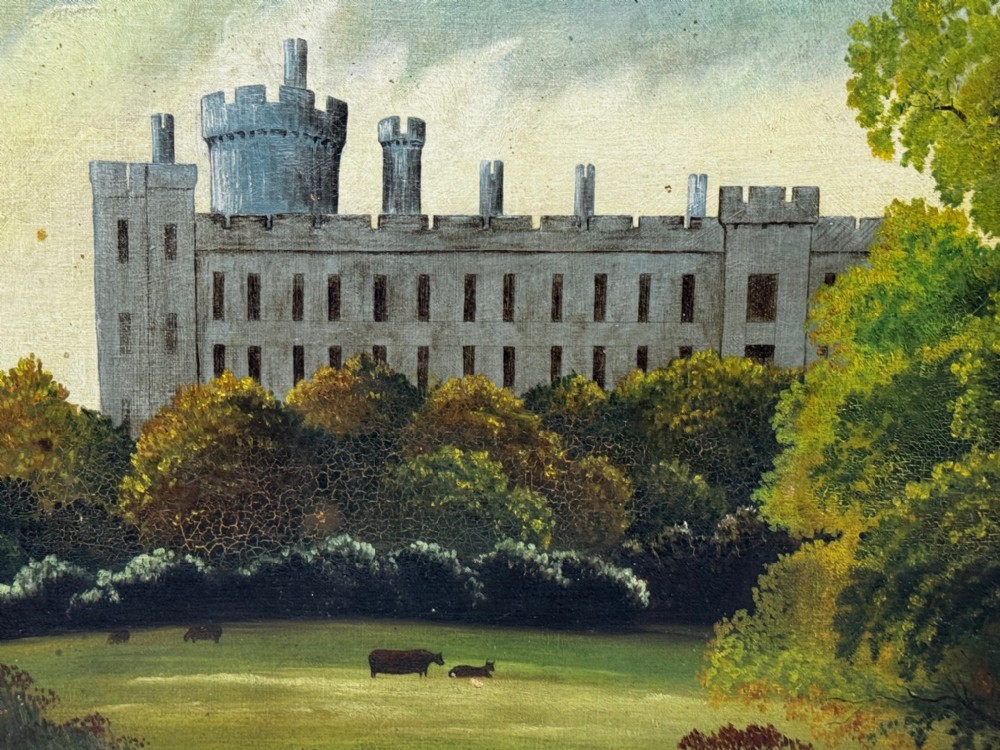
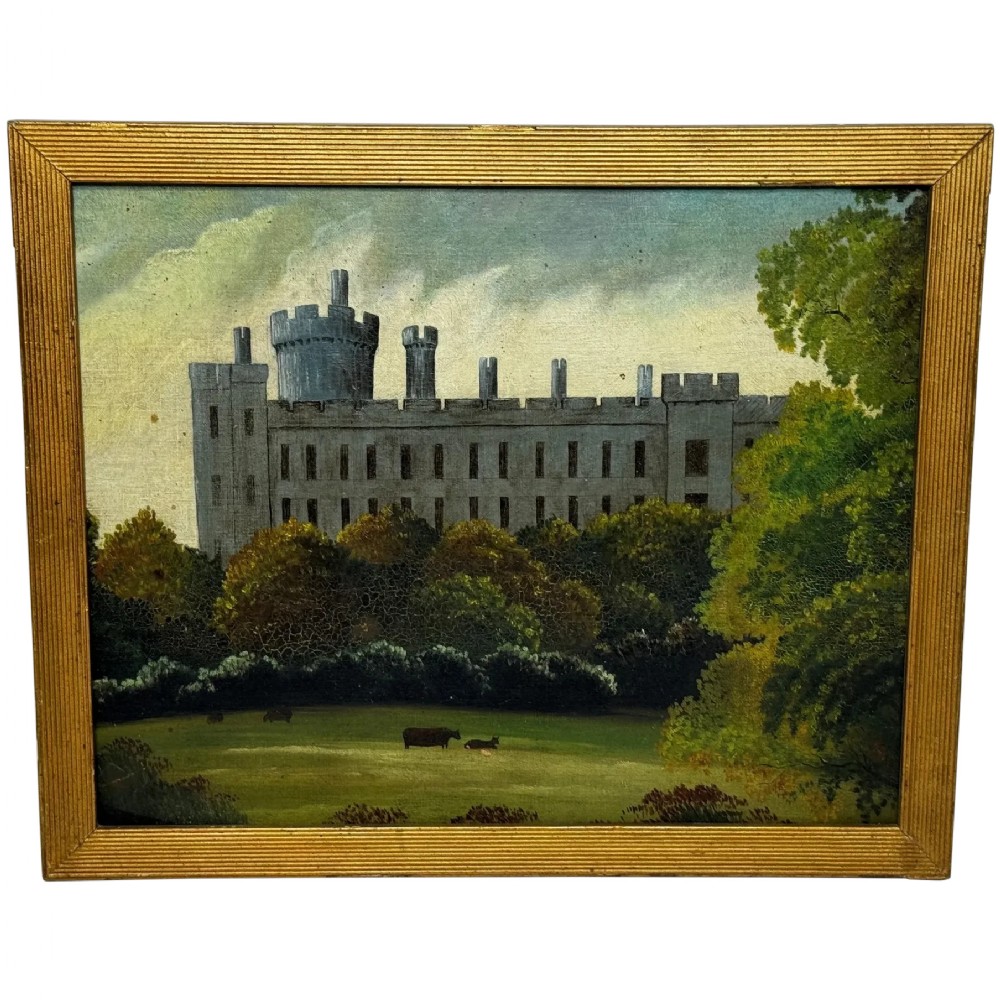
1 Fine British Victorian Oil Painting Architectural Medieval Historic View Of Arundel Castle After James Canter.

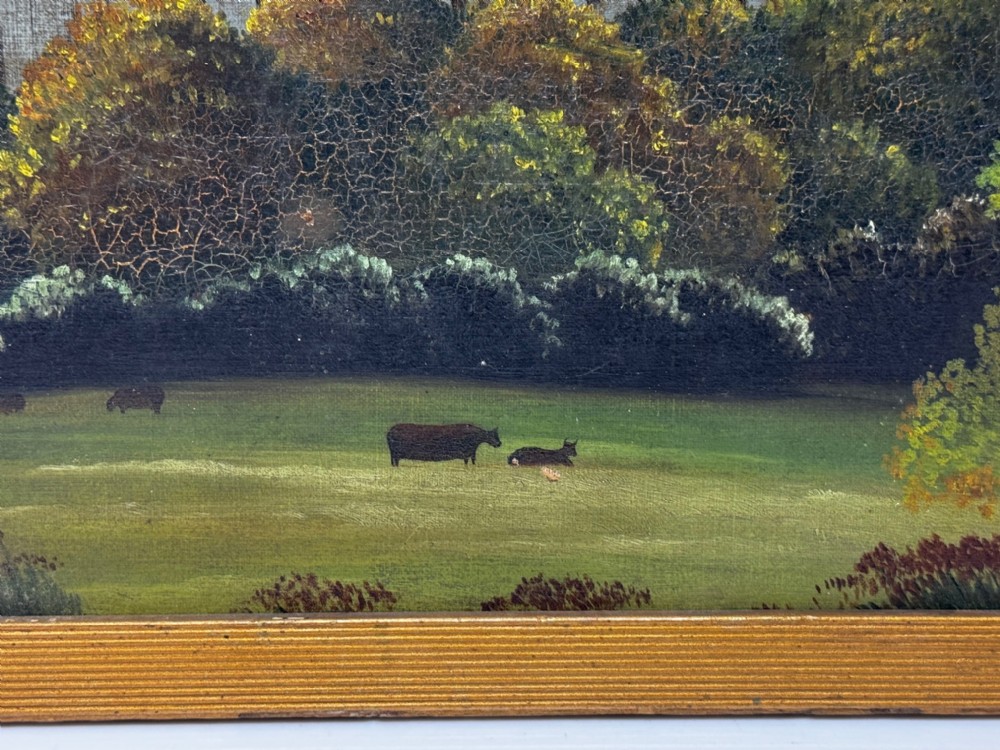
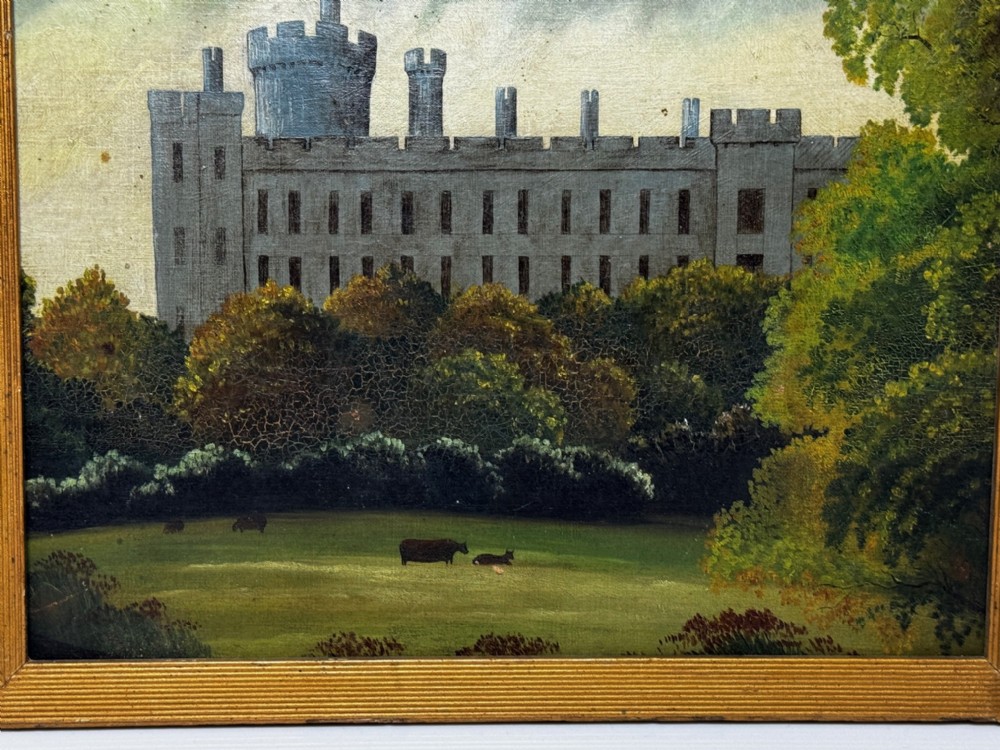
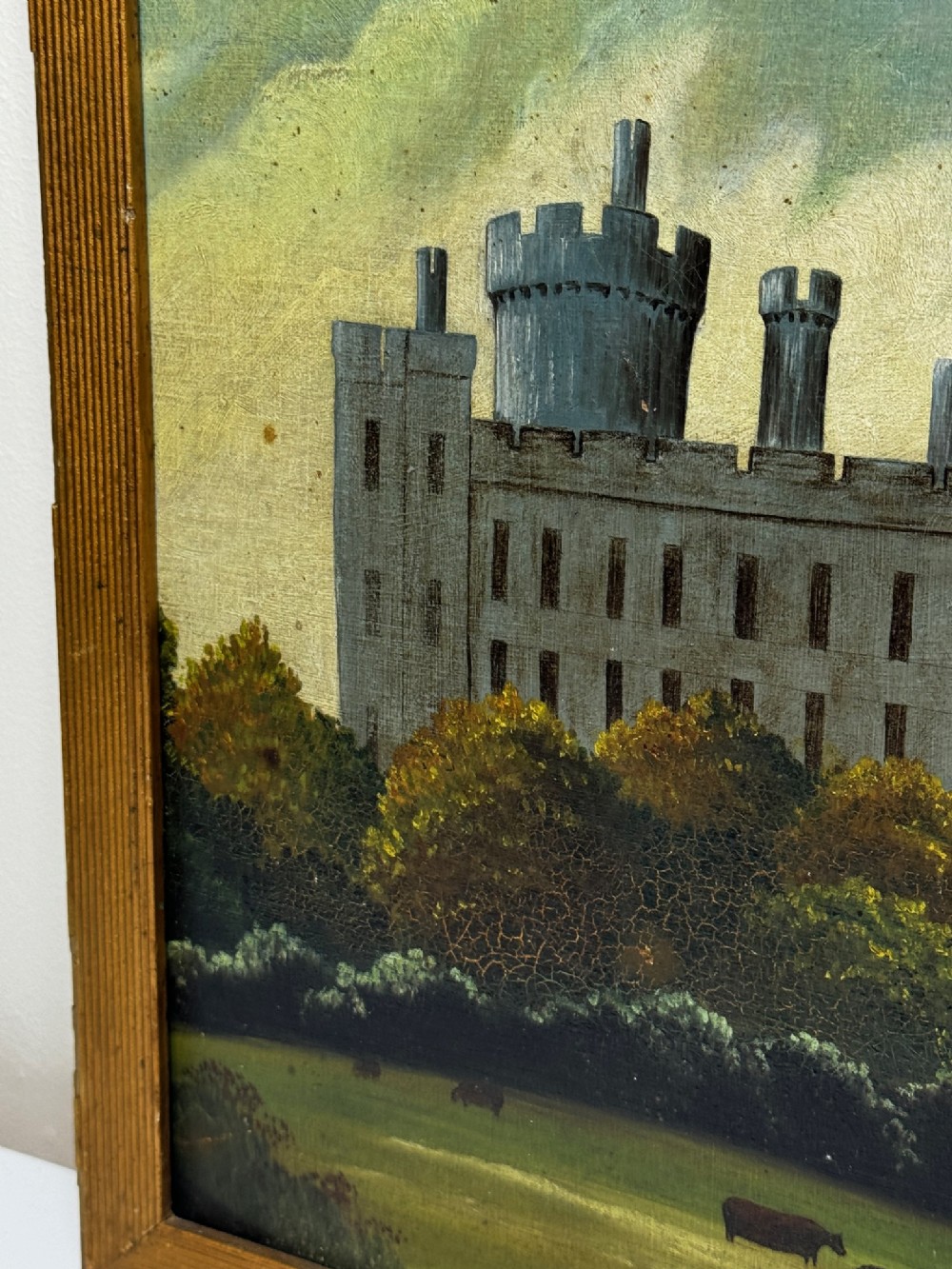
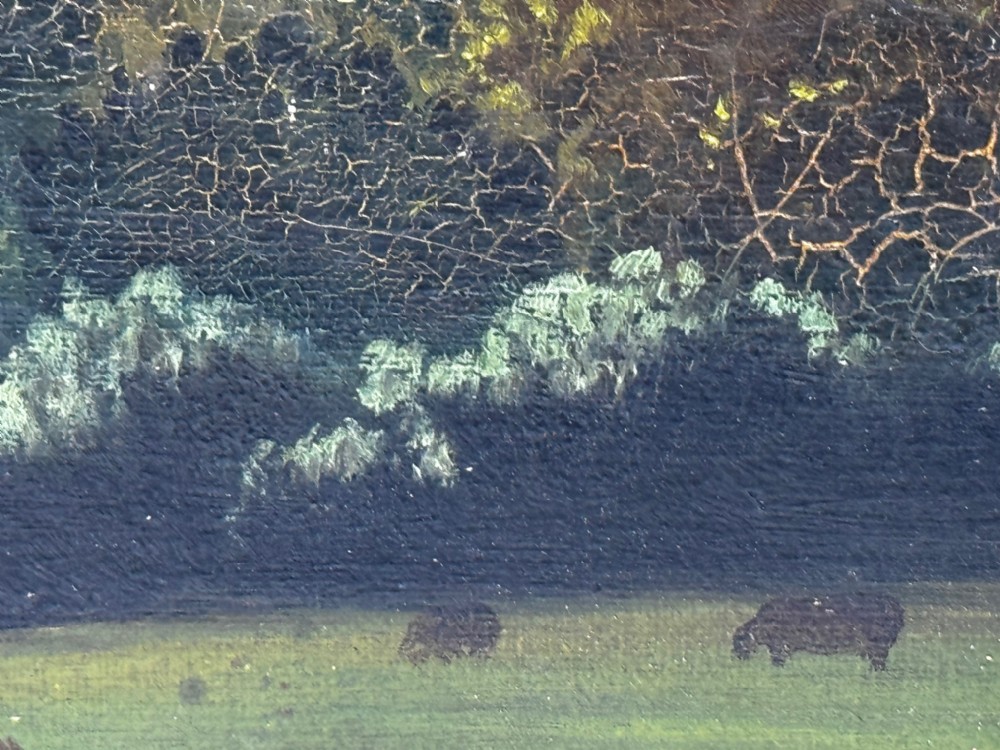
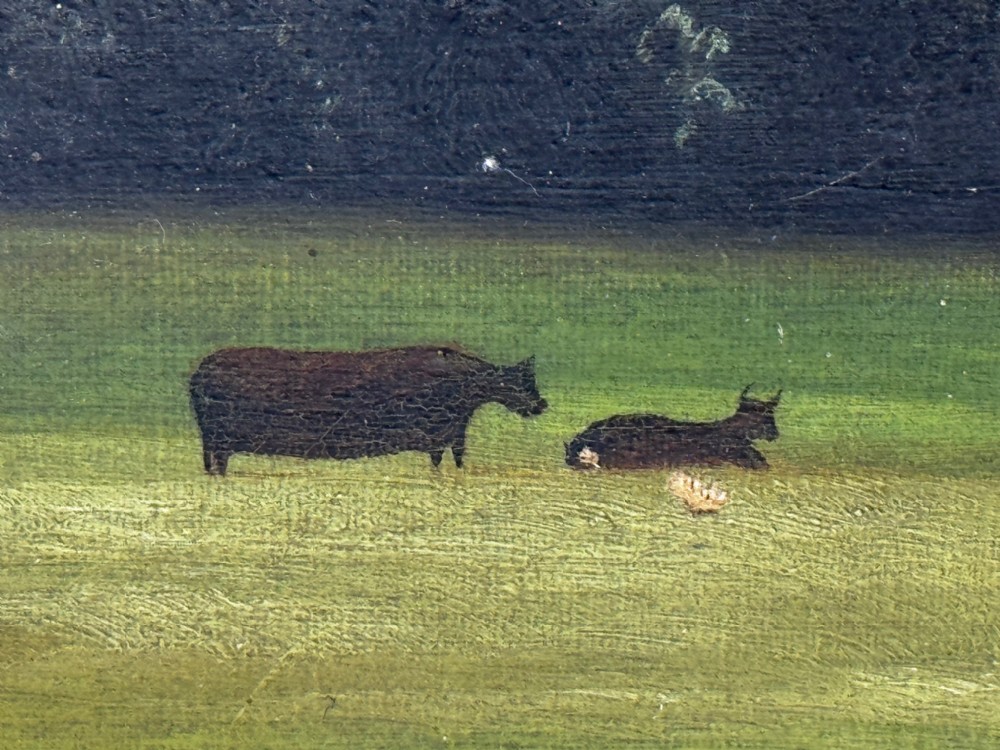
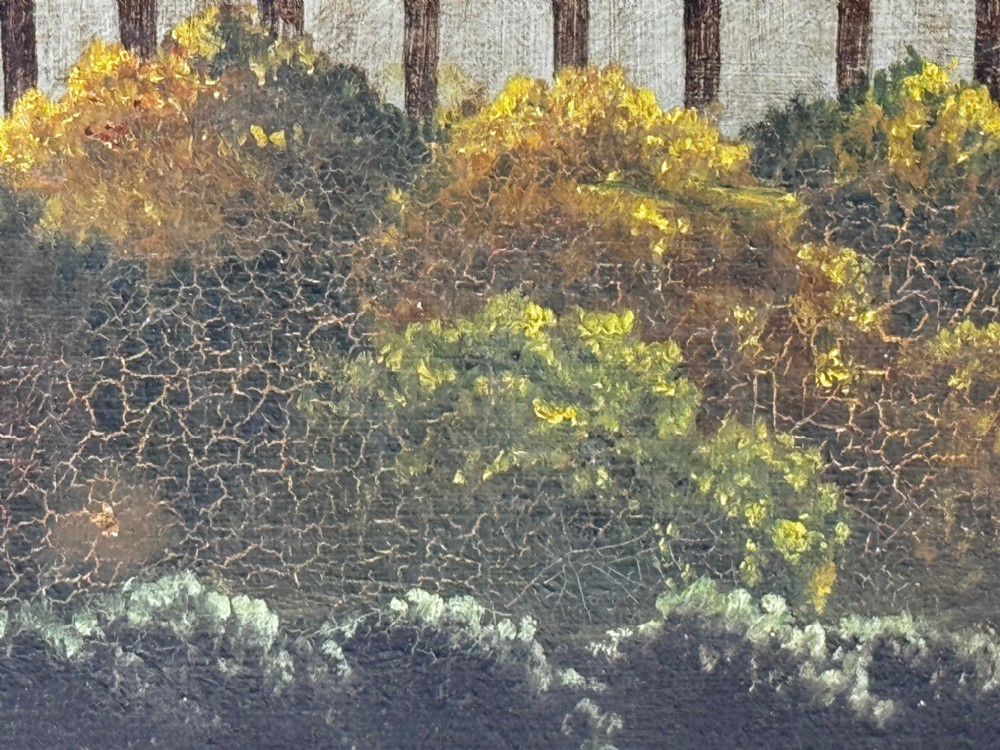
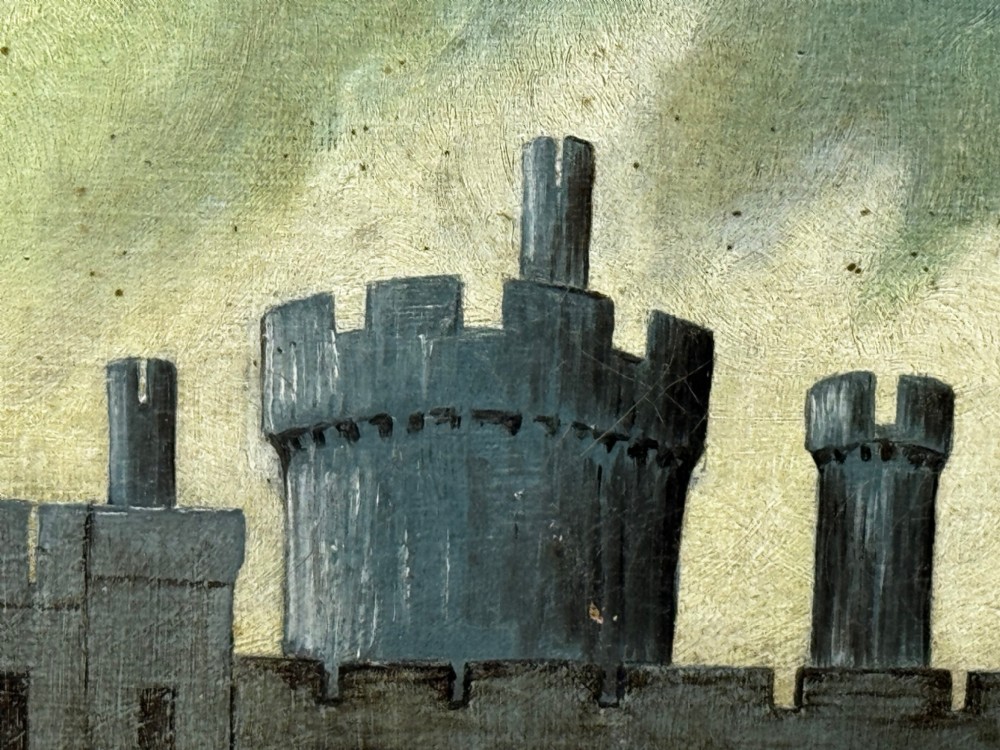
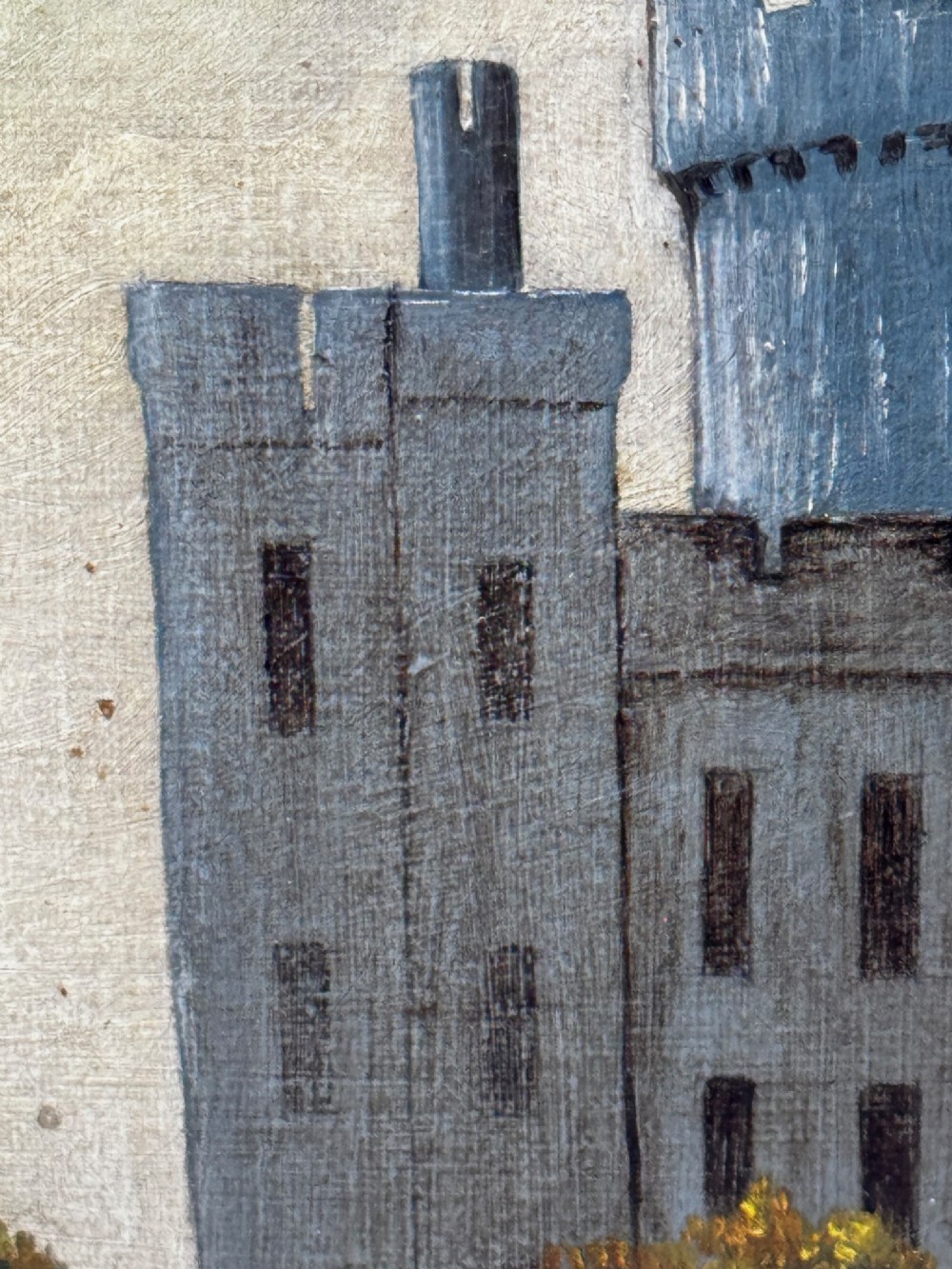
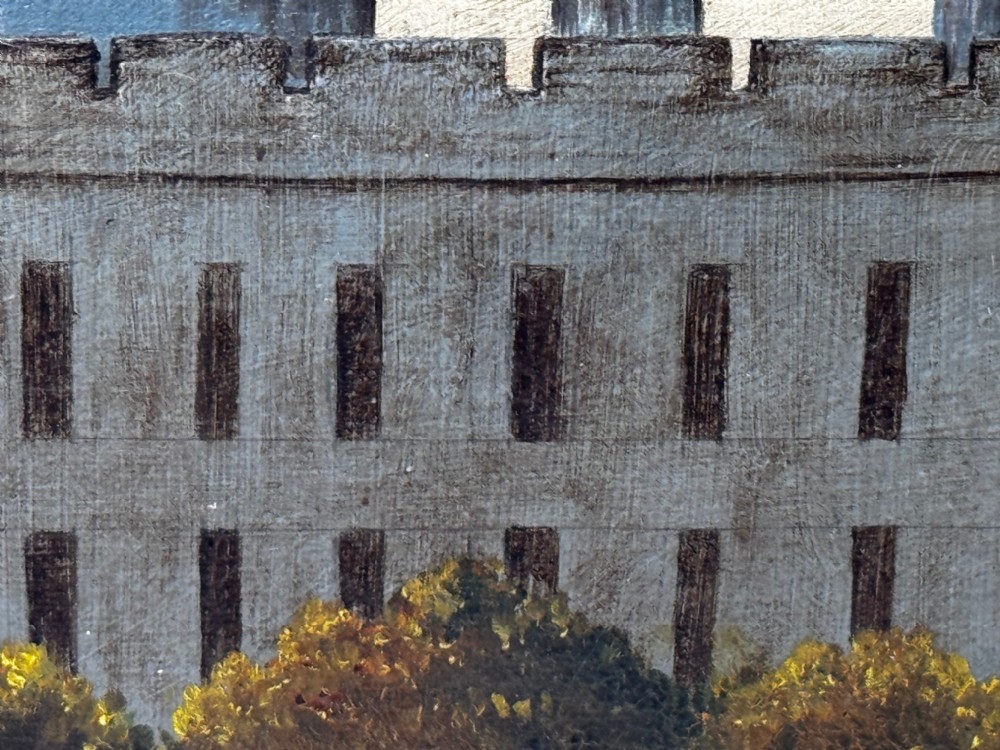
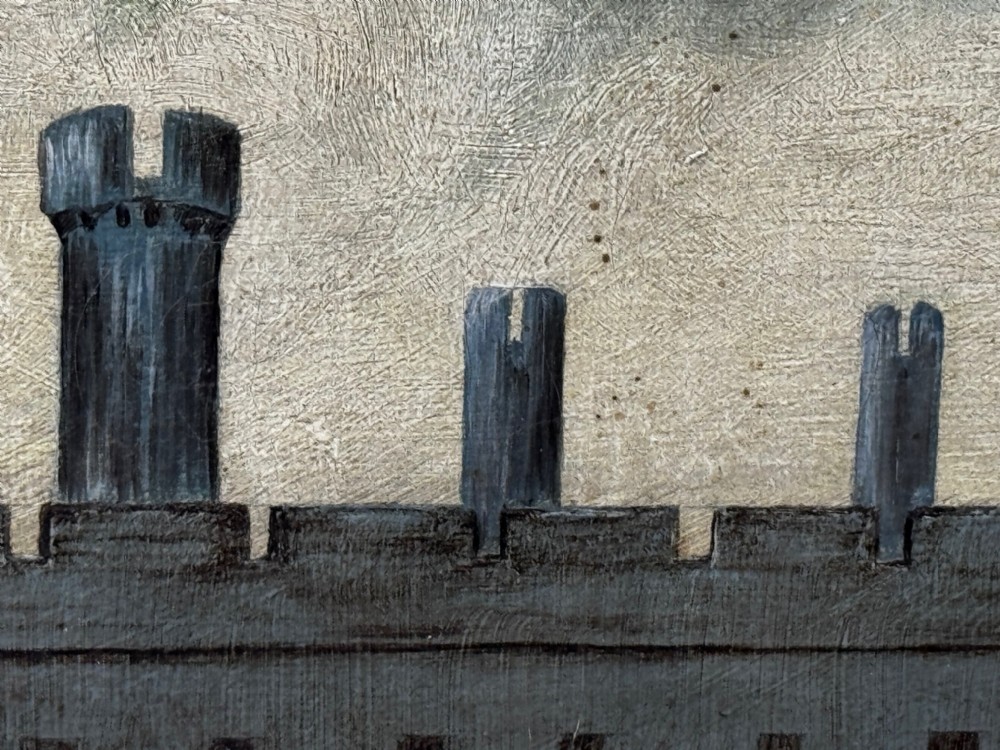
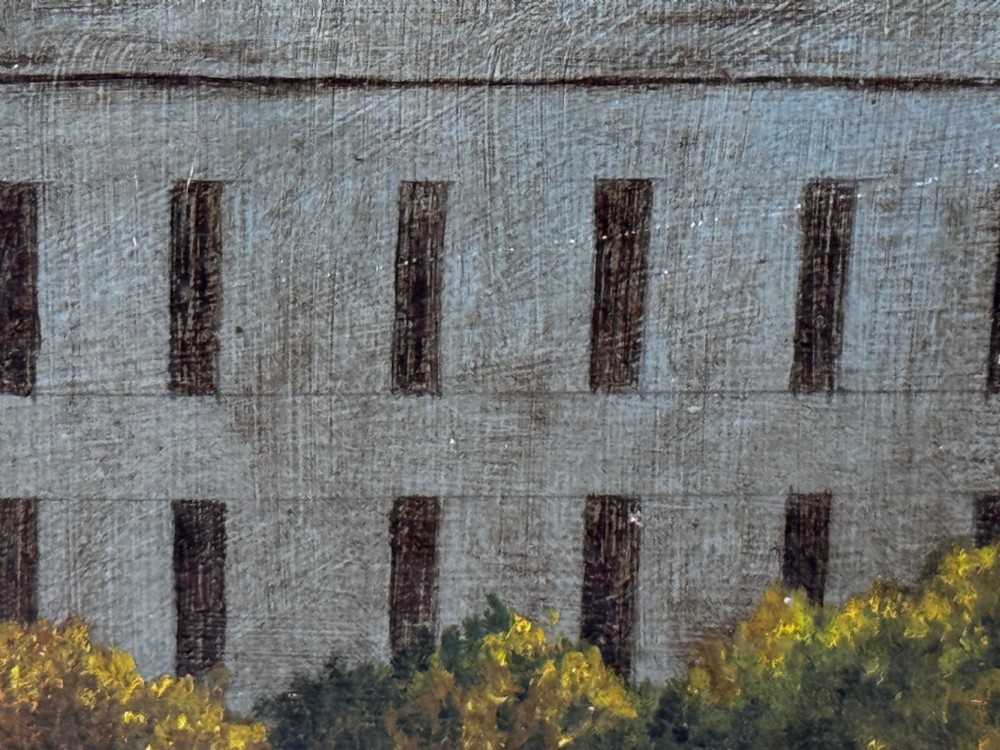
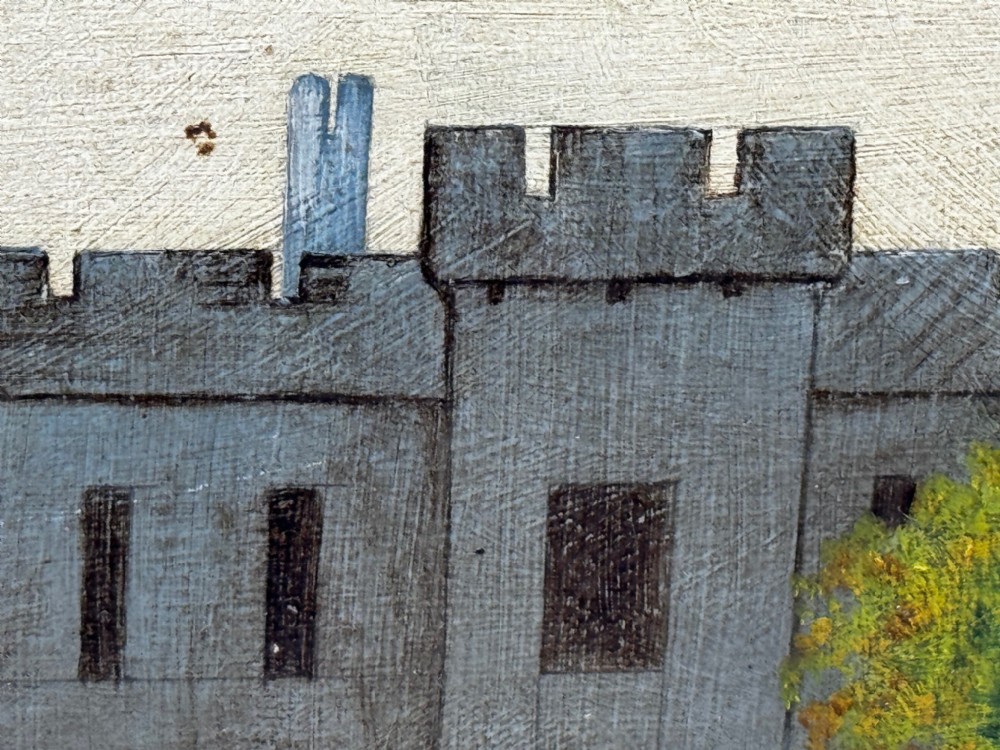
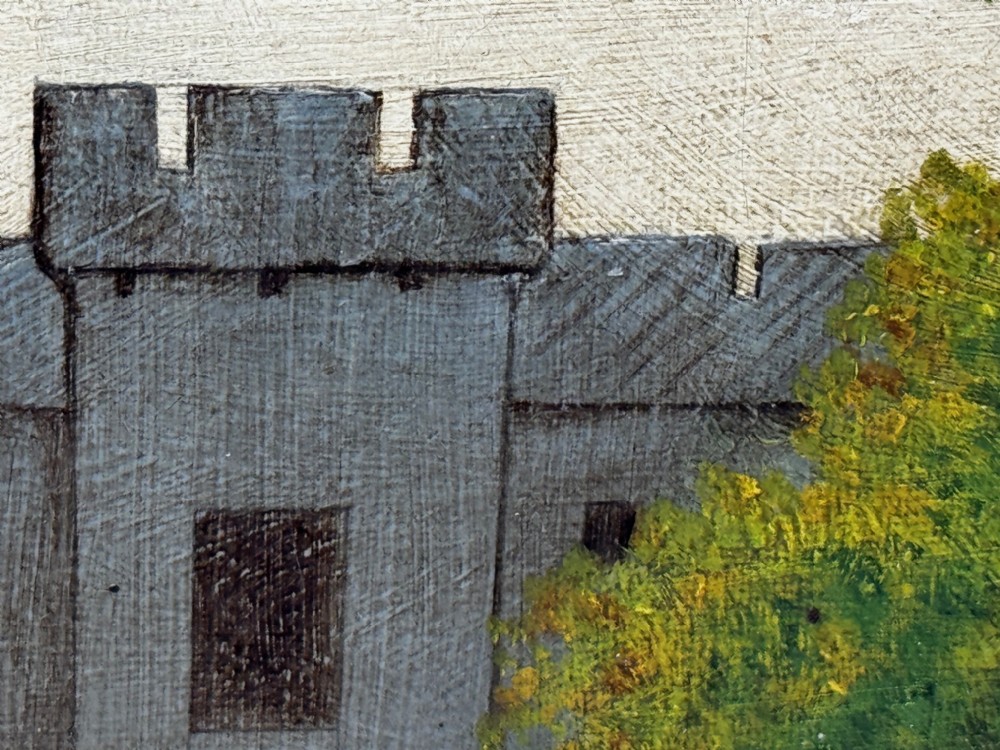
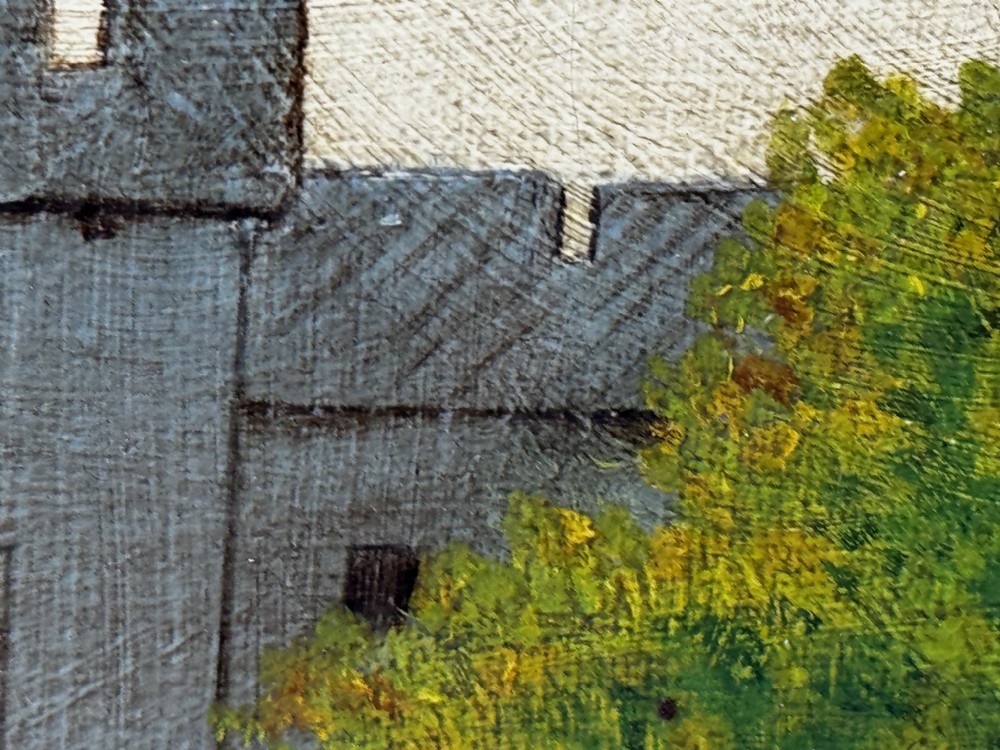
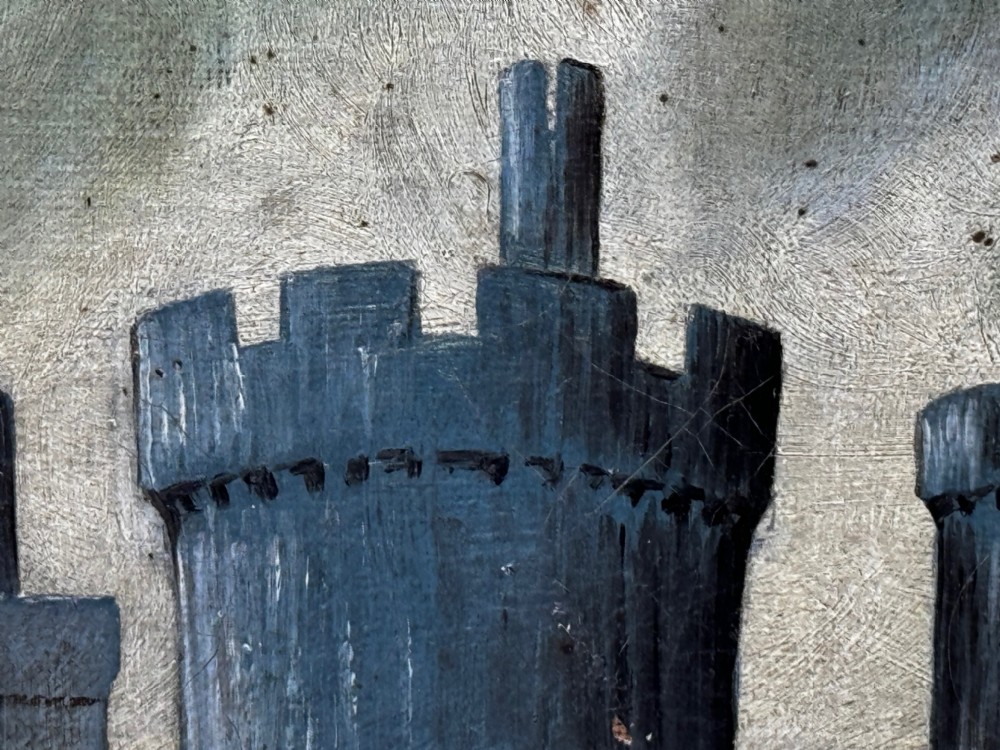
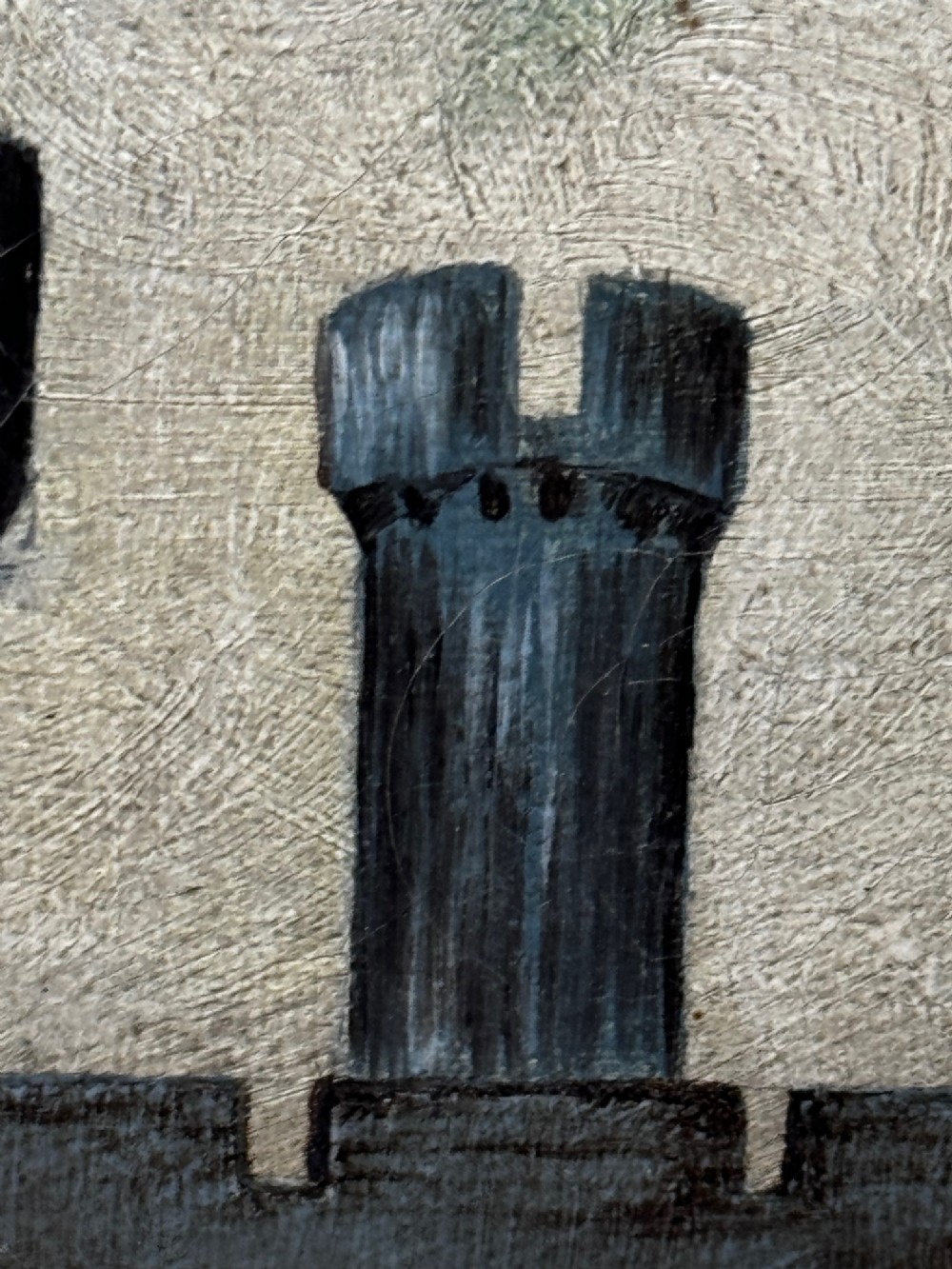
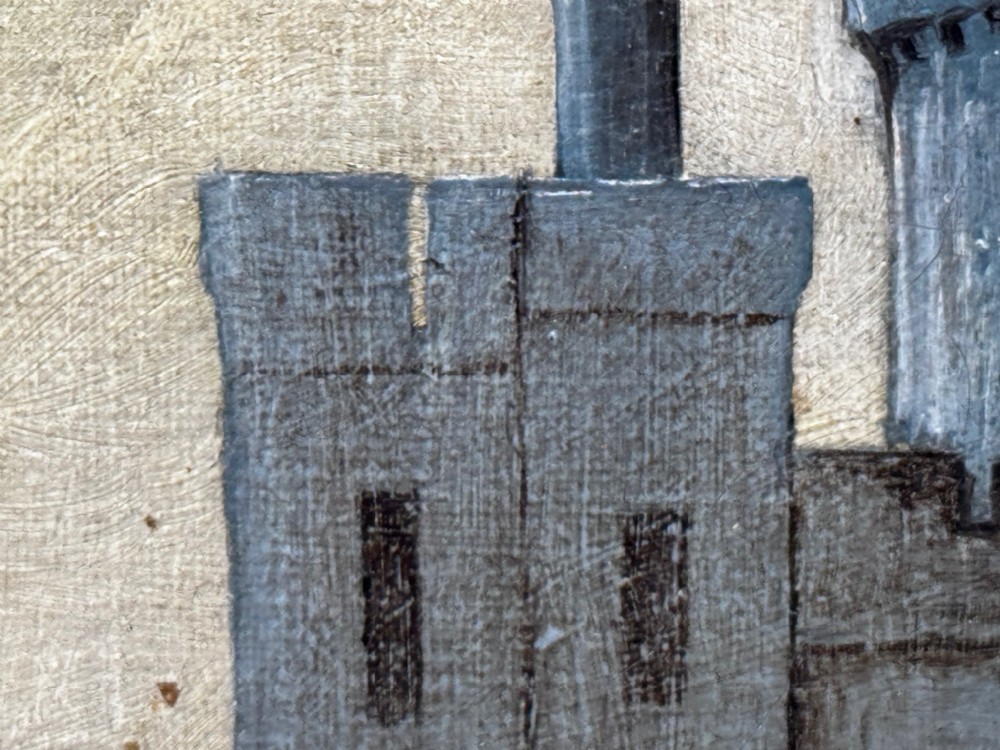
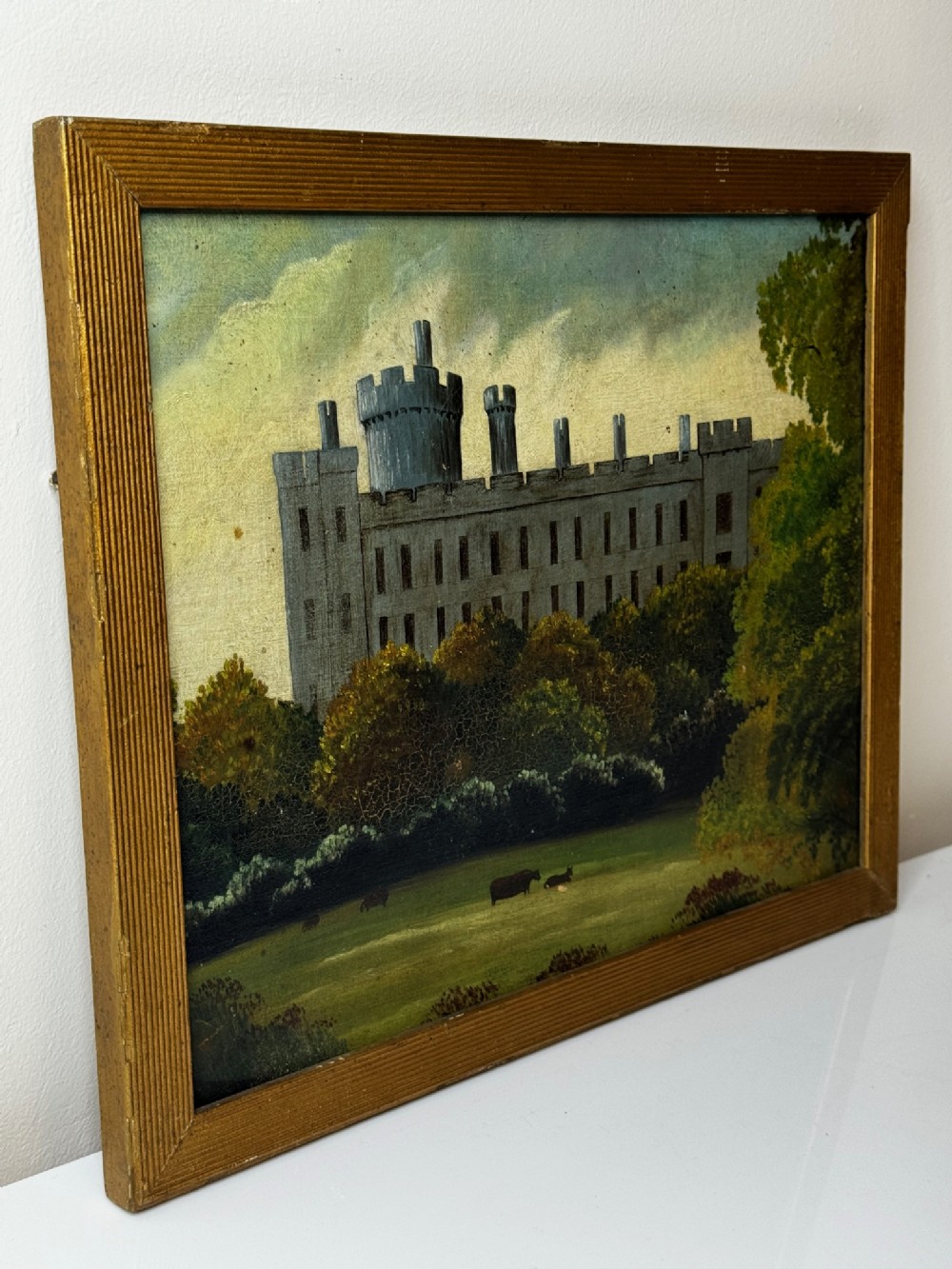
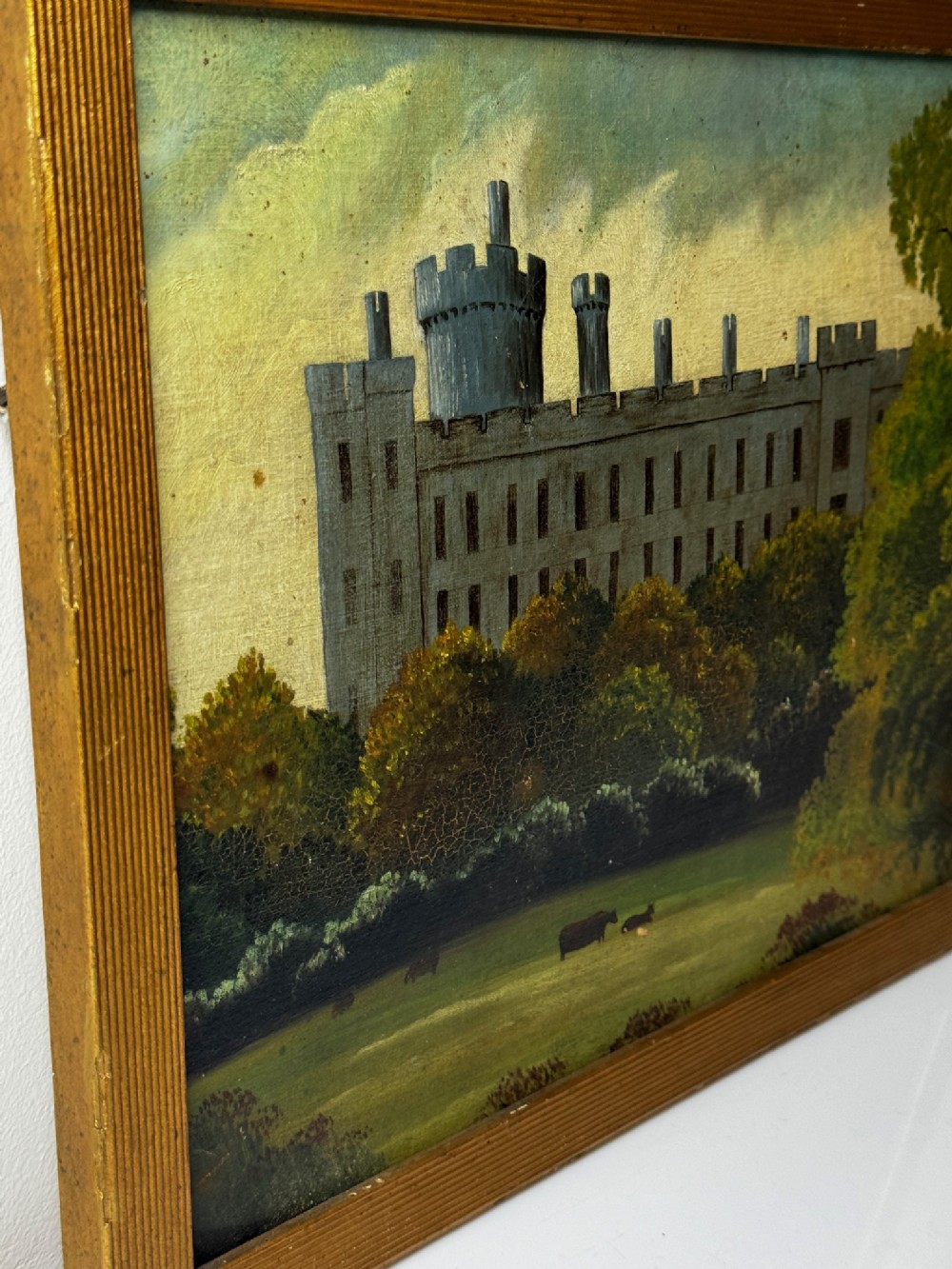
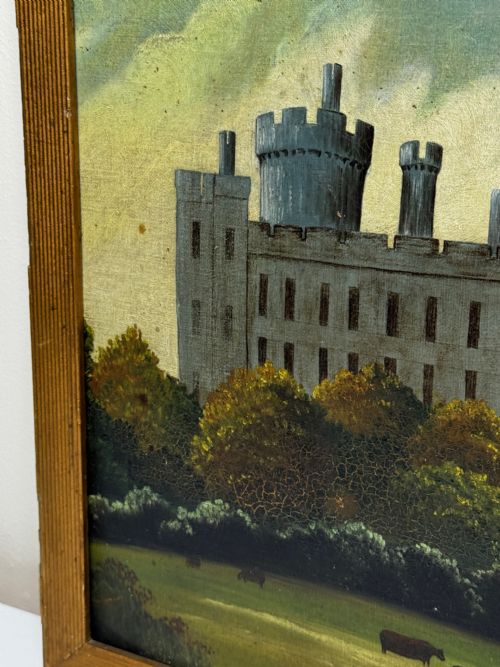
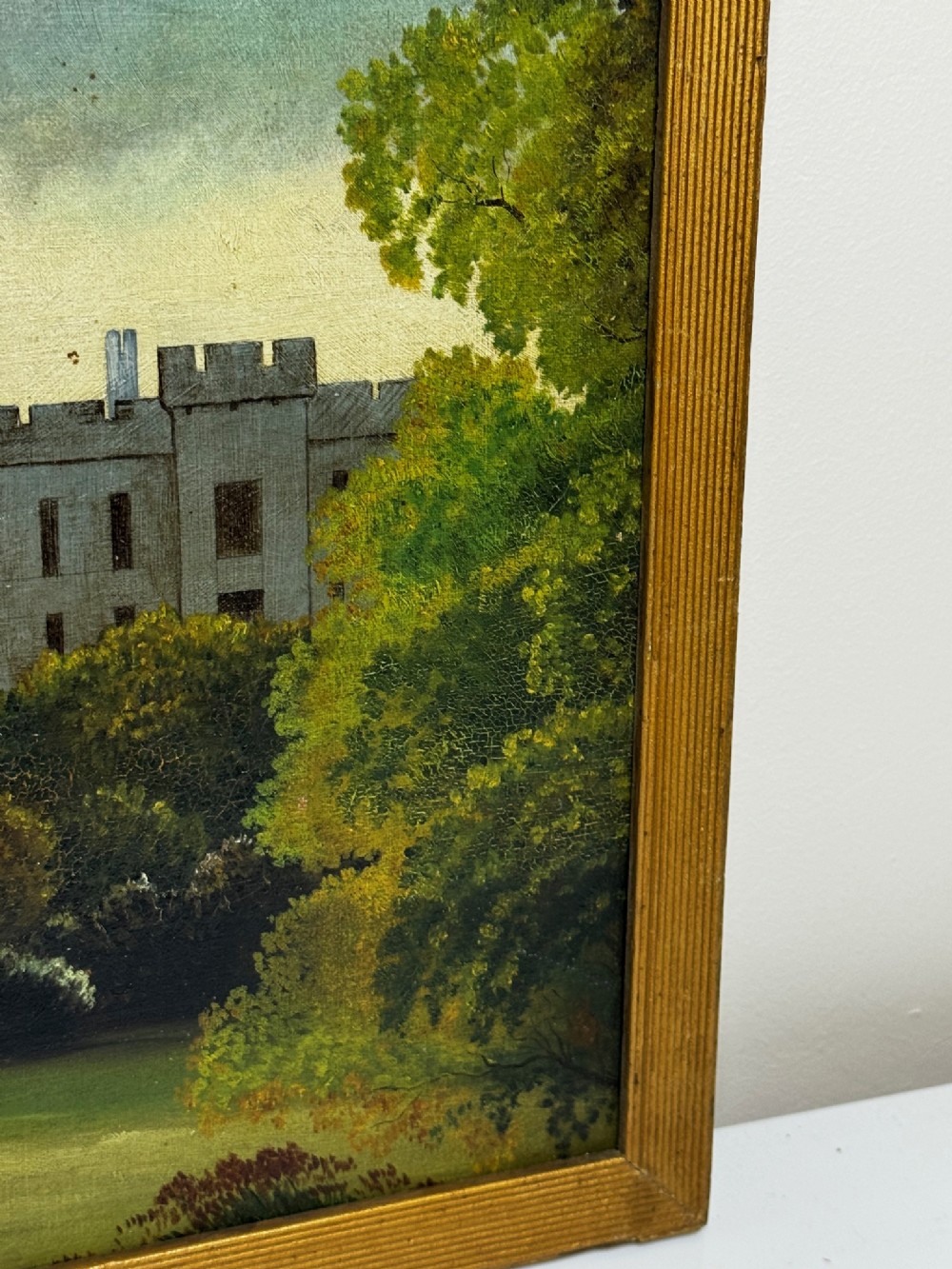
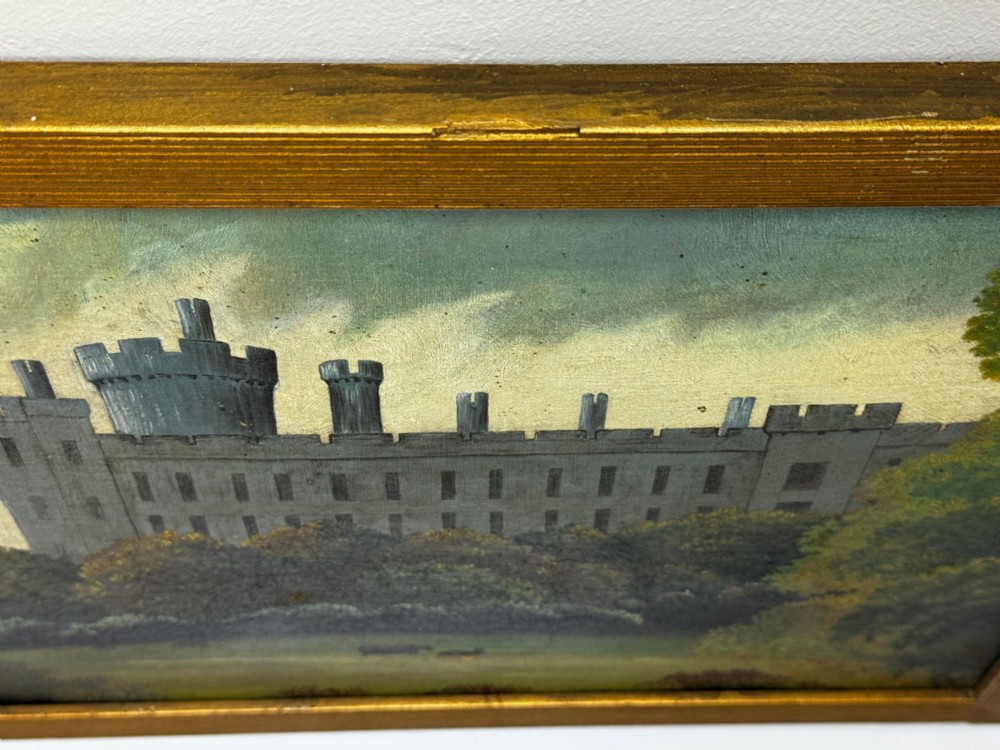
Subject historical known architectural view of Arundel castle with cattle grazing below on lush green vegetation. With rows of thick round bushy trees in the distance just below the castle. Views of the castle turrets higher up with all of the windows can be viewed. Above a mix of blue and white cloudy sky.
In the style of after James Canter.

Unsigned.

British school artist.

Oil on canvas laid onto board.

A nice easy display size with the frame being 42 cm wide and 34.5 cm high.

Circa mid 19th century early Victorian era 1840's.
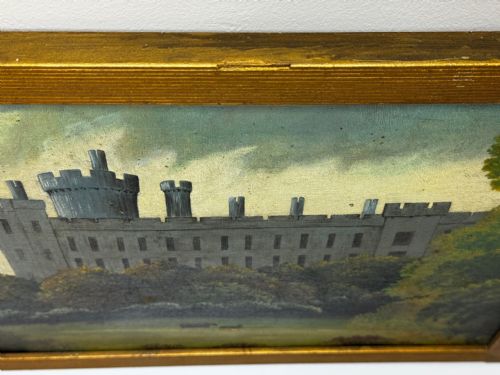
Title “Historic Arundel Castle In West Sussex” After James Canter.

James Canter was an artist of topographical views, architecture and ruins he exhibited SA 1771, RA 1773-74, also at the FS 1774-83 in Spain he portrayed views of Madrid and Escorial, also painted views of seats of Roman Catjolic peers: Duke of Norfolk, Lord Arundel of Wardour.
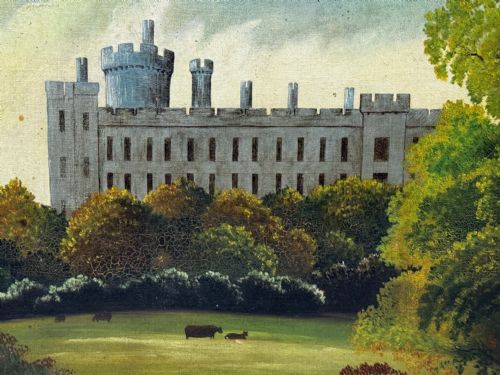
History of Arundel Castle is a restored and remodelled medieval castle in Arundel, West Sussex, England. It was established by Roger de Montgomery in the 11th century. The castle was damaged in the English Civil War and then restored in the 18th and early 19th centuries by Charles Howard, 11th Duke of Norfolk. Further restoration and embellishment was undertaken from the 1890s by Charles Alban Buckler for the 15th Duke. Since the 11th century, the castle has been the seat of the Earls of Arundel and the Dukes of Norfolk. It is a Grade I listed building. The original structure was a motte-and-bailey castle.
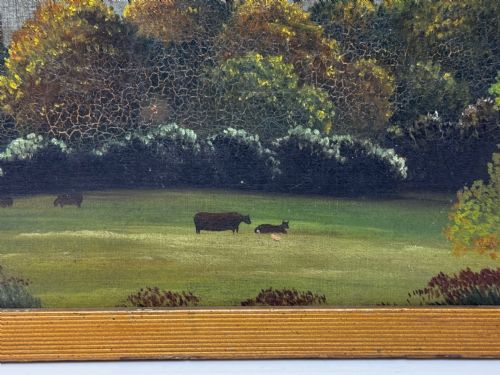
Roger de Montgomery was declared the first Earl of Arundel as the King granted him the property as part of a much larger package of hundreds of manors. Roger, who was a cousin of William the Conqueror, had stayed in Normandy to keep the peace there while William was away in England. He was rewarded for his loyalty with extensive lands in the Welsh Marches and across the country, together with one fifth of Sussex (Arundel Rape). He began work on Arundel Castle in around 1067. Between 1101 and 1102 the castle was besieged by the forces of Henry I after its holder Robert of Bellême rebelled. The siege ended with the castle surrendering to the king. The castle then passed to Adeliza of Louvain (who had previously been married to Henry I) and her husband William d'Aubigny. Empress Matilda stayed in the castle, in 1139. It then passed down the d'Aubigny line until the death of Hugh d'Aubigny, 5th Earl of Arundel in 1243.
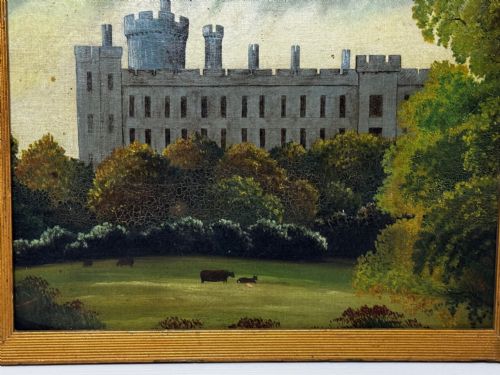
John Fitzalan then inherited jure matris the castle and honour of Arundel, by which, according to Henry VI's "admission" of 1433, he was later retrospectively held to have become de jure Earl of Arundel. The FitzAlan male line ceased on the death of Henry Fitzalan, 12th Earl of Arundel, whose daughter and heiress Mary FitzAlan married Thomas Howard, 4th Duke of Norfolk in 1555, to whose descendants the castle and earldom passed. In 1643, during the First English Civil War, the castle was besieged. The 800 royalists inside surrendered after 18 days. Afterwards in 1653 Parliament ordered the slighting of the castle; however "weather probably destroyed more". Although the castle remained in the hands of the Howard family over the succeeding centuries, it was not their favourite residence, and the various Dukes of Norfolk invested their time and energy into improving other ducal estates, including Norfolk House in London.
Charles Howard, 11th Duke of Norfolk, was known for his restoration work and improvements to the castle beginning in 1787. The folly that still stands on the hill above Swanbourne Lake was commissioned by and built for the Duke by Francis Hiorne at this time. In 1846, Queen Victoria and her husband, Prince Albert, visited Arundel Castle for three days. Henry Howard, 13th Duke of Norfolk, internally remodel

Physical Dimensions
Height
34.5cm (13.58")
Width
42cm (16.54")
Depth
2cm (0.79")
Declaration

Cheshire Antiques Consultant Ltd has dated this Victorian Castle Landscape Painting to the Victorian era.

Reference Numbers
Sellingantiques Reference
SA1099287
Dealers Internal Reference
613
Dealers Notes

Delivery shipping information

Cheshire Antiques Consultant LTD ship worldwide, using fully insured and online tracked delivery services like DHL, DPD, Parcelforce or Fedex also the British Shop. We offer Free national Delivery to England mainland, Wales mainland & Scottish lowland mainland areas only.

We offer Free UK mainland delivery only, international shipping to USA, Canada, Europe. All other countries rest of the world please get in touch for a shipping quote.

Great care and much time are taken over the safe transportation of the Fine Art & Antique pieces which we sell.

We bespoke pack & wrap extremely carefully, so you can rest assured that your piece will arrive with you in great as described condition.

For larger paintings, antique furniture pieces, and fragile items which can not be sent via the normal postal services, we use professional door-to-door delivery providers, who will always strive to deliver your piece promptly, within approximate. 2-5 working days for the United Kingdom mainland & International delivery between 5-14 working days.

Returns Policy

We offer a 14-day money-back refund policy

(excluding the cost of Postage & Packaging costs & any duties, taxes customs charges paid on buyers behalf or buy the buyer direct ).

CONTACT US:

Please feel free to call us.

We have a friendly & professional team on hand who are here to help you with any queries you may have.

Tel: 07494763382

Outside the UK:

Phone or text: 0044 7494763382

PAYMENT:

Our primary payment method is by (BACS) & International bank wire transfer, we can email you an invoice with our banking details upon request. We no longer accept any Online Card or in person card payments due to payment providers charging us and not returning the processing transaction fee even if an order is fraudulent, cancelled or returned. All Item(s) will need to be settled by bank transfer only. We will email you a proforma invoice with our bank details.

Customs Payment & Brexit

Cheshire Antiques Consultant LTD operates on a Delivery Duty Unpaid (DDU) basis which means that the International buyer is responsible for any import duties, taxes & customs clearance charges and any other customs charges which may be necessary to release an order from international customs.

Following the UK leaving the EU on 1st January 2021 (BREXIT) there have been some changes to customs & duty charges for EU customers. Tax and import duty varies from country to country so we recommend you check with your local tax office to see if any fees will be payable.

If the customer refuses to pay any duty and customs charges and the parcel is returned to sender all shipping charges will be deducted from any refund.

Description
1 Fine British Victorian Oil Painting Architectural Medieval Historic View Of Arundel Castle After James Canter.
Subject historical known architectural view of Arundel castle with cattle grazing below on lush green vegetation.
Cheshire Antiques Consultant Ltd

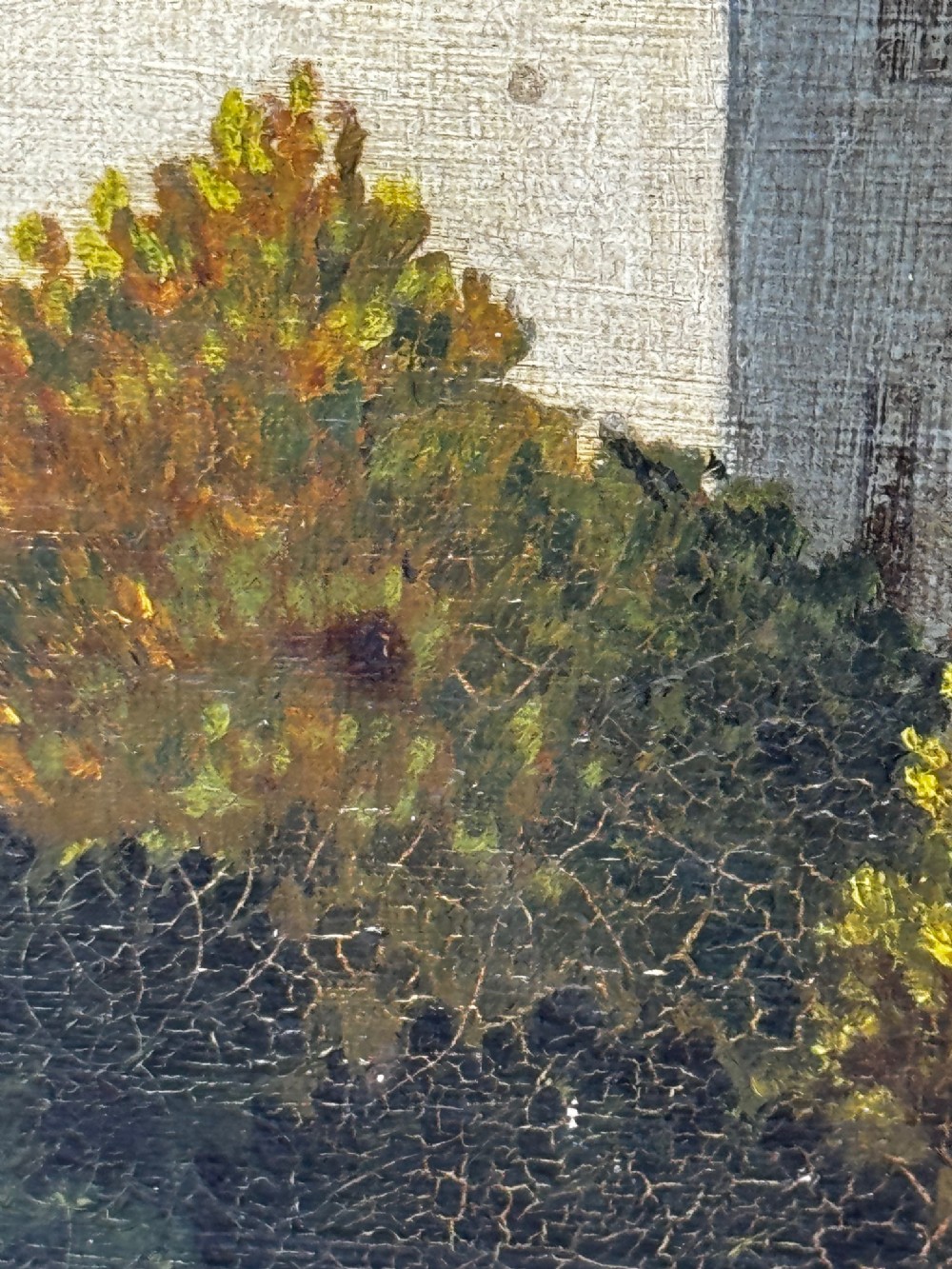
With rows of thick round bushy trees in the distance just below the castle. Views of the castle turrets higher up with all of the windows can be viewed. Above a mix of blue and white cloudy sky.

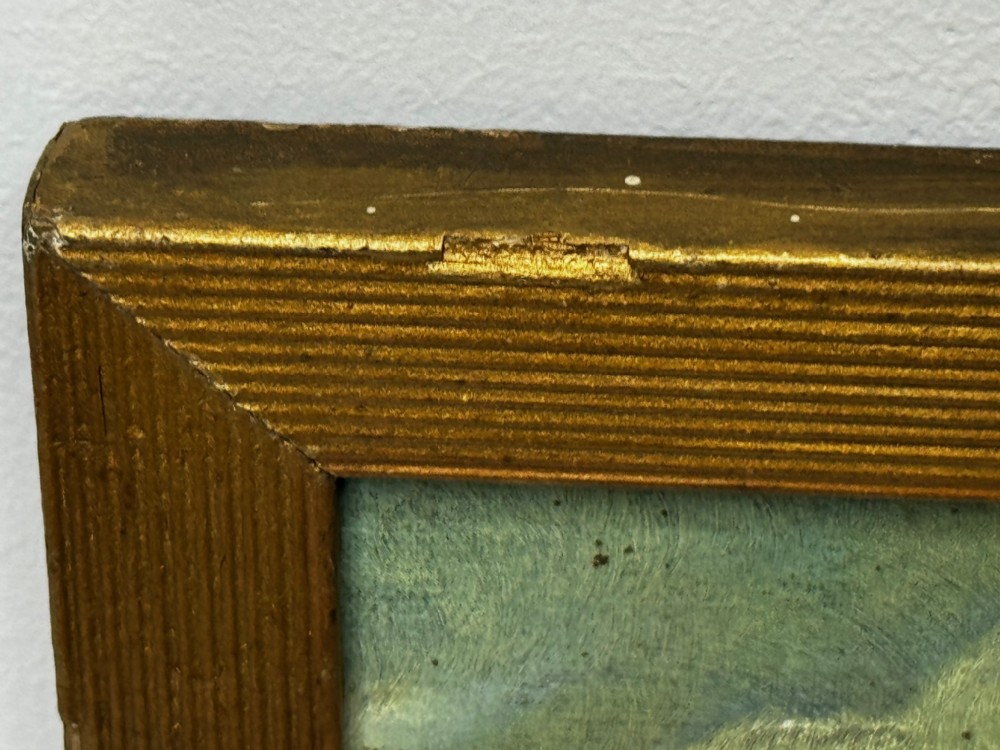
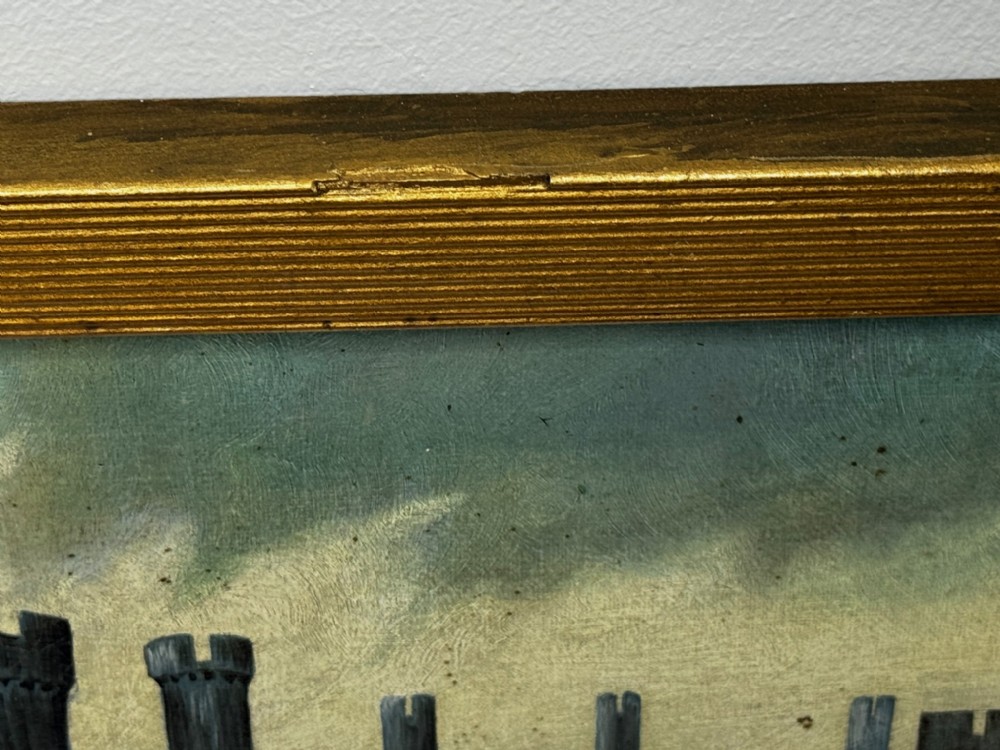
fig 1. A Victorian oil painting depicting Arundel Castle set behind trees and a grassy field with cattle, framed in a ribbed gilt moulding.
fig 1. Victorian Oil Painting Historic Arundel Castle After James Canter

In the style of after James Canter.

Unsigned.

British school artist.

Oil on canvas laid onto board.

A nice easy display size with the frame being 42 cm wide and 34.5 cm high.

Circa mid 19th century early Victorian era 1840's.

fig 2. A Victorian oil painting depicting Arundel Castle set behind trees and a grassy field with cattle, framed in a ribbed gilt moulding.
fig 2. Victorian Oil Painting Historic Arundel Castle After James Canter

Title “Historic Arundel Castle In West Sussex” After James Canter.

James Canter was an artist of topographical views, architecture and ruins he exhibited SA 1771, RA 1773-74, also at the FS 1774-83 in Spain he portrayed views of Madrid and Escorial, also painted views of seats of Roman Catjolic peers: Duke of Norfolk, Lord Arundel of Wardour.

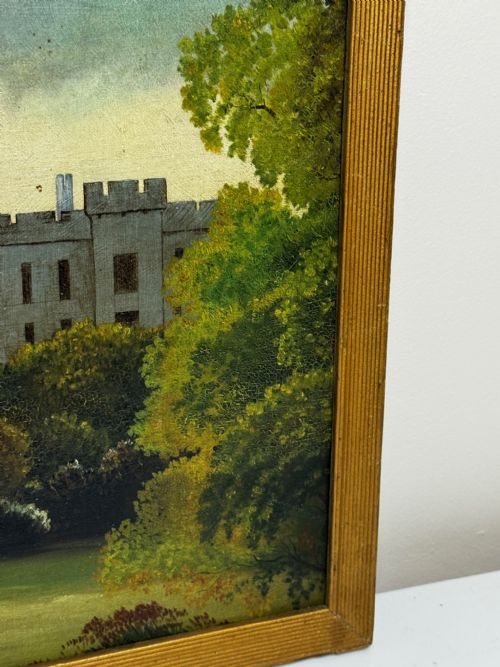
fig 3. A Victorian oil painting depicting Arundel Castle set behind trees and a grassy field with cattle, framed in a ribbed gilt moulding.
fig 3. Victorian Oil Painting Historic Arundel Castle After James Canter

History of Arundel Castle is a restored and remodelled medieval castle in Arundel, West Sussex, England. It was established by Roger de Montgomery in the 11th century. The castle was damaged in the English Civil War and then restored in the 18th and early 19th centuries by Charles Howard, 11th Duke of Norfolk. Further restoration and embellishment was undertaken from the 1890s by Charles Alban Buckler for the 15th Duke. Since the 11th century, the castle has been the seat of the Earls of Arundel and the Dukes of Norfolk. It is a Grade I listed building. The original structure was a motte-and-bailey castle.

fig 4. A Victorian oil painting depicting Arundel Castle set behind trees and a grassy field with cattle, framed in a ribbed gilt moulding.
fig 4. Victorian Oil Painting Historic Arundel Castle After James Canter

Roger de Montgomery was declared the first Earl of Arundel as the King granted him the property as part of a much larger package of hundreds of manors. Roger, who was a cousin of William the Conqueror, had stayed in Normandy to keep the peace there while William was away in England. He was rewarded for his loyalty with extensive lands in the Welsh Marches and across the country, together with one fifth of Sussex (Arundel Rape). He began work on Arundel Castle in around 1067. Between 1101 and 1102 the castle was besieged by the forces of Henry I after its holder Robert of Bellême rebelled. The siege ended with the castle surrendering to the king. The castle then passed to Adeliza of Louvain (who had previously been married to Henry I) and her husband William d'Aubigny. Empress Matilda stayed in the castle, in 1139. It then passed down the d'Aubigny line until the death of Hugh d'Aubigny, 5th Earl of Arundel in 1243.

fig 5. A Victorian oil painting depicting Arundel Castle set behind trees and a grassy field with cattle, framed in a ribbed gilt moulding.
fig 5. Victorian Oil Painting Historic Arundel Castle After James Canter

John Fitzalan then inherited jure matris the castle and honour of Arundel, by which, according to Henry VI's "admission" of 1433, he was later retrospectively held to have become de jure Earl of Arundel. The FitzAlan male line ceased on the death of Henry Fitzalan, 12th Earl of Arundel, whose daughter and heiress Mary FitzAlan married Thomas Howard, 4th Duke of Norfolk in 1555, to whose descendants the castle and earldom passed. In 1643, during the First English Civil War, the castle was besieged. The 800 royalists inside surrendered after 18 days. Afterwards in 1653 Parliament ordered the slighting of the castle; however "weather probably destroyed more". Although the castle remained in the hands of the Howard family over the succeeding centuries, it was not their favourite residence, and the various Dukes of Norfolk invested their time and energy into improving other ducal estates, including Norfolk House in London.

fig 6. A Victorian oil painting depicting Arundel Castle set behind trees and a grassy field with cattle, framed in a ribbed gilt moulding.
fig 6. Victorian Oil Painting Historic Arundel Castle After James Canter

Charles Howard, 11th Duke of Norfolk, was known for his restoration work and improvements to the castle beginning in 1787. The folly that still stands on the hill above Swanbourne Lake was commissioned by and built for the Duke by Francis Hiorne at this time. In 1846, Queen Victoria and her husband, Prince Albert, visited Arundel Castle for three days. Henry Howard, 13th Duke of Norfolk, internally remodel

Height
34.5cm (13.58")
Width
42cm (16.54")
Depth
2cm (0.79")
Date of Manufacture

Cheshire Antiques Consultant Ltd has dated this Victorian Castle Landscape Painting to the Victorian era.

Reference Numbers
Sellingantiques Ref
SA1099287
Dealers Internal Ref
613
Cheshire Antiques Consultant Ltd
Sellingantiques verified Since Jan 2021

Source the historic in 17th, 18th, 19th & 20th century fine arts, painting, sculptures & collectibles

Dealer Profile

You can view the stock and full dealer information on the Cheshire Antiques Consultant Ltd Profile Page
PDF SHARE
SAVE
A Victorian oil painting depicting Arundel Castle set behind trees and a grassy field with cattle, framed in a ribbed gilt moulding.
1 / 30
Archive I A Victorian oil painting depicting Arundel Castle set behind trees and a grassy field with cattle, framed in a ribbed gilt moulding.

Victorian Oil Painting Historic Arundel Castle After James Canter
Archive II A Victorian oil painting depicting Arundel Castle set behind trees and a grassy field with cattle, framed in a ribbed gilt moulding. View II
Archive III A Victorian oil painting depicting Arundel Castle set behind trees and a grassy field with cattle, framed in a ribbed gilt moulding. View III
Archive IV A Victorian oil painting depicting Arundel Castle set behind trees and a grassy field with cattle, framed in a ribbed gilt moulding. View IV
Archive V A Victorian oil painting depicting Arundel Castle set behind trees and a grassy field with cattle, framed in a ribbed gilt moulding. View V
Archive VI A Victorian oil painting depicting Arundel Castle set behind trees and a grassy field with cattle, framed in a ribbed gilt moulding. View VI
Archive VII A Victorian oil painting depicting Arundel Castle set behind trees and a grassy field with cattle, framed in a ribbed gilt moulding. View VII
Archive VIII A Victorian oil painting depicting Arundel Castle set behind trees and a grassy field with cattle, framed in a ribbed gilt moulding. View VIII
Archive IX A Victorian oil painting depicting Arundel Castle set behind trees and a grassy field with cattle, framed in a ribbed gilt moulding. View IX
Archive X A Victorian oil painting depicting Arundel Castle set behind trees and a grassy field with cattle, framed in a ribbed gilt moulding. View X
Archive XI A Victorian oil painting depicting Arundel Castle set behind trees and a grassy field with cattle, framed in a ribbed gilt moulding. View XI
Archive XII A Victorian oil painting depicting Arundel Castle set behind trees and a grassy field with cattle, framed in a ribbed gilt moulding. View XII
Archive XIII A Victorian oil painting depicting Arundel Castle set behind trees and a grassy field with cattle, framed in a ribbed gilt moulding. View XIII
Archive XIV A Victorian oil painting depicting Arundel Castle set behind trees and a grassy field with cattle, framed in a ribbed gilt moulding. View XIV
Archive XV A Victorian oil painting depicting Arundel Castle set behind trees and a grassy field with cattle, framed in a ribbed gilt moulding. View XV
Archive XVI A Victorian oil painting depicting Arundel Castle set behind trees and a grassy field with cattle, framed in a ribbed gilt moulding. View XVI
Archive XVII A Victorian oil painting depicting Arundel Castle set behind trees and a grassy field with cattle, framed in a ribbed gilt moulding. View XVII
Archive XVIII A Victorian oil painting depicting Arundel Castle set behind trees and a grassy field with cattle, framed in a ribbed gilt moulding. View XVIII
Archive XIX A Victorian oil painting depicting Arundel Castle set behind trees and a grassy field with cattle, framed in a ribbed gilt moulding. View XIX
Archive XX A Victorian oil painting depicting Arundel Castle set behind trees and a grassy field with cattle, framed in a ribbed gilt moulding. View XX
Archive XXI A Victorian oil painting depicting Arundel Castle set behind trees and a grassy field with cattle, framed in a ribbed gilt moulding. View XXI
Archive XXII A Victorian oil painting depicting Arundel Castle set behind trees and a grassy field with cattle, framed in a ribbed gilt moulding. View XXII
Archive XXIII A Victorian oil painting depicting Arundel Castle set behind trees and a grassy field with cattle, framed in a ribbed gilt moulding. View XXIII
Archive XXIV A Victorian oil painting depicting Arundel Castle set behind trees and a grassy field with cattle, framed in a ribbed gilt moulding. View XXIV
Archive XXV A Victorian oil painting depicting Arundel Castle set behind trees and a grassy field with cattle, framed in a ribbed gilt moulding. View XXV
Archive XXVI A Victorian oil painting depicting Arundel Castle set behind trees and a grassy field with cattle, framed in a ribbed gilt moulding. View XXVI
Archive XXVII A Victorian oil painting depicting Arundel Castle set behind trees and a grassy field with cattle, framed in a ribbed gilt moulding. View XXVII
Archive XXVIII A Victorian oil painting depicting Arundel Castle set behind trees and a grassy field with cattle, framed in a ribbed gilt moulding. View XXVIII
Archive XXIX A Victorian oil painting depicting Arundel Castle set behind trees and a grassy field with cattle, framed in a ribbed gilt moulding. View XXIX
Archive XXX A Victorian oil painting depicting Arundel Castle set behind trees and a grassy field with cattle, framed in a ribbed gilt moulding. View XXX
Enlarged Archival View
Telephone 07494 763 382
Location
71-75 Shelton Street
Covent Garden
London
WC2H 9JQ
United Kingdom

By appointment
Verified Since Jan 2021
Items For Sale 246
Items Sold 218
Cheshire Antiques Consultant Ltd
Verified Since Jan 2021
View Dealer Info
Location: 71-75 Shelton Street, Covent Garden, London, WC2H 9JQ, United Kingdom, , By appointment
Verified
Jan 2021
For Sale
246
Sold
218
A Victorian oil painting depicting Arundel Castle set behind trees and a grassy field with cattle, framed in a ribbed gilt moulding.
Victorian Oil Painting Historic Arundel Castle After James Canter
Ref: SA1099287
A Victorian oil painting depicting Arundel Castle set behind trees and a grassy field with cattle, framed in a ribbed gilt moulding.
Detail View 1
Detail View 2
Detail View 3
Detail View 4
Detail View 5
Detail View 6
Detail View 7
Detail View 8
Detail View 9
Detail View 10
Detail View 11
Detail View 12
Detail View 13
Detail View 14
Detail View 15
Detail View 16
Detail View 17
Detail View 18
Detail View 19
Detail View 20
Detail View 21
Detail View 22
Detail View 23
Detail View 24
Detail View 25
Detail View 26
Detail View 27
Detail View 28
Detail View 29
Archival Detail
Every single antique dealer on our platform is individually approved by our internal team. We verify their professional trade history, ethical standards, and photographic quality to ensure a secure, high-standard buying environment. Upon joining, every dealer agrees to a strict 9-point code of conduct. While issues can occasionally arise, our dealers typically resolve them swiftly and directly with the buyer. In fact, since our founding in 2002, Sellingantiques has only had to step in to help resolve an issue on roughly five occasions—a true testament to the quality of our dealers and their dedication to your happiness.
Our dealers are highly experienced in packing and shipping fragile, high-value antiques. Because you are in direct contact with the dealer, you will be able to easily go through all available shipping and insurance options together to ensure your item arrives safely.
Antiques are the ultimate green purchase. By choosing historical pieces over newly manufactured goods, you completely eliminate the carbon footprint of modern mass production while preserving exceptional, timeless craftsmanship.

Victorian landscape art focused on historic architecture, pastoral scenes, and British heritage sites. Artists painted imposing country estates, castles, and rural views to document national history and topographies.

These paintings typically utilised oil paint on canvas or wooden millboard panels. Frames were constructed from wood with plaster composition embellishments finished in gold leaf or gilt wash.

Authentic period works display natural age-related craquelure across the painted surface, along with uniform darkening of the varnish. The reverse often reveals historic canvas stretching techniques and aged timber stretchers.

A Victorian landscape artwork provides visual depth when hung above a console table, mantelpiece, or sideboard. Integrating period gilt frames into contemporary settings provides a classic focal point.

Position the painting away from direct sunlight, radiators, and areas of high humidity. Dust the frame and surface gently using a clean, soft camel-hair brush, avoiding liquid cleaners.
items
Add keywords to the filter
Price
£100
£250000
Era
Movements
Material
Origin
Stock Location
Freshness
Online Payments
Categories