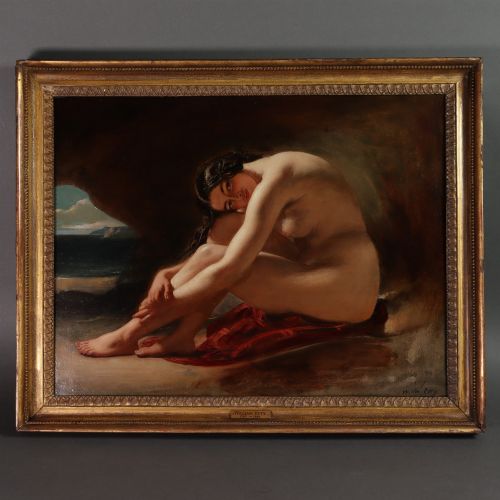
It was listed by Titan Fine Art. Sold pieces stay on Sellingantiques as a record of what has passed through, and the next one is rarely far away.
Titan Fine Art has dated this Antique Oil Painting to the 17th Century.
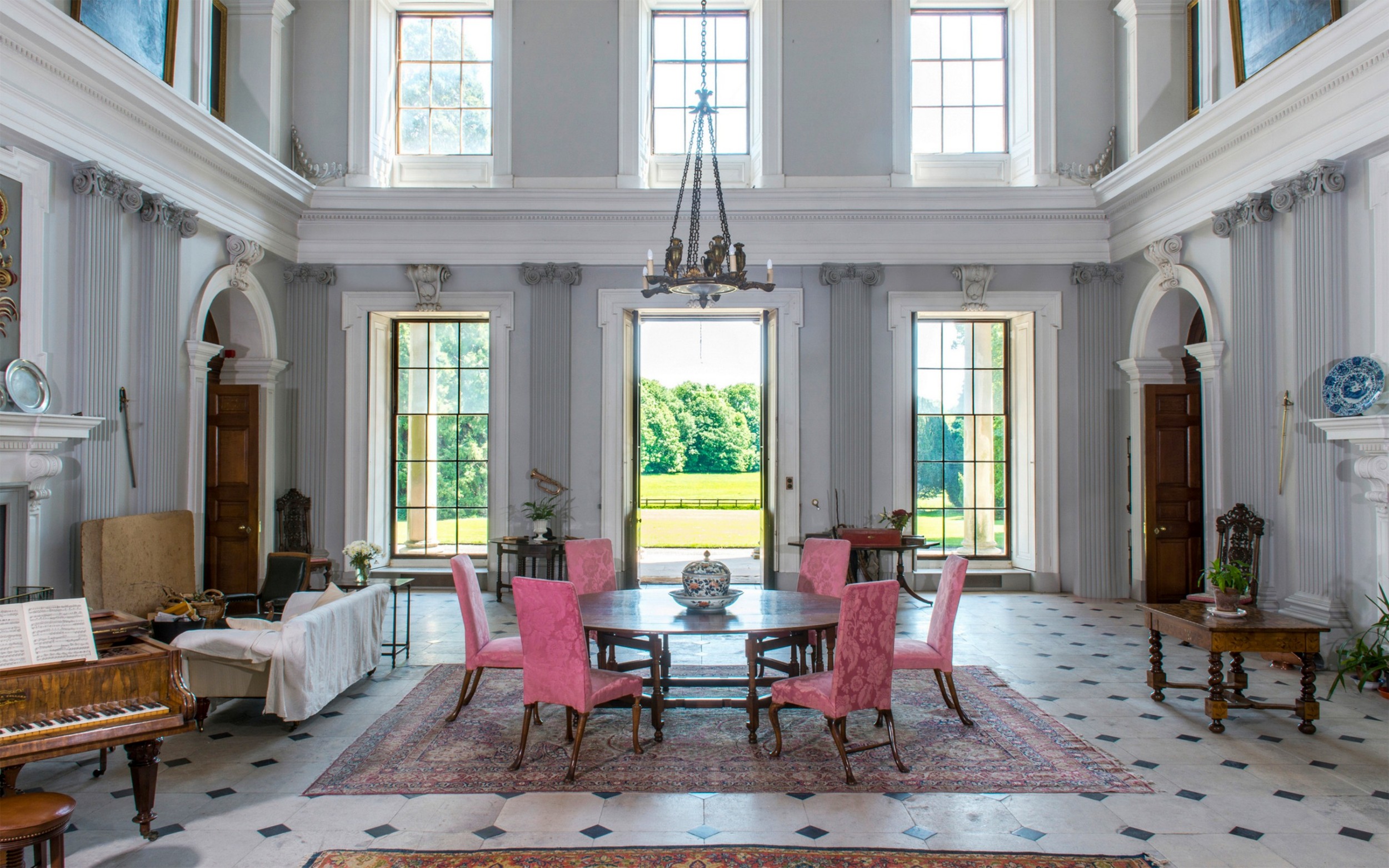
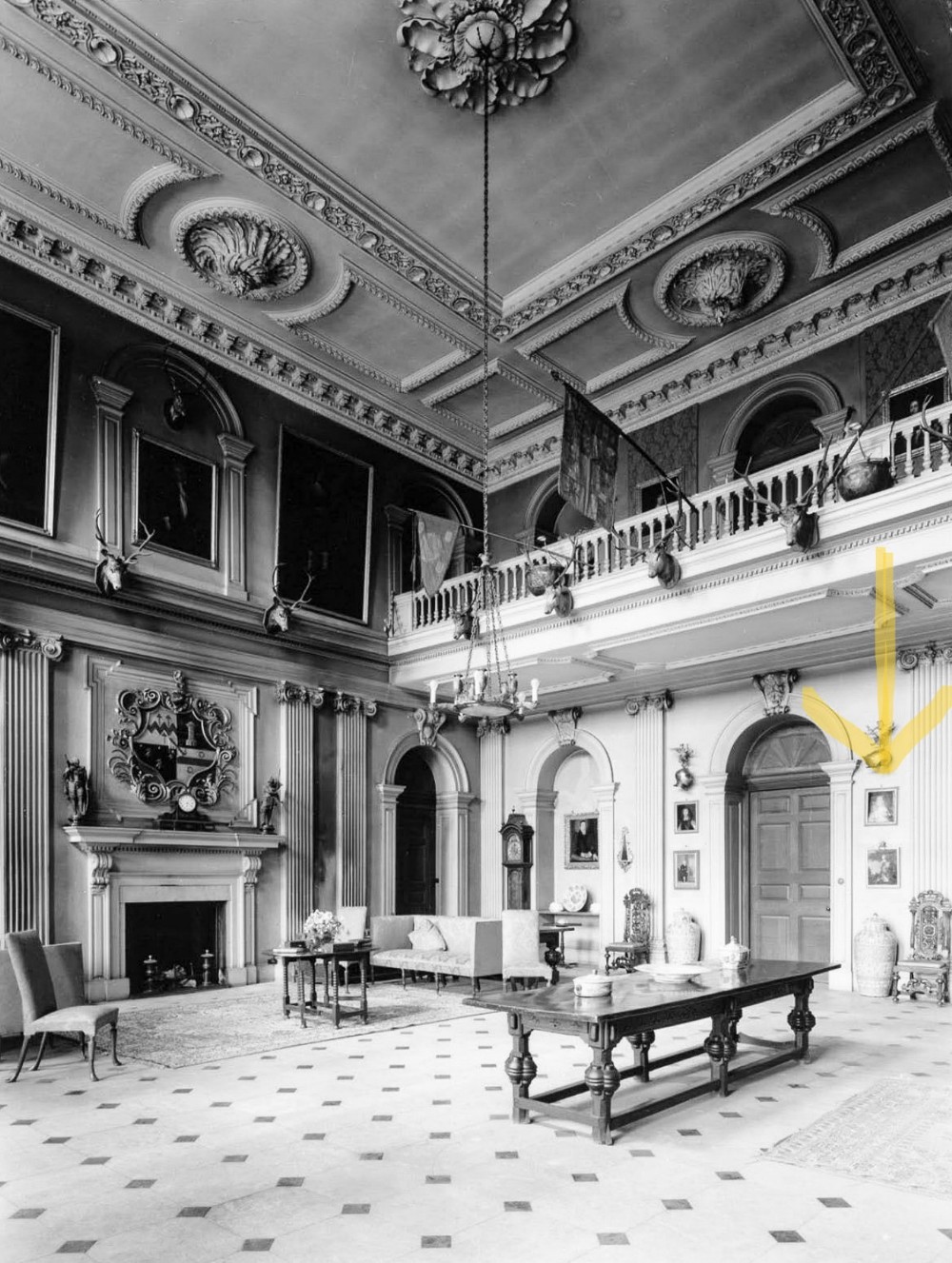
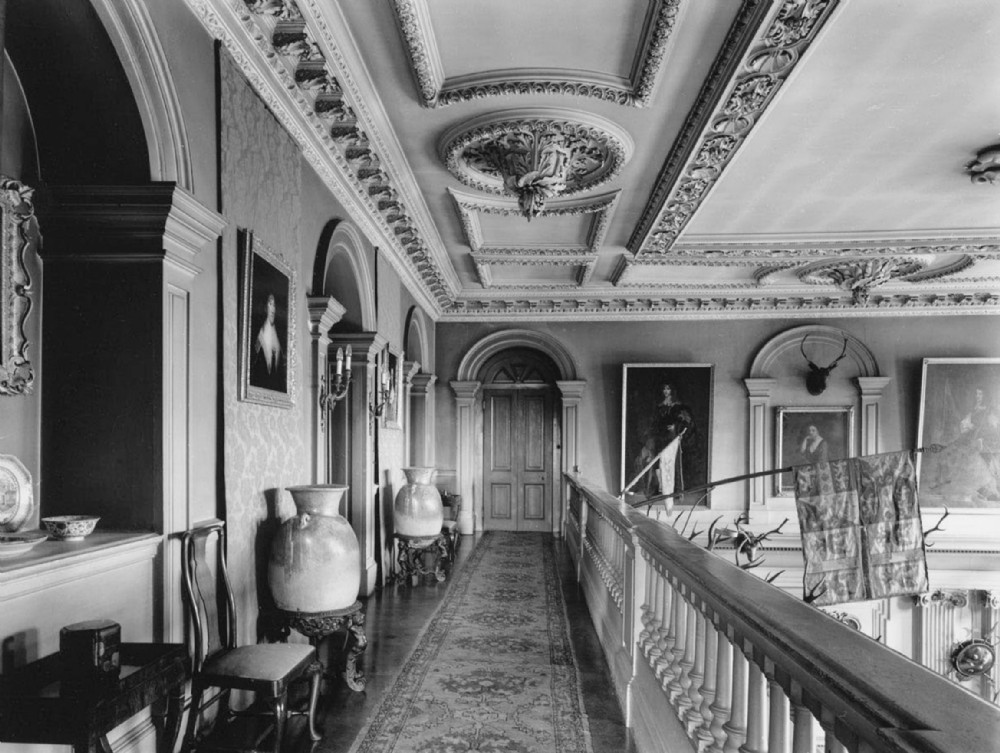
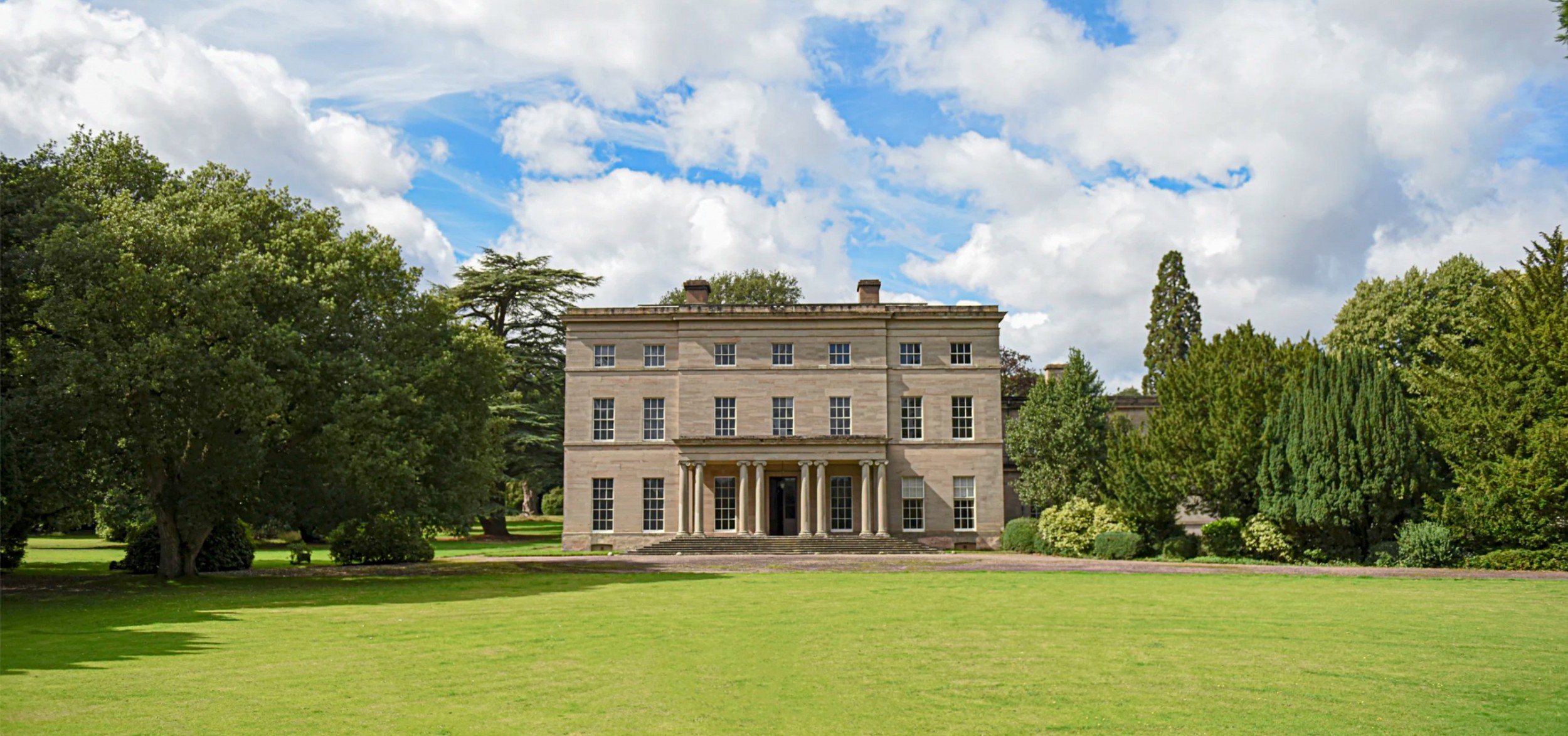
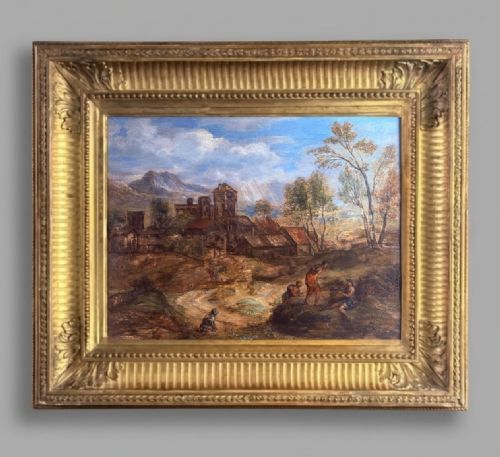
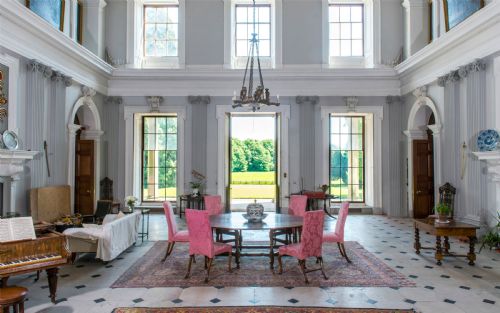
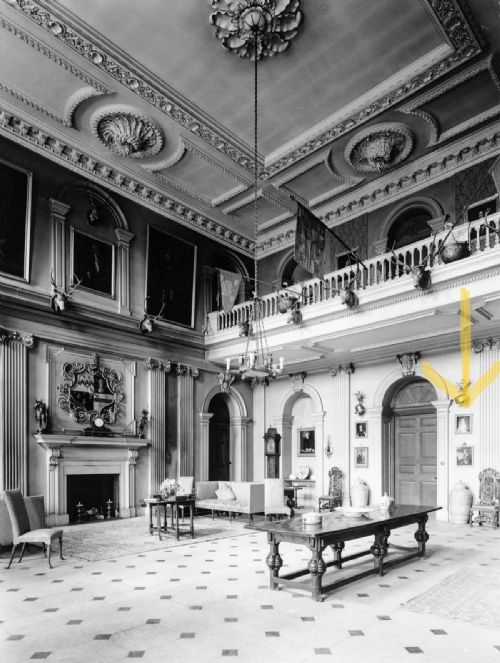
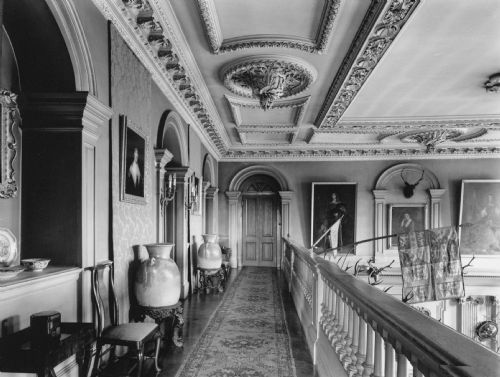
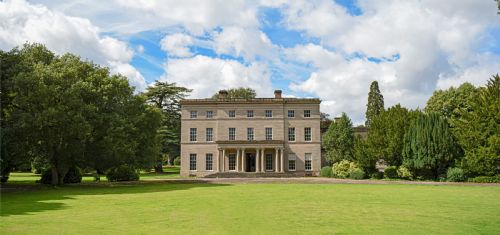
John Russell in the Civil War and the reign of King Charles II and of Lord Arthur Hill, later 2nd Baron Sandys, in the Peninsular War. The collection was acquired or commissioned over five centuries and remained at Ombersley Court until its recent sale, the first in 294 years. This painting hung in The Great Hall (see photo).
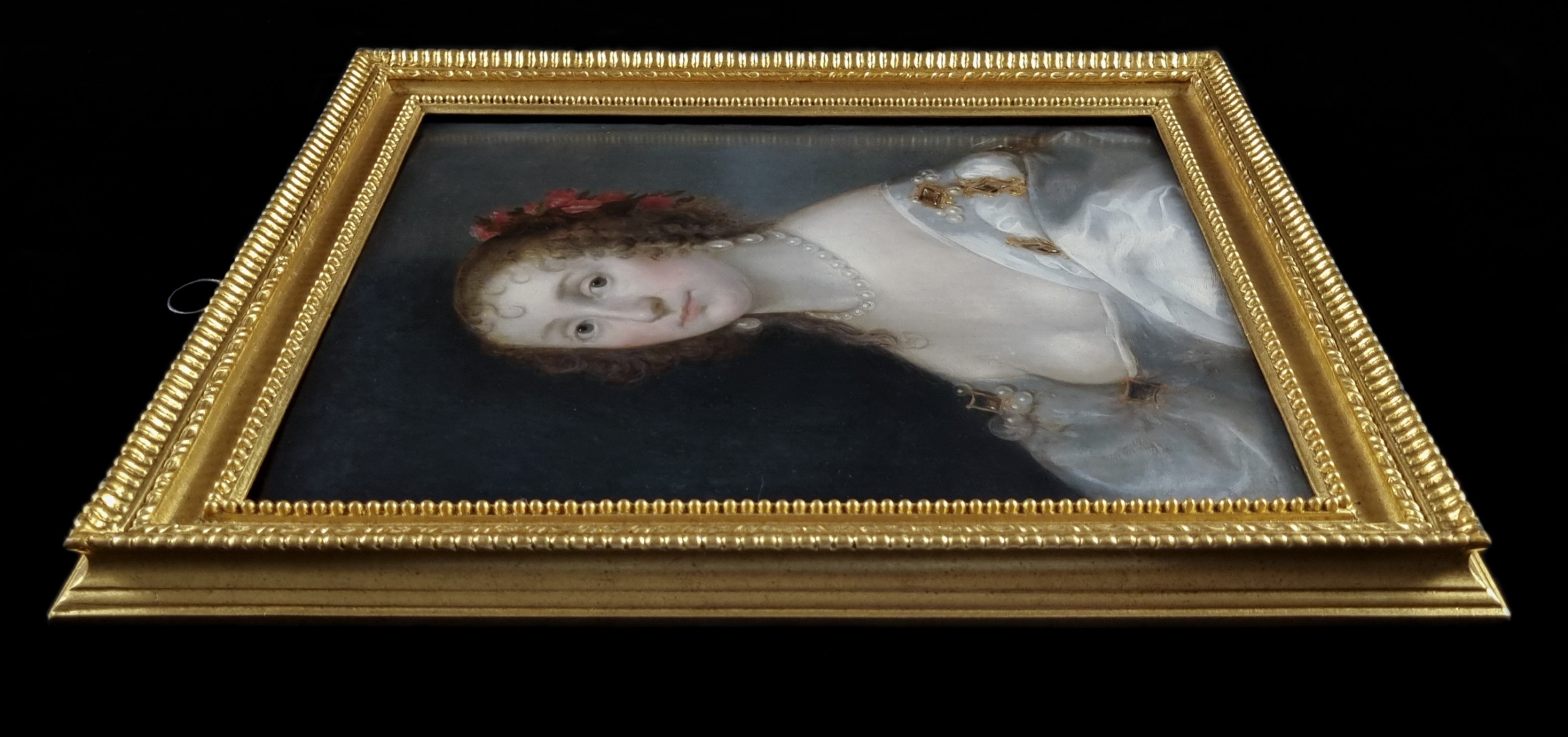
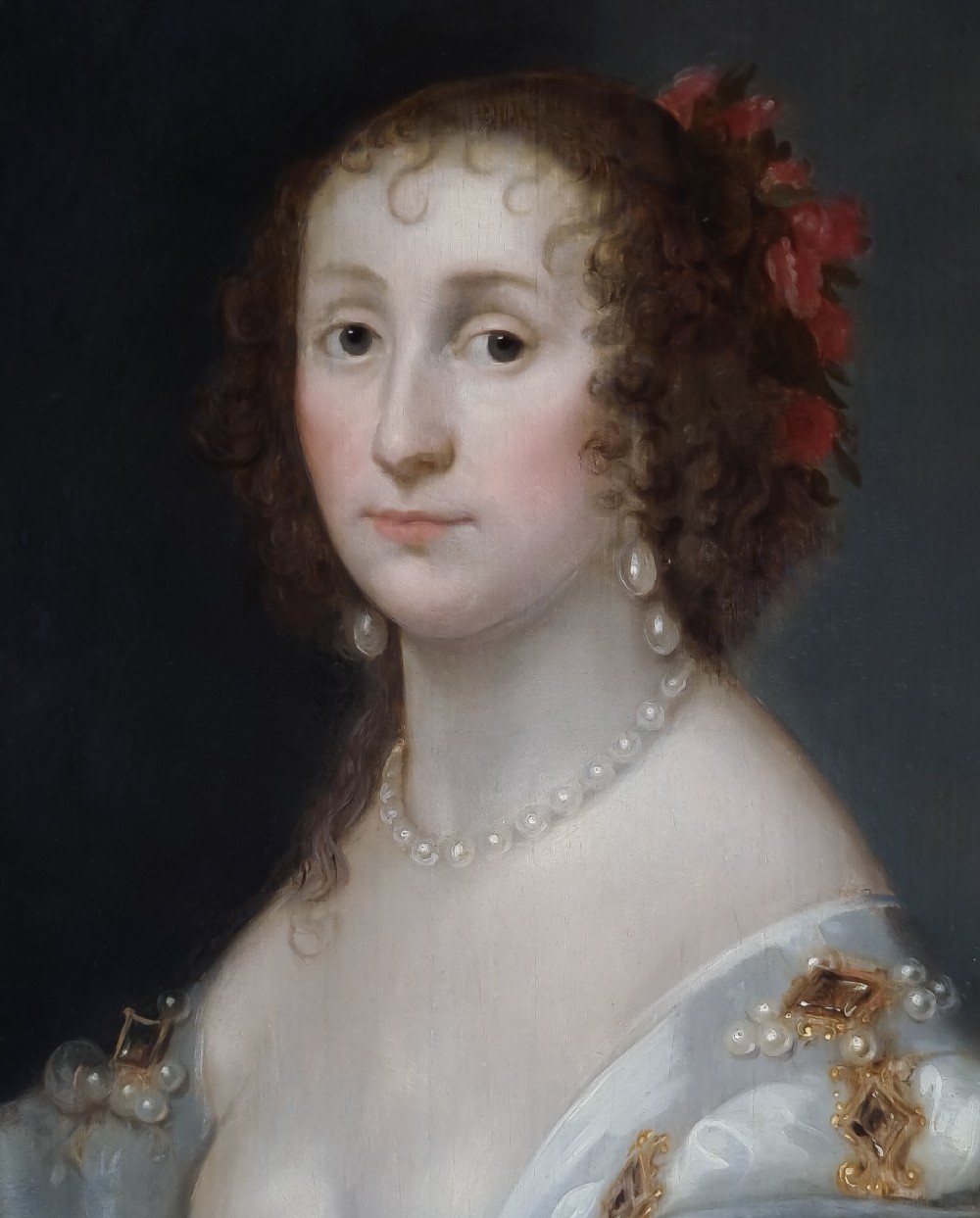
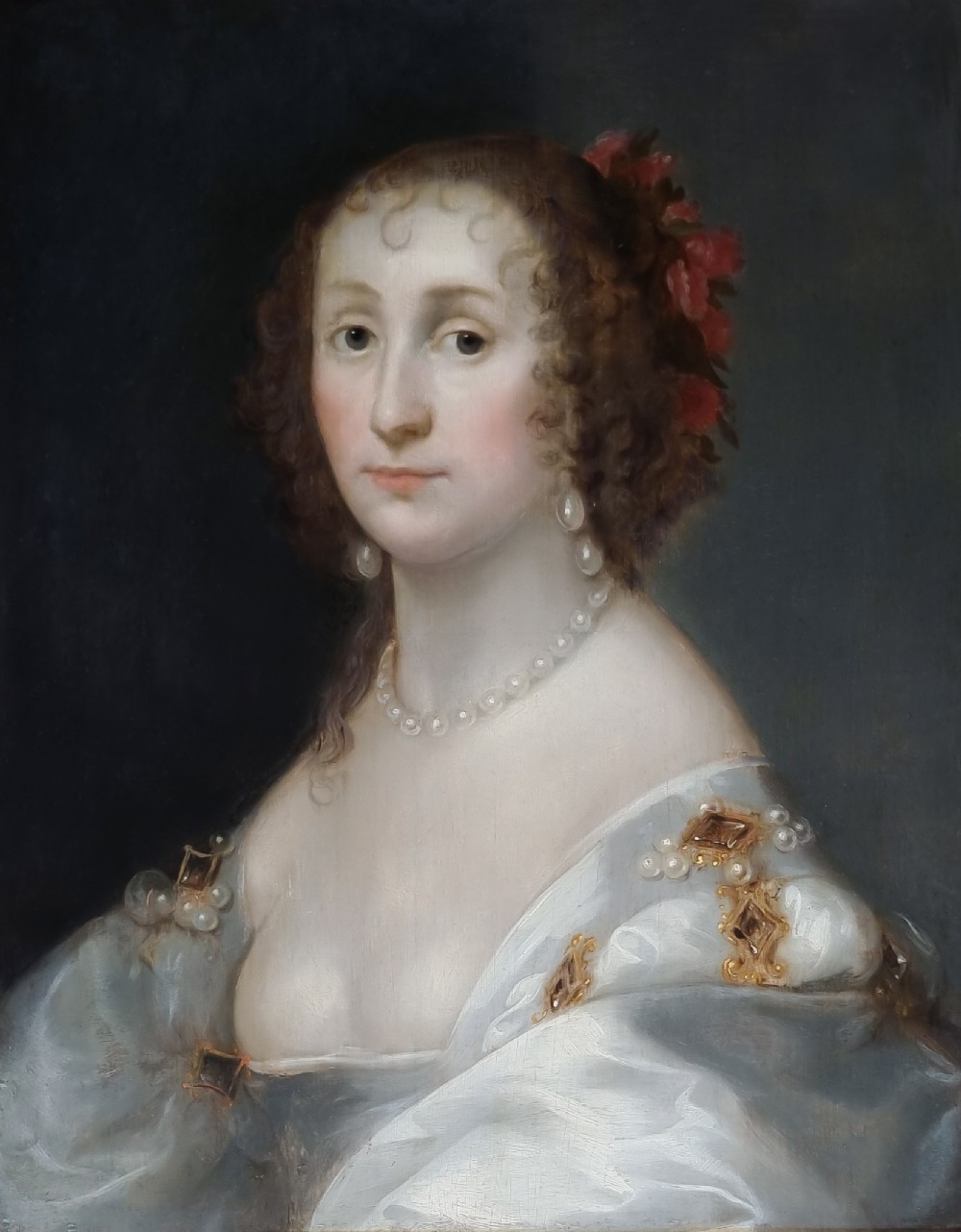
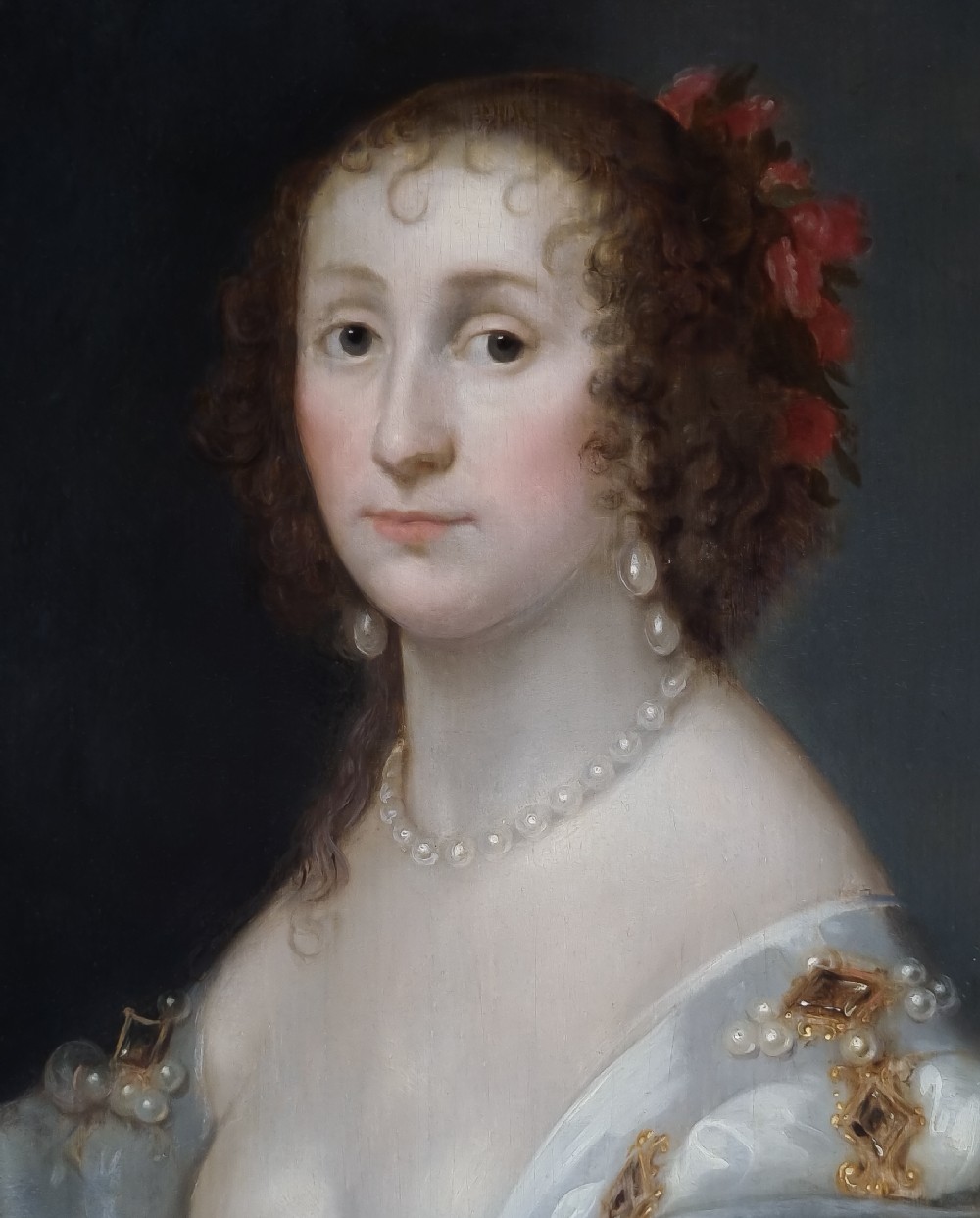
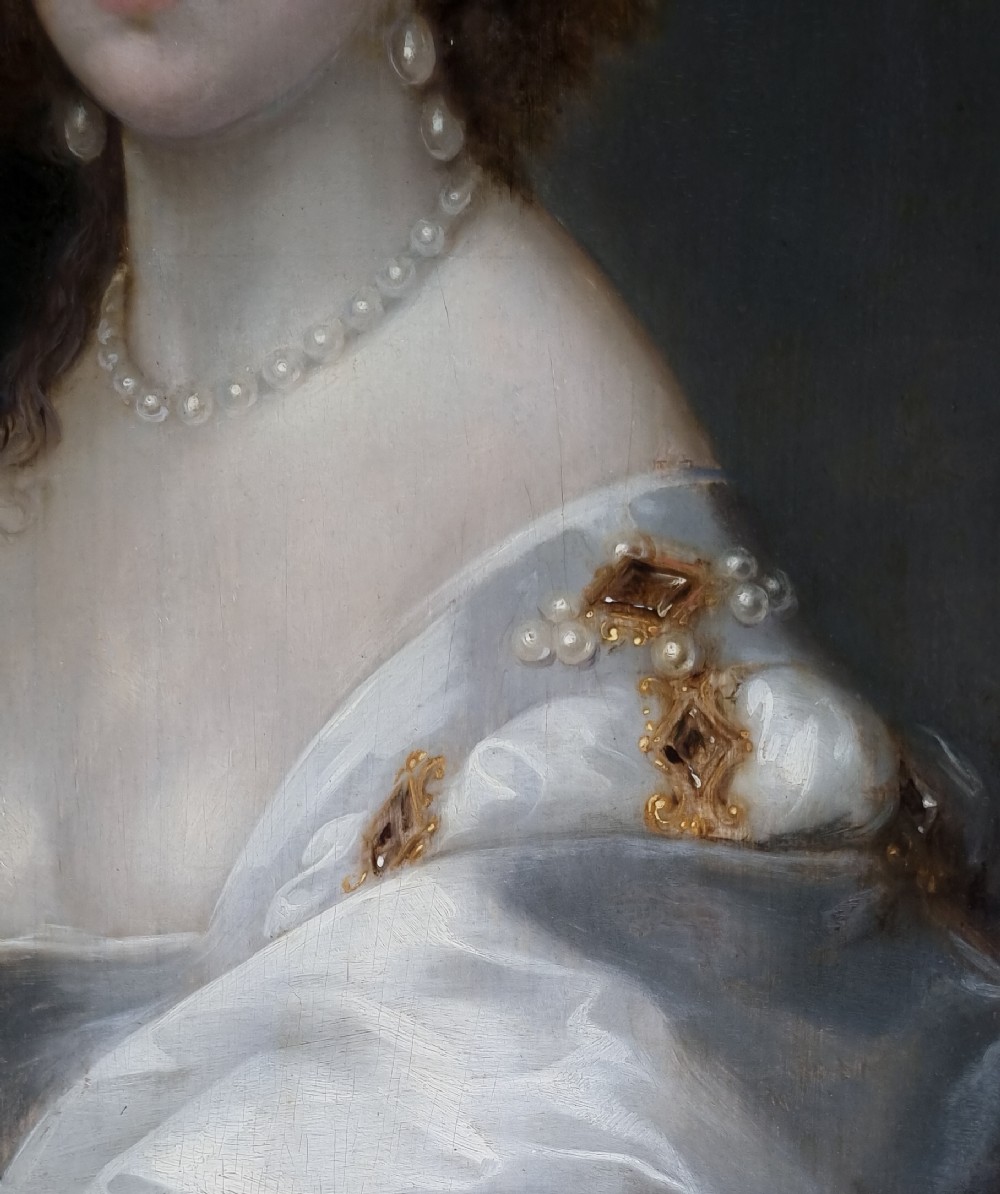
This charming portrait is an example of the type of small-scale panel portraits, often of splendid beauties of the time, that became fashionable from about the first quarter of the seventeenth century. The sitter has been depicted wearing a low-cut silk dress with the wide billowing sleeves typical of the late 1630’s. The simplicity of the ensemble is reinforced by the absence of lace on either the collar or cuffs. At this fashion moved away from complicated layers of fabrics to an understated elegance of plain silk (satin and taffeta were most popular) with only a couple of focal points as accessories. However, obligatory for any respectable woman, pears are shown in abundance, as a necklace, on the dress attire, and pear-shaped earrings called ‘unions excellence’ reflecting the difficulty of finding perfectly matched pearls of such large size. They could range up to 20 millimetres in diameter. There is a splendid display of gold, diamond and pearl jewellery which is an obvious sign of her wealth.
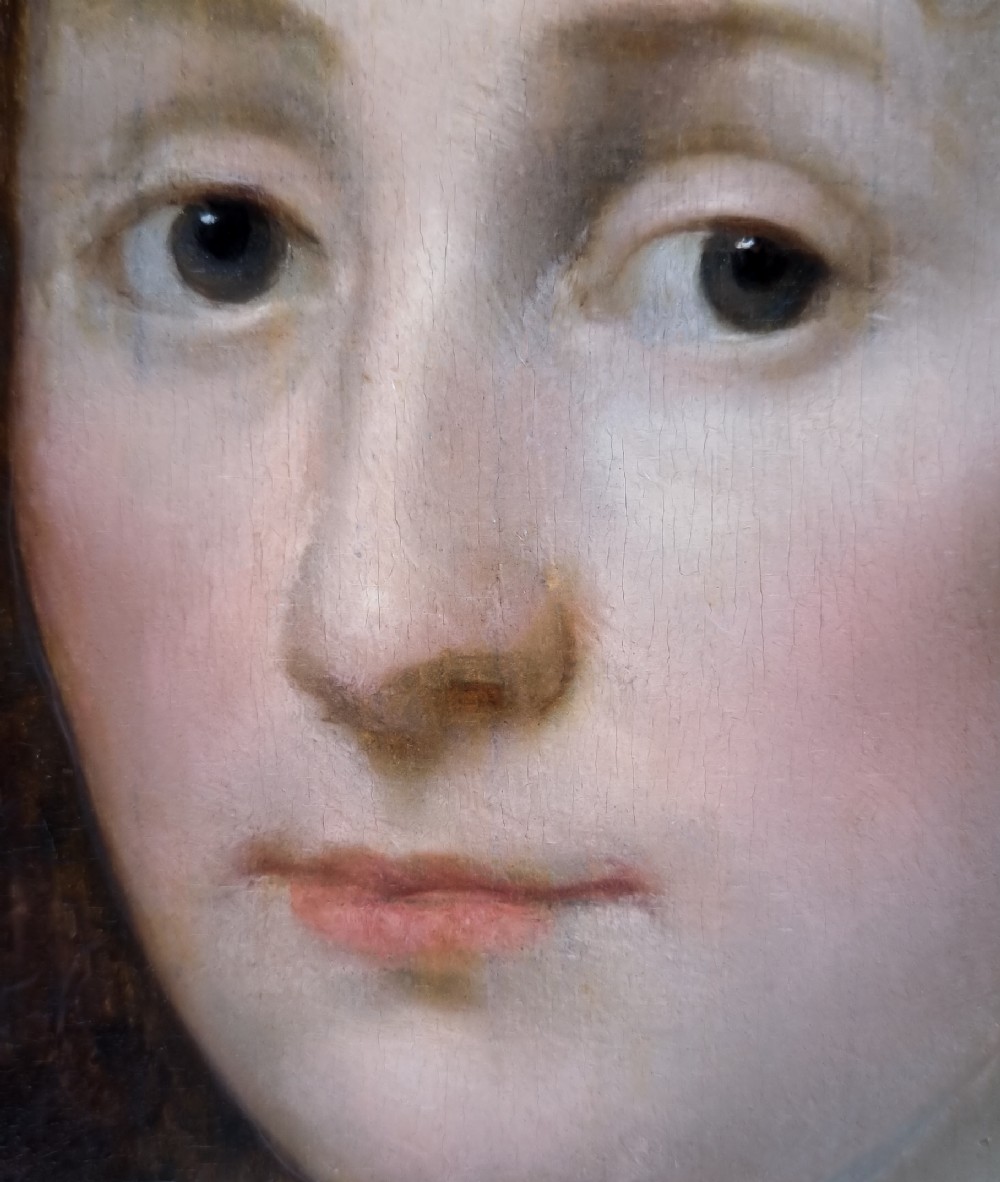
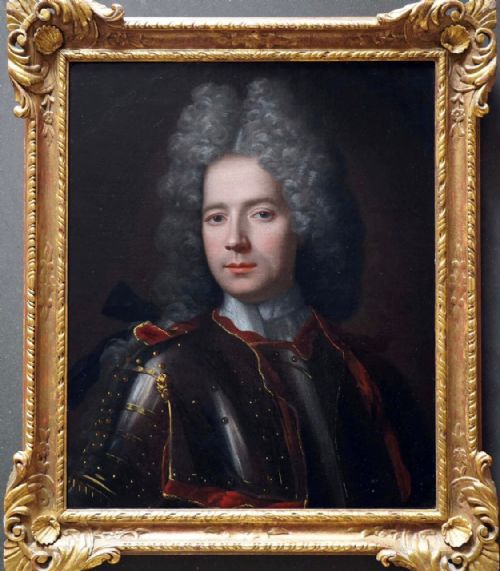
The subject is thought to be Diana Bruce née Cecil, 1st Countess of Elgin (c.1603-1654). The physiognomy and features strongly correlate to a portrait of the countess by Cornelius Johnson (1593-1661), painted circa 1638, at Kenwood House, London. Another painting from Ombersley Court, also with Titan Fine Art, is contemporaneous to this and is thought to represent the countess’s husband, Thomas Bruce, 1st Earl of Elgin (1599-1663) – it appears to have derived from Cornelius Johnson’s portrait of the Earl, of circa 1638, also at Kenwood House. During the 1630’s Johnson painted a number of portraits, obviously influenced by Van Dyke. Here, Theodore Russel, who worked in the studios of both Van Dyle and Johnson, and later specialised in small scale reproductions of his master’s works, appears to have modelled the head, with the striking large dark eyes, on Cornelius Johnson, and the attire on Anthony van Dyke. Theodore Russel and Cornelius Johnson also had a family connection as it is thought that Russel’s step-mother was a sister of Johnson.
Diana Cecil, Countess of Oxford (1596–1654), later Countess of Elgin, was an English aristocrat. She was probably the middle daughter of the three daughters of William Cecil, 2nd Earl of Exeter and Elizabeth Drury. Her first husband, Henry de Vere, 18th Earl of Oxford, died in battle only 18 months after their marriage in 1624. She married her second husband Thomas Bruce (1599-I663) in 1629, becoming the Countess of Elgin in 1633. Her portrait was presumably painted at a similar time as the companion portrait of her husband, the Earl of Elgin. She died in 1654, outlived by her husband and leaving no children. A large monument exists of the countess in her burial shroud at Ailesbury Mausoleum, Bedfordshire.
The work has been well cared for over its life, which spanning almost four centuries, and having recently undergone a treatment to remove an obscuring discoloured varnish, it can be fully appreciated, and attributed to Theodore Russel.
Much more informaton at: www.titanfineart.com
Titan Fine Art has dated this Antique Oil Painting to the 17th Century.
Specialist in 17th & 18thc portraits. Highly curated selection, museum-level research & pro conservation. Exceptional art, expertly vetted.
You can view the stock and full dealer information on the Titan Fine Art Profile Page
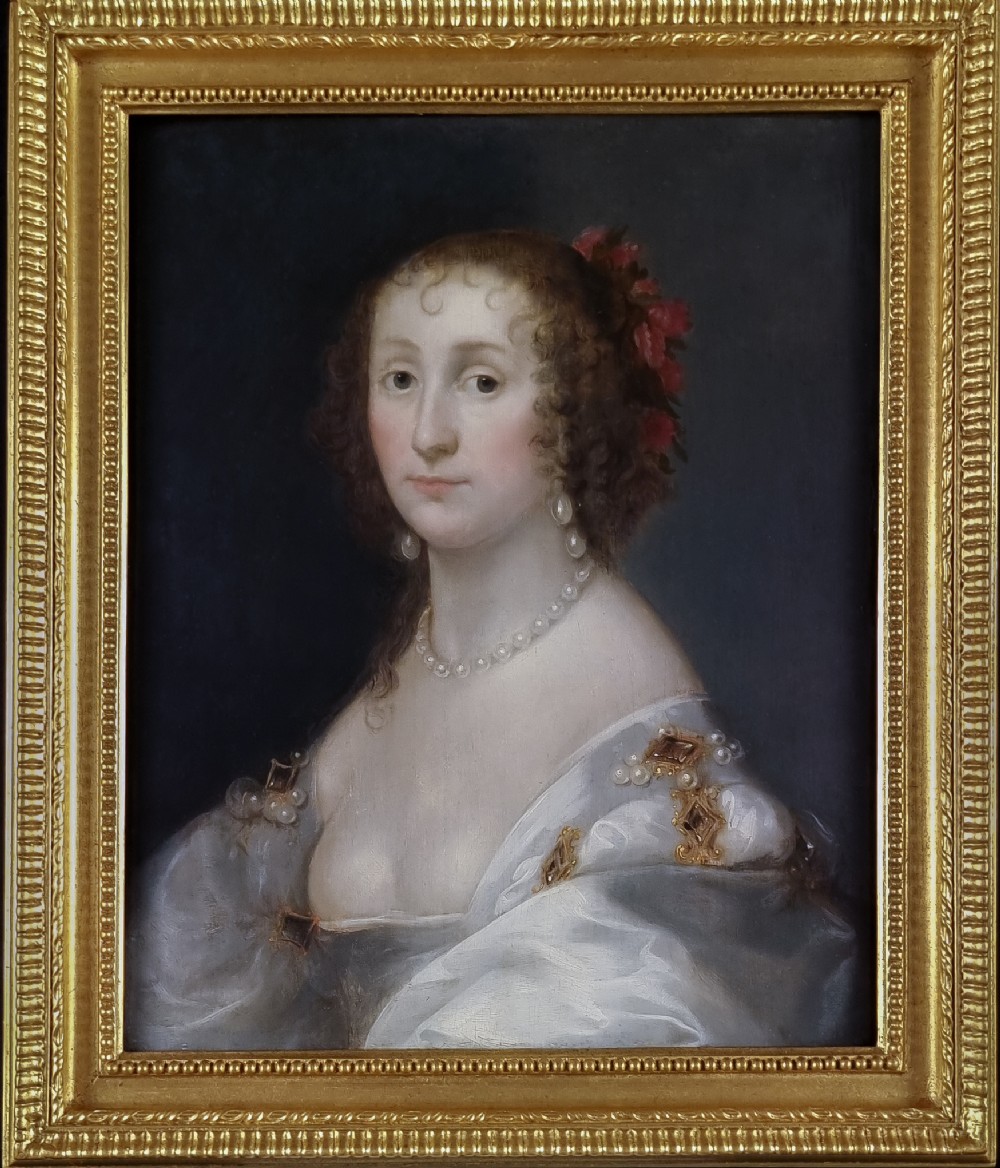
C.1638 Portrait of a Lady Diana Cecil, Countess of Elgin; Attributed to Theodore Russel (1614-1689), Oil on Panel Painting