33,272  PAGES BROWSED TODAY PAGES TODAY 88 ANTIQUES UPLOADED TODAYNEW ARRIVALS
88 ITEMS ADDED TODAY
Sort Order
Items Per Page
Browse Categories
Sort order
Items per page
ID #SA1089653
SOLD
Email
Save
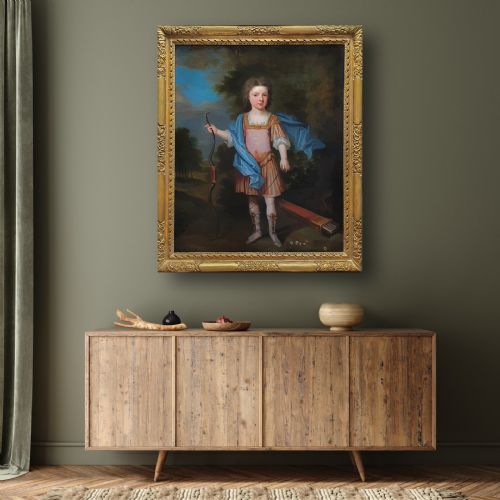
C.1710 Portrait of Young Gentleman, Lord George Douglas with Bow and Arrow; Attributed to Charles D'agar (1669-1723), Oil on Canvas Painting
Titan Fine Art
sold SA1089653
Sorry, but this item has been sold.
Titan Fine Art

Titan Fine Art

Sellingantiques Verified Since Jul 2016
View Dealers Stock Page
  • About Us
    Specialist in 17th & 18thc portraits. Highly curated selection, museum-level research & pro conservation. Exceptional art, expertly vetted.
Id #SA1089653
PDF SHARE
SAVE

C.1710 Portrait of Young Gentleman, Lord George Douglas with Bow and Arrow; Attributed to Charles D'agar (1669-1723), Oil on Canvas Painting

18th century
Description

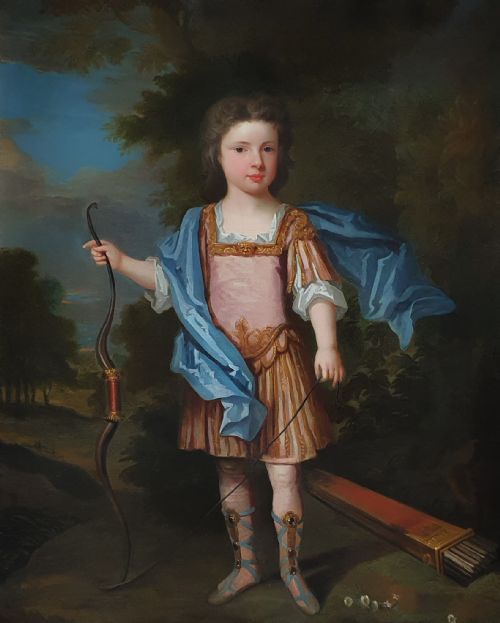
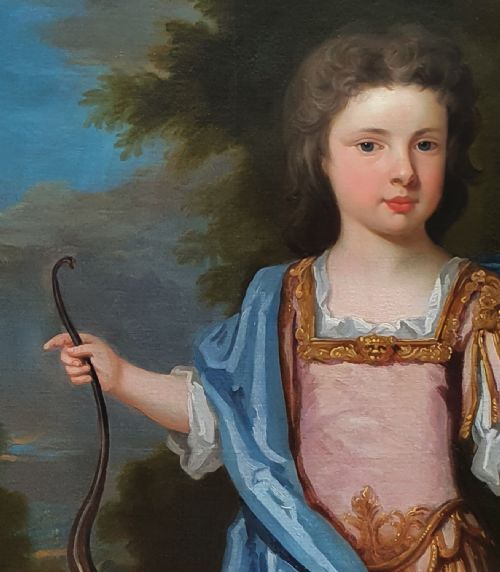
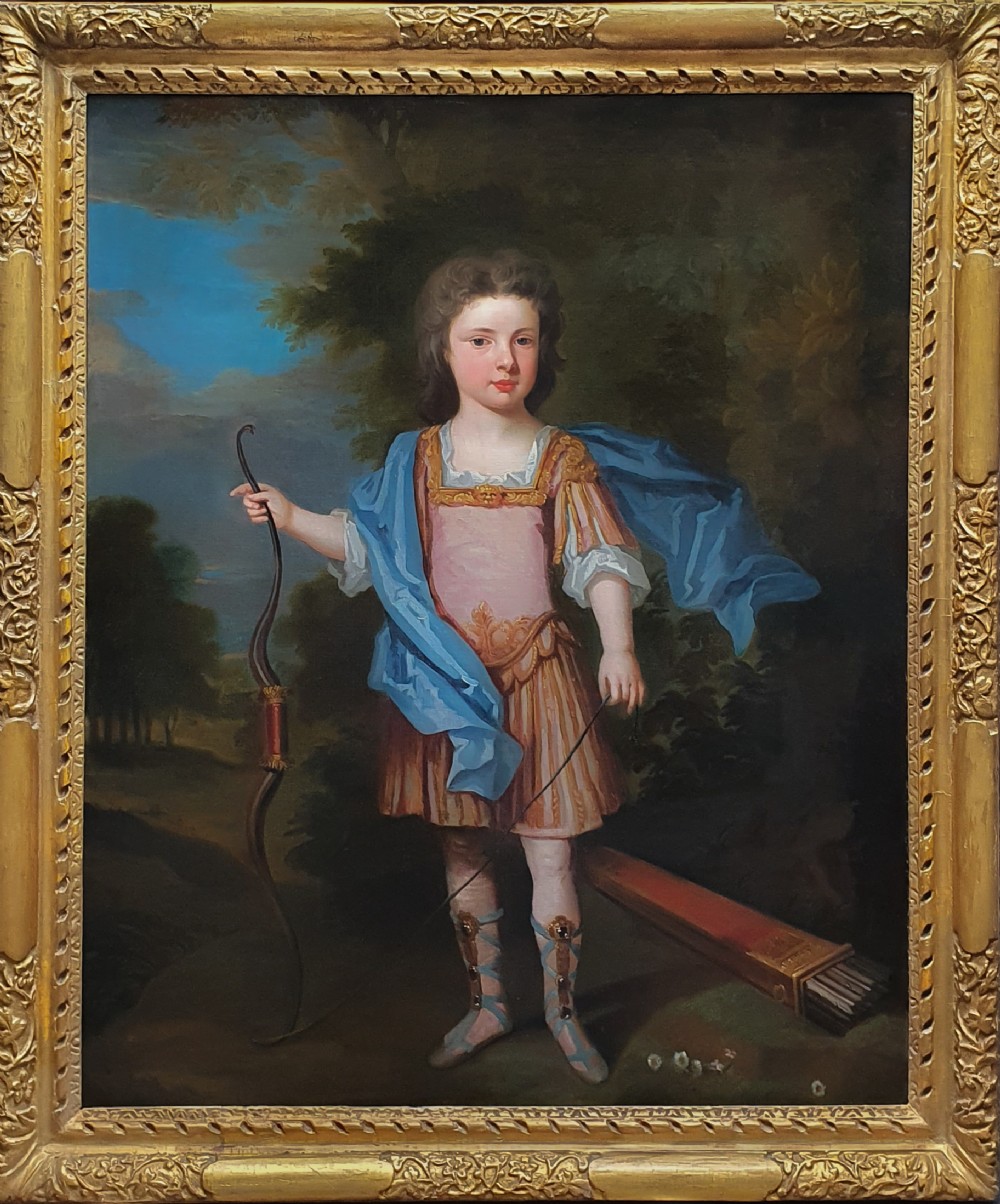
Depicted with bow in hand and situated against an Arcadian backdrop this young gentleman represents a fine example of portraiture at the turn of the 18th century. The present painting is striking in its grand scale and also its quality. The sitter is said to be Lord George Douglas and there is another painting by D’Agar in the Buccleuch collection at Drumlanrig Castle, Dumfriesshire.

The story of Drumlanrig Castle began in the 14th Century when William, the son of James, 2nd Earl of Drumlanrig (who died at Otterburn in 1388) became the 1st Laird of Drumlanrig. Over the decades the Douglas family stayed close to the monarchy. A relationship, which as you’d expect, benefitted both the Douglases and the royals. However the relationship did have its difficult times and James Douglas was one of the Lords responsible for driving Mary Queen of Scots out of the country in 1567. Yet Mary’s son, James Vl and l, chose to visit Drumlanrig in 1617 and the royal bond continued to strengthen. William, 3rd Earl of Queensberry, was very loyal to Charles II and was made 1st Duke of Queensberry in 1684. Since the 15th Century, the Scotts of Buccleuch have played a leading part in the life and development of large parts of the South of Scotland.
One of the more colourful characters to emerge during the turbulent times of the 16th century was Walter Scott. Knighted by King James VI in 1590, he became known as ‘Bold Buccleuch’ because of his dashing exploits in Border raids. In 1606 Walter was created 1st Lord Scott of Buccleuch. The Dukedom arose from the marriage of Walter’s great granddaughter Anna to James, Duke of Monmouth in 1663. As a consequence, the houses of the Scotts were united with the Montagus of Boughton and in 1810 the death of William, 4th Duke of Queensberry, brought Drumlanrig and the Queensberry Estate into the family, thus establishing the family’s full surname, Montagu Douglas Scott.
The convention was to depict children as miniature adults – and this young gent is a warrior, at least in his family’s eyes. Roman attire was often used in portraits at the time to provide a sense of timelessness as rapid changes in fashion made contemporary dress unsuitable as it quickly made portraits look outdated. The landscape setting and the bow and arrows imbue the portrait with a sense of Arcadian simplicity. This draws from the tradition of pastoral literature and by the early 17th century was already popular in art; all educated individuals were familiar with Latin and Greek pastoral poetry. The pastoral tradition in literature and plays had been embraced by an aristocratic class since classical times. Life in the country was perceived as peaceful, contemplative and free of worry of hardships, a time to pursue pleasure. To be painted in such a manner created a tangible expression of power and wealth.
Held in a good quality antique panel frame.

Charles D’Agar was a prolific artist and his graceful portraits are mannered and competent and were in high demand. Many aristocratic individuals sat for him.
Born in Paris, the son of painter Jacques (Jacob) D'Agar and his wife Marie Picard, the protestant family immigrated to London between 1678 and 1681 by which time Jacques was officially expelled from the French Academy on religious grounds. Father and son both worked in London painting well-known individuals such as Charles II’s French mistress, Louise de Keroualle, Duchess of Portsmouth, before moving to Copenhagen c.1685 where his father became chief court painter first to Christian V (reigned 1670-99) and then to Frederick IV (reigned 1699-1730). By 1691 Charles returned to London where he settled permanently and established a fashionable practice working for a wide but especially aristocratic patronage. He left a widow Susannah and a son who was also a painter, possibly named David. In 1707 he charged £7 f

Physical Dimensions
Height
148cm (58.27")
Width
124cm (48.82")
Depth
5cm (1.97")
Declaration

Titan Fine Art has dated this piece to the 18th Century.

Reference Numbers
Sellingantiques Reference
SA1089653
Dealers Notes

Much more info about this item at: www.titanfineart.com

In a market saturated with available paintings, Titan Fine Art offers a distinct advantage: we sift through thousands of works to provide a specially curated selection. Each piece is meticulously chosen based on technical merit, provenance, and decorative appeal, ensuring our clients view only the finest examples of British and European art.

With over 20 years of expertise and 1,000+ works placed with collectors and institutions, we are one of the most prolific specialists in 17th and 18th-century portraiture. We combine a scholarly approach with museum-level rigor to replace the uncertainty of the open market with absolute confidence.

Why Buy From Titan Fine Art?

• Expertly Curated Selection

We act as your expert eye, selecting only high-quality works that offer genuine historical and artistic value.

• Museum-Level Research

Each portrait is supported by extensive academic research, often exceeding 40 hours, to establish attribution, sitter identity, and historical context.

• Professional Conservation

All paintings are carefully cleaned and stabilised by professional conservators, and are presented ready to hang.

• Transparent Pricing

No buyer’s premium or hidden fees—unlike auction houses, where additional costs can add 25–35%.

• Export Pricing Advantage

Reduced pricing is available for works exported outside the UK.

• Specialist Global Shipping

We manage the entire process, including custom crating, export documentation, and fully tracked delivery worldwide.

• Buy with Confidence

A 7-day return policy and the option to pay in GBP, USD, or EUR for convenience and transparency.

• Original Period Frames

Many works retain their original carved and gilded frames, which are works of art in their own right and enhance both historical authenticity and decorative impact.

• Personal Advisory Service

We work directly with collectors and interior designers, offering guidance on selection, scale, and placement—including bespoke room mock-ups on request.

Subscribe to our monthly 'new item alert' to be the first to hear about new works

Description
Depicted with bow in hand and situated against an Arcadian backdrop this young gentleman represents a fine example of portraiture at the turn of the 18th century. The present painting is striking in its grand scale and also its quality.
The sitter is said to be Lord George Douglas and there is another painting by D’Agar in the Buccleuch collection at Drumlanrig Castle, Dumfriesshire.
Titan Fine Art
fig 1. c.1710 Portrait of Young Gentleman, Lord George Douglas with Bow and Arrow; Attributed to Charles D'Agar (1669-1723), Oil on Canvas Painting
fig 1. C.1710 Portrait of Young Gentleman, Lord George Douglas with Bow and Arrow; Attributed to Charles D'agar (1669-1723), Oil on Canvas Painting

The story of Drumlanrig Castle began in the 14th Century when William, the son of James, 2nd Earl of Drumlanrig (who died at Otterburn in 1388) became the 1st Laird of Drumlanrig. Over the decades the Douglas family stayed close to the monarchy. A relationship, which as you’d expect, benefitted both the Douglases and the royals. However the relationship did have its difficult times and James Douglas was one of the Lords responsible for driving Mary Queen of Scots out of the country in 1567. Yet Mary’s son, James Vl and l, chose to visit Drumlanrig in 1617 and the royal bond continued to strengthen. William, 3rd Earl of Queensberry, was very loyal to Charles II and was made 1st Duke of Queensberry in 1684. Since the 15th Century, the Scotts of Buccleuch have played a leading part in the life and development of large parts of the South of Scotland.

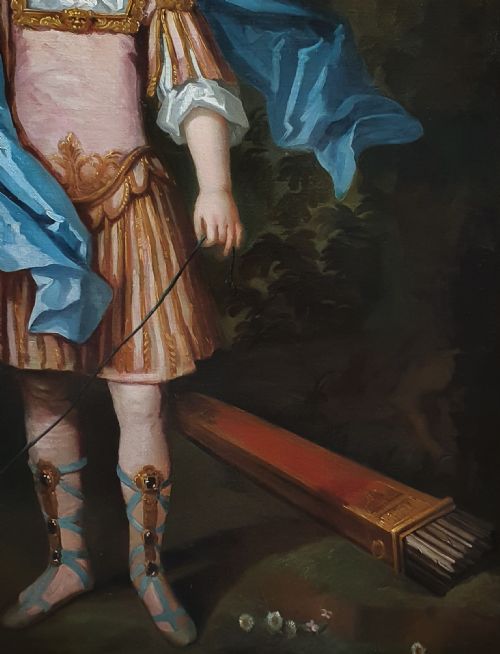
fig 2. c.1710 Portrait of Young Gentleman, Lord George Douglas with Bow and Arrow; Attributed to Charles D'Agar (1669-1723), Oil on Canvas Painting
fig 2. C.1710 Portrait of Young Gentleman, Lord George Douglas with Bow and Arrow; Attributed to Charles D'agar (1669-1723), Oil on Canvas Painting

One of the more colourful characters to emerge during the turbulent times of the 16th century was Walter Scott. Knighted by King James VI in 1590, he became known as ‘Bold Buccleuch’ because of his dashing exploits in Border raids. In 1606 Walter was created 1st Lord Scott of Buccleuch. The Dukedom arose from the marriage of Walter’s great granddaughter Anna to James, Duke of Monmouth in 1663. As a consequence, the houses of the Scotts were united with the Montagus of Boughton and in 1810 the death of William, 4th Duke of Queensberry, brought Drumlanrig and the Queensberry Estate into the family, thus establishing the family’s full surname, Montagu Douglas Scott.

fig 3. c.1710 Portrait of Young Gentleman, Lord George Douglas with Bow and Arrow; Attributed to Charles D'Agar (1669-1723), Oil on Canvas Painting
fig 3. C.1710 Portrait of Young Gentleman, Lord George Douglas with Bow and Arrow; Attributed to Charles D'agar (1669-1723), Oil on Canvas Painting

The convention was to depict children as miniature adults – and this young gent is a warrior, at least in his family’s eyes. Roman attire was often used in portraits at the time to provide a sense of timelessness as rapid changes in fashion made contemporary dress unsuitable as it quickly made portraits look outdated. The landscape setting and the bow and arrows imbue the portrait with a sense of Arcadian simplicity. This draws from the tradition of pastoral literature and by the early 17th century was already popular in art; all educated individuals were familiar with Latin and Greek pastoral poetry. The pastoral tradition in literature and plays had been embraced by an aristocratic class since classical times. Life in the country was perceived as peaceful, contemplative and free of worry of hardships, a time to pursue pleasure. To be painted in such a manner created a tangible expression of power and wealth.

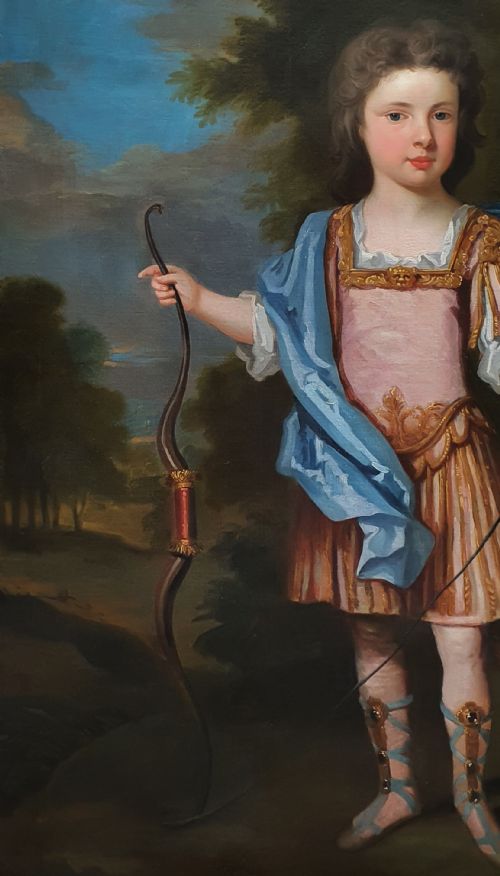
fig 4. c.1710 Portrait of Young Gentleman, Lord George Douglas with Bow and Arrow; Attributed to Charles D'Agar (1669-1723), Oil on Canvas Painting
fig 4. C.1710 Portrait of Young Gentleman, Lord George Douglas with Bow and Arrow; Attributed to Charles D'agar (1669-1723), Oil on Canvas Painting

Held in a good quality antique panel frame.

Charles D’Agar was a prolific artist and his graceful portraits are mannered and competent and were in high demand. Many aristocratic individuals sat for him.

fig 5. c.1710 Portrait of Young Gentleman, Lord George Douglas with Bow and Arrow; Attributed to Charles D'Agar (1669-1723), Oil on Canvas Painting
fig 5. C.1710 Portrait of Young Gentleman, Lord George Douglas with Bow and Arrow; Attributed to Charles D'agar (1669-1723), Oil on Canvas Painting

Born in Paris, the son of painter Jacques (Jacob) D'Agar and his wife Marie Picard, the protestant family immigrated to London between 1678 and 1681 by which time Jacques was officially expelled from the French Academy on religious grounds. Father and son both worked in London painting well-known individuals such as Charles II’s French mistress, Louise de Keroualle, Duchess of Portsmouth, before moving to Copenhagen c.1685 where his father became chief court painter first to Christian V (reigned 1670-99) and then to Frederick IV (reigned 1699-1730). By 1691 Charles returned to London where he settled permanently and established a fashionable practice working for a wide but especially aristocratic patronage. He left a widow Susannah and a son who was also a painter, possibly named David. In 1707 he charged £7 f

Height
148cm (58.27")
Width
124cm (48.82")
Depth
5cm (1.97")
Date of Manufacture

Titan Fine Art has dated this piece to the 18th Century.

Reference Numbers
Sellingantiques Ref
SA1089653
Titan Fine Art
Titan Fine Art
Sellingantiques verified Since Jul 2016

Specialist in 17th & 18thc portraits. Highly curated selection, museum-level research & pro conservation. Exceptional art, expertly vetted.

Dealer Profile

You can view the stock and full dealer information on the Titan Fine Art Profile Page
PDF SHARE
SAVE
c.1710 Portrait of Young Gentleman, Lord George Douglas with Bow and Arrow; Attributed to Charles D'Agar (1669-1723), Oil on Canvas Painting
1 / 8
Archive I c.1710 Portrait of Young Gentleman, Lord George Douglas with Bow and Arrow; Attributed to Charles D'Agar (1669-1723), Oil on Canvas Painting

C.1710 Portrait of Young Gentleman, Lord George Douglas with Bow and Arrow; Attributed to Charles D'agar (1669-1723), Oil on Canvas Painting
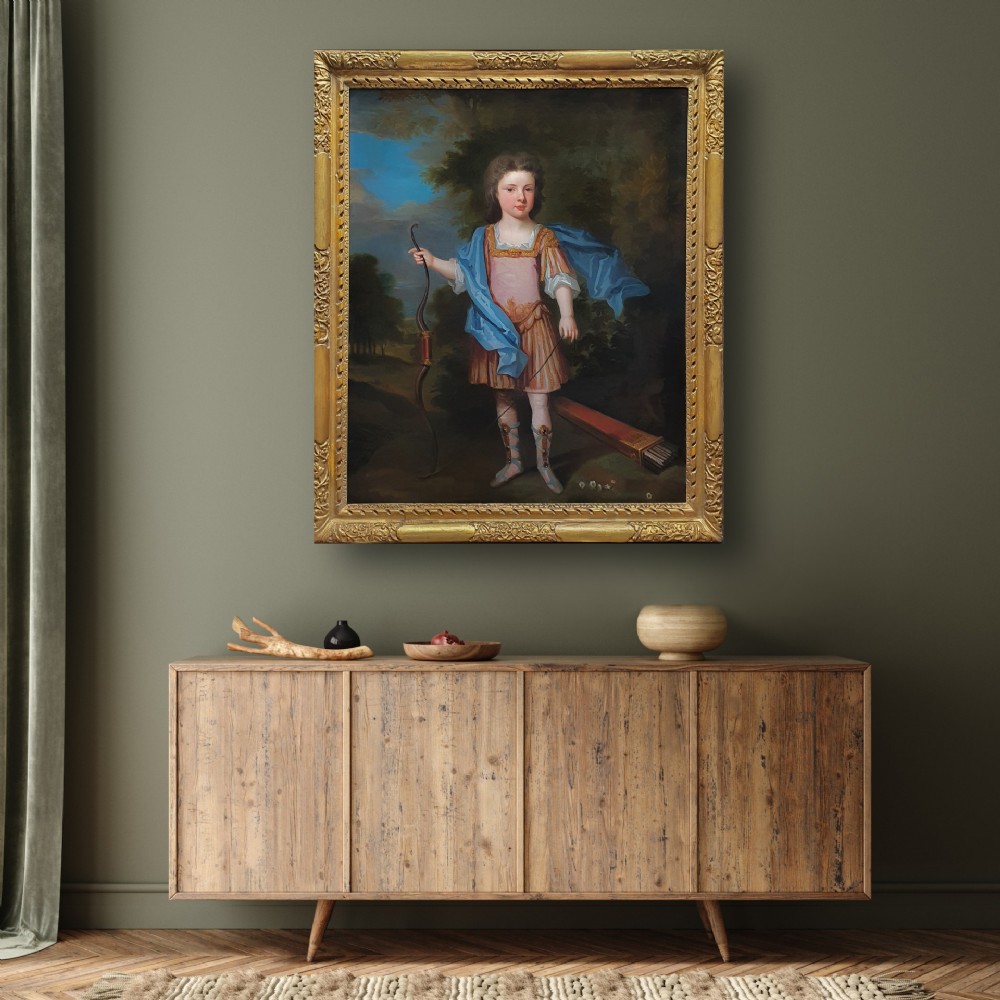
Archive II c.1710 Portrait of Young Gentleman, Lord George Douglas with Bow and Arrow; Attributed to Charles D'Agar (1669-1723), Oil on Canvas Painting View II
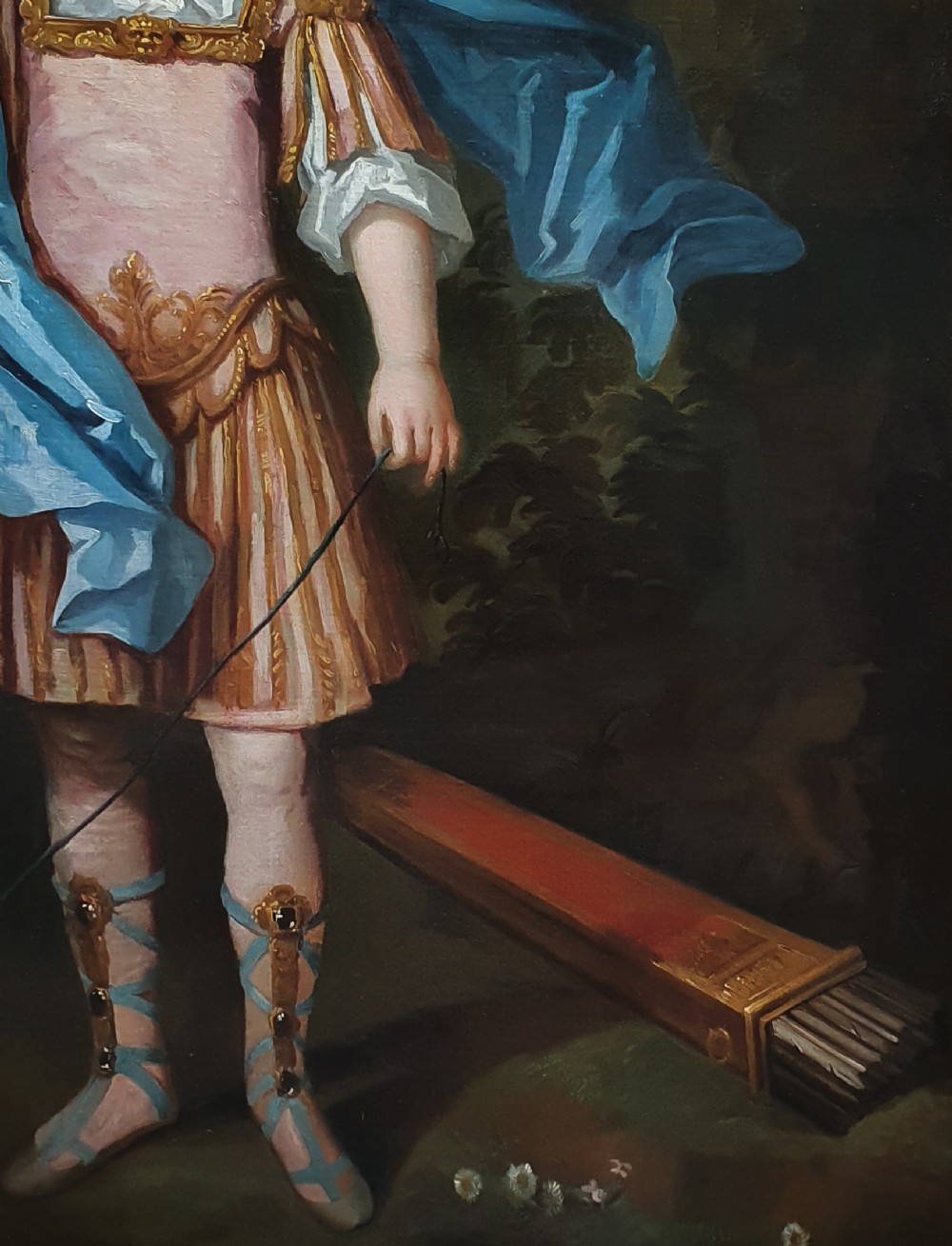
Archive III c.1710 Portrait of Young Gentleman, Lord George Douglas with Bow and Arrow; Attributed to Charles D'Agar (1669-1723), Oil on Canvas Painting View III
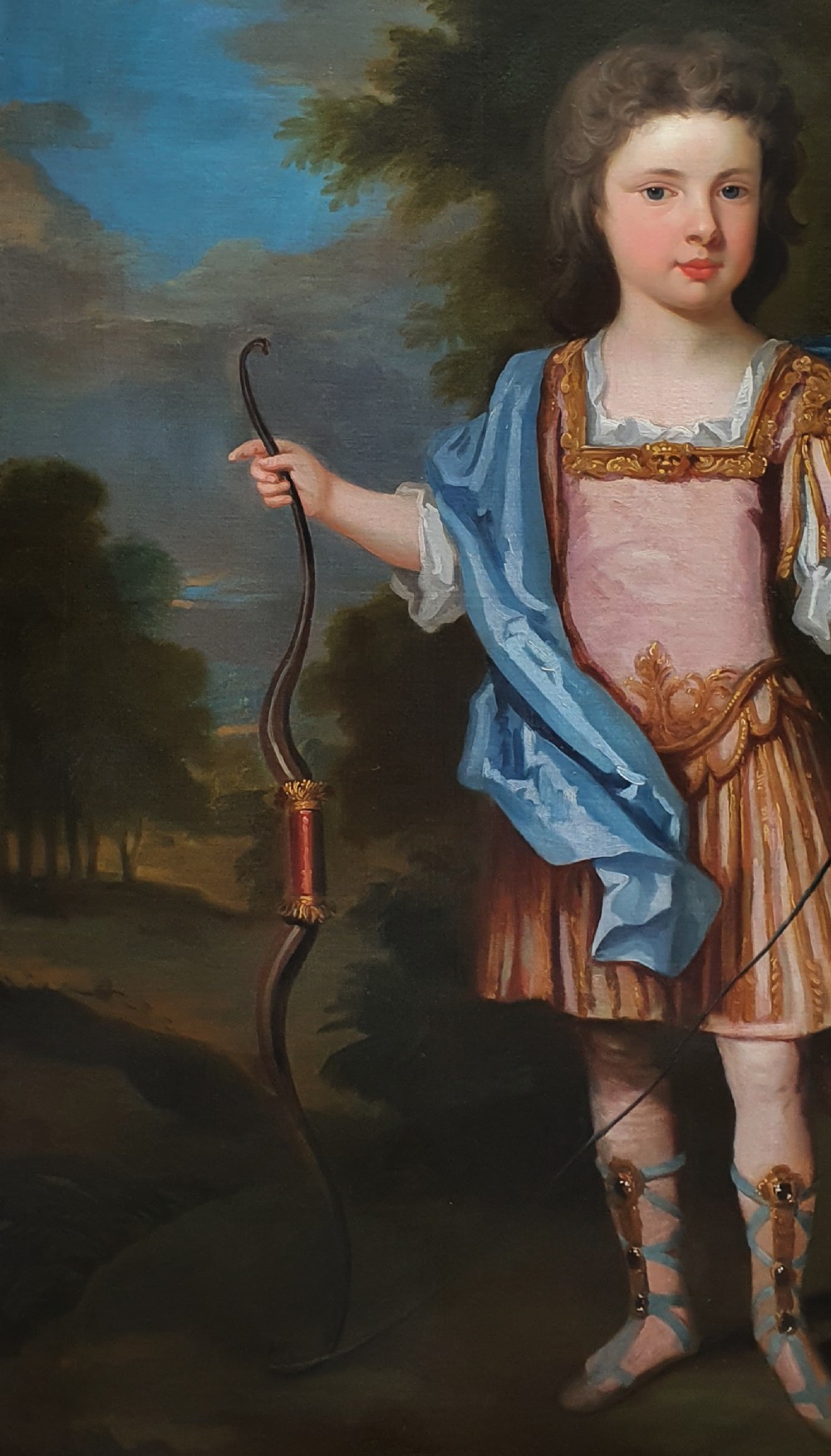
Archive IV c.1710 Portrait of Young Gentleman, Lord George Douglas with Bow and Arrow; Attributed to Charles D'Agar (1669-1723), Oil on Canvas Painting View IV
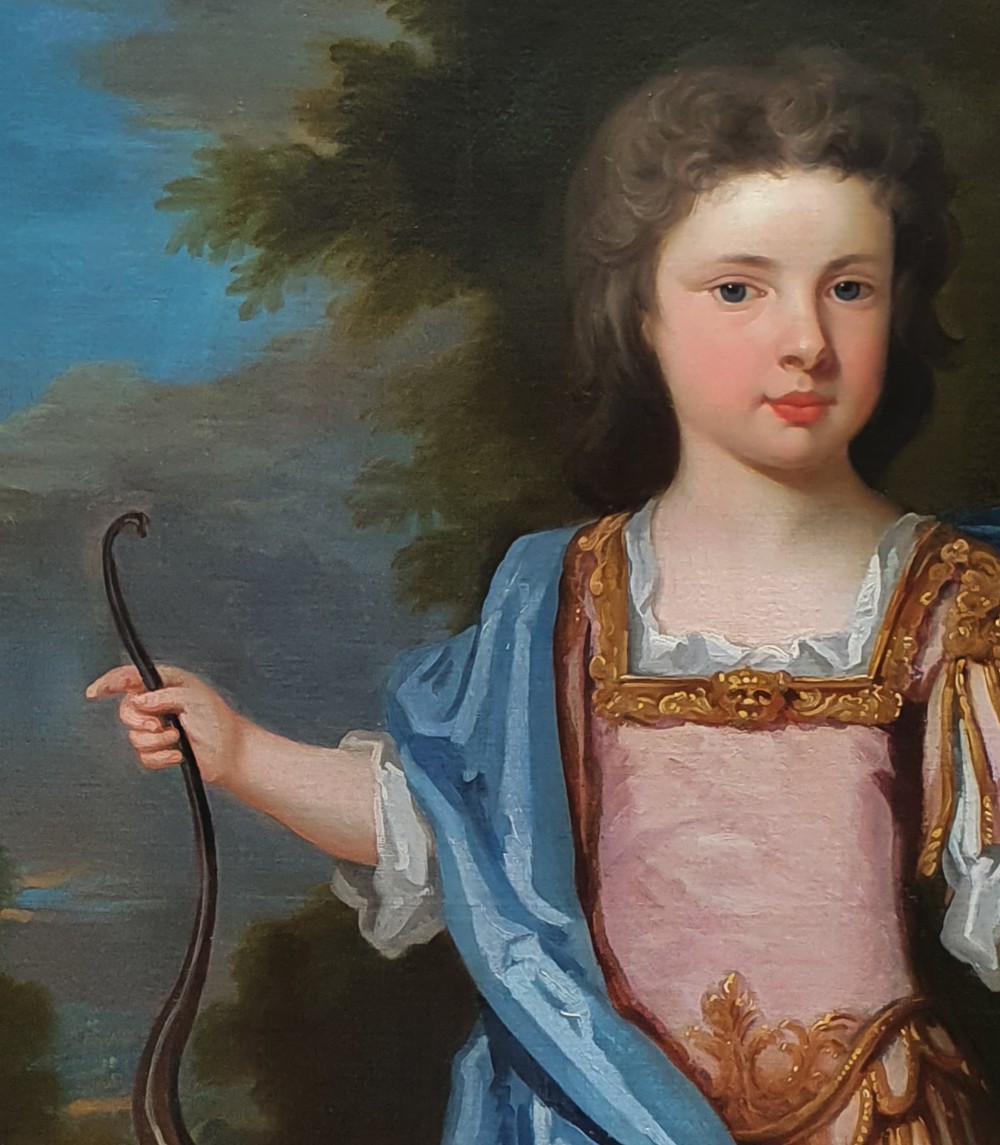
Archive V c.1710 Portrait of Young Gentleman, Lord George Douglas with Bow and Arrow; Attributed to Charles D'Agar (1669-1723), Oil on Canvas Painting View V
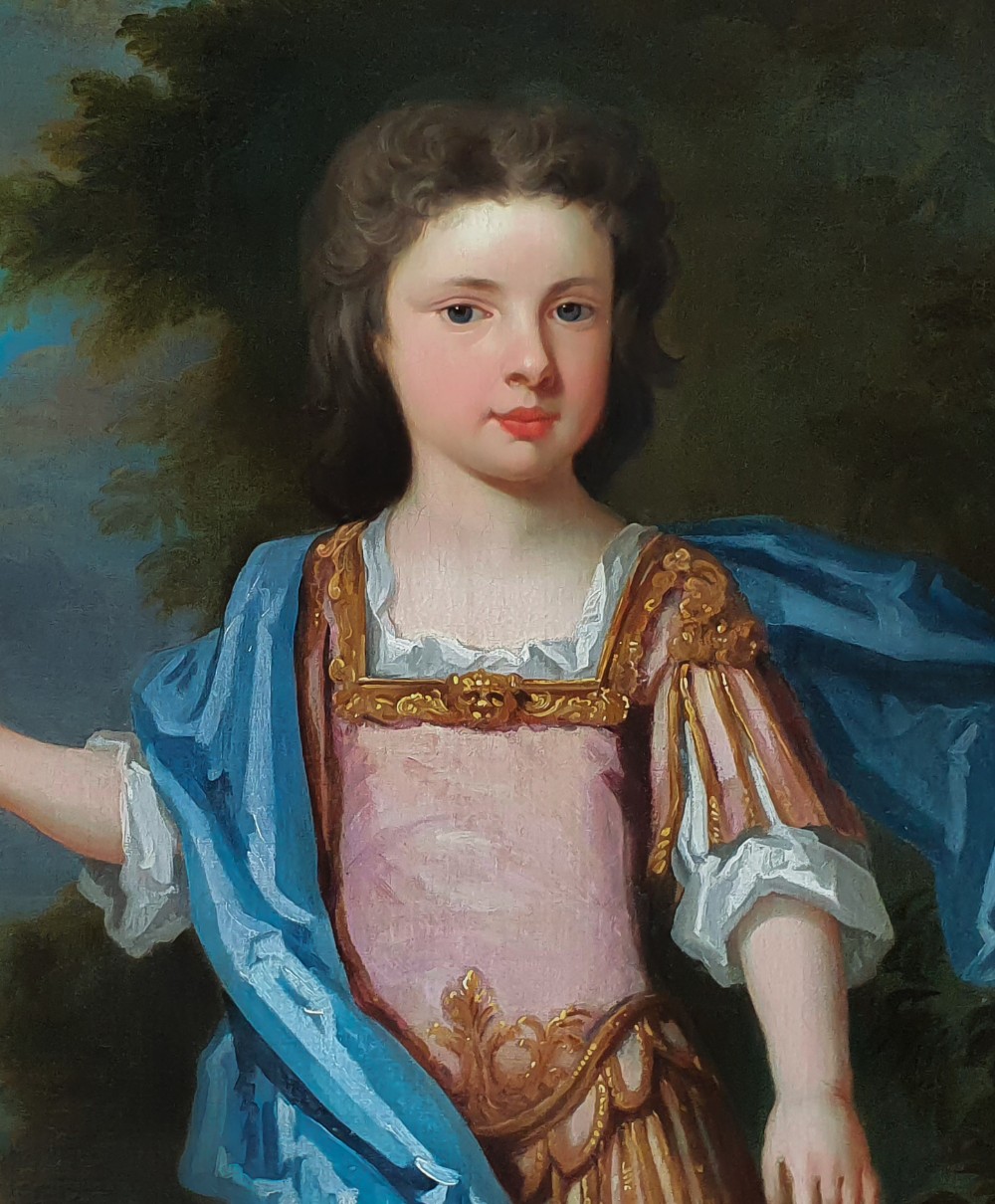
Archive VI c.1710 Portrait of Young Gentleman, Lord George Douglas with Bow and Arrow; Attributed to Charles D'Agar (1669-1723), Oil on Canvas Painting View VI
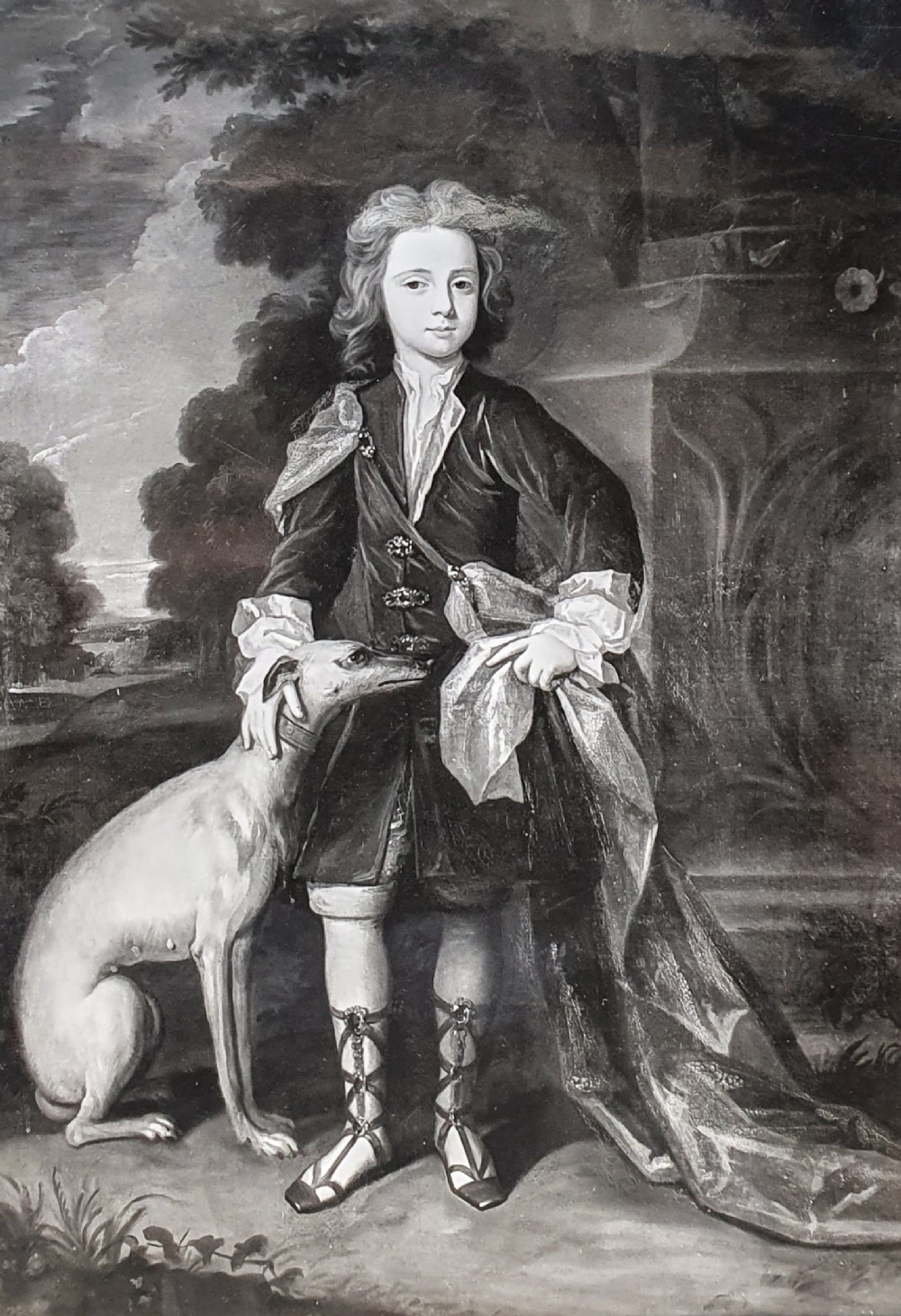
Archive VII c.1710 Portrait of Young Gentleman, Lord George Douglas with Bow and Arrow; Attributed to Charles D'Agar (1669-1723), Oil on Canvas Painting View VII
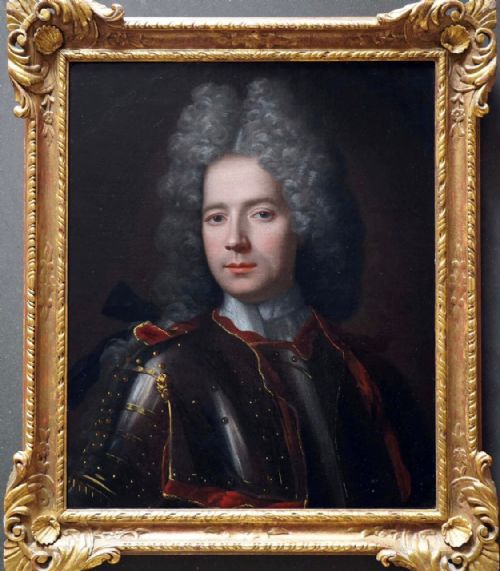
Archive VIII c.1710 Portrait of Young Gentleman, Lord George Douglas with Bow and Arrow; Attributed to Charles D'Agar (1669-1723), Oil on Canvas Painting View VIII
Enlarged Archival View
Telephone 07875 412 111
Location
London
United Kingdom
Dealer Profile Page sellingantiques.co.uk/titan
Verified Since Jul 2016
Items For Sale 16
Items Sold 401
Titan Fine Art
Titan Fine Art
Verified Since Jul 2016
View Dealer Info
Location: London, United Kingdom
Verified
Jul 2016
For Sale
16
Sold
401
c.1710 Portrait of Young Gentleman, Lord George Douglas with Bow and Arrow; Attributed to Charles D'Agar (1669-1723), Oil on Canvas Painting
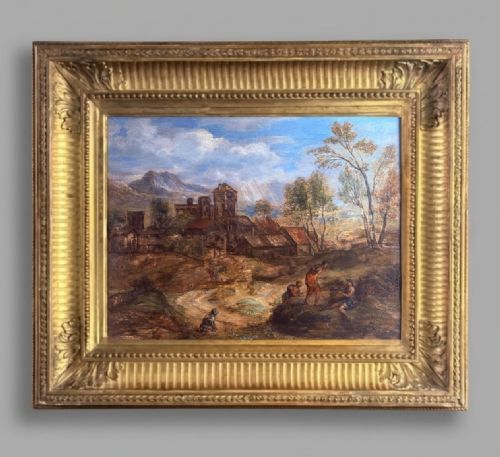
Ref: SA1089653
c.1710 Portrait of Young Gentleman, Lord George Douglas with Bow and Arrow; Attributed to Charles D'Agar (1669-1723), Oil on Canvas Painting
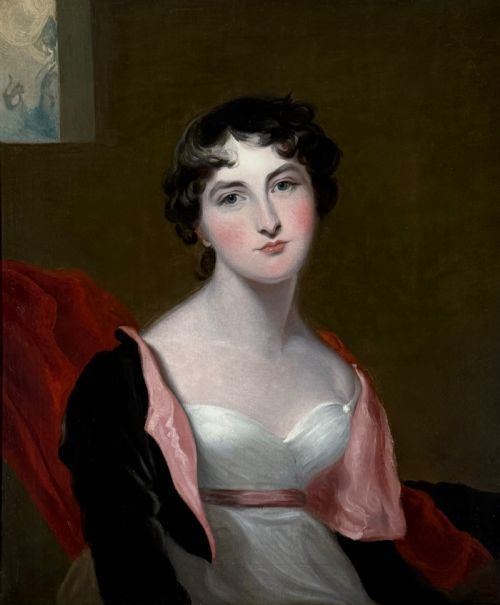
Detail View 1
Detail View 2
Detail View 3
Detail View 4
Detail View 5
Detail View 6
Detail View 7
Archival Detail
Every single antique dealer on our platform is individually approved by our internal team. We verify their professional trade history, ethical standards, and photographic quality to ensure a secure, high-standard buying environment. Upon joining, every dealer agrees to a strict 9-point code of conduct. While issues can occasionally arise, our dealers typically resolve them swiftly and directly with the buyer. In fact, since our founding in 2002, Sellingantiques has only had to step in to help resolve an issue on roughly five occasions—a true testament to the quality of our dealers and their dedication to your happiness.
Our dealers are highly experienced in packing and shipping fragile, high-value antiques. Because you are in direct contact with the dealer, you will be able to easily go through all available shipping and insurance options together to ensure your item arrives safely.
Antiques are the ultimate green purchase. By choosing historical pieces over newly manufactured goods, you completely eliminate the carbon footprint of modern mass production while preserving exceptional, timeless craftsmanship.
items
Add keywords to the filter
Price
£100
£250000
Era
Movements
Material
Origin
Stock Location
Freshness
Online Payments
Categories