Cheshire Antiques Consultant Ltd has dated this piece to the 19th Century.
Impress your guests & clients in your home or office with this Royal masterpiece.
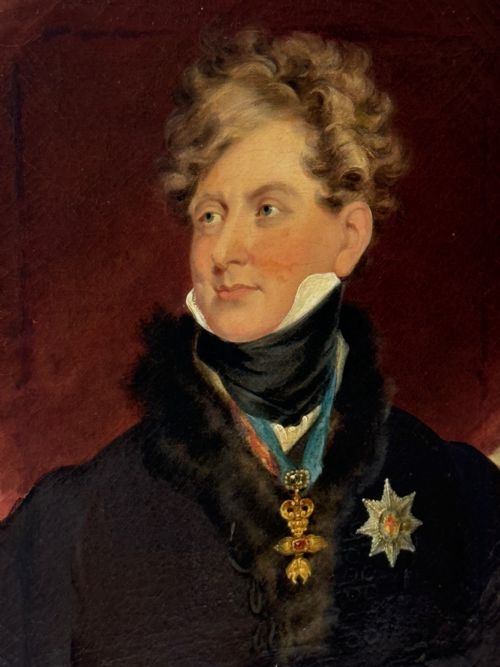
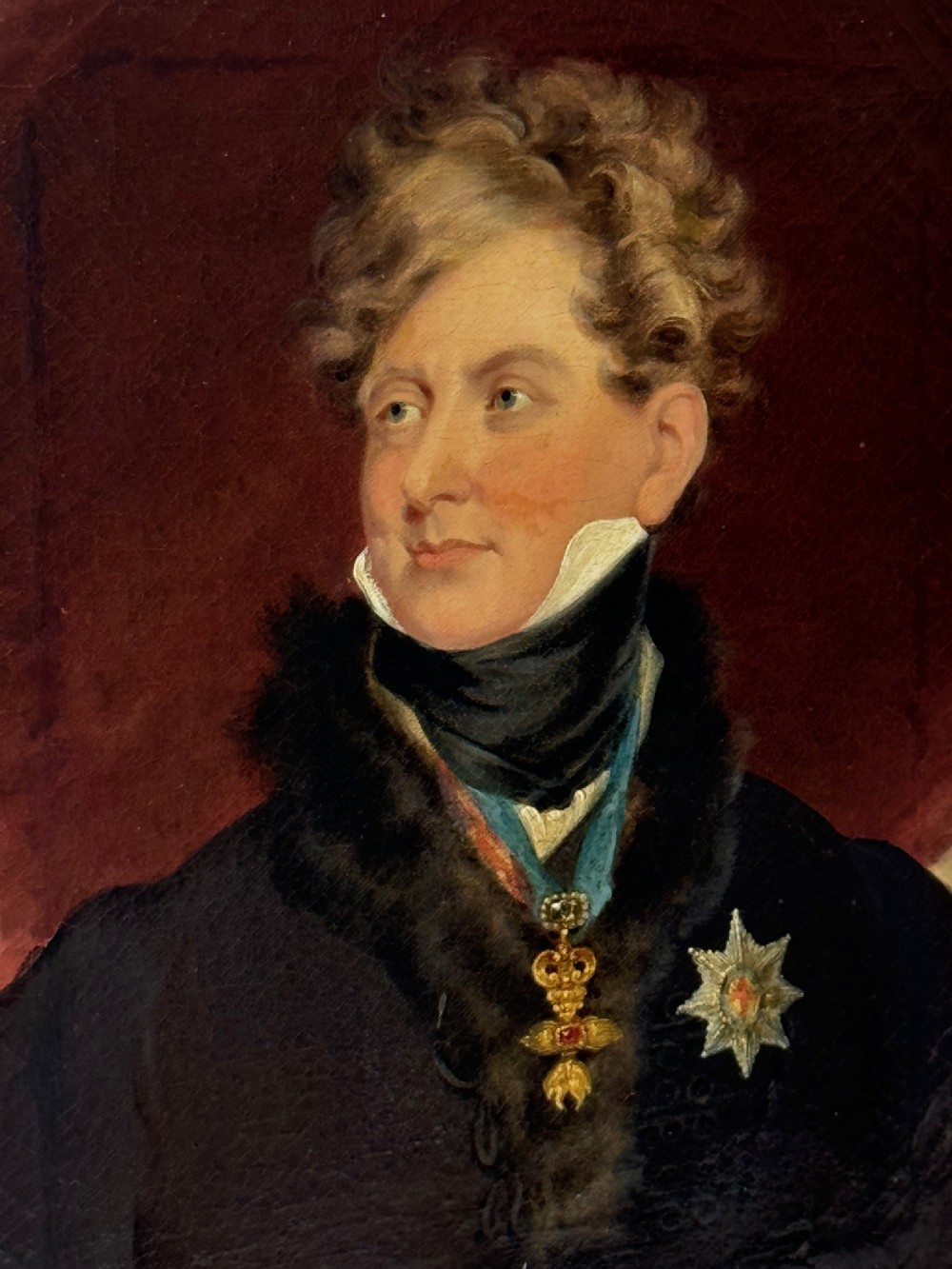
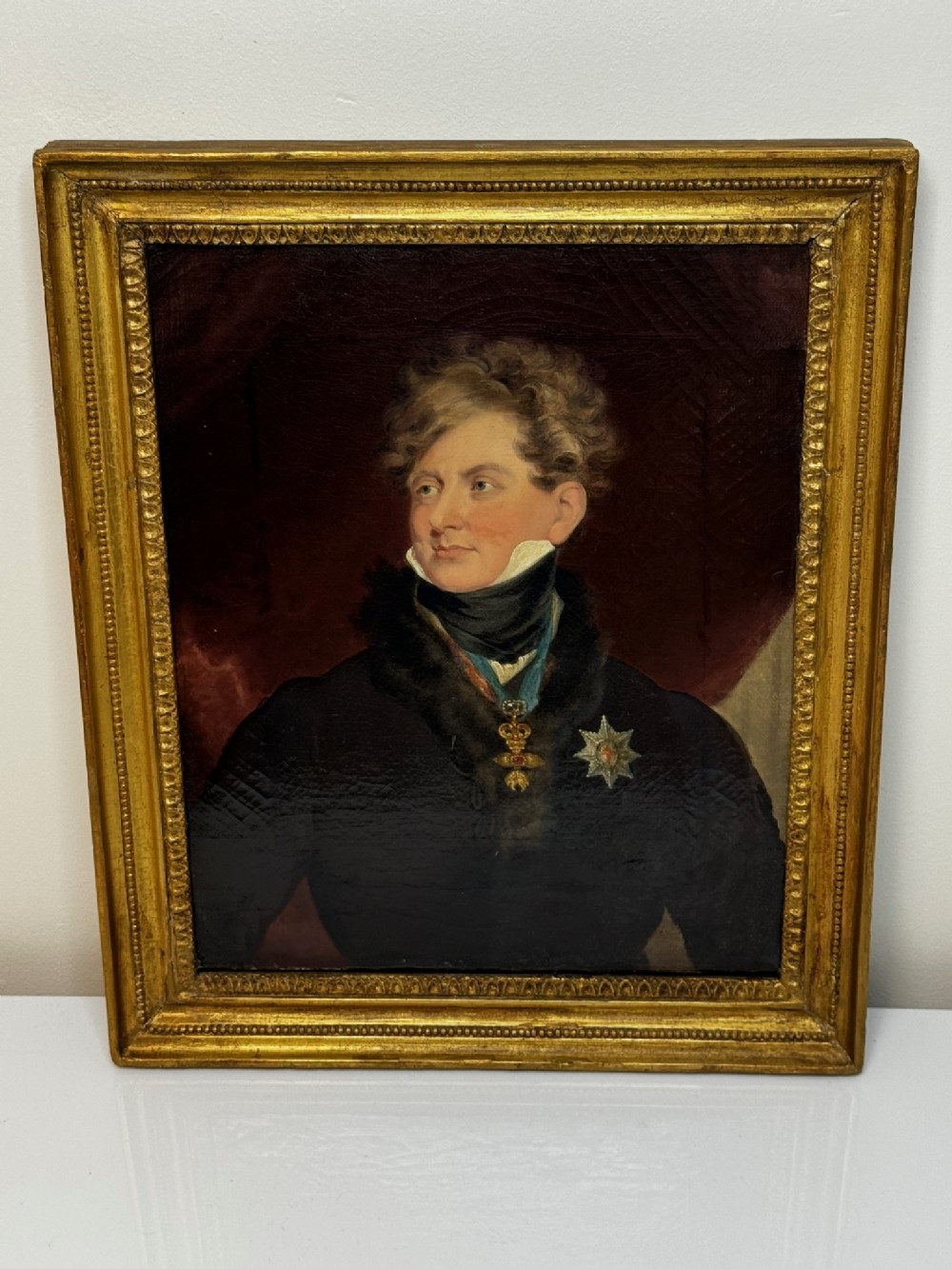
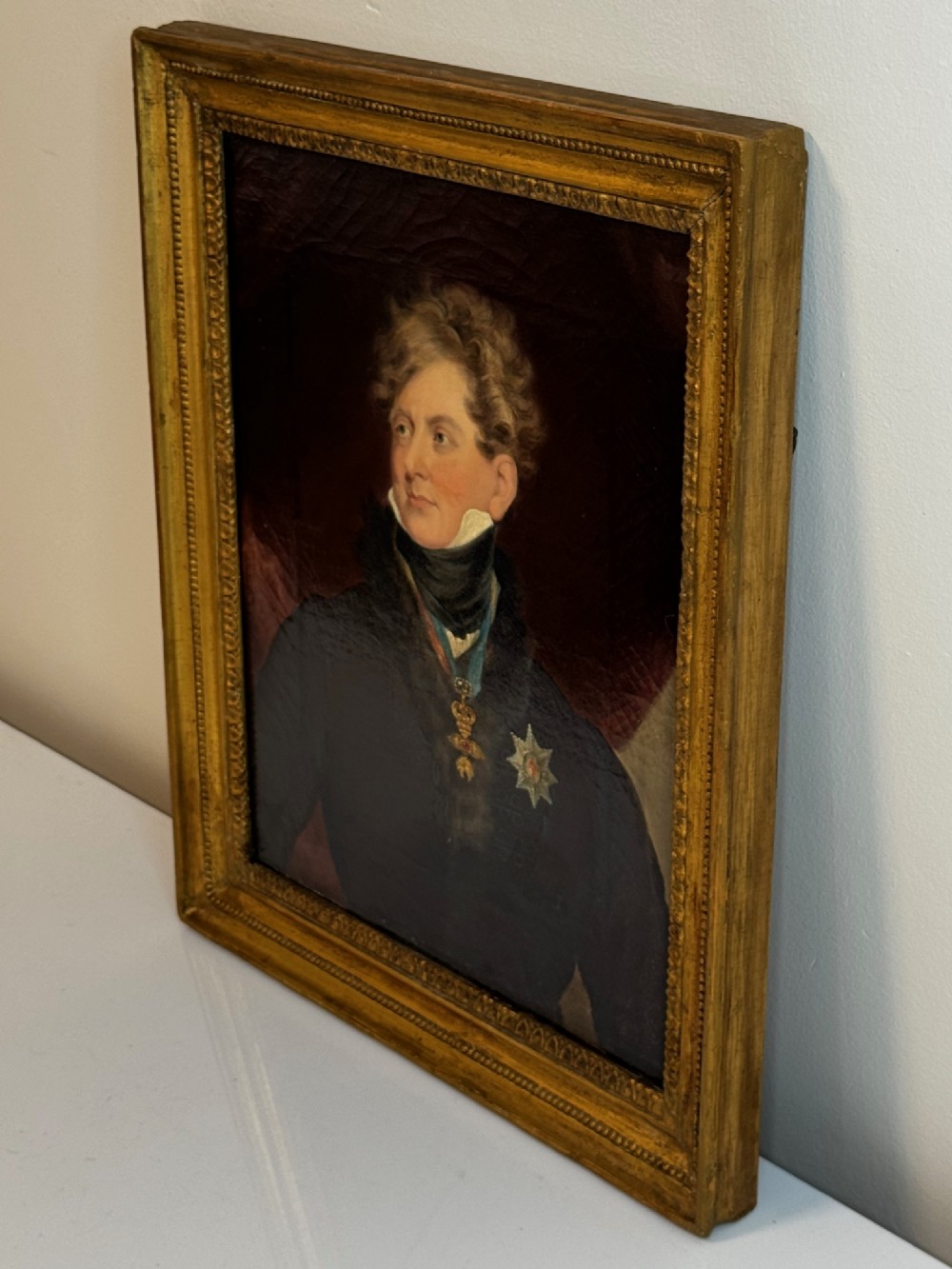
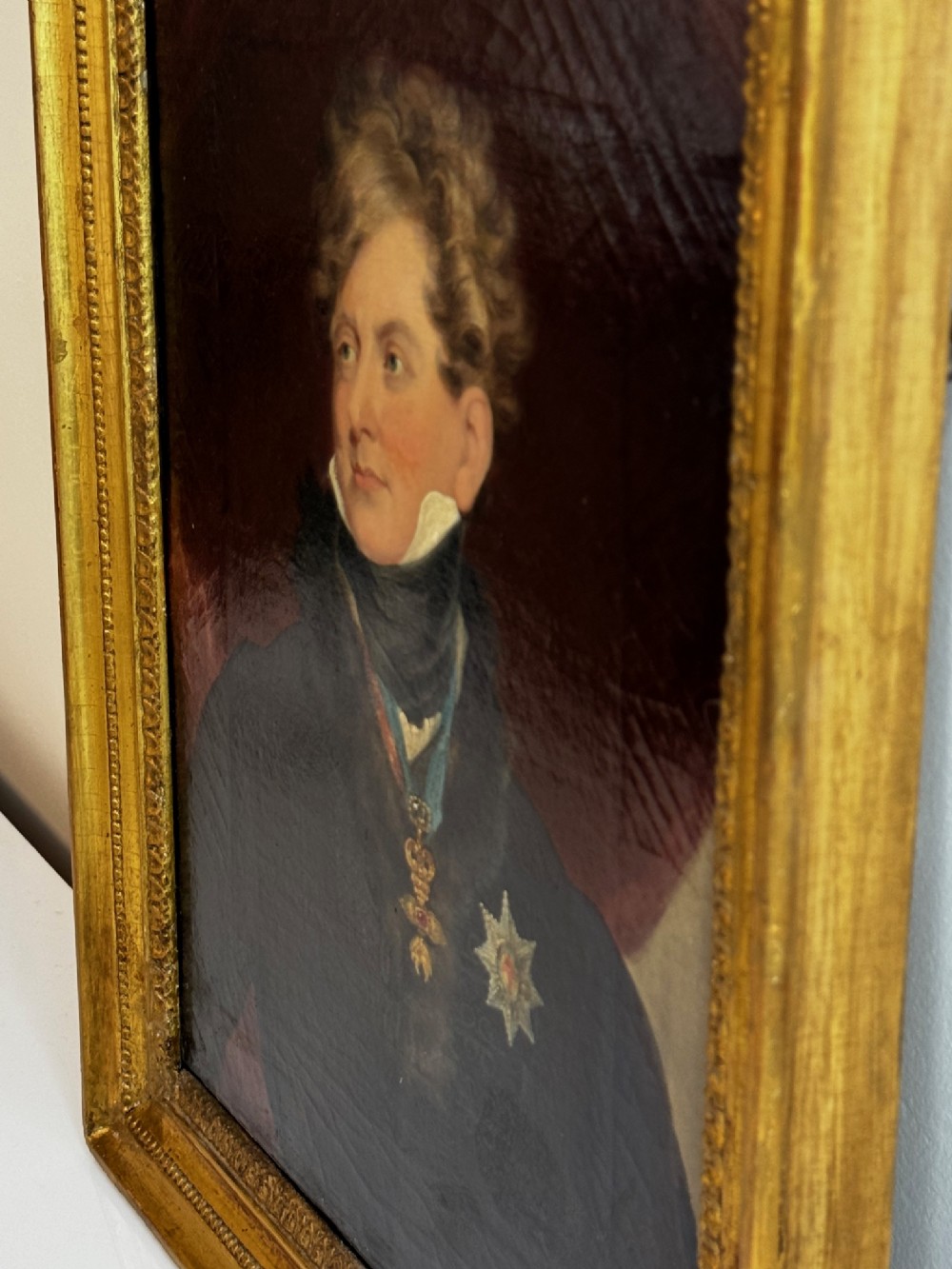
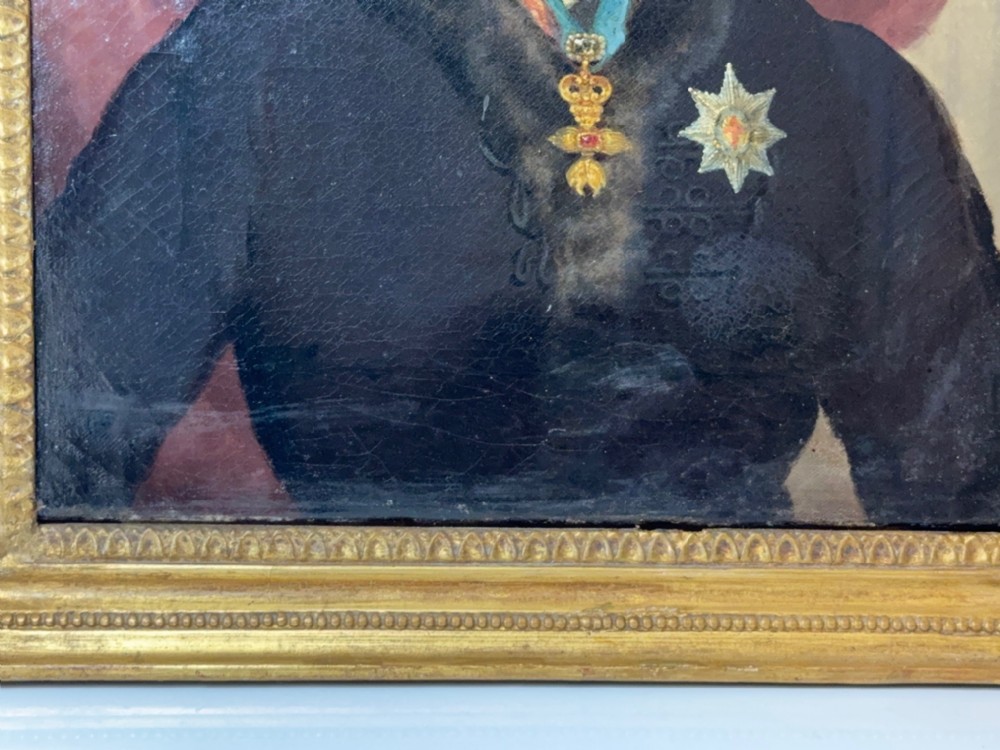
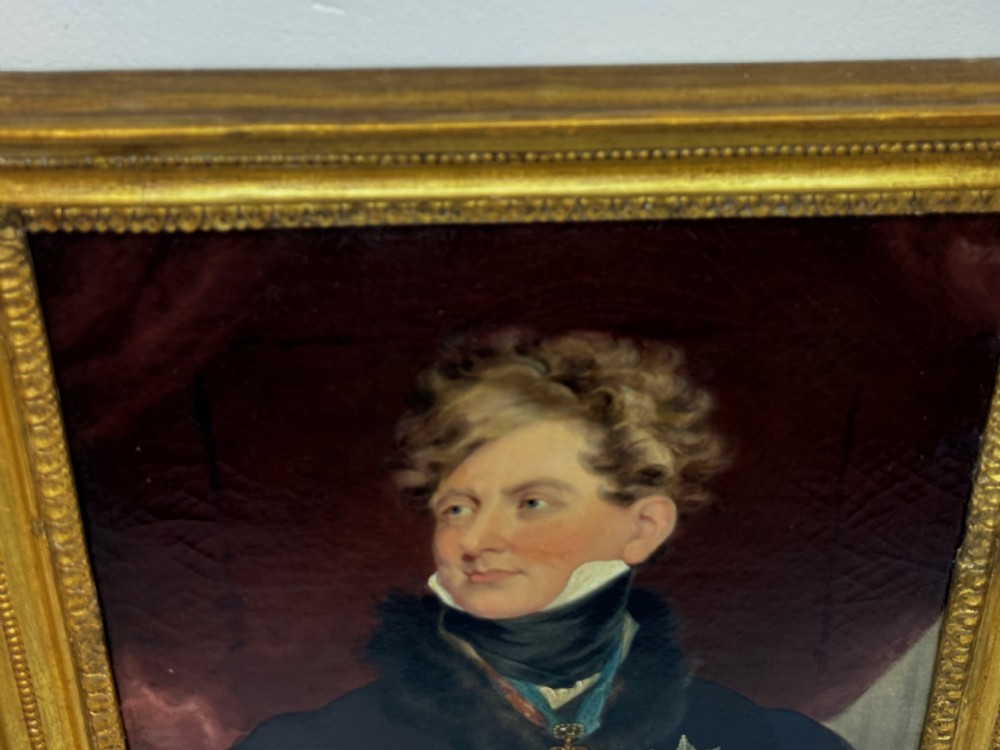
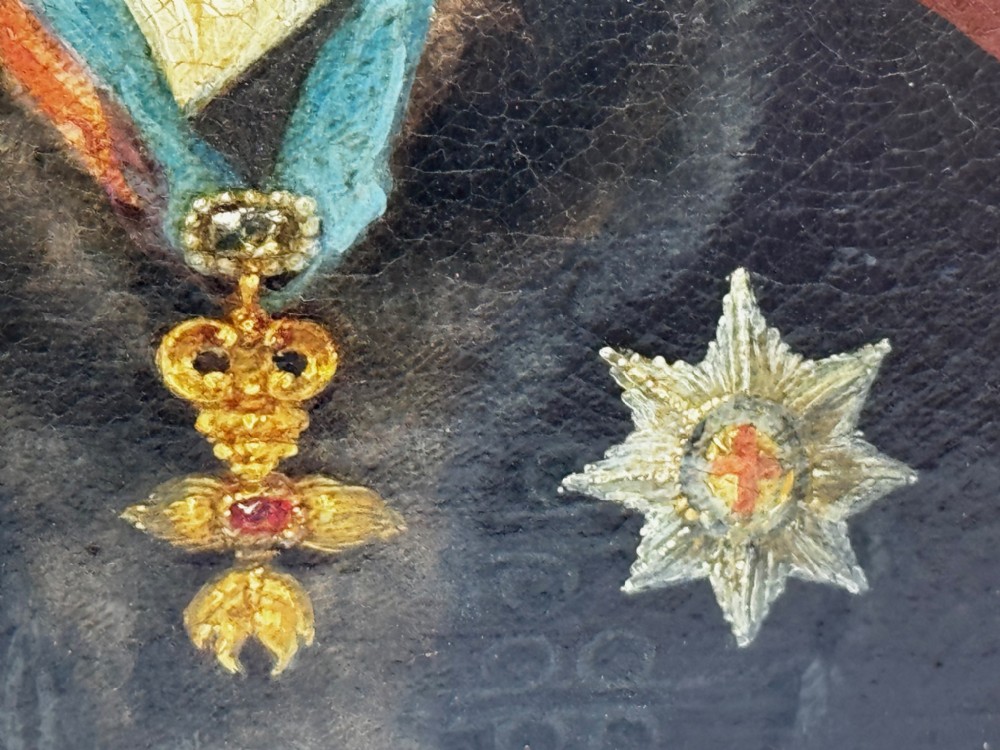
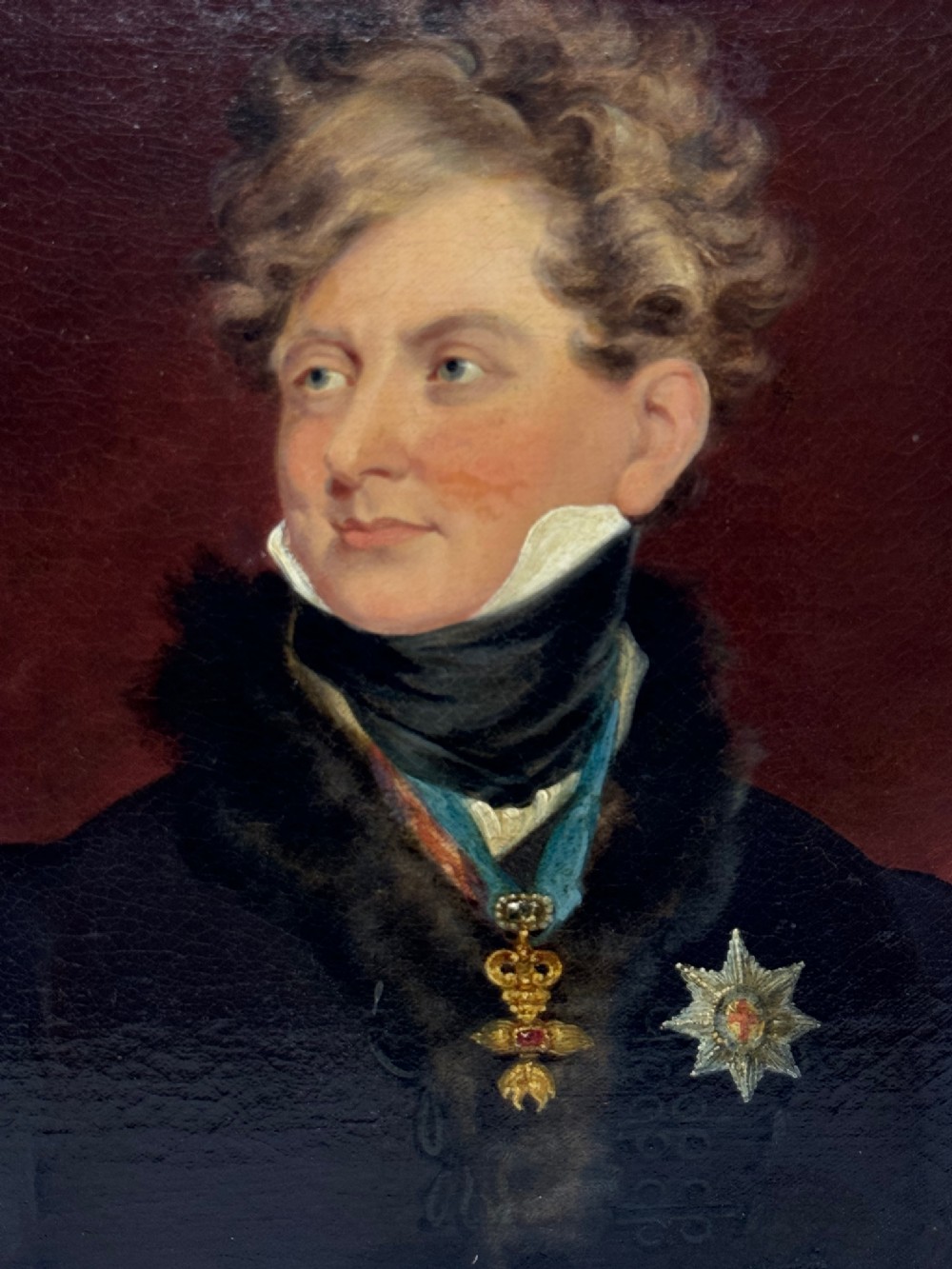
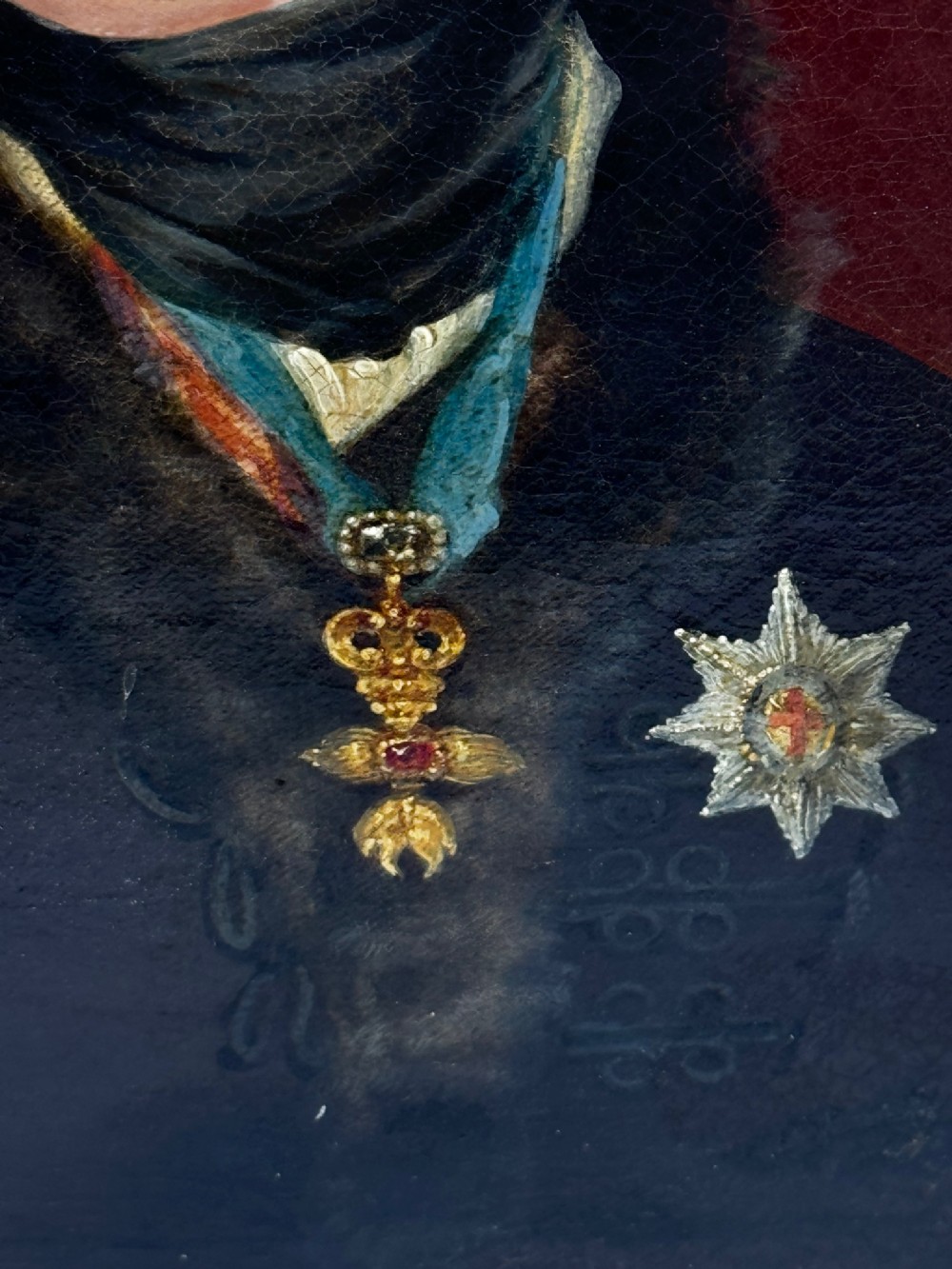
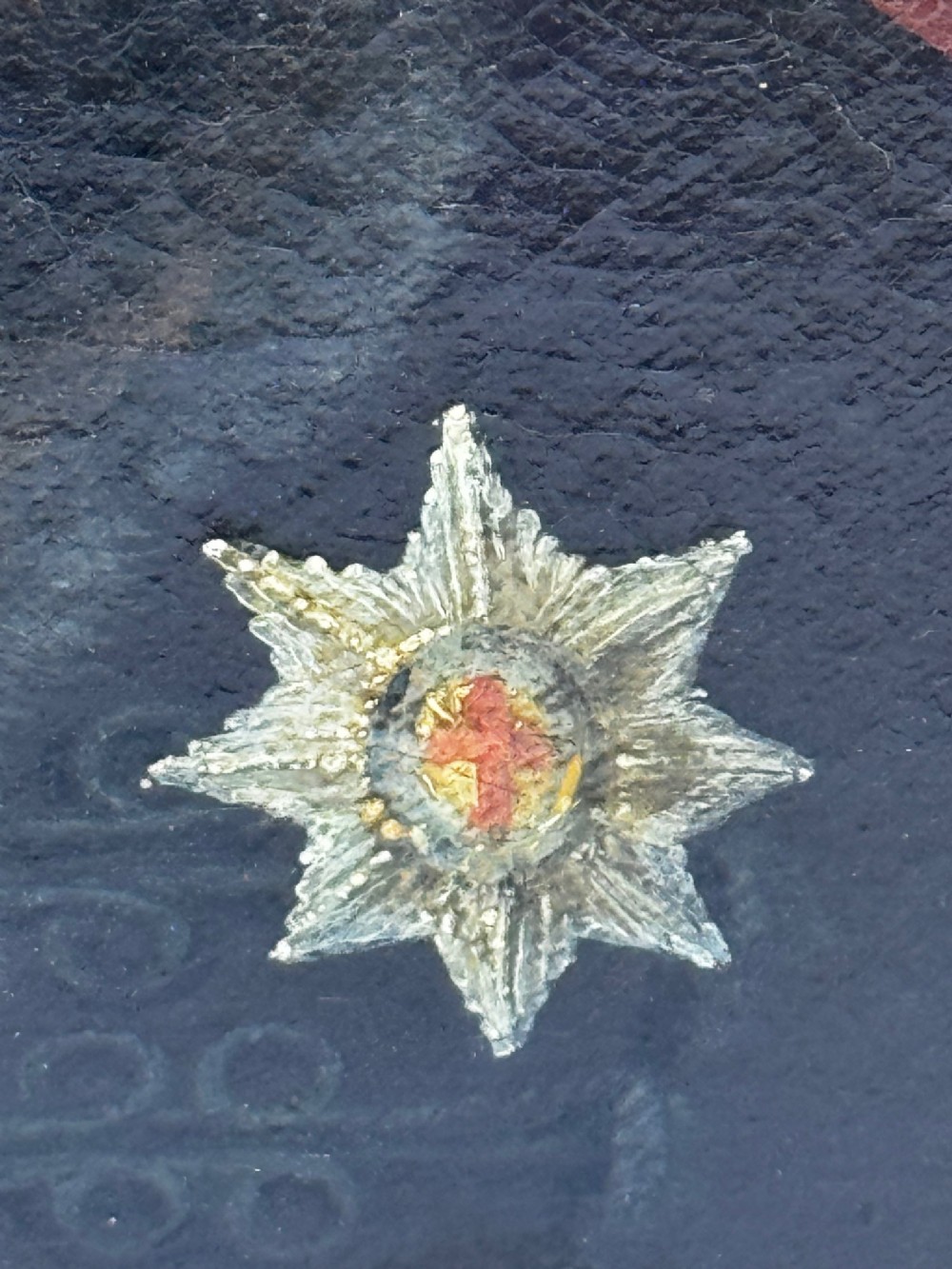
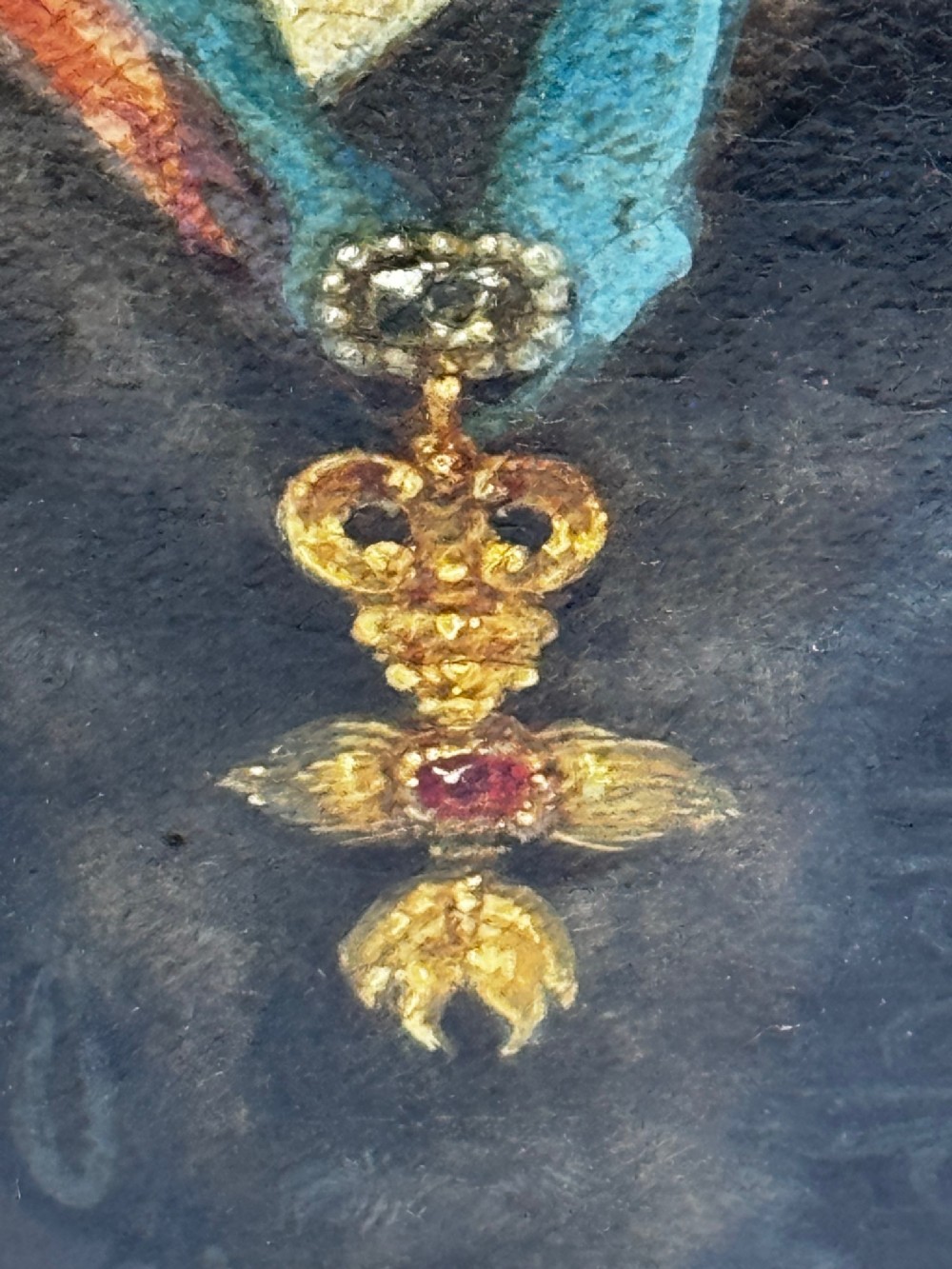
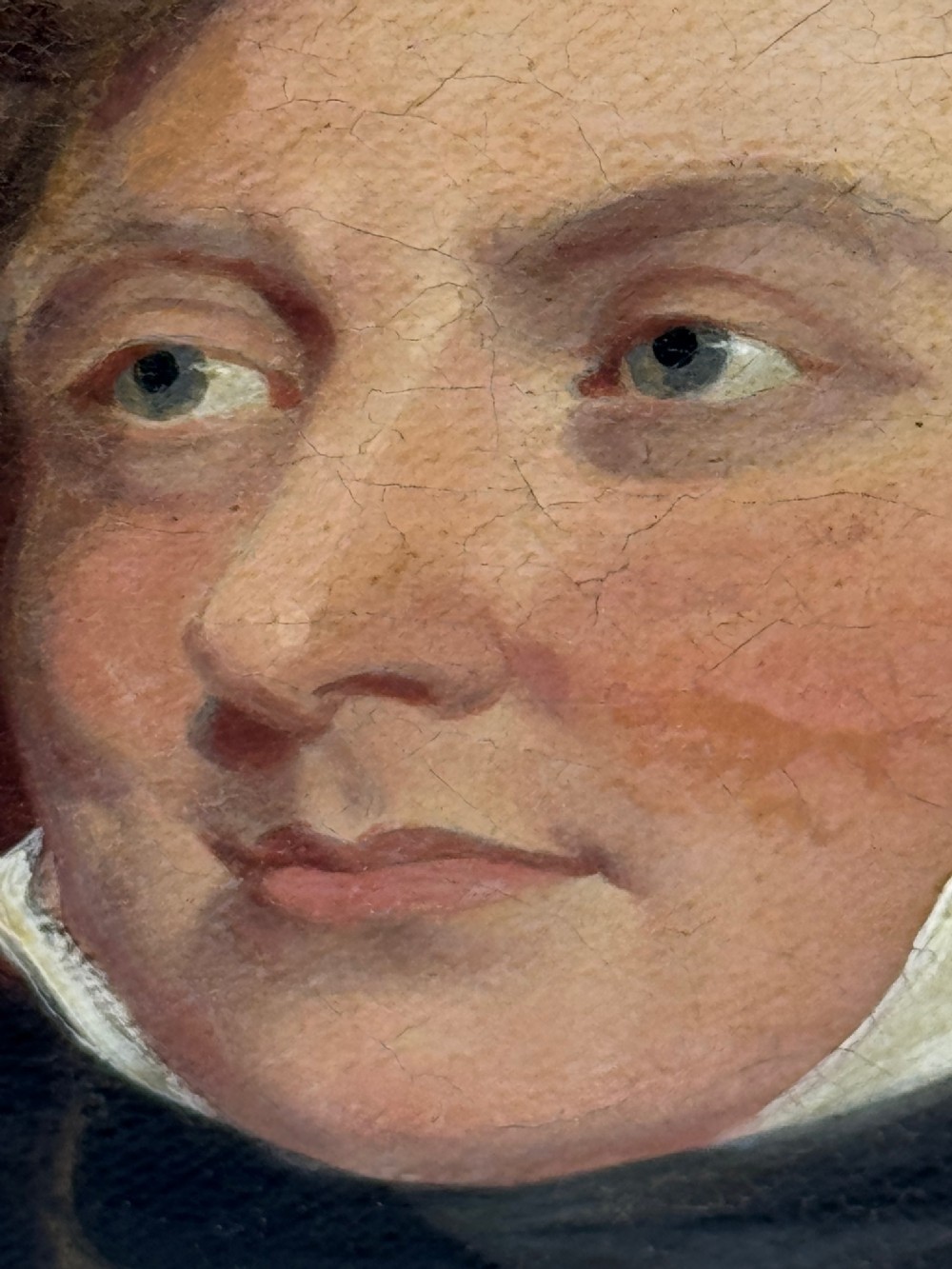
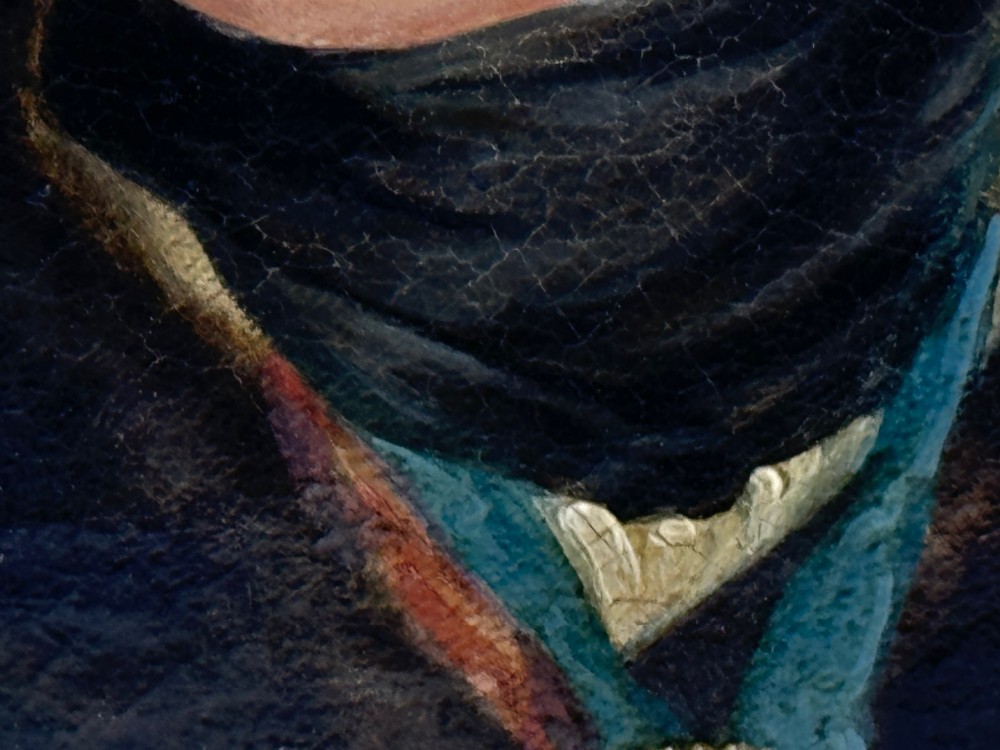
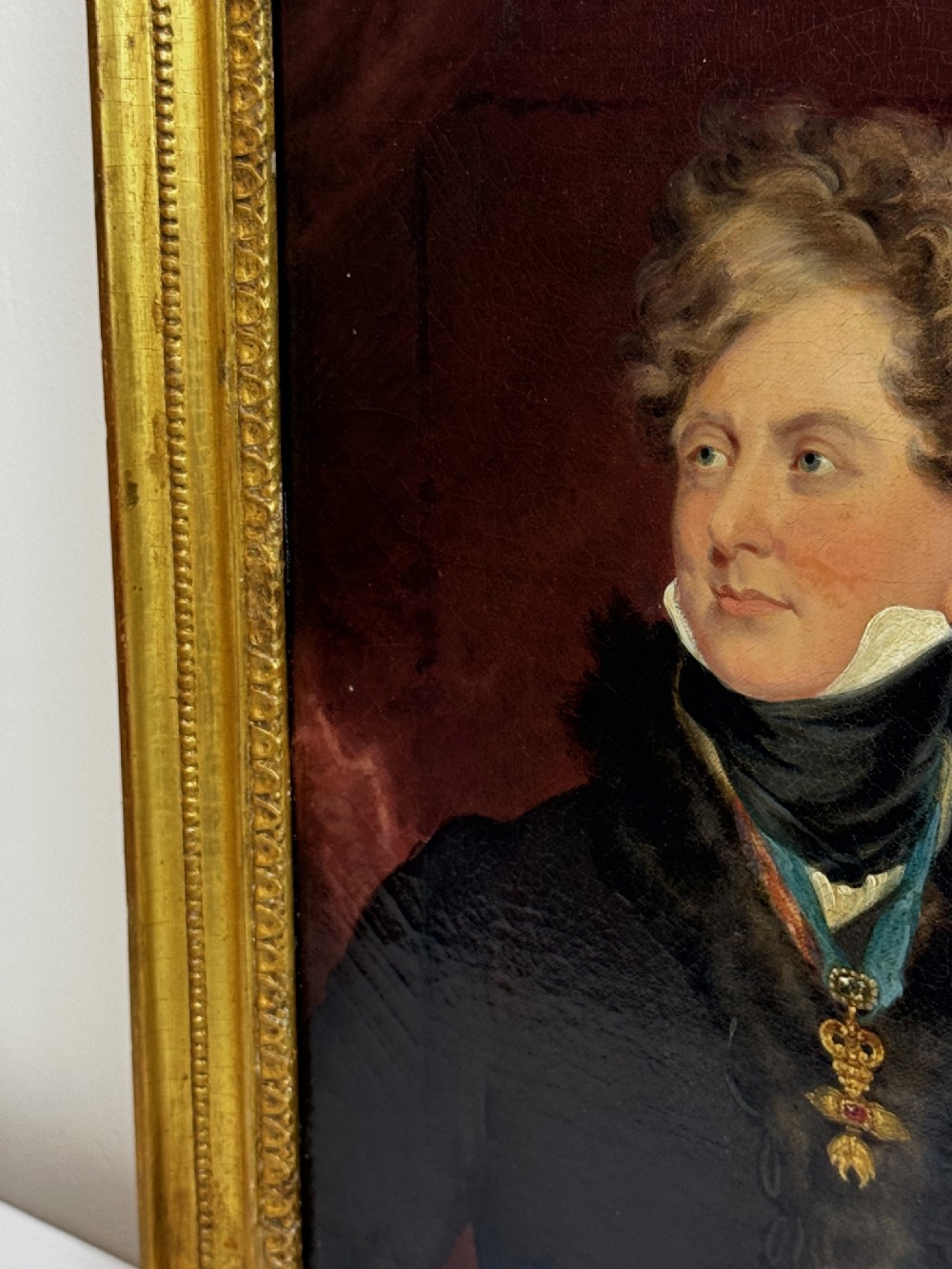
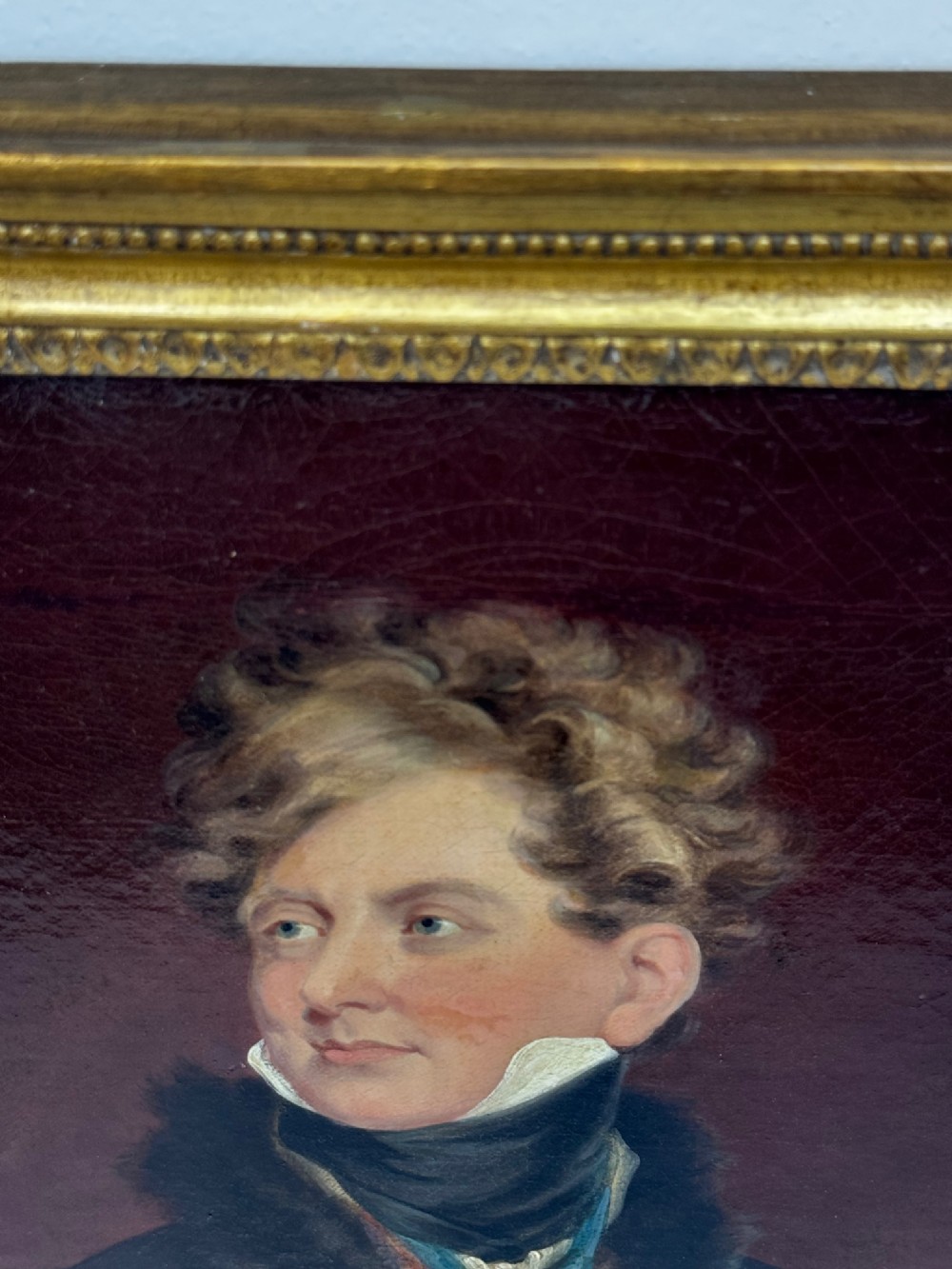
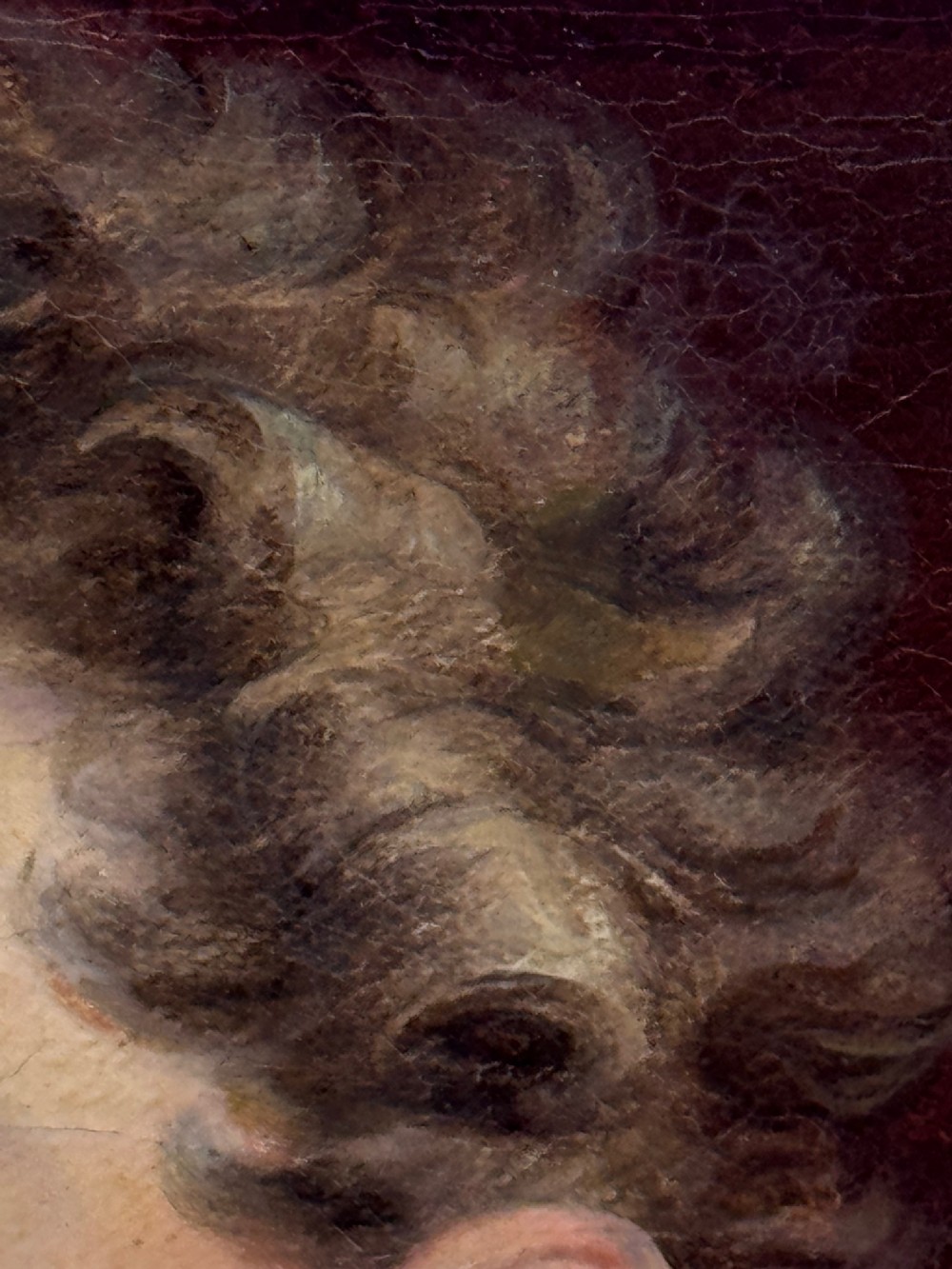
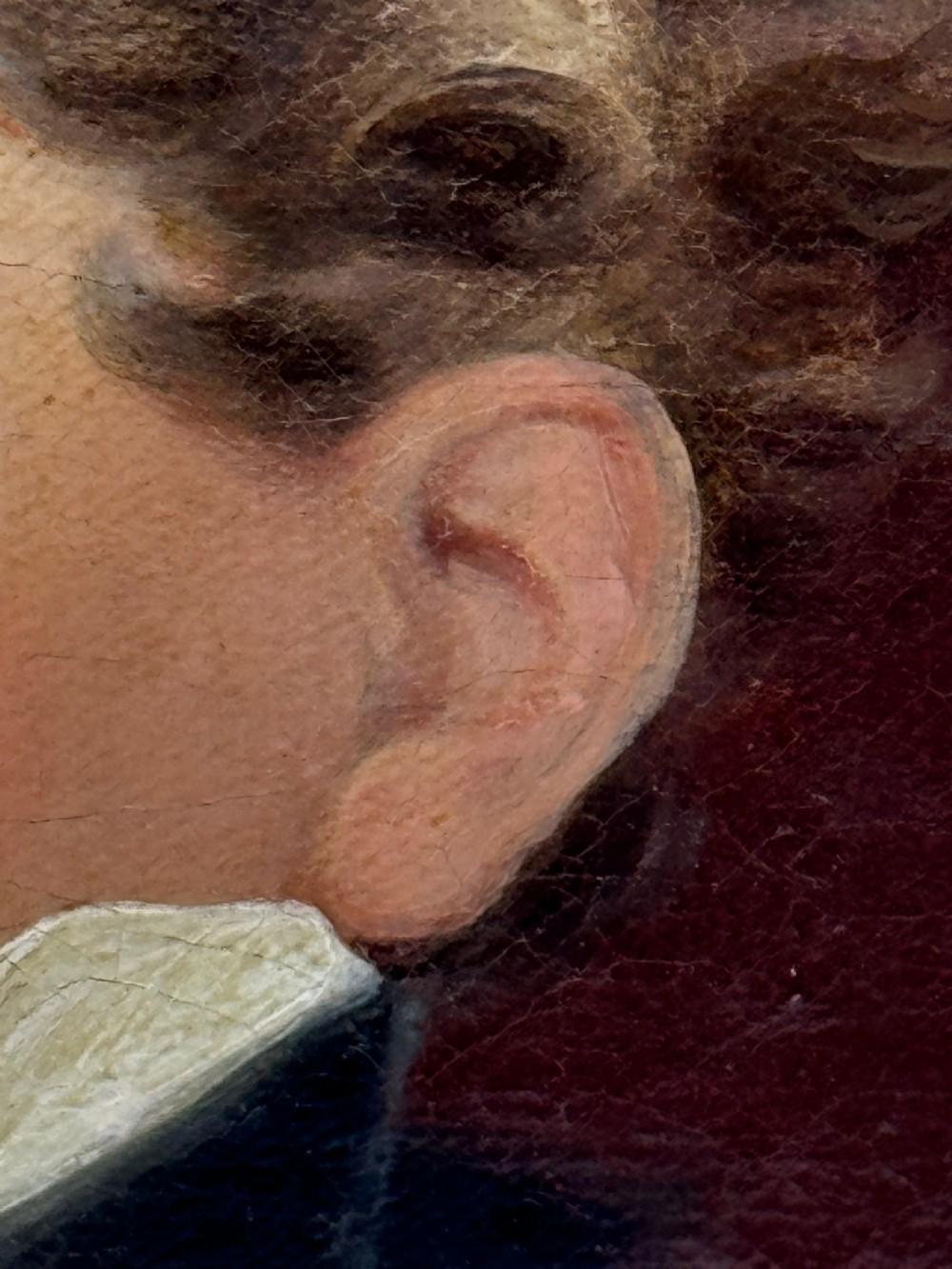
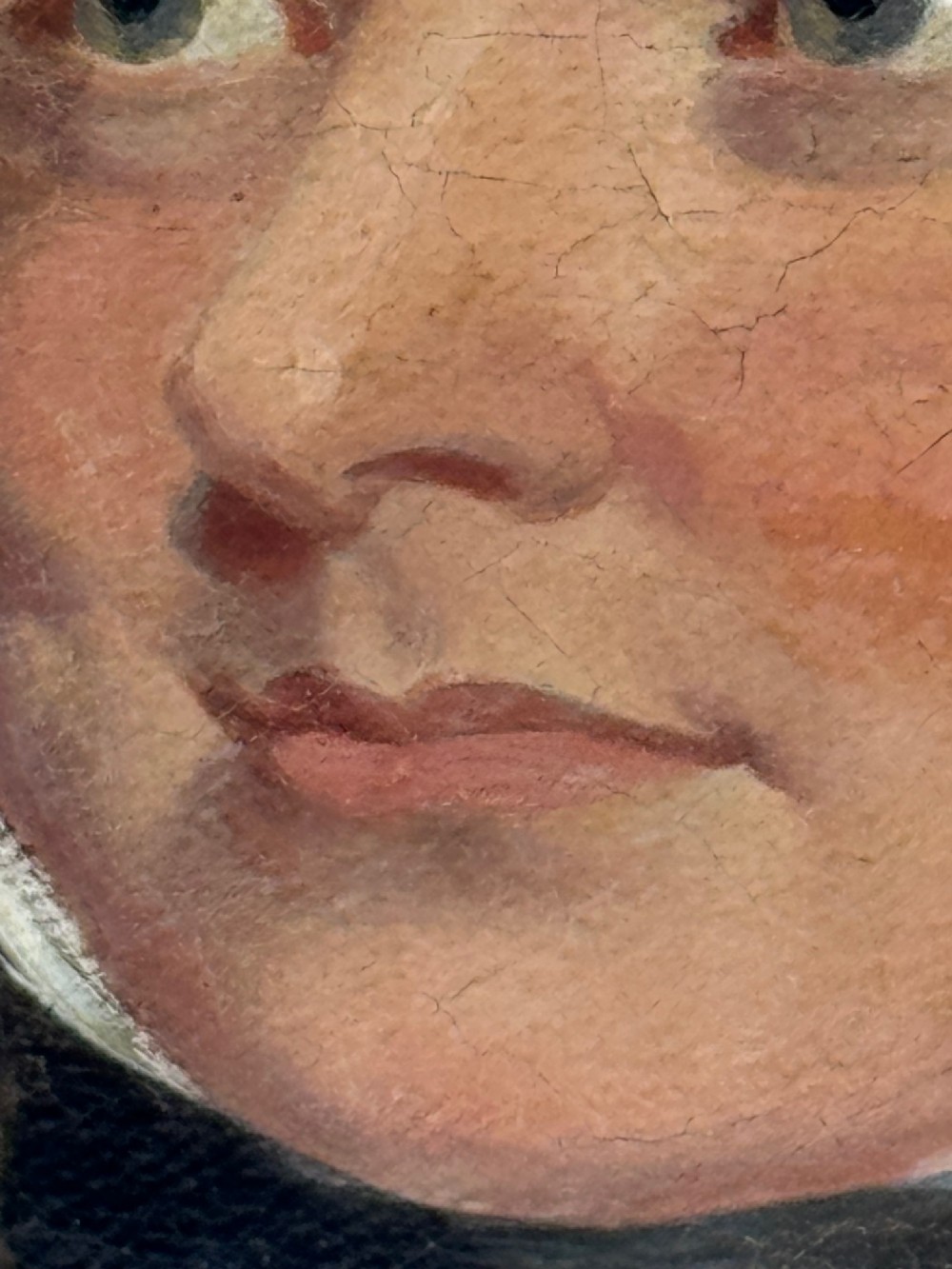
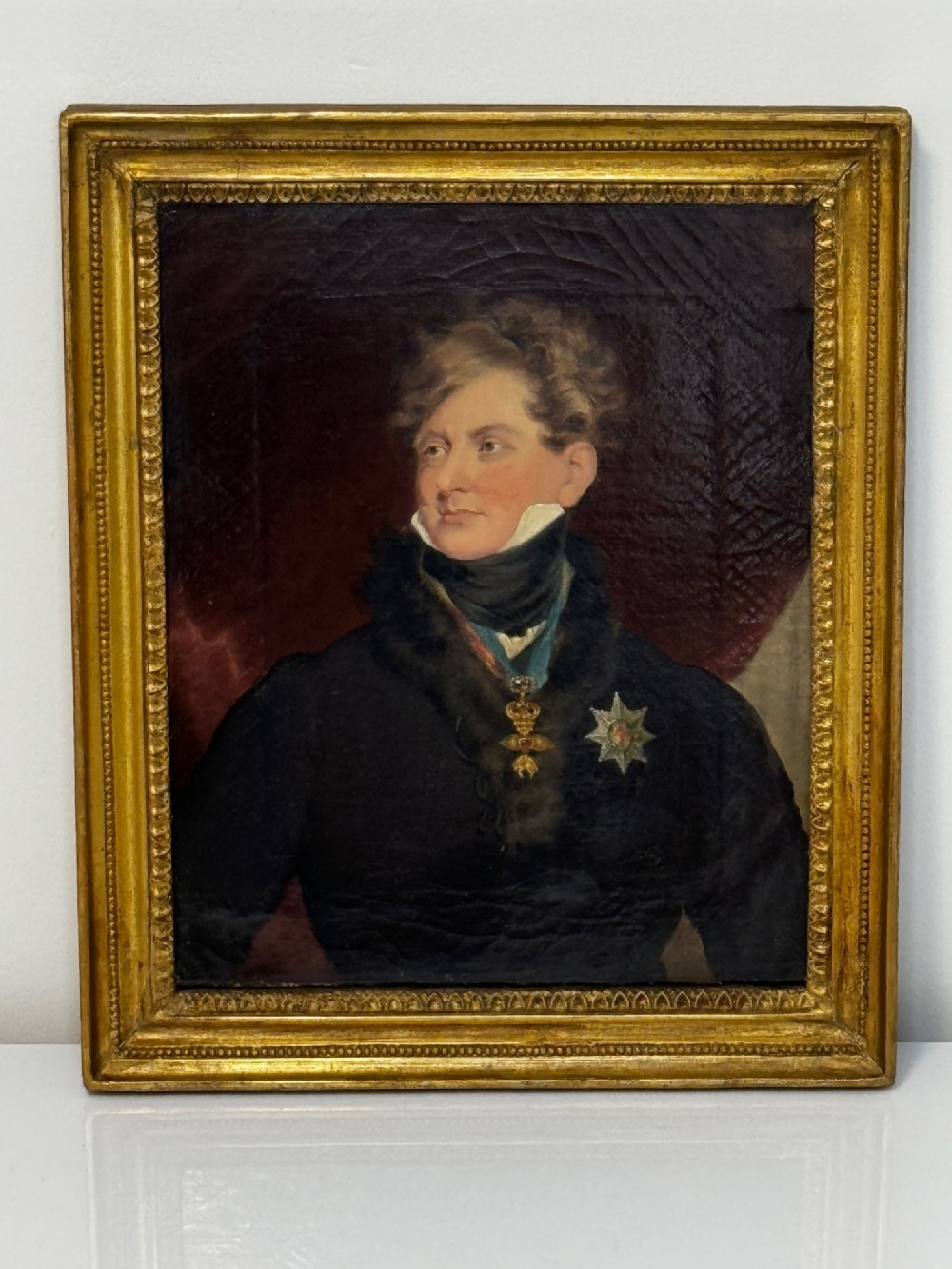
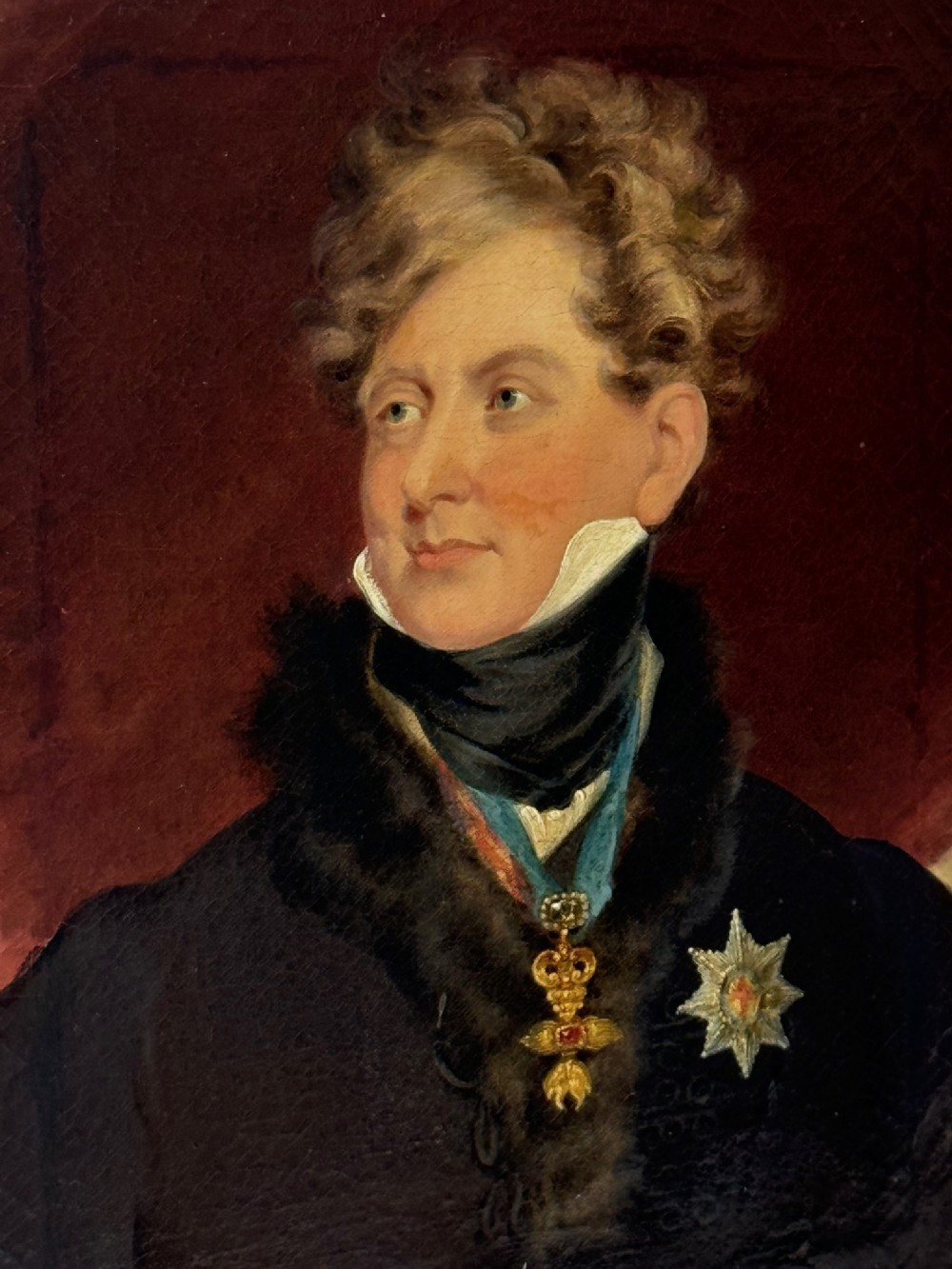
Subject portrait of the known Royal British King George IV. In front side profile, he is facing towards to left His gaze is fixed away from the viewer. His is wearing dresswed in his rather fine black tunic, which has a fur collar, he has pinned to his tunic a medal the Royal Garter along with a gold Royal crown pendant which has a ruby encased with diamonds in its centre.
English school artist.
Unsigned.
In the style of after Sir Thomas Lawrence, Sir Thomas Lawrence PRA FRS (13 April 1769 – 7 January 1830) was an English portrait painter and the fourth president of the Royal Academy. A child prodigy, he was born in Bristol and began drawing in Devizes, where his father was an innkeeper at the Bear Hotel in the Market Square. At age ten, having moved to Bath, he was supporting his family with his pastel portraits. At 18, he went to London and soon established his reputation as a portrait painter in oils, receiving his first royal commission, a portrait of Queen Charlotte, in 1789. He stayed at the top of his profession until his death, aged 60, in 1830.Inscribed verso W Aikman.
In our opinion this is a rather fine English school portrait example.
Circa mid 19th century 1840 early Victorian era.
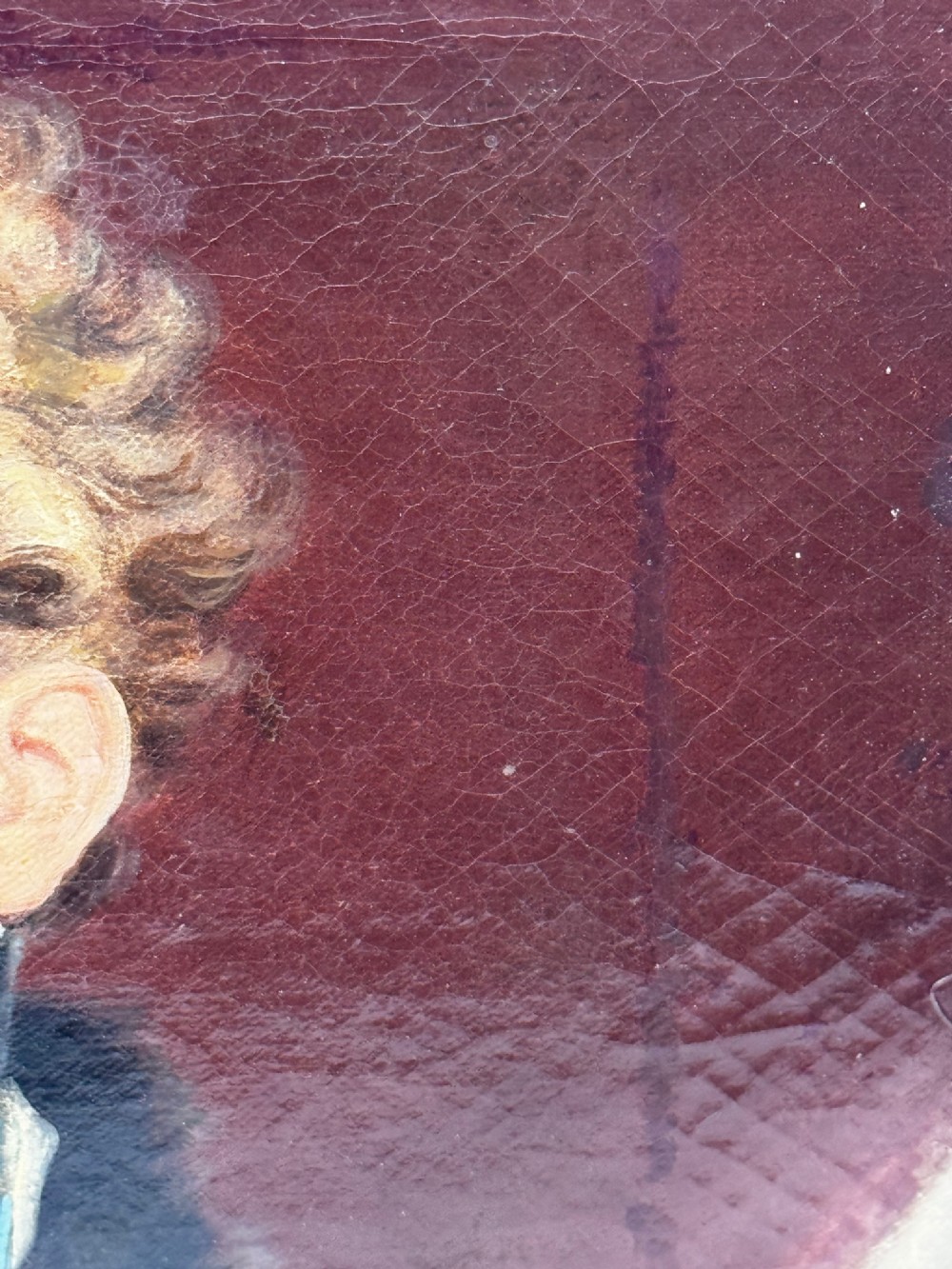
Medium oil on canvas.
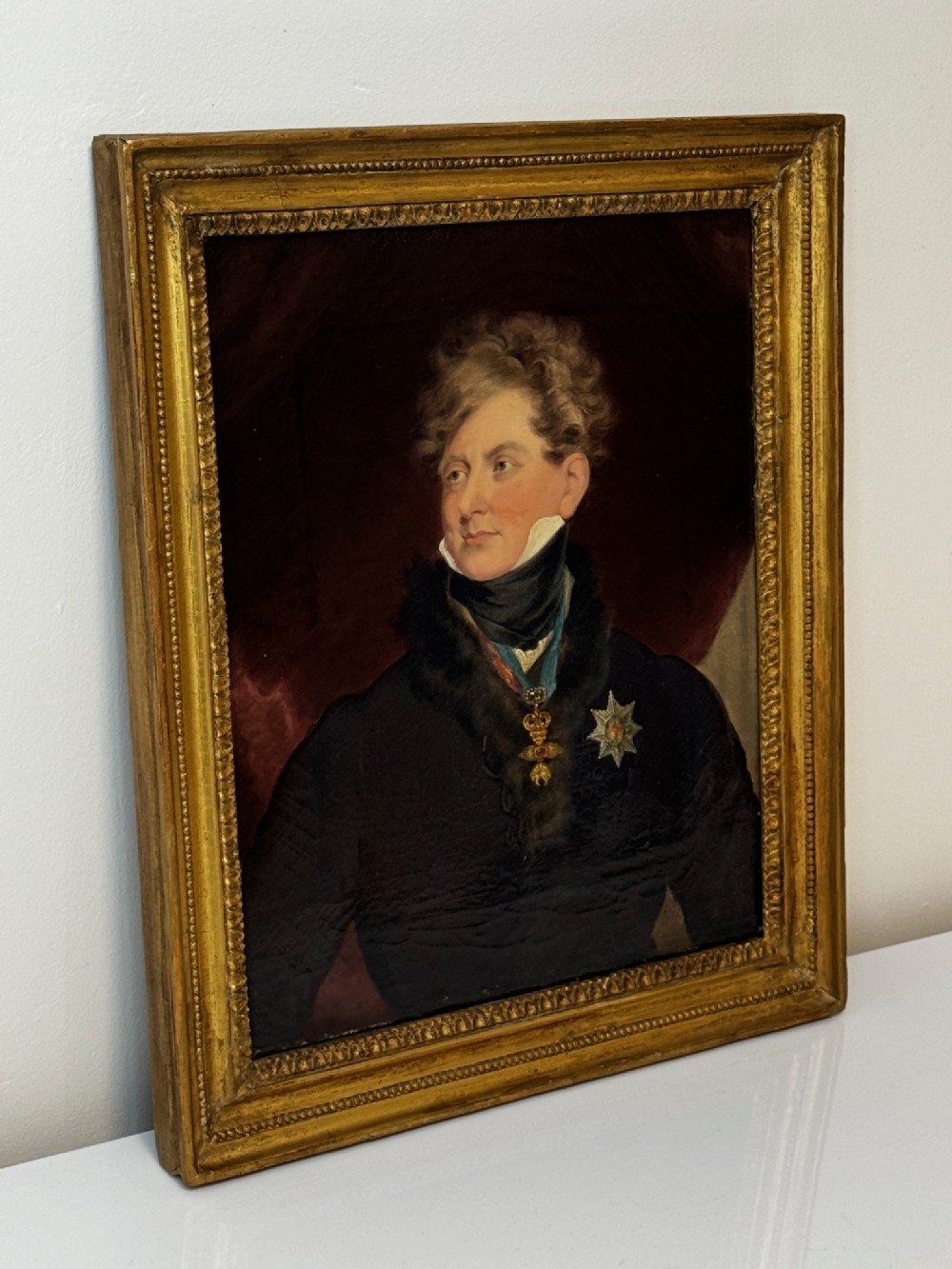
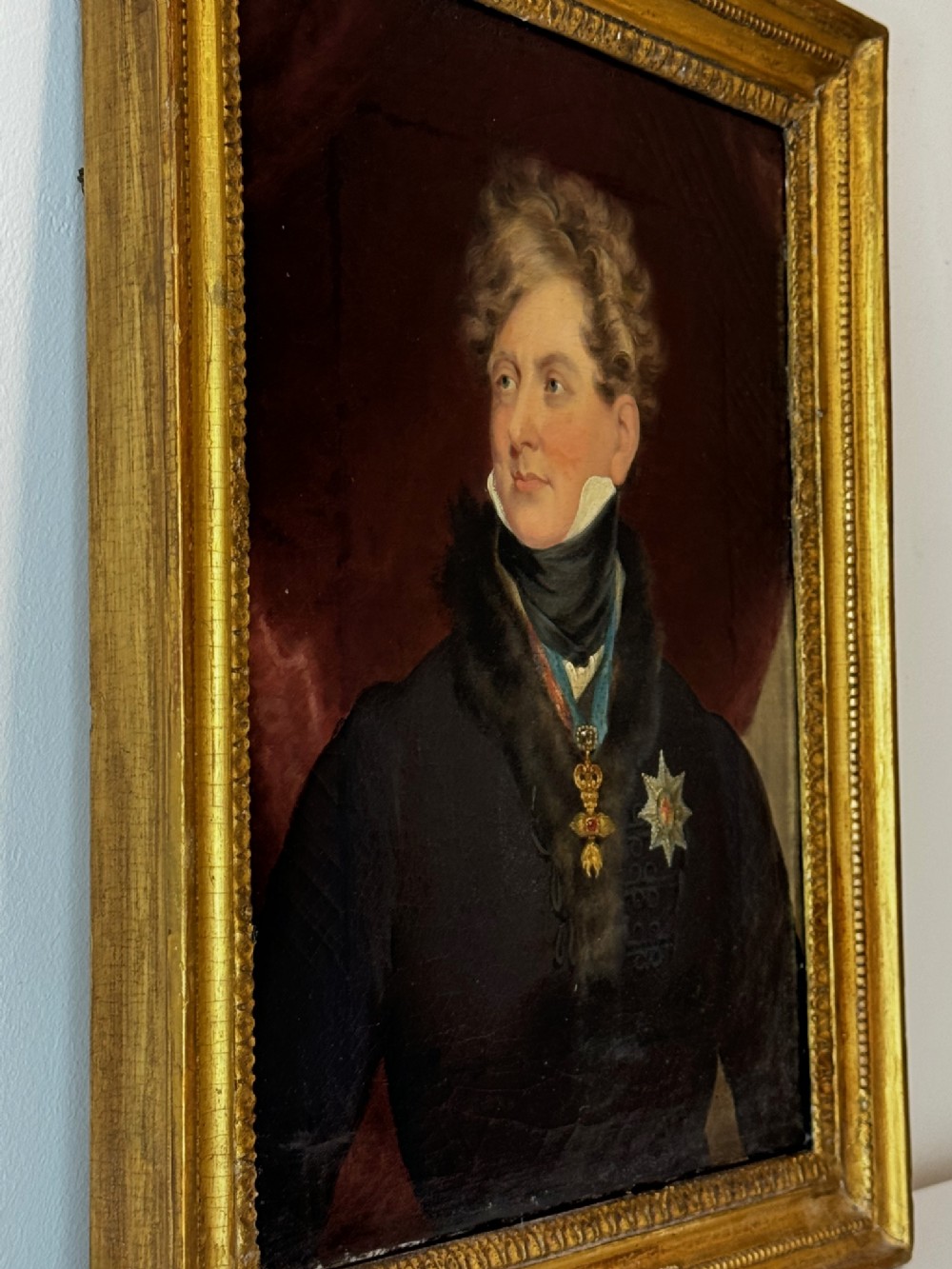
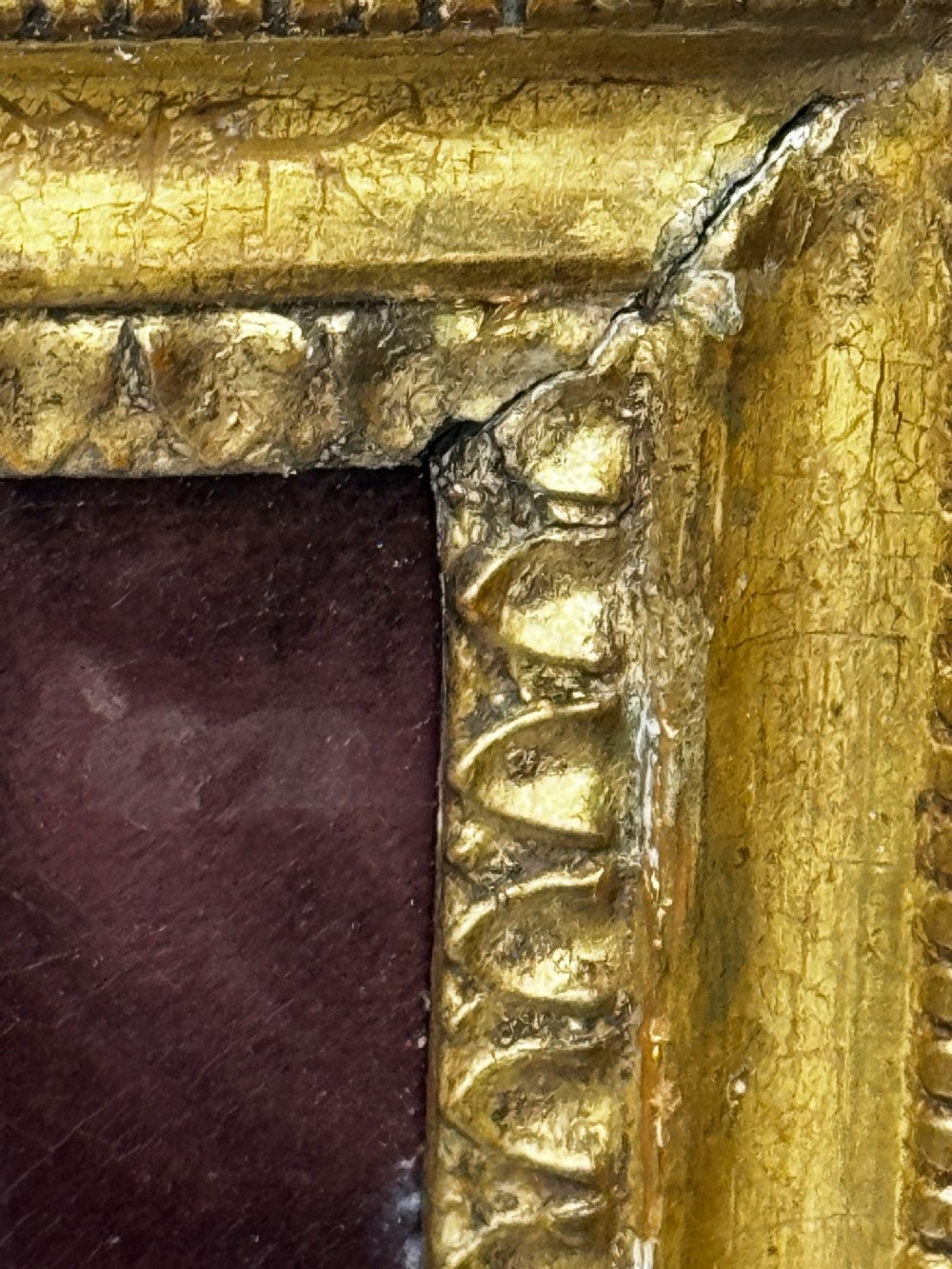
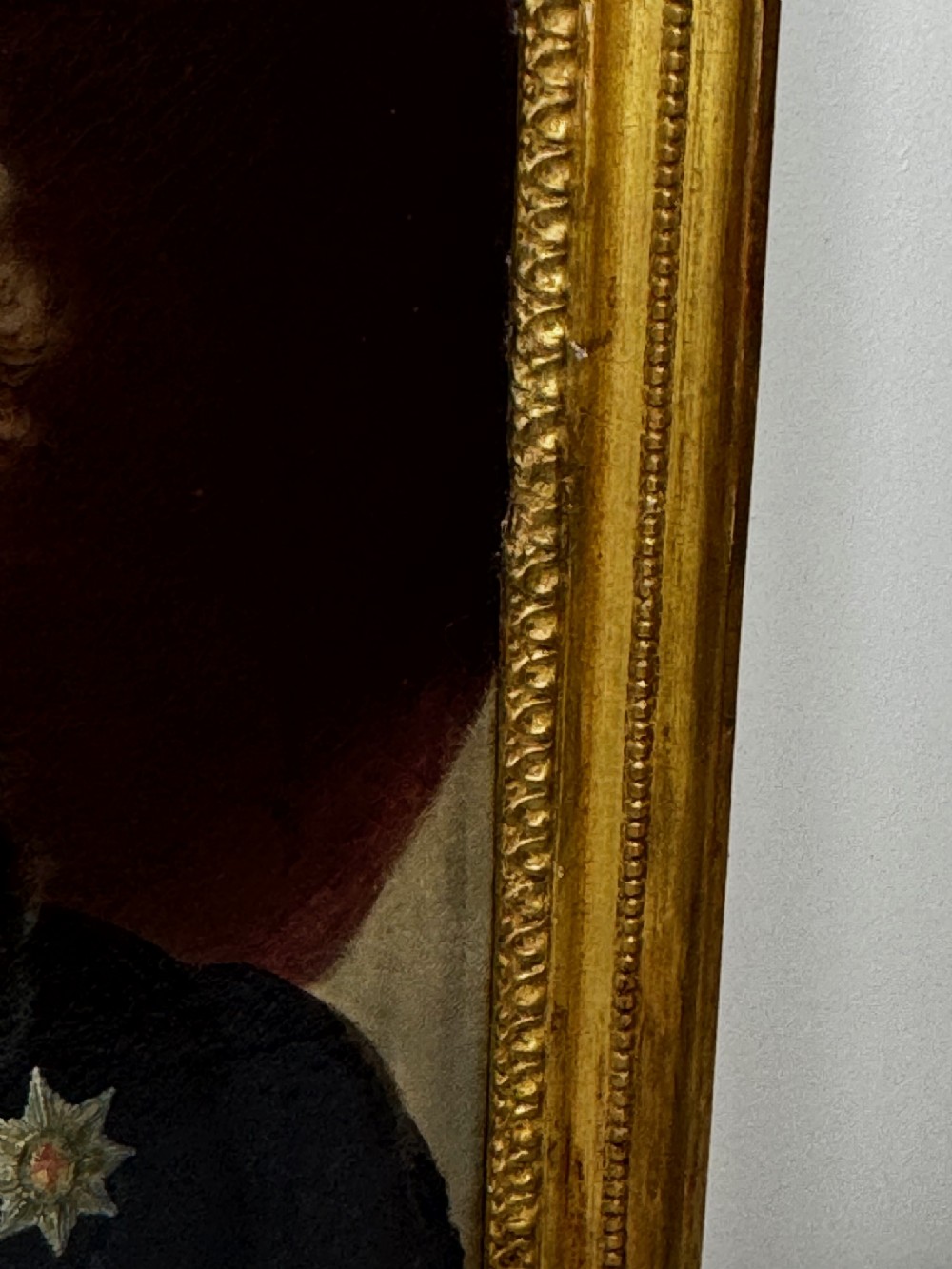
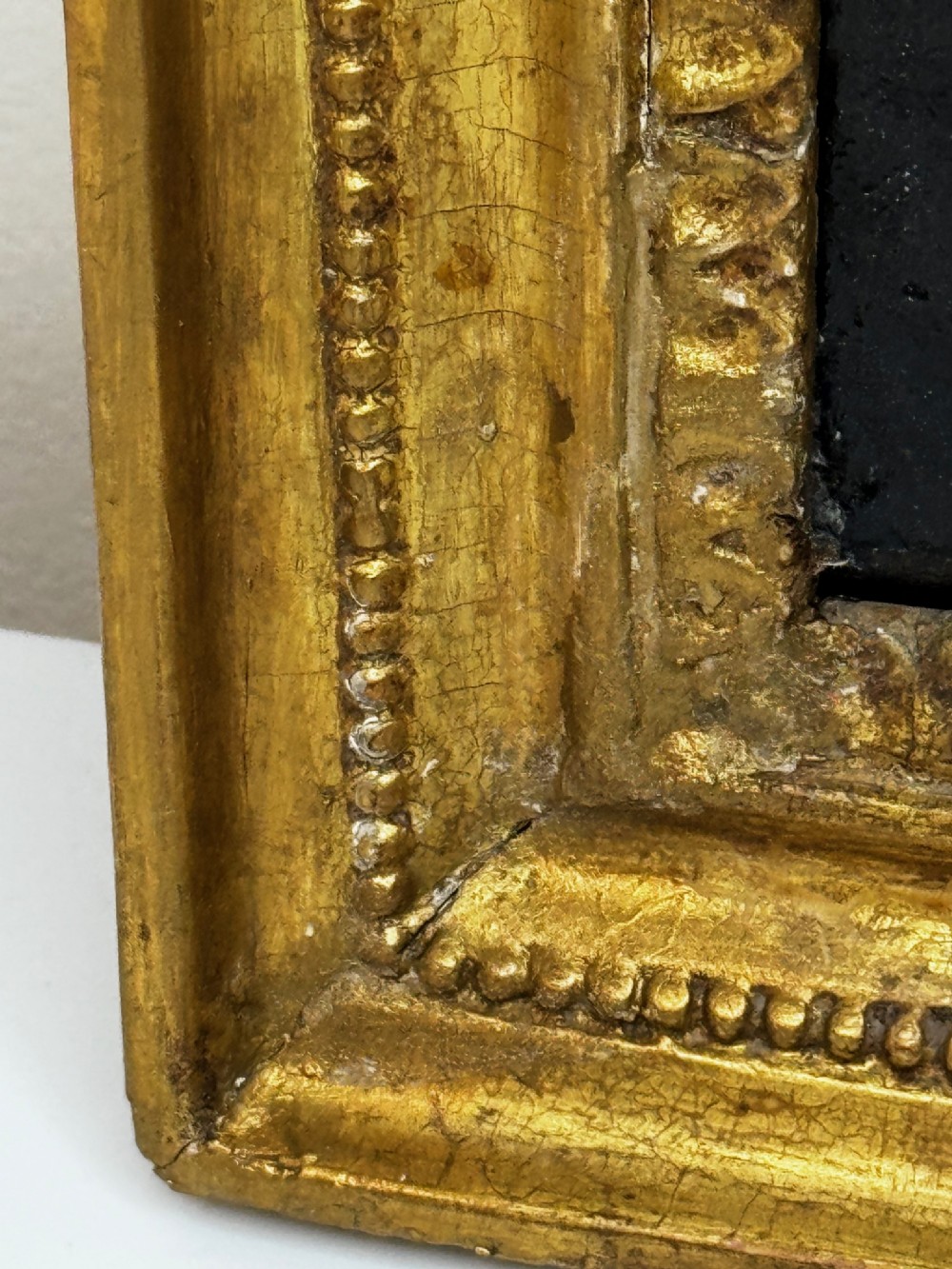
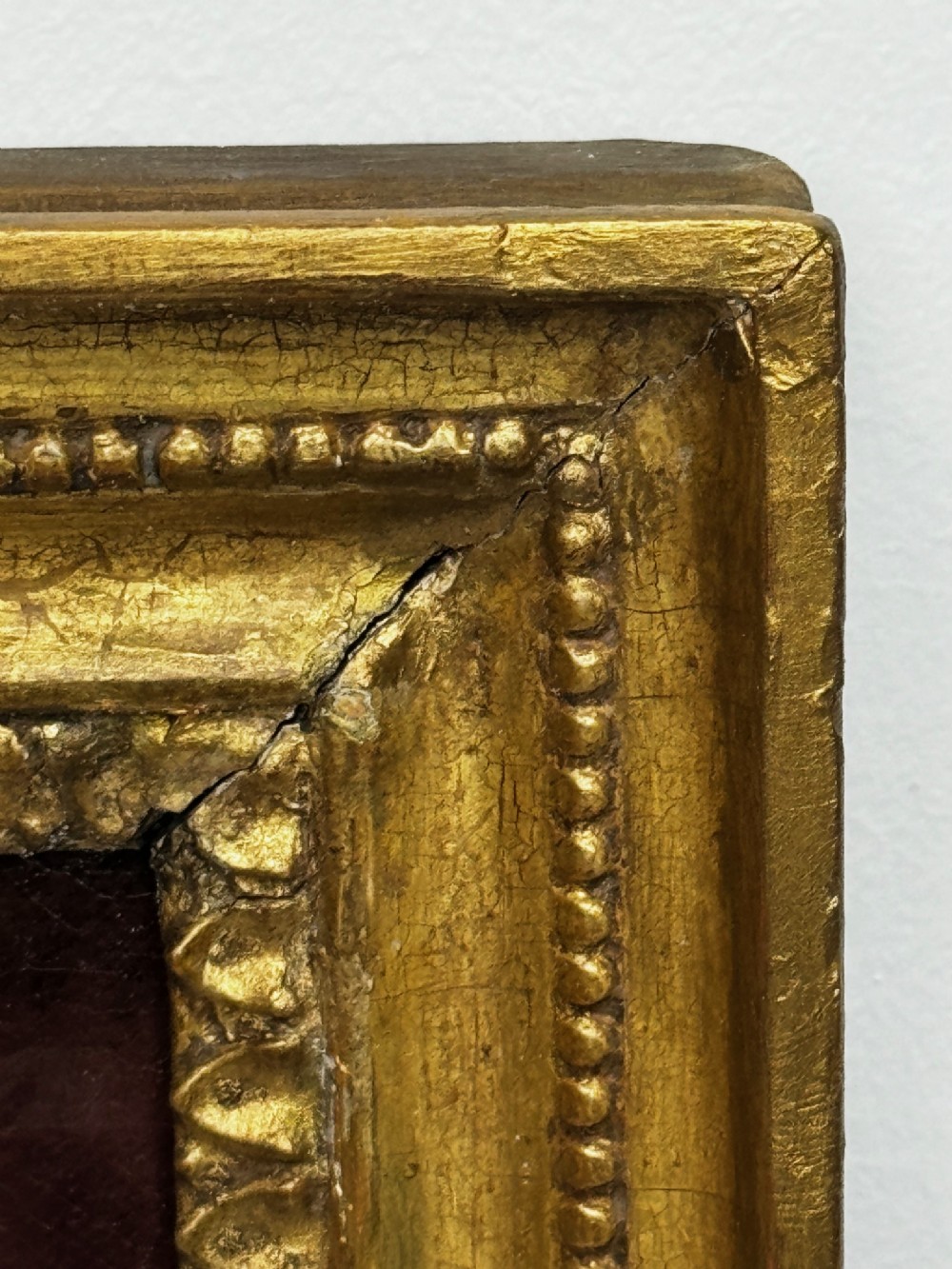
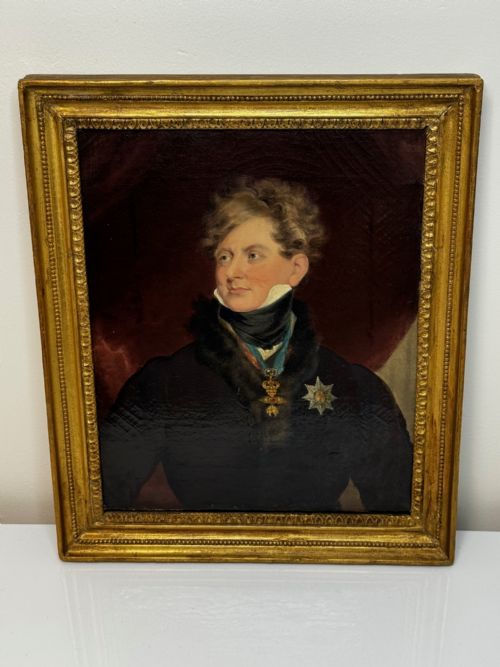
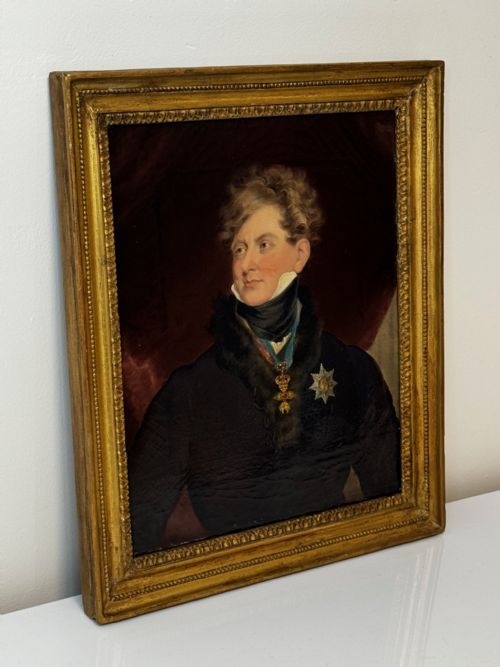
Set in the original gilt wood frame.
Frame is nice display size being 45.5 cm wide and 38 cm high.
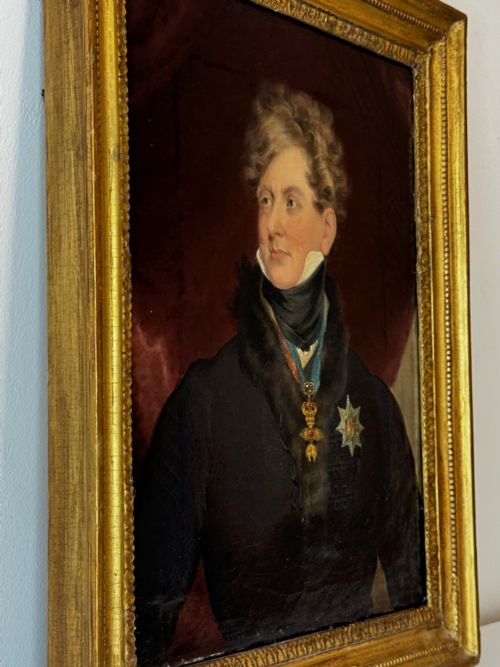
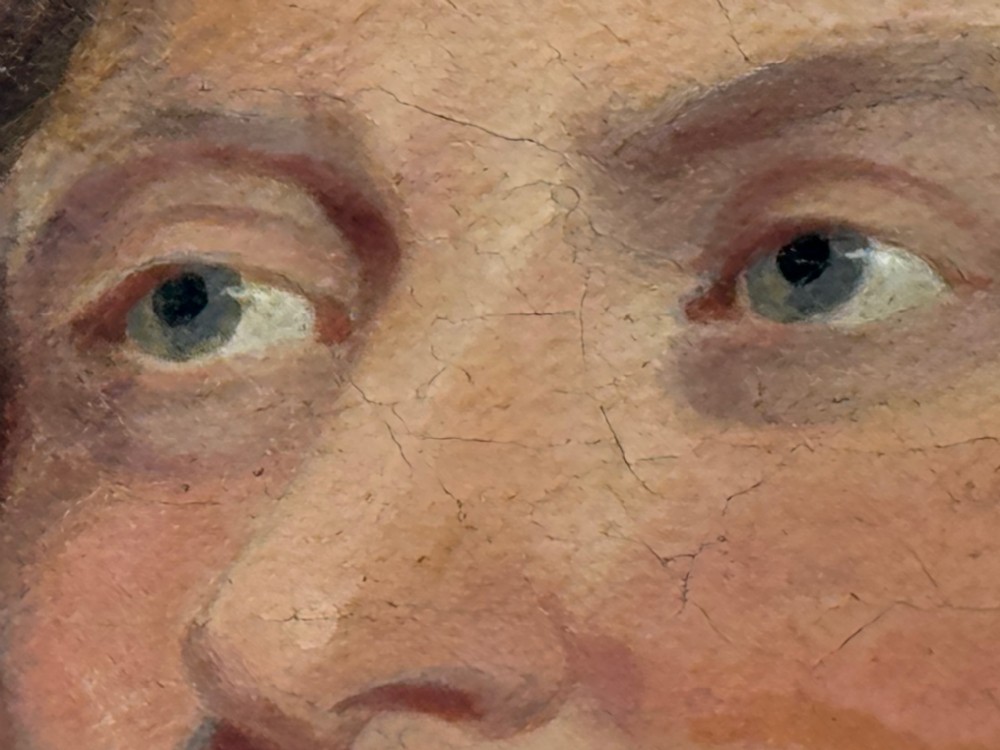
Having such beautiful detail.
Set in a fine gilt frame which enhances this painting further.
George IV (George Augustus Frederick; 12 August 1762 – 26 June 1830) was King of the United Kingdom of Great Britain and Ireland and King of Hanover from 29 January 1820 until his death in 1830. At the time of his accession to the throne, he was acting as prince regent for his father, King George III, having done so since 5 February 1811 during his father's final mental illness.
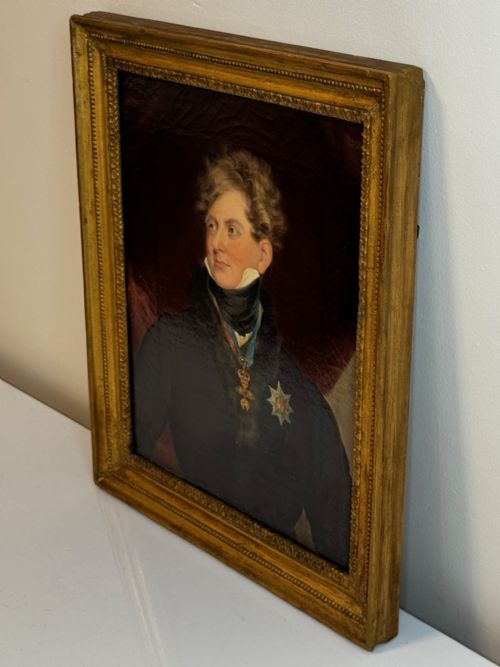
George IV was the eldest child of King George III and Queen Charlotte. He led an extravagant lifestyle that contributed to the fashions of the Regency era. He was a patron of new forms of leisure, style and taste. He commissioned John Nash to build the Royal Pavilion in Brighton and remodel Buckingham Palace, and commissioned Jeffry Wyatville to rebuild Windsor Castle. George's charm and culture earned him the title "the first gentleman of England", but his dissolute way of life and poor relationships with his parents and his wife, Caroline of Brunswick, earned him the contempt of the people and dimmed the prestige of the monarchy. He excluded Caroline from his coronationand asked the government to introduce the unpopular Pains and Penalties Bill in an unsuccessful attempt to divorce her.
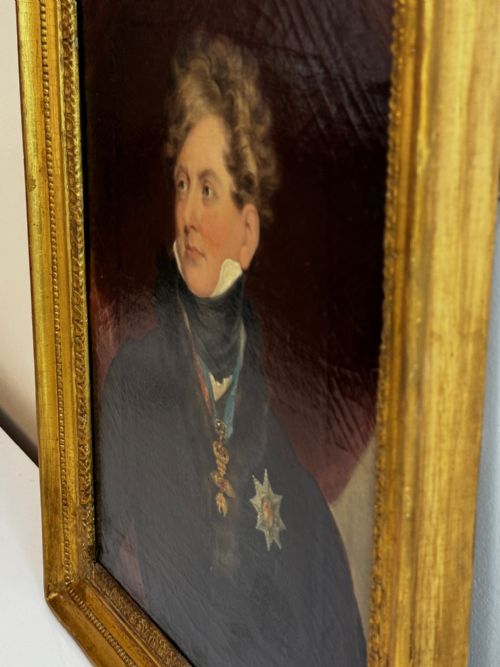
George's rule was tarnished by scandal and financial extravagance. His ministers found his behaviour selfish, unreliable and irresponsible and he was strongly influenced by favourites. During most of George's regency and reign, Lord Liverpool controlled the government as prime minister of the United Kingdom. Liverpool's government presided over Britain's ultimate victory over Napoleon and negotiated a peace settlement with the French. After Liverpool's retirement, George was forced to accept Catholic emancipation despite opposing it. His only legitimate child, Princess Charlotte, predeceased him in 1817, as did his childless younger brother Prince Frederick in 1827, so he was succeeded by another younger brother, William IV.
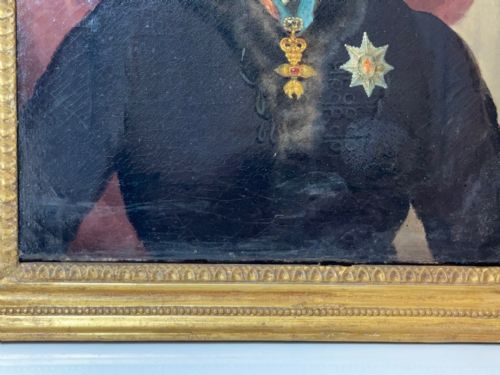
The Most Noble Order of the Garter is an order of chivalry founded by Edward III of England in 1348. The most senior order of knighthood in the British honours system, it is outranked in precedence only by the decorations of the Victoria Cross and the George Cross. The Order of the Garter is dedicated to the image and arms of Saint George, England's patron saint. Appoi
Cheshire Antiques Consultant Ltd has dated this piece to the 19th Century.
Source the historic in 17th, 18th, 19th & 20th century fine arts, painting, sculptures & collectibles
You can view the stock and full dealer information on the Cheshire Antiques Consultant Ltd Profile Page
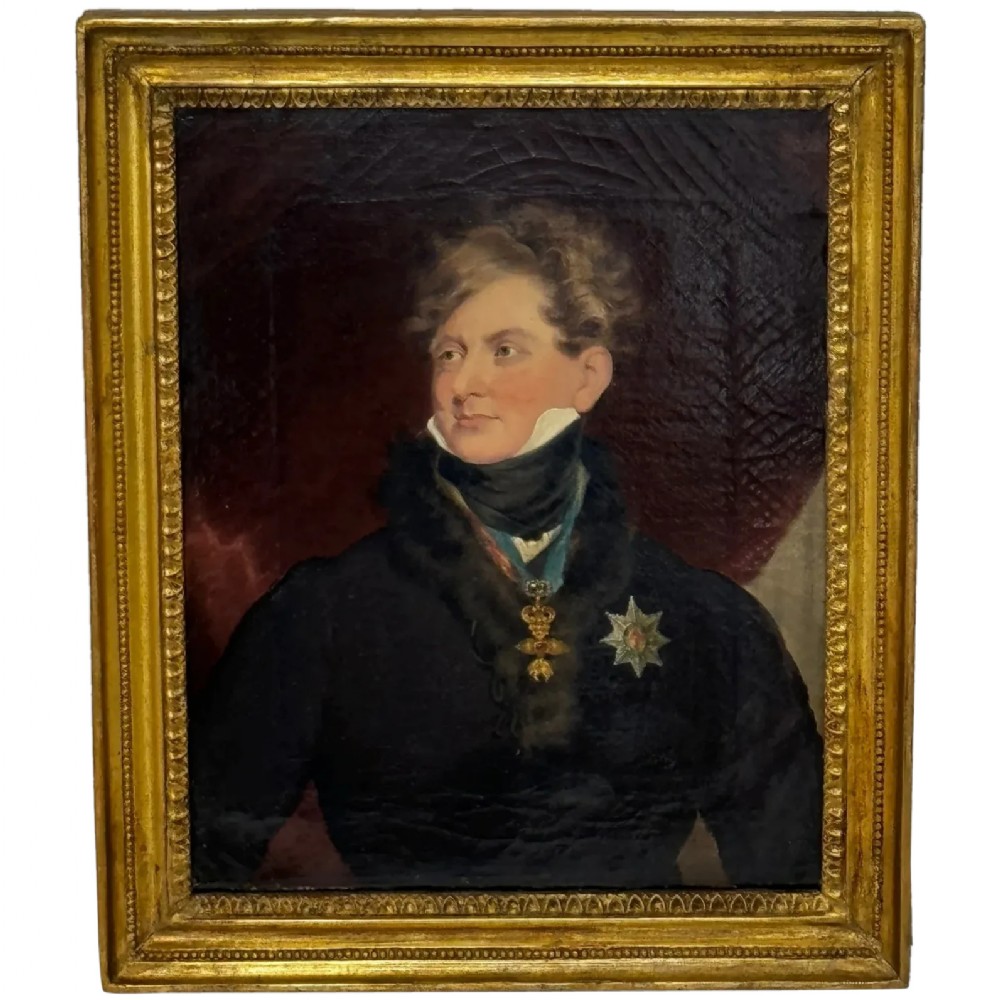
19th Century Oil Painting Portrait Royal King George IV Royal Garter