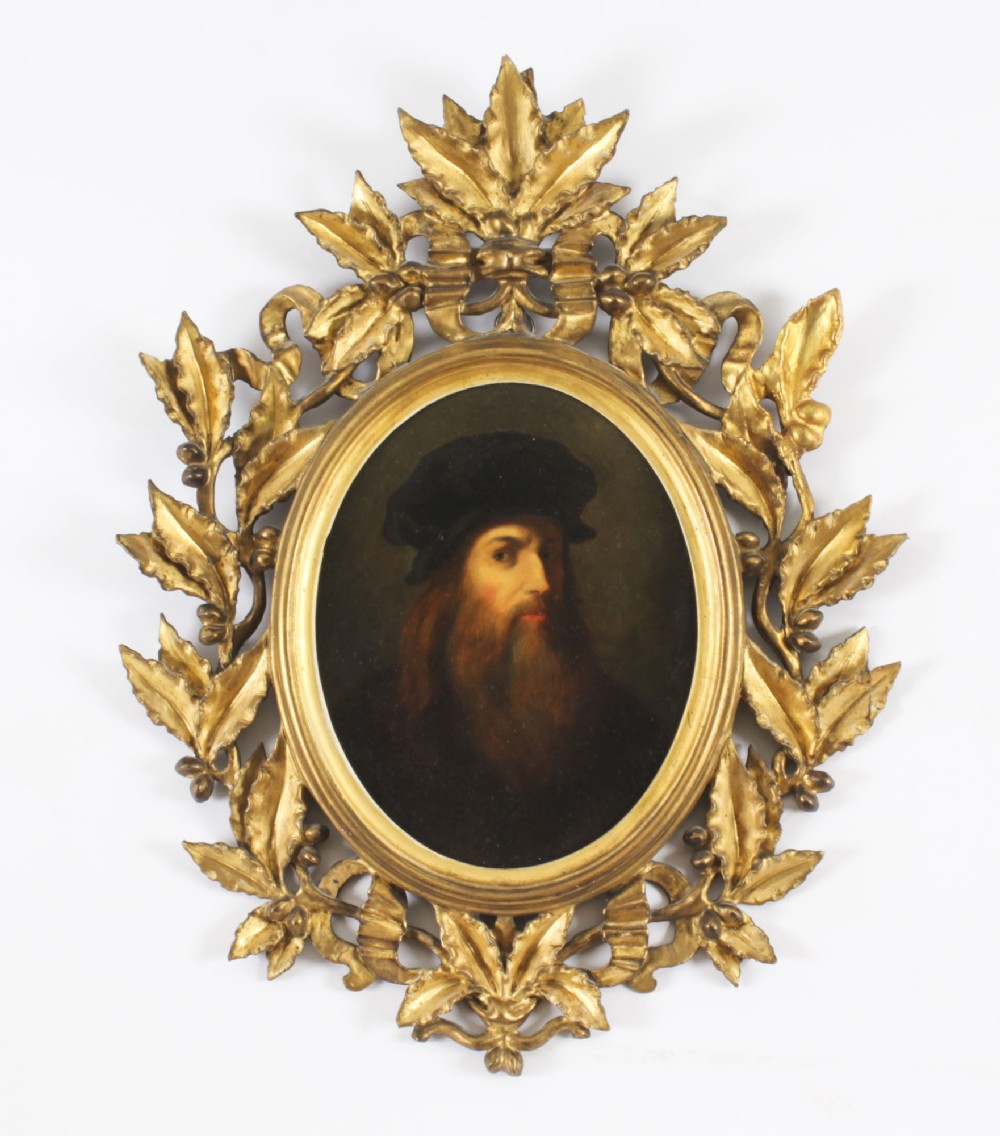
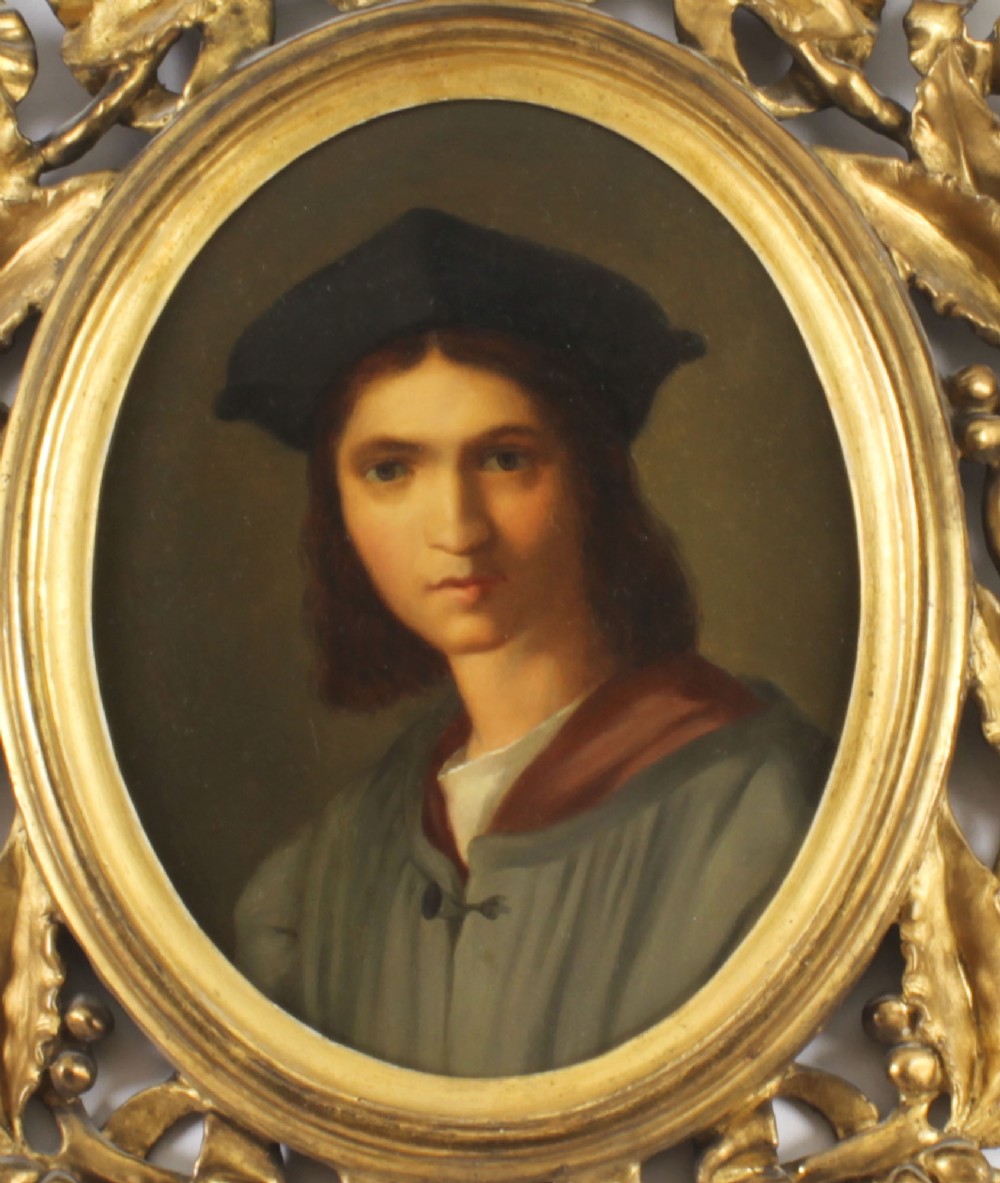
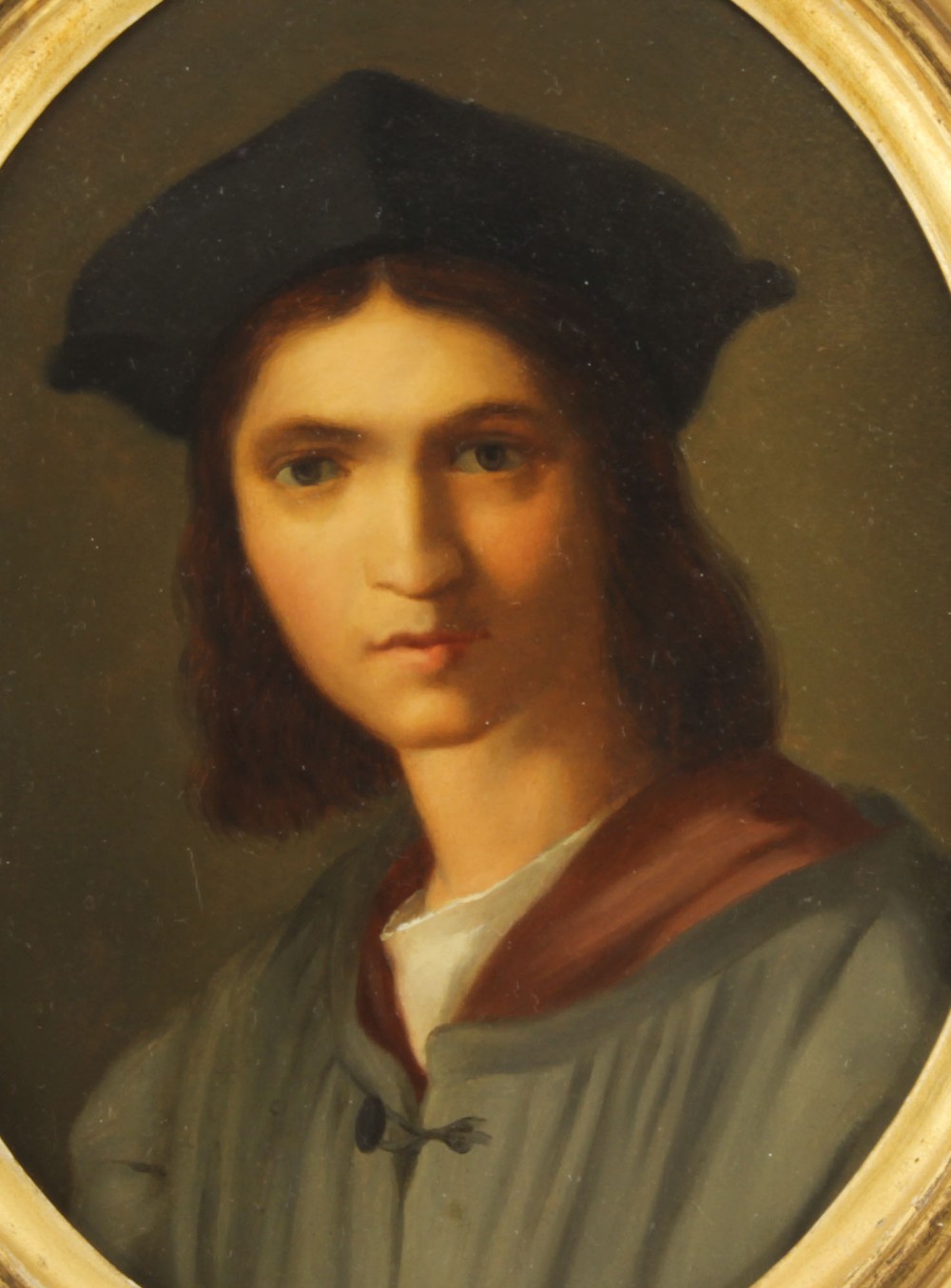
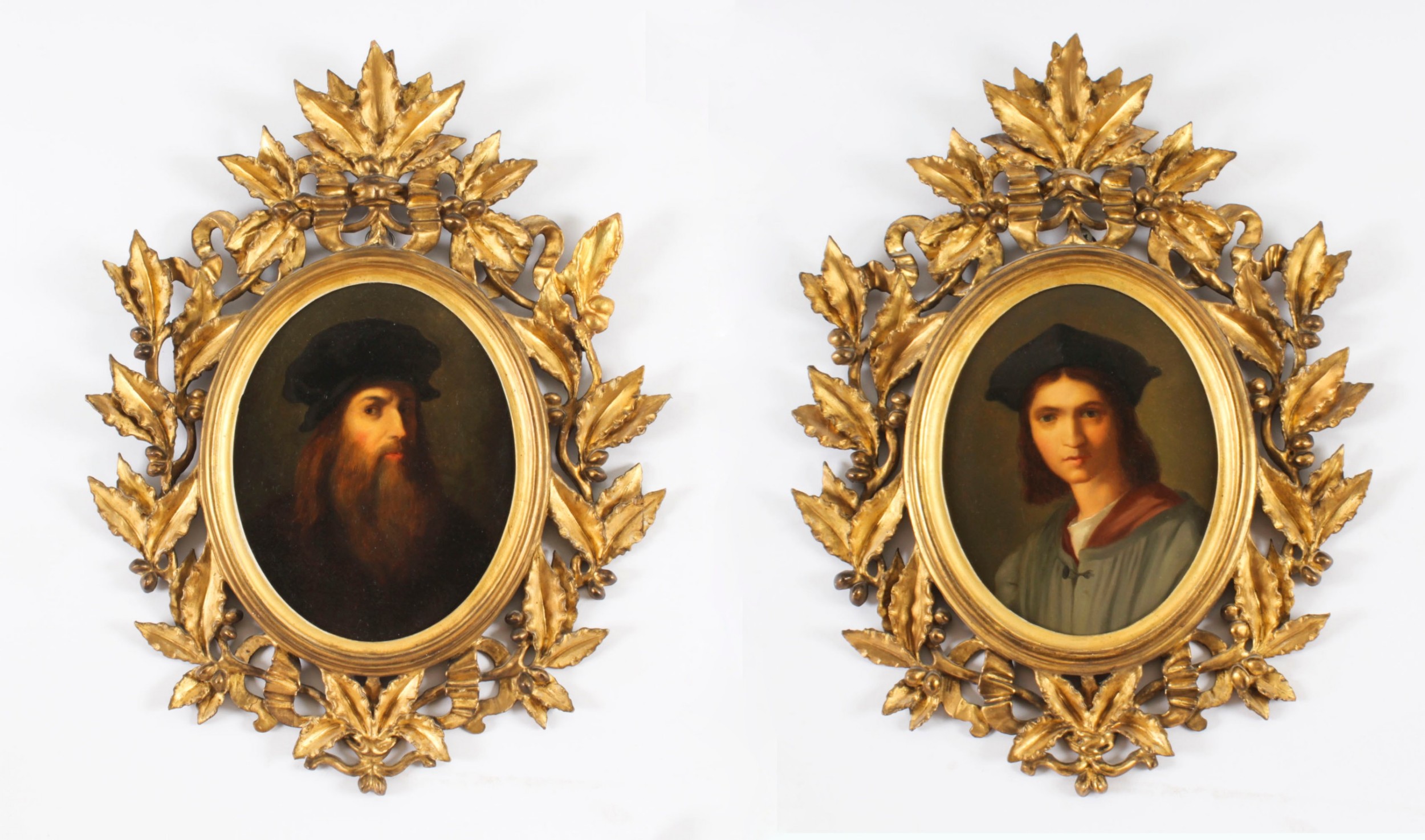
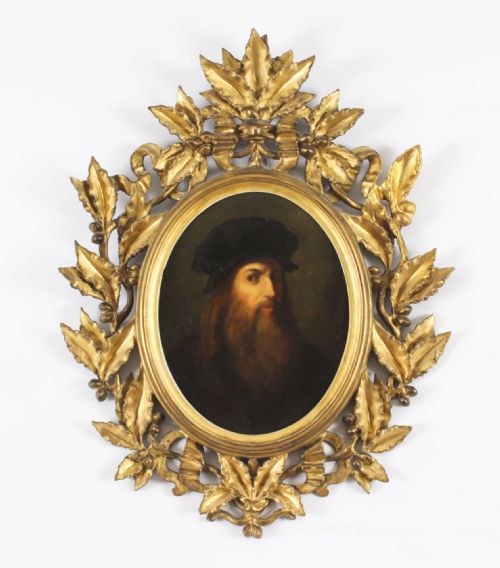
Regent Antiques has dated this piece to the 1700s.
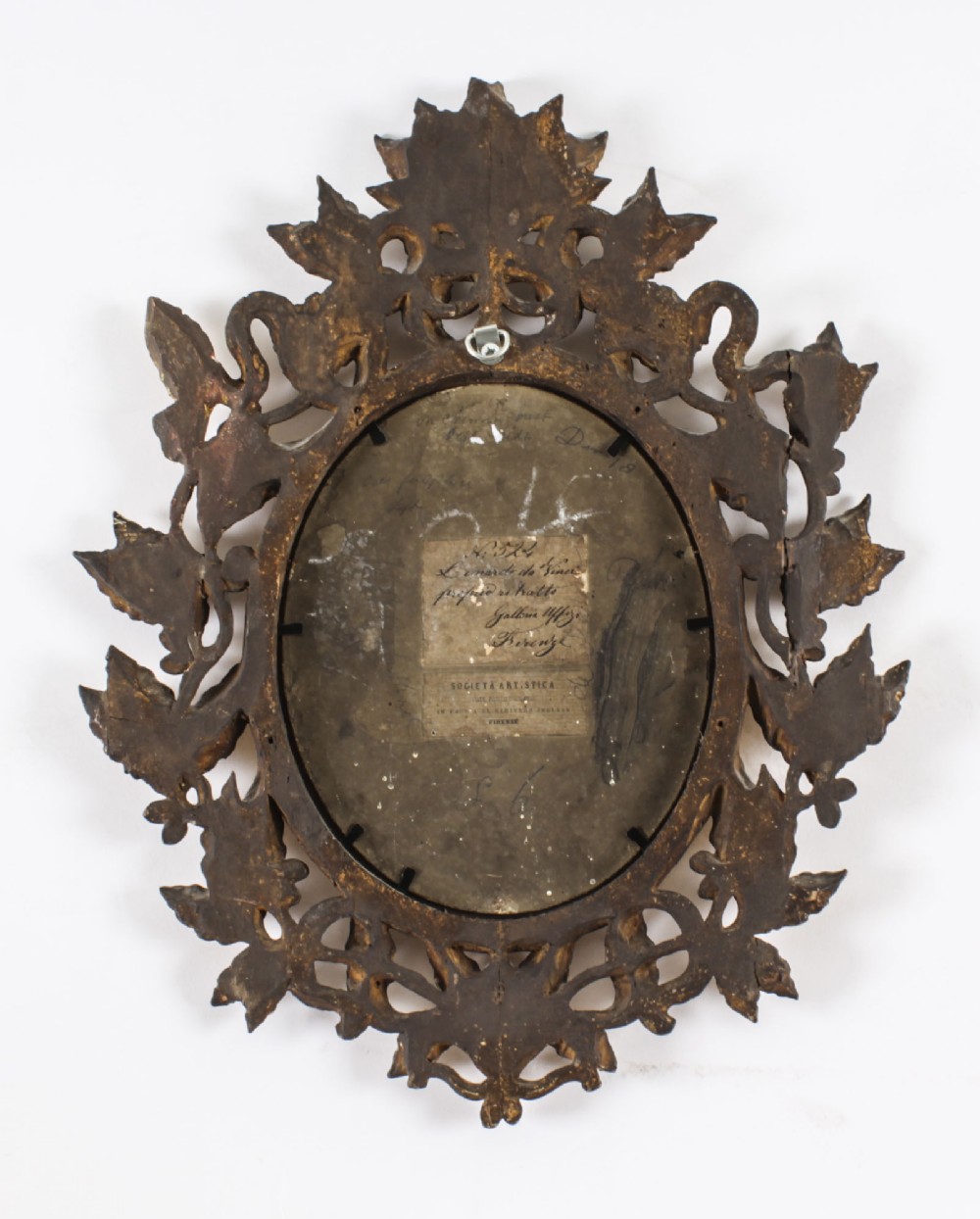
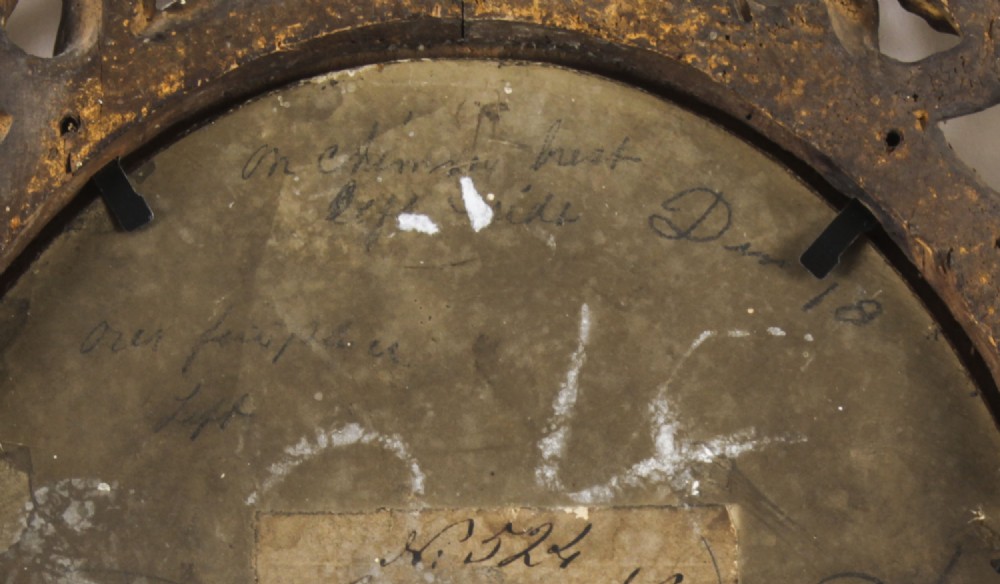
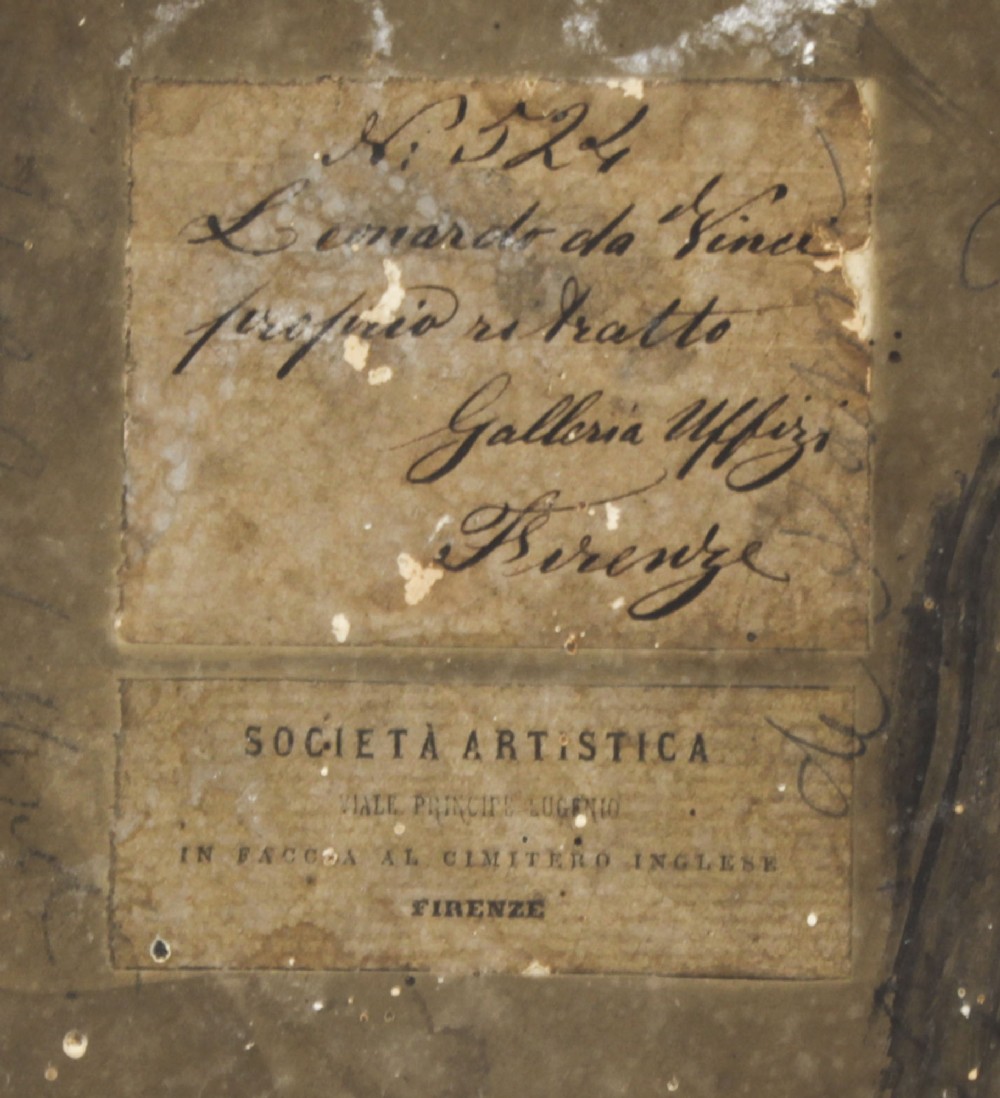
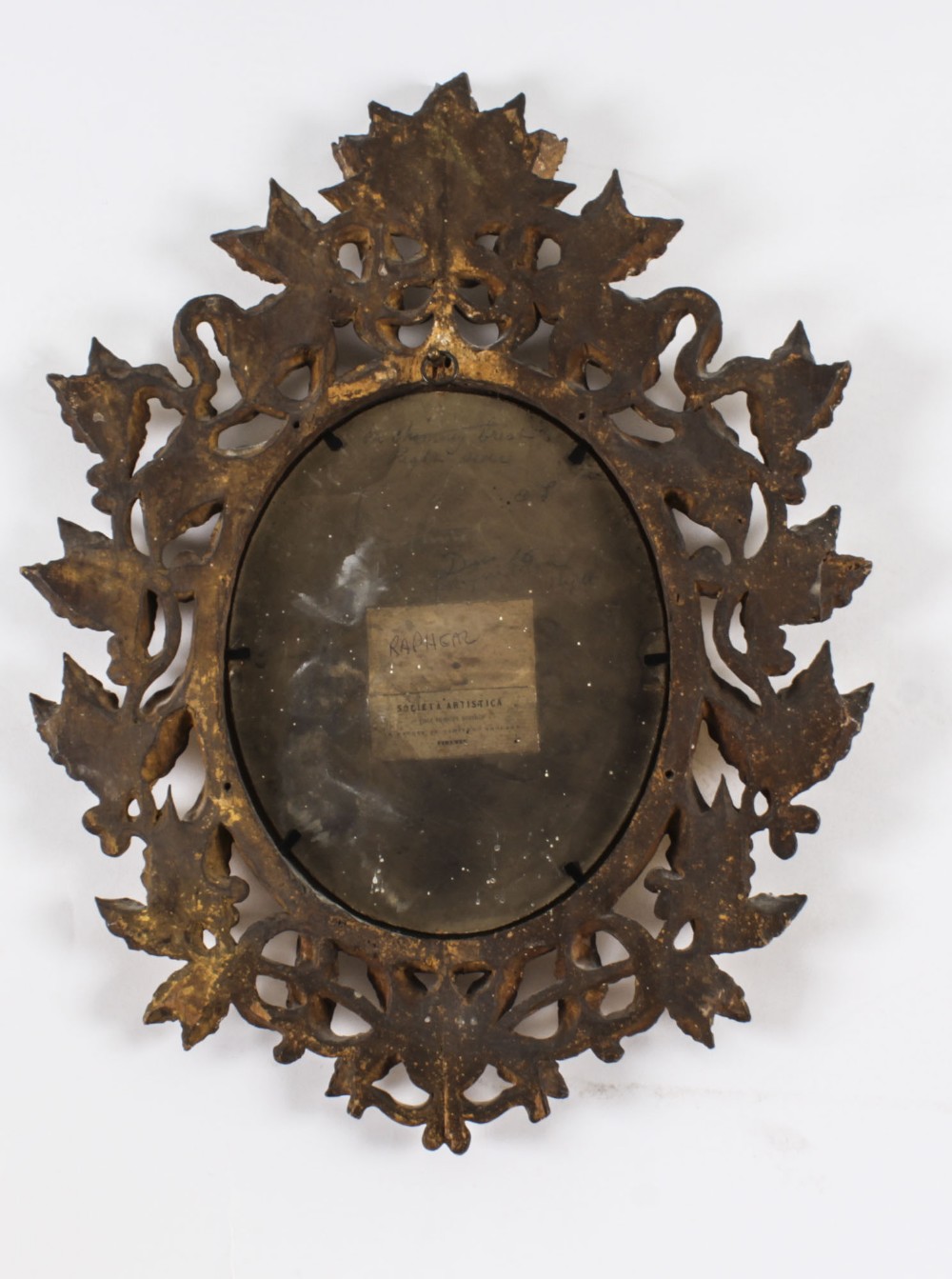
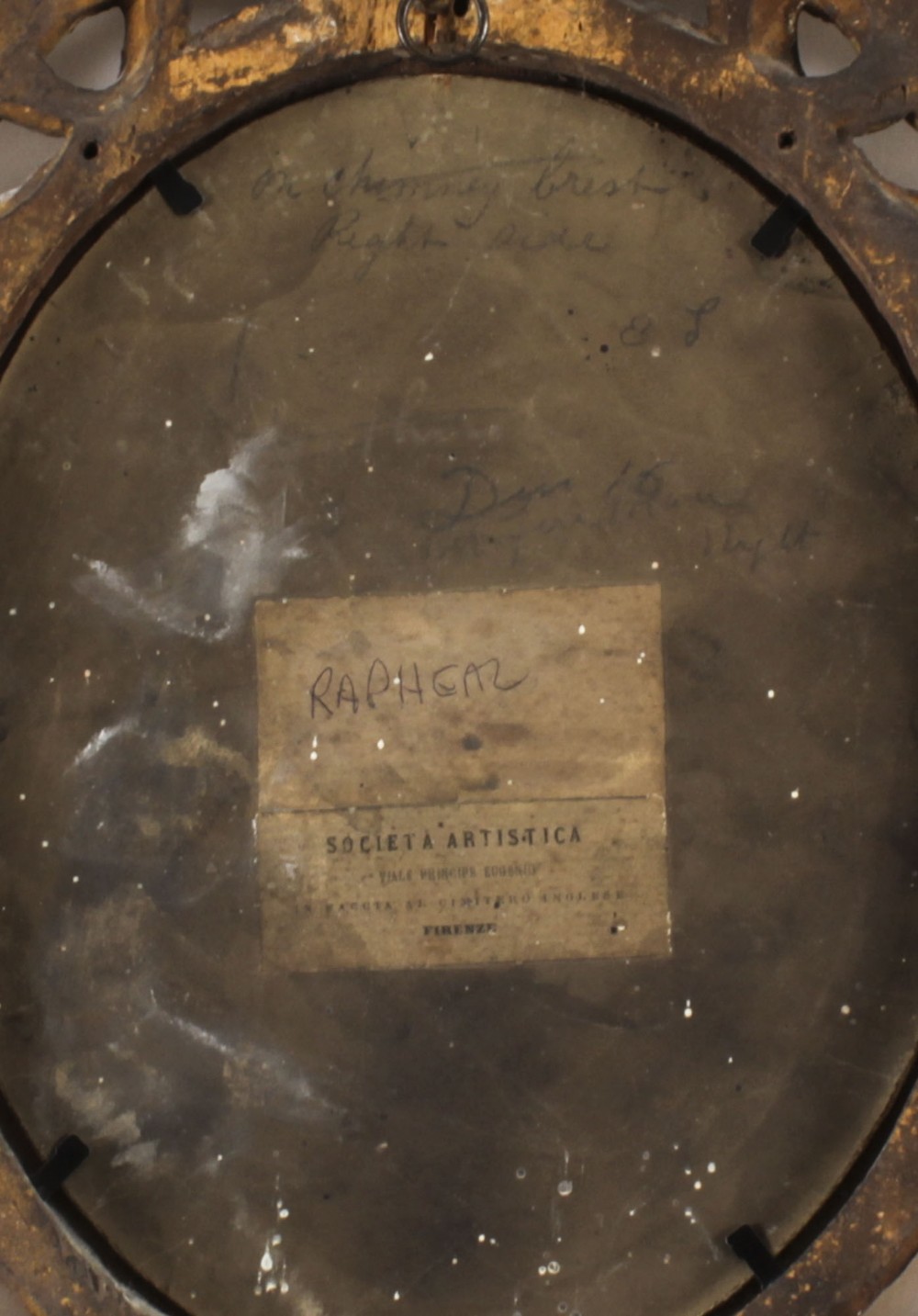
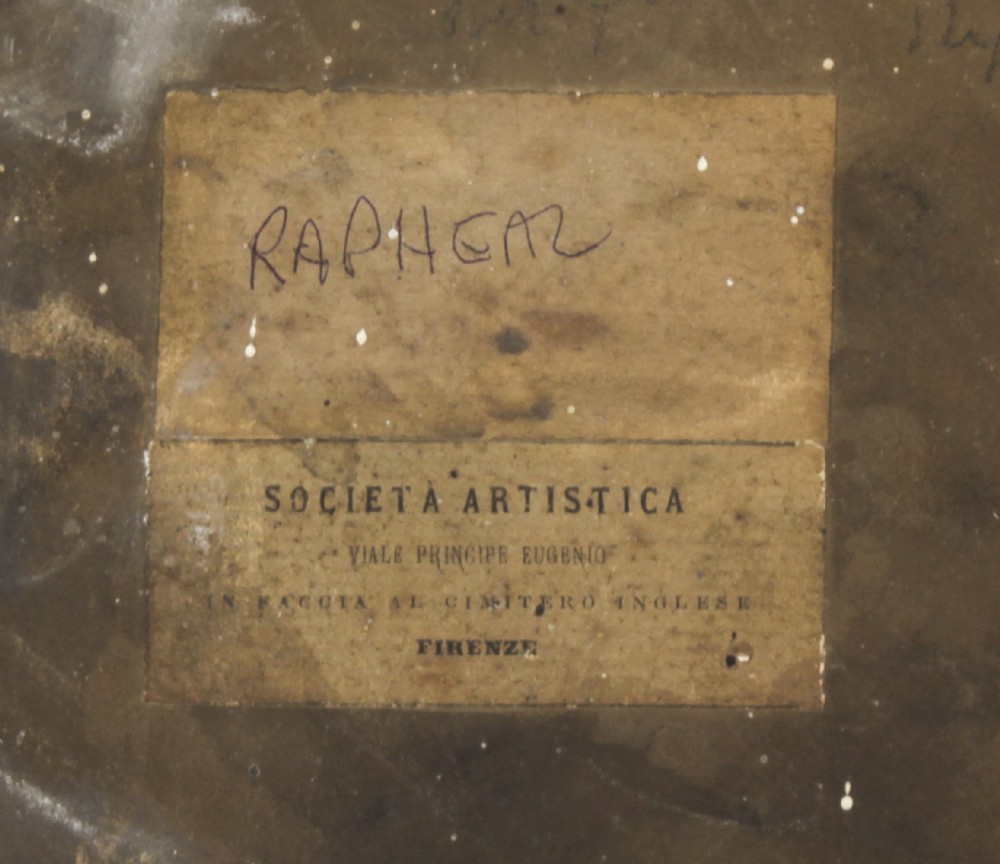
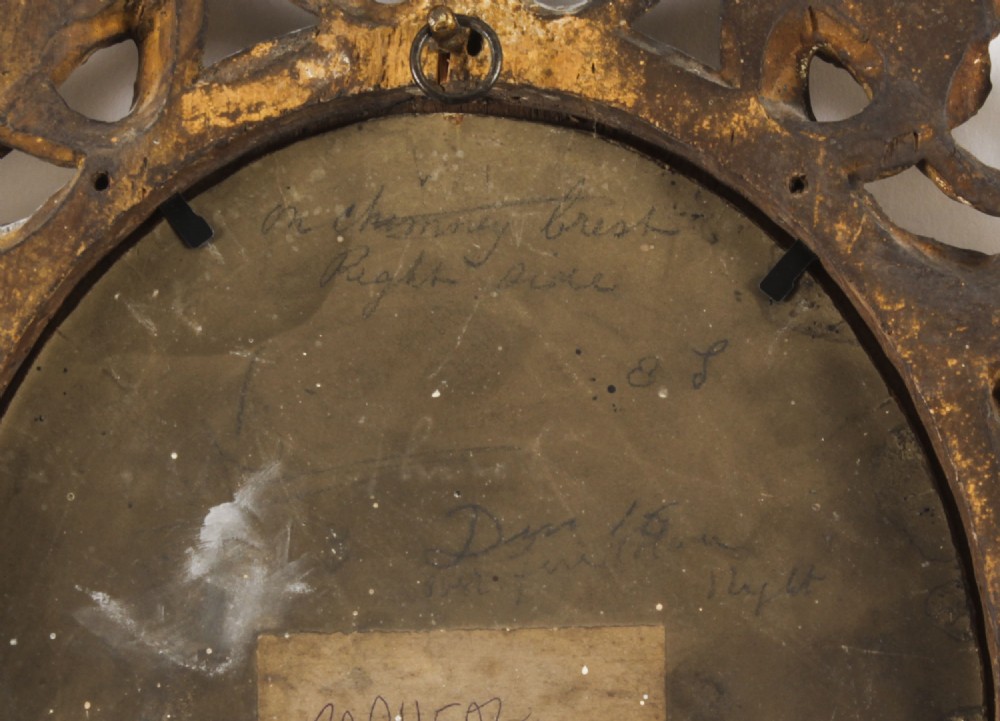
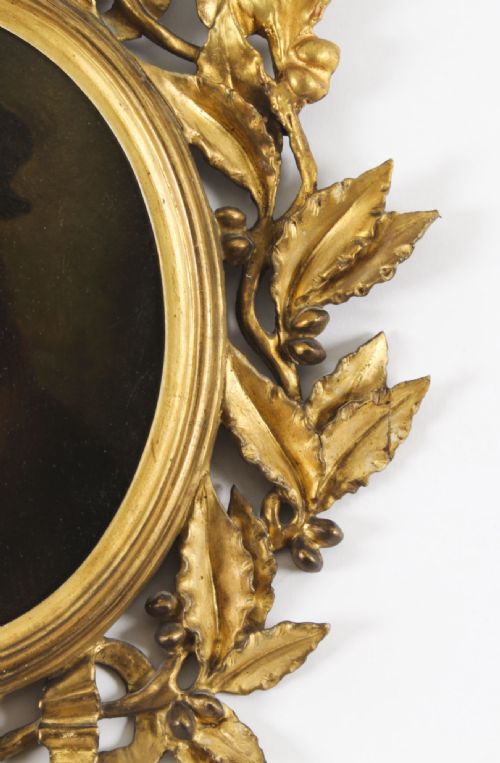
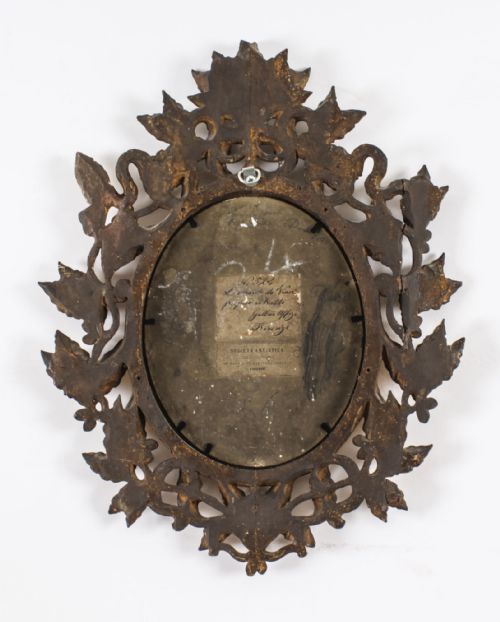
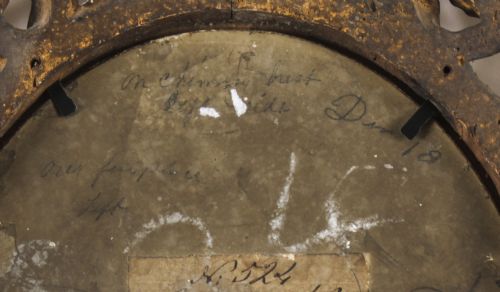
They feature labels verso by Societa Artistica, Florence and the Uffizi Gallery, Florence showing that they were displayed in the Uffizi Gallery..
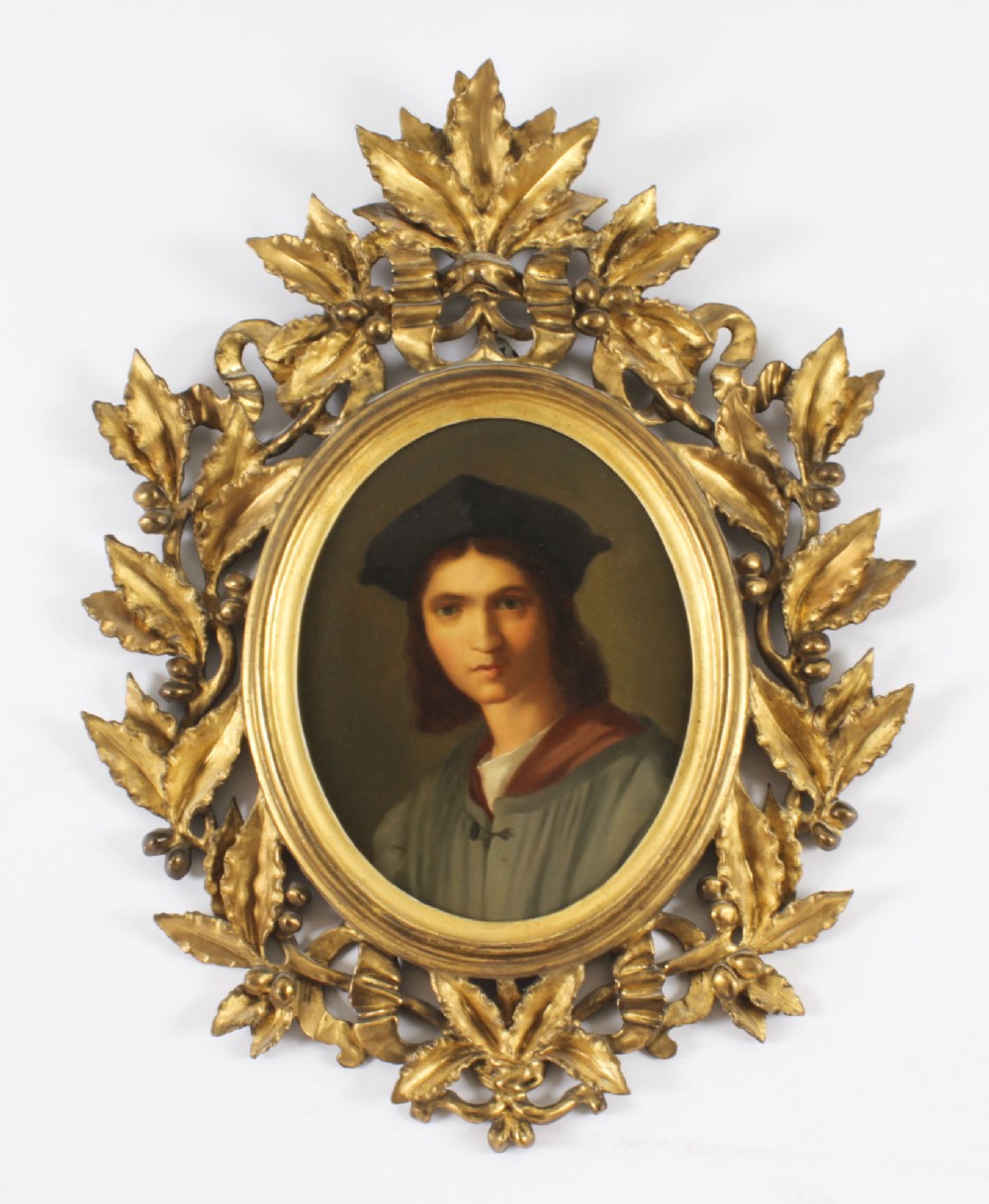
Add some classical elegance to your home with this charming pair of paintings.

Provenance:
Galleria Uffizi labels verso
Condition:
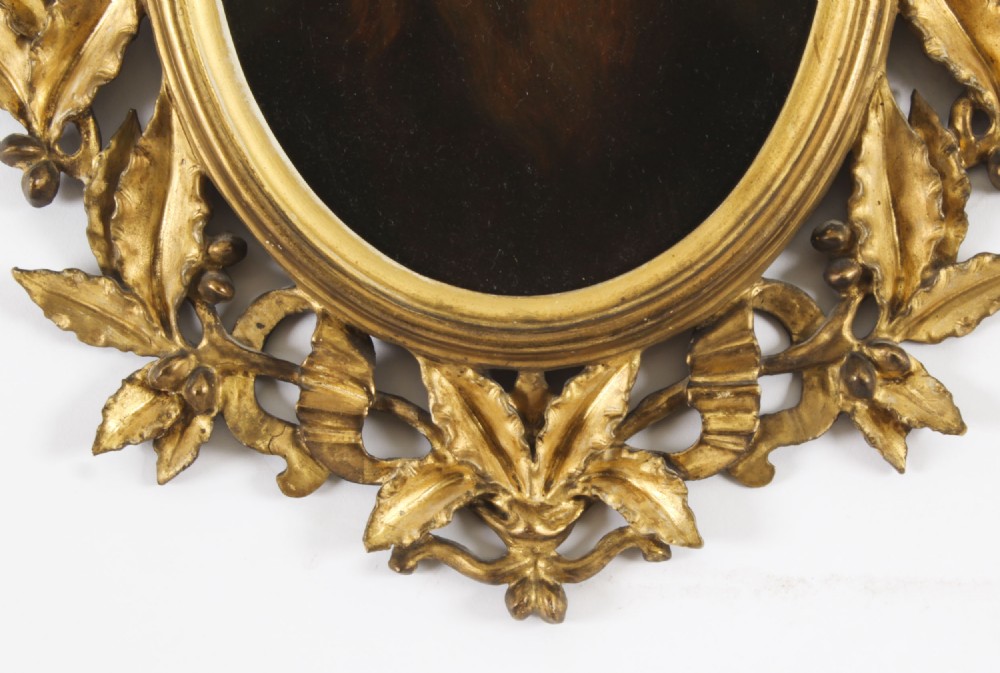
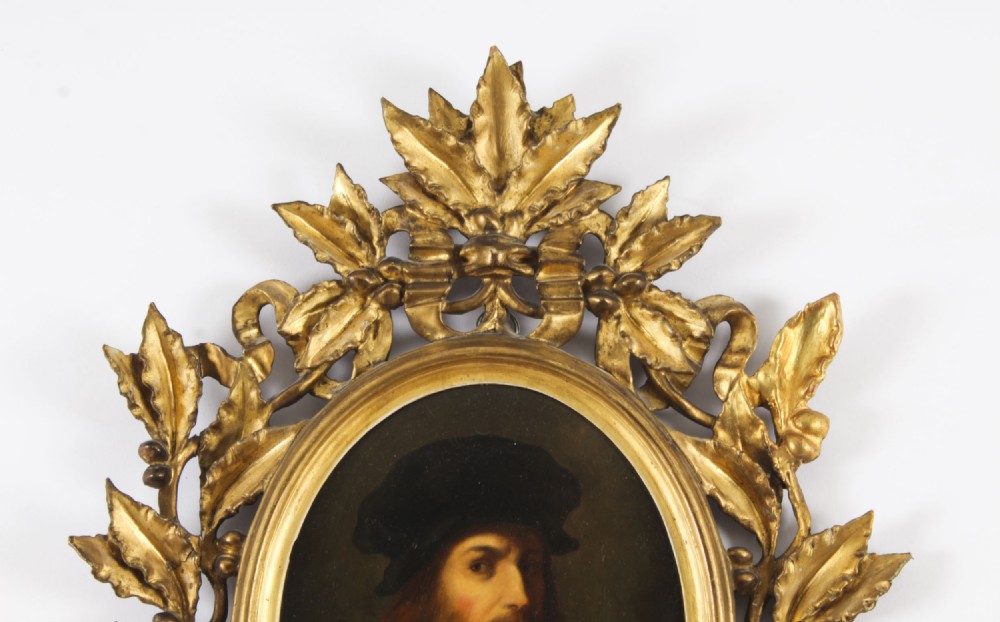
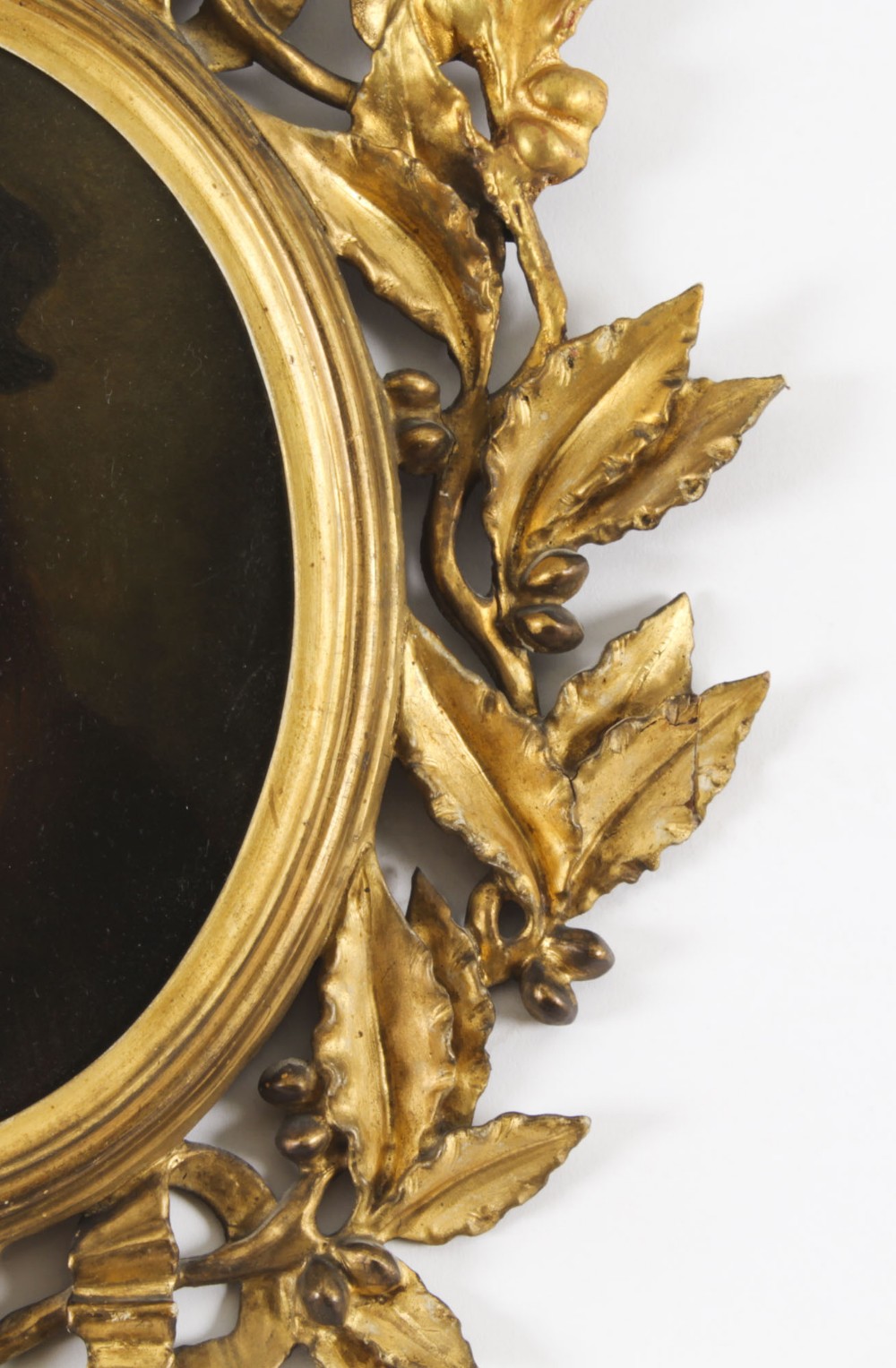
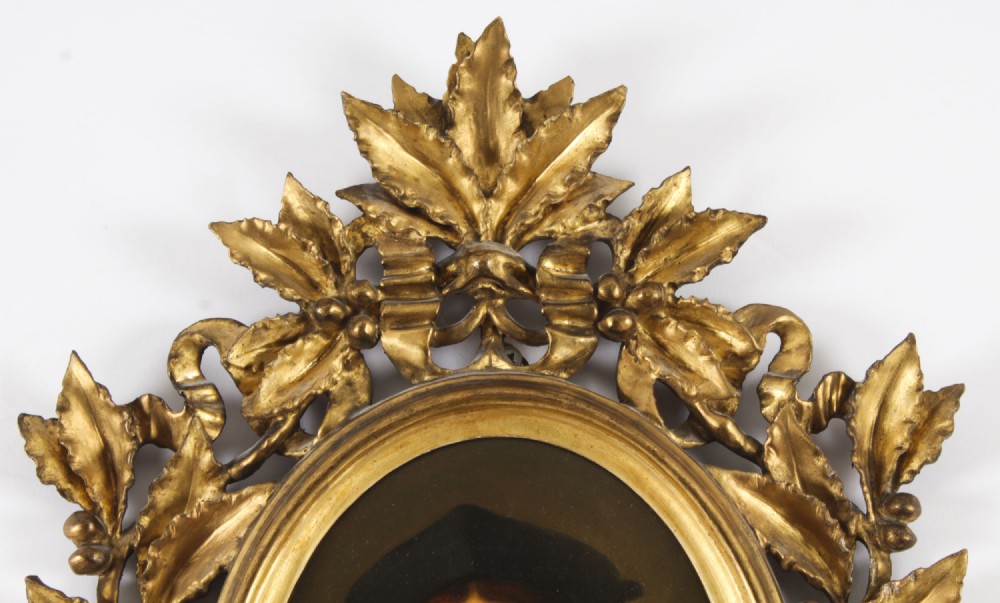
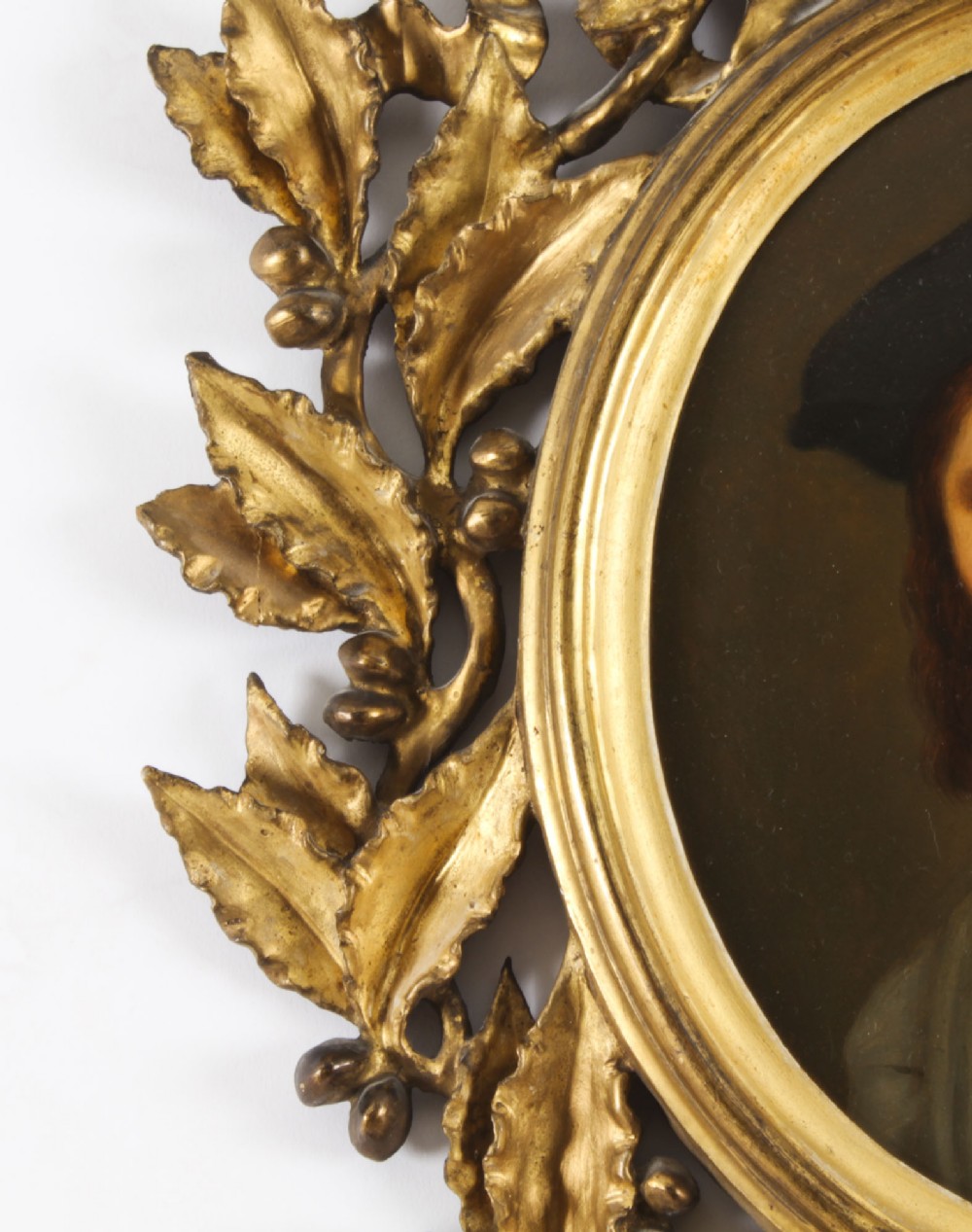
In excellent condition the paintings and frames having been delicately cleaned in our workshops, please see photos for confirmation.
Dimensions in cm:
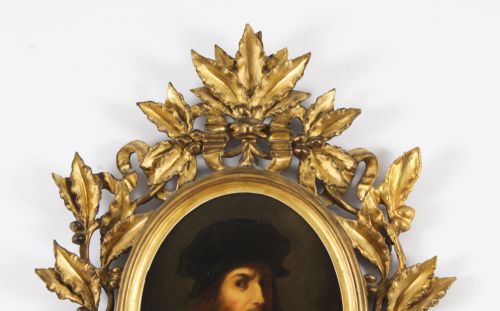
Height 45 cm x Width 35 cm x Depth 5 cm - Frame
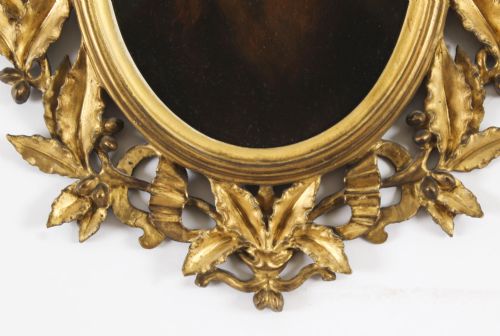
Height 20 cm x Width 16 cm x Depth 5 cm - Painting
Dimensions in inches:
Height 1 foot, 6 inches x Width 1 foot, 2 inches x Depth 2 inches - Frame
Height 8 inches x Width 6 inches x Depth 2 inches - Painting
The Uffizi Galleries
first brought together three extraordinary museum complexes in 2014. Together, these three structures contain the core of the collections of art, precious artisan-made objects, books, and plants belonging to the Medici, Habsburg-Lorraine and Savoy families. It is a stunning collection of treasures dating from Antiquity to the 20th century, and over the years, it has contributed to the fame of the Uffizi, Pitti Palace and Boboli Gardens. Since the Renaissance, these three museum sites have been connected to one another by an ingenious construction, the Vasari Corridor, and together they form one of the most important, most visited culture hubs in the world.
Historically, the integration of these three structures, joining the two banks of the Arno River since the 16th century, is part of peculiar visions of life, culture, power and customs of the ruling families who left their mark on and influenced the history of this area. Commissioned by Cosimo I de’ Medici, “Di qua d’Arno” palace was built in the mid-16th century to concentrate the full force of public power, creating an administrative headquarters called the “Uffizi” [offices] for Florence’s Tribunals , Guilds, Corporations and Courts.
The great architect, Giorgio Vasari, was responsible for the design of a marvellous building, “on the river and almost in the air”. Over the course of two hundred years or so, this was destined to house the art collections of the Grand Dukes of Tuscany and in 1769, it was opened to the public as a museum – in the modern sense of the word – at the wishes of Grand Duke of Tuscany Peter Leopold.
The “Oltrarno” area, on the other hand, was where the sovereigns lived privately, a symbol of the lavishness of court: Pitti Palace and its splendid Boboli Gardens were the chosen residence of the Grand Dukes of the Medici family (who ruled from the 16th century until 1743) and their successors, the Habsburg-Lorraine family (from 1743 until 1859). Lastly, the kings of Italy, the Savoy family inhabited the Palace in the period in which Florence was the capital of Italy, before finally granting it to the State in 1911. To connect the two areas, built on the opposite sides of the river, the public one (closest to the beating heart of the city) and the private one (separate and in the direction of the countryside) a raised path was created, the Vasari Corridor, for the use by the Grand Dukes but soon opened to the general public. It is a pathway from the Uffizi, passing over the river and the roofs of the city, offering unexpected panoramas and views, crossing over the palaces and civil and religious buildings to arrive at the Boboli Gardens and lastly, Pitti Palace.
The art collections that today’s visitors to the Uffizi
Regent Antiques has dated this piece to the 1700s.
We specialise in english and continental furniture, silver, porcelain and decorative items.
You can view the stock and full dealer information on the Regent Antiques Profile Page
Regent Antiques is a registered member of LAPADA CINOA
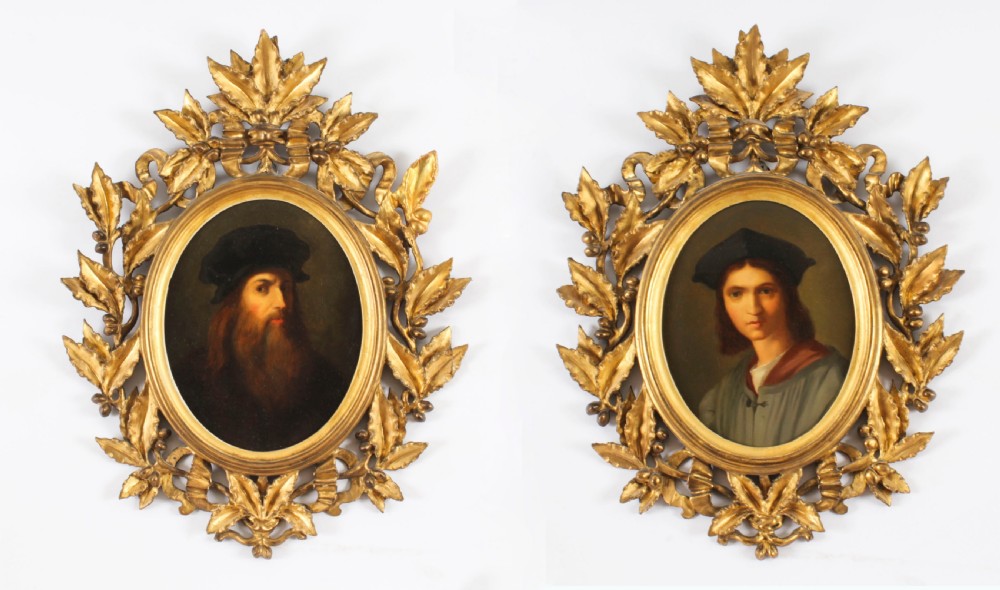
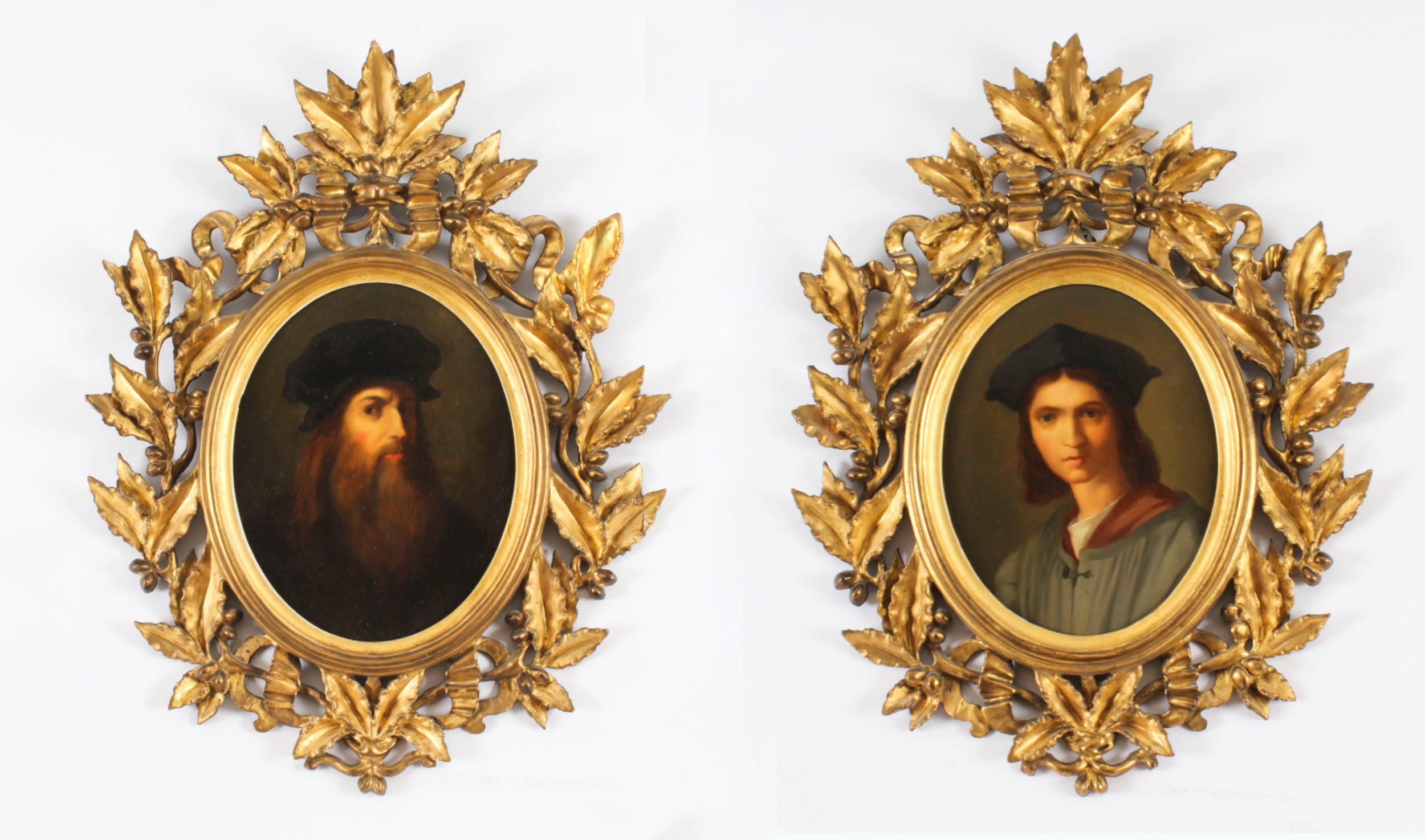
Antique Pair Oval Leonardo Da Vinci and Raphael Paintings Circa 1780 18th C