14,330  PAGES BROWSED TODAY PAGES TODAY 87 ANTIQUES UPLOADED TODAYNEW ARRIVALS
87 ITEMS ADDED TODAY
Sort Order
Items Per Page
Browse Categories
Sort order
Items per page
ID #SA106427
SOLD
Email Phone WhatsApp
Save
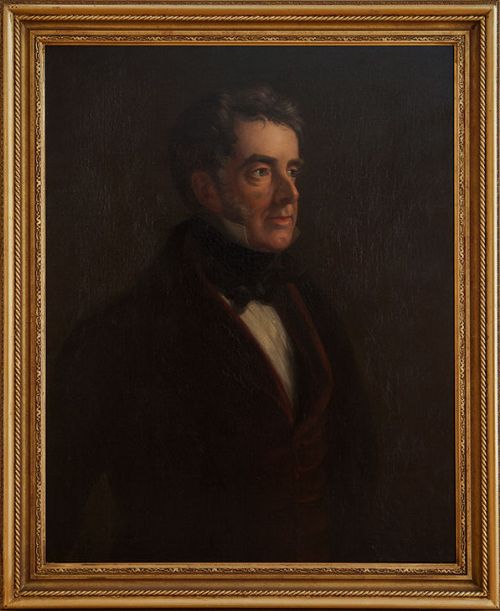
Portrait of William Lamb, 2nd Viscount Melbourne, Pc, Frs 1779-1848 by Sir George Hayter
Sold by Artware Fineart
sold SA106427
Sorry, but this item has been sold.

Artware Fineart

Sellingantiques Verified Since Sep 2008
Id #SA106427
PDF SHARE
SAVE

Portrait of William Lamb, 2nd Viscount Melbourne, Pc, Frs 1779-1848 by Sir George Hayter

19th century
Description

Oil on Canvas

86.36 x 66.04 (cm) 34.00 x 26.00 (ins)

Inscribed 'Lord Melbourne' to reverse (before re-lining)

Born in London to an aristocratic Whig family and educated at Eton and Trinity College, Cambridge, he fell in with a group of Romantic Radicals that included Percy Bysshe Shelley and Lord Byron. In 1805 he succeeded his elder brother as heir to his father's title and he married Lady Caroline Ponsonby. The next year he was elected to the British House of Commons as the Whig MP for Leominster. For the election in 1806 he was moved to the seat of Haddington burghs and for the 1807 election successfully stood for Portarlington (a seat he held until 1812).

He first came to general notice for reasons he would rather have avoided: his wife had a public affair with Lord Byron — she coined the famous characterisation of him as "mad, bad, and dangerous to know". The resulting scandal was the talk of Britain in 1812. Eventually the two reconciled and though they separated in 1825, her death in 1828 affected him considerably. In 1816 Lamb was returned for Peterborough by Whig grandee Lord Fitzwilliam. He told Lord Holland that he was committed to the Whig principles of the Glorious Revolution but not to "a heap of modern additions, interpolations, facts and fictions". He therefore spoke against parliamentary reform and voted for the suspending of habeas corpus in 1817 when sedition was rife. Lamb's hallmark was finding the middle ground. Though a Whig, he accepted the post of Irish Secretary (1827) in the moderate Tory governments of George Canning and Lord Goderich. Upon the death of his father in 1828 and his becoming Viscount Melbourne, he moved to the House of Lords.

Melbourne was Prime Minister when Queen Victoria came to the throne (June 1837). Barely eighteen, she was only just breaking free from the domineering influence of her mother, the Duchess of Kent, and her mother's advisor, John Conroy. In May 1839, Melbourne's resignation led to the Bedchamber Crisis. On 25 February 1841, he was admitted a Fellow of the Royal Society.

Viscount Melborune's wife, Lady Caroline Ponsonby- Lamb was not a typical politician’s wife. The daughter of Frederick Ponsonby, 3rd Earl of Bessborough, and the granddaughter of the 1st Earl Spencer, she was born in 1785. Her education was haphazard. Lady Caroline married Lord Melbourne, in 1805. She gave birth to their only child, George Augustus Frederick, in 1807. He was epileptic and mentally handicapped and had to be cared for almost constantly. Lady Caroline was devoted to him. Lady Caroline died in 1828, aged 42, her death hastened by drink and drugs. Lord Melbourne, not yet prime minister, was by her bedside.

Physical Dimensions
Height
94cm (37.01")
Width
74cm (29.13")
Depth
4cm (1.57")
Declaration

Artware Fineart has dated this piece to the Regency era.

Reference Numbers
Sellingantiques Reference
SA106427
Dealers Internal Reference
3421
Description
Oil on Canvas

86.36 x 66.04 (cm) 34.00 x 26.00 (ins)

Inscribed 'Lord Melbourne' to reverse (before re-lining)

Born in London to an aristocratic Whig family and educated at Eton and Trinity College, Cambridge, he fell in with a group of Romantic Radicals that included Percy Bysshe Shelley and Lord Byron.
Artware Fineart

In 1805 he succeeded his elder brother as heir to his father's title and he married Lady Caroline Ponsonby. The next year he was elected to the British House of Commons as the Whig MP for Leominster. For the election in 1806 he was moved to the seat of Haddington burghs and for the 1807 election successfully stood for Portarlington (a seat he held until 1812).

He first came to general notice for reasons he would rather have avoided: his wife had a public affair with Lord Byron — she coined the famous characterisation of him as "mad, bad, and dangerous to know". The resulting scandal was the talk of Britain in 1812. Eventually the two reconciled and though they separated in 1825, her death in 1828 affected him considerably. In 1816 Lamb was returned for Peterborough by Whig grandee Lord Fitzwilliam. He told Lord Holland that he was committed to the Whig principles of the Glorious Revolution but not to "a heap of modern additions, interpolations, facts and fictions". He therefore spoke against parliamentary reform and voted for the suspending of habeas corpus in 1817 when sedition was rife. Lamb's hallmark was finding the middle ground. Though a Whig, he accepted the post of Irish Secretary (1827) in the moderate Tory governments of George Canning and Lord Goderich. Upon the death of his father in 1828 and his becoming Viscount Melbourne, he moved to the House of Lords.

Melbourne was Prime Minister when Queen Victoria came to the throne (June 1837). Barely eighteen, she was only just breaking free from the domineering influence of her mother, the Duchess of Kent, and her mother's advisor, John Conroy. In May 1839, Melbourne's resignation led to the Bedchamber Crisis. On 25 February 1841, he was admitted a Fellow of the Royal Society.

Viscount Melborune's wife, Lady Caroline Ponsonby- Lamb was not a typical politician’s wife. The daughter of Frederick Ponsonby, 3rd Earl of Bessborough, and the granddaughter of the 1st Earl Spencer, she was born in 1785. Her education was haphazard. Lady Caroline married Lord Melbourne, in 1805. She gave birth to their only child, George Augustus Frederick, in 1807. He was epileptic and mentally handicapped and had to be cared for almost constantly. Lady Caroline was devoted to him. Lady Caroline died in 1828, aged 42, her death hastened by drink and drugs. Lord Melbourne, not yet prime minister, was by her bedside.

Height
94cm (37.01")
Width
74cm (29.13")
Depth
4cm (1.57")
Date of Manufacture

Artware Fineart has dated this piece to the Regency era.

Reference Numbers
Sellingantiques Ref
SA106427
Dealers Internal Ref
3421
Artware Fineart
Sellingantiques verified Since Sep 2008
Dealer Profile

You can view the stock and full dealer information on the Artware Fineart Profile Page
PDF SHARE
SAVE
Portrait of William Lamb, 2nd Viscount Melbourne, PC, FRS 1779-1848 by Sir George Hayter
1 / 1
Archive I Portrait of William Lamb, 2nd Viscount Melbourne, PC, FRS 1779-1848 by Sir George Hayter

Portrait of William Lamb, 2nd Viscount Melbourne, Pc, Frs 1779-1848 by Sir George Hayter

Enlarged Archival View
Telephone 07958 699 645
Location
18 La Gare
51 Surrey Row
London
SE1 0BZ
United Kingdom
Verified Since Sep 2008
Items For Sale 243
Items Sold 223
Artware Fineart
Verified Since Sep 2008
View Dealer Info
Location: 18 La Gare , 51 Surrey Row , London , SE1 0BZ , United Kingdom
Verified
Sep 2008
For Sale
243
Sold
223
Portrait of William Lamb, 2nd Viscount Melbourne, PC, FRS 1779-1848 by Sir George Hayter
Ref: SA106427
Portrait of William Lamb, 2nd Viscount Melbourne, PC, FRS 1779-1848 by Sir George Hayter
Archival Detail
Every single antique dealer on our platform is individually approved by our internal team. We verify their professional trade history, ethical standards, and photographic quality to ensure a secure, high-standard buying environment. Upon joining, every dealer agrees to a strict 9-point code of conduct. While issues can occasionally arise, our dealers typically resolve them swiftly and directly with the buyer. In fact, since our founding in 2002, Sellingantiques has only had to step in to help resolve an issue on roughly five occasions—a true testament to the quality of our dealers and their dedication to your happiness.
Our dealers are highly experienced in packing and shipping fragile, high-value antiques. Because you are in direct contact with the dealer, you will be able to easily go through all available shipping and insurance options together to ensure your item arrives safely.
Antiques are the ultimate green purchase. By choosing historical pieces over newly manufactured goods, you completely eliminate the carbon footprint of modern mass production while preserving exceptional, timeless craftsmanship.
items
Add keywords to the filter
Price
£100
£250000
Era
Movements
Material
Origin
Stock Location
Freshness
Online Payments
Categories