33,213  PAGES BROWSED TODAY PAGES TODAY 88 ANTIQUES UPLOADED TODAYNEW ARRIVALS
88 ITEMS ADDED TODAY
Sort Order
Items Per Page
Browse Categories
Sort order
Items per page
ID #SA1063081
SOLD
Email
Save
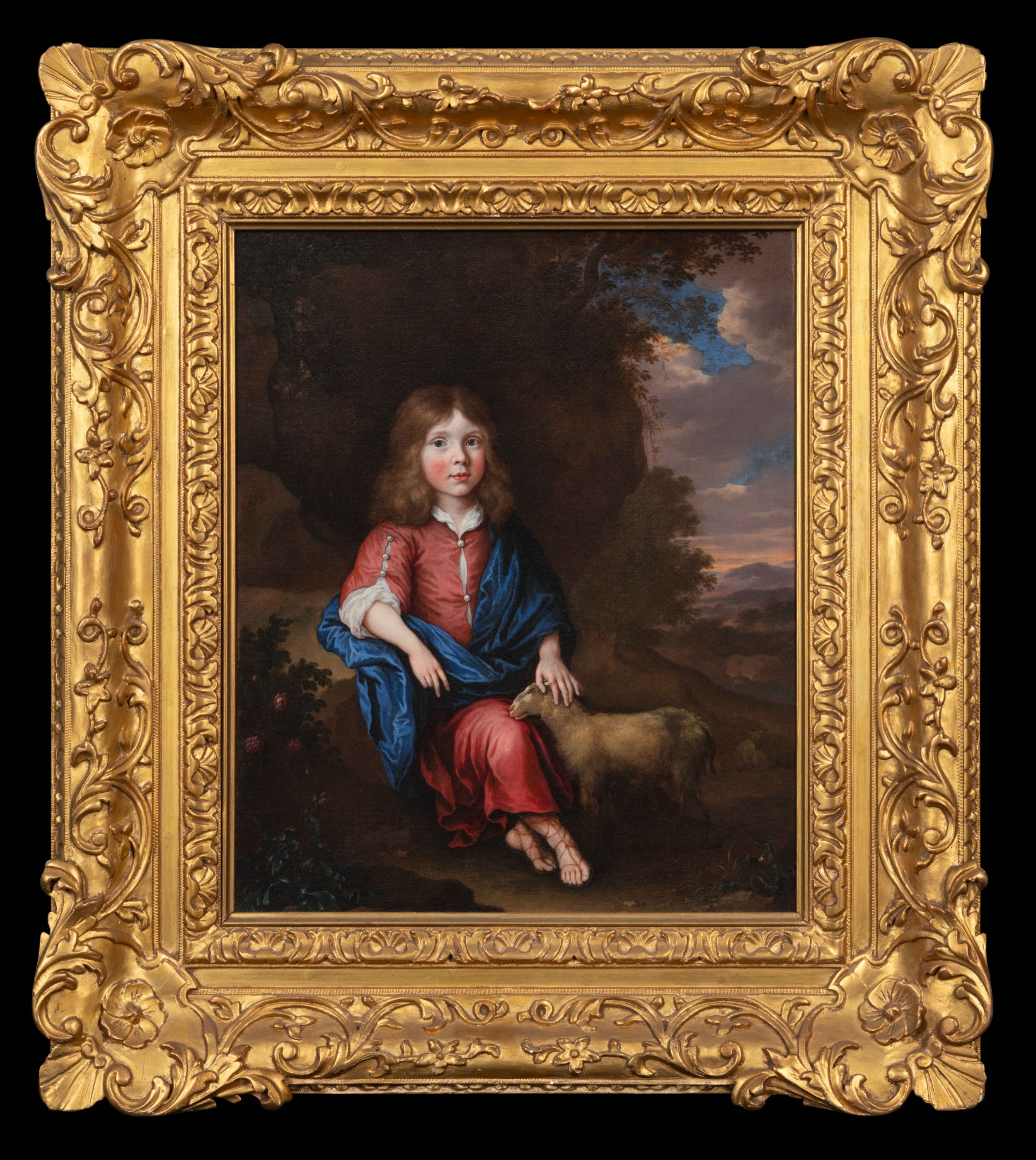
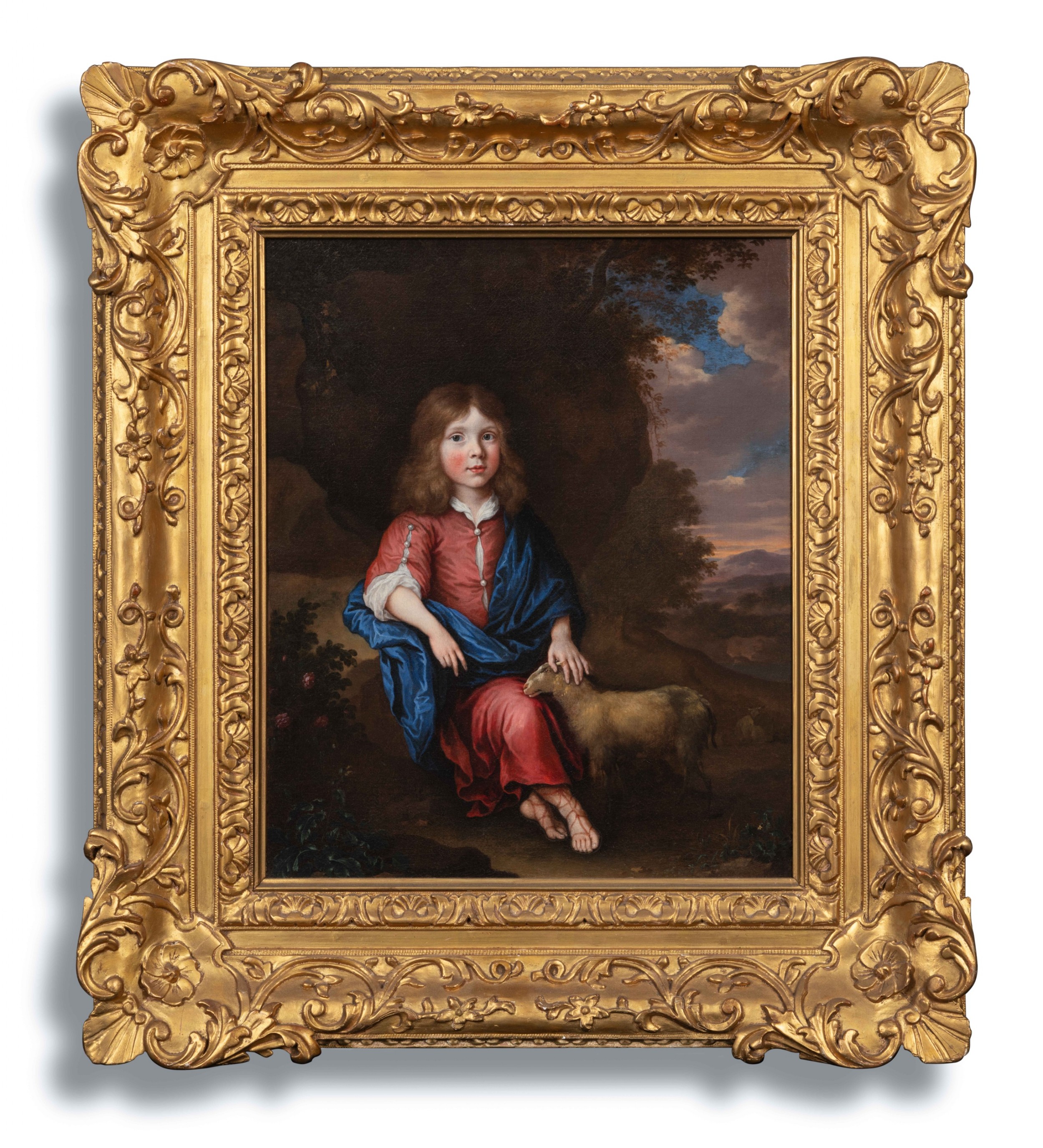
Portrait of a Gentleman, Pieter Van Der Dvssen C.1664; by Jan Van Haensbergen (1642–1705), Oil on Canvas
Titan Fine Art
sold SA1063081
Sorry, but this item has been sold.
Titan Fine Art

Titan Fine Art

Sellingantiques Verified Since Jul 2016
View Dealers Stock Page
  • About Us
    Specialist in 17th & 18thc portraits. Highly curated selection, museum-level research & pro conservation. Exceptional art, expertly vetted.
Id #SA1063081
PDF SHARE
SAVE

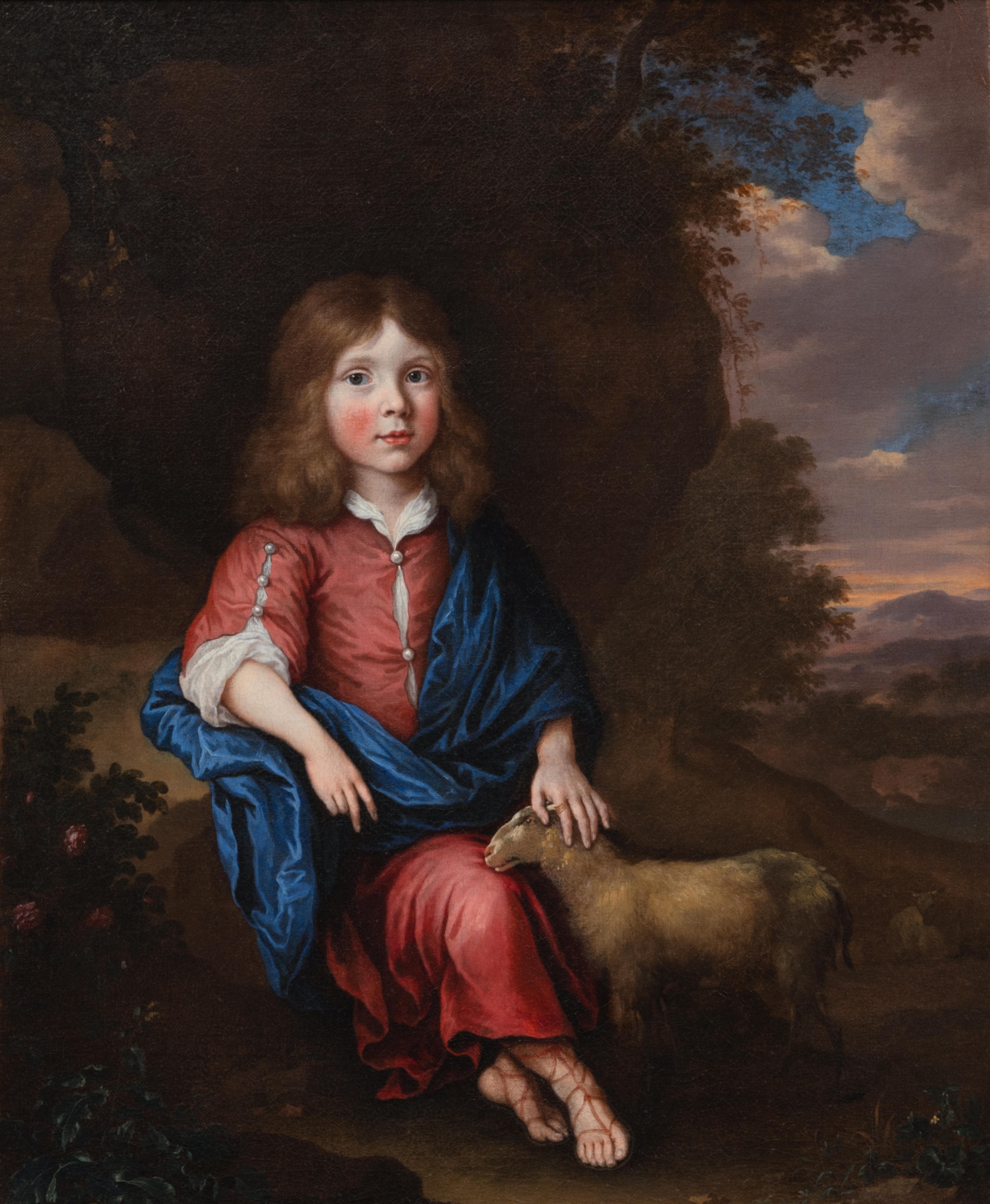
Portrait of a Gentleman, Pieter Van Der Dvssen C.1664; by Jan Van Haensbergen (1642–1705), Oil on Canvas

17th century
Description

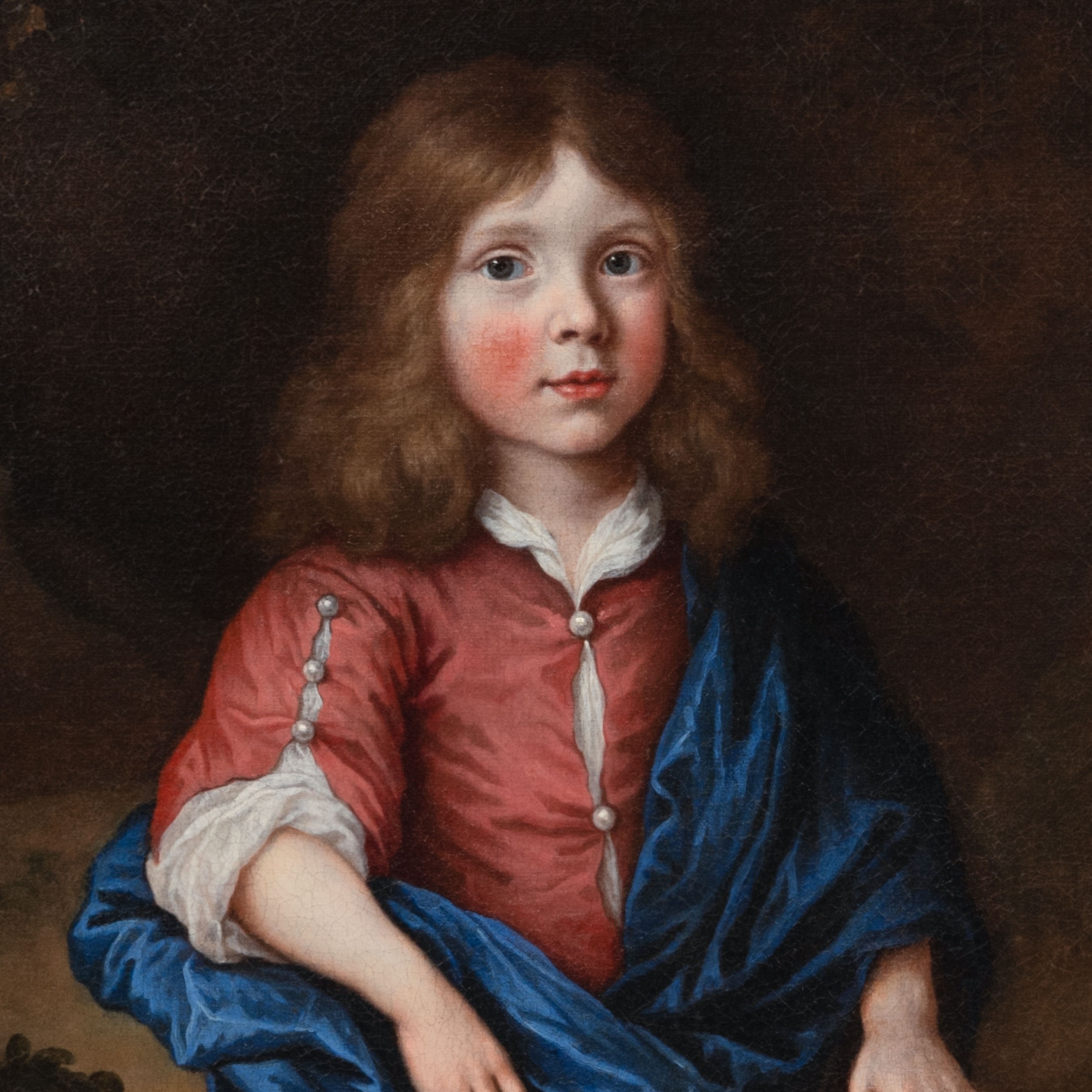
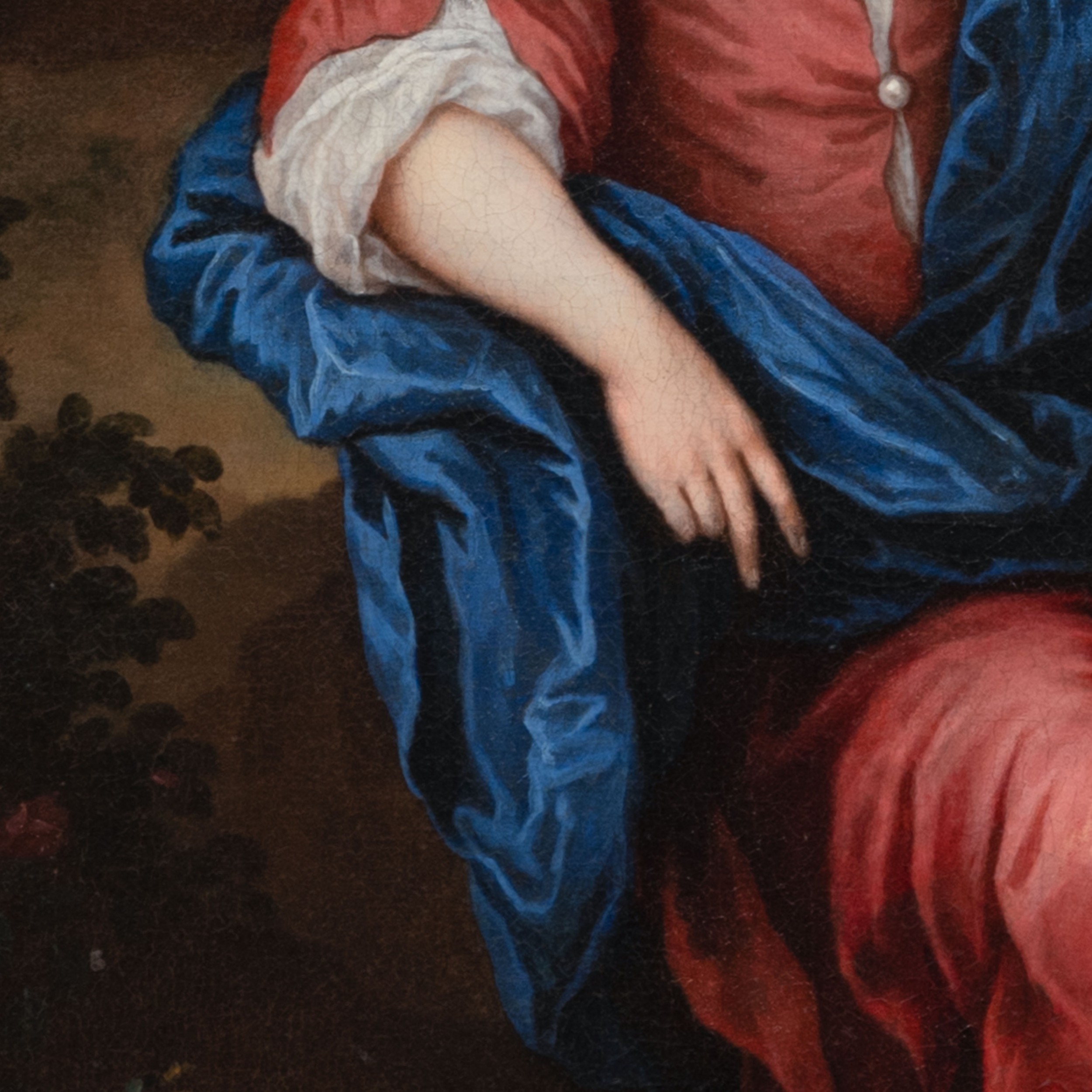
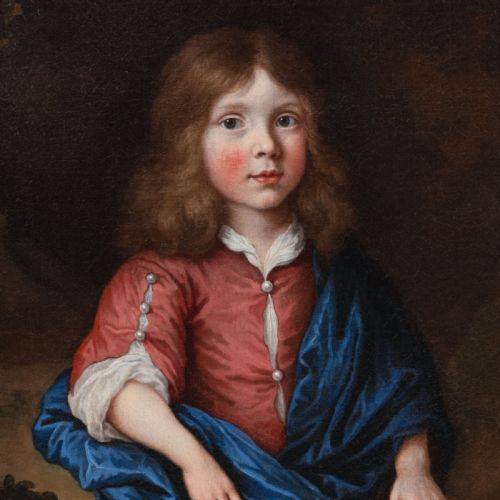
This charming portrait is an excellent example of late 17th century child portraiture and is from one of the most prolific periods in art history – the Dutch Golden Age. A vast number of artists produced work to fulfil the demands and tastes of a broad Dutch society, and many cities in the Netherlands developed into distinct artistic centres, characterised by style and specialities of subject. The quality of our portrait is similar to the works of the highly specialised ‘fijnschilders’, who were working in Leiden at the time; these artists executed meticulous small-scale paintings. As with the artist’s other works of children, Haensbergen painstakingly recorded many details including a fine depiction of the face, and the surface effects of the materials and the pearl clasps.
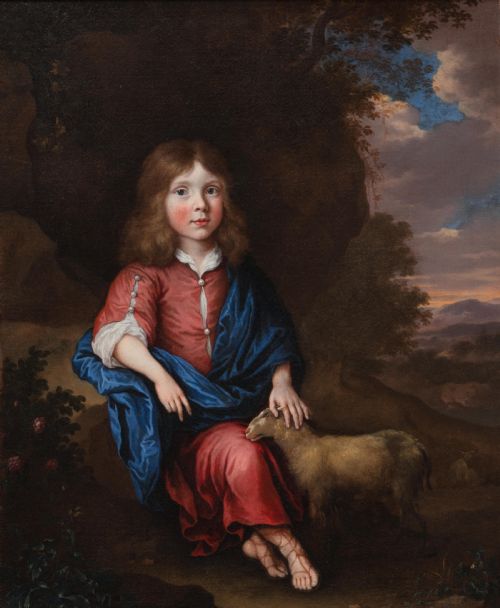
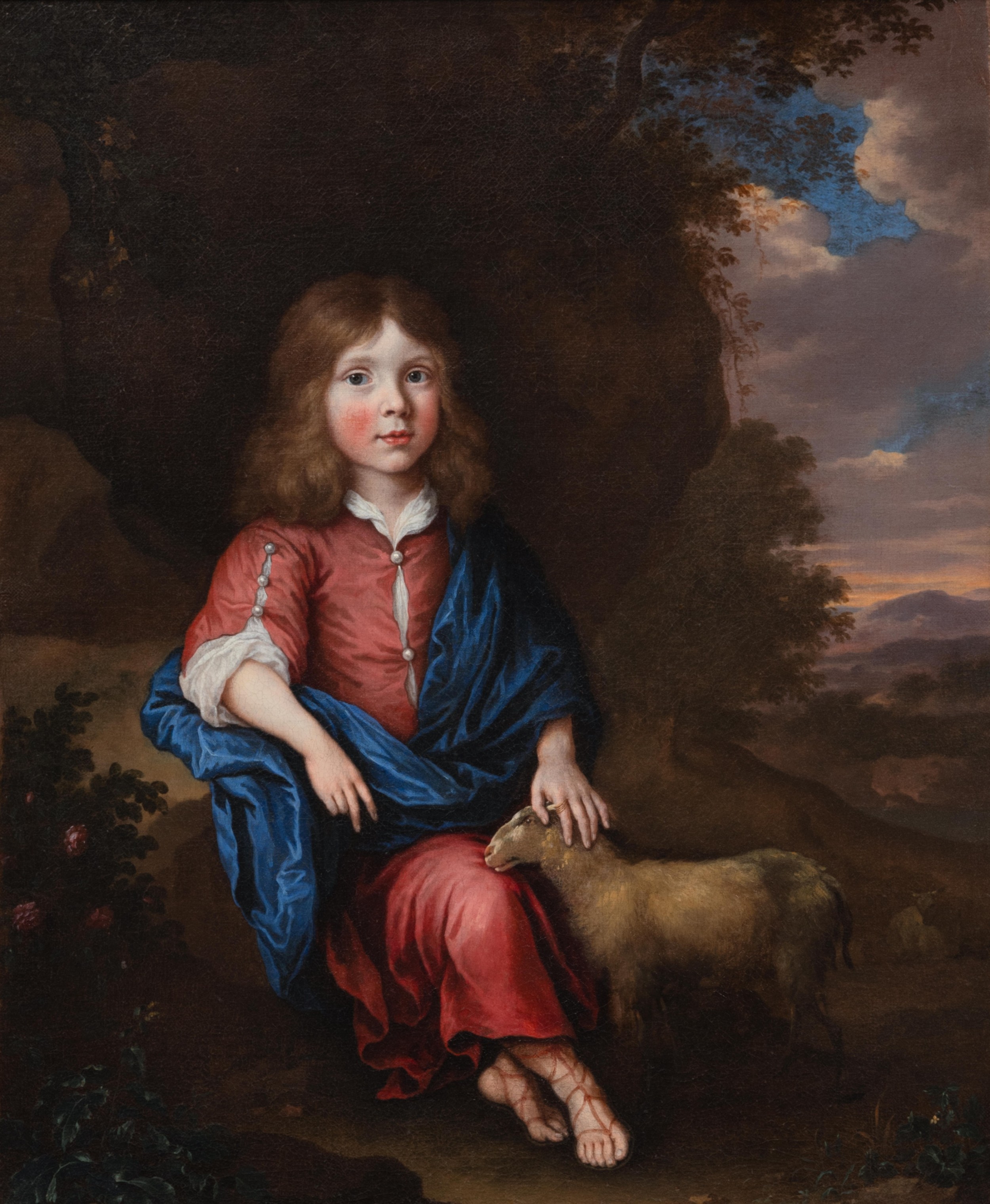
The young sitter is Walther Bernt Pieter Van der Dussen. He was born into a wealthy noble Catholic family in Delft in 1654. In this portrait he would be around ten years of age, dating the work to circa 1664, which is also the year before the artist’s marriage to Johanna van Heusden. The Van der Dussen family were great patrons of the arts and commissioned a number of major works from eminent artists in Delft & Amsterdam. Van der Dussen died in 1716.
The wooded setting, the lamb, and the “picturesque” or “Roman” dress imbues the portrait with a sense of Arcadian simplicity. This draws from the tradition of pastoral literature and by the early 17th century was already popular in art; all educated individuals were familiar with Latin and Greek pastoral poetry. The mythological world of Arcady was an idyll that the ladies and gentlemen of the Court could inhabit in the guise of shepherds and shepherdesses. The pastoral tradition in literature and plays had been embraced by an aristocratic class since classical times. Life in the country was perceived as peaceful, contemplative and free of worry of hardships, a time to pursue pleasure. To be painted in such a manner created a tangible expression of power and wealth. When the portrait was painted the pastoral was so ingrained that the mere inclusion of such elements suggested Arcadia to the viewer. Of course, the sitter did not live in such a world and this exquisitely detailed painting was a step from reality into a tranquil world.
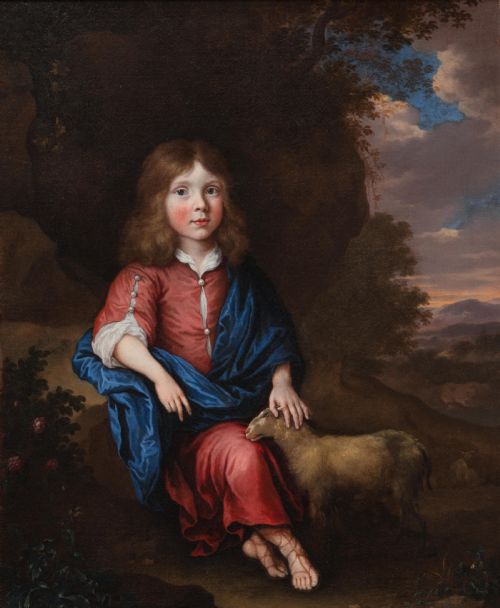
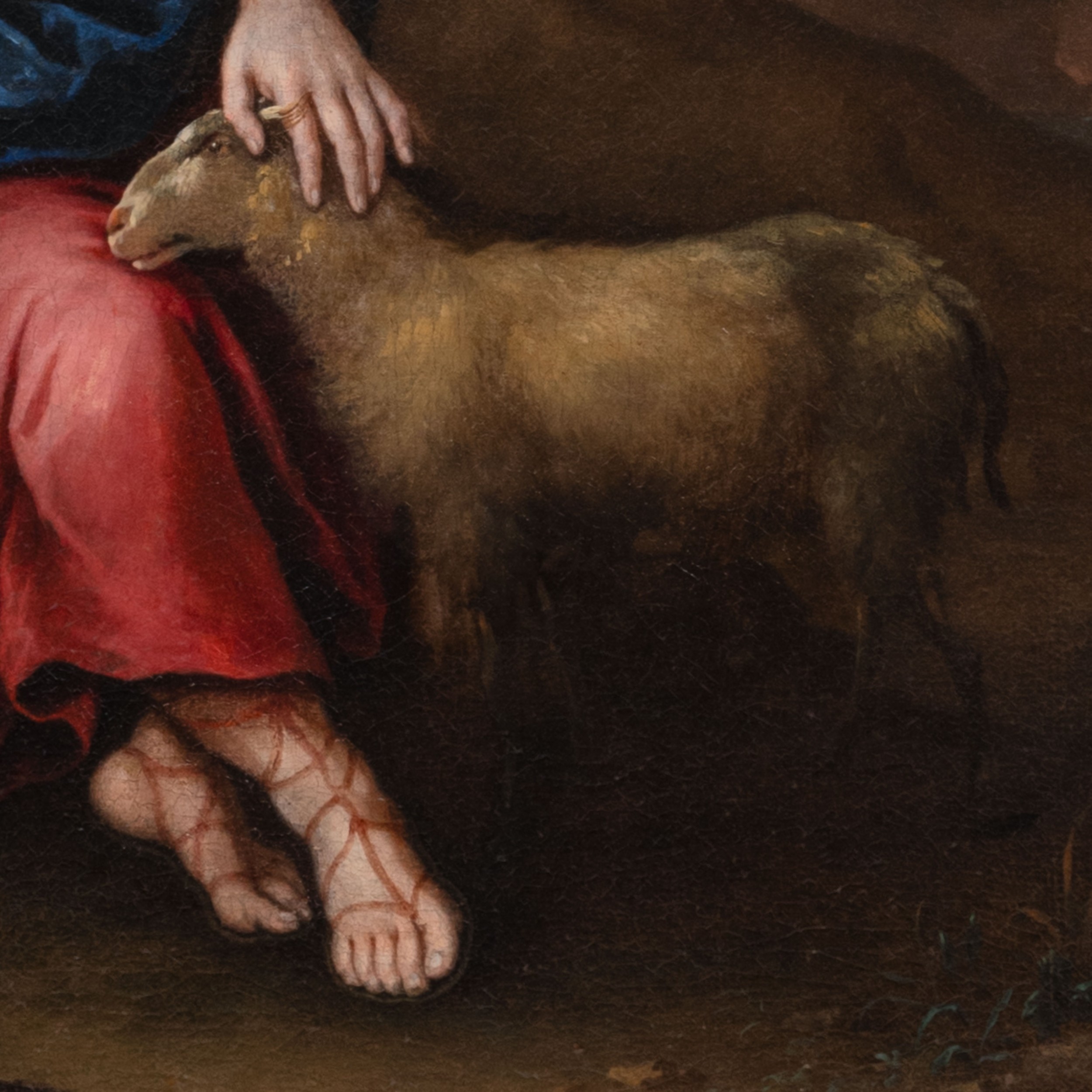
Symbolism was important in portraiture and it provided a pointed and aspirational narrative that would not have been lost on contemporary viewers. For example, the presence of the lamb, apart from being a charming pictorial device, is a clear allusion to the child’s innocence.
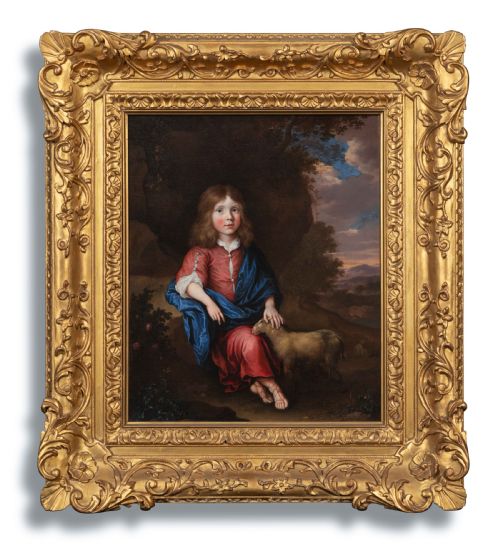
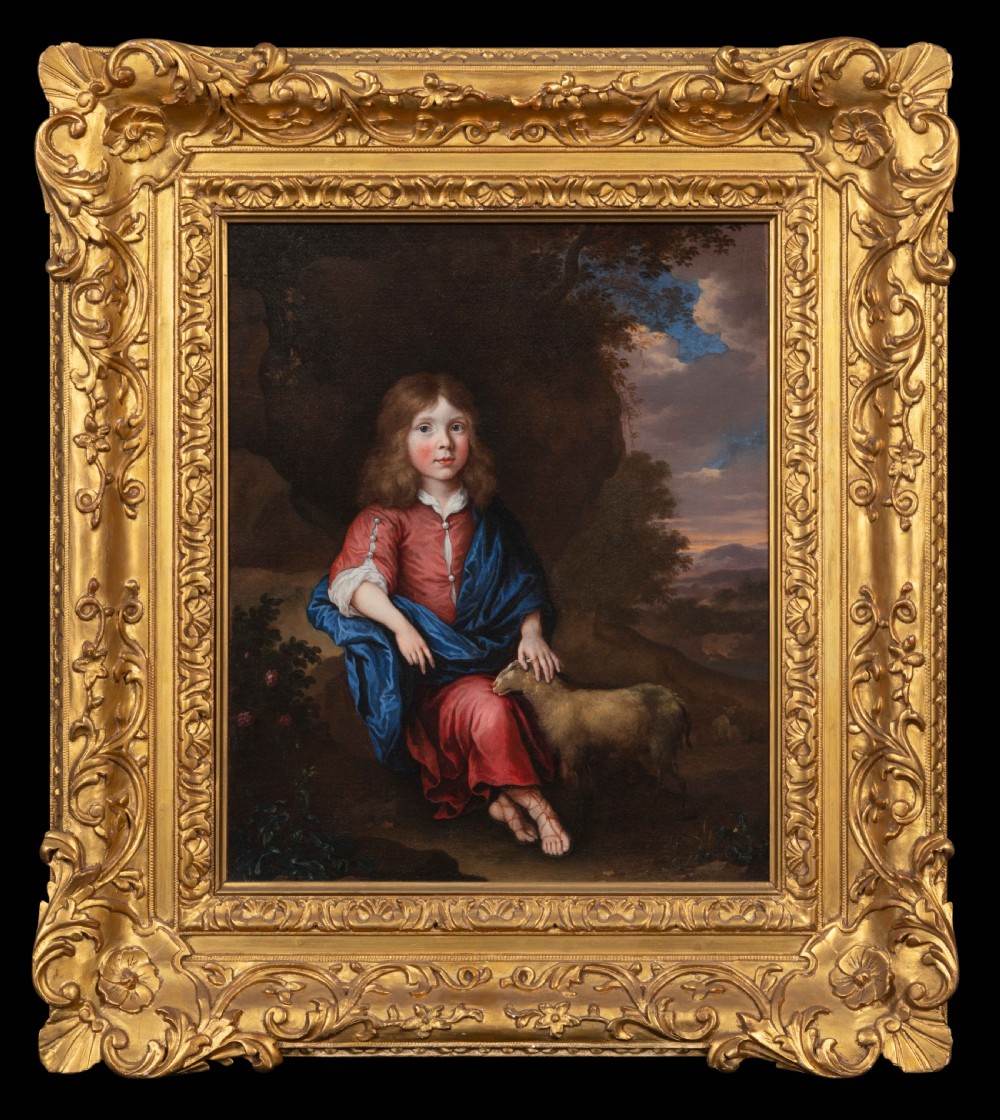
Presented in a good antique frame.

Johannes (Jan) van Haensbergen was a Dutch Golden Age painter who was born in Utrecht in 1642. By 1668 he was registered there at the Guild of St. Luke and one year later he was working in The Hague, where he was not only painting many of the local elite but he also became an art dealer. His output was prolific and his very skilful and detailed portraits, clearly showing his influence by Casper Netscher, bolstered his popularity. He died in The Hague in 1705.

Provenance: With Bonhams 5 July 2006, estimated £5,000 – £7,000

Measurements: Height 67cm, Width 59cm framed (Height 26.25”, Width 23.25” framed)

Physical Dimensions
Height
67cm (26.38")
Width
59cm (23.23")
Depth
5cm (1.97")
Declaration

Titan Fine Art has dated this piece to the 17th Century.

Reference Numbers
Sellingantiques Reference
SA1063081
Dealers Notes

Much more info about this item at: www.titanfineart.com

In a market saturated with available paintings, Titan Fine Art offers a distinct advantage: we sift through thousands of works to provide a specially curated selection. Each piece is meticulously chosen based on technical merit, provenance, and decorative appeal, ensuring our clients view only the finest examples of British and European art.

With over 20 years of expertise and 1,000+ works placed with collectors and institutions, we are one of the most prolific specialists in 17th and 18th-century portraiture. We combine a scholarly approach with museum-level rigor to replace the uncertainty of the open market with absolute confidence.

Why Buy From Titan Fine Art?

• Expertly Curated Selection

We act as your expert eye, selecting only high-quality works that offer genuine historical and artistic value.

• Museum-Level Research

Each portrait is supported by extensive academic research, often exceeding 40 hours, to establish attribution, sitter identity, and historical context.

• Professional Conservation

All paintings are carefully cleaned and stabilised by professional conservators, and are presented ready to hang.

• Transparent Pricing

No buyer’s premium or hidden fees—unlike auction houses, where additional costs can add 25–35%.

• Export Pricing Advantage

Reduced pricing is available for works exported outside the UK.

• Specialist Global Shipping

We manage the entire process, including custom crating, export documentation, and fully tracked delivery worldwide.

• Buy with Confidence

A 7-day return policy and the option to pay in GBP, USD, or EUR for convenience and transparency.

• Original Period Frames

Many works retain their original carved and gilded frames, which are works of art in their own right and enhance both historical authenticity and decorative impact.

• Personal Advisory Service

We work directly with collectors and interior designers, offering guidance on selection, scale, and placement—including bespoke room mock-ups on request.

Subscribe to our monthly 'new item alert' to be the first to hear about new works

Description
This charming portrait is an excellent example of late 17th century child portraiture and is from one of the most prolific periods in art history – the Dutch Golden Age. A vast number of artists produced work to fulfil the demands and tastes of a broad Dutch society, and many cities in the Netherlands developed into distinct artistic centres, characterised by style and specialities of subject.
The quality of our portrait is similar to the works of the highly specialised ‘fijnschilders’, who were working in Leiden at the time; these artists executed meticulous small-scale paintings.
Titan Fine Art

As with the artist’s other works of children, Haensbergen painstakingly recorded many details including a fine depiction of the face, and the surface effects of the materials and the pearl clasps.

fig 1. Portrait of a Gentleman, Pieter Van Der Dvssen c.1664; by Jan van Haensbergen (1642–1705), oil on canvas
fig 1. Portrait of a Gentleman, Pieter Van Der Dvssen C.1664; by Jan Van Haensbergen (1642–1705), Oil on Canvas

The young sitter is Walther Bernt Pieter Van der Dussen. He was born into a wealthy noble Catholic family in Delft in 1654. In this portrait he would be around ten years of age, dating the work to circa 1664, which is also the year before the artist’s marriage to Johanna van Heusden. The Van der Dussen family were great patrons of the arts and commissioned a number of major works from eminent artists in Delft & Amsterdam. Van der Dussen died in 1716.

fig 2. Portrait of a Gentleman, Pieter Van Der Dvssen c.1664; by Jan van Haensbergen (1642–1705), oil on canvas
fig 2. Portrait of a Gentleman, Pieter Van Der Dvssen C.1664; by Jan Van Haensbergen (1642–1705), Oil on Canvas

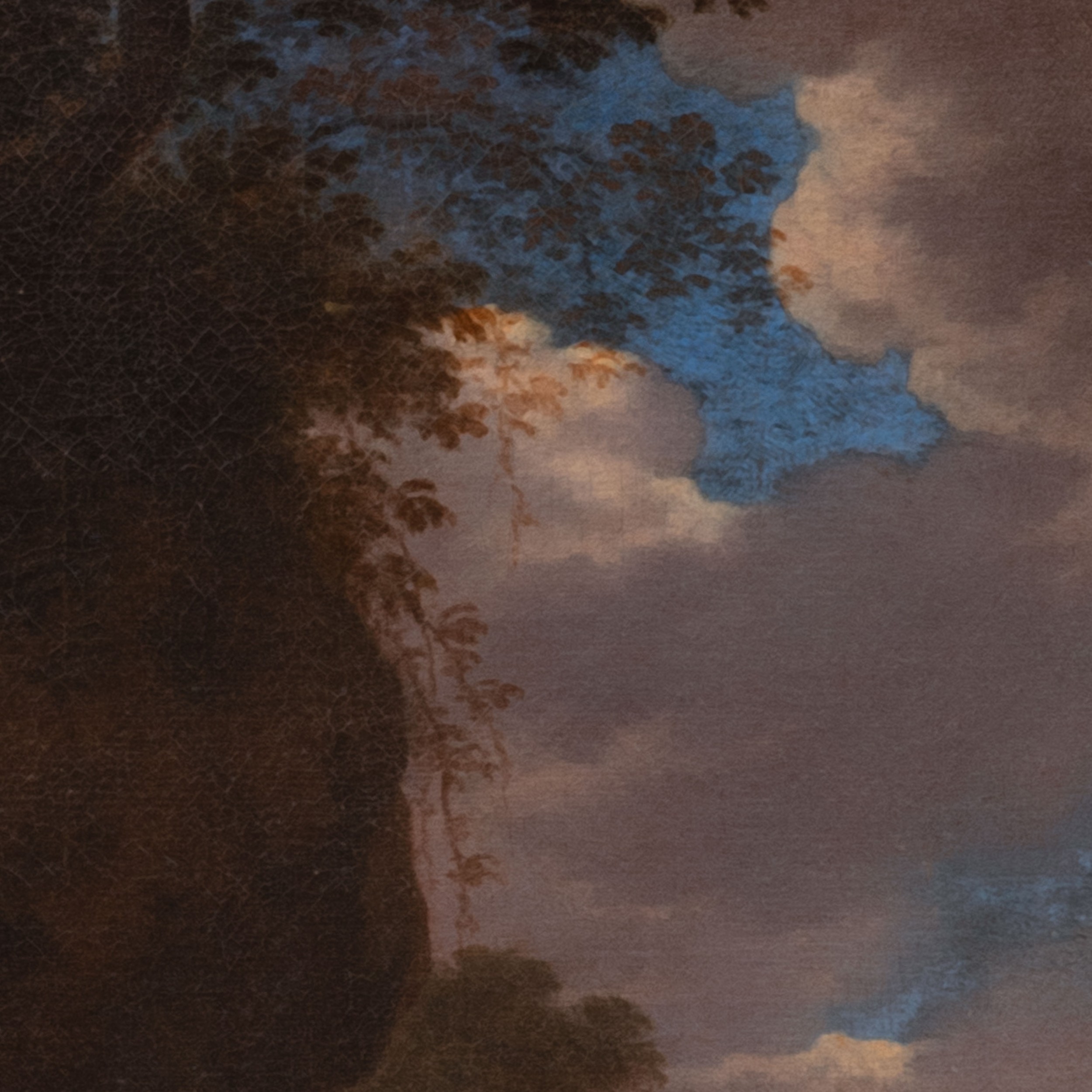
The wooded setting, the lamb, and the “picturesque” or “Roman” dress imbues the portrait with a sense of Arcadian simplicity. This draws from the tradition of pastoral literature and by the early 17th century was already popular in art; all educated individuals were familiar with Latin and Greek pastoral poetry. The mythological world of Arcady was an idyll that the ladies and gentlemen of the Court could inhabit in the guise of shepherds and shepherdesses. The pastoral tradition in literature and plays had been embraced by an aristocratic class since classical times. Life in the country was perceived as peaceful, contemplative and free of worry of hardships, a time to pursue pleasure. To be painted in such a manner created a tangible expression of power and wealth. When the portrait was painted the pastoral was so ingrained that the mere inclusion of such elements suggested Arcadia to the viewer. Of course, the sitter did not live in such a world and this exquisitely detailed painting was a step from reality into a tranquil world.

fig 3. Portrait of a Gentleman, Pieter Van Der Dvssen c.1664; by Jan van Haensbergen (1642–1705), oil on canvas
fig 3. Portrait of a Gentleman, Pieter Van Der Dvssen C.1664; by Jan Van Haensbergen (1642–1705), Oil on Canvas

Symbolism was important in portraiture and it provided a pointed and aspirational narrative that would not have been lost on contemporary viewers. For example, the presence of the lamb, apart from being a charming pictorial device, is a clear allusion to the child’s innocence.

fig 4. Portrait of a Gentleman, Pieter Van Der Dvssen c.1664; by Jan van Haensbergen (1642–1705), oil on canvas
fig 4. Portrait of a Gentleman, Pieter Van Der Dvssen C.1664; by Jan Van Haensbergen (1642–1705), Oil on Canvas

Presented in a good antique frame.

Johannes (Jan) van Haensbergen was a Dutch Golden Age painter who was born in Utrecht in 1642. By 1668 he was registered there at the Guild of St. Luke and one year later he was working in The Hague, where he was not only painting many of the local elite but he also became an art dealer. His output was prolific and his very skilful and detailed portraits, clearly showing his influence by Casper Netscher, bolstered his popularity. He died in The Hague in 1705.

Provenance: With Bonhams 5 July 2006, estimated £5,000 – £7,000

Measurements: Height 67cm, Width 59cm framed (Height 26.25”, Width 23.25” framed)

Height
67cm (26.38")
Width
59cm (23.23")
Depth
5cm (1.97")
Date of Manufacture

Titan Fine Art has dated this piece to the 17th Century.

Reference Numbers
Sellingantiques Ref
SA1063081
Titan Fine Art
Titan Fine Art
Sellingantiques verified Since Jul 2016

Specialist in 17th & 18thc portraits. Highly curated selection, museum-level research & pro conservation. Exceptional art, expertly vetted.

Dealer Profile

You can view the stock and full dealer information on the Titan Fine Art Profile Page
PDF SHARE
SAVE
Portrait of a Gentleman, Pieter Van Der Dvssen c.1664; by Jan van Haensbergen (1642–1705), oil on canvas
1 / 8
Archive I Portrait of a Gentleman, Pieter Van Der Dvssen c.1664; by Jan van Haensbergen (1642–1705), oil on canvas

Portrait of a Gentleman, Pieter Van Der Dvssen C.1664; by Jan Van Haensbergen (1642–1705), Oil on Canvas
Archive II Portrait of a Gentleman, Pieter Van Der Dvssen c.1664; by Jan van Haensbergen (1642–1705), oil on canvas View II
Archive III Portrait of a Gentleman, Pieter Van Der Dvssen c.1664; by Jan van Haensbergen (1642–1705), oil on canvas View III
Archive IV Portrait of a Gentleman, Pieter Van Der Dvssen c.1664; by Jan van Haensbergen (1642–1705), oil on canvas View IV
Archive V Portrait of a Gentleman, Pieter Van Der Dvssen c.1664; by Jan van Haensbergen (1642–1705), oil on canvas View V
Archive VI Portrait of a Gentleman, Pieter Van Der Dvssen c.1664; by Jan van Haensbergen (1642–1705), oil on canvas View VI
Archive VII Portrait of a Gentleman, Pieter Van Der Dvssen c.1664; by Jan van Haensbergen (1642–1705), oil on canvas View VII
Archive VIII Portrait of a Gentleman, Pieter Van Der Dvssen c.1664; by Jan van Haensbergen (1642–1705), oil on canvas View VIII
Enlarged Archival View
Telephone 07875 412 111
Location
London
United Kingdom
Dealer Profile Page sellingantiques.co.uk/titan
Verified Since Jul 2016
Items For Sale 16
Items Sold 401
Titan Fine Art
Titan Fine Art
Verified Since Jul 2016
View Dealer Info
Location: London, United Kingdom
Verified
Jul 2016
For Sale
16
Sold
401
Portrait of a Gentleman, Pieter Van Der Dvssen c.1664; by Jan van Haensbergen (1642–1705), oil on canvas
Ref: SA1063081
Portrait of a Gentleman, Pieter Van Der Dvssen c.1664; by Jan van Haensbergen (1642–1705), oil on canvas
Detail View 1
Detail View 2
Detail View 3
Detail View 4
Detail View 5
Detail View 6
Detail View 7
Archival Detail
Every single antique dealer on our platform is individually approved by our internal team. We verify their professional trade history, ethical standards, and photographic quality to ensure a secure, high-standard buying environment. Upon joining, every dealer agrees to a strict 9-point code of conduct. While issues can occasionally arise, our dealers typically resolve them swiftly and directly with the buyer. In fact, since our founding in 2002, Sellingantiques has only had to step in to help resolve an issue on roughly five occasions—a true testament to the quality of our dealers and their dedication to your happiness.
Our dealers are highly experienced in packing and shipping fragile, high-value antiques. Because you are in direct contact with the dealer, you will be able to easily go through all available shipping and insurance options together to ensure your item arrives safely.
Antiques are the ultimate green purchase. By choosing historical pieces over newly manufactured goods, you completely eliminate the carbon footprint of modern mass production while preserving exceptional, timeless craftsmanship.
items
Add keywords to the filter
Price
£100
£250000
Era
Movements
Material
Origin
Stock Location
Freshness
Online Payments
Categories