




Yorkshire School Painting
Yorkshire school painting captures the varied landscapes and coastal scenes of the county through historical watercolours and oils.
Yorkshire School Painting
When you search for yorkshire school painting, you encounter works depicting local scenes such as castles, rivers, and coastal harbours from past centuries. These pieces record the topography and changing light of the region through the eyes of artists who worked locally or visited the county.
The selection on this page relies heavily on early twentieth-century watercolours and oils, alongside notable eighteenth and nineteenth-century examples. Coastal subjects centred around Staithes and Whitby appear frequently alongside inland views of dales and abbeys.
How they were made
Artists executed these works primarily using watercolour paint on paper or oil paint applied to canvas, panel, or board. Many watercolours utilise pencil underdrawing to establish architectural details or landscape contours before the washes of colour are applied.
Oils on canvas or panel offer thicker pigment application, allowing painters to build up texture in skies, water, and foliage. Surviving works are typically housed in period wood frames that complement the painting style.
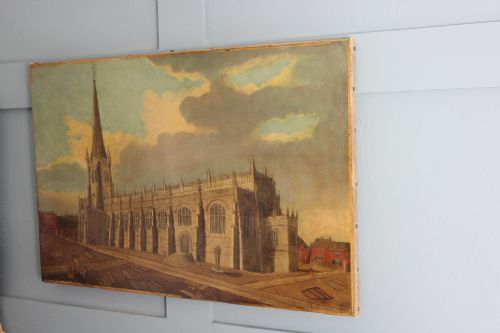
The inventory records depictions of historical Yorkshire landmarks, ranging from Whitby Harbour and Bolton Abbey to Wakefield Cathedral.
What varies in quality
The strength of a composition and the artist's handling of natural light distinguish exceptional works from standard topographical views. Stronger pieces demonstrate a confident control of medium, whether through translucent watercolour washes or richly worked oil pigments that capture atmospheric conditions.
Reginald Grange Brundrit·George Graham·Arthur Tucker·Florence Hess·Frank H Mason·Henry Barlow Carter·Herbert Royle·Percy Brooke·Amos Green·Fred Stead·John Cawthorn·Angus Rands·Ernest Higgins Rigg·Owen Bowen·Rowland Henry Hill·Arthur Netherwood·Tom Dudley·Fred Lawson·Alec Caruthers Gould·James William Booth·Everett Watson Mellor·George Jackson·Edwin Cockburn
The Yorkshire School Painting Glossary
- Watercolour
- A paint consisting of colour suspended in a water-soluble binder. It is traditionally applied in translucent washes over paper.
- Oil on canvas
- A painting technique using pigments bound in a drying oil, applied to a stretched canvas support. This method allows for extensive blending and textural build-up.
- Staithes group
- A loose association of artists influenced by impressionism who worked in the Yorkshire fishing village of Staithes. Their output forms a distinct regional subset of British art.
- Topographical
- Representing specific real-world locations with a focus on accurate geographical or architectural detail. Many regional landscapes serve this documentary function.
Yorkshire School Painting: Frequently Asked Questions
What subjects do these paintings show?
The artworks depict a wide range of Yorkshire subjects, including rugged coastal harbours, fishing boats, ruined abbeys, and inland river valleys. Artists focused heavily on recognisable local landmarks and rural daily life.
Scenes from coastal spots like Staithes and Whitby appear alongside pastoral views of the dales, market towns, and historical abbeys.
How do I date an antique painting?
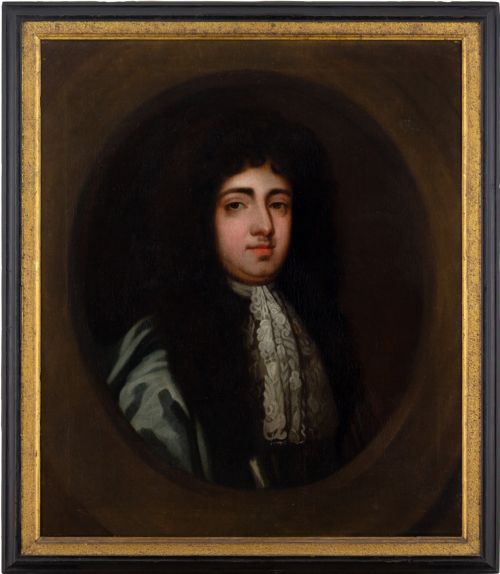
Dating relies on stylistic evidence, signatures, framing, and the physical characteristics of the canvas or paper support. Historical dress in portraits or specific architectural states in townscapes also help establish a timeframe.
Many listings provide specific decades or centuries based on artist lifespans and historical records associated with the subject matter.
Where were these artists active?
These painters worked directly across Yorkshire, capturing both its dramatic coastline and its tranquil inland scenery. Some were resident artists based in local towns, while others travelled to the region specifically to paint.
Coastal communities and picturesque river valleys attracted distinct groups of painters who returned to the same locations across different seasons.
How should I display a watercolour?
Watercolours require mounting behind glass with conservation-grade materials to protect the paper and pigments from environmental damage. Direct sunlight should be avoided to prevent the fading of delicate watercolour washes.
Keeping them in stable indoor conditions away from excessive moisture preserves both the paper support and the original wood frame.