





Yomut Turkmen Wall Hanging
These Yomut Turkmen wall hanging examples bring nomadic Central Asian textile art into modern interiors through woven bags, asmalyks, and tent-band fragments.
Yomut Turkmen Wall Hanging
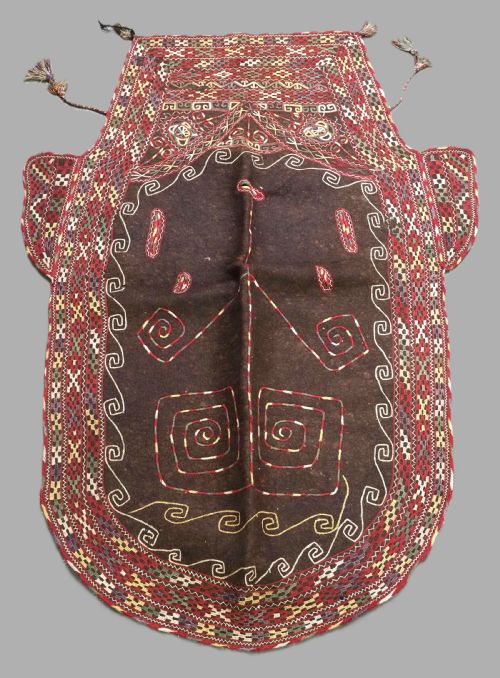
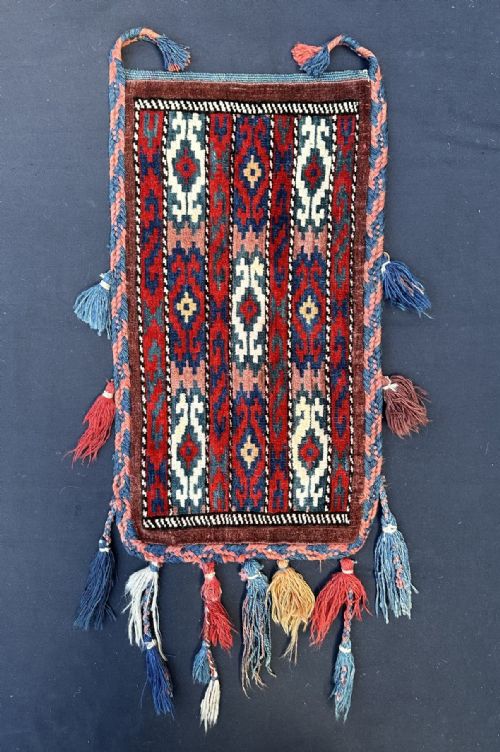
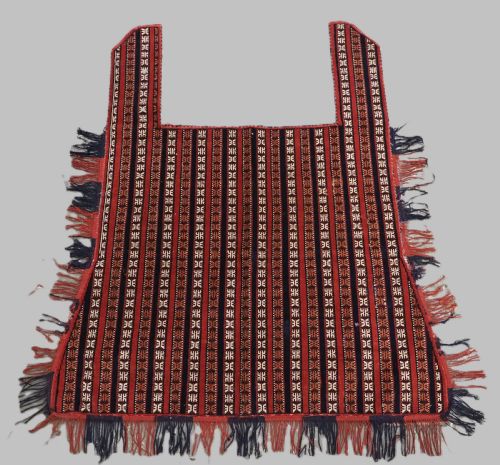
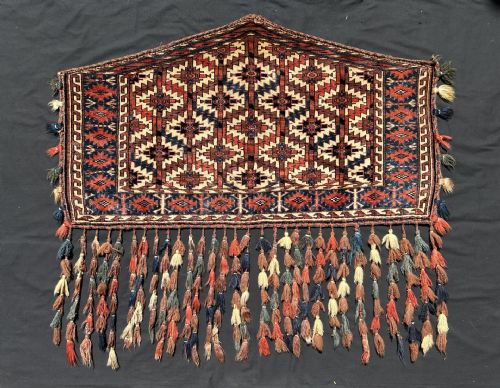
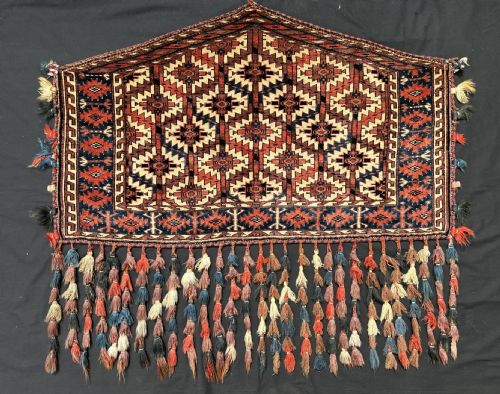
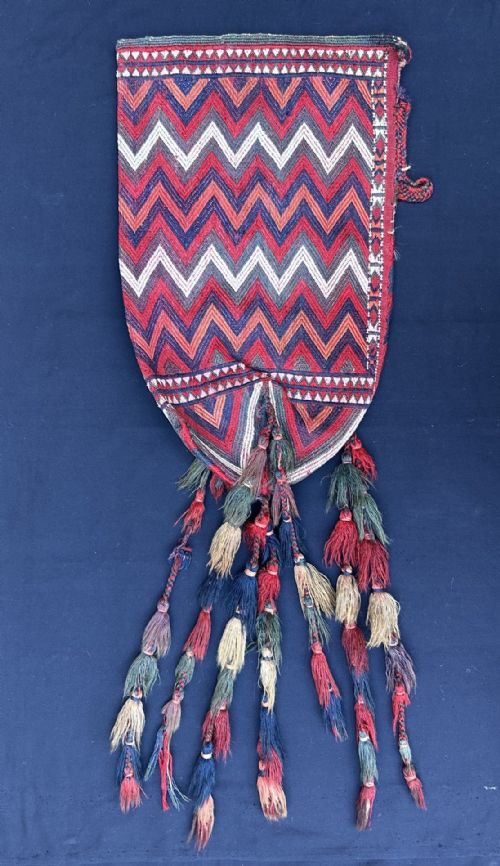
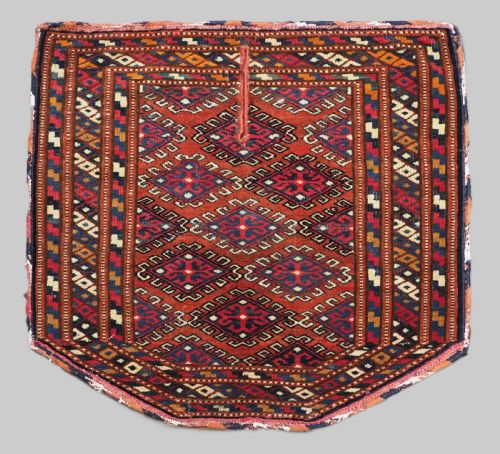
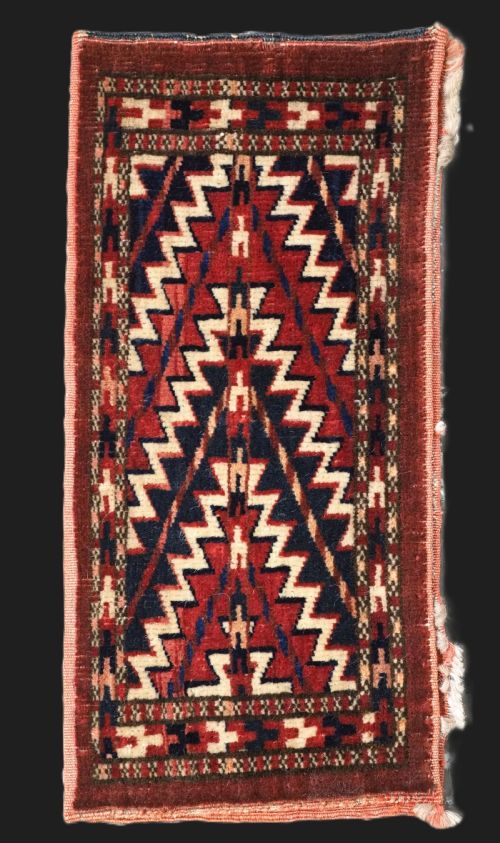
A yomut turkmen wall hanging encompasses a range of utilitarian tribal weavings originating from the Trans-Caspian Steppes and Turkmenistan during the nineteenth and early twentieth centuries. These textile works include ceremonial horse covers, asmalyks, spindle bags, tent-pole bags, and storage sacks known as chuvals or torbas.
While originally made for practical nomadic use or tribal ceremony, many surviving examples now function as decorative wall art due to their striking geometric patterns. The pieces appearing on this page span from the eighteen-sixties through to nineteen-twenty, representing tribal and nomadic styles from Central Asia.
Materials and technique
Makers utilised hand-spun wool, natural dyes, and cotton to construct these resilient textiles, often incorporating felted wool and supplementary threads of cotton or silk for detail. The construction combines pile weaving, flatweave techniques, and plain weave backs.
The distinct visual patterns rely on traditional tribal motifs, including the kepse gül and aishk gül designs, rendered in saturated natural colour palettes characteristic of Turkmen weaving traditions.
Listings feature items dated from eighteen-sixty up to nineteen-twenty, alongside pieces attributed broadly to the nineteenth century.
What varies in quality
Quality rests in the fineness of the weave, the clarity and complexity of the tribal gul motifs, and the depth achieved through natural dyes. Examples retaining complete backs, original tassels, or intact structural integrity show greater fidelity to their original nomadic utility.
Condition and completeness alter the character of each piece, distinguishing utilitarian storage fragments from ceremonial items woven with greater decorative ambition and finer knotting density.
The Yomut Turkmen Wall Hanging Glossary
- Asmalyk
- A ceremonial pentagonal horse trapping traditionally mounted on the flanks of a bride's camel during wedding processions. These pieces display distinct tribal motifs and symmetrical formats.
- Torba
- A small horizontal storage bag used inside the nomadic tent for personal possessions. They frequently feature detailed face designs and banded flatweave backs.
- Chuval
- A large tent-storage bag designed for blankets and household goods. They often showcase repeating gul arrangements across the main field.
- Gül
- A repeating medallion or floral-derived motif central to Turkmen tribal design systems. Each tribe utilised specific forms to signify identity and lineage.
- Okbash
- A specialised tent-pole bag or cover shaped to fit over the curved wooden struts of a yurt framework. They terminate in tapered caps and display intricate weaving.
Yomut Turkmen Wall Hanging: Frequently Asked Questions
What is a yomut turkmen wall hanging?
These items are historical nomadic textiles, including horse blankets, asmalyks, and storage bags, repurposed for display on interior walls.
Originating from Central Asian tribes during the nineteenth and early twentieth centuries, they translate functional tribal weaving into decorative art.
How were these bags originally used?
Nomadic families utilised these woven pieces inside tents for storing household possessions, bedding, and personal items like spindle tools.
Certain items, such as asmalyks and horse covers, served ceremonial roles during tribal weddings and festive processions across the steppes.
How do I hang a textile safely?
Mounting requires weight to be distributed evenly across the textile using a fabric sleeve or specialised archival display clips.
Avoid direct puncture by nails or pins, and keep the textile away from prolonged exposure to direct sunlight to protect natural wool dyes.
How do I identify the period?
Dating relies on material analysis, observing the use of hand-spun wool, early synthetic or natural dye palettes, and structural wear patterns.
Pieces on this page date primarily from the mid-nineteenth century through to the early decades of the twentieth century.